
15 Breathtaking Places In Michigan That Belong On Your 2026 Travel List
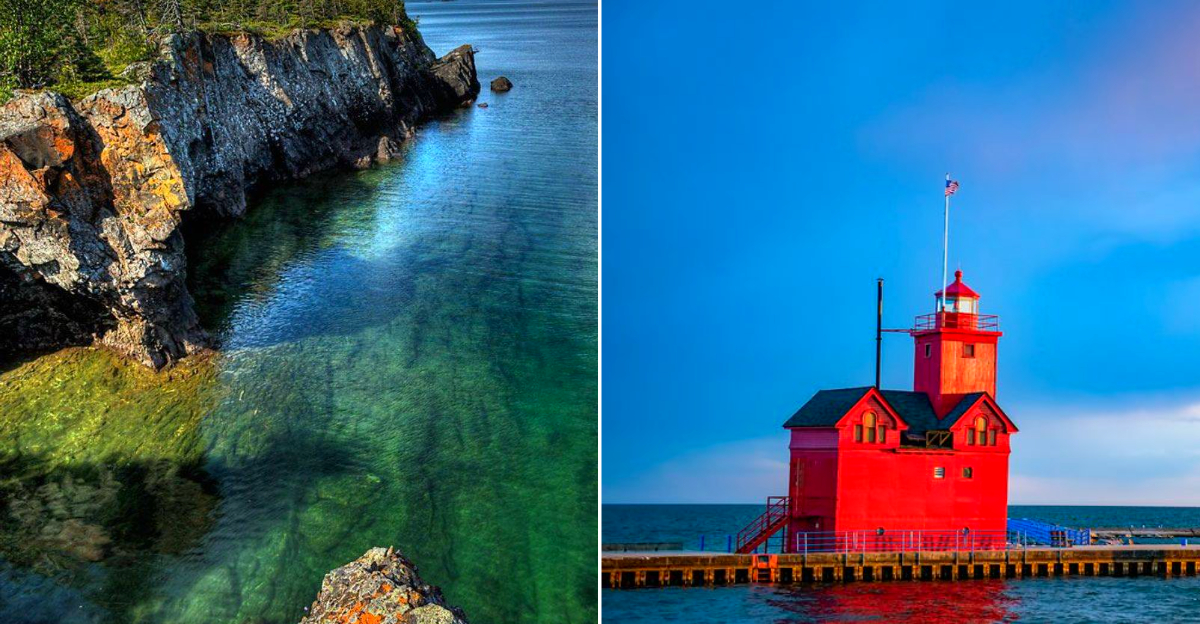
Michigan makes travel lists difficult because the state refuses to stay in one mood. One day you are staring into water so clear it feels suspiciously edited, and the next you are watching freighters move like floating buildings, cliffs glowing in late light, or dunes acting as if they wandered in from another planet.
I like places that surprise me without trying too hard, and Michigan has a habit of doing exactly that. Michigan travel in 2026 can stretch from clear springs and wild shorelines to quiet islands, historic towns, freighter views, and dramatic landscapes worth planning around.
What makes the state so rewarding is the contrast. It is not just pretty, though it is absolutely that. It is rugged, soft, strange, practical, and full of small local rituals that make each stop feel grounded. Leave room in the plan, because Michigan rarely behaves like one simple destination.
15. Sleeping Bear Dunes National Lakeshore
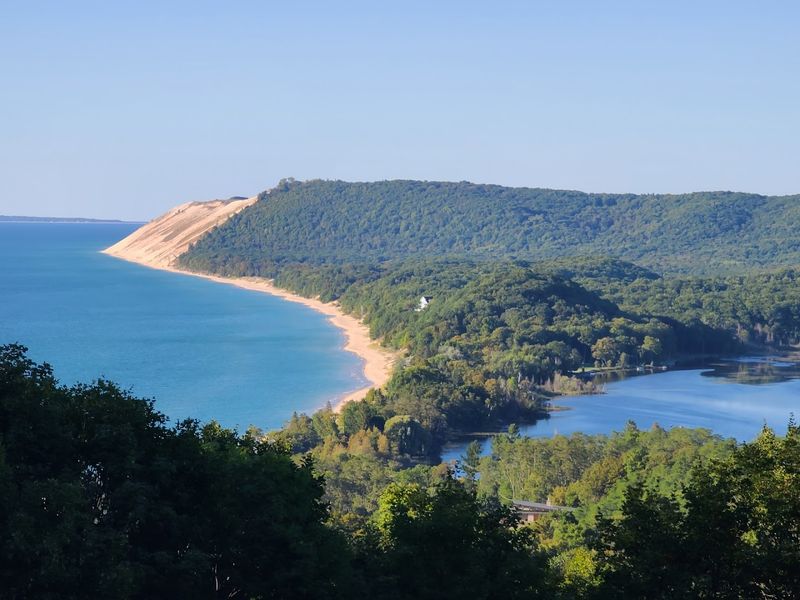
The first thing that catches you here is scale. The dunes rise in huge pale folds above Lake Michigan, and the famous overlooks near Pierce Stocking Scenic Drive make the water look almost oceanic, only cleaner and stranger.
Wind shapes everything, from the grass at your feet to the sharp edges of footprints that vanish by evening.
Sleeping Bear Dunes National Lakeshore protects miles of shoreline, forests, inland lakes, and those steep perched dunes formed by glaciers and wind. You can hike the Dune Climb, drive the scenic loop, or head farther out on trails for quieter views.
The park gets busy in summer, so early mornings feel especially generous, with softer light and noticeably more room to breathe. Nearby Glen Arbor makes an easy base after a sandy, calf-burning day outside.
14. Pictured Rocks National Lakeshore
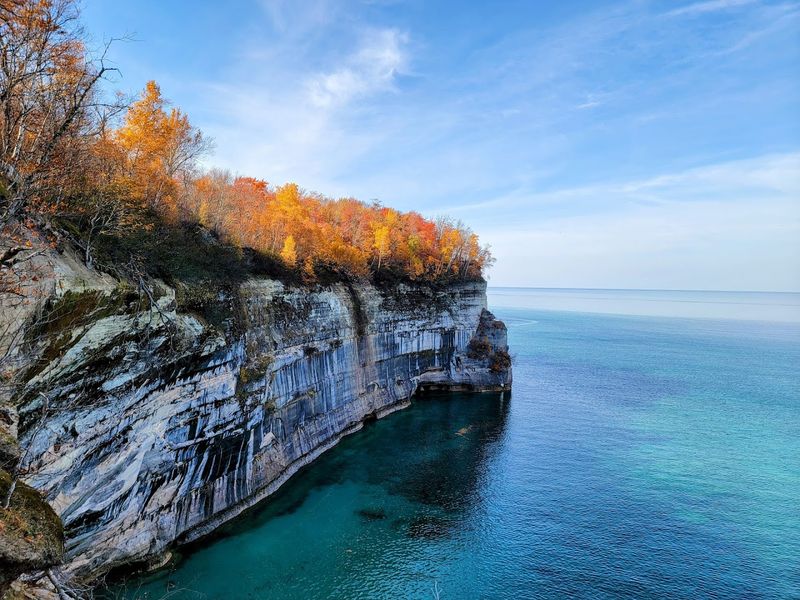
Lake Superior has a way of making color look theatrical, and nowhere in Michigan does that better than Pictured Rocks. The sandstone cliffs streak with mineral stains in rust, green, cream, and black, while the water below shifts from steel to impossible turquoise depending on sun and wind.
Even on a calm day, the place feels slightly untamed. This national lakeshore stretches along the Upper Peninsula near Munising, with beaches, waterfalls, arches, and sea caves packed into one remarkably varied shoreline.
Boat cruises reveal the cliff faces best, while kayakers get closer to the rock textures and carved openings. Trails lead to overlooks like Miners Castle and Chapel Rock if you would rather stay on land. Conditions on Superior change quickly, so checking forecast and wave reports is not fussy planning here. It is basic self-preservation.
13. Mackinac Island
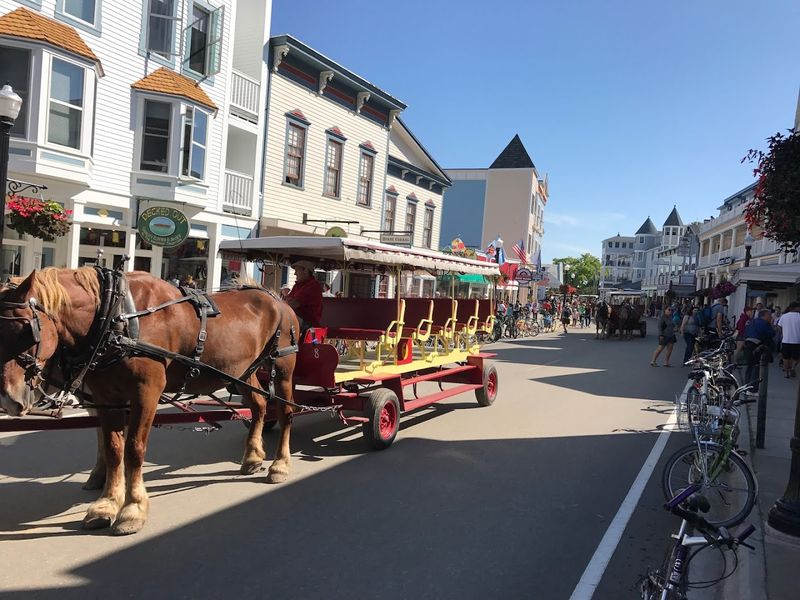
The silence is what surprises people first. Without cars, Mackinac Island trades engine noise for bicycle tires, hoofbeats, ferry horns, and the occasional smell of fudge drifting through town like a marketing campaign that somehow works.
It feels polished but not fake, especially once you leave the busiest blocks and start climbing toward the bluffs. More than 80 percent of the island is preserved as Mackinac Island State Park, which is why the place still holds onto woods, limestone formations, and long shoreline views.
Fort Mackinac anchors the island’s layered history, while Victorian buildings keep the downtown distinctively old-fashioned without turning it into a museum set. You can circle the island by bike on M-185, hike interior trails, or take a carriage if your legs protest. Ferries run seasonally, so timing matters when planning a longer stay.
12. Tahquamenon Falls State Park
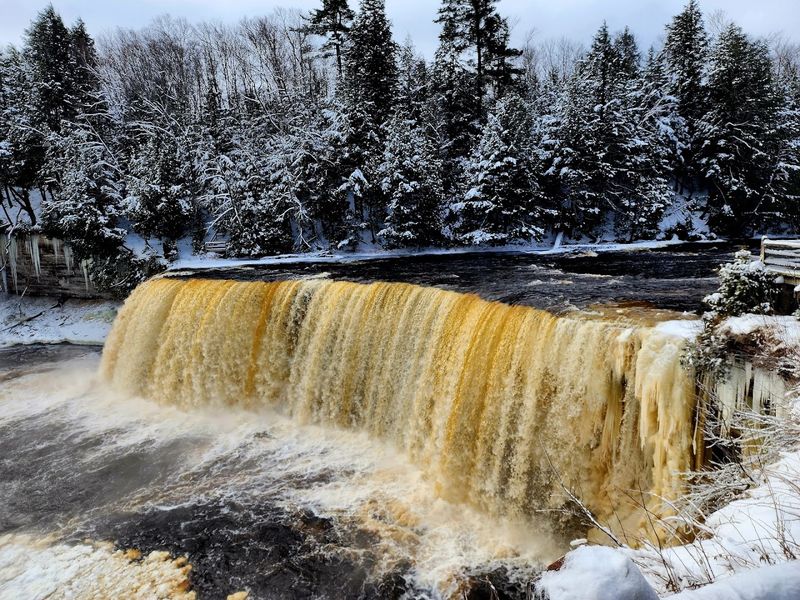
The water here looks steeped like tea, a rich amber color created by tannins from cedar, spruce, and hemlock swamps upstream. That unusual hue gives Tahquamenon Falls an instantly recognizable character, especially at the Upper Falls, where nearly 200 feet of river drops in one broad curtain.
Mist hangs low, and the whole scene feels muscular rather than delicate. This is Michigan’s second-largest state park, with nearly 50,000 acres and enough trail mileage to reward more than a quick stop.
The Upper Falls is the headline, but the Lower Falls offers a different rhythm: a series of smaller cascades around an island reached by bridge, with rowboat rentals in season. Fall color is spectacular, though winter has its own drama with snow-framed water and quiet trails. Give yourself time for both sections of the park, because they do not feel interchangeable at all.
11. Isle Royale National Park
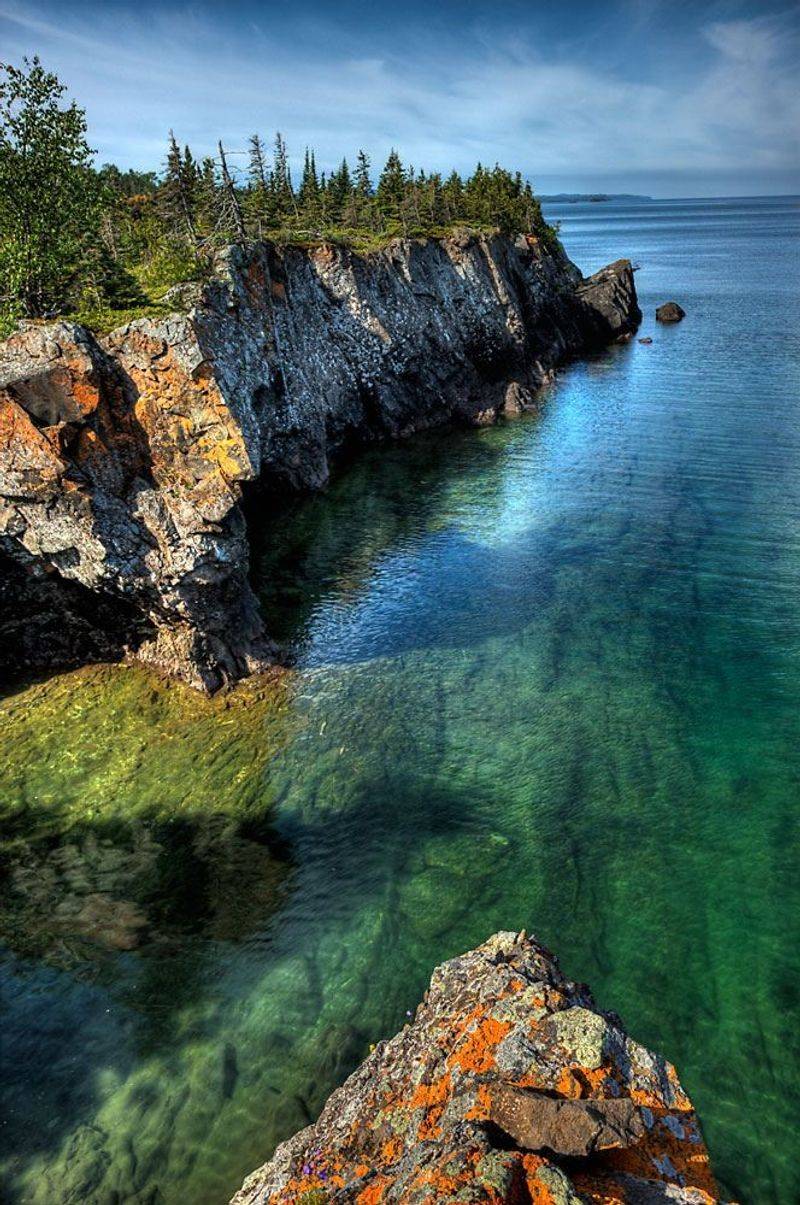
Remote is an overused travel word, but Isle Royale actually earns it. You reach this Lake Superior national park only by boat or seaplane, and once you arrive, the absence of roads changes your pace almost immediately.
Shoreline sounds sharpen, distances feel more honest, and the island asks for patience in a way most destinations never do.
The park includes one large island and hundreds of smaller ones, with more than 165 miles of hiking trails crossing ridges, inland lakes, and dense boreal forest. Moose and wolves are part of its ecological identity, though wildlife sightings are never guaranteed and should not be treated like a checklist.
Most visitors backpack, paddle, or stay in simple campgrounds and lodges during the operating season, typically mid-April through October. Planning matters here: transport reservations, weather windows, and realistic mileage all deserve attention before you even touch your backpack.
10. Porcupine Mountains Wilderness State Park
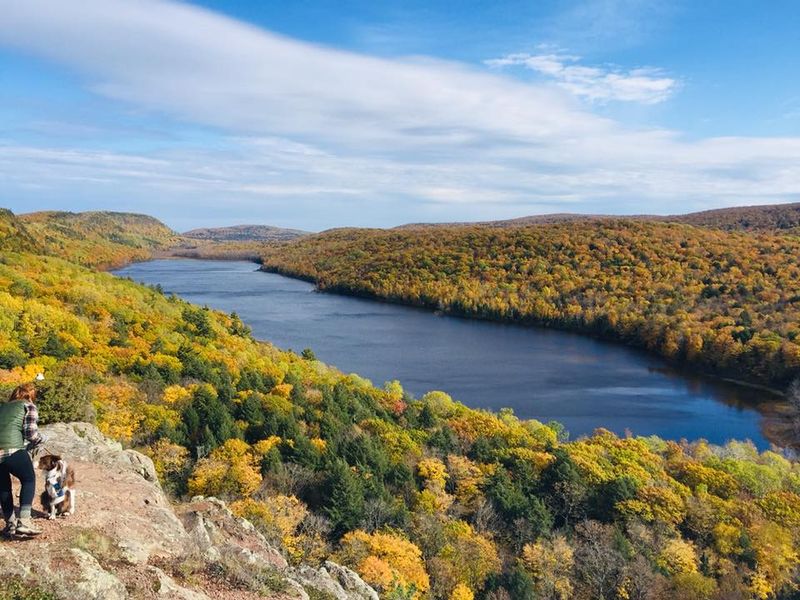
Some parks announce themselves with one signature viewpoint. The Porcupine Mountains give you several, then add old-growth forest, wild rivers, and a Lake Superior shoreline that seems determined to keep raising the stakes.
Lake of the Clouds is the famous image, and yes, it deserves the attention, especially when low fog settles into the valley like poured milk.
Michigan’s largest state park covers nearly 60,000 acres, so it can handle both casual scenic drives and serious multi-day hiking. Summit Peak, the highest point in the park, offers a tower view over endless forest, while the Presque Isle Scenic Area delivers striking waterfalls such as Manabezho and Manido Falls.
Cabins, campgrounds, and winter recreation keep the park useful in every season. If you only budget a quick overlook stop, you will miss the place’s best quality: how gradually and completely it pulls you away from hurry.
9. Kitch-iti-kipi
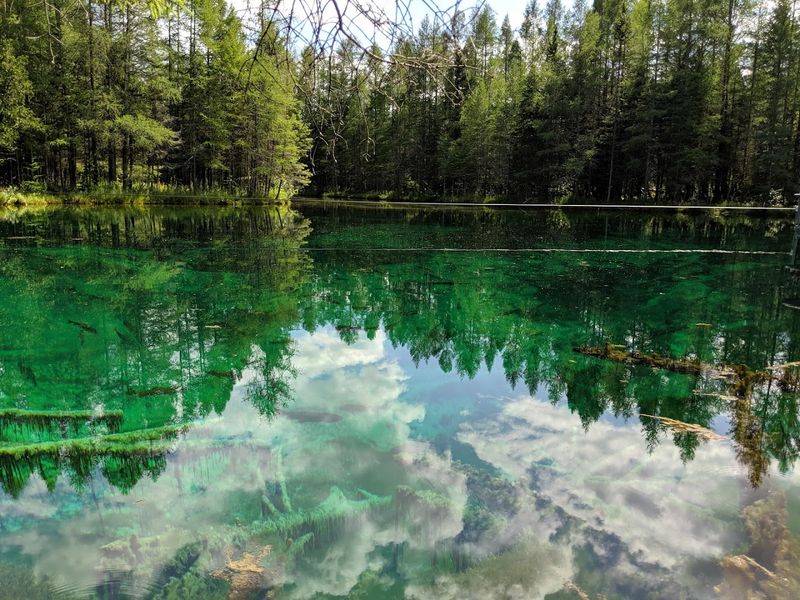
Kitch-iti-kipi is almost absurdly clear. From the observation raft, you can look straight through the spring’s blue-green surface to ancient tree trunks, waving sand, and trout suspended in water so transparent it seems lit from within.
The whole experience is quiet except for the raft cable and the soft commentary people accidentally whisper.
Located in Palms Book State Park near Manistique, this is Michigan’s largest natural freshwater spring, feeding more than 10,000 gallons a minute into a basin about 200 feet across.
The self-propelled raft is simple, which is part of the charm, and because everyone moves at the same slow pace, the spring never feels rushed. Morning light tends to show off the color best, though any calm day is rewarding. It is not a big destination in terms of time needed, but it leaves an oddly outsized impression long after the visit.
8. Turnip Rock
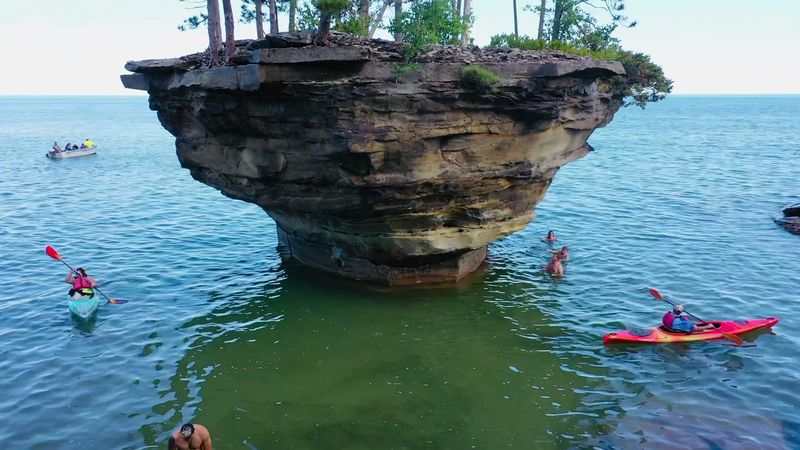
Turnip Rock looks like a cartoon idea that erosion somehow made official. The limestone stack sits just offshore near Port Austin, pinched at the base and wider at the top, with a tuft of greenery that makes the name feel less metaphorical than it should.
Because you approach by water, the reveal is part of the appeal. There is no public land route to the rock, so most visitors reach it by kayak, paddleboard, or organized boat tour on Lake Huron.
The common paddling route is roughly seven miles round trip and often includes sea caves, cliff sections, and Thumbnail Point, which gives the outing more texture than a single landmark stop.
Calm conditions matter, and so does honest self-assessment about stamina. I like this place best in the morning, when the water is often quieter and the rock appears ahead almost theatrically, as if Michigan saved one eccentric flourish for the finale.
7. Holland State Park
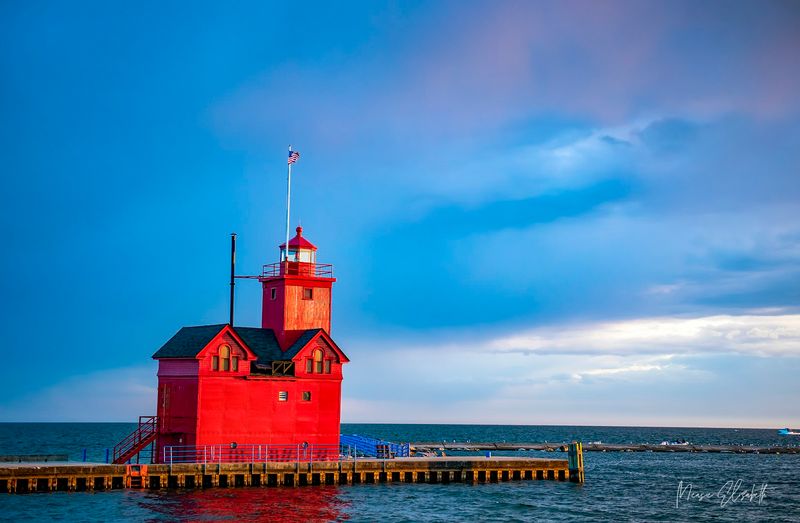
Not every beautiful Michigan stop needs wilderness credentials. Holland State Park is popular, social, and fully aware of its photogenic angle, with a broad beach, a lively channel, and the red lighthouse known as Big Red turning the whole scene into something almost too tidy to be real.
Then the light shifts at sunset, and the place earns every postcard. The park sits where Lake Macatawa meets Lake Michigan, giving you easy access to swimming, beach walking, and steady views of boats entering and leaving the channel.
Holland itself adds Dutch heritage, good food, and nearby attractions like Windmill Island Gardens if you want more than a beach day. Summer weekends are predictably crowded, so arriving early makes parking and setup far less annoying.
Even if you prefer quieter shorelines, this one is worth your time for the clean sand, wide sky, and that unmistakable lighthouse silhouette against evening water.
6. Arcadia Overlook
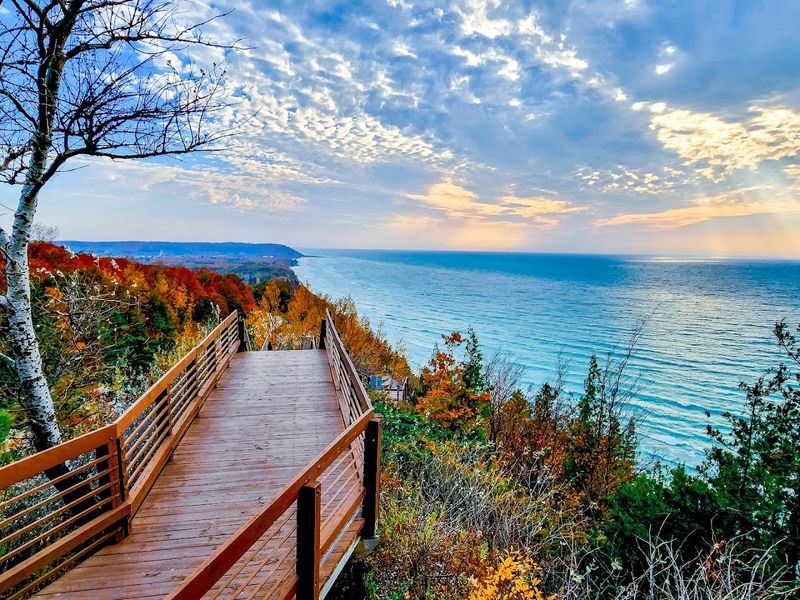
You do not need a long hike to get one of Michigan’s most satisfying views. Arcadia Overlook rises above Lake Michigan along M-22, where the road, forest, and shoreline arrange themselves into a scene that feels improbably neat from above.
On a clear day, the water stretches out in bands of blue so crisp they barely seem Midwestern. The overlook is part of the Arcadia Dunes area and is reached by a stair climb from the parking lot, which is manageable for many visitors but still enough to make the panorama feel earned.
From the platform, you can see Arcadia Marsh, the curve of the coast, and traffic moving tiny and silent below. Sunset is the obvious draw, though midday visibility can be excellent after a front passes through. Bring a layer even in warm weather, because wind on the bluff has a habit of making simple sightseeing feel unexpectedly alpine.
5. Keweenaw Peninsula
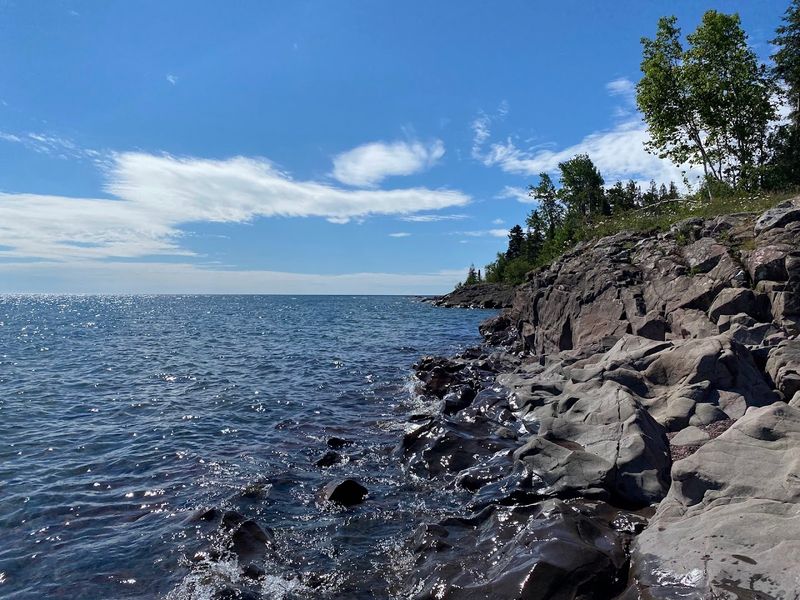
The Keweenaw Peninsula feels like Michigan with the volume turned up on geology, weather, and history. Lake Superior borders nearly every plan you make, old copper towns appear where you least expect them, and even a casual drive can produce a lighthouse, a rocky beach, and a mining ruin before lunch.
It is busy in detail, never in mood. Technically separated from the mainland by the Portage Canal, the Keweenaw has a distinct identity shaped by copper mining and its northern position deep in Lake Superior.
Towns such as Copper Harbor, Calumet, and Houghton anchor the region with museums, trail access, and preserved industrial landmarks. Outdoor options range from mountain biking and waterfall hunts to beachcombing and dark-sky stargazing.
The distances are longer than they look on a map, so choosing one base and exploring outward usually works better than rushing. This is a place that rewards curiosity more than efficient box-checking.
4. Belle Isle Park
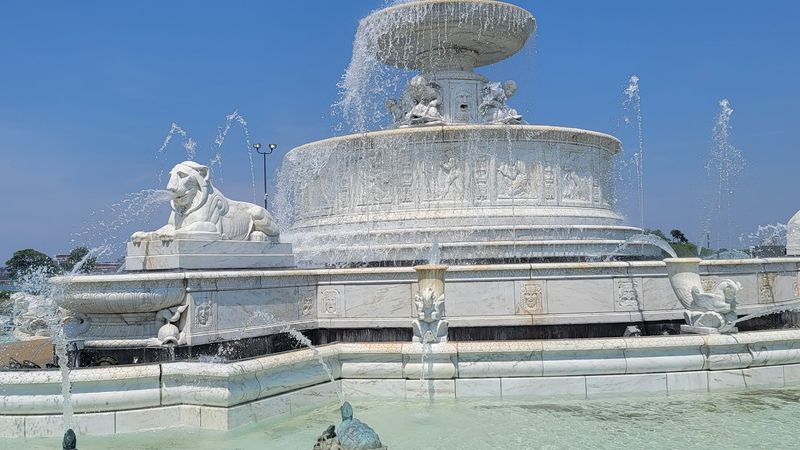
Belle Isle works because it is both grand and slightly idiosyncratic. Set in the Detroit River, this island park combines skyline views, broad lawns, historic structures, and enough odd corners to keep it from feeling overly formal.
One minute you are watching freighters move past Canada, and the next you are wandering toward a conservatory designed by Albert Kahn.
The island was designed in part by Frederick Law Olmsted and remains one of Michigan’s most distinctive urban parks. Highlights include the Anna Scripps Whitcomb Conservatory, the Belle Isle Aquarium, the James Scott Memorial Fountain, and shoreline drives with constant river views.
Its setting gives the park a cross-border energy that feels different from the state’s beach and forest destinations, but no less memorable. Weekdays are calmer if you want room to explore.
I usually tell people to allow more time than expected, because Belle Isle reveals itself gradually rather than in one obvious, cinematic moment.
3. Ludington State Park
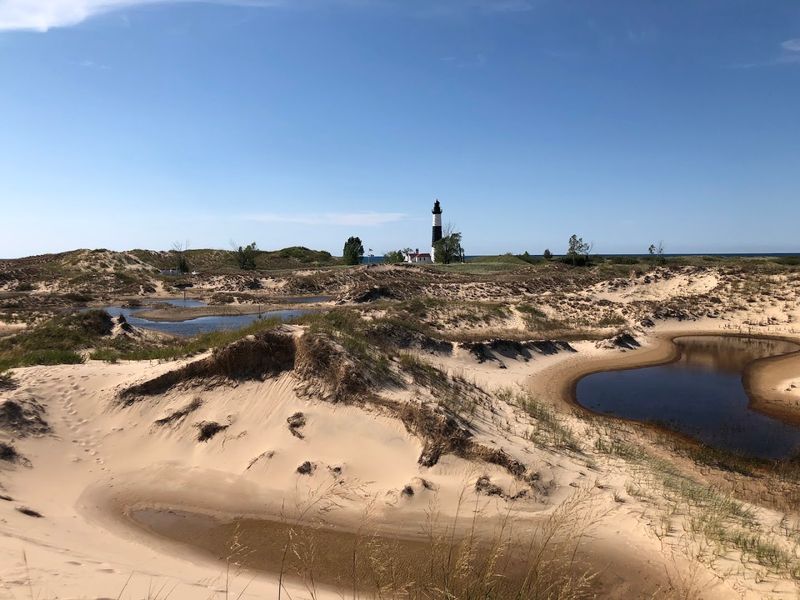
Ludington State Park has the satisfying abundance of a place that understands variety. You get Lake Michigan beach, dunes, inland waterways, forest trails, and a lighthouse hike all in one park, which makes it ideal for travelers who like changing scenery without constant repacking.
The landscape shifts quickly here, but it never feels disjointed. The park sits between Lake Michigan and Hamlin Lake, with the Big Sable River and marshes adding even more ecological range. Big Sable Point Lighthouse is the classic destination, reached by a roughly two-mile walk through woods and sand that feels pleasantly separate from the busy beach zones.
Canoeing, camping, swimming, and miles of trails make this more than a single-photo stop. Summer is peak season, so campground reservations matter if you plan to stay overnight. Even on a crowded weekend, it remains easy to find a quieter path and remember why Michigan’s state parks inspire such fierce loyalty.
2. Silver Lake Sand Dunes
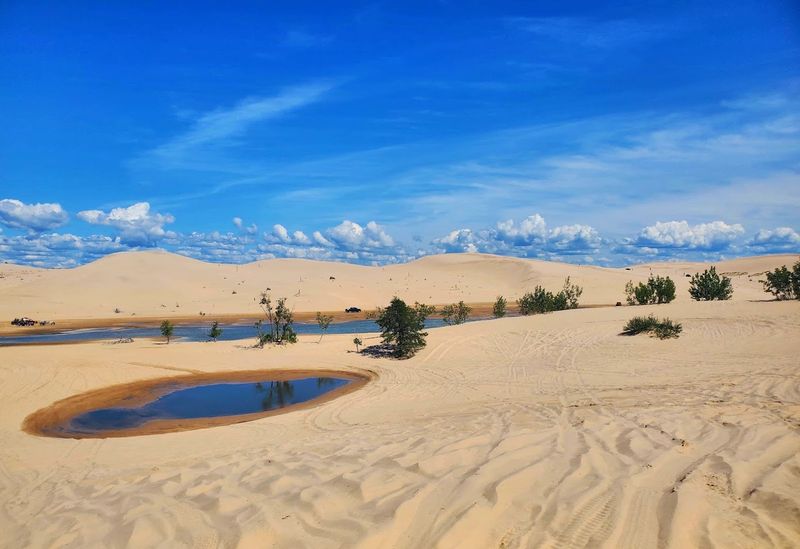
Silver Lake Sand Dunes can feel like two destinations sharing one giant sandbox. On one side, families walk, climb, and watch the light move across steep sand faces; on the other, engines rev through the designated ORV area and turn the landscape into a kind of motorsport amphitheater.
It is a strange mix, but an unmistakably Michigan one. The dunes cover nearly 3,000 acres between Lake Michigan and Silver Lake, with separate zones for pedestrians, private off-road vehicles, and guided rides such as the long-running Mac Wood’s Dune Rides.
That zoning is useful because it lets you choose your own mood rather than endure someone else’s. If you want quiet, stick to the pedestrian areas and shoreline access points.
If you want spectacle, the ORV section delivers plenty. Summer afternoons can be hot and glaring, so water, sun protection, and a willingness to get sand absolutely everywhere are not optional accessories.
1. Miners Castle Overlook
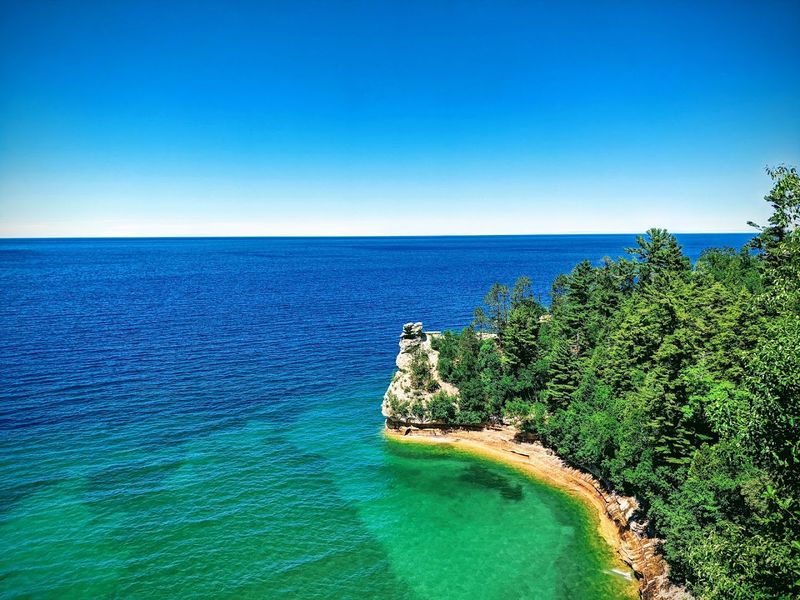
Miners Castle is one of those places that proves an overlook can still feel intimate. The layered sandstone formation rises above Lake Superior in a profile so recognizable that it has become the visual shorthand for Pictured Rocks, yet standing there in person, the scale and texture are much more impressive than any brochure version.
Wind and water do excellent editing. The site is among the easiest major viewpoints to reach in Pictured Rocks National Lakeshore, which makes it a smart stop for travelers without time for long hikes.
Short paved and gravel paths lead to viewing platforms, and nearby trails can extend the visit if you want more shoreline perspective.
Light matters here: morning often gives cleaner contrast on the cliffs, while changing weather can make Superior look almost metallic. Because access is relatively simple, this is a good place to arrive early or late in the day, when the overlook feels less like a landmark and more like a conversation with the lake.