
10 Charming Main Streets In Arizona Worth A Visit
Here’s a confession: I thought I knew Arizona until I accidentally wandered off the interstate and found myself transported to a world I didn’t know existed. One minute I’m scanning endless desert, and the next I’m cruising down a picture-perfect Main Street that looks like it was plucked from a postcard.
The baker waving at passersby, the retro neon signs flickering in the afternoon sun, the surprising absence of tourist crowds-something felt different here.
As it turns out, Arizona hides its best treasures not in famous attractions but along these unexpected downtown strips. My curiosity was officially piqued, and thus began a series of adventures that led me to some genuinely delightful corners.
This list covers ten of the most charming main streets in Arizona, each with its own story, flavor, and reason to visit. Pack comfortable shoes and a curious mind, because these streets reward slow walkers who love to explore.
1. Historic Downtown Prescott / Whiskey Row, Montezuma Street, Prescott, Arizona
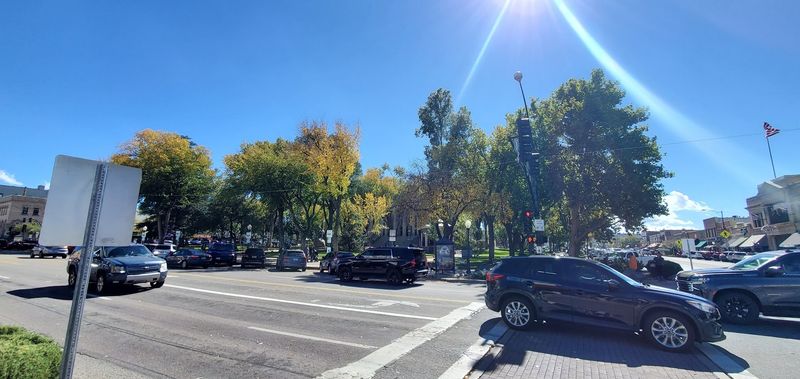
Standing on Montezuma Street in Prescott feels like flipping back a few chapters in American history, but with better coffee shops and live music. Whiskey Row, as locals call this stretch, earned its rowdy nickname back in the 1800s when saloons lined every inch of the block.
Today the street balances that frontier spirit with galleries, boutiques, and restaurants that draw both locals and curious travelers. The Courthouse Plaza sits right across the street, shaded by towering trees that make it the perfect spot to sit and people-watch on a warm afternoon.
Prescott sits at about 5,400 feet in elevation, which means the temperature stays surprisingly cool compared to Phoenix, making summer visits especially pleasant. Events like Territorial Days and the Prescott Frontier Days Rodeo bring extra energy to an already lively downtown.
Every time I leave Montezuma Street, I carry a little of Prescott’s old-west charm with me without even trying.
2. Old Town Scottsdale, Main Street And Scottsdale Road, Scottsdale, Arizona
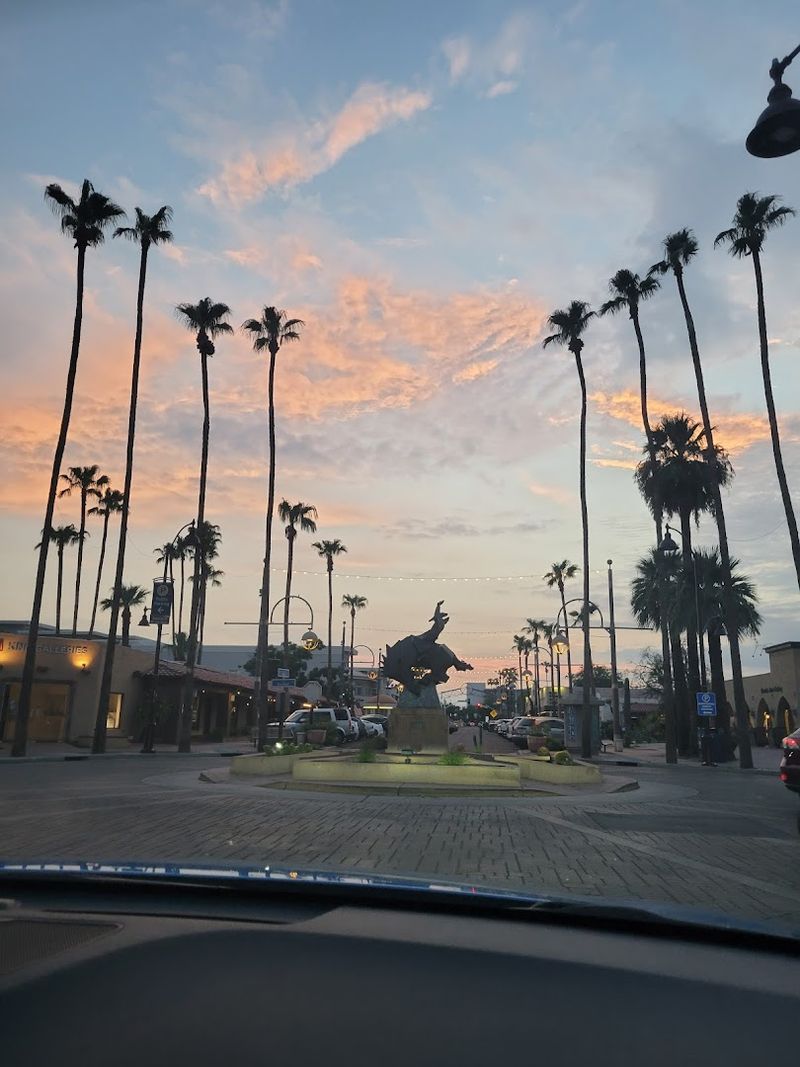
Some places manage to feel polished and historic at the same time, and Old Town Scottsdale pulls it off with ease. This walkable Arizona district has a way of making you feel like you are in two places at once, a classic Southwestern town and a modern art capital rolled into one lively stretch.
The area around Main Street and Scottsdale Road is filled with world-class galleries, Native American jewelry shops, and restaurants serving creative Southwestern cuisine.
First Fridays bring the art scene to life with gallery walks that spill out onto the sidewalks, turning the whole neighborhood into an open-air celebration of creativity. The mix of adobe architecture and sleek contemporary design gives the streets a visual energy that photographers absolutely love.
Scottsdale’s Old Town also connects directly to the Scottsdale Waterfront and Civic Center Mall, so a single afternoon can take you from street tacos to public sculpture gardens without ever needing a car. The warm desert light in the late afternoon turns everything golden, and that alone is worth the trip out here.
3. Historic Old Town Cottonwood, North Main Street, Cottonwood, Arizona
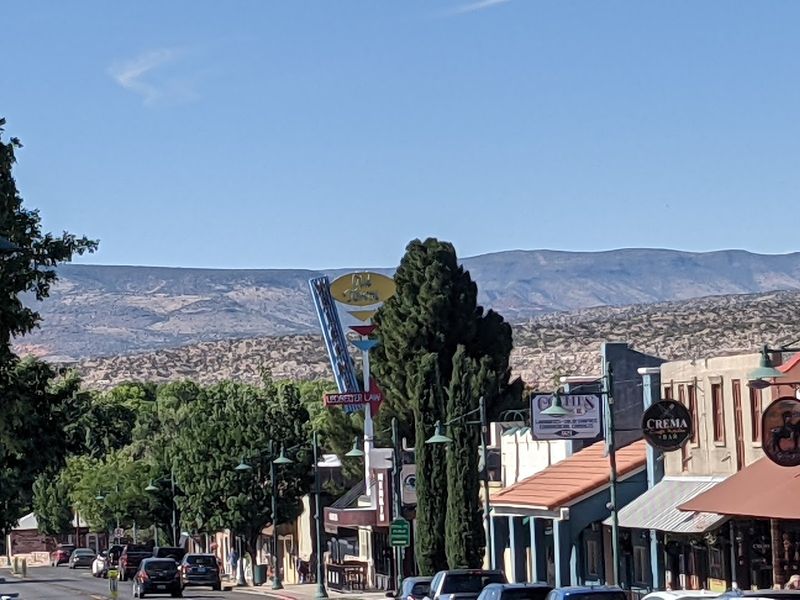
This is the kind of Arizona main street that sneaks up on you in the best way. North Main Street in Cottonwood feels easygoing at first, like a quick stop you make on the way to Sedona, but then the storefronts, cafés, antique shops, and local bakeries start pulling you in one by one.
Before long, an hour has disappeared, you are on your second slice of pie, and that “quick stop” has quietly turned into the whole afternoon.
The historic district features beautifully preserved buildings from the early 1900s, many of which now house tasting rooms, farm-to-table restaurants, and independent boutiques. String lights hung above the sidewalks give the street a warm, festive glow during evening hours that feels genuinely inviting rather than overly commercial.
Cottonwood sits in the Verde Valley, just a short drive from Dead Horse Ranch State Park and the Verde River Greenway, so nature lovers can pair a stroll down Main Street with a hike or birdwatching session the same day.
The town has a relaxed, unhurried pace that makes it one of the most underrated stops in all of central Arizona.
4. Downtown Bisbee, Main Street, Bisbee, Arizona
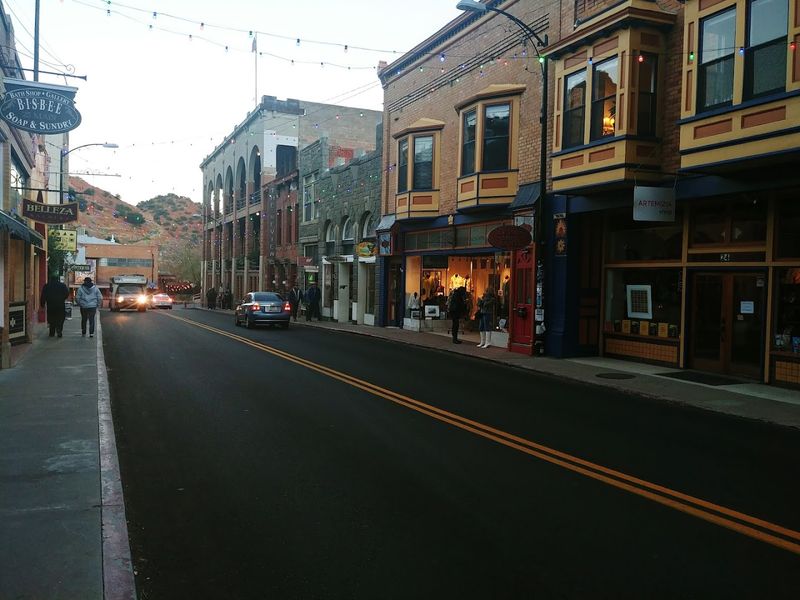
Some Arizona towns feel carefully planned, but this one feels like it climbed straight out of the mountains and decided to stay weird in the best possible way.
Built into the steep walls of Mule Pass Gulch in the Mule Mountains, this former copper mining town has reinvented itself as one of the most artistically vibrant communities in the entire Southwest.
Main Street winds and climbs through the canyon, flanked by brightly painted Victorian buildings that house galleries, vintage shops, and restaurants with menus that lean heavily local and seasonal.
The Copper Queen Hotel, open since 1902, still anchors the neighborhood with old-world elegance and a storied past that has its own legends and ghost tour circuit.
Bisbee’s elevation sits at roughly 5,300 feet, which keeps summers mild and winters crisp, making it a year-round destination that rewards visitors in every season.
The town’s staircase streets, hand-painted murals, and community of working artists create an atmosphere that feels unlike anywhere else in Arizona. Bisbee is the kind of place that quietly convinces you to stay an extra night.
5. Downtown Williams / Route 66, West Route 66, Williams, Arizona
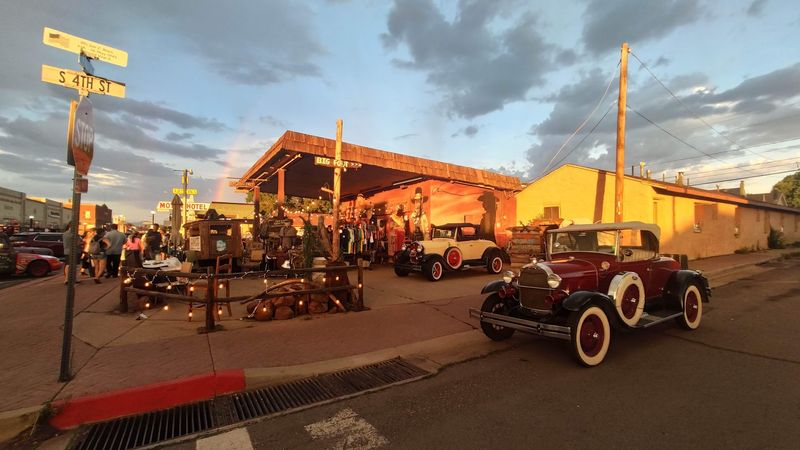
There is something about Williams that makes Route 66 nostalgia feel instantly real. Williams holds the title of the last town on historic Route 66 to be bypassed by Interstate 40 back in 1984, and the locals have made sure that history stays front and center.
The main stretch is lined with diners, souvenir shops, and small hotels that have maintained their mid-century character without crossing into kitsch territory. The Grand Canyon Railway departs from Williams daily, making this town an ideal base camp for families heading north to the South Rim.
At 6,770 feet above sea level, Williams is one of the cooler spots in Arizona, with ponderosa pine forests framing the town on every side. Fall is especially beautiful here when the aspens turn and the mountain air carries that first crisp bite of the season. Route 66 in Williams never really lost its magic.
6. Historic Downtown Glendale, 58th Avenue And Glendale Avenue, Glendale, Arizona
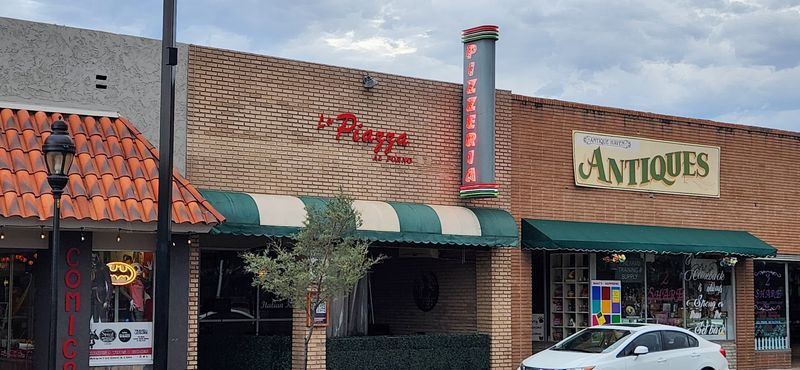
Glendale’s historic downtown, centered around 58th Avenue and Glendale Avenue, is a refreshing contrast to the sprawling suburban landscape that surrounds it. The neighborhood feels like a Victorian village that somehow landed in the desert, complete with gingerbread-trimmed cottages, brick-lined paths, and garden spaces that burst with color in spring.
The area is famous throughout Arizona for its antique shops and collectibles dealers, drawing serious collectors and casual browsers alike on weekends.
Murphy Park, right at the heart of the district, hosts year-round events including the popular Glendale Chocolate Affaire and the Glendale Glitters holiday celebration that transforms the neighborhood with thousands of lights each winter.
Local restaurants and tea rooms tucked inside historic homes give the area a cozy, neighborhood feel that stands apart from typical commercial strips.
Glendale’s historic core is compact enough to explore entirely on foot in an afternoon, which makes it an easy and rewarding add-on to any Phoenix-area itinerary. The charm here is quiet, genuine, and easy to love.
7. Downtown Tombstone, Allen Street, Tombstone, Arizona
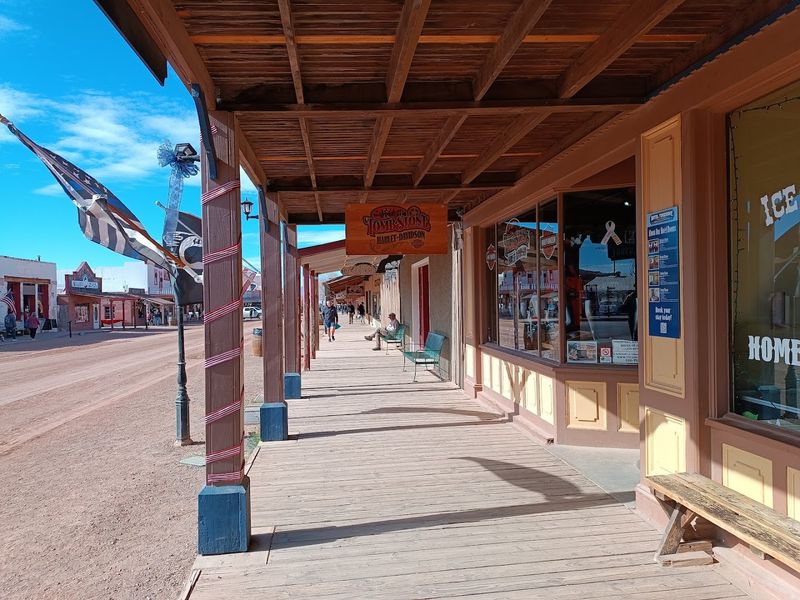
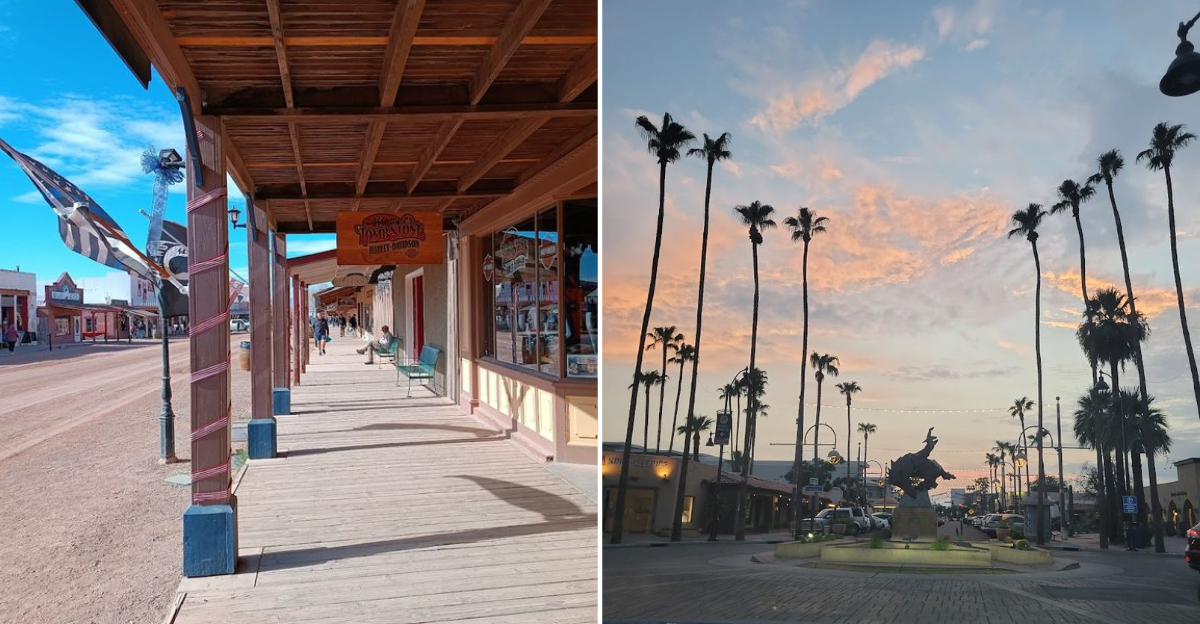
Allen Street in Tombstone is the kind of place where history does not sit quietly behind a museum glass. The wooden boardwalks, swinging saloon doors, and storefronts designed to look exactly as they did in the 1880s create an atmosphere that is part living museum and part theatrical performance running all day long.
Tombstone earned its legendary status as the site of the Gunfight at the O.K. Corral in 1881, and the town has been celebrating that moment ever since with daily reenactments that draw visitors from around the world.
Beyond the showmanship, the town holds genuine frontier history in its newspaper archives at The Tombstone Epitaph, one of the oldest continuously published newspapers in the American West.
The surrounding landscape of rolling grasslands and distant mountain ranges adds a dramatic backdrop that reminds you this town was once a booming silver mining hub. Visiting Tombstone on a weekday gives you a quieter, more personal look at the street before the weekend crowds arrive. A
llen Street earns its legendary reputation every single day.
8. Downtown Jerome, Main Street, Jerome, Arizona
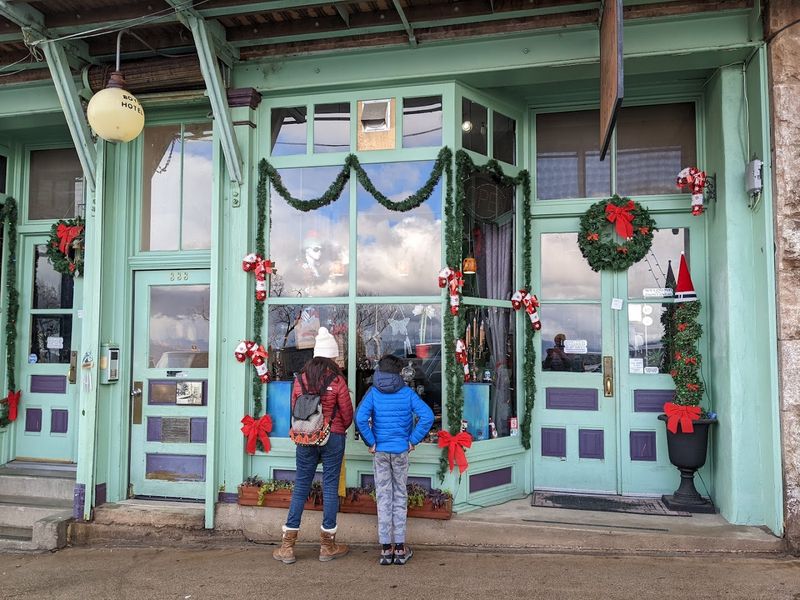
Jerome clings to the side of Cleopatra Hill like it has no intention of ever letting go, and honestly, after spending a few hours on its winding Main Street, you start to understand why.
This former copper boomtown once held 15,000 residents and was called the wickedest town in the West, but today it is home to around 450 people and one of the most spirited art communities in Arizona.
Main Street climbs steeply through the hillside, offering galleries, pottery studios, and restaurants tucked into buildings that have survived earthquakes, fires, and more than a century of desert weather.
The views from Jerome over the Verde Valley are genuinely stunning, stretching for miles in every direction on a clear day.
The Jerome State Historic Park and the Gold King Mine Museum give visitors a deeper look at the town’s mining era, complete with original equipment and fascinating local archives. Jerome has a slightly offbeat personality that rewards curious travelers who enjoy history with a side of artistic edge.
Main Street here never feels predictable.
9. Downtown Wickenburg, West Wickenburg Way, Wickenburg, Arizona
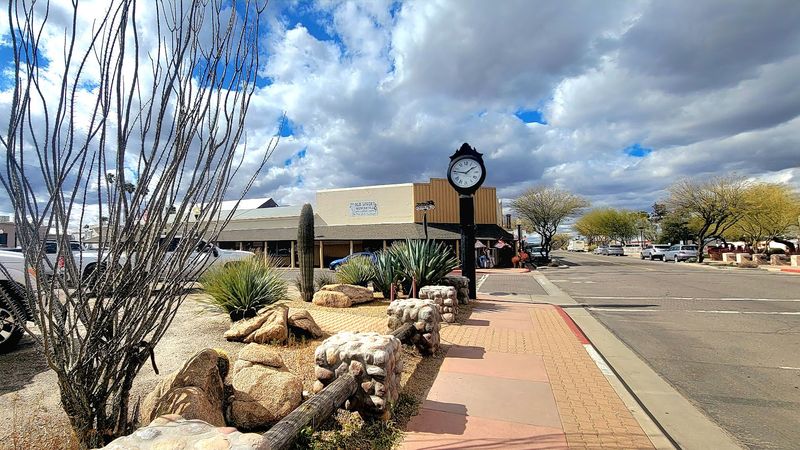
Wickenburg has a laid-back confidence about it that you notice the moment you roll down West Wickenburg Way. Known as the Dude Ranch Capital of the World, this small town about 55 miles northwest of Phoenix has been welcoming riders, adventurers, and desert wanderers since the mid-1800s when Henry Wickenburg struck gold nearby.
The historic downtown is compact and walkable, with western-themed storefronts, a vintage train depot, and the famous Jail Tree, a mesquite tree that reportedly served as an outdoor jail in the 1860s when the town had no formal lockup.
The Desert Caballeros Western Museum on North Frontier Street holds one of the most impressive collections of Western art and artifacts in the entire country.
Wickenburg hosts the popular Gold Rush Days festival each February, turning the already lively downtown into a full weekend of rodeo events, live music, and gold panning demonstrations.
The town sits at the edge of the Sonoran Desert, where saguaro cacti and rocky outcroppings frame every view. West Wickenburg Way is Western history you can actually walk through.
10. Downtown Mesa / Main Street, West Main Street, Mesa, Arizona
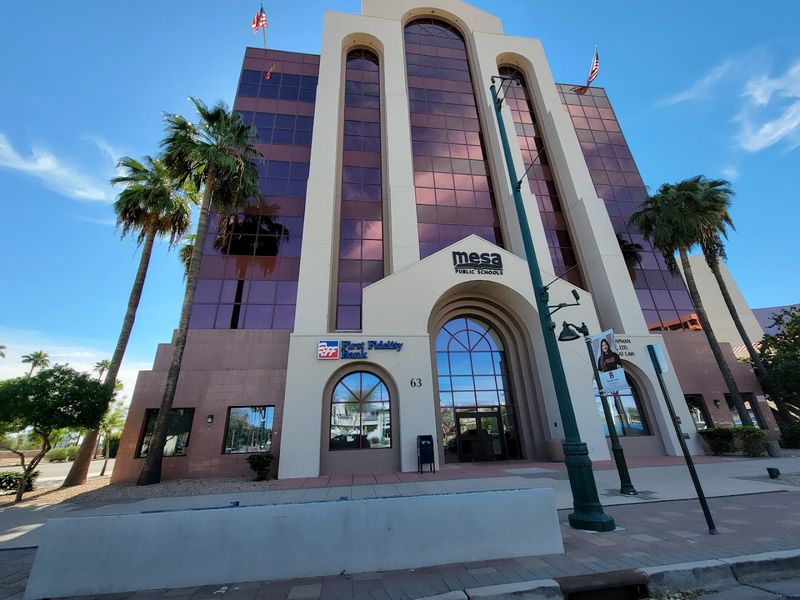
West Main Street in Mesa has quietly been going through one of the most interesting urban transformations in the Phoenix metro area, and it is worth paying attention to.
The stretch between Center Street and Country Club Drive has become a hub for local restaurants, craft food makers, live music venues, and independent shops that give the area a genuine neighborhood personality.
Mesa Arts Center anchors the eastern end of the downtown corridor with its striking contemporary architecture and a packed calendar of performances, exhibitions, and community events throughout the year.
The nearby Mesa Grande Cultural Park preserves one of the largest Hohokam platform mounds in the Southwest, connecting the modern streetscape to thousands of years of human history on this same land.
The downtown area hosts the popular Mesa Market Place Swap Meet on weekends, drawing thousands of visitors looking for everything from fresh produce to vintage finds.
Light rail connects downtown Mesa directly to Tempe and Phoenix, making it easy to visit without a car. West Main Street rewards anyone willing to slow down and look around.