
This Abandoned Railroad Hike In Washington Winds Through Mountain History
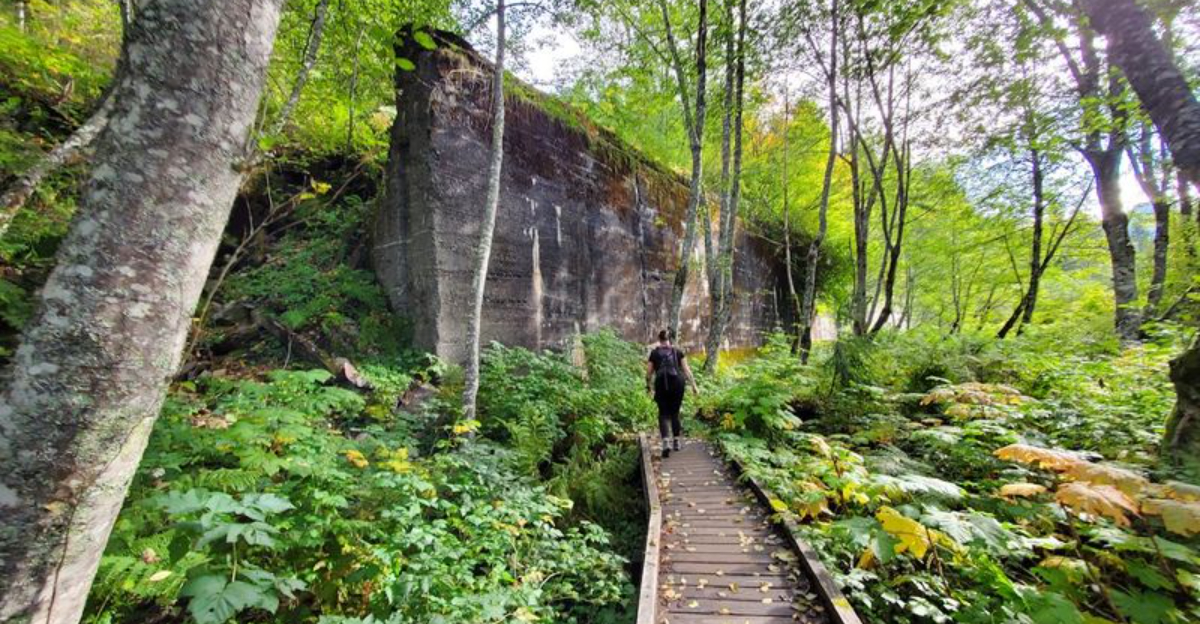
Some hikes reward you with views; this one in Washington rewards you with existential questions. This trail strings together abandoned railroad relics like a museum exhibit scattered across eleven miles of mountain stubbornness.
I’ve walked paths before where history felt abstract-textbook stuff-but here it crowds around you: rusted rails disappearing into forest, tunnels that swallowed trains whole, and trestles spanning gaps that modern engineers would photograph then politely decline.
My favorite part? The mountains clearly haven’t forgotten the noise and smoke, and they respond with relentless beauty as if to say, “You built this. Now walk it.”
That abandoned railroad isn’t ruins-it’s a conversation between human ambition and geological patience, and somehow I’m caught in the middle, sweating generously.
The Great Northern Railway Legacy
Long before the Iron Goat Trail existed, the tracks beneath your feet carried something far more powerful: the ambition of an entire nation pushing westward.
The Great Northern Railway opened its original Cascade crossing in 1893, connecting Seattle and the Puget Sound to the eastern United States through a dramatic series of switchbacks over the mountains.
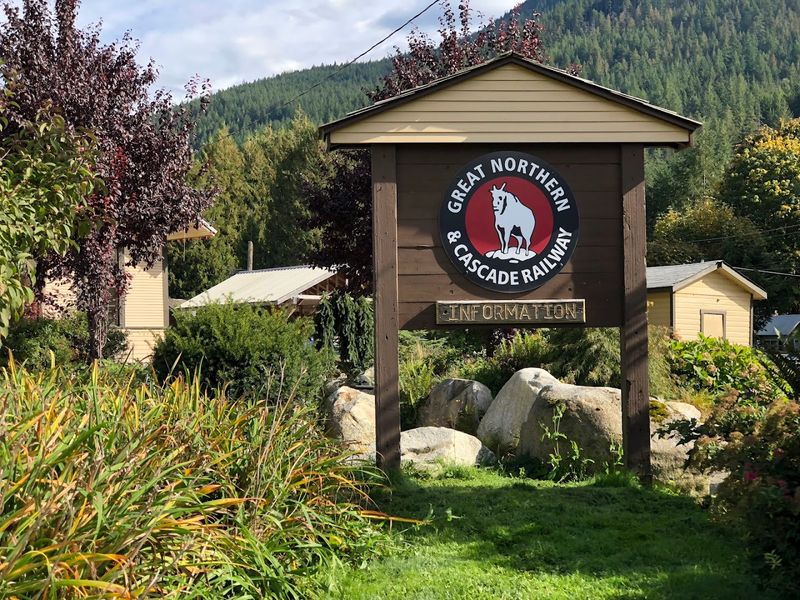
The trail takes its name directly from the mountain goat, the proud symbol of the Great Northern Railway. That logo was more than branding; it represented the stubborn, sure-footed determination it took to build a railroad through terrain that seemed designed to resist human effort.
Walking this trail today, you are literally stepping along the same path that linked communities, carried goods, and shaped the Pacific Northwest economy for decades. Interpretive signs along the route help connect the dots between the rusted remnants and the living, breathing railroad world they once belonged to.
History rarely feels this close underfoot.
The Wellington Disaster Site
Few stretches of the Iron Goat Trail feel as heavy with history as the Wellington Disaster site.
On March 1, 1910, a massive avalanche swept two Great Northern trains off the tracks near the small mountain town of Wellington, now known as Tye, and 96 people lost their lives in what remains the most devastating avalanche event in U.S. history.
Visiting this spot today is a quiet, powerful experience. In summer, the surrounding mountains look peaceful and green, with wildflowers along the trail and birdsong in the trees, but the landscape carries a story that permanently changed railroad engineering.
After the disaster, the Great Northern expanded its use of snowsheds and eventually moved the entire rail line to a safer route.
Interpretive signs along the trail explain the event with thoughtful detail, helping visitors understand both the scale of what happened and the lasting mark it left behind.
It is worth reading a little about the history before you arrive, because the walk feels much more meaningful once you understand what these quiet mountain slopes witnessed.
Cascade Tunnels and Snowsheds
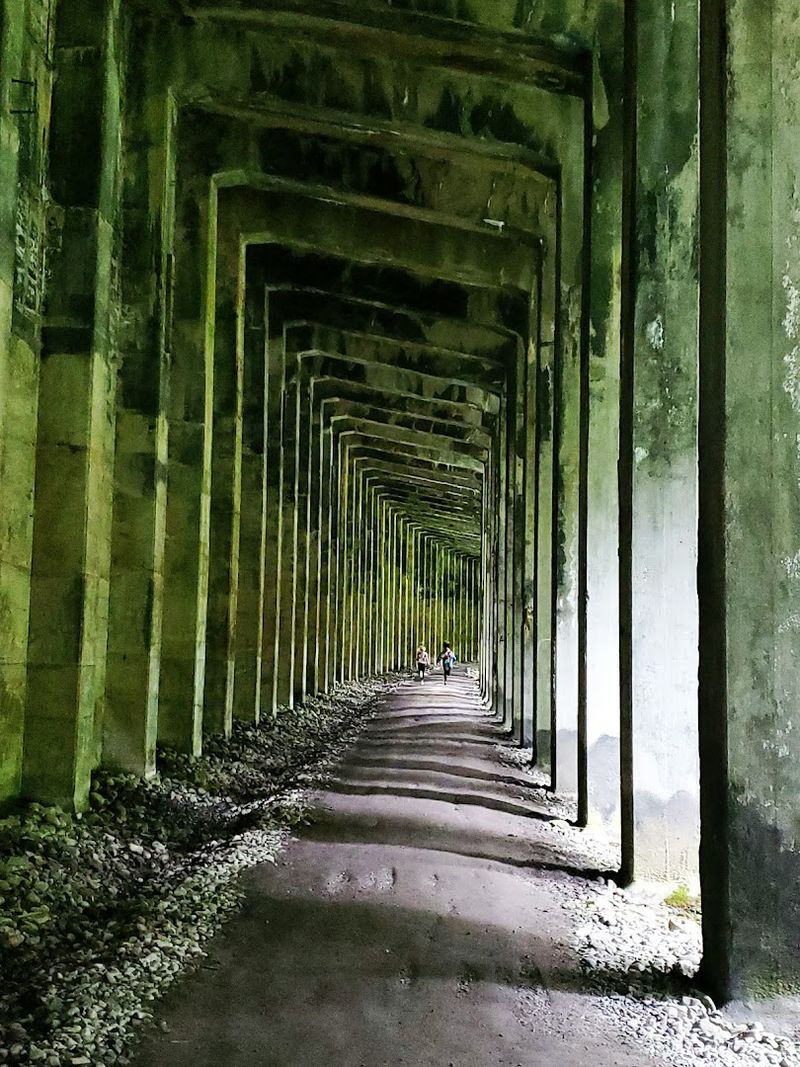
One of the most exciting physical features of the Iron Goat Trail is the network of old tunnels and concrete snowsheds that still stand along the route. These structures were not decorative; they were engineering solutions to a very real problem.
The Cascades dump enormous amounts of snow each winter, and avalanches were a constant threat to trains and crews alike.
The original 2.663-mile Cascade Tunnel opened in 1900, a significant engineering achievement for its time. By 1929, the Great Northern Railway abandoned this entire line when a new 8-mile tunnel at a lower elevation was completed, reducing avalanche risk dramatically.
That newer tunnel is still in active use today by BNSF Railway.
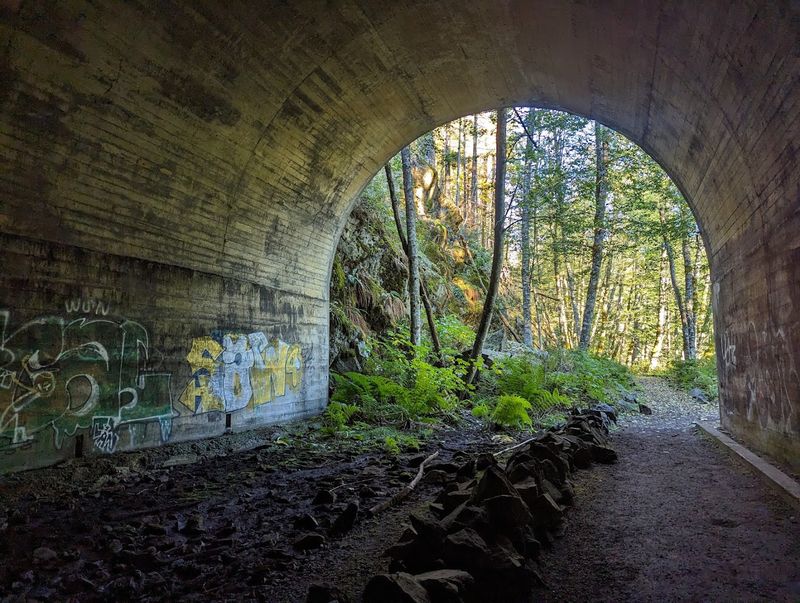
Hiking through the restored tunnels on the trail is genuinely thrilling. Bring a headlamp because some sections get quite dark, and the temperature drops noticeably inside.
The cool air rushing out of the tunnel openings feels like the mountain itself exhaling, and it is a moment most hikers remember long after the trip is over.
Trail Layout And Accessibility
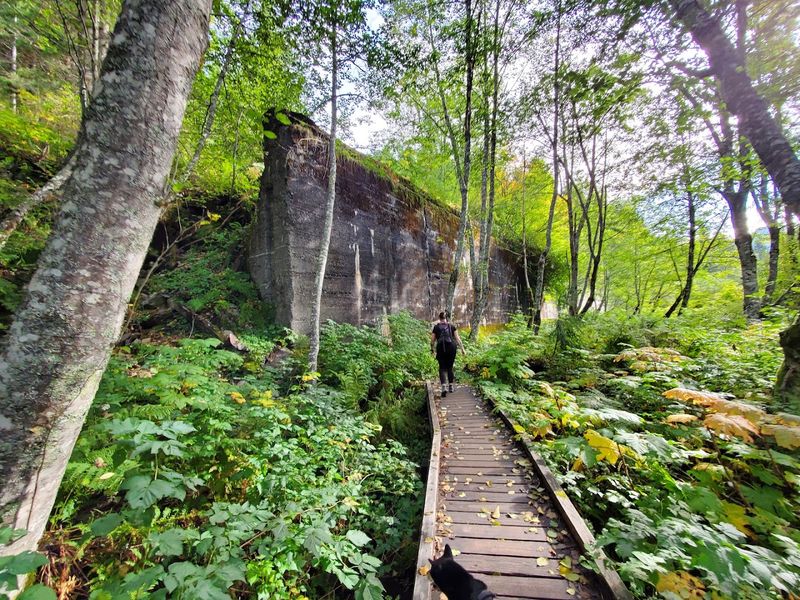
The Iron Goat Trail stretches approximately 9.2 miles total, but you do not need to tackle the whole thing to have a fantastic experience. A popular 6-mile loop option gives you a solid taste of the history and scenery without requiring a full-day commitment.
The trail is rated easy to moderate overall, with a few steeper sections that keep things interesting. What makes this trail especially welcoming is that portions of it are ADA accessible.
The lower sections near the Iron Goat Interpretive Site have been carefully designed so that visitors using wheelchairs or strollers can experience the history and natural beauty of the corridor.
That kind of inclusive design is genuinely rare on mountain trails.
Leashed dogs are welcome on the trail, which makes it a solid choice for hikers who hate leaving their pets behind. Plan your route before you arrive by checking the U.S. Forest Service website for current conditions, because snow can linger well into late spring at this elevation near Stevens Pass.
Trailheads And Getting There
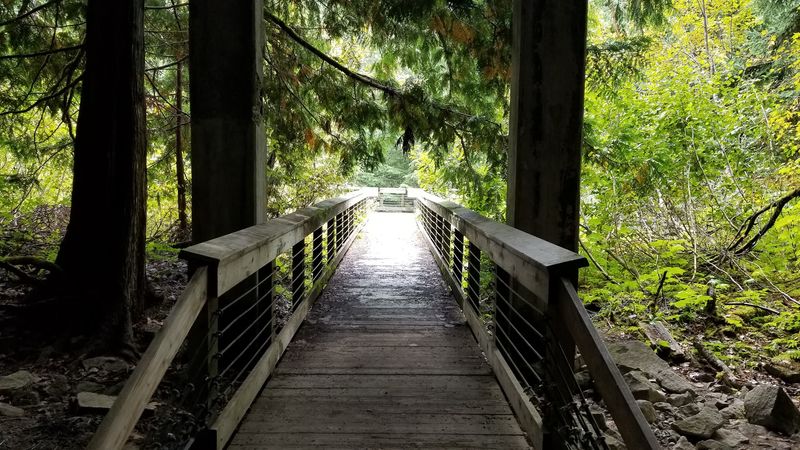
Getting to the Iron Goat Trail is straightforward once you know which trailhead fits your plan. The three main access points are the Martin Creek Trailhead, the Wellington Trailhead, and the Iron Goat Interpretive Site near the town of Scenic.
All three are located off U.S. Highway 2, roughly two hours northeast of Seattle depending on traffic. A Recreation Pass is required for parking at all trailheads.
The Northwest Forest Pass is the most commonly used option and covers parking at many trails throughout the Pacific Northwest.
You can purchase one online through the U.S. Forest Service or pick one up at various outdoor retailers before your trip.
The drive along Highway 2 through the Cascades is genuinely scenic on its own, with mountain peaks, rivers, and small towns dotting the route. Arriving early on weekends is smart, especially during summer, because the parking areas fill up quickly and the trail gets busy by mid-morning.
A little early-bird effort goes a long way here.
Mountain Scenery And Natural Beauty
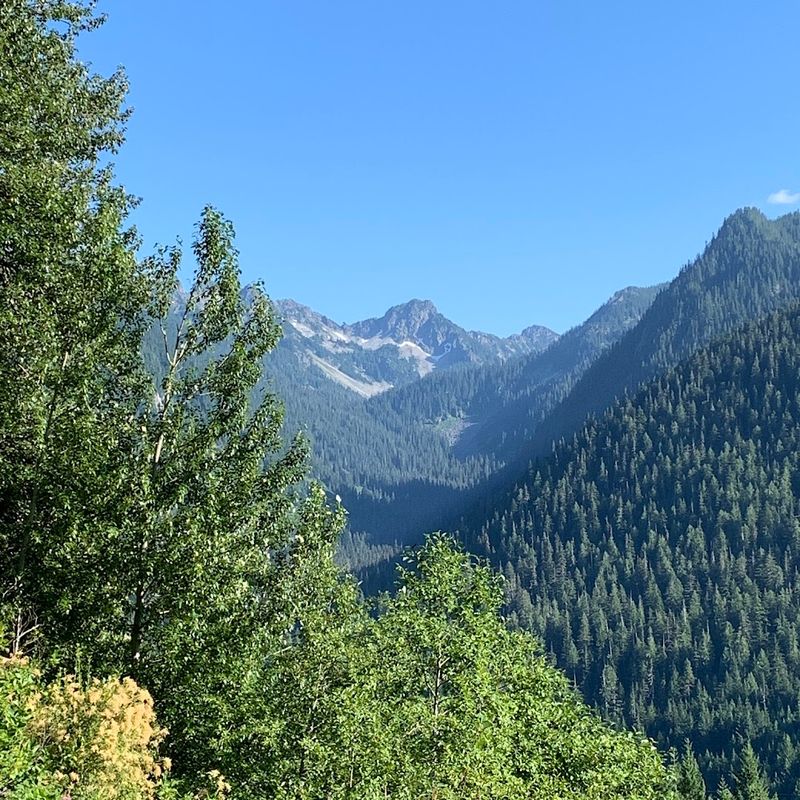
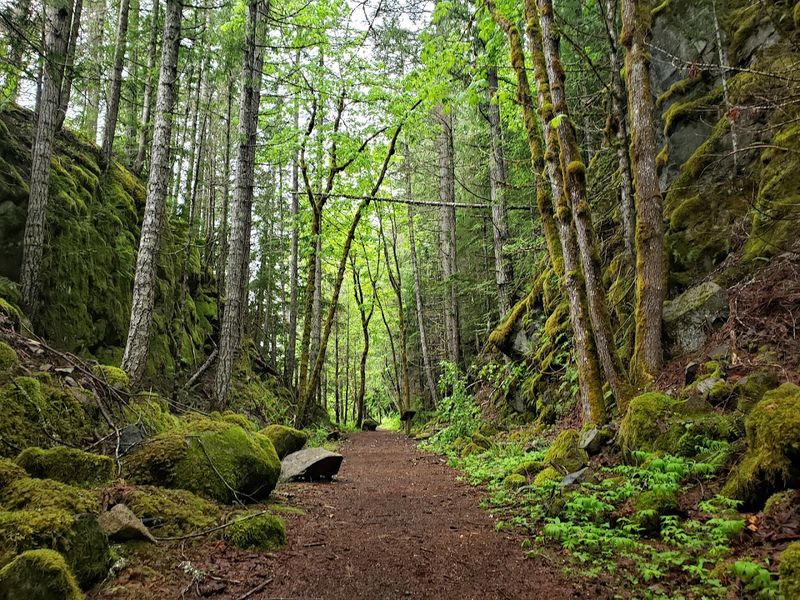
Beyond the history, the Iron Goat Trail simply looks spectacular. The Cascade Mountains wrap around you in layers of green, with old-growth forest giving way to open views of rugged peaks and river valleys below.
In summer, wildflowers push up through the rocky soil along the old railroad grade, adding splashes of color to an already vivid landscape.
Waterfalls appear along the route, especially in spring and early summer when snowmelt is running full force. The sound of rushing water echoing through the trees while you walk past century-old concrete structures creates a sensory experience that feels almost surreal.
This is the kind of trail where you keep stopping to take photos even when you promised yourself you would keep a steady pace.
Wildlife sightings are not uncommon either. Deer, marmots, and various bird species frequent the corridor throughout the warmer months.
The forest canopy provides welcome shade during hot summer days, making the hike comfortable even when temperatures climb higher than expected in the mountains.
Volunteer History And Trail Development
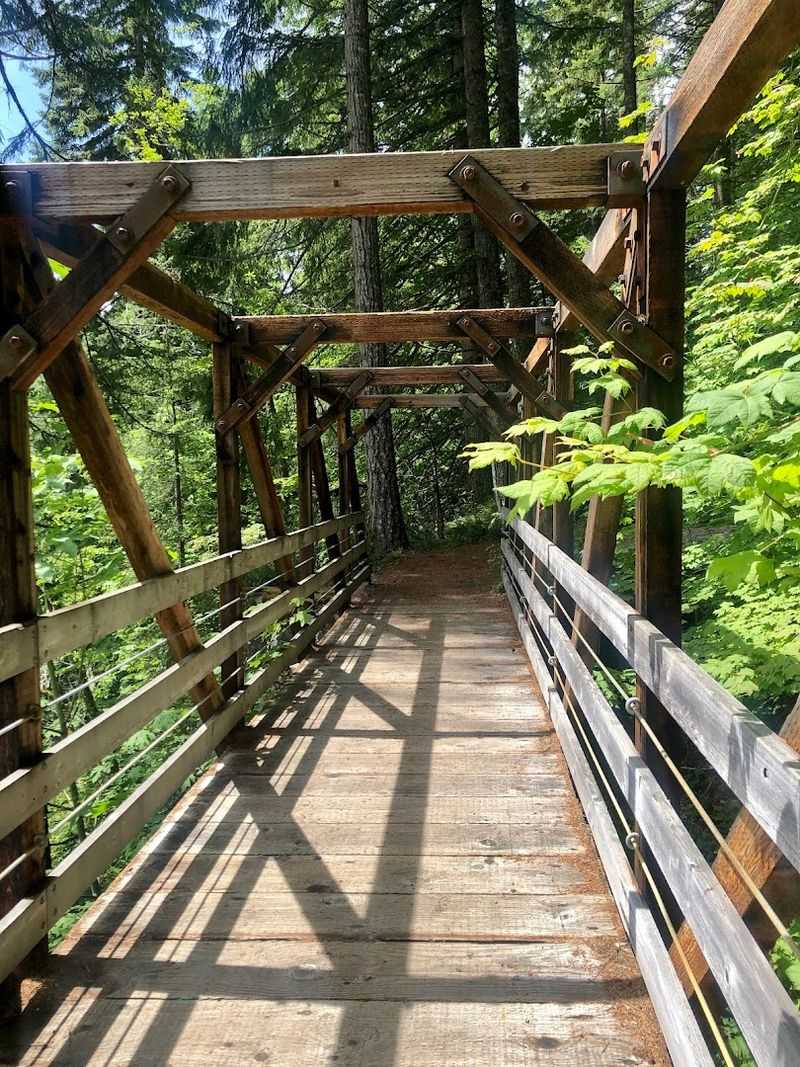
The Iron Goat Trail did not happen by accident. Dedicated volunteers working alongside the U.S. Forest Service spent years transforming the abandoned railroad corridor into the accessible, well-maintained trail it is today.
The trail officially opened on October 2, 1993, exactly one hundred years after the original Great Northern Railway crossed the Cascades for the first time.
The timing of that opening was no coincidence; it was a deliberate tribute to the history embedded in every foot of the trail.
Organizations like the Volunteers for Outdoor Washington have continued to maintain and improve the route since its opening, ensuring that interpretive signs stay legible, bridges stay safe, and the tunnels remain passable for hikers of all skill levels.
That volunteer spirit adds a layer of meaning to the hiking experience that you can actually feel. Knowing that real people gave their weekends to preserve this piece of Pacific Northwest history makes each step feel a little more worthwhile.
Supporting trail organizations financially or through volunteer days is one of the best ways to give back.
Tips For Planning Your Visit
A little preparation goes a long way on the Iron Goat Trail. Wear sturdy hiking shoes with good grip, since sections of the old railroad grade can be uneven and rocky.
Layers are smart even in summer because the mountain weather near Stevens Pass can shift quickly from warm sunshine to cool, overcast skies within a single afternoon.
Pack a headlamp even if you plan to hike during daylight hours. The tunnels along the trail are genuinely dark inside, and navigating them without a light source is not enjoyable or safe.
Trekking poles are optional but helpful on the steeper sections, especially if you are carrying a heavier pack or hiking with younger kids.
Bring more water than you think you need, since the trail does not have reliable water sources along the route. The Iron Goat Interpretive Site near Scenic is a great starting point for first-time visitors because the signage there does an excellent job of orienting you to the history before you begin walking.
Start early, stay curious, and enjoy every step.