
This Free Minnesota Museum Turns America’s Most Famous Canned Meat Into A Whole Experience
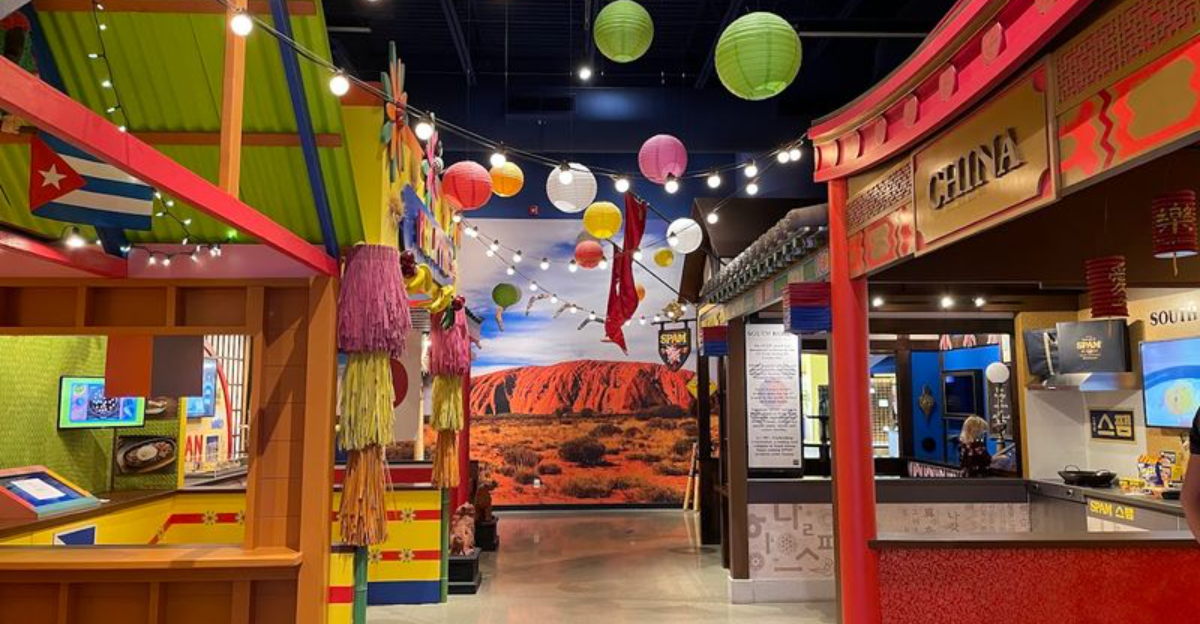
Some museums make you whisper. This one makes you laugh at canned meat.
Right in Austin, Minnesota, this one gets its own 14,000-square-foot stage. Because apparently history decided a tin of pork deserved a proper storyline.
What starts as a “this can’t be real” moment quickly turns into conveyor belts of cans, interactive exhibits, and a global food journey that somehow connects Depression-era survival food to worldwide comfort meals.
It’s loud, playful, and self-aware in a way you don’t expect from something inside a tin. One minute you’re learning history, the next you’re taking a personality quiz about processed meat, and somehow it all makes sense.
You walk in skeptical. You walk out thinking this might be one of America’s most unexpectedly successful ideas.
The Museum Is Completely Free And That’s Not A Joke
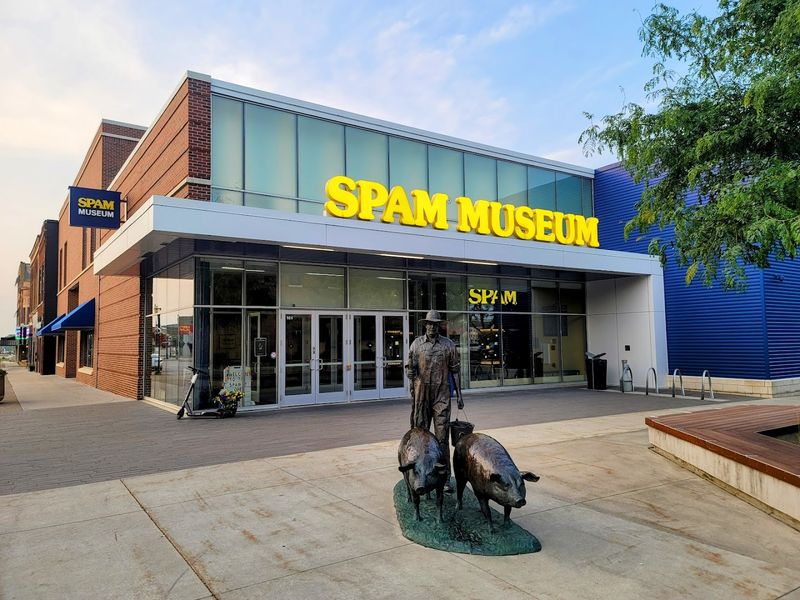
Free admission to a real, well-designed museum sounds like the setup to a punchline, but the SPAM Museum is the real deal. No entry fee, no hidden charges, just walk right in and start exploring one of the most unexpectedly entertaining attractions in Minnesota.
It opened in its current downtown Austin location in April 2016, giving the whole experience a fresh, modern feel.
The museum spans 14,000 square feet of exhibits, games, videos, and hands-on activities. That is a serious amount of floor space dedicated to one canned product, and somehow every inch of it earns its place.
Families, solo travelers, and road trippers all show up and walk out genuinely impressed.
Free guided tours are also available, typically running about 30 minutes. Volunteer guides known as SPAMbassadors lead the way, sharing fun facts and handing out samples called Spamples along the route.
Self-guided options work just as well if you prefer to explore at your own pace.
The museum is open Monday through Saturday from 10 a.m. to 4 p.m. and Sunday from 10 a.m. to 4 p.m., with free parking available right behind the building. A visit usually takes about an hour, though curious explorers tend to linger longer at each exhibit.
This is genuinely one of those rare experiences where zero dollars gets you a whole lot of entertainment.
The Address Is Downtown Austin
Pulling into downtown Austin, Minnesota feels like stepping into a classic American small town, and that atmosphere makes the whole SPAM Museum experience even better. The museum sits at 101 3rd Avenue NE, Austin, MN 55912, right in the heart of the city that Hormel Foods has called home for well over a century.
The building fits naturally into the downtown landscape while still standing out with its bold, unmistakable branding.
Austin itself is a town deeply connected to the SPAM legacy. Hormel Foods Corporation remains one of the largest employers in the area, and the community takes genuine pride in that history.
Walking around before or after your museum visit gives you a real sense of how intertwined the brand and the town truly are.
Free parking behind the museum makes logistics easy, which is always a win on a road trip. The location is also fully accessible, with all exhibits on the main floor and no barriers for strollers or wheelchairs.
Getting there from the Twin Cities takes roughly two hours heading south on I-35, making it a solid day trip destination.
The museum also offers free bike rentals for visitors who want to explore more of Austin after their visit. That little bonus turns a simple museum stop into a fuller afternoon adventure worth planning around.
Can Central Is The Beating Heart Of The Whole Operation
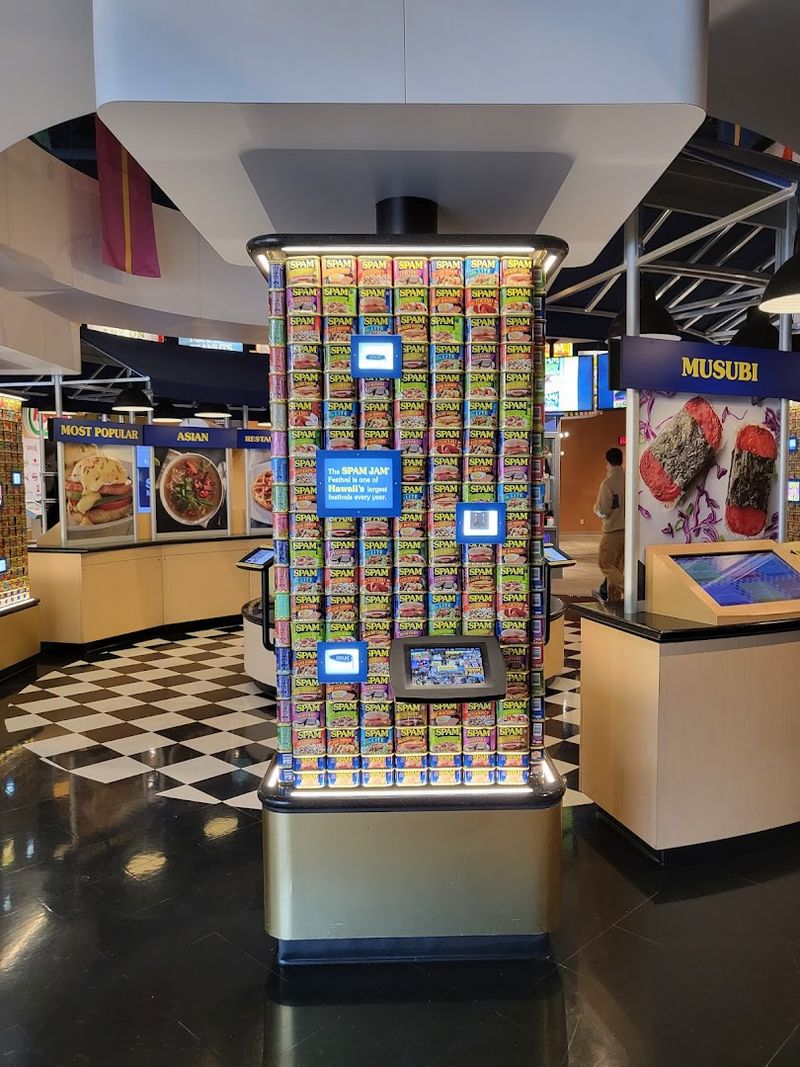
Walk into Can Central and the energy hits you immediately. This is described as the heart of the museum, and it lives up to that title with a buzzing mix of interactive quizzes, trivia challenges, and a live social media feed showing what SPAM fans around the world are posting in real time.
It feels lively, current, and genuinely fun to poke around in.
The quizzes test your SPAM knowledge in surprisingly entertaining ways. Most visitors quickly realize they know far less about this canned icon than they thought, which makes every new fact feel like a small discovery.
The interactive screens are placed at accessible heights, making them easy for everyone to use comfortably.
One of the standout features in this area is the personality quiz that tells you what kind of SPAM you are. It sounds ridiculous, and it absolutely is, but that is exactly why it works so well.
People genuinely get invested in their results and share them with whoever they came with. There is also a height measurement display that shows how tall you are in SPAM cans, which is the kind of quirky detail that makes a museum memorable long after you leave.
Can Central sets the tone for the rest of the experience by making it clear that this place does not take itself too seriously, and that is precisely what makes it so enjoyable to explore from start to finish.
The Overhead Conveyor Belt
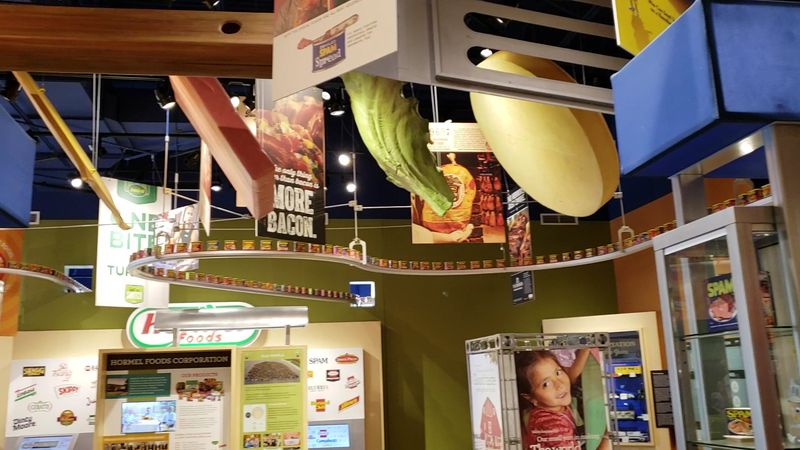
Stretching 390 feet through the museum, the overhead conveyor belt carries 780 SPAM cans in a continuous loop above the exhibit floor. It takes about 18 minutes to complete a full circuit, and watching it move is oddly mesmerizing.
Twenty different varieties of SPAM products make their way around the track, turning the ceiling into a slow-moving, colorful product showcase.
It has the feel of a model train set scaled up to museum size, which is exactly as delightful as it sounds. The engineering behind it is simple but effective, and it adds a constant sense of motion and life to the space below.
Visitors tend to spot it early and keep glancing back up throughout their visit.
The conveyor belt also serves as a subtle education tool, since each variety on the belt represents a different chapter in SPAM’s product history. From Classic to Tocino flavor, the range of options up there reflects just how far the brand has expanded since its 1937 debut.
It is one of those visual elements that photographs beautifully and sticks in your memory long after you have left Austin. If you are the type of person who appreciates clever design choices that blend form and function, the conveyor belt will be one of your favorite things about this museum without question.
The World Market Gallery Takes SPAM On A Global Tour
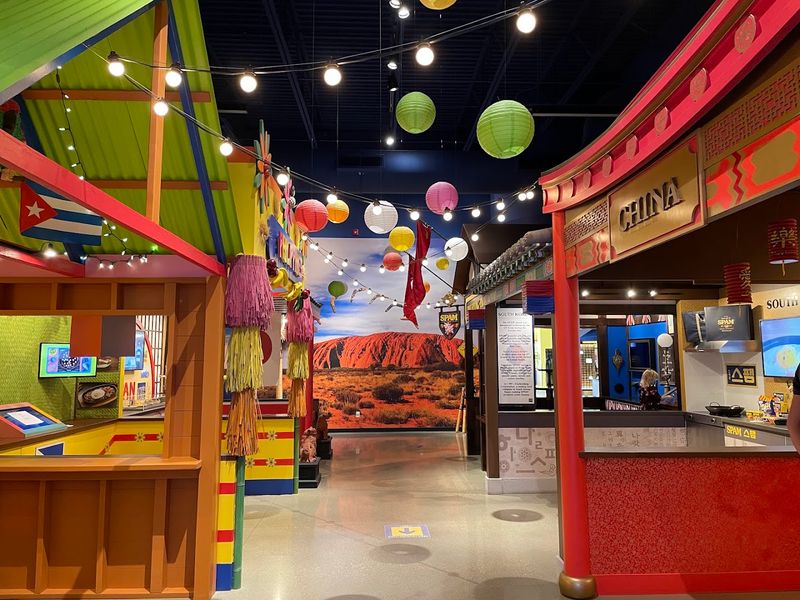
Forty-plus countries and counting, SPAM has gone places most American food brands never dreamed of reaching. The World Market gallery dedicates serious space to exploring how different cultures around the world have adopted, adapted, and fallen hard for this canned meat.
Each featured nation gets its own display that highlights regional recipes, advertising styles, and cultural significance.
Hawaii gets a spotlight that feels entirely deserved. SPAM musubi, SPAM fried rice, and SPAM saimin are staples of Hawaiian cuisine, and the museum explains exactly how that love affair developed from post-WWII food culture.
Japan and South Korea each bring their own creative SPAM traditions to the table, with flavors and preparations that would genuinely surprise most mainland Americans.
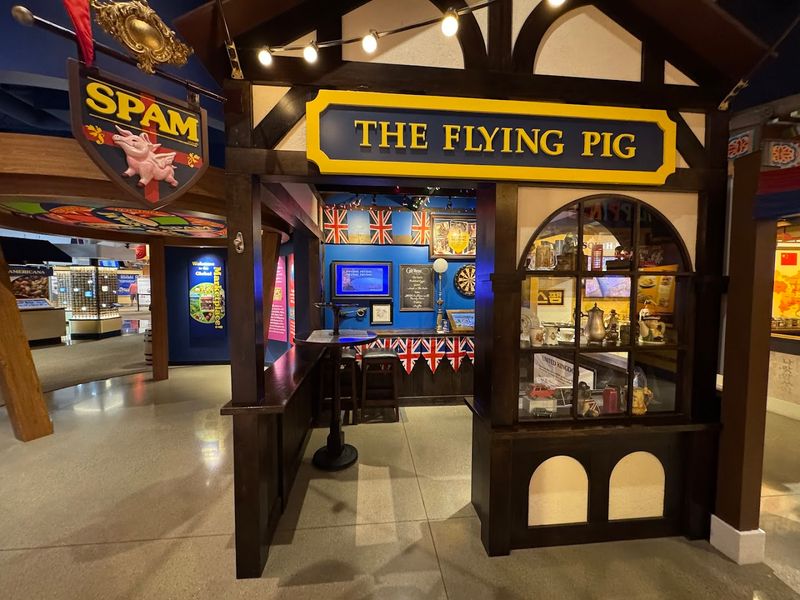
The Philippines, China, Latin America, and the United Kingdom each have their own featured sections too, showing just how differently one product can be interpreted across cultures.
The variety of international SPAM advertising on display is especially entertaining, revealing how the brand adjusted its messaging and packaging to connect with wildly different audiences. It is the kind of exhibit that makes you realize food is one of the most universal languages humans have.
The World Market gallery turns a simple product into a global conversation, and by the end of it, SPAM feels less like a quirky American curiosity and more like a genuine cultural bridge between continents.
SPAM Brand 101 Lets You Get Hands-On With The Production Process
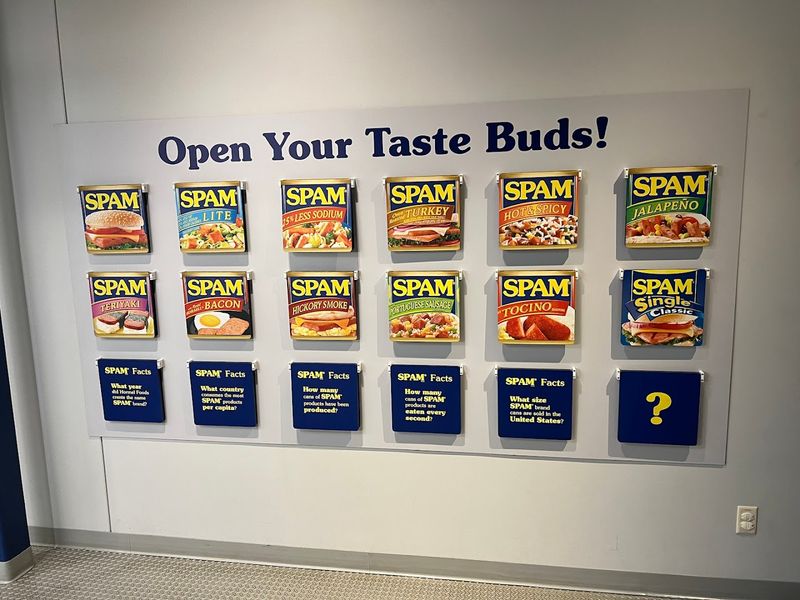
Ever wondered exactly what goes into a can of SPAM? The SPAM Brand 101 section answers that question in the most entertaining way possible.
Visitors get to learn how SPAM products are manufactured, discover the full lineup of 15 different varieties, and even participate in a mock can assembly game that simulates what it feels like to work on the production line.
The assembly game is a genuine crowd-pleaser. It turns what could be a dry industrial explanation into an interactive challenge that gets people laughing and competing.
The exhibit breaks down ingredients, cooking methods, and quality standards in a way that is easy to understand without feeling like a factory tour brochure.
Learning about all 15 varieties is also more interesting than it sounds. From SPAM Lite to SPAM with Bacon to SPAM Teriyaki, the flavor range reflects decades of product development responding to changing consumer tastes.
Many visitors discover varieties they have never seen on grocery store shelves, which makes the gift shop stop afterward feel even more purposeful. The SPAM Brand 101 section does a great job of making production feel relatable rather than clinical.
It respects the curiosity visitors bring without overwhelming them with technical details. By the time you finish this section, you have a genuine appreciation for the craftsmanship behind something most people assumed required zero craftsmanship at all.
The Gift Shop Is A Wonderland Of SPAM-Branded Everything
Walking into the SPAM Museum gift shop feels like entering a parallel universe where one brand has successfully colonized every possible product category.
Hundreds of SPAM-branded items line the shelves, from t-shirts and hoodies to kitchen gadgets, novelty gifts, and collectibles that range from charming to completely absurd. It is the kind of shop that makes you pick up three things before you have even processed what you are looking at.
Every available variety of SPAM is stocked here, including flavors that rarely appear in regular grocery stores.
That alone makes it worth browsing, especially after spending an hour learning about all the different versions that exist around the world. Picking up a can of SPAM Tocino or SPAM Chorizo feels like a natural extension of the museum experience rather than just a souvenir purchase.
The gift shop also carries items that work brilliantly as conversation starters or offbeat presents. A SPAM ugly sweater, a SPAM-branded apron, or a set of SPAM enamel pins will absolutely get a reaction from whoever receives them.
There is even a coin press machine tucked in the shop for collectors who love that kind of keepsake. The whole setup is a reminder that the SPAM brand has always been in on the joke while also being completely sincere about it.
That balance of self-awareness and genuine pride is what makes the SPAM Museum, from the first exhibit to the last shelf in the shop, such a genuinely memorable experience.