
This Hidden Greenville Science Center Has A Planetarium, Butterfly Garden, And A Dinosaur Forest
At first, it feels like a normal family attraction tucked into the hills of South Carolina.
Then you realize there are life-size dinosaurs around one corner, butterflies drifting through gardens around another, and a giant telescope pointed toward the night sky waiting farther up the hill.
One of the most unexpectedly fun day trips in South Carolina is hiding behind the gates of this science campus.
The whole place runs on curiosity. Kids sprint from exhibit to exhibit while adults keep stopping to say, “Wait… they have THAT here too?”
One minute you’re walking through a historic farm. The next you’re sitting beneath stars inside a planetarium or staring at exhibits that somehow make science feel genuinely exciting again.
Nothing about the experience feels small.
And by the end of the visit, it becomes very obvious why families in the Upstate keep coming back over and over again.
A Planetarium That Actually Takes You To The Stars
Sitting back in a reclining seat while the entire ceiling above you transforms into a star-filled sky is something that never gets old, no matter how many times you have done it.
The planetarium at Roper Mountain Science Center is one of the most underrated spots in all of Greenville, and I say that without a hint of exaggeration.
Presentations rotate depending on the season, so the show you catch in spring might be completely different from what runs in the fall.
The room itself is designed to pull you in, with a dome projection system that makes constellations feel close enough to touch.
Friday Starry Nights events pair planetarium shows with actual telescope viewings, making it a genuinely two-part astronomy experience.
One reviewer noted that timing your visit during a waxing moon in September gives you the best chance of pointing the historic telescope directly at a glowing lunar surface.
Few places in South Carolina offer that kind of night sky magic for the price of a single admission ticket.
The Butterfly Garden Is A Living, Flying Work Of Art
Walking into the butterfly garden at Roper Mountain Science Center feels like stepping into a painting where every brushstroke happens to have wings.
Reviewers consistently rank this as one of the top highlights of the entire campus, and after spending time inside, it is easy to understand why.
The enclosure keeps humidity and warmth at levels that butterflies love, so you are almost guaranteed to see them active and flying close to visitors.
Seasonal timing matters here, since the butterfly population shifts throughout the year and some months offer a denser, more colorful display than others.
Children especially love standing still and waiting to see if a butterfly lands on them, which happens more often than you might expect.
Staff members stationed near the garden are knowledgeable and happy to explain the life cycle of each species on display.
The combination of color, movement, and gentle science education makes this corner of the science center genuinely unforgettable for visitors of all ages.
Dinosaur Trail Through The Woods
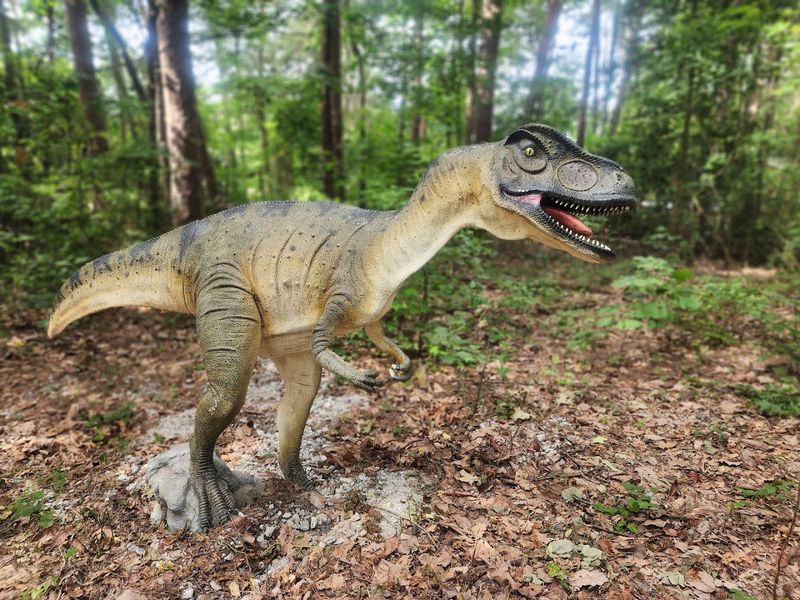
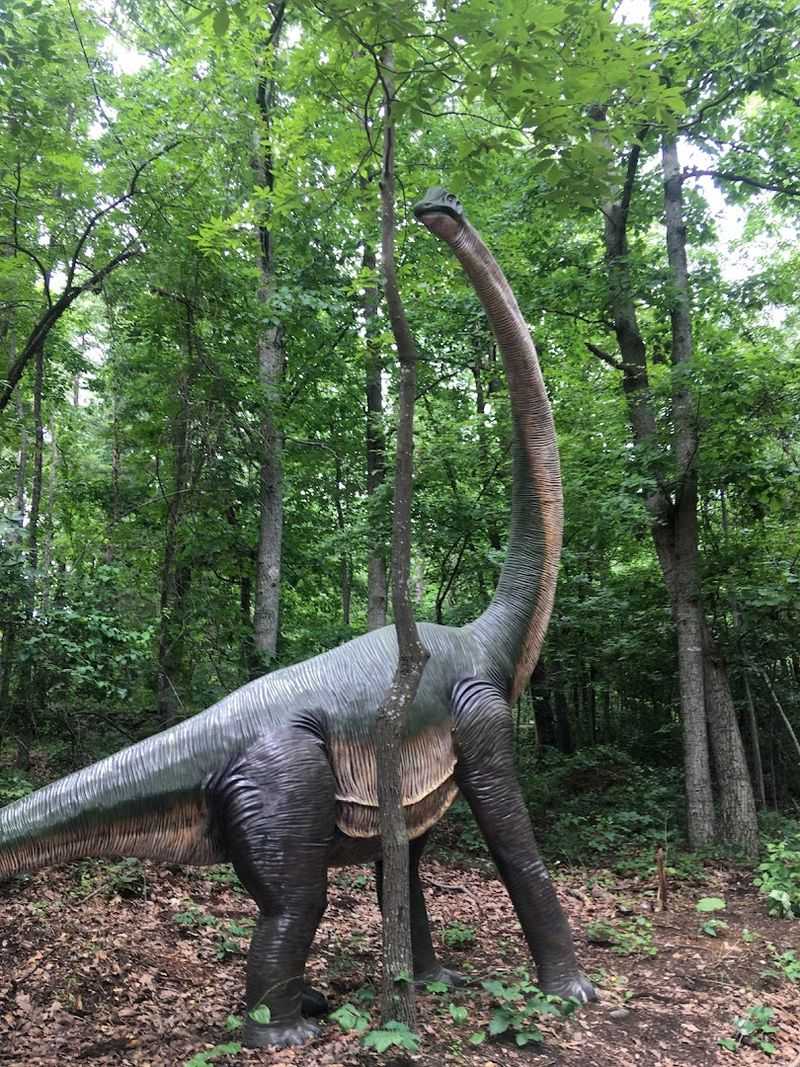
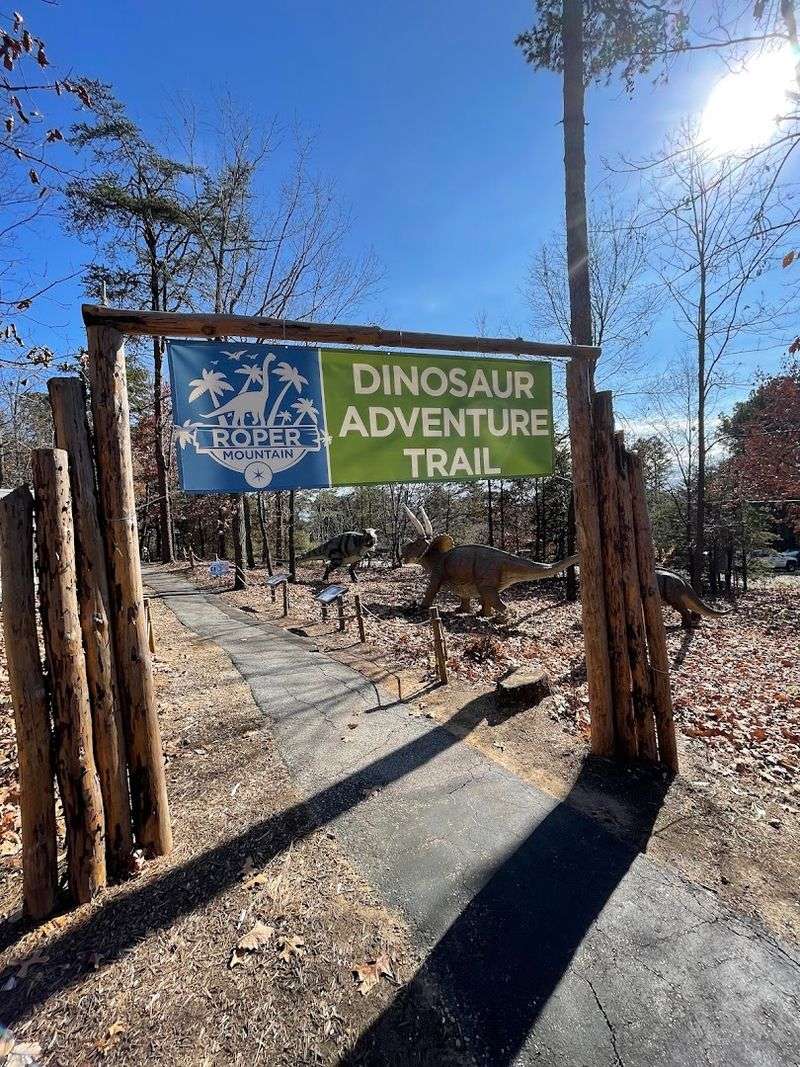
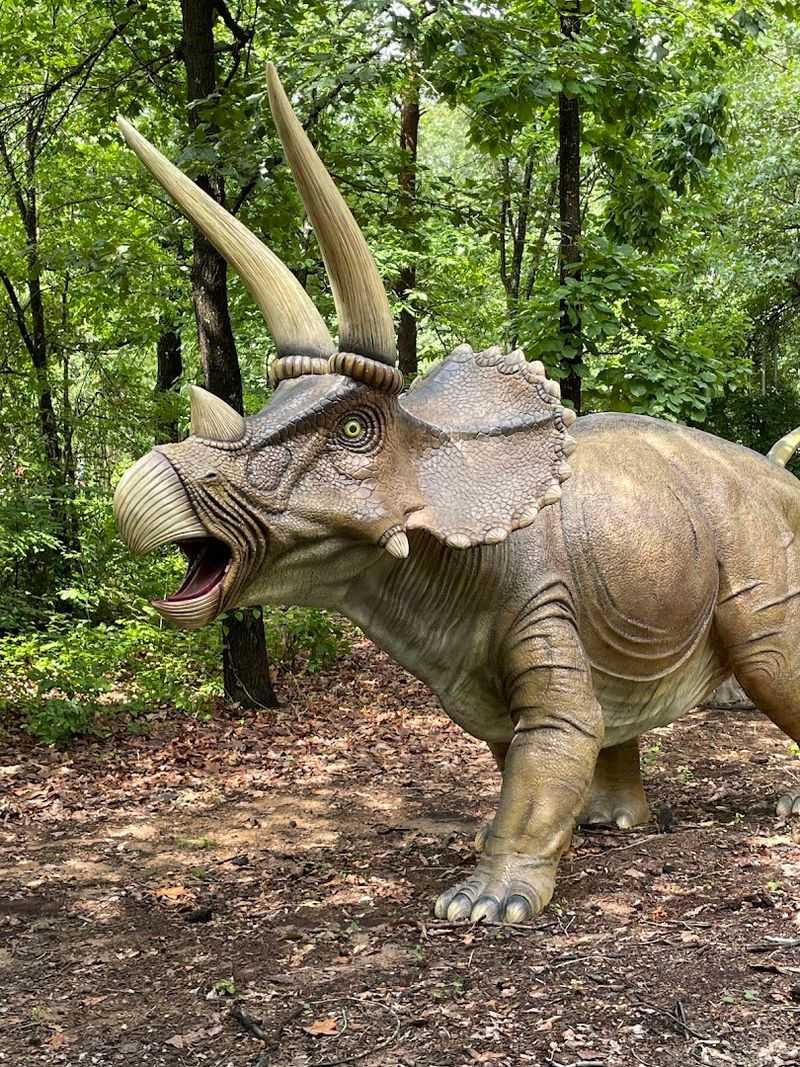
There is something wonderfully surreal about rounding a bend on a wooded trail and suddenly coming face to face with a life-size dinosaur staring back at you.
The dinosaur trail at Roper Mountain winds through a shaded forest path, placing full-scale prehistoric creatures at intervals that keep the excitement building with every few steps.
Kids who are deep into their dinosaur phase will practically sprint from one exhibit to the next, while adults find themselves slowing down to read the educational signs posted near each sculpture.
The trail is short enough that younger children can complete it without wearing out, but detailed enough that older kids and curious grown-ups stay engaged the whole time.
All the crowd favorites are represented, and the realistic sizing gives you a genuine sense of just how large these animals actually were.
Shade from the surrounding trees makes the walk comfortable even on warmer days, which is a thoughtful detail for a South Carolina summer.
Finishing the trail always leaves me wanting to loop back around and catch whatever detail I missed the first time.
A 140-Year-Old Telescope Still Pointing At The Sky
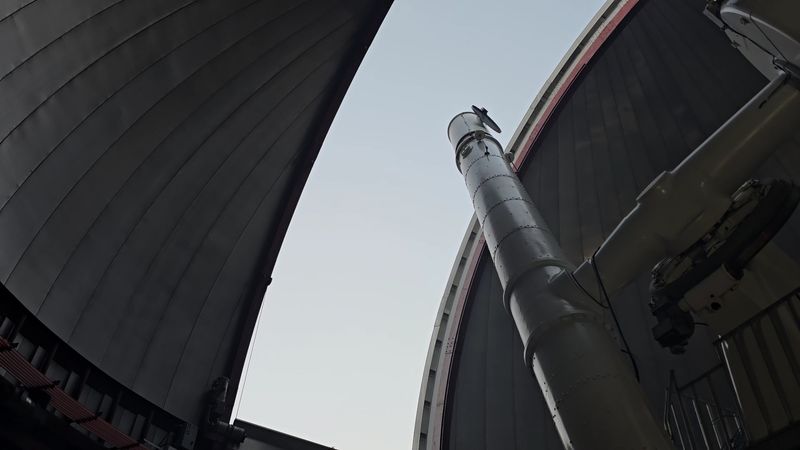
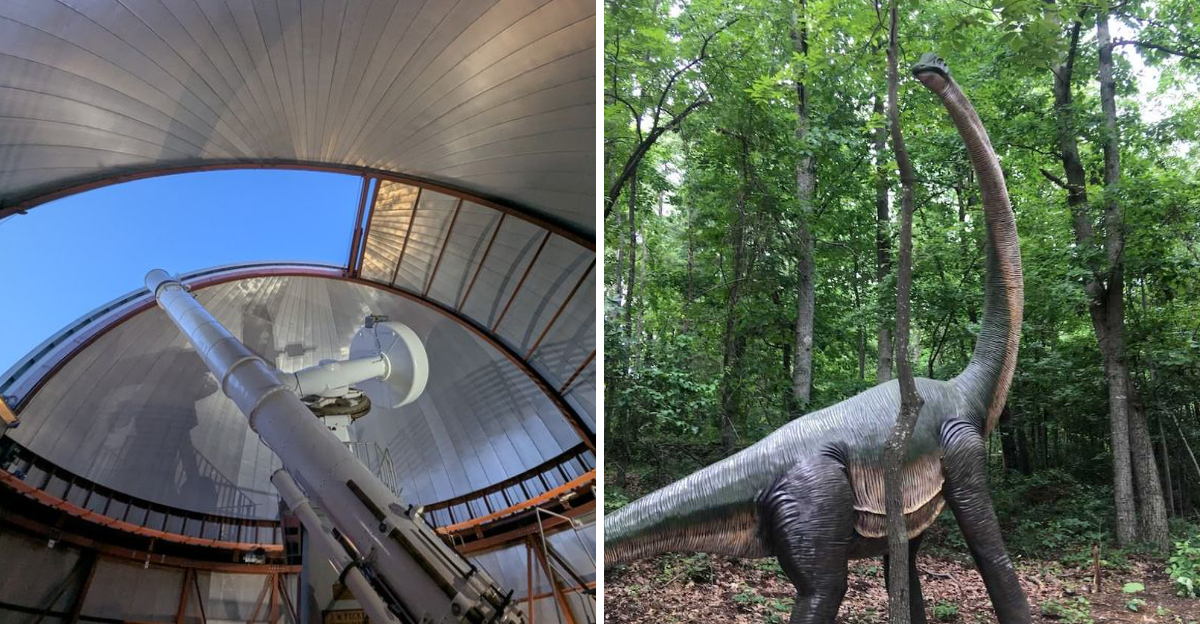
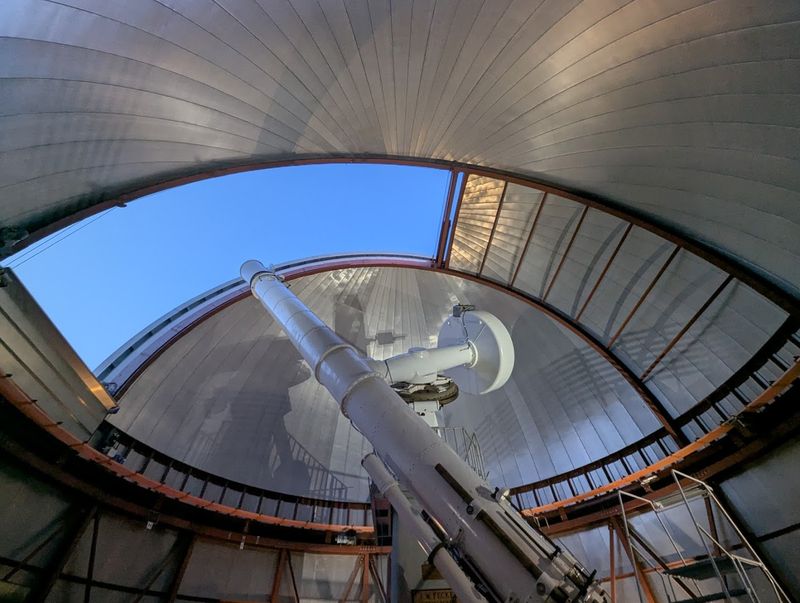
Most science centers display old equipment behind glass, but Roper Mountain Science Center actually lets you look through a telescope that has been tracking the sky for over 140 years.
That kind of hands-on access to genuine scientific history is rare, and it makes the Friday Starry Nights program feel more like a real observatory visit than a guided tour.
The telescope is housed in a dome structure on the property, and staff members walk visitors through exactly what they are seeing and why it matters.
One smart tip from a seasoned visitor: book your ticket during a waxing moon phase in the later months of the year, when darkness falls earlier and the lunar surface detail is at its sharpest.
Accessibility to the observatory at night has been noted as a challenge for some visitors, so wearing sturdy footwear and arriving before full dark is a practical move.
Reaching the dome and pressing your eye to that eyepiece connects you to generations of stargazers who stood in that same spot.
History and science rarely combine this cleanly in one single moment.
Living History Farm That Brings The Past To Life
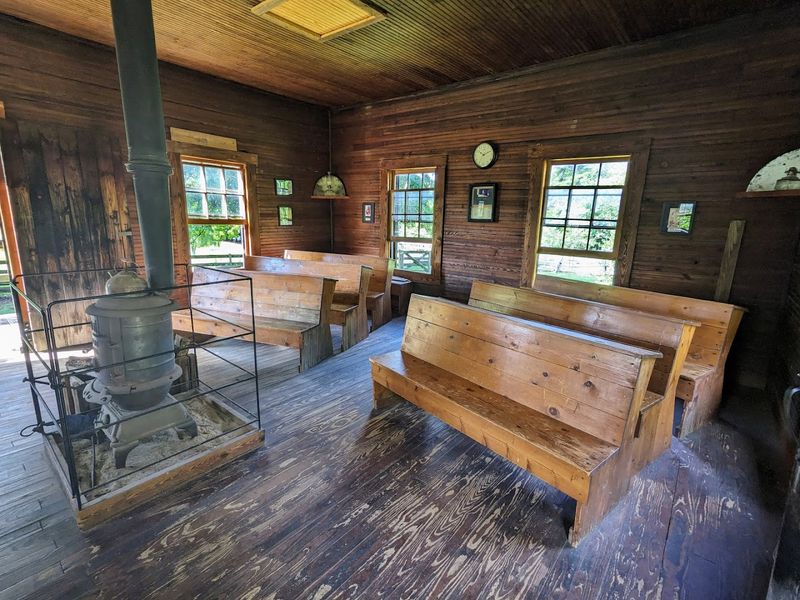
Stepping onto the Living History Farm at Roper Mountain feels like the calendar quietly flipped back by about a hundred years.
The farm features a working schoolhouse, period tools, and farm animals that visitors can interact with, all designed to show what daily rural life looked like in an earlier era of South Carolina history.
Children who have only ever read about farming in textbooks suddenly get to see and touch the real thing, which makes the lesson stick in a way no worksheet ever could.
Gem mining is also available near the farm area, and it has become one of the most requested stops among families with younger kids who love sifting through sand to find sparkling surprises.
Staff members at the farm are notably enthusiastic, bringing genuine energy to every demonstration and answering questions with the kind of patience that makes visitors feel welcome.
The combination of animals, history, and hands-on activities gives this section of the campus a warm, grounded character that balances out the high-tech exhibits elsewhere.
Leaving the farm always feels a little like saying goodbye to a place that runs on a slower and more satisfying clock.
The Nature Exchange: Trade Your Finds For Treasure
Bringing a pinecone or a smooth river rock to a science center and walking out with something even cooler is exactly the kind of trade the Nature Exchange was built for.
Visitors collect natural items from their own backyards or nearby parks, bring them in to be identified and assigned point values, then redeem those points for items displayed on the exchange wall.
The system rewards curiosity and encourages kids to pay closer attention to the natural world around them even when they are not at the science center.
Miss Anne, the staff member most frequently mentioned in glowing reviews, has built a reputation for turning each exchange into a genuine learning conversation rather than a simple transaction.
Families have returned multiple days in a row just to keep trading, which says everything about how engaging the program really is.
The Nature Exchange is free to participate in with regular admission, making it one of the best value-for-curiosity moments on the entire campus.
It is the kind of program that quietly reshapes how a child looks at a fallen leaf or an interesting stone from that point forward.
Hall Of Science With Live Animals Up Close
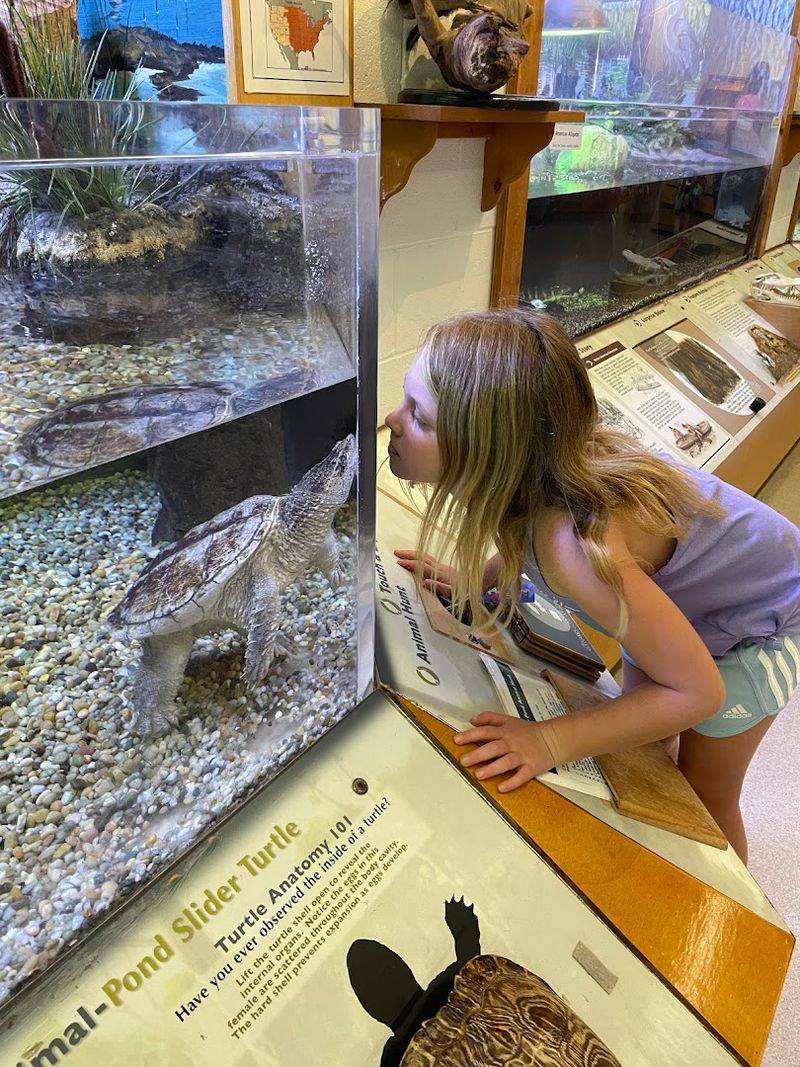
Coming face to face with a live snake through a clean glass panel has a way of making herpetology feel suddenly and personally relevant.
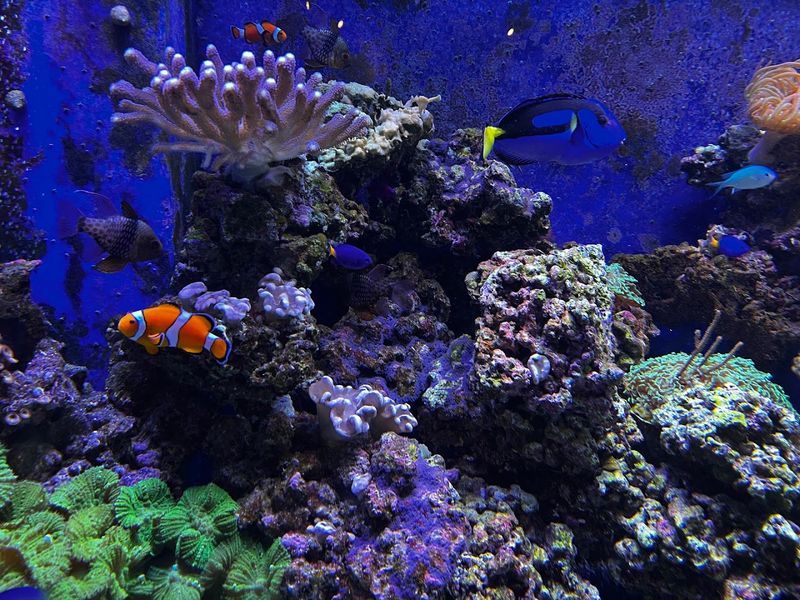
The Hall of Science at Roper Mountain Science Center houses live animal exhibits that include reptiles, aquatic species, and other creatures that visitors rarely get to observe this closely outside of a major zoo.
An aquatic touch tank lets kids reach in and feel stingrays and starfish, which tends to produce an equal mix of squeals and wide-eyed wonder.
Animal talks are scheduled throughout the day during open programming periods, giving visitors the chance to hear staff explain animal behavior, diet, and habitat in an entertaining and accessible way.
The exhibits are designed with interaction in mind, so you are rarely just standing and staring at something behind a barrier without context or engagement.
Rotating seasonal exhibits mean that a return visit even a few months later can introduce you to entirely new species and displays.
Every corner of the Hall of Science seems engineered to make you forget you are technically in a classroom setting.
Wild Kratts Adventure Exhibit For Creature Fans
If you have ever watched a child light up the moment they recognize something from their favorite show, then the Wild Kratts Adventure Exhibit at Roper Mountain will be one of your favorite parenting memories.
The traveling exhibit brings the animated world of Wild Kratts into a hands-on science setting, connecting the characters kids already love to real animal science and biology facts.
Each station throughout the exhibit is designed to be interactive, so children are touching, pressing, and exploring rather than passively reading panels.
Parents who visited with young Wild Kratts fans described the exhibit as an immediate hit, with kids running from station to station and absorbing information without even realizing they were learning.
The exhibit is a rotating feature rather than a permanent installation, which means availability depends on the season and programming schedule, so checking the website before your visit is a genuinely useful step.
Pairing this exhibit with the dinosaur trail and butterfly garden in a single visit creates a full day of discovery that kids will talk about for weeks.
Science education rarely comes packaged this entertainingly.
Outdoor Playgrounds Tucked Into The Landscape
Not every moment of a family science day needs to involve a lesson, and Roper Mountain Science Center seems to understand that better than most places.
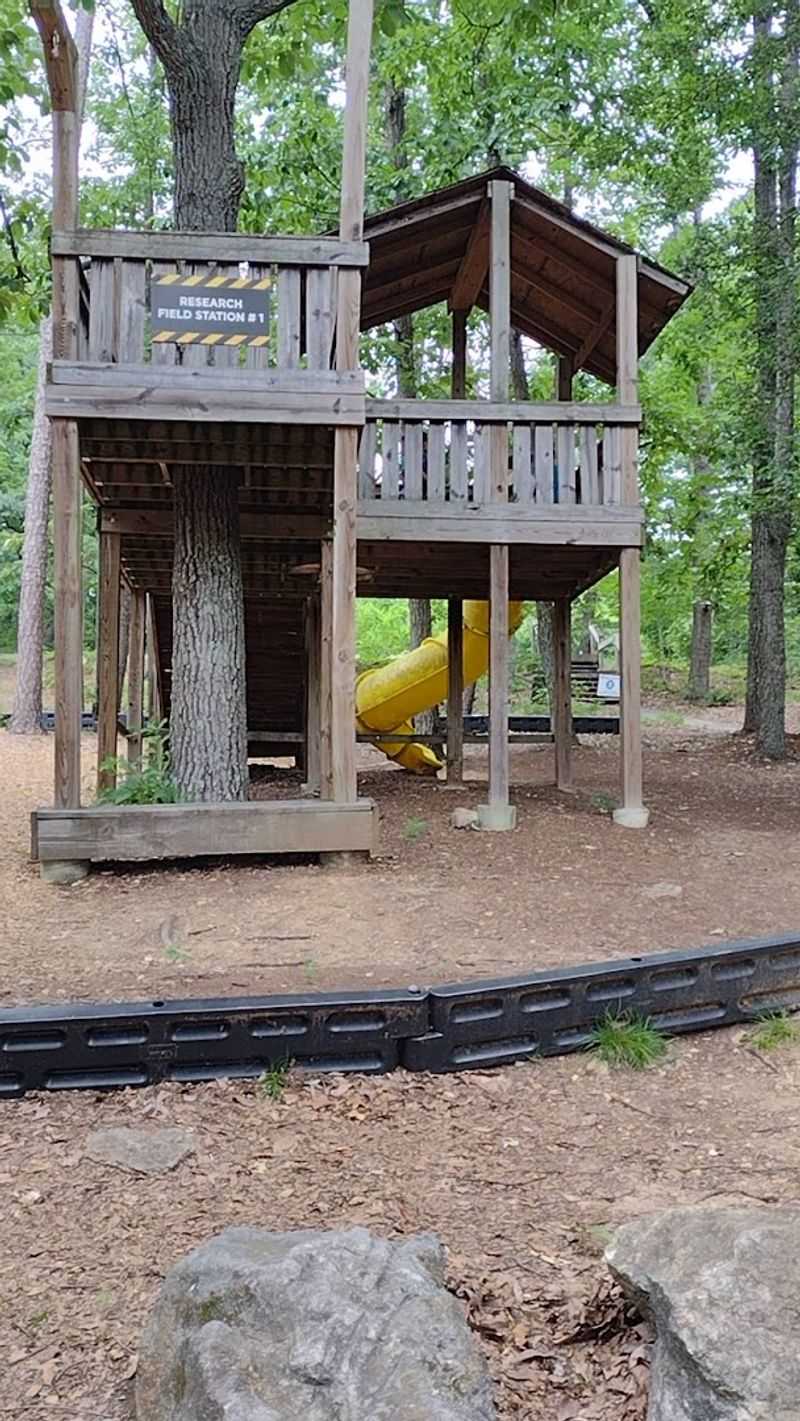
Two outdoor playgrounds are scattered across the campus, each one tucked into a natural setting with enough tree cover to stay comfortable even during warmer months in South Carolina.
One playground carries a pirate theme that gives it a sense of adventure separate from the science exhibits, which helps younger kids shift gears and burn off energy between building visits.
Parents have praised the shaded woodland playground in particular, noting that the natural canopy makes it a welcome rest stop for adults while kids run free.
Having two playground areas spread across a large campus also means that crowds tend to split up naturally, so you rarely feel like you are waiting for equipment.
The playgrounds serve a practical purpose too, giving families a natural pause point that keeps the overall visit feeling relaxed rather than rushed.
Few science centers think to build breathing room into the experience quite this thoughtfully.
Seasonal Programming And Summer Adventure
The hours posted on the Roper Mountain Science Center website might look limited at first glance, but the full picture becomes much clearer once you understand how the programming calendar actually works.
As a facility of Greenville County Schools, the center reserves much of its academic year for school field trips, teacher training, and virtual learning programs, which is why public hours during that period run Thursday and Friday afternoons only.
Summer Adventure is where the experience fully opens up, running six-hour days with rotating exhibits, live animal presentations, planetarium shows, the butterfly garden, the dinosaur trail, and the Living History Farm all accessible in a single visit.
Admission during Summer Adventure is priced at around fifteen dollars for adults and fourteen for children, and kids under eighteen eat free in the cafeteria during meal hours, which is a genuinely appreciated bonus for families.
Laser shows, special event days, and cockroach races have all been mentioned by reviewers as memorable seasonal highlights worth planning around.
Arriving right when doors open gives you the best chance of experiencing everything without feeling rushed.
Summer Adventure is the version of Roper Mountain that earns every star in its reviews.