
This 2.5-Hour Road Trip Along South Carolina’s Coastline Is Absolutely Breathtaking
Some drives are only about getting somewhere. This one completely changes the mood the second you leave the city behind.
The roads through the South Carolina Lowcountry feel softer somehow. Giant oak trees lean over the pavement, Spanish moss sways in the breeze, and every few miles another marsh view appears that makes you want to pull over immediately.
Few road trips in South Carolina feel this cinematic from beginning to end. The best part is how different every stop feels along the way.
Historic streets filled with old Southern charm, quiet waterfront towns where time seems to move slower, stretches of coastline so peaceful they barely feel touched by the modern world. You start the drive thinking two and a half hours sounds short.
Then suddenly the entire day disappears between seafood stops, scenic overlooks, hidden beaches, and roads so beautiful you almost stop caring where they lead. This is the kind of South Carolina road trip people finish once and immediately start planning all over again.
Charleston’s Historic French Quarter Sets The Perfect Starting Point
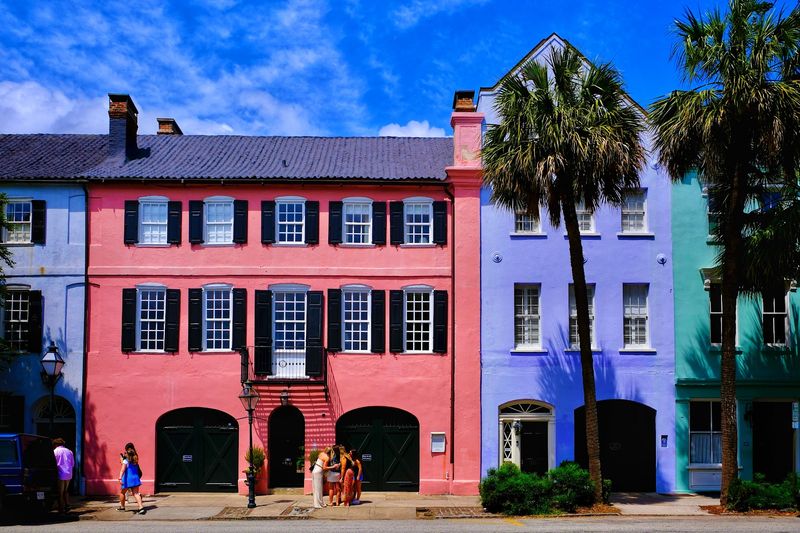
Few cities in America greet road trippers with as much personality as Charleston, South Carolina, and the French Quarter is exactly the kind of neighborhood that makes you want to park the car and wander for hours.
Rainbow Row, a stretch of pastel-painted Georgian row houses along East Bay Street, is one of the most photographed spots in the entire South, and standing in front of it for the first time genuinely feels like stepping into a painting.
The cobblestone streets around Church Street and Chalmers Street add a texture to the city that newer places simply cannot manufacture.
St. Philip’s Episcopal Church, which dates back to the early 1700s, towers over the neighborhood with quiet authority.
I always recommend grabbing a cup of coffee from a local cafe on Queen Street before heading out, because starting a road trip with a warm cup in hand and centuries of history around you is a genuinely hard mood to beat.
Crossing The Ashley River Bridges Gives You A Stunning Aerial Perspective
Just a few minutes outside of downtown Charleston, the route south takes you over the Ashley River, and the view from those bridges is the kind of thing that makes passengers grab their phones in a hurry.
Stretching out in every direction below are acres of golden-green marsh grass, glittering tidal creeks, and the wide, calm expanse of the river itself reflecting the sky like a giant mirror.
The Lowcountry marsh ecosystem is one of the most biologically rich environments in North America, supporting hundreds of species of birds, fish, crabs, and other wildlife.
On clear mornings, the light hitting the water creates a shimmer that is genuinely hard to describe without sounding like you are exaggerating.
Driving this stretch around sunrise or late afternoon puts the golden hour light directly on the marsh, turning an already beautiful scene into something that looks professionally filtered.
This is one of those moments where pulling over for a photo is absolutely worth the two-minute detour.
ACE Basin National Wildlife Refuge Is A Hidden Natural Wonder Along The Way
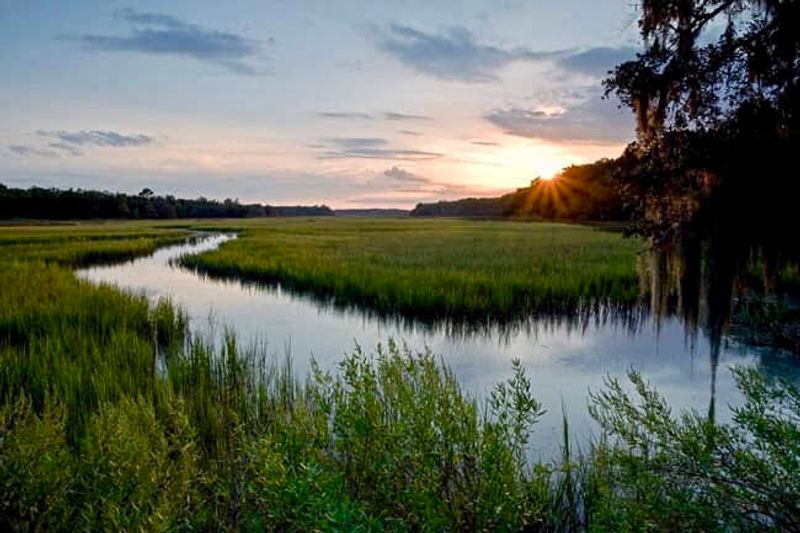
Roughly halfway between Charleston and Beaufort, the ACE Basin stretches across more than 350,000 acres of protected wetlands, forests, and tidal marshes, making it one of the largest undeveloped estuaries on the entire East Coast.
Named after the Ashepoo, Combahee, and Edisto Rivers that feed into it, this refuge is a genuine paradise for birdwatchers, kayakers, and anyone who appreciates wild, untouched landscapes.
I pulled off the main road at the Ernest F. Hollings ACE Basin National Wildlife Refuge headquarters and spotted a great blue heron standing in the shallows without a single care in the world.
White-tailed deer, bald eagles, wood storks, and loggerhead sea turtles all call this place home.
The refuge is free to visit and has several scenic driving loops and short walking trails that let you experience the ecosystem without needing a kayak or special gear.
Spending even thirty minutes here resets your entire sense of pace in a way that only truly quiet places can manage.
Beaufort’s Downtown Waterfront Is One Of The South’s Most Charming Stops
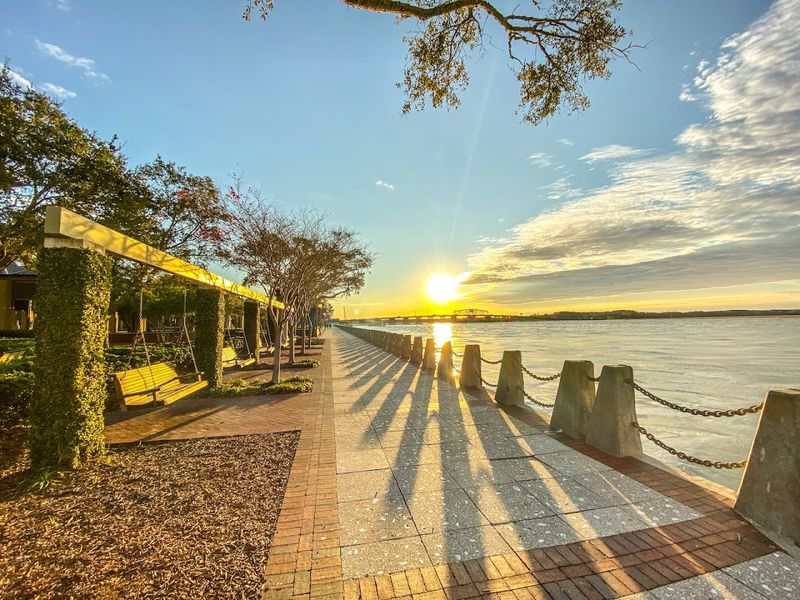
Rolling into Beaufort, South Carolina feels like the road trip just rewarded you for showing up, because this small city punches well above its weight in terms of beauty, history, and atmosphere.
The downtown waterfront sits right along the Beaufort River, and the Henry C. Chambers Waterfront Park is one of those rare public spaces where locals and visitors genuinely mix together in a relaxed, unhurried way.
Antebellum mansions line Bay Street and the surrounding neighborhoods, many of them dating back to the 1700s and 1800s, with wide porches and towering live oak trees that create a canopy of shade over the sidewalks.
Beaufort has appeared in films like Forrest Gump and The Big Chill, which gives it a quiet kind of fame that locals seem to enjoy without making a big deal of it.
Lunch at one of the waterfront restaurants, where shrimp boats are visible right from your table, turns a simple meal into a genuinely memorable experience.
The Sea Island Parkway Offers Some Of The Most Scenic Driving In The State
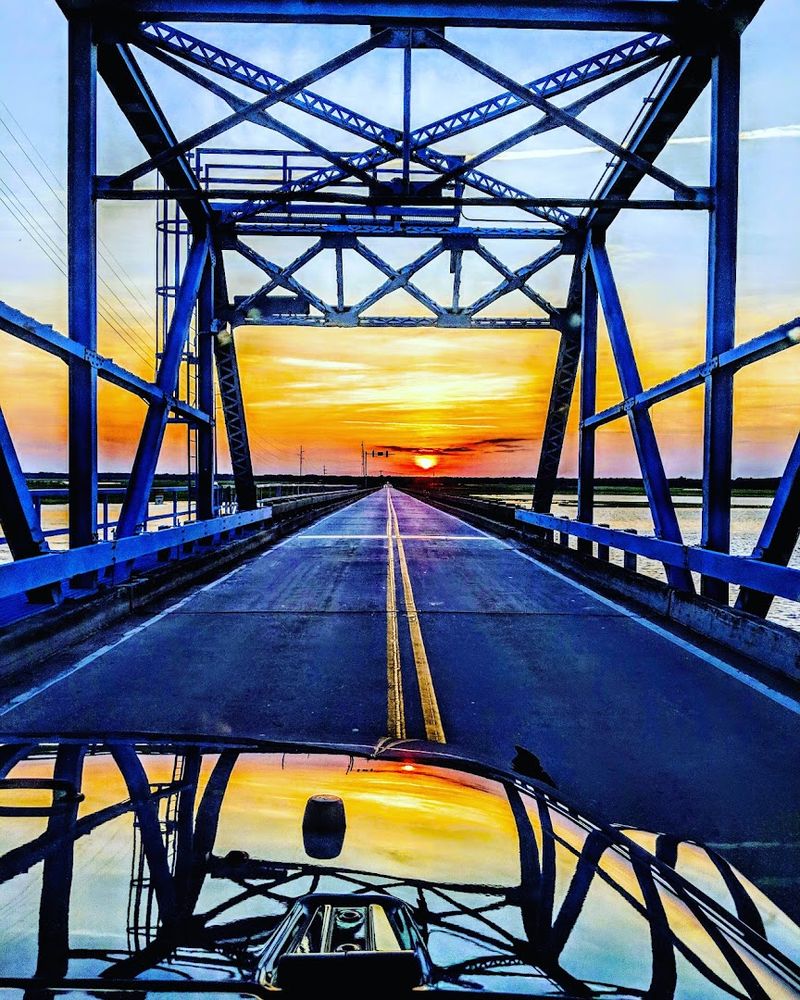
Leaving Beaufort and heading toward Hilton Head Island, the Sea Island Parkway, also known as US-21, becomes one of those roads that makes you genuinely happy to be behind the wheel.
The route hops across a series of barrier islands connected by bridges and causeways, each one offering a slightly different version of the Lowcountry landscape, from dense maritime forests to open salt flats to shimmering tidal creeks.
Lady’s Island, St. Helena Island, and Harbor Island all appear along this stretch, and each has its own distinct character worth a brief stop if your schedule allows.
St. Helena Island in particular holds deep historical significance as one of the centers of Gullah Geechee culture, the living heritage of African Americans descended from enslaved people who worked the Sea Island plantations.
Penn Center on St. Helena Island, located at 16 Penn Center Circle West, is a landmark of civil rights history and Gullah culture that adds real weight and meaning to the drive.
Gullah Geechee Culture Adds Deep Historical Meaning To The Journey
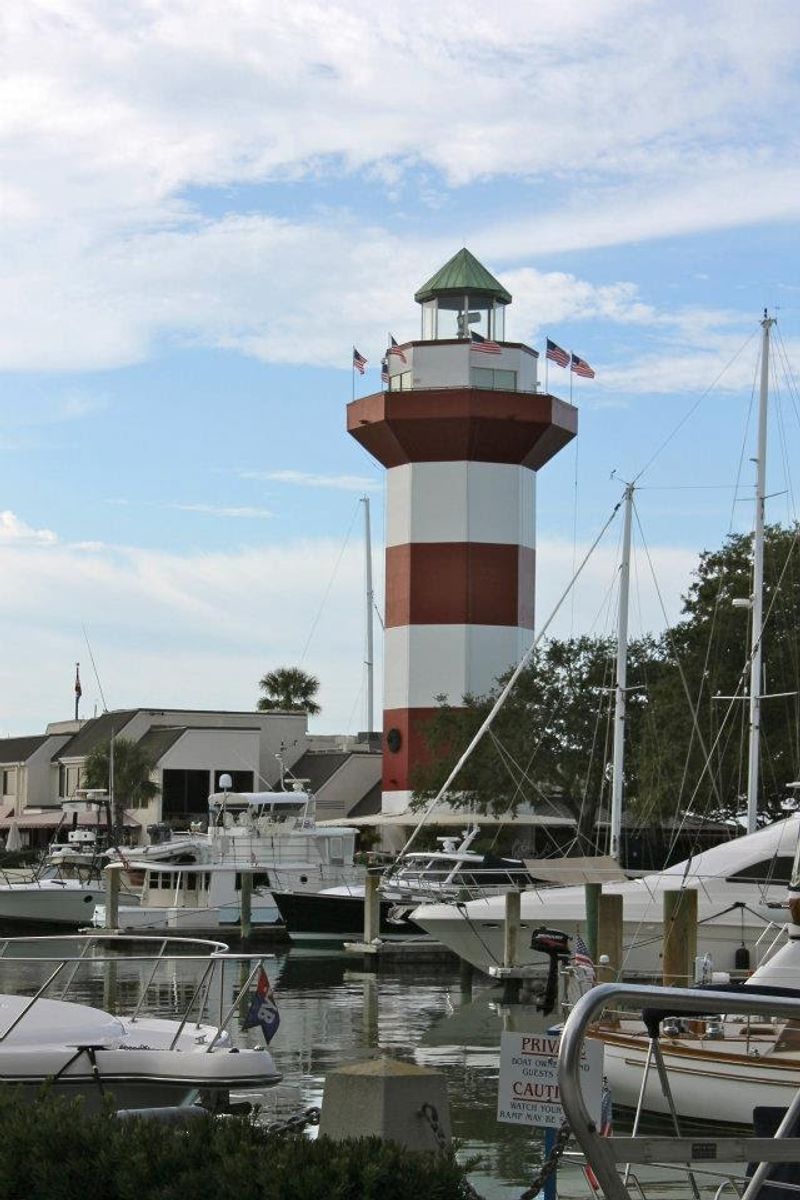
One of the most important and often overlooked parts of this road trip is the opportunity to connect with the Gullah Geechee culture that has thrived along the South Carolina Sea Islands for centuries.
The Gullah Geechee people are the direct descendants of enslaved Africans who were brought to the Lowcountry to work on rice and indigo plantations, and their culture represents one of the most intact African cultural traditions in the United States.
Their language, cuisine, music, and art forms have been preserved across generations in ways that are genuinely remarkable given the historical pressures they faced.
Sweetgrass basket weaving, which originated in West Africa, is still practiced and sold along the roadsides and in local markets throughout this region.
Stopping at a roadside stand to speak with a basket weaver and learn about the craft firsthand is the kind of travel moment that stays with you far longer than any scenic overlook.
This cultural thread runs quietly through the entire road trip and makes the journey feel genuinely meaningful.
The Cross Island Parkway Delivers A Grand Entrance To Hilton Head Island
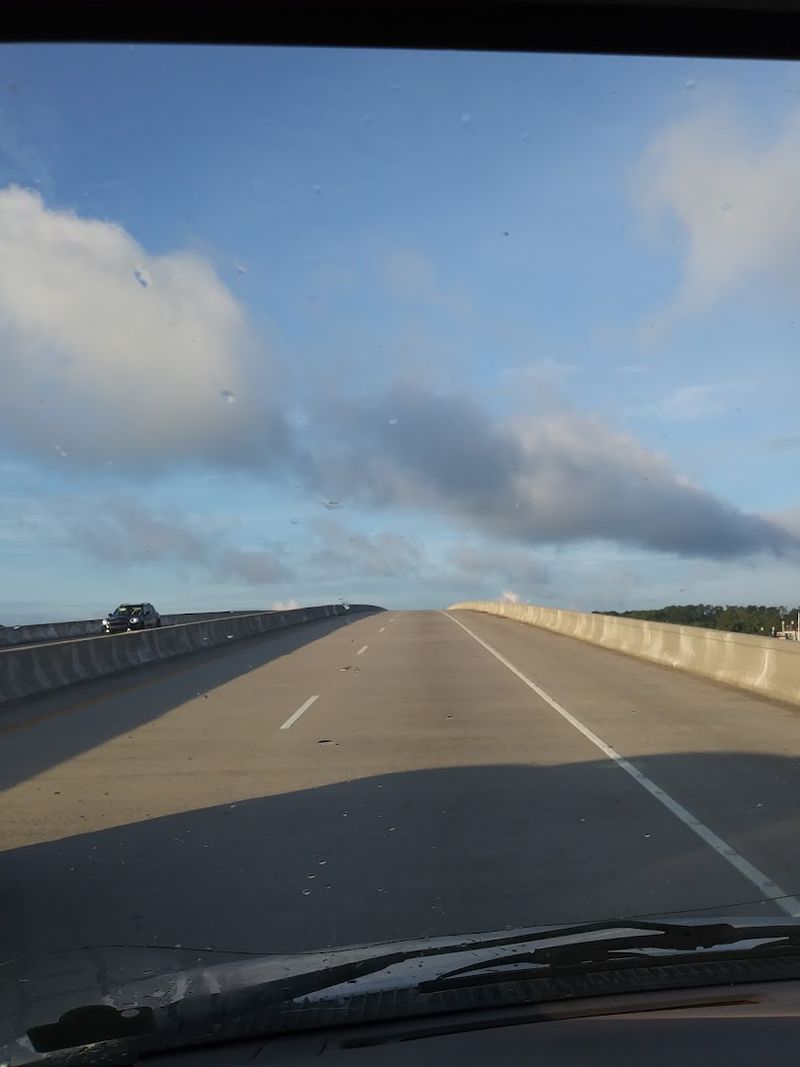
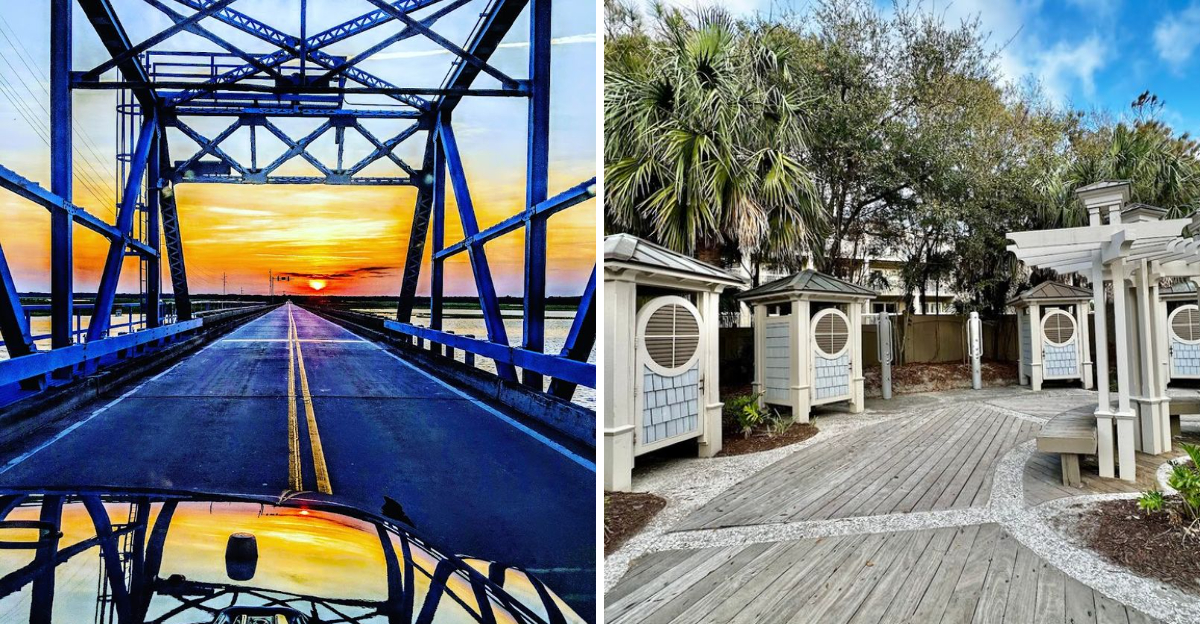
Arriving at Hilton Head Island feels like a proper reward after two hours of some of the most beautiful driving in the Southeast, and the Cross Island Parkway bridge gives you a sweeping, elevated view of the island’s waterways and marshes as you come in.
Hilton Head Island is South Carolina’s largest barrier island, stretching about twelve miles long and five miles wide, with twelve miles of Atlantic Ocean beach along its eastern edge.
The island is named after Captain William Hilton, an English sea captain who explored the area in 1663, which makes it one of the older place names in the Carolinas.
Despite its reputation as a resort destination, large portions of the island are protected nature preserves, which keeps the development from overwhelming the natural landscape.
Driving across that bridge with the marsh spreading out in every direction and the ocean somewhere ahead of you is one of those arrival moments that actually lives up to the anticipation you built during the drive down.
Coligny Beach Park Is The Perfect Place To End The Drive
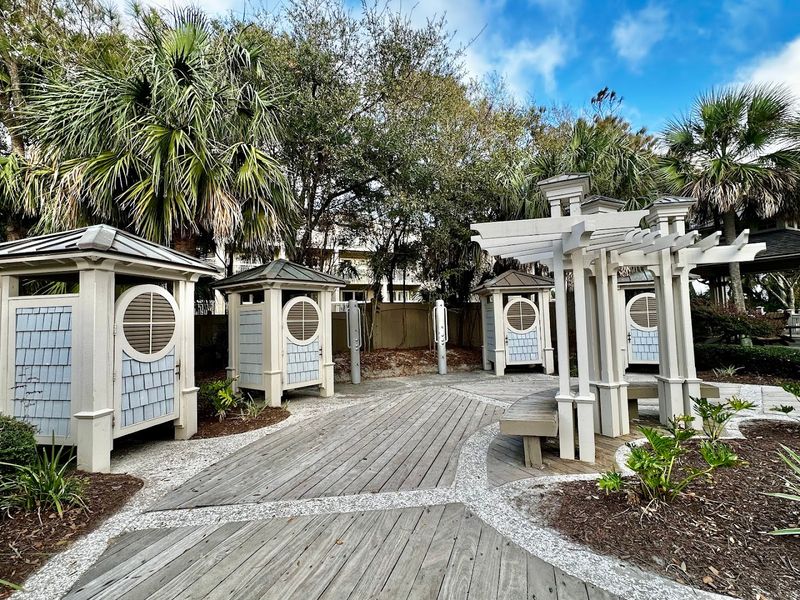
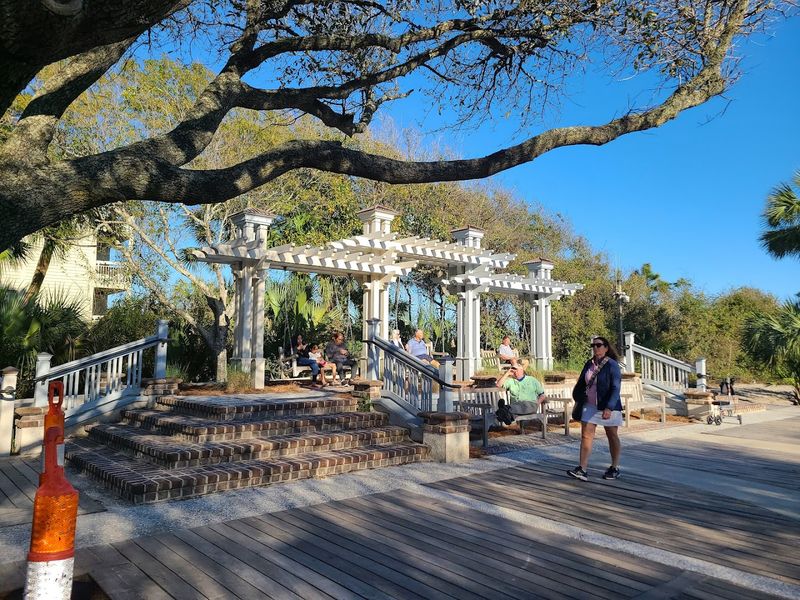
After two and a half hours of marshes, rivers, history, and scenic bridges, arriving at Coligny Beach Park on the Atlantic Ocean side of Hilton Head Island feels like the road trip delivering its final, best argument for why this drive was worth every mile.
Coligny Beach is one of the most accessible public beaches on the island, with free parking, restrooms, outdoor showers, beach chair rentals, and a small shopping area right at the entrance.
The beach itself is wide and flat, with firm sand that stretches for what feels like forever in both directions, and the Atlantic here tends to have a gentler surf than many East Coast beaches, making it comfortable for all ages.
Dolphins are commonly spotted just offshore, often surfacing in small groups within easy viewing distance from the shoreline.
I have a personal tradition of taking off my shoes the moment I hit the sand, walking straight to the water’s edge, and standing there long enough to feel like the drive actually happened.
Wildlife Sightings Along The Route Make Every Mile Feel Alive
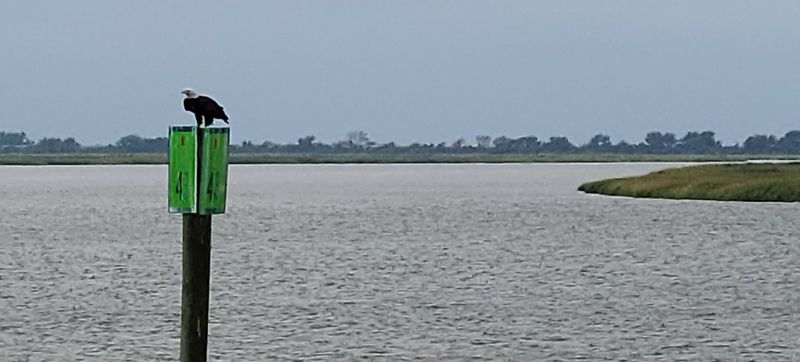
One of the quiet pleasures of this particular road trip is that the wildlife does not wait for you to go looking for it, because it simply shows up along the route on its own schedule.
Between Charleston and Beaufort, it is common to spot great egrets and tricolored herons wading in roadside ditches and tidal creeks, standing so still they almost look decorative.
White-tailed deer frequently graze near the tree lines in the early morning hours, and if you are driving through the ACE Basin area at dawn, the number of birds you see in a single stretch of road can be genuinely astonishing.
On Hilton Head Island itself, white-tailed deer have become so comfortable around humans that they wander through residential neighborhoods and resort paths without much concern.
Loggerhead sea turtles nest on the island’s beaches from May through October, and the local turtle patrol volunteers work every morning to protect the nests from disturbance.
Keeping your eyes open on this drive turns the whole journey into a moving nature documentary.
Practical Tips That Make This Road Trip Run Smoothly From Start To Finish
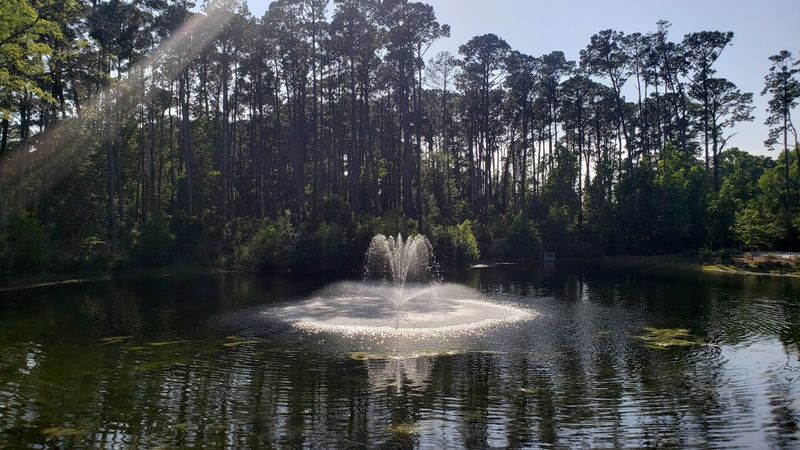
A road trip this beautiful deserves a little planning so you can spend your time enjoying it rather than troubleshooting avoidable problems along the way.
The best time to make this drive is between March and May or September and November, when the temperatures are comfortable, the crowds are lighter, and the Lowcountry landscape is at its most photogenic.
Summer trips are absolutely doable, but July and August bring intense heat and humidity that can make outdoor stops feel more like a workout than a pleasure.
Gas up in Charleston before you leave, because fuel options become more spread out once you get into the Sea Islands stretch between Beaufort and Hilton Head.
If you plan to stop at Penn Center, the ACE Basin refuge, or Coligny Beach, checking their hours ahead of time saves frustration, since some facilities have seasonal schedules.
Building in at least four to five hours of total travel time, rather than the base two and a half hours of driving, gives you room to stop, explore, and actually absorb what makes this coastline so special.