
This Secret Island In South Carolina Is Full Of Wild Monkeys
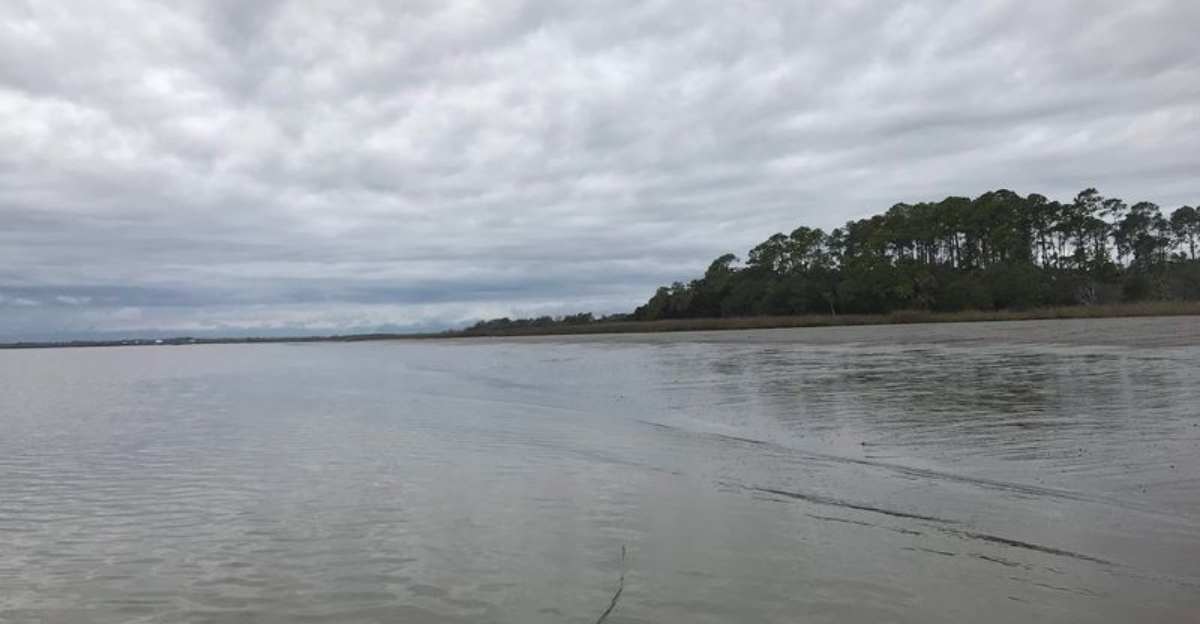
Most people think they know what kind of wildlife lives along the coast of South Carolina.
Then they hear there is an island near Beaufort filled with thousands of wild monkeys, and suddenly everything gets a lot more interesting.
South Carolina is hiding one of the strangest wildlife stories in America, and it honestly sounds too bizarre to be real at first.
Out on this isolated barrier island, roughly 3,500 rhesus macaques roam freely through the marshes and trees, completely off-limits to the public and largely hidden from everyday life.
The whole thing feels surreal.
You glide past the shoreline by boat expecting quiet Lowcountry scenery, then spot monkey silhouettes moving through the branches like you somehow drifted into another continent without realizing it.
No crowds. No tourist attraction signs.
Just a secret primate colony quietly existing in the middle of coastal South Carolina.
And once you learn the story behind it, it becomes impossible not to be fascinated by the sheer weirdness of it all.
Federal Property With Furry Residents
Morgan Island sits in the waters near Beaufort, South Carolina 29920, managed by the National Institutes of Health through a contract with the South Carolina Department of Natural Resources.
This arrangement started back in 1979 when the monkeys needed a new home after their previous facility in the Florida Keys faced issues with escapes and public safety concerns. The federal government leased this entire barrier island to create a breeding colony for biomedical research, and the setup has worked remarkably well ever since.
I learned that no humans live on Morgan Island permanently, though researchers and caretakers visit regularly to monitor the population and maintain the colony. The island provides natural habitat while keeping the monkeys isolated from mainland communities, which matters greatly given that these animals can carry herpes B virus.
Standing on a nearby dock and gazing across the water, I realized this unique federal wildlife facility operates like nothing else in the country, blending conservation management with scientific necessity in one strange package.
Rhesus Macaque Population Boom
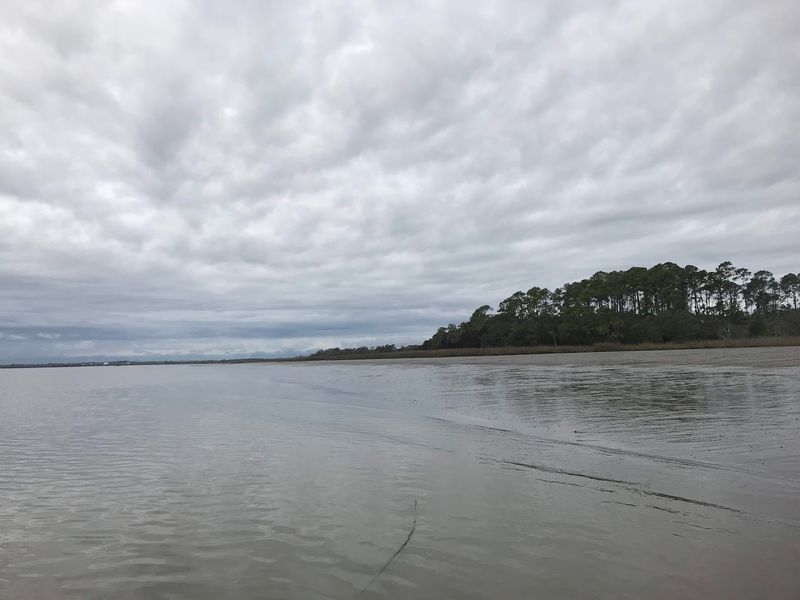
Around 3,500 rhesus macaques currently call Morgan Island home, making it one of the largest free-ranging colonies of these primates in the United States.
The population fluctuates as researchers periodically transfer monkeys to laboratories for medical studies, yet the colony continues reproducing at a steady rate. I found it fascinating that these monkeys live in complex social groups with established hierarchies, territories, and behaviors that mirror their wild cousins in Asia.
Rhesus macaques originally come from Afghanistan, India, and Southeast Asia, so watching them adapt to South Carolina’s climate and ecosystem shows their remarkable flexibility. The island’s maritime forest, salt marshes, and tidal creeks provide everything they need: food sources, fresh water, shelter, and space to roam.
During my research, I discovered that scientists value this colony because the monkeys live in semi-natural conditions rather than laboratory cages, which produces more accurate research data. Their population density remains carefully managed to prevent overcrowding while maintaining genetic diversity for ongoing biomedical studies.
Strictly Off Limits To Visitors
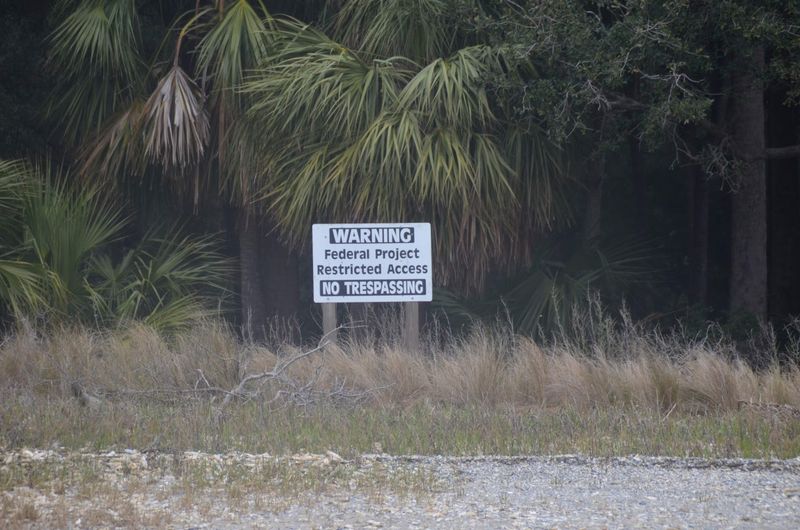
Every approach to Morgan Island displays prominent signs warning boaters and curious adventurers to stay away, and these warnings carry serious legal weight.
Federal law prohibits anyone from landing on the island without explicit authorization, and violators face hefty fines plus potential criminal charges. I spoke with local boat captains who explained that even getting too close can result in Coast Guard intervention, as authorities take biosecurity around this colony extremely seriously.
The restriction exists primarily to protect both humans and monkeys, since rhesus macaques can transmit herpes B virus through bites, scratches, or contact with their bodily fluids. While the virus rarely affects monkeys, it can cause severe neurological disease in humans if left untreated.
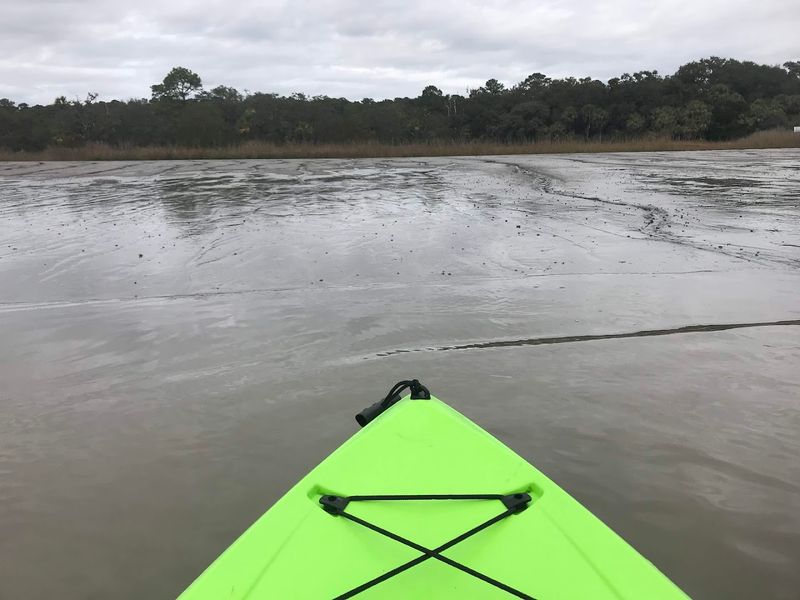
Beyond health concerns, human presence would disrupt the colony’s natural behaviors and potentially introduce diseases that could devastate the population. I watched the island from my kayak about 500 yards offshore, close enough to see movement in the trees but respectful of the boundaries that keep this unique research facility functioning properly.
Swimming Monkeys Surprise Boaters
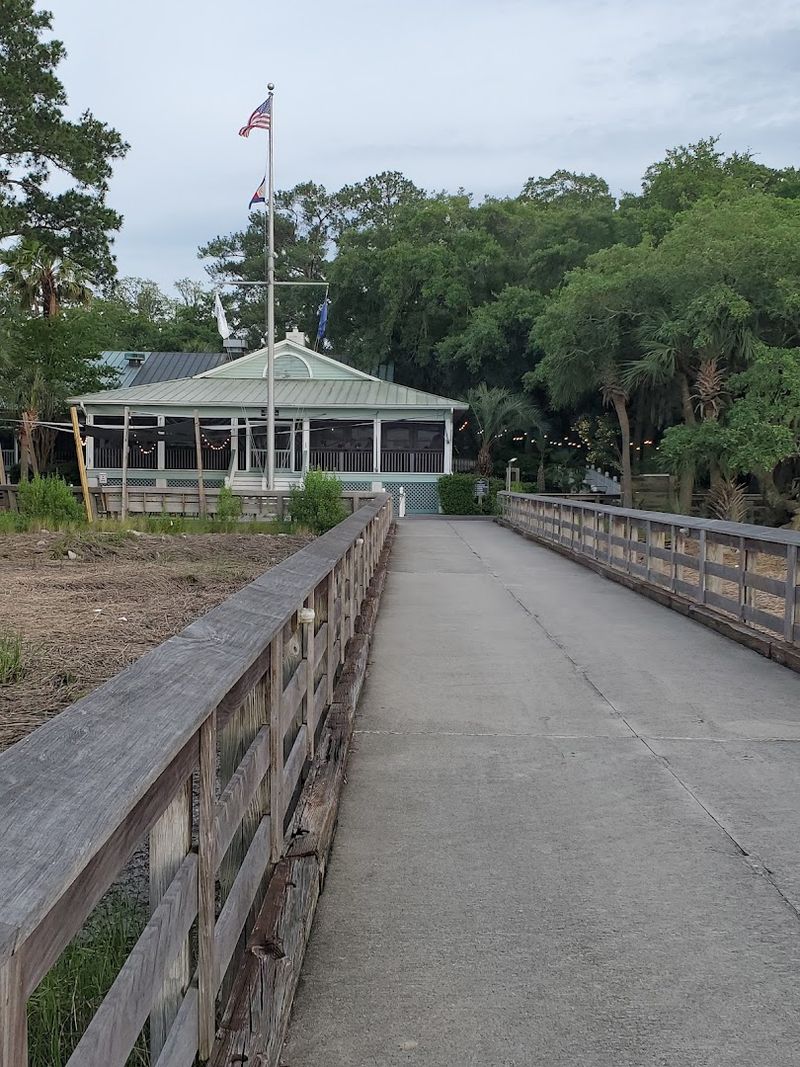
Local boaters occasionally spot monkeys swimming between Morgan Island and nearby landmasses, a sight that stops people mid-conversation and sends them scrambling for their phones.
Rhesus macaques are surprisingly capable swimmers, and some adventurous individuals have been documented crossing channels up to a quarter-mile wide in search of new territory or resources. I heard stories from fishermen who watched monkeys paddle purposefully through tidal currents, their heads bobbing above the water like determined little periscopes.
These swimming excursions worry wildlife officials because escaped monkeys could establish populations on the mainland, potentially creating public health concerns and ecological disruption. The surrounding waterways provide natural barriers that usually contain the colony, though determined individuals occasionally test those boundaries.
Most swimming monkeys eventually return to Morgan Island on their own, but authorities monitor reports carefully and sometimes intervene to capture wayward primates. Imagining these tropical-origin animals braving South Carolina’s coastal waters demonstrates their adaptability and stubborn survival instincts, traits that make them both valuable research subjects and occasional escape artists.
Replaced Florida Keys Colony
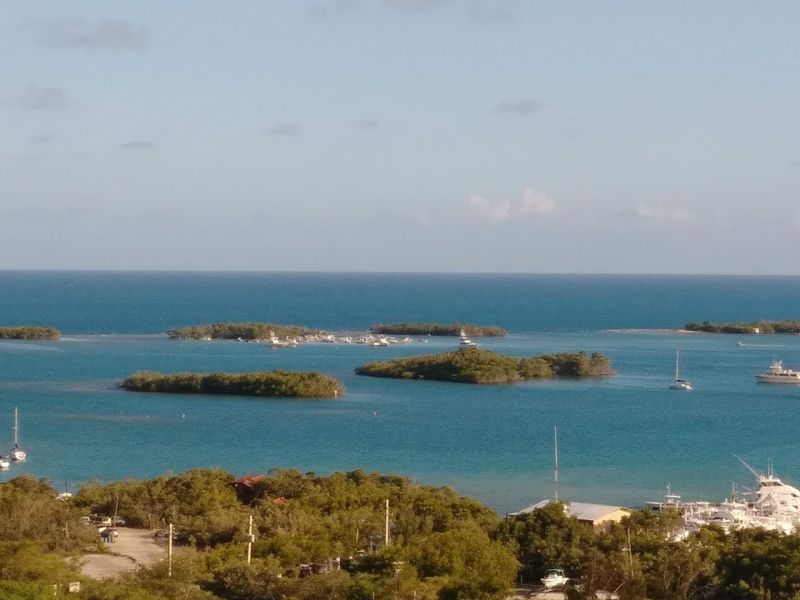
Before Morgan Island became Monkey Island, these rhesus macaques lived on small keys near La Parguera in Puerto Rico, where a research colony operated from the 1930s through the late 1970s.
That original colony faced mounting problems as monkeys regularly swam to nearby inhabited islands, raiding gardens, frightening residents, and occasionally biting people who got too close. I discovered that local complaints and safety incidents eventually forced researchers to find a more isolated location for their primate population.
South Carolina offered Morgan Island as a solution, providing a larger space with better natural barriers and fewer nearby human communities. The entire colony was transported by boat in 1979, a massive logistical undertaking that involved capturing, crating, and relocating over 1,400 monkeys to their new home.
The move proved successful beyond expectations, as the monkeys adapted quickly to their new environment and began reproducing at healthy rates. Reading about this relocation reminded me how wildlife management sometimes requires bold solutions, and Morgan Island represents one of those rare cases where moving an entire population actually worked out better for everyone involved.
Viewing From Safe Distance
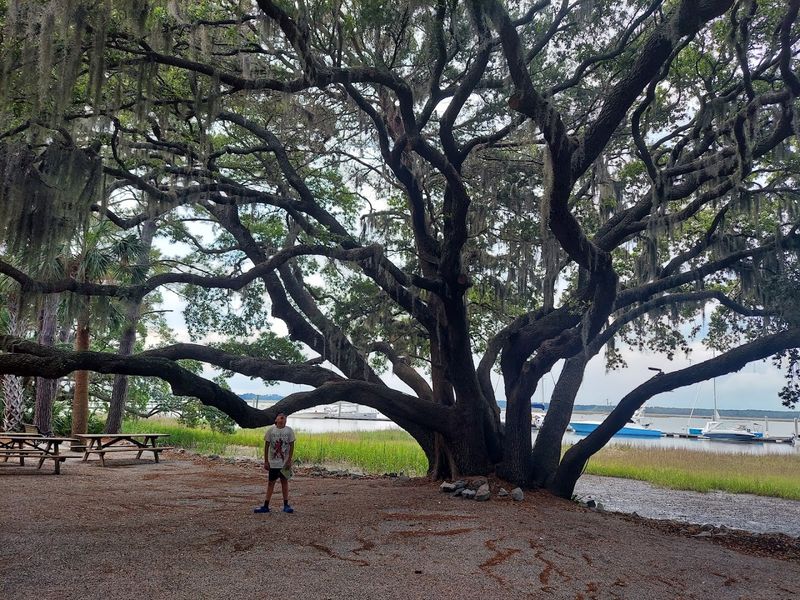
Though landing on Morgan Island breaks federal law, nothing stops curious visitors from viewing the monkeys from boats that maintain proper distance from the shoreline.
Local tour operators near Beaufort sometimes include the island on their routes, pointing out the restricted area and sharing stories about the colony while keeping passengers safely offshore. I joined one such excursion and spent an hour scanning the tree line with binoculars, eventually spotting several monkeys moving through the canopy and along the beach.
The best viewing happens during early morning or late afternoon when monkeys come to the water’s edge to forage or drink, though sightings are never guaranteed since the island spans 4,000 acres with plenty of interior space. Boaters need quality optics to see much detail, and patience helps since the monkeys don’t perform on schedule.
Some visitors express disappointment at the distance required, but I appreciated the buffer zone that protects both species. Watching these primates in their semi-wild state felt more authentic than any zoo encounter, even if I needed magnification to enjoy the experience properly.
Natural Diet And Foraging
Morgan Island’s monkeys don’t receive regular feedings like zoo animals; instead, they forage for natural food sources across the island’s diverse ecosystems, supplemented occasionally by provision drops from caretakers.
Their diet includes native plants, fruits, seeds, insects, crabs, and whatever else they can find in the maritime forest and along the tidal zones. I learned that rhesus macaques are incredibly opportunistic omnivores, capable of eating hundreds of different food items and adapting their preferences based on seasonal availability.
During lean periods, research staff provide supplemental monkey chow to prevent malnutrition, but the colony largely sustains itself through natural foraging behaviors. This semi-wild feeding arrangement keeps the monkeys healthier and more behaviorally normal than captive populations that depend entirely on human provisioning.
Watching them through binoculars, I noticed several individuals turning over debris and investigating tide pools, demonstrating the food-seeking behaviors that define their daily routines. The island’s isolation ensures they never develop the problematic begging behaviors seen in monkeys that interact regularly with humans, maintaining their wild instincts despite living in a managed colony.
Social Structure And Behavior
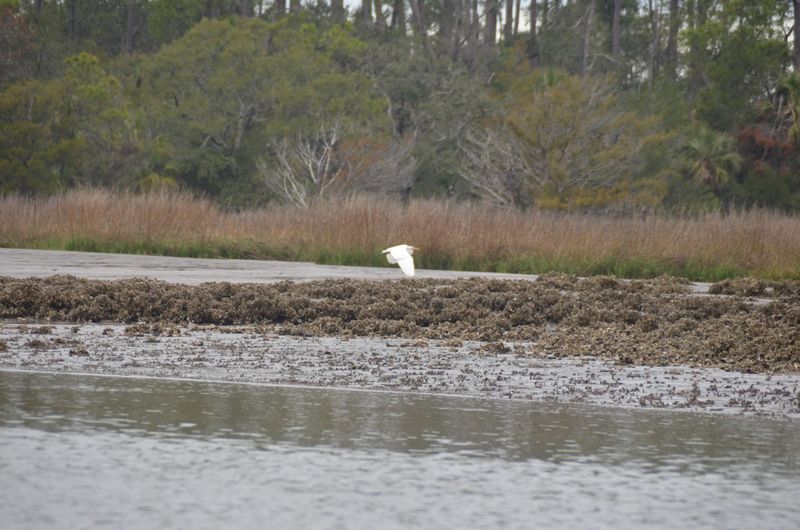
Life on Morgan Island revolves around complex social structures where monkeys organize themselves into matriarchal troops with strict hierarchies, territories, and behavioral rules that govern daily interactions.
Dominant females lead these groups, passing their status to daughters through inheritance, while males typically leave their birth troops upon reaching maturity to join or challenge other groups. I found it remarkable how closely their social organization resembles human family dynamics, with alliances, conflicts, reconciliations, and cooperative childcare all playing crucial roles.
Researchers study these natural behaviors to understand primate psychology, social learning, and group dynamics that offer insights into human evolution and behavior. The island’s size allows multiple troops to establish separate territories while occasionally interacting at boundary areas, creating a living laboratory for observing primate sociology.
Aggressive encounters happen regularly as monkeys compete for mates, food, and status, yet most conflicts resolve through displays and vocalizations rather than actual fighting. Observing even brief glimpses of their interactions from my boat, I recognized behaviors that felt oddly familiar, reminding me that we share more than just DNA with these intelligent cousins.