
This Untouched Barrier Island In Florida Has Wild Dolphins, Nesting Sea Turtles, And No Paved Roads
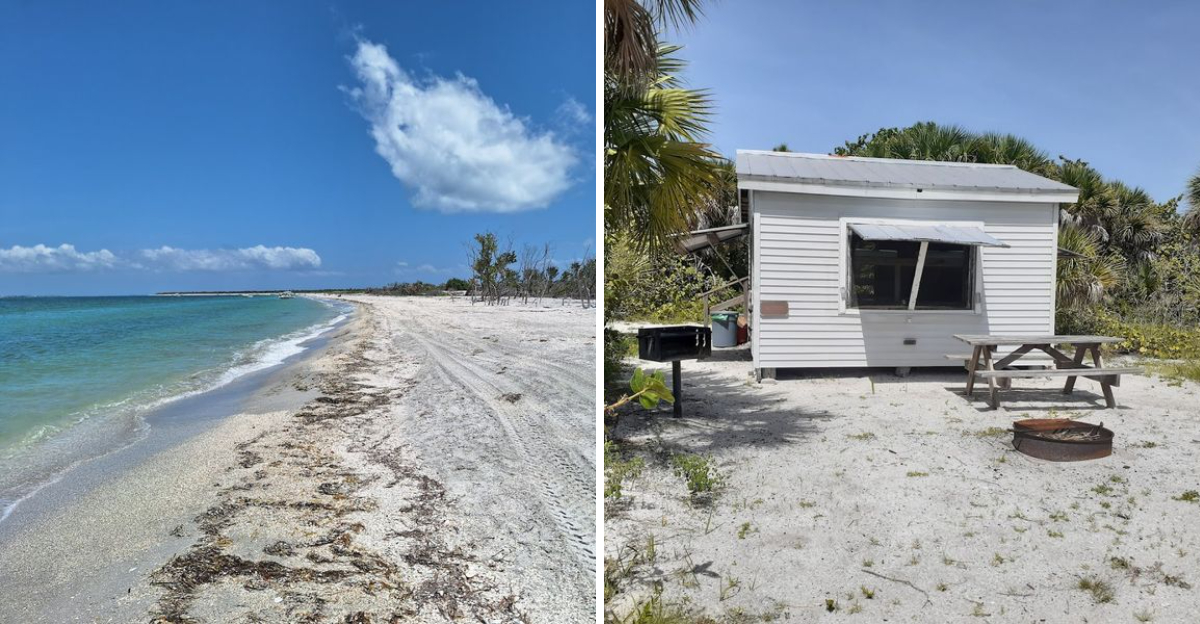
Some parts of Florida still feel completely untouched, and Cayo Costa State Park might be the best example of all.
Hidden off the southwest coast, this barrier island trades highways and high-rises for wild shoreline, ancient forest, and the kind of silence that instantly resets your brain.
Florida still has beaches where the loudest sound is wind moving through the palms.
No cars. No paved roads.
No giant resorts swallowing the coastline. Just nine miles of raw natural beauty that feels almost impossible to find in modern Florida.
I took the boat over early one morning, and somewhere between leaving the mainland behind and stepping onto the empty beach, it became obvious this place was different.
Not polished. Not crowded.
Not overbuilt.
Just Florida the way people imagine it looked generations ago.
No Paved Roads Anywhere On The Island
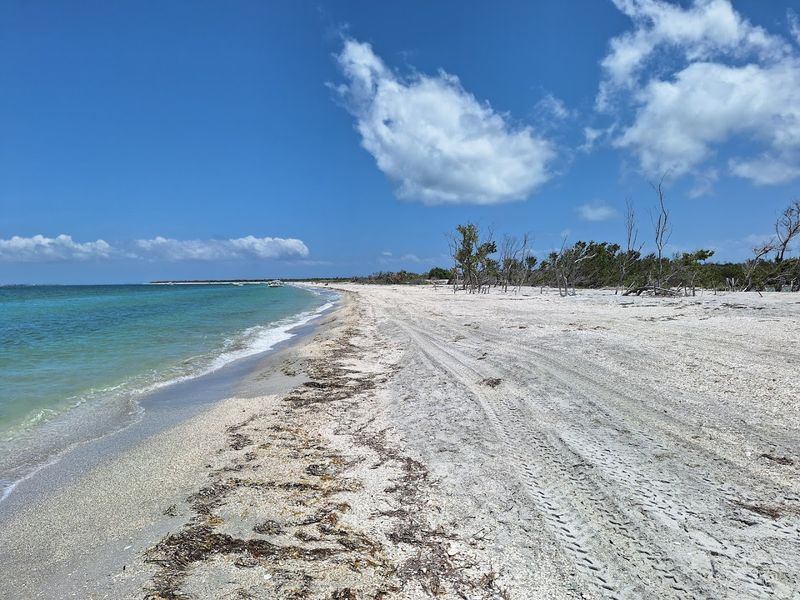
Walking off the dock at Cayo Costa, the first thing that hits you is the absence of something you never really notice until it is gone: pavement. Every path on this island is sand, packed dirt, or crushed shell, and that alone changes the entire mood of the place.
Without roads, the island moves at a slower pace, and so do you. You can rent a bicycle from the park to cover more ground, or simply follow the sandy trails on foot through pine flatwoods and palmetto scrub.
The tram runs hourly from the dock area to the beach and campground, so you are never truly stranded.
Visitors often say that the no-road rule is exactly what keeps Cayo Costa feeling like a real escape. There are no traffic sounds, no exhaust fumes, and no rush.
Just the crunch of sand underfoot and the distant sound of waves pulling you forward.
Nine Miles Of Pristine, Uncrowded Beach
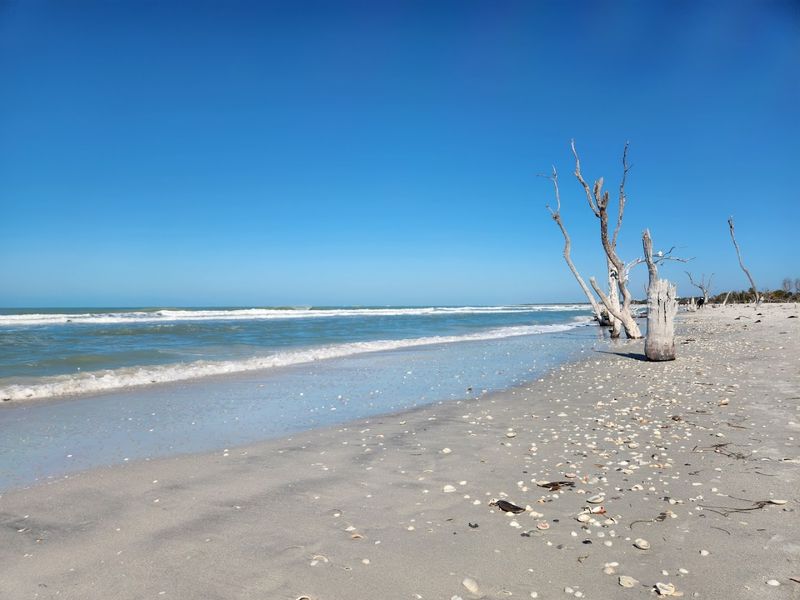
Nine miles sounds like a number until you are actually standing on this beach and realize you can walk in either direction for what feels like forever without bumping into another person. That kind of space is almost unheard of on Florida’s Gulf Coast, where popular beaches can feel more like parking lots with sand.
The shoreline here is soft, white, and edged with sea oats that sway in the Gulf breeze. The water runs clear and shallow in places, warm enough to wade into without hesitation, and calm enough on most days to feel like a giant natural pool.
Visitors who come during the week often report having long stretches entirely to themselves, which is a surreal experience on a coast this beautiful. Bring shade, sunscreen, and plenty of water, because the sun here is serious business, and you will want to stay much longer than you planned.
Wild Dolphins Spotted Near the Shore
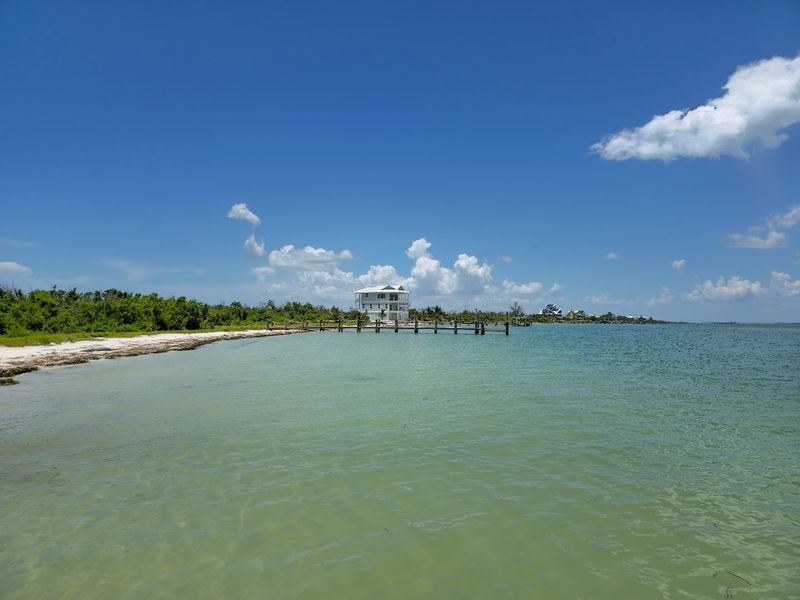
One of the most talked-about moments visitors experience at Cayo Costa is the sudden appearance of wild dolphins cruising just offshore. These are not trained animals performing for fish, they are bottlenose dolphins living their regular lives, and they occasionally get very close to swimmers.
I watched a small pod move parallel to the beach one afternoon, their dorsal fins cutting smoothly through the water about twenty feet from where people were standing. Nobody had announced them, nobody had scheduled them, they just showed up the way wildlife does when a place is healthy and undisturbed.
Park rangers encourage visitors to enjoy the sightings from a respectful distance and to avoid chasing or swimming directly toward the animals. The dolphins seem unbothered by calm, quiet observers, and that mutual comfort is part of what makes the encounter feel so genuine.
Keep your camera ready because these moments arrive and pass quickly.
Nesting Sea Turtles Return Each Summer
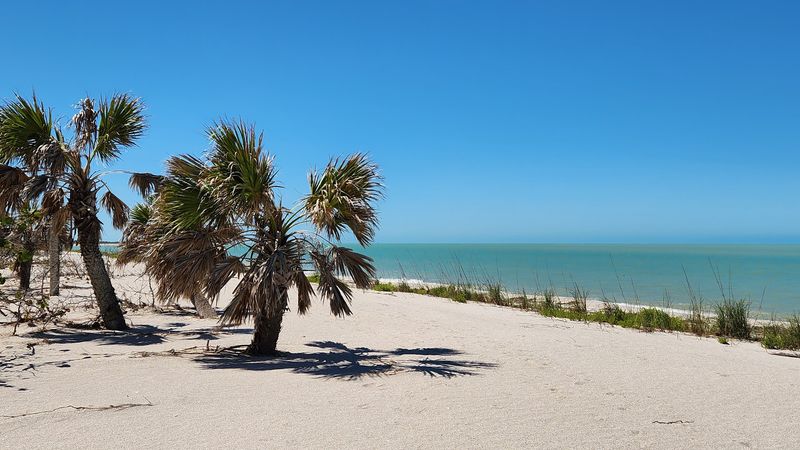
Every summer, loggerhead sea turtles crawl up onto the beaches of Cayo Costa to lay their eggs, continuing a cycle that has been happening long before anyone thought to build a state park around it. The island’s undeveloped shoreline makes it ideal nesting habitat, and the absence of artificial light keeps hatchlings from getting disoriented.
Park rangers monitor the nests throughout the season, marking them carefully so visitors know where not to step. If you visit between May and October, you may spot the distinctive flipper tracks that a nesting female leaves in the sand as she makes her way back to the water after laying her clutch.
Witnessing sea turtle activity, even just the tracks left behind, adds a layer of meaning to a beach walk that most tourist beaches simply cannot offer. Cayo Costa protects this nesting ground by keeping the island free from the development and light pollution that threatens turtle populations elsewhere along the Florida coast.
Only Accessible By Ferry Or Private Boat
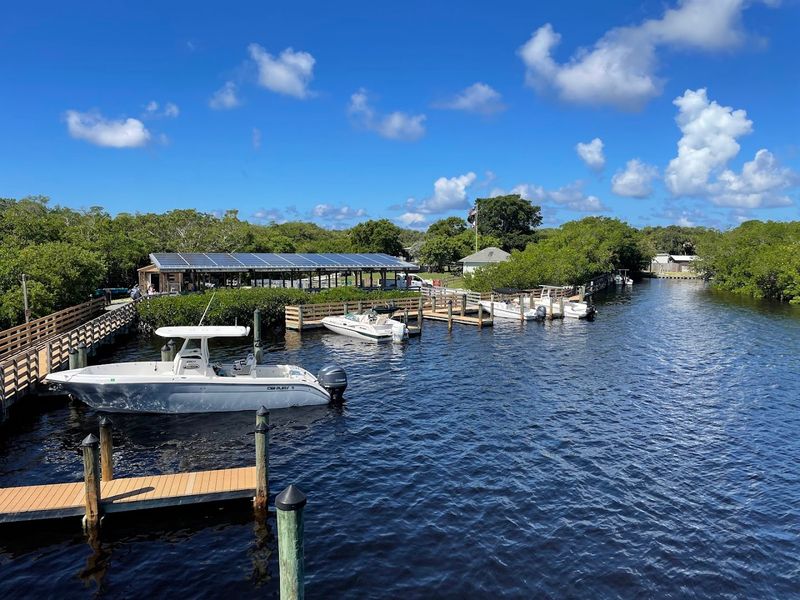
Getting to Cayo Costa requires a little more effort than pulling into a parking lot, and that effort is precisely what keeps the crowds away. The island sits off the coast near Captiva, FL 33924, and can only be reached by private boat or a charter vessel, since the original passenger ferry service was disrupted following Hurricane Ian.
Several boat tour and charter companies operate out of nearby Pine Island and Bokeelia, offering rides over to the island for day visitors and campers alike. The crossing itself is a treat, with open water views, passing pelicans, and the slow reveal of the island’s palm-lined shore as you approach the dock.
First-time visitors often say the boat ride sets the tone for everything that follows. By the time you step onto the dock, you have already left the ordinary world behind, and there is something almost ceremonial about arriving somewhere that demands a little planning just to reach it.
Primitive Camping Under The Palm Trees
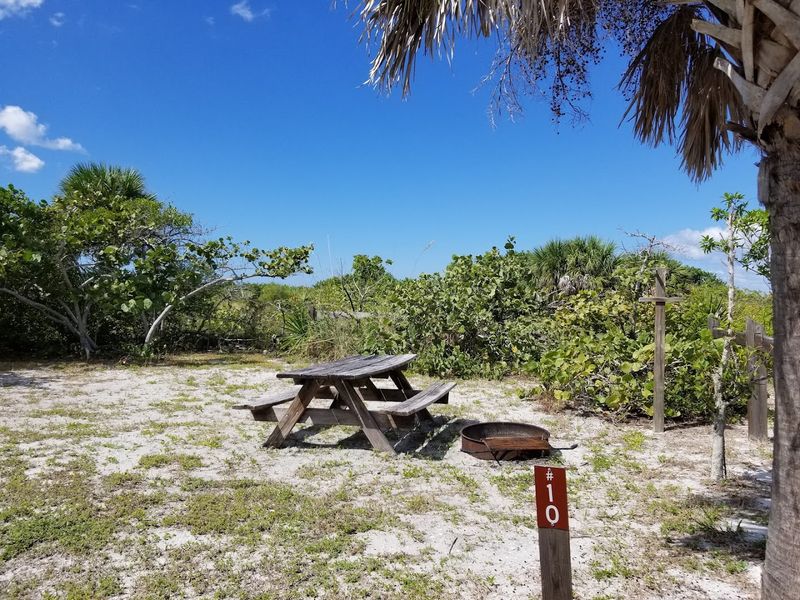
Camping at Cayo Costa is not glamping. There is no electricity at the tent sites, the showers are basic, and you will need to carry everything you need from the dock to your campsite, which is about a twenty-minute walk.
For people who are up for that, it ranks among the most memorable camping experiences in all of Florida.
Palm trees tower over the campsites, and the sound of the Gulf drifts in on the breeze all night long. Reviewers consistently mention being lulled to sleep by the sound of waves, which is a significantly better alarm clock alternative than anything on a phone.
Bug spray is not optional here. No-see-ums and mosquitoes are very real, especially in summer, and experienced campers recommend 80-percent DEET repellent, long sleeves at dusk, and a battery-powered fan for the tent.
Pack smart, embrace the rustic setup, and you will leave with stories that soft-bed hotel stays simply cannot produce.
Rustic Cabins For A Comfortable Night Stay
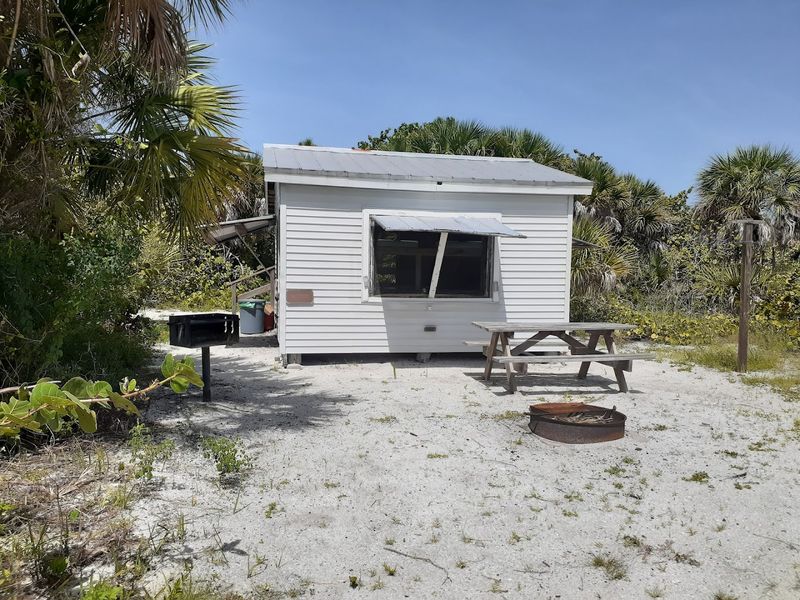
For those who want to sleep on the island without fully committing to tent life, Cayo Costa offers a small number of rustic cabins that strike a satisfying middle ground. They are cozy, simple, and come without air conditioning or hot water, but they do provide four walls and a roof, which feels like luxury after a full day in the Florida sun.
One reviewer described their cabin stay as a perfect blend of comfort and nature, and that framing rings true. You are close enough to the beach to hear it at night, far enough from the mainland to feel genuinely removed from everyday life, and surrounded by enough tropical scenery to make any Instagram account look effortlessly adventurous.
Cabins book up well in advance, especially during the cooler months from November through April, so planning ahead is essential. Bring a camp stove, simple meals, and a good book, and you will have everything you actually need for a genuinely restorative stay.
World-Class Shelling On Every Tide
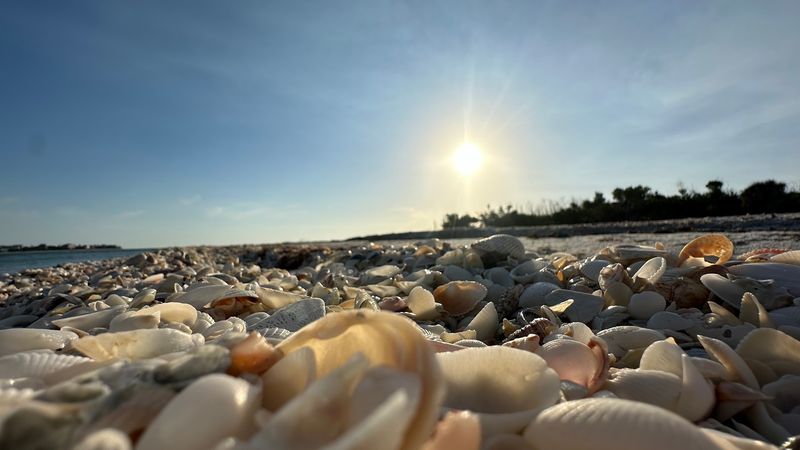
Shell collectors have been quietly spreading the word about Cayo Costa for years, and with good reason. The combination of Gulf currents, undisturbed shoreline, and low foot traffic means shells accumulate here in quantities and varieties that dedicated shellers travel long distances to find.
You can turn up sand dollars, lightning whelks, horse conchs, and junonia shells depending on the season and the tide. Walking the beach after an early morning tide is the classic move, and I noticed that even casual visitors who had never shelled before were crouching down every few steps with something interesting in their hand.
The best strategy is to arrive early, walk the waterline slowly, and keep your eyes moving between the wet sand and the shallow surf. A mesh bag works better than a bucket for rinsing shells as you go.
Even on days when the shelling is described as average by regulars, a visitor from anywhere else would still consider it exceptional.
Trails Through Pine Flatwoods And Mangroves
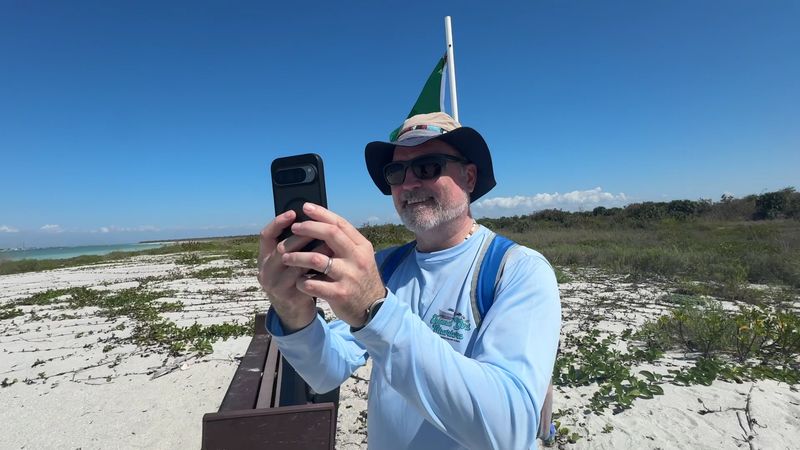
Cayo Costa is not just a beach, it is a layered ecosystem, and the trail network gives you access to parts of the island that most day visitors never see. The park covers about 2,426 acres and includes pine flatwoods, oak hammocks, mangrove forests, and scrub habitat, each with its own look and sound and set of residents.
Birders especially love these trails, since the island sits along a migratory flyway and hosts a remarkable variety of species throughout the year. Ospreys, roseate spoonbills, great blue herons, and dozens of shorebird species are commonly spotted depending on the season.
Renting a bicycle from the park store is the most efficient way to cover the longer trail sections without wearing yourself out before you reach the beach. The park provides maps at the ranger station, and the staff are genuinely helpful about pointing out which trails are worth prioritizing based on current conditions and what you most want to see.
Dark Skies Perfect For Stargazing At Night
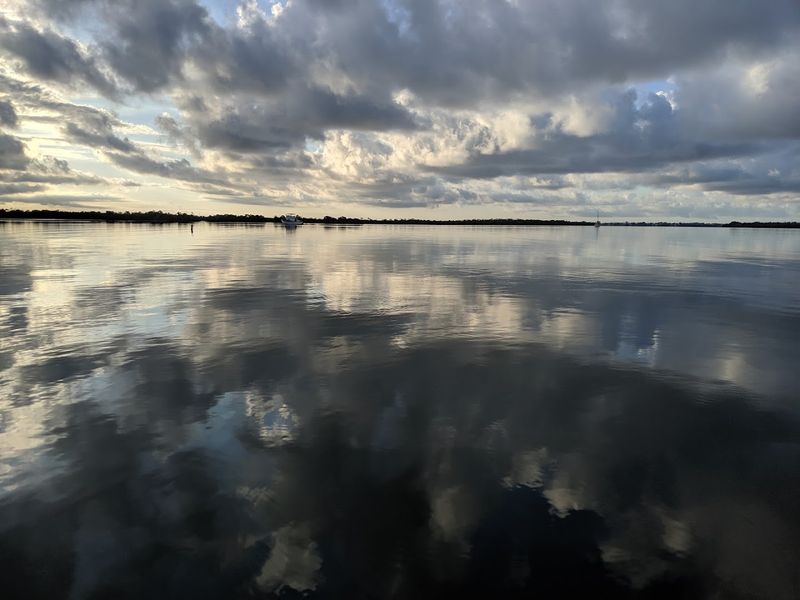
After the sun goes down at Cayo Costa, something remarkable happens overhead. Without the glow of city lights, shopping centers, or highway signs anywhere nearby, the night sky above this island opens up in a way that genuinely stops people mid-conversation.
The Milky Way is visible on clear nights, and the stars feel close enough to feel personal.
Campers frequently mention stargazing as one of the unexpected highlights of their stay, something they had not specifically planned for but ended up talking about long after they got home. Lying on the beach after dark, listening to the Gulf, and watching satellites cross the sky is a low-effort, high-reward experience that costs nothing extra.
The park closes to day visitors at 5 PM, so the nighttime island belongs entirely to campers and cabin guests. That exclusivity makes the quiet even deeper, and the darkness even more complete.
A simple star chart app on your phone is all you need to turn a clear night here into a full astronomy session.