
Arkansas’s 10 Most Charming Historic Towns
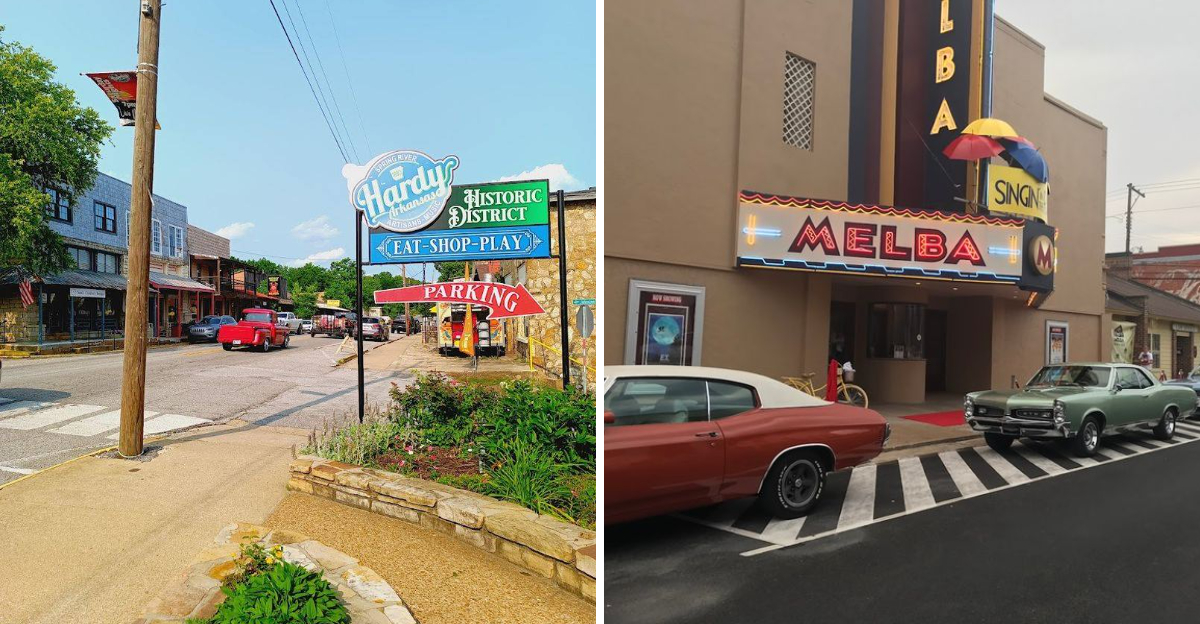
Arkansas does small-town history with real personality. These are not places you simply drive through and forget by dinner.
They ask you to park the car, wander the square, and look around. A faded sign here.
A restored theater there. An old courthouse, a riverbank, a brick storefront, a front porch with flowers, a museum filled with local stories.
Every stop has its own rhythm. Some towns feel lively, with shops, cafés, music, and people moving through downtown.
Others are calmer, giving you space to imagine wagon roads, oil booms, railroad days, and Civil War footsteps. That mix is what makes the route so fun.
You can chase architecture in the morning, grab pie at lunch, and end the day reading history markers under a glowing sunset. These towns make the past feel less like a lesson and more like a walk back in time, one block at sunset.
1. El Dorado
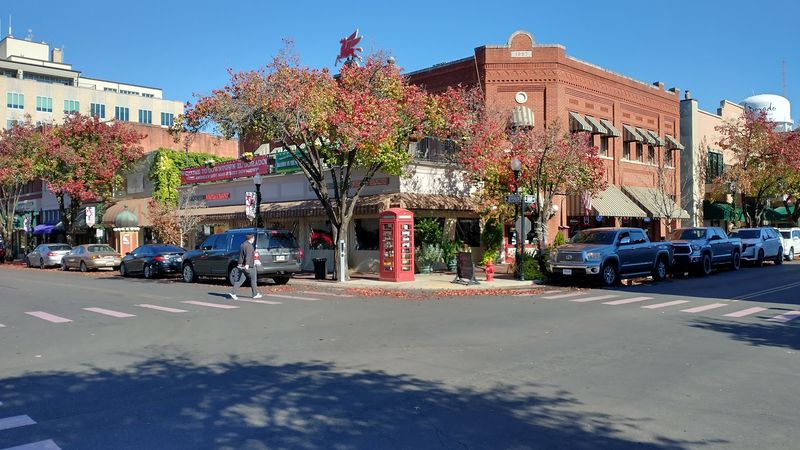
Few Arkansas towns wear their prosperity as gracefully as El Dorado, and the story behind that prosperity makes the architecture even more impressive to walk through.
Located in Union County in the southern part of the state, El Dorado, Arkansas 71730, boomed during the oil rush of the early twentieth century, and the wealth generated during that era funded a downtown full of stunning neoclassical and art deco buildings that still stand in remarkable condition.
The Union Square in the heart of downtown has been lovingly restored, with courthouse-square architecture, polished landscaping, and facades that look as though they belong in a much larger city.
El Dorado has also reinvented itself as a destination for arts and music, and the South Arkansas Arts Center draws regional talent throughout the year.
Murphy Arts District, known locally as MAD, has transformed former industrial spaces into concert venues, restaurants, and event spaces that attract visitors from across the region.
I caught an outdoor concert there on a warm evening and found myself surrounded by locals who clearly take real pride in what their town has built.
El Dorado proves that a small Southern city can honor its past while building something exciting for the future, too, in style.
2. Hardy
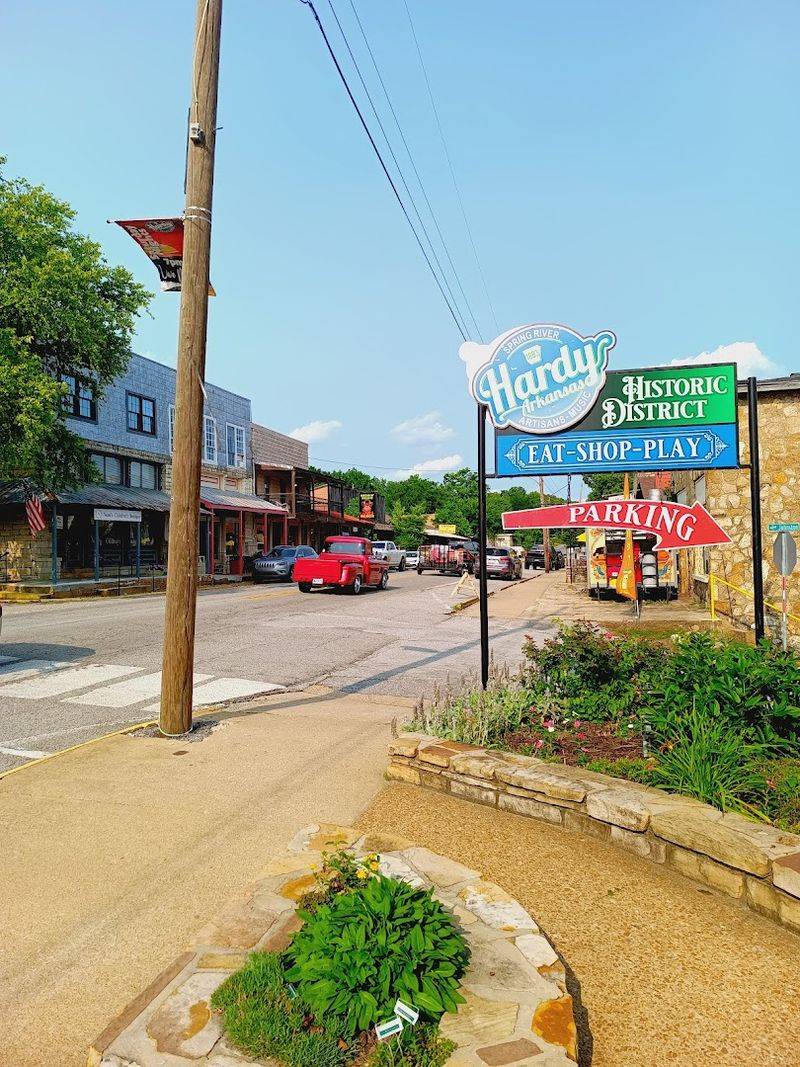
Right along the banks of the Spring River, Hardy is the kind of town that hooks you before you even step out of the car.
Hardy, Arkansas 72542, sits in Sharp County in the northern Ozarks, and its compact downtown strip is one of the county’s best-preserved stretches of early twentieth-century commercial architecture.
Antique shops, craft galleries, and old-fashioned candy stores line Old Hardy Town, and locals seem happy to chat with anyone who wanders in.
The Spring River draws canoeists, kayakers, and trout fishers from across the region, so the town has a lively outdoor energy that balances its nostalgic streetscape beautifully.
I spent an afternoon poking through a shop crammed with vintage postcards, cast iron cookware, and hand-stitched quilts, and I left with more than I planned to buy.
Hardy also hosts a lively schedule of festivals throughout the year, including bluegrass events and craft fairs that bring the streets to life with music and color.
If you are looking for a place that blends river adventure with small-town shopping and true Ozark character, Hardy delivers the whole package without any pretense at all, truly today.
3. Arkadelphia
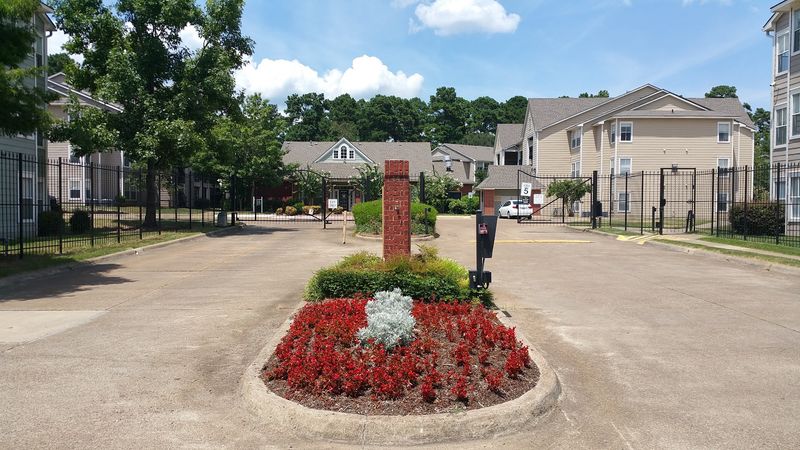
College towns have a particular kind of energy, and Arkadelphia, Arkansas 71923, channels it through a lens of deep Southern history that most visitors do not expect.
This Clark County town sits along the Ouachita River and is home to two universities, which gives its historic streets a lively intellectual pulse alongside its nineteenth-century architecture.
The downtown corridor features beautifully restored brick buildings, local restaurants with Southern comfort menus, and small galleries that showcase regional artists working in everything from watercolor to metalwork.
History enthusiasts will appreciate the town’s connection to Civil War events in the region, and several markers and sites help bring that chapter of Arkansas’s past into focus.
Caddo Valley, just minutes away, adds scenic natural beauty to the mix, and the nearby Ouachita River is perfect for a quiet morning paddle or a lazy afternoon of fishing.
I grabbed a table at a local diner and watched students, professors, and retirees all sharing the same unhurried lunch hour, which felt like a small but meaningful snapshot of community life.
Arkadelphia rewards slow travel, the kind where you park the car, walk the blocks, and let the town reveal itself at its relaxed pace.
4. Calico Rock
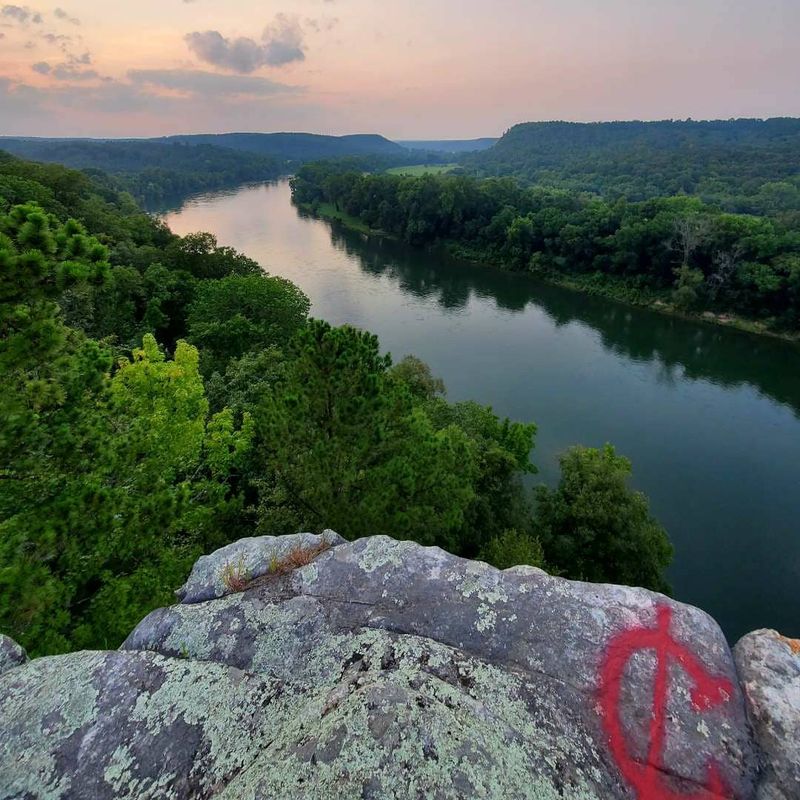
The name alone is enough to make you curious, and Calico Rock, Arkansas 72519, absolutely lives up to the intrigue.
High above the White River in Izard County, this small Ozark town gets its name from the brilliantly patterned limestone bluffs that rise along the riverbank, streaked with colors that resemble calico fabric.
The historic downtown sits on a bluff overlooking the river, giving parts of town a river setting that adds a lot to the atmosphere.
Fishing on the White River is a major draw here, with rainbow and brown trout helping make this part of north-central Arkansas a favorite for anglers who come back season after season here.
I walked the main street on a quiet Tuesday morning and found a working pottery studio, a vintage hardware store still stocked with old tools, and a mural project that turns the town’s brick walls into an open-air gallery.
The community has invested real care into preserving its downtown without turning it into a museum piece, so it still feels like a place where people actually live and work.
Calico Rock is the kind of discovery that makes you feel clever for finding it before the crowds did.
5. Camden
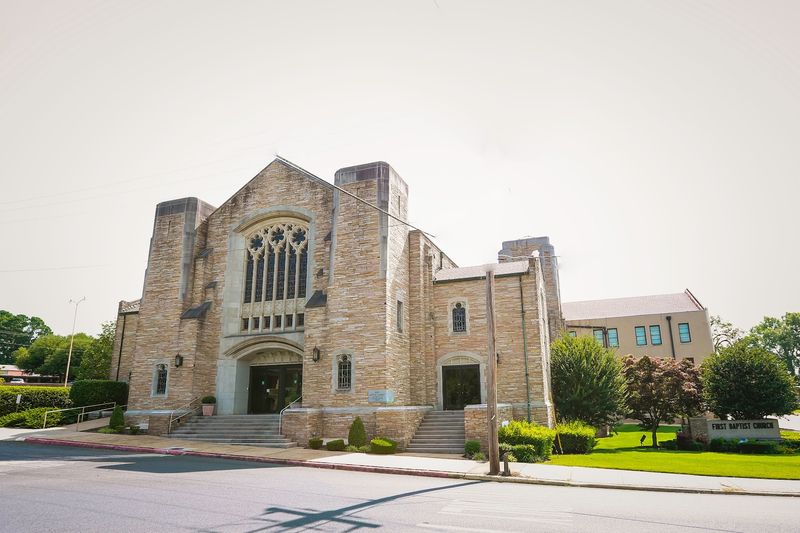
Camden moves at a pace that feels almost deliberately unhurried, and once you settle into its rhythm, you start to understand why locals see no reason to rush.
This Ouachita County town sits along the Ouachita River, and Camden, Arkansas 71701, is one of the state’s historically layered places, with roots stretching back through the Civil War, the timber industry, and the mid-century munitions era.
The McCollum-Chidester House is one of the most significant historic homes in the region, a beautifully preserved antebellum structure that served as a headquarters for both Union and Confederate forces at different points during the war.
Downtown Camden has a quiet dignity to it, with wide streets, old courthouse architecture, and storefronts that mix local businesses with antique dealers and small eateries.
The nearby Poison Spring Battleground State Park and White Oak Lake State Park give outdoor enthusiasts plenty of reasons to extend their stay beyond the town limits.
I spent a morning at the McCollum-Chidester House listening to a knowledgeable guide walk through the property’s layered history, and the detail and care in the presentation impressed me.
Camden is a town that rewards curiosity, and the more questions you ask, the richer the experience gets.
6. Batesville
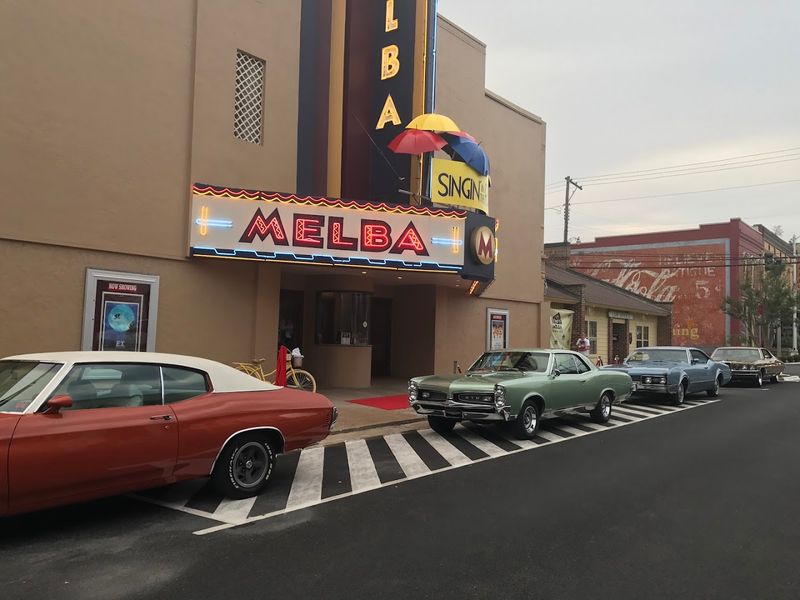
Batesville has a self-assured quality that comes from knowing exactly what it is, a river town with deep roots, a strong sense of community, and a downtown that has aged with real style.
Located in Independence County along the White River, Batesville, Arkansas 72501, is one of the oldest cities in the state, and that long history shows up in everything from the courthouse architecture to the stories locals tell over coffee.
The historic downtown along Main Street features a walkable collection of restored storefronts housing local shops, a thriving arts scene, and restaurants that take Southern cooking seriously.
Lyon College, founded in the nineteenth century, gives the town a cultural backbone that supports live performances, art exhibitions, and community lectures throughout the academic year.
The White River here is calm and wide, and the riverside park offers a peaceful spot to sit and watch the water move past at its own unhurried pace.
I found a locally owned bookshop between a bakery and a frame shop, and I ended up spending far longer inside than any reasonable traveler should admit.
Batesville is the kind of place that makes you reconsider your schedule and wonder if one night was really enough time to give it at all, really, anyway.
7. Fordyce
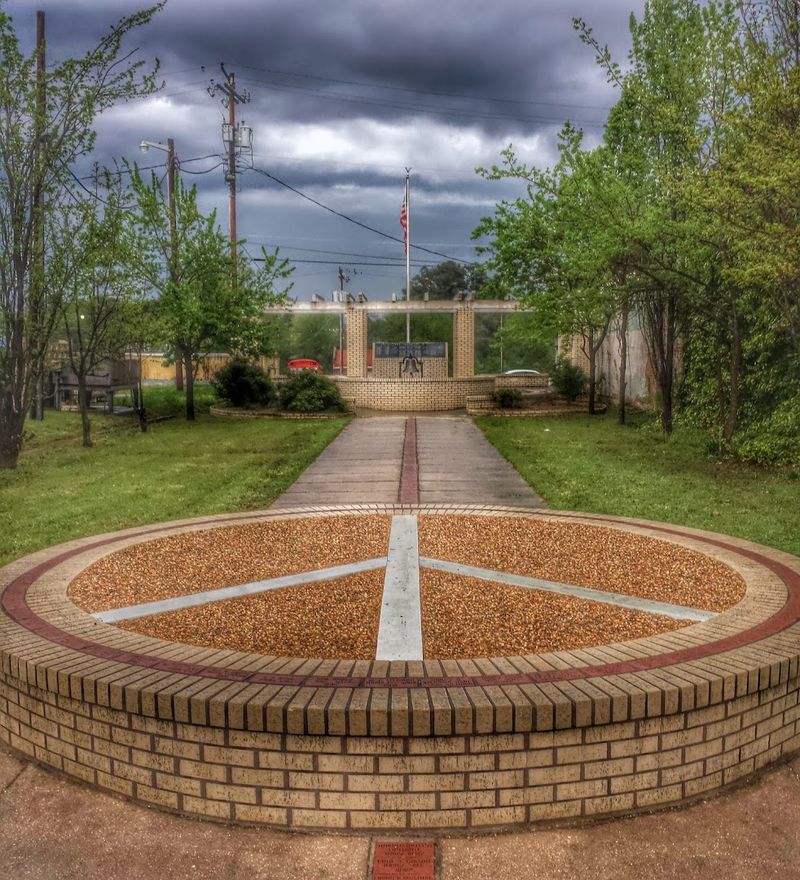
Paul “Bear” Bryant fans already know the name Fordyce, but this small Dallas County town has a lot more going on than its most famous alumnus.
Situated in south-central Arkansas, Fordyce, Arkansas 71742, carries the easy charm of a classic Southern county seat, with a handsome courthouse anchoring a downtown that still functions as the everyday center of community life.
The Fordyce on the Cotton Belt Festival each spring brings the town together in a celebration of local heritage, featuring live music, food vendors, and a parade that draws families from surrounding counties.
The town’s railroad history is woven into its identity, and several murals and historical markers around the downtown district tell the story of how the cotton belt rail lines shaped this part of Arkansas.
I walked the square on a Saturday morning and found a farmers market in full swing, with vendors selling homemade preserves, fresh produce, and handcrafted goods that you simply cannot find in a chain store.
A Bear Bryant historical marker and related local exhibits are popular stops for sports history enthusiasts, offering a look at the early life and hometown legacy of one of college football’s most legendary figures.
Fordyce reminds you that small-town pride, when it comes from the heart, is one of the most welcoming things travelers encounter.
8. Eureka Springs
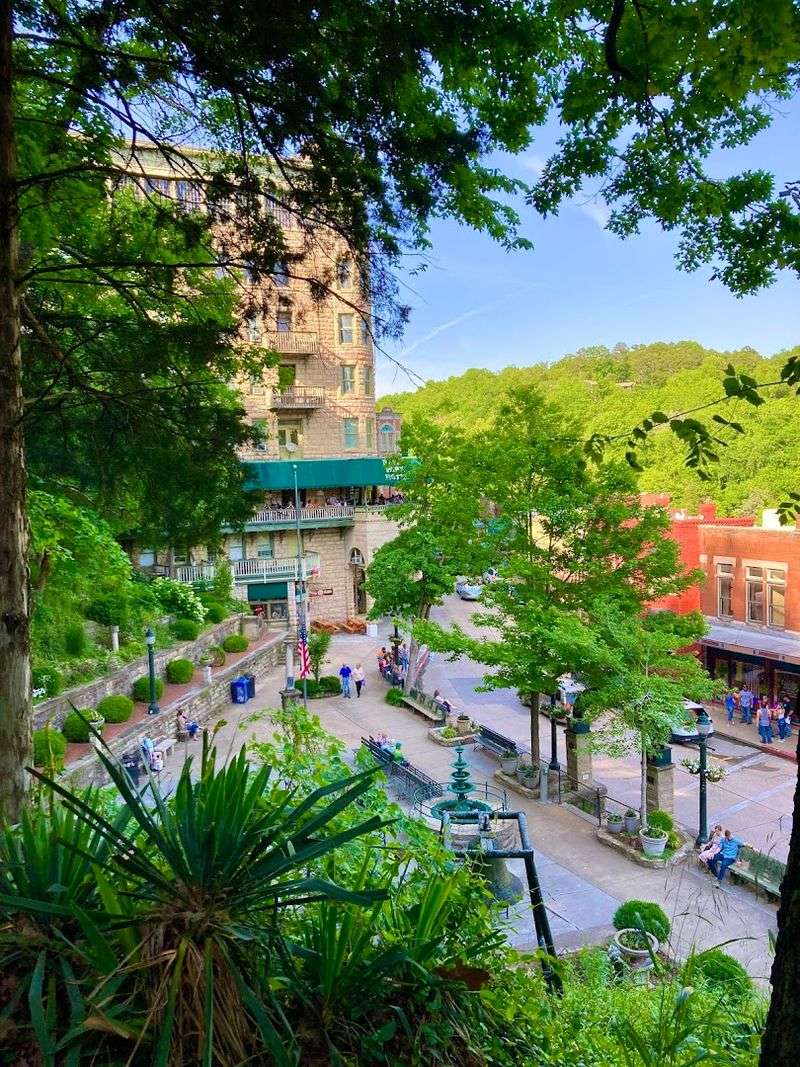
Eureka Springs is the kind of town that makes first-time visitors stop mid-sentence and just look around for a moment before they can find the words.
Set among the steep, forested hills of Carroll County in northwest Arkansas, Eureka Springs, Arkansas 72632, is a National Historic District where the entire downtown and surrounding residential streets are listed together, an honor that reflects just how remarkably intact the Victorian-era architecture remains.
The town was founded as a healing springs destination, and that original spirit of renewal and restoration still flavors the atmosphere in a way that feels less like a marketing pitch and more like a local ethos.
Art galleries, independent boutiques, craft studios, and eclectic restaurants fill the narrow, winding streets, and the lack of any traffic lights in the historic district keeps the pace wonderfully slow.
The Crescent Hotel, perched dramatically on the ridge above town, is one of the most storied buildings in Arkansas and a must-visit even if you are not staying the night.
I rode the historic trolley up and down the switchback streets one afternoon and spotted something new on every pass, a stained glass studio here, a sculpture garden there.
Eureka Springs earns its reputation as Arkansas’s most enchanting town with every crooked street and carved wooden porch railing downtown.
9. Powhatan
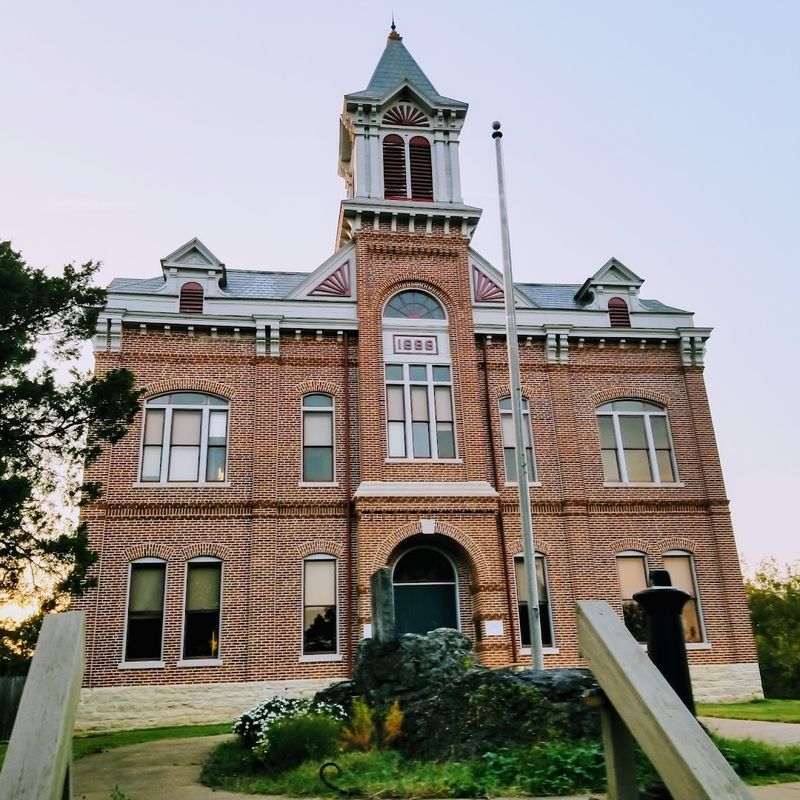
Powhatan is one of those Arkansas places that history enthusiasts tend to find by accident and then return to on purpose.
Located in Lawrence County in the northeastern part of the state, Powhatan, Arkansas 72458, is a tiny community that punches well above its size when it comes to historical significance.
Powhatan Historic State Park preserves historic structures in their original locations, including the 1888 courthouse, jail, telephone exchange building, log house, academy, and other preserved buildings that paint a vivid picture of rural Arkansas life in the nineteenth and early twentieth centuries.
The courthouse itself is a beautifully maintained brick building that has seen county business, local disputes, and community gatherings for well over a century, and walking through its rooms feels like stepping straight into an older county-seat story.
The Black River flows nearby, adding a layer of natural beauty to what is already a richly atmospheric setting, and the surrounding farmland gives the whole area a quiet, pastoral quality that is rare.
I visited on a weekday when the park was nearly empty, and the solitude made the experience feel almost private, like a conversation between me and a much older Arkansas.
Powhatan is proof that the most meaningful historic sites are sometimes the ones that have not yet been discovered by the crowds.
10. Washington
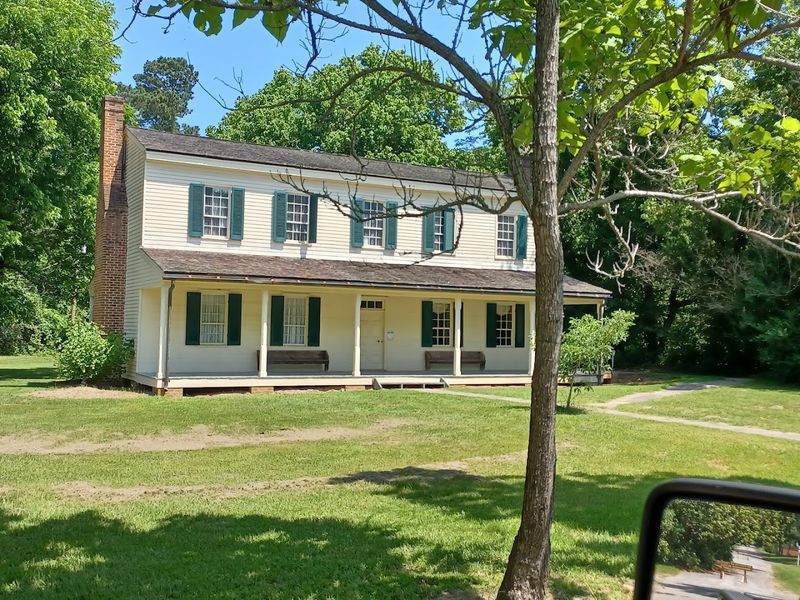
Washington less like visiting a historic site and more like the town simply forgot to update its calendar for the past two centuries.
Located in Hempstead County in southwest Arkansas, Washington, Arkansas 71862, served as Arkansas’s Confederate capital from 1863 to 1865 and as a crucial stop along the Southwest Trail, the major road that carried settlers westward into Texas and beyond.
Historic Washington State Park encompasses much of the town, preserving an extraordinary collection of antebellum homes, taverns, a blacksmith shop, a print museum, and a courthouse that together form one of the most cohesive living history environments in the entire South.
The town is also famously linked to James Bowie and Sam Houston, both of whom passed through during the frontier era, adding a layer of national historical significance to an already remarkable place.
Costumed interpreters bring the various historic structures to life with demonstrations and guided tours that never feel forced or overly theatrical.
I spent a full afternoon moving from building to building, and each stop added a new thread to the larger story of how this corner of Arkansas shaped the broader American Southwest.
Washington, Arkansas is not just a town worth visiting, it is a place worth sitting with long enough to let the full weight of its history settle in around you slowly here.