
Discover A Florida Coastal Town Known For Foggy Sunrises And Whale Sightings
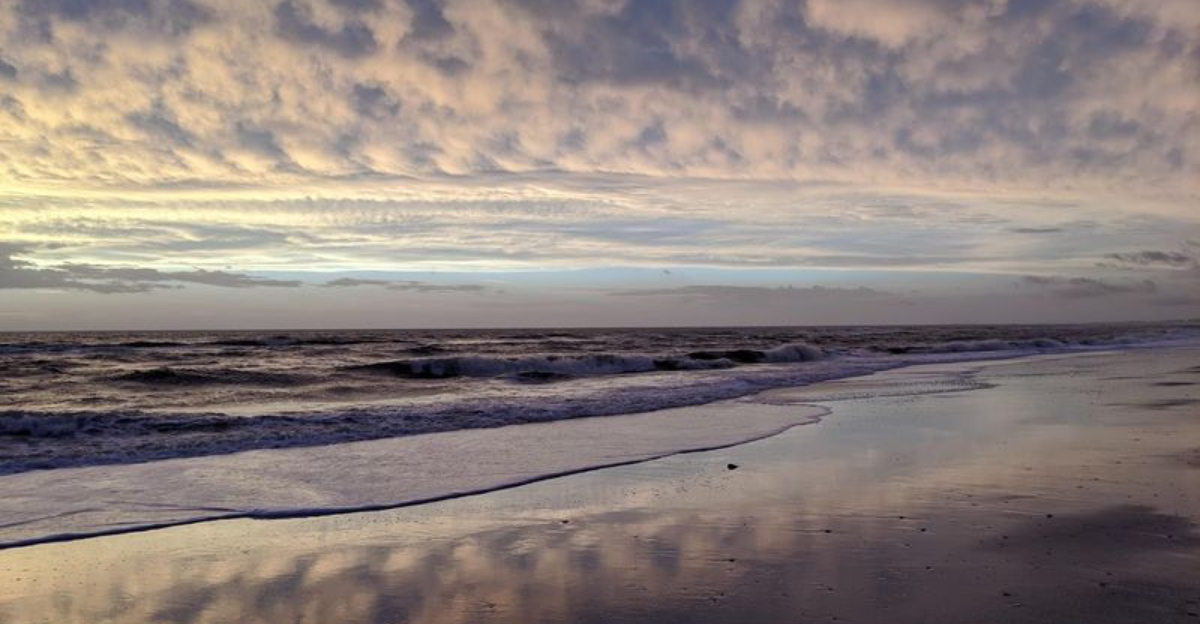
There’s Florida you see in travel ads… and then there’s the version waiting quietly up on Amelia Island. The kind where mornings begin barefoot on a fog-covered beach, the ocean disappears into mist for a few minutes, and the sunrise slowly fights its way through in soft gold and pink tones.
No massive resort towers. No packed boardwalk chaos.
No feeling like you are standing in the middle of someone else’s vacation. Just quiet shoreline, salty air, old coastal charm, and the kind of atmosphere that makes you slow down without even realizing it.
Ask people who have been to Fernandina Beach, and they’ll usually talk about the feeling first. The peaceful mornings.
The empty stretches of sand. The surprise whale sightings offshore that make the whole place feel even more surreal.
Somehow, this corner of Florida still feels hidden compared to the rest of the Atlantic coast. And honestly, that’s exactly what makes people fall so hard for it after one visit.
The Magic Of Foggy Sunrises On Amelia Island
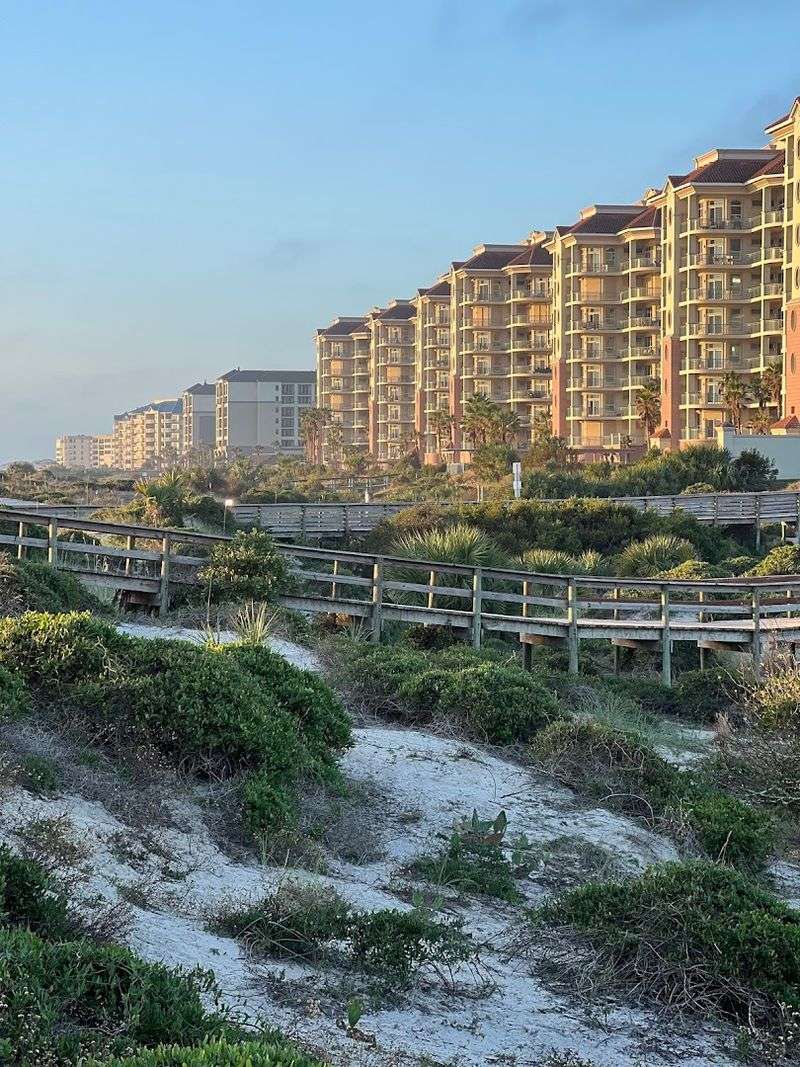
Some mornings at Fernandina Beach feel like stepping into a watercolor painting that has not fully dried yet.
The fog rolls in from the Atlantic in thick, quiet waves, softening the edges of the dunes and turning the sunrise into something almost dreamlike.
I stood on the beach one early morning with sand still cold under my feet, watching streaks of amber and lavender fight their way through the mist, and I genuinely forgot to check my phone for the next two hours.
The best time to catch this natural show is between late fall and early spring, when cooler air temperatures meet warmer ocean water and create that signature coastal fog.
Locals know to arrive at the beach before 6 a.m. to get the full effect, and a light jacket is your best friend during those early moments.
Fernandina Beach rewards the early risers in ways that no afternoon visit ever quite matches.
Whale Watching Off The Florida Atlantic Coast
Not many people think of Florida when whale watching comes up, but the waters just off Fernandina Beach have a genuine claim to fame in that department.
North Atlantic right whales, one of the most endangered whale species in the world, migrate to the warm shallow waters near Amelia Island between November and April to give birth to their calves.
I remember scanning the horizon from the shore one January morning and suddenly spotting a spout of mist rising from the water maybe a quarter mile out, and my heart absolutely stopped for a second.
The Georgia and Florida coasts serve as the only known calving grounds for this species, making Fernandina Beach one of the best land-based whale watching spots on the entire East Coast.
Binoculars are strongly recommended, and the north end of the beach typically offers the clearest sightlines.
Patience pays off in the most spectacular way here.
Historic Downtown Fernandina Beach And Centre Street
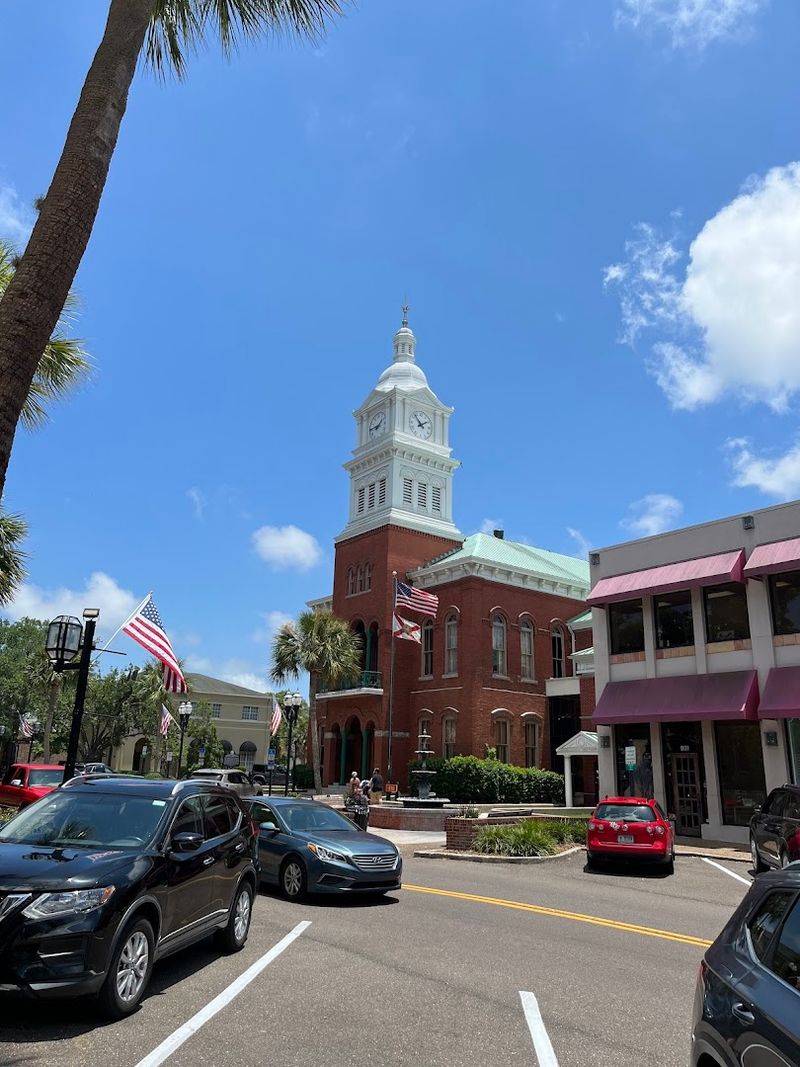
Walking down Centre Street in the heart of Fernandina Beach feels like someone pressed pause on the rush of modern life and invited you to stay awhile.
The historic downtown district is packed with beautifully preserved Victorian-era buildings, independent shops, seafood restaurants, and art galleries that spill their personality right out onto the sidewalk.
Fernandina Beach sits at Florida 32034 on Amelia Island, and its downtown core has earned a spot on the National Register of Historic Places, which tells you something about how seriously this community takes its past.
I spent an entire afternoon just wandering without a plan, poking into a bookshop here and a handmade jewelry store there, and somehow ended up with a bag full of things I did not know I needed.
The architecture alone is worth the stroll, with turrets, wraparound porches, and ornate facades that date back to the 1800s.
Centre Street is the kind of place that turns a quick look into a long afternoon.
Fort Clinch State Park And Its Living History
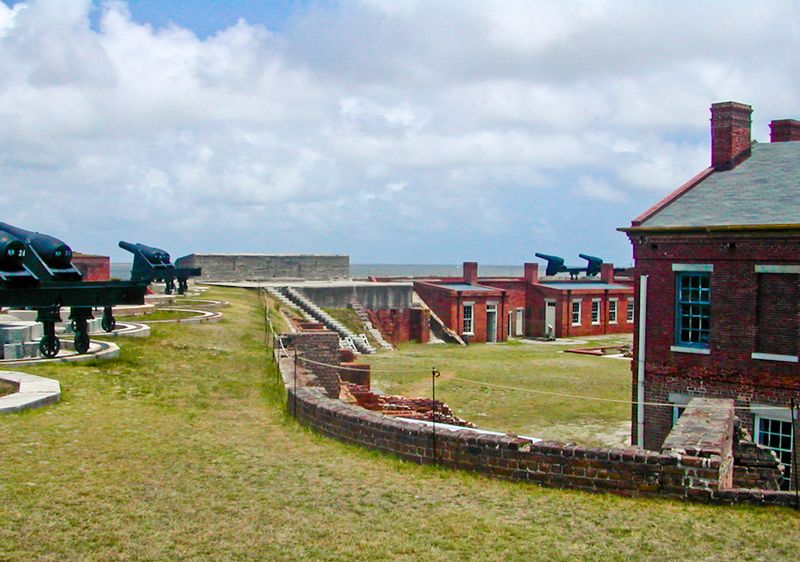
Fort Clinch State Park is the kind of place that makes history feel less like a textbook and more like something you can actually touch.
The fort itself is a massive, remarkably intact brick fortification built in the 1840s, and it sits right at the northern tip of Amelia Island where the Cumberland Sound meets the Atlantic Ocean.
On weekends, living history reenactors dressed in period uniforms bring the Civil War era to life inside the fort walls, demonstrating everything from cooking techniques to military drills with an enthusiasm that is genuinely contagious.
Beyond the fort structure, the park offers miles of trails through maritime forest, a beautiful fishing pier, and a campground shaded by ancient live oaks draped in Spanish moss.
I hiked the beach trail one afternoon and spotted a family of armadillos rooting around in the leaf litter without a care in the world.
Nature and history share the spotlight here with remarkable ease.
Shrimping Heritage And Fresh Seafood Culture
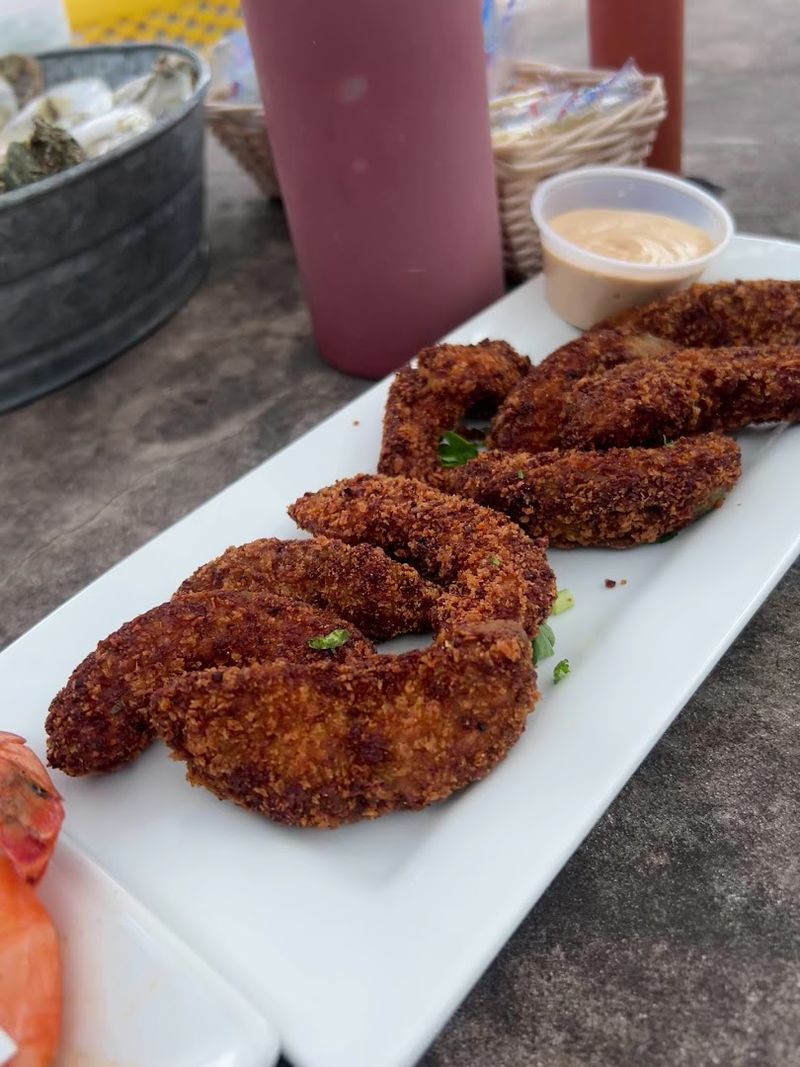
Fernandina Beach has a proud and flavorful identity that goes back more than a century, and it is built almost entirely on shrimp.
The city is widely credited as the birthplace of the modern shrimping industry in the United States, and the working waterfront still buzzes with the activity of real commercial fishing boats heading out and returning with their hauls.
The smell of salt air and fresh seafood hits you the moment you park near the harbor, and it is one of those sensory experiences that stays with you long after you leave.
Local restaurants along the waterfront serve shrimp prepared in what feels like every possible way, from classic boiled and seasoned to grilled, fried, and stuffed into fresh sandwiches.
I ordered a shrimp po-boy at a small dockside spot and it arrived so loaded with plump, perfectly seasoned shrimp that I had to eat it with both hands and zero dignity.
Fresh, local, and unforgettable is the standard here.
Amelia Island’s Beaches And Natural Beauty
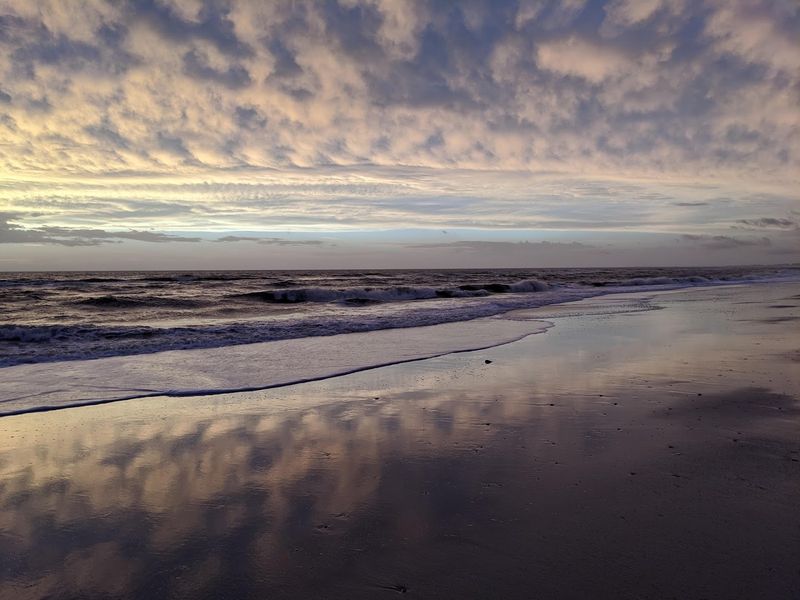
Thirteen miles of barrier island coastline give Amelia Island a natural beauty that feels almost unfairly generous.
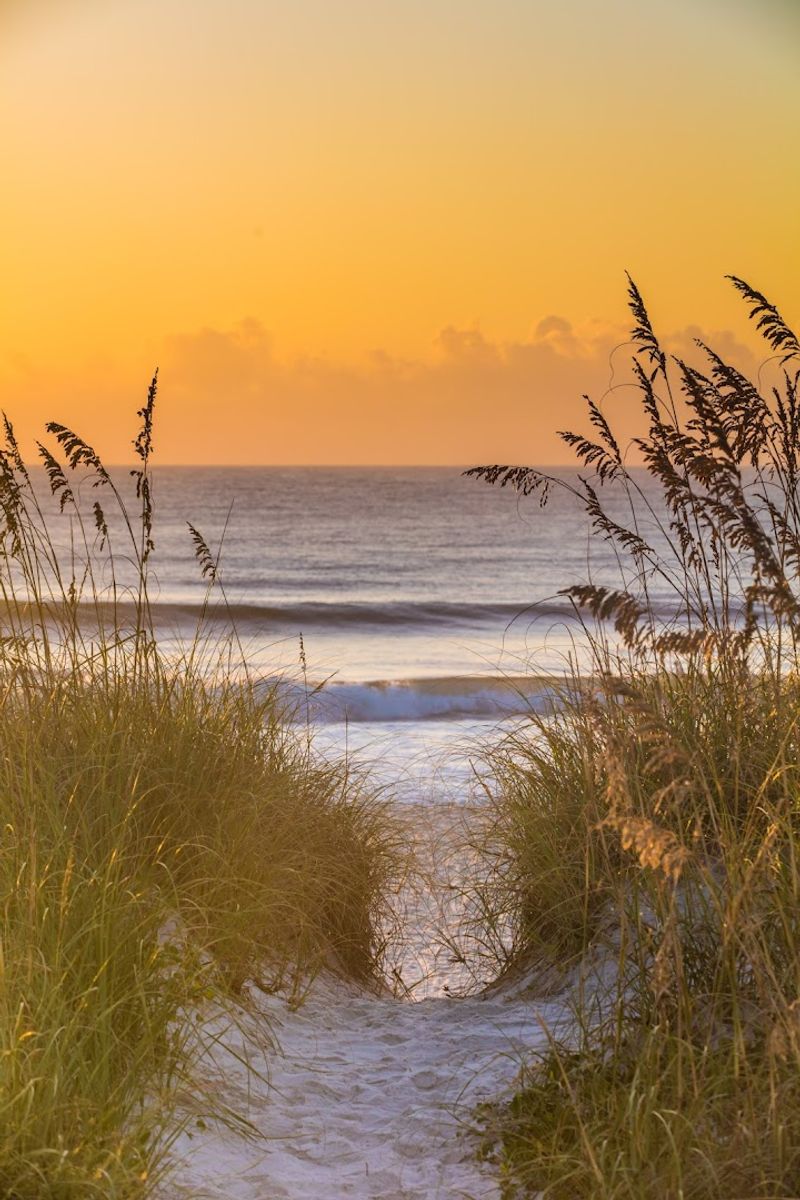
The beaches here are wide and clean, backed by rolling dunes covered in sea oats that sway in the ocean breeze, and the Atlantic water shifts between shades of deep teal and brilliant aquamarine depending on the light and the season.
Unlike many Florida beach towns, the shoreline around Fernandina Beach remains relatively uncrowded even during peak travel periods, which means you can actually find a stretch of sand that feels like your own private discovery.
I spent one afternoon watching brown pelicans dive-bomb the surf with surgical precision while sandpipers sprinted back and forth at the water’s edge in their endlessly entertaining way.
The island also sits along the Atlantic Flyway, making it a remarkable spot for birdwatching during spring and fall migration seasons.
Every walk on this beach turns into something worth remembering.
Best Times To Visit And Practical Travel Tips
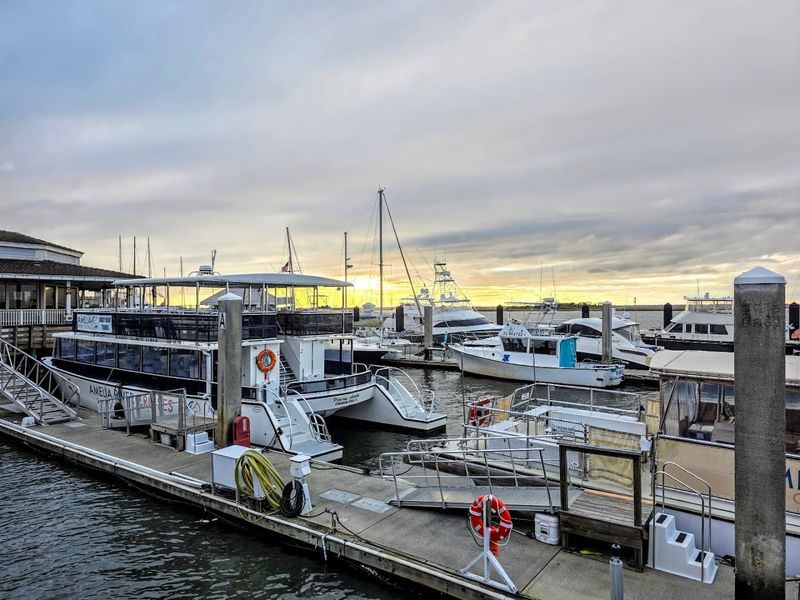
Timing a trip to Fernandina Beach well makes a noticeable difference in what you experience, and the good news is that this destination has something worthwhile in nearly every season.
Fall and winter, roughly October through March, bring the best chances for whale sightings, the most dramatic foggy sunrises, and pleasantly mild temperatures that hover between the mid-50s and low 70s Fahrenheit.
Spring is spectacular for birdwatching and wildflower blooms in the state park, while summer brings warmer water temperatures ideal for swimming and kayaking in the island’s interior marshes.
Fernandina Beach is accessible via Florida State Road A1A from Jacksonville, which sits about 35 miles to the southwest, making it an easy day trip or a relaxed weekend getaway.
Accommodation options range from charming bed-and-breakfast inns in the historic district to full-service resort properties on the southern end of the island.
Booking early for the November-through-February whale season is a genuinely smart move.
Cycling The Scenic Trails And Bike Paths Of Amelia Island
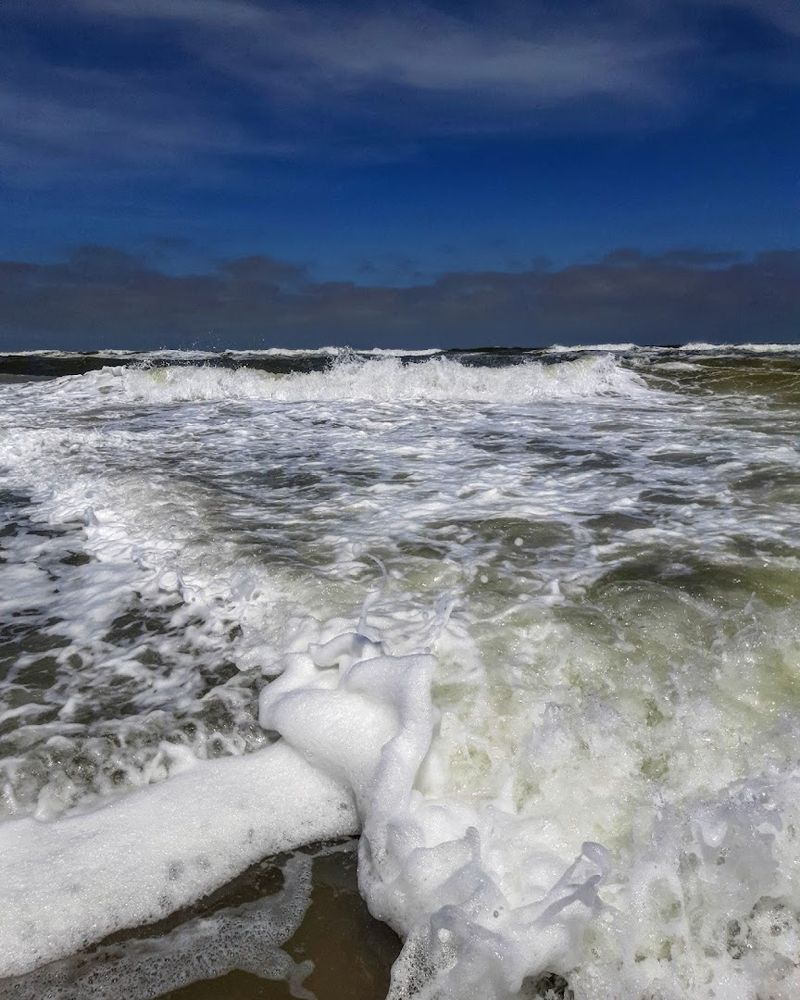
Few places reward a slow pace quite like Amelia Island does on two wheels. The island has nearly 15 miles of paved trails that wind through maritime forests, past shimmering marshes, and along the coastline where the breeze smells like salt and pine.
Renting a bike near the beach takes about five minutes and costs very little. You can pedal from one end of the island to the other without ever feeling rushed.
Keep your eyes open along the way because white-tailed deer, river otters, and hundreds of shorebirds tend to wander right up to the path.
Local Art Galleries And The Creative Spirit Of Fernandina Beach
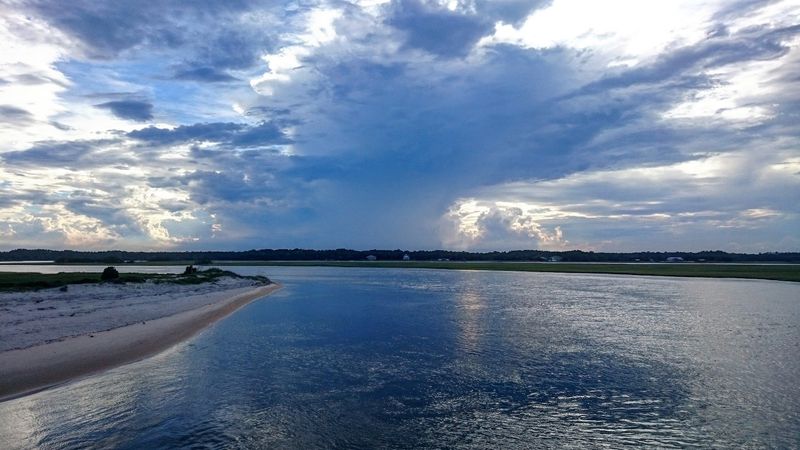
Walk down Centre Street on a quiet afternoon and you will start to notice the galleries tucked between the restaurants and the old brick storefronts. Fernandina Beach has quietly built a thriving arts community over several decades.
Local painters, sculptors, and photographers draw inspiration from the same marshes, sunrises, and fishing boats that have shaped this island for generations. Their work feels rooted in something real rather than made for tourists.
The Isle of Eight Flags Shrimp Festival, held every May, brings together food, music, and local artists in a celebration that feels genuinely homegrown and is one of Florida’s oldest outdoor festivals.