
This South Carolina Wildlife Guide Explains How To Avoid Armadillo Encounters
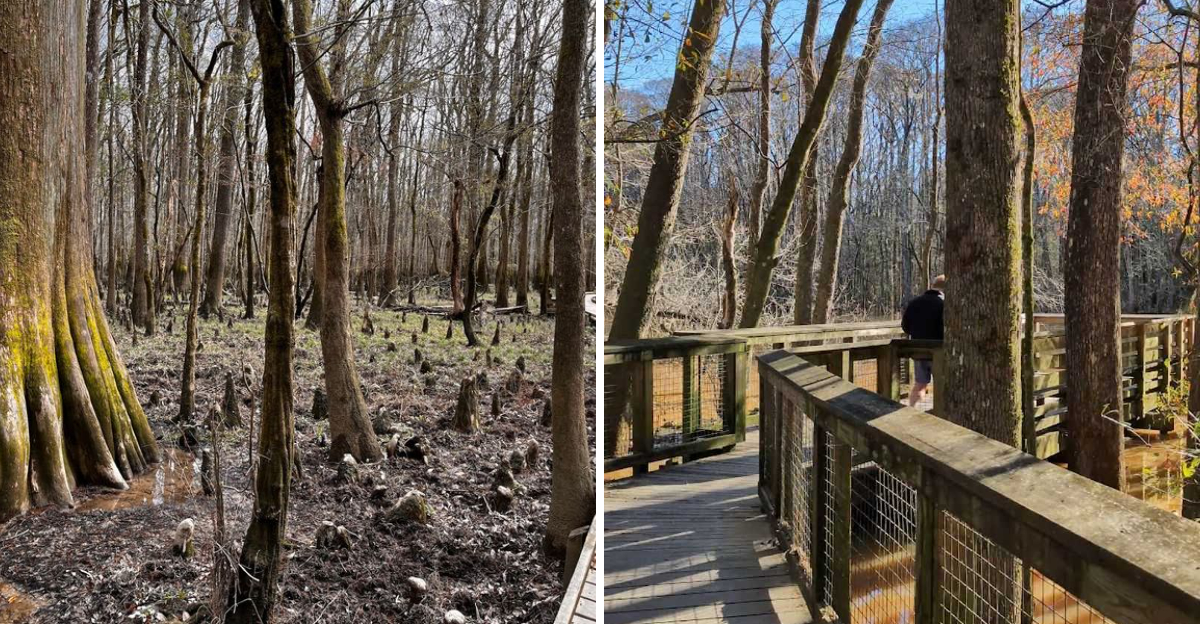
Most people exploring Congaree National Park in South Carolina expect towering trees, quiet boardwalk trails, and maybe a few deer moving through the forest. What they usually do not expect is spotting an armored little creature rustling through the underbrush like something borrowed from another continent entirely.
South Carolina’s wildest park just keeps getting stranger the longer you explore it. Armadillos have quietly spread farther into the state over the years, and Congaree has become one of the places where hikers and paddlers are increasingly crossing paths with them.
At first glance, they almost look funny. Tiny armored bodies, awkward movement, noses pressed to the ground searching for insects.
Then one suddenly darts into the brush beside the trail and catches everyone completely off guard. The good news is they are usually harmless and far more interested in avoiding people than causing problems.
Still, knowing how to safely share space with wildlife like this can completely change the way you experience South Carolina’s most fascinating national park.
Armadillos Are Now Permanent Residents Of South Carolina
Not long ago, spotting an armadillo in South Carolina would have been considered a fluke. Today, these prehistoric-looking creatures have firmly established themselves across the state, including in and around Congaree National Park.
The nine-banded armadillo has been expanding northward from Florida and Texas for decades, following river corridors and forest edges that suit their digging lifestyle perfectly.
Congaree’s rich bottomland soil, packed with insects and grubs, makes it an ideal habitat for these burrowing mammals. Visitors walking the Sims Trail or the Firefly Trail may notice freshly disturbed soil near tree roots, a telltale sign that an armadillo has been actively foraging nearby.
Understanding that armadillos are now a natural part of the Congaree ecosystem helps hikers stay alert without feeling alarmed. Knowing what to look for on the ground is often the first step toward avoiding an unexpected close encounter on the trail.
Their Poor Eyesight Makes Surprise Encounters More Likely
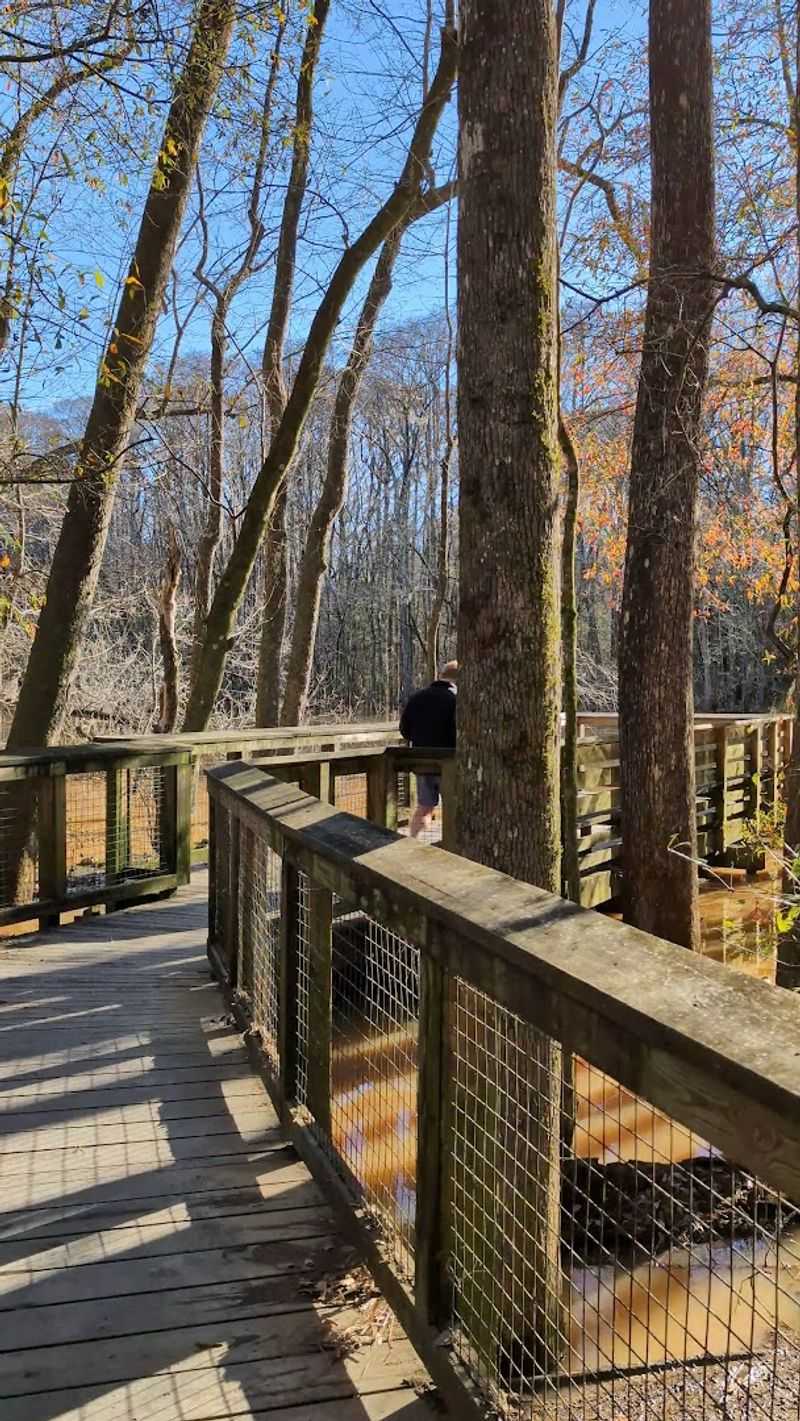
Here is something that catches most hikers off guard: armadillos have remarkably poor eyesight and rely almost entirely on their sense of smell to navigate the world around them.
This means that even if you are standing just a few feet away, an armadillo may not notice you at all until it practically bumps into your boot. At Congaree National Park, where the forest understory is thick and the light is filtered, these animals can wander surprisingly close to people on the boardwalk or forest trails.
The best way to avoid a startling face-to-face moment is to stay aware of movement at ground level, especially near fallen logs and mossy root systems where armadillos love to forage.
Walking at a moderate pace and avoiding earbuds on narrow trails gives you enough sensory awareness to spot one shuffling through the leaf litter before it spots you, which is almost always the case with this near-sighted little wanderer.
Stick To The Marked Trails To Reduce Contact Zones
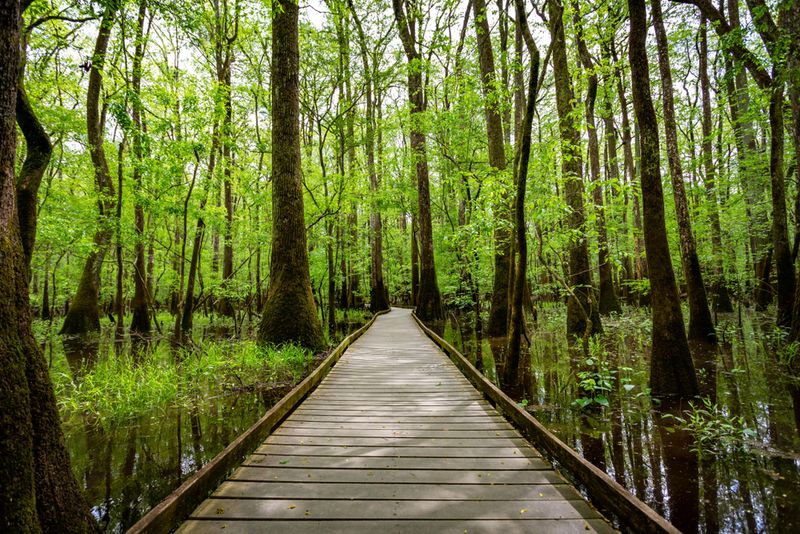
One of the most effective ways to reduce armadillo encounters at Congaree National Park is deceptively simple: stay on the designated trails. Armadillos are most active in dense undergrowth, soft soil areas, and the edges of water features, exactly the kinds of spots that exist just off the main paths.
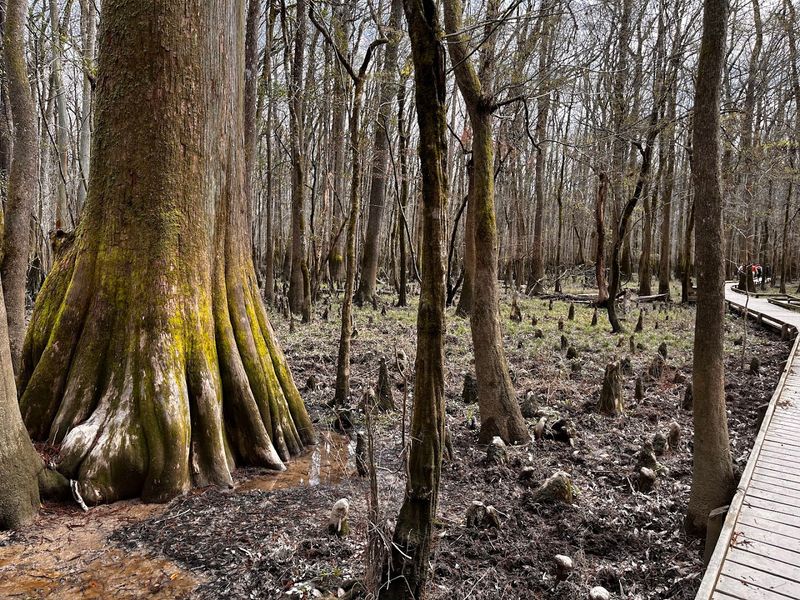
Congaree offers a well-maintained boardwalk trail that elevates visitors above the floodplain floor, naturally creating distance between hikers and the wildlife foraging below. The Sims Trail and Firefly Trail also offer clearly marked routes that keep foot traffic on stable, defined ground.
Wandering off-trail not only risks damaging the fragile ecosystem that makes this park so special, but it also puts you directly in the habitat zones where armadillos dig and rest. Rangers at the visitor center on 100 National Park Road, Hopkins, SC 29061, consistently remind guests that trail boundaries exist to protect both visitors and wildlife.
Respecting those boundaries is a win for everyone sharing the forest.
Dawn And Dusk Are Peak Armadillo Activity Hours
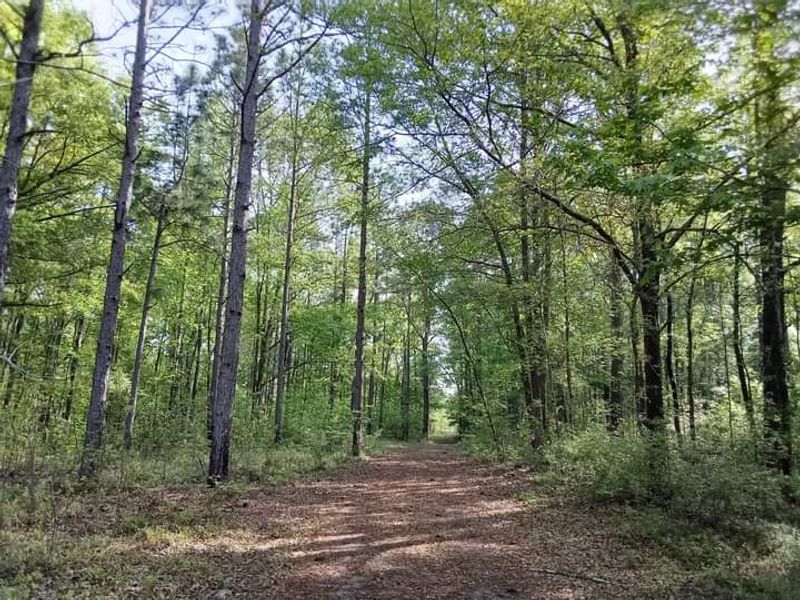
Timing your visit to Congaree National Park with wildlife awareness in mind can make a real difference in how many armadillo encounters you experience. These animals are most active during the cooler hours of dawn and dusk, and they also move around at night when temperatures drop in the South Carolina summer heat.
Morning hikers who arrive right at park opening should keep their eyes low and their footsteps deliberate, especially along the shadier sections of the Sims Trail where ground fog lingers near the floodplain.
Visitors who plan an evening walk near closing time should carry a flashlight and scan the trail edges carefully, since armadillos can dart unpredictably when startled, sometimes jumping straight up into the air as a defense reflex.
Midday visits during winter months, when the mosquito meter is at its lowest and the park is pleasantly cool, tend to see far less armadillo activity, making that window a smart choice for families with young children or anyone who prefers a calmer wildlife experience.
Never Feed Or Approach An Armadillo In The Wild
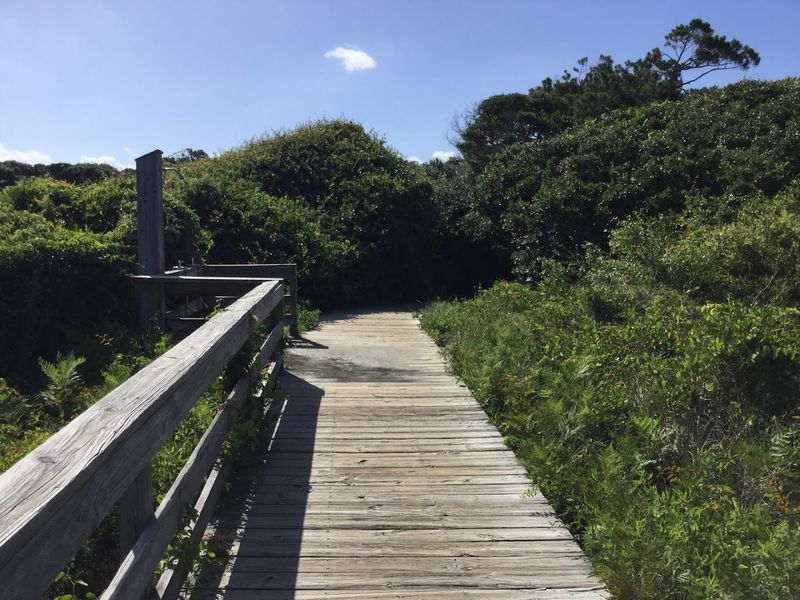
It might be tempting to get a closer look at an armadillo shuffling through the leaf litter near the Congaree boardwalk, especially when they look so prehistoric and oddly charming. Feeding or deliberately approaching them, though, is one of the fastest ways to turn a peaceful hike into a stressful situation for both you and the animal.
Armadillos that associate humans with food sources lose their natural wariness and begin seeking out trail areas more aggressively, which increases the chance of repeated encounters and potential injury from their surprisingly sharp claws.
The National Park Service strongly discourages any direct interaction with wildlife at Congaree, and that rule applies equally to armadillos, deer, woodpeckers, and every other creature calling this old-growth forest home.
Keeping a respectful distance of at least 25 feet allows you to observe these fascinating animals in their natural behavior without disrupting the ecosystem that makes Congaree one of the most quietly extraordinary parks in the entire southeastern United States.
Armadillo Burrows Near Trails Can Create Trip Hazards
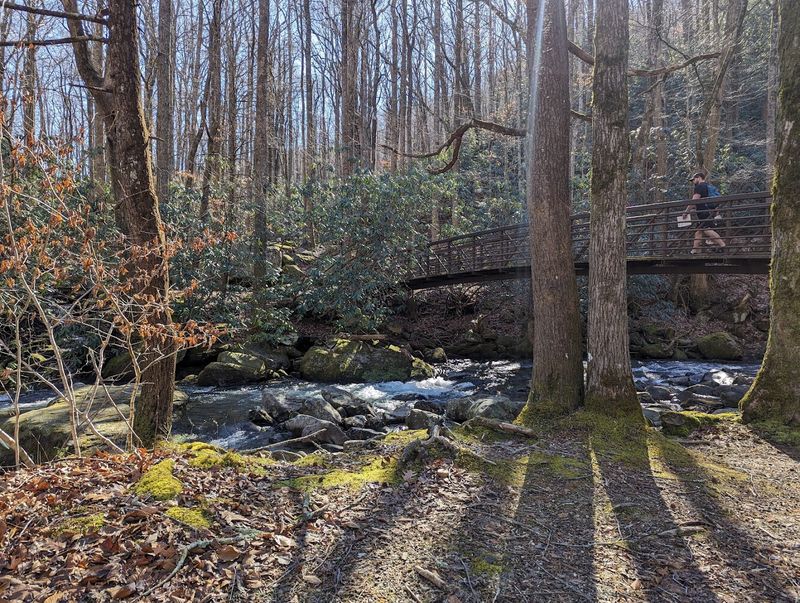
Beyond the animals themselves, armadillo burrows present a practical safety concern for hikers at Congaree National Park. These mammals dig multiple burrows throughout their home range, and the entrances can appear suddenly along trail edges, near tree roots, and even beneath the elevated boardwalk structure.
A burrow opening can be wide enough to catch a foot or twist an ankle if you step near one without noticing, particularly on sections of the trail where soft floodplain soil is more common.
Wearing sturdy, ankle-supporting footwear is consistently recommended by Congaree rangers, and this advice becomes especially relevant when you factor in the burrowing activity of armadillos in the park’s rich soil.
Scanning the ground a few feet ahead as you walk, rather than keeping your eyes fixed on the canopy above, is a habit that serves you well in this environment. The towering loblolly pines and bald cypress trees will still be magnificent even when viewed with a downward glance every few seconds.
Keep Dogs Leashed To Prevent Chasing Incidents
Congaree National Park is notably dog-friendly, and plenty of visitors arrive with their four-legged companions ready to explore the floodplain trails together. That warm welcome comes with a firm reminder, though: dogs must remain on a leash at all times throughout the park.
An unleashed dog that spots an armadillo will almost certainly give chase, and armadillos respond to that pursuit in unpredictable ways. They can scratch and claw defensively, and the chase itself can send both animals crashing through sensitive vegetation off the established trail.
Beyond the ecological damage, an excited dog pursuing wildlife creates a disturbance that ripples through the forest, disrupting the peaceful atmosphere that so many visitors specifically come to Congaree to experience. Fellow hikers and birdwatchers appreciate the quiet far more than they let on.
A standard six-foot leash kept snug during low-to-ground moments near trail edges keeps your dog safe, keeps the armadillos unbothered, and keeps the park’s reputation as a serene outdoor destination fully intact for everyone who follows.
Understanding Armadillo Behavior Helps You React Calmly
Armadillos have a reputation for being unpredictable, but their behavior actually follows a pretty consistent pattern once you know what to look for. When startled, a nine-banded armadillo will either freeze in place, bolt in a zigzag pattern, or jump vertically before sprinting away, sometimes all three in quick succession.
Knowing this ahead of time means you will not overreact if one suddenly launches itself upward near your feet on the Firefly Trail. A calm, still response on your part is the best thing you can do in that moment, since sudden movements on your end will only escalate the animal’s stress response.
Congaree’s visitor center offers informational displays and ranger talks that cover the park’s wildlife in helpful detail, and spending fifteen minutes there before heading out on the trails genuinely prepares you for the kinds of encounters the forest has to offer.
Knowledge really does replace anxiety with curiosity, and that shift makes the whole hiking experience more enjoyable from start to finish.
Seasonal Flooding Changes Where Armadillos Roam
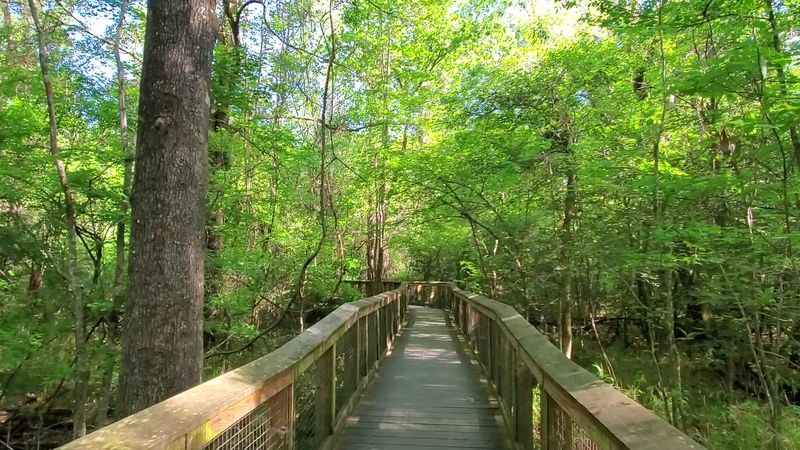
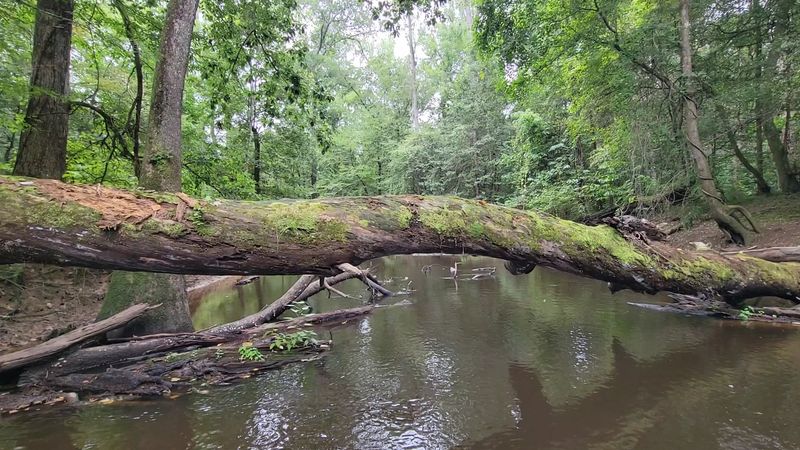
Congaree National Park is a floodplain ecosystem, which means the landscape shifts dramatically depending on the season and recent rainfall. When the Congaree River rises and the forest floor floods, armadillos are pushed to higher ground, which often means they end up closer to the elevated boardwalk and the main trail corridors.
Post-flood periods, when water recedes and leaves behind soft, saturated soil, are some of the most active times for armadillo foraging because insects and worms become easy to find near the surface.
Visitors who check the park’s water condition updates before arriving, which rangers post regularly and update on the official website at nps.gov/cong, will have a clearer picture of trail conditions and likely wildlife activity zones for that particular day.
The park’s dynamic flooding cycle is actually one of the things that makes Congaree so ecologically rich and endlessly fascinating, even if it does mean occasionally sharing the drier sections of trail with a few extra armadillos looking for higher ground.
Reporting Unusual Armadillo Behavior Helps Park Rangers
Most armadillo encounters at Congaree National Park are brief, harmless, and honestly a little thrilling to tell friends about afterward. Occasionally, though, an animal may behave in a way that seems off, moving in circles, appearing disoriented, or approaching humans without any apparent wariness.
These behaviors can sometimes indicate illness, and while armadillos are not typically aggressive, it is always worth reporting unusual wildlife activity to park staff as soon as possible.
The visitor center at Congaree is staffed by knowledgeable rangers who take wildlife health seriously and appreciate when guests share observations from the trail. You can also reach the park directly by phone at +1 803-776-4396 if you spot something concerning after leaving the area.
Congaree’s rangers work hard to maintain the health of this remarkable old-growth ecosystem, and visitor reports genuinely contribute to that effort. Thinking of yourself as an extra set of eyes on the trail is one of the most meaningful ways to give back to a park that gives so much in return.