
10 Historic Spots In Florida Where You’ll Learn More Than Any Textbook Could Teach
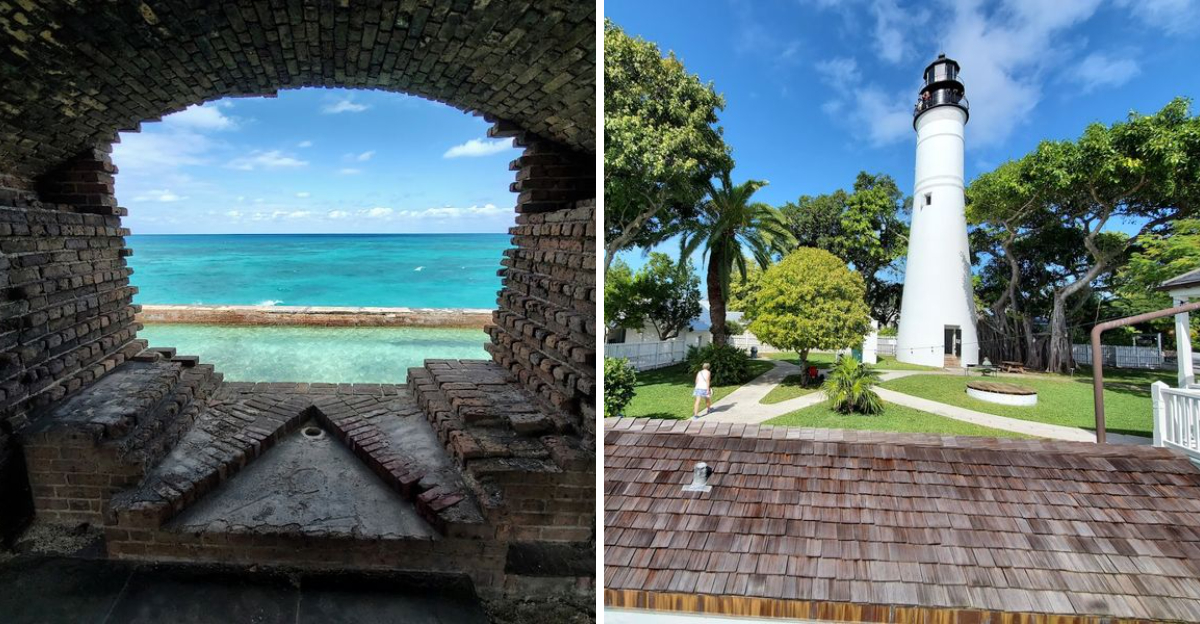
There’s the Florida people see in vacation commercials… and then there’s the version layered with centuries of history most travelers completely overlook.
The kind where old stone fortresses still guard the coastline, hidden museums hold stories stranger than fiction, and quiet streets carry traces of explorers, artists, inventors, and battles that helped shape the state long before theme parks ever existed.
Some of the most unforgettable places in Florida are not beaches at all, they are the places that make the past suddenly feel real.
One stop might leave you staring at centuries-old walls built by Spanish hands. Another pulls you into a world of strange sculptures, forgotten stories, or inventions that somehow changed everyday life forever.
The best part is how unexpected it all feels.
You show up thinking you know Florida already.
Then one historic site, one old town, or one bizarre landmark completely changes the way you see the state afterward.
And honestly, that surprise is part of what makes exploring Florida history so addictive.
1. Castillo De San Marcos, St. Augustine
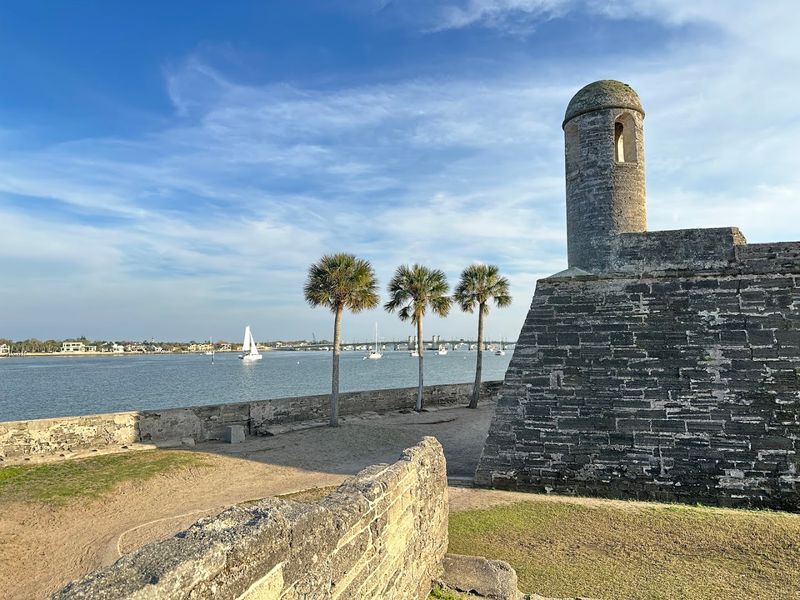
Standing outside the Castillo de San Marcos in St. Augustine, Florida, I felt the weight of 350 years pressing through those thick coquina walls.
Built by the Spanish starting in 1672, this is the oldest masonry fort in the continental United States, and that title is not just trivia.
The coquina stone used in construction has a remarkable property: instead of shattering under cannon fire, it absorbs and holds the impact.
That quirky geological advantage helped the fort survive every siege it ever faced, which is why it still stands today.
Inside, the rooms are staged with period artifacts, and rangers lead talks that make the colonial era feel immediate and real.
The surrounding grounds overlook Matanzas Bay, giving you a view that soldiers once scanned for enemy ships.
I left with a new understanding of how geography, materials, and stubbornness shaped the earliest chapters of American history.
2. Fort Jefferson, Dry Tortugas National Park
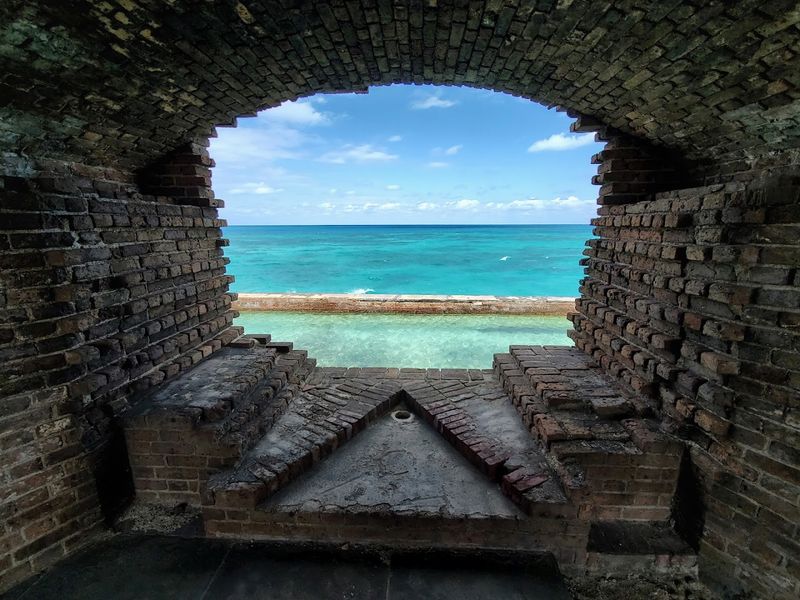
Getting to Fort Jefferson requires a ferry ride or a seaplane trip into the Gulf of Mexico, and that journey alone tells you something about how remote this place truly is.
Located in Dry Tortugas National Park, about 70 miles west of Key West, Fort Jefferson is one of the largest brick structures ever built in the Americas.
Construction began in 1847 and never actually finished, which makes the scale of what exists even more staggering.
The fort was used as a military prison during and after the Civil War, and Dr. Samuel Mudd, convicted for his role in the Lincoln assassination, was held here.
Snorkeling around the moat wall reveals coral and fish that share space with history.
The isolation that once made this a grim posting now makes it a breathtaking destination.
Few places in Florida blend natural beauty and layered history quite so dramatically as this sun-soaked fortress in the sea.
3. Bok Tower Gardens, Lake Wales
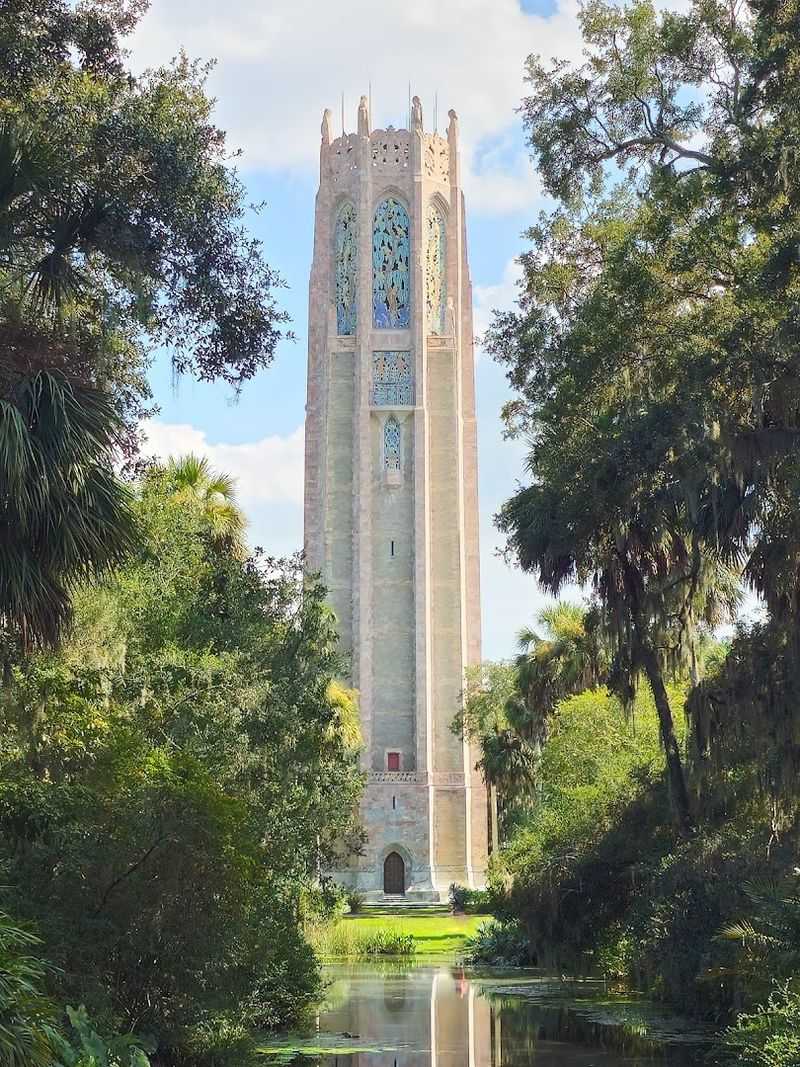
Perched on one of Florida’s highest points, Iron Mountain near Lake Wales, Bok Tower Gardens feels like a place that time agreed to slow down for.
Edward Bok, a Dutch-born magazine editor, commissioned this sanctuary in the 1920s as a gift to the American people, and the gesture still resonates nearly a century later.
The centerpiece is the 205-foot Singing Tower, a carillon made of coquina and marble that plays concerts twice daily.
Hearing those bells roll across the gardens while surrounded by ferns, oaks, and blooming camellias is a genuinely moving experience.
The estate also includes Pinewood, a 1930s Mediterranean Revival home open for tours that reveal how Florida’s wealthy elite lived during the boom years.
The gardens themselves were designed by landscape architect Frederick Law Olmsted Jr., adding another layer of prestige to the property.
I always leave Bok Tower feeling oddly restored, as if the place quietly handed me something I did not know I needed.
4. Coral Castle, Homestea
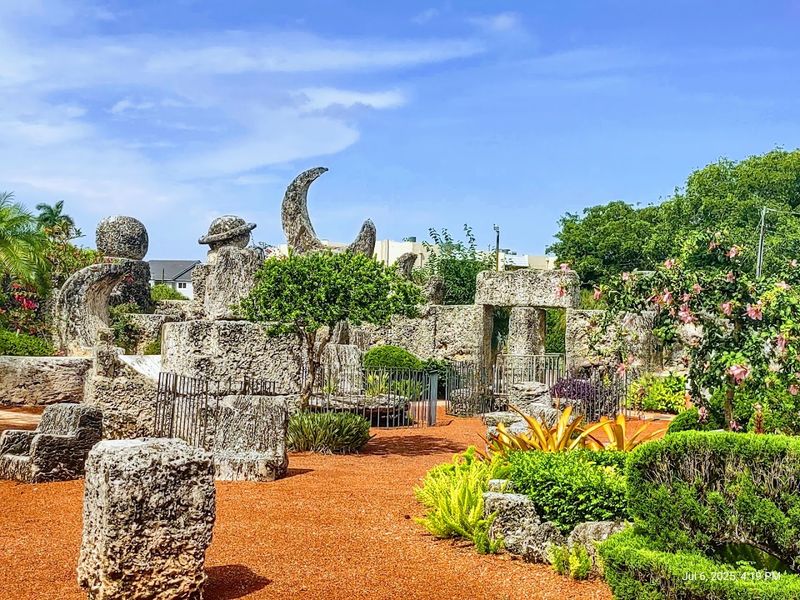
No guide to Florida history is complete without a stop at Coral Castle in Homestead, one of the most genuinely puzzling places I have ever visited.
Between 1923 and 1951, a Latvian immigrant named Edward Leedskalnin carved and assembled over 1,100 tons of oolite limestone entirely by himself, working mostly at night.
Nobody ever watched him do it, which is part of why the place has attracted so much fascination and speculation over the decades.
The structures include a working sundial, a Polaris telescope carved from a single stone, and rocking chairs made entirely from rock that actually move.
Leedskalnin claimed he had discovered the secrets of the ancient builders, and standing among his creations, it is hard to dismiss that claim entirely.
The site is a National Register of Historic Places property and a Registered Florida Heritage Landmark.
Coral Castle does not just teach history; it makes you question what one determined person can accomplish with enough time and vision.
5. Edison And Ford Winter Estates, Fort Myers
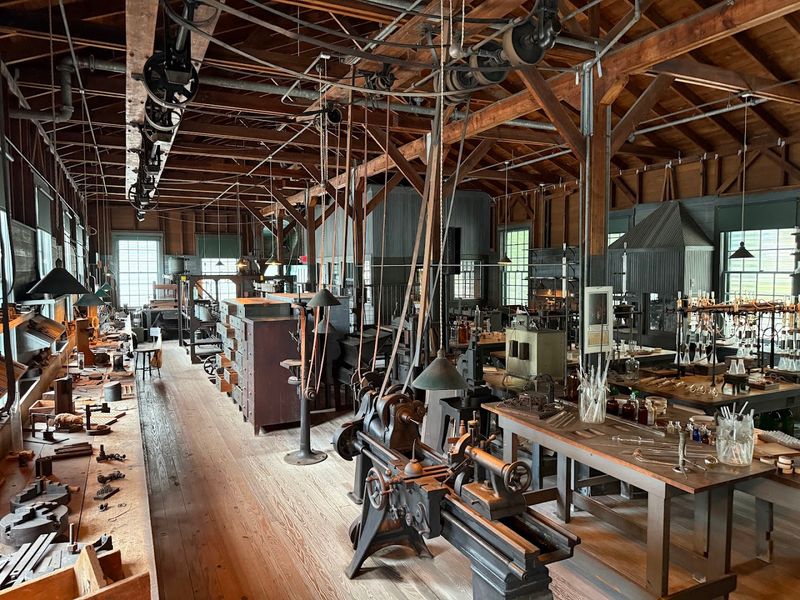
Thomas Edison and Henry Ford were neighbors in Fort Myers, Florida, and their adjoining winter estates offer one of the most fascinating double-biographies you can walk through in person.
Edison first arrived in 1885 and spent decades conducting botanical experiments on the property, searching for a domestic source of natural rubber during his later years.
The laboratory where he worked still holds original equipment, and the adjacent museum displays more than 200 of his inventions in one place.
Ford’s home next door is comparatively modest, which is almost funny given that he revolutionized manufacturing and made the automobile accessible to ordinary Americans.
The banyan tree on the grounds, a gift from Harvey Firestone in 1925, has grown into one of the largest in the continental United States.
Guided tours connect the personal and professional lives of both men in ways that make their achievements feel human rather than mythological.
Walking those grounds, history stops being a list of dates and becomes a conversation between two brilliant, complicated people.
6. The Ringling, Sarasota
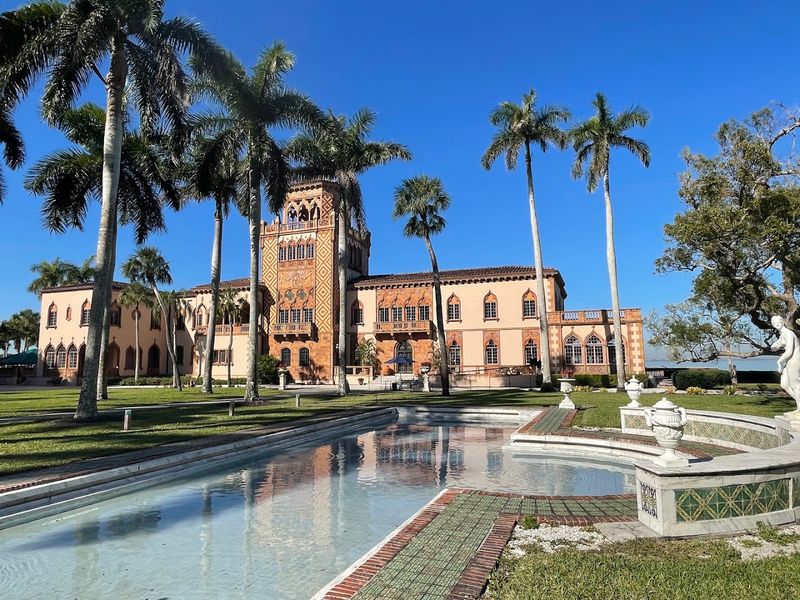
John Ringling built his Sarasota estate with the kind of ambition that only a circus magnate could sustain, and the result is one of the most surprising cultural destinations in the entire state.
The Ringling complex includes a world-class art museum, the Circus Museum, Ca d’Zan mansion, a historic theater, and the Mable Ringling Rose Garden, all spread across 66 bayfront acres.
The art collection leans heavily on Baroque masterworks, including five enormous paintings by Peter Paul Rubens that Ringling acquired in the 1920s when European estates were selling off their treasures.
The Circus Museum traces the history of American circus culture through wagons, costumes, and a miniature scale model of the Ringling Bros. circus that is impossibly detailed.
Ca d’Zan, the Ringling mansion, is a Venetian Gothic showpiece that overlooks Sarasota Bay with the kind of confidence that only old money and new dreams can produce together.
Few places in Florida pack this much art, history, and spectacle into a single afternoon.
7. Mission San Luis, Tallahassee
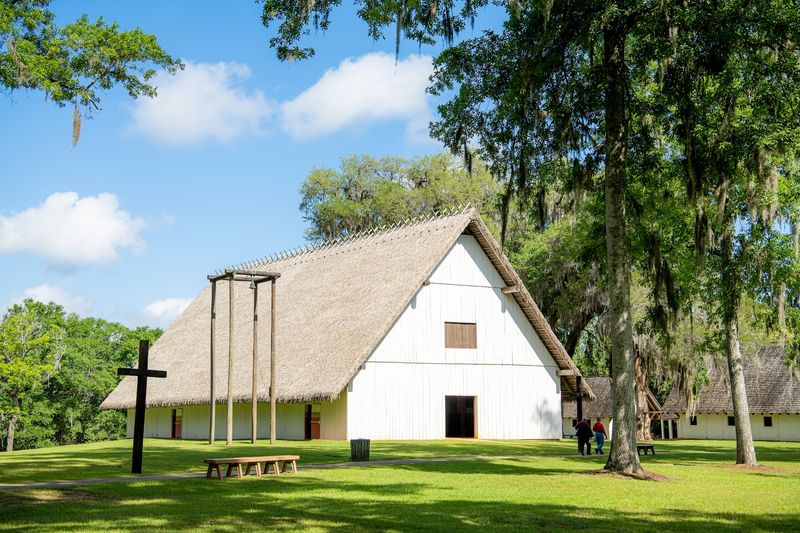
A reconstructed 17th-century Spanish mission might not sound like a riveting afternoon, but Mission San Luis in Tallahassee has a way of changing that assumption quickly.
This site was once the western capital of Spanish Florida and home to a large community of Apalachee people and Spanish colonists who lived side by side in a complex, sometimes tense arrangement.
The reconstructed buildings include a massive Apalachee council house, a Spanish church, a friary, and a fort, all built using period-accurate methods and materials.
Living history interpreters in costume demonstrate daily life, from food preparation to military drills, and they answer questions with impressive depth and honesty.
The Apalachee perspective is woven into the storytelling here, which sets Mission San Luis apart from sites that center only the European colonial experience.
Archaeologists have been working this site for decades, and their findings continue to reshape what historians know about this era.
Visiting feels less like a museum trip and more like stepping into an ongoing conversation between the past and the present.
8. Fort Matanzas National Monument, St. Augustine
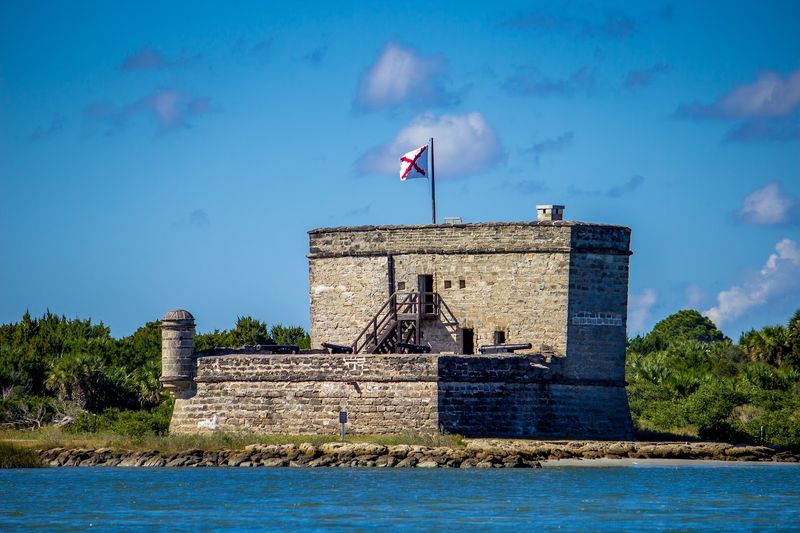
Most visitors to St. Augustine spend their time at the Castillo de San Marcos and overlook Fort Matanzas, which is a mistake I made once and never repeated.
This smaller Spanish fort sits on Rattlesnake Island, accessible only by a free ferry ride run by the National Park Service, and the short crossing already sets a mood of discovery.
Built between 1740 and 1742, the fort was designed to guard the southern water approach to St. Augustine, closing off a route that the British had used to threaten the city.
The name Matanzas comes from a 1565 massacre of French Huguenot soldiers that occurred near this location, a dark episode that shaped Florida’s early colonial history.
Rangers lead tours inside the tower, explaining military strategy, construction techniques, and the daily lives of the small garrison stationed here.
The surrounding salt marsh is a certified birding hotspot, so bring binoculars and expect to slow down.
Fort Matanzas rewards the curious traveler who is willing to take the extra ferry ride and look just a little further down the shoreline.
9. Ybor City Historic District, Tampa, Florida
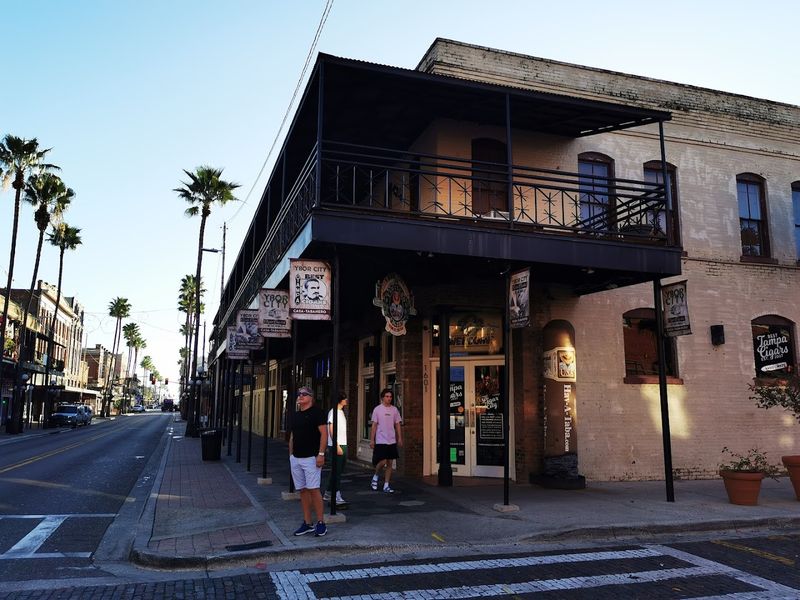
Ybor City is the kind of neighborhood that teaches you history through its architecture, its food, its people, and even the roosters wandering freely down the sidewalks.
Founded in 1885 by Cuban cigar manufacturer Vicente Martinez-Ybor, this Tampa district became one of the most important cigar-producing centers in the world by the early 20th century.
At its peak, the factories here employed thousands of workers from Cuba, Spain, and Italy, creating a multilingual, multicultural community with its own mutual aid societies, newspapers, and social clubs.
The lectors, readers hired to read aloud to workers on the factory floor, are one of the most fascinating details of Ybor’s labor history and one I had never heard before visiting.
The Ybor City Museum State Park, housed in a former bakery, walks visitors through this layered story with artifacts, photographs, and restored workers’ cottages.
Brick streets and ornate buildings from the cigar era still line Seventh Avenue, making the history visible at every turn.
Ybor City does not just preserve the past; it actively lives inside it every single day.
10. Key West Lighthouse, Key West
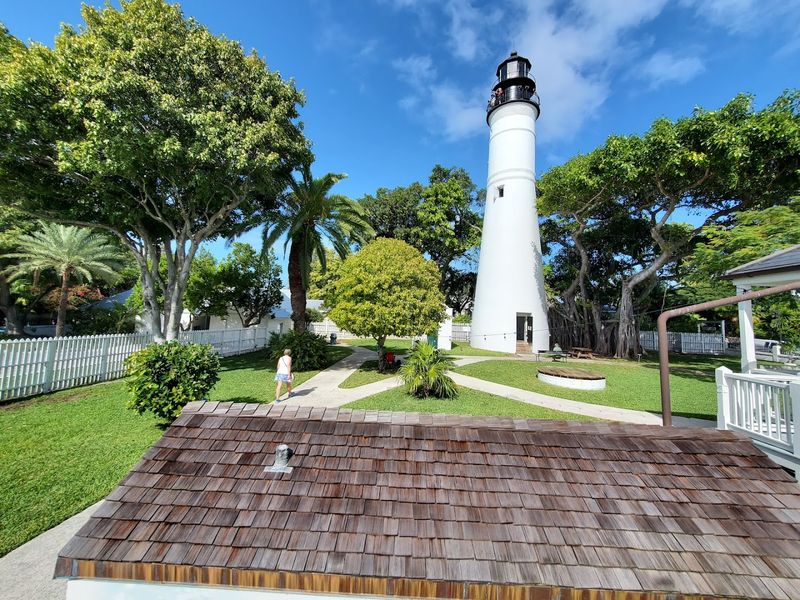
Climbing the 88 steps of the Key West Lighthouse puts you above the treetops and gives you a view of the island that most visitors never see.
Built in 1848 after a hurricane destroyed the original 1825 structure, this lighthouse guided ships through the treacherous reef waters surrounding the Florida Keys for well over a century.
The keeper’s quarters at the base have been converted into a museum that tells the story of lighthouse life through furniture, logbooks, and personal belongings of the families who lived here.
Barbara Mabrity, who served as lighthouse keeper for more than 30 years in the 1800s, is one of the most compelling figures in the museum’s narrative and deserves far more recognition than she typically receives.
The lighthouse stands just a short walk from Hemingway’s house and Duval Street, making it easy to fold into a broader Key West itinerary.
At 65 feet tall, it is not the most imposing lighthouse you will ever visit, but the stories packed inside its walls more than compensate for the modest height.
Standing at the top, with the Atlantic on one side and the Gulf on the other, Key West history suddenly feels very easy to understand.