
13 Michigan Towns With Charming Downtowns That Feel Picture-Perfect
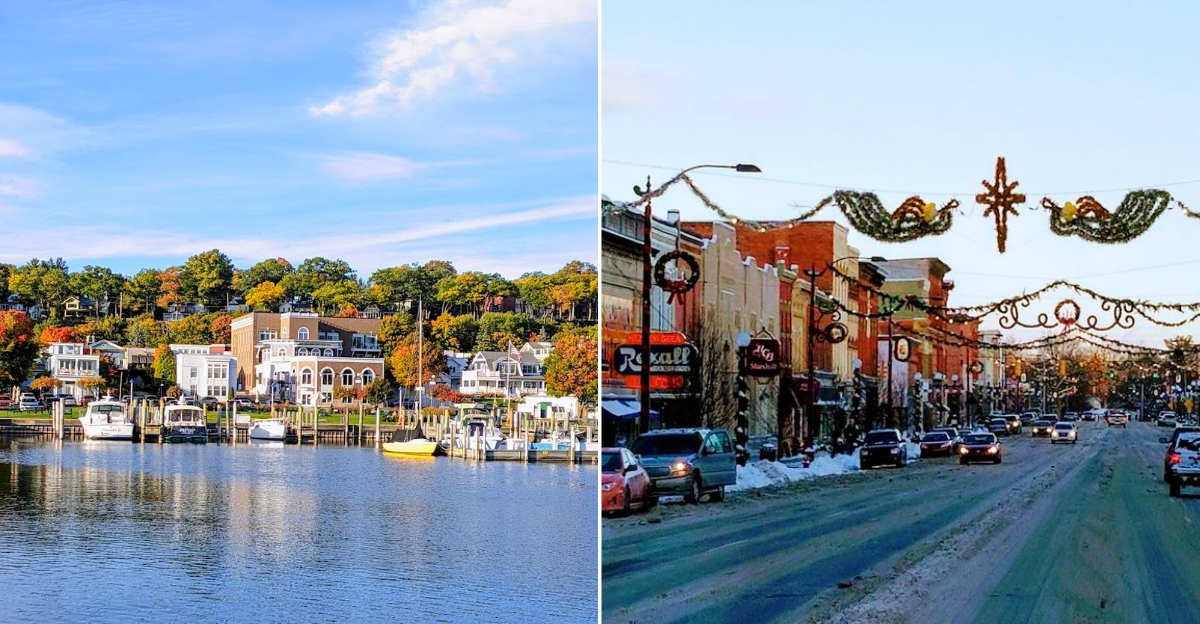
Michigan small towns have a sneaky talent for making a normal afternoon feel like it wandered onto a movie set and decided to buy a cinnamon roll.
I love downtowns where the charm is not polished into plastic: brick storefronts, harbor breezes, bakery windows, old signs, and one local tradition that sounds oddly specific until you see everyone treating it as normal.
These are places built for wandering, not power-walking. Michigan travelers seeking small-town downtowns will enjoy this guide, which highlights walkable streets, lakefront views, historic storefronts, local shops, and postcard-worthy stops with real character.
Some lean Dutch, some go full Bavarian, some trade cars for island lanes, and others simply let Lake Michigan do half the talking.
Bring comfortable shoes, a flexible appetite, and a camera you will definitely pretend not to overuse. The best downtowns do not just look charming. They make you slow down enough to notice why.
13. Holland
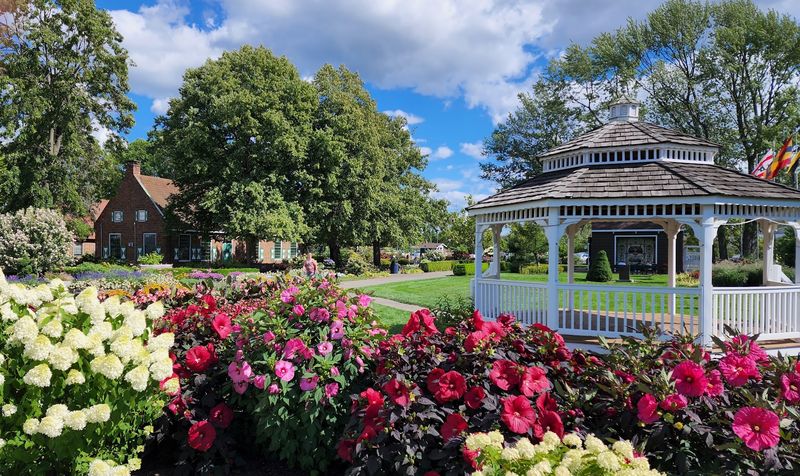
On 8th Street, Holland feels polished without feeling precious. The storefronts are tidy, the sidewalks stay famously snow-free in winter thanks to the downtown snowmelt system, and the whole district has a steady, everyday energy that makes shopping here feel easy rather than ceremonial.
Dutch heritage is part of the texture, not just a festival costume. You see it in specialty shops, wooden shoes in windows, and the long civic habit of keeping the center attractive and walkable, with restaurants, boutiques, galleries, and stops like New Holland Brewing adding a contemporary layer.
What stays with you is the balance. Holland can look almost too neat from a distance, but once you are on foot, it has enough local bustle and unforced personality to feel genuinely welcoming, not arranged for a postcard.
12. Saugatuck
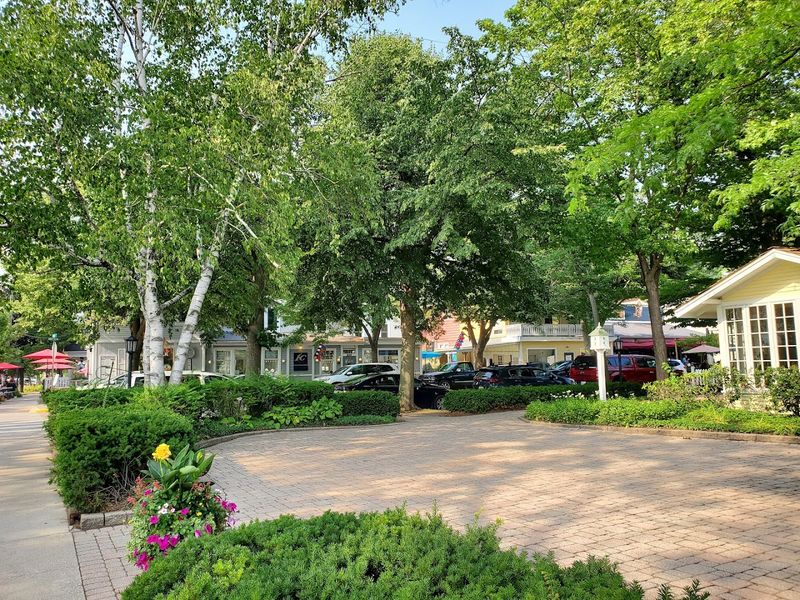
Butler Street has the pleasant, slightly improvisational rhythm that good waterfront towns often get right. In Saugatuck, galleries sit beside boutiques and casual food spots, and the walk between them never feels forced because the whole downtown is scaled for wandering instead of rushing.
The art presence here is not decorative background. Saugatuck has long been known for its creative community, with dozens of galleries and studios in the area, so even a short visit carries that sense that visual culture is built into daily life rather than imported for tourists.
I like how the town refuses to choose between polish and looseness. You can browse paintings, duck into the old-fashioned Saugatuck Drug Store feel of a classic counter stop, then look toward the water and remember this place still behaves like a lakeshore village.
11. Petoskey
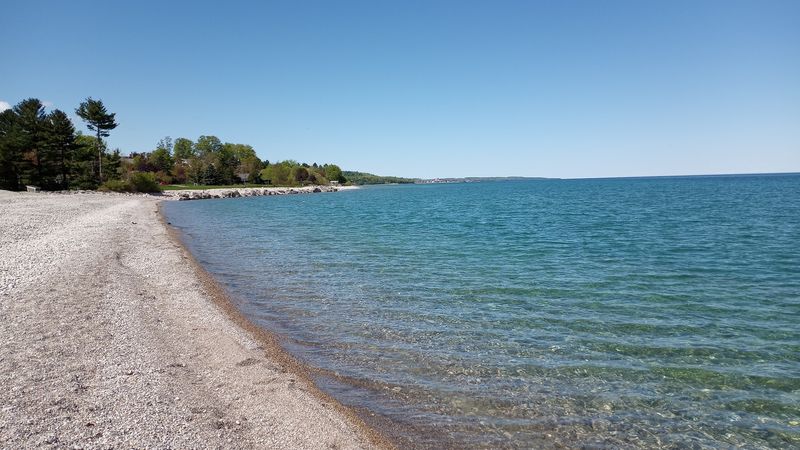
Petoskey’s Historic Gaslight District has a slightly dressier mood than many northern Michigan downtowns, but it never tips into stiffness. The blocks are compact, the storefronts are handsome, and Lake Michigan is close enough that the whole district feels touched by shoreline light.
Shops here lean into local identity in a way that works. Places such as Northgoods and Grandpa Shorter’s Gifts carry Michigan-made goods and Petoskey stone items, tying the downtown to the area’s most famous geological souvenir without making everything feel like a themed gift shop.
There is also a useful contrast at work. You can spend an hour browsing polished retail, then walk a few blocks and remember this is also a beach town where people hunt for stones along the lake, which keeps the atmosphere grounded and specific.
10. Charlevoix
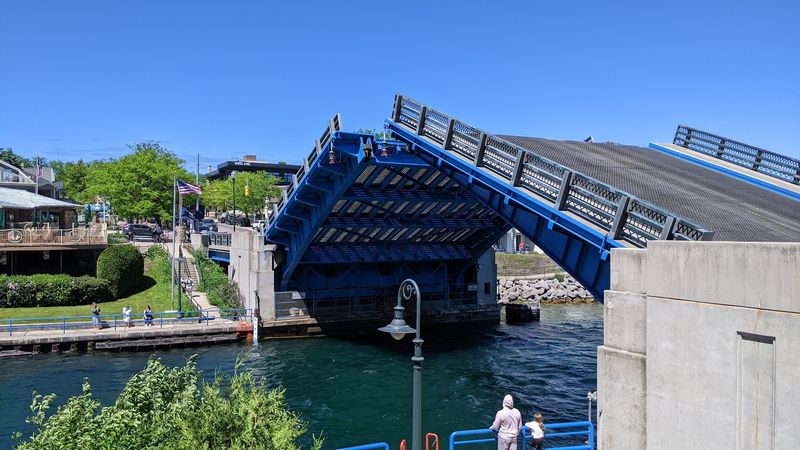
Charlevoix’s downtown sits in one of those lucky geographic setups that almost seems unfair. Bridge Street is lined with shops and restaurants, and the nearby channel between Round Lake and Lake Michigan gives the whole area a bright, marine openness that changes with every shift in weather.
Even a short stroll can feel different depending on the light, the breeze, and the boats moving through. Its appeal is not only scenic.
The downtown is genuinely walkable, with a compact core, hanging flowers in season, and easy access to the waterfront, so you move naturally between storefronts, boats, and views without needing a plan more complicated than keep walking. That ease makes it especially good for a relaxed afternoon.
What makes Charlevoix memorable is the way charm arrives in layers. It is the neat main street, yes, but also the drawbridge, the water traffic, and the sense that daily life here is organized around a harbor rather than merely decorated by one. That harbor rhythm gives the town its identity.
9. Harbor Springs
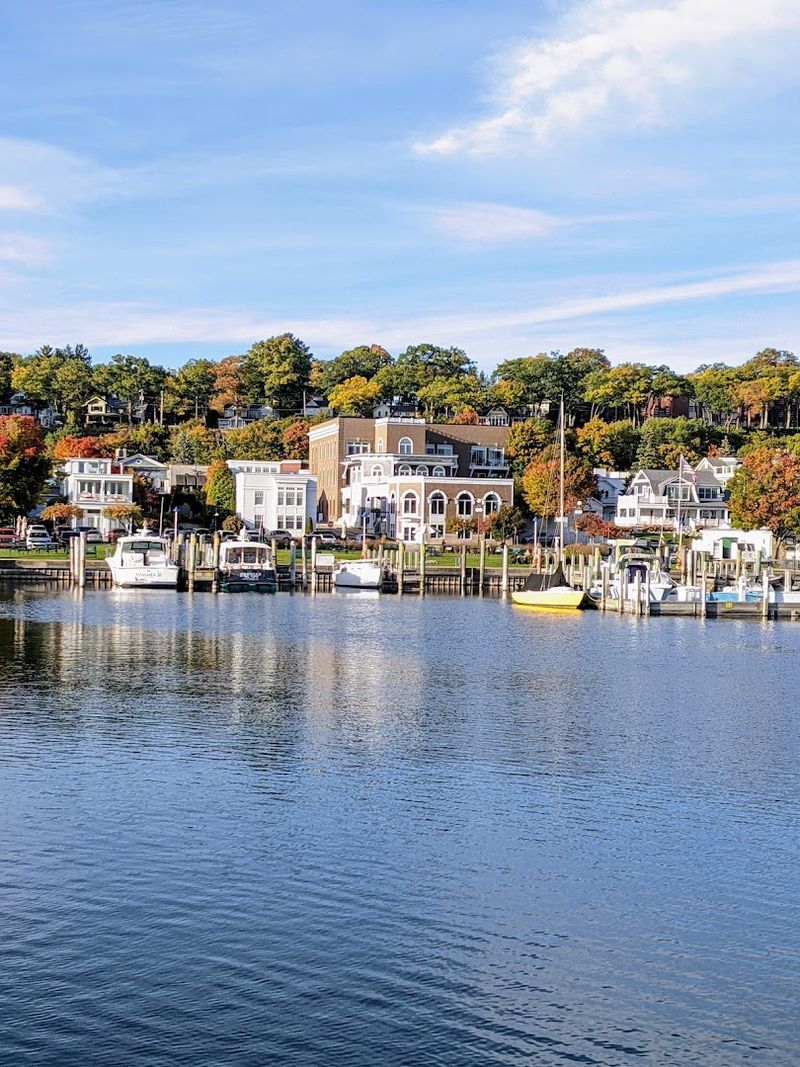
Harbor Springs is quiet in a way that reads as confidence rather than sleepiness. The downtown is small, refined, and close to the water, with storefronts that feel carefully kept but not overdesigned, as if the town trusts its setting to do most of the work.
The harbor has shaped the place for generations, and that marine inheritance still shows in the rhythm of the streets. You notice boats in the bay, practical local businesses mixed with boutiques, and a compact center that encourages walking instead of circling for parking.
I appreciate Harbor Springs most when I stop expecting spectacle. This is not a downtown that performs for attention. Its charm comes from proportion, calm, and the way a simple stroll can move from coffee to bookstore to waterfront bench in what feels like one unbroken scene.
8. Traverse City
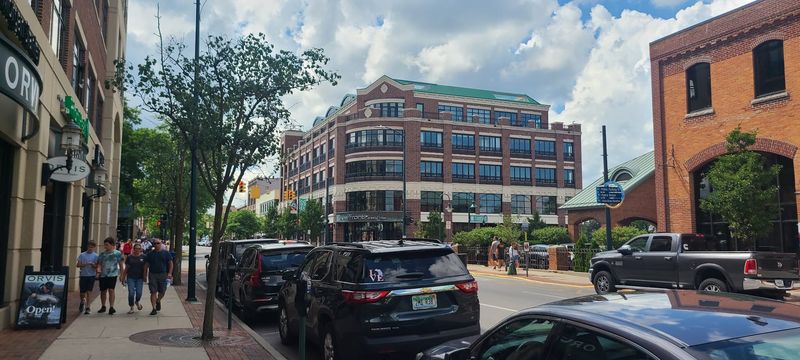
Traverse City is busier than some towns on this list, but its downtown still holds onto an intimate scale. Front Street and the surrounding blocks are packed with 19th-century brick storefronts, independent businesses, and enough foot traffic to make the whole center feel genuinely alive.
What helps is the range. You can step into Horizon Books, browse Michigan-made art, or pick up cherry everything at Cherry Republic, then be only a short drive from Clinch Park or Bryant Park, where the lakeshore reminds you why this city grew here in the first place.
The effect is energetic rather than quaint. Traverse City does not rely on nostalgia alone, and that is part of its appeal. The downtown feels useful, contemporary, and rooted at the same time, which is harder to achieve than a row of pretty facades.
7. Frankenmuth
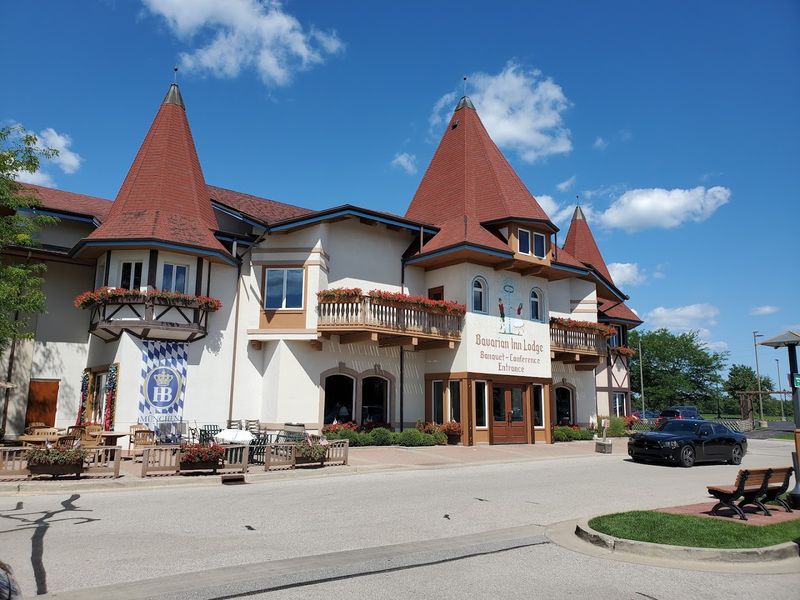
Frankenmuth could have been unbearably kitschy, yet its downtown mostly escapes that trap by committing fully to the bit. Main Street’s Bavarian architecture, carved details, and famously large restaurant buildings create a streetscape that is unmistakable the moment you arrive.
Zehnder’s and the Bavarian Inn are the anchors everyone notices first, and for good reason. One brings the white facade, bakery, and long tradition of family-style chicken dinners, while the other adds carved wood interiors and the Glockenspiel Tower, all tied to the town’s German roots.
The surprising part is how cheerful it feels on foot. Between the historical museum, the Cheese Haus, and fudge shops, there is plenty of sweetness and spectacle, but the place works because it understands that consistency of design can make even a very themed downtown feel coherent.
6. Marquette
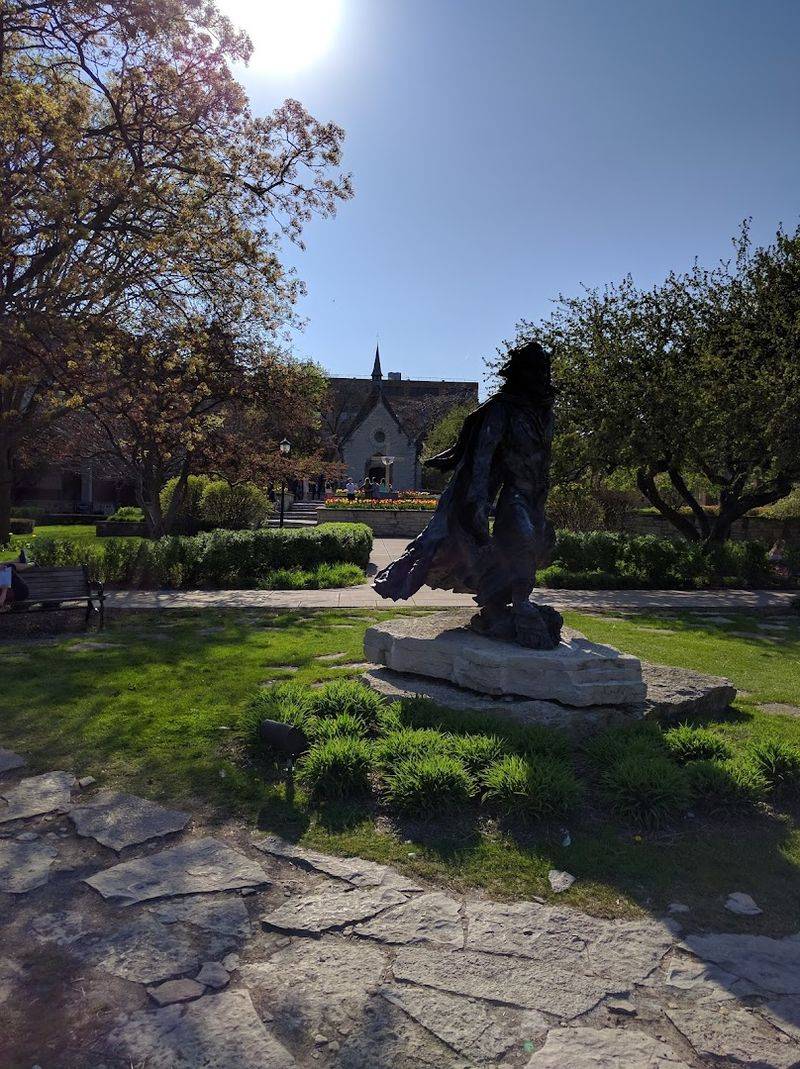
Marquette has a downtown with weather in its bones. Even on a calm day, Lake Superior seems to press against the place, and the brick buildings, cafes, and storefronts carry that sturdy Upper Peninsula practicality that makes the district feel handsome rather than delicate.
There is a toughness to the scenery that keeps it from feeling overly polished. The center is compact enough to explore easily, but it has more texture than a quick glance suggests.
Local shops and restaurants sit near historic architecture, and the lakefront is close enough that wind, light, and season keep changing the mood of the streets. One block can feel cozy, while the next suddenly opens toward big northern air.
This is one of the few downtowns here that feels both charming and a little rugged. I mean that as praise. Marquette does not seem interested in prettiness for its own sake, which is exactly why its best corners, especially in slanting evening light, end up looking so good. It feels lived-in, capable, and genuinely tied to its shoreline.
5. Marshall
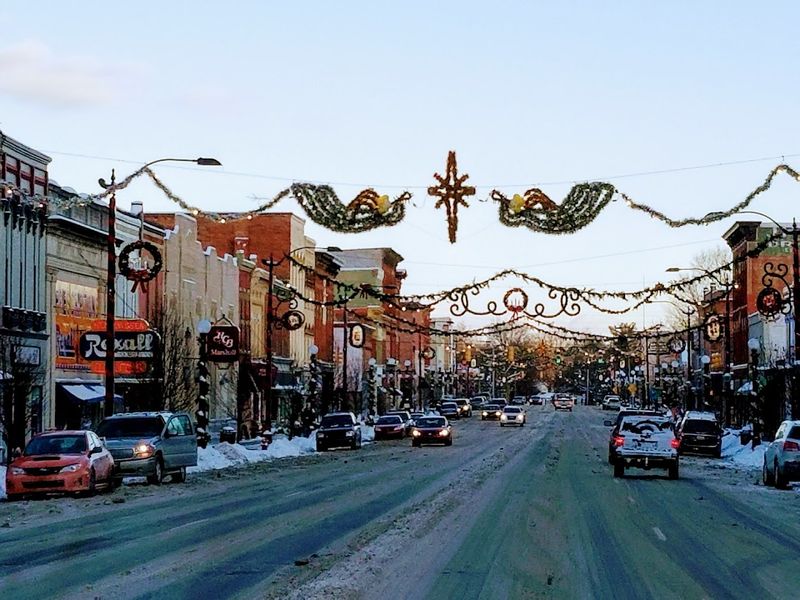
Marshall looks like a town that took preservation seriously before it became fashionable. The downtown is rich with historic architecture, and East Michigan Avenue carries that satisfying sense of continuity you get when old buildings are still serving ordinary commercial life instead of standing as scenery.
There is an eccentric flourish too: the American Museum of Magic. A whole museum devoted to Houdini-era illusion is not the sort of thing you expect to find on a small-town main street, and that odd detail gives Marshall a memorable edge beyond its polished facades.
What I admire here is the discipline of the place. Marshall does not need fake nostalgia because the architectural fabric is real, and the downtown experience benefits from that authenticity. You notice the proportions of the buildings, the mature streetscape, and the absence of visual clutter almost immediately.
4. Leland
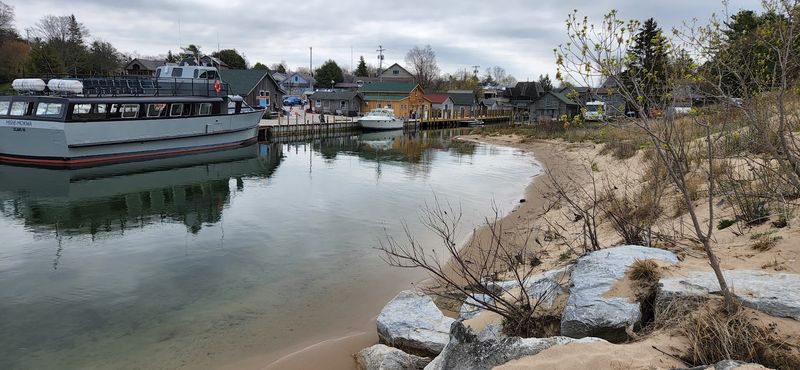
Leland’s downtown charm comes with a working-waterfront edge that keeps it from feeling too polished. The village sits beside Fishtown, the historic commercial fishing district with weathered shanties, docks, and smokehouses, and that proximity gives even a short walk an unusual sense of continuity.
You can feel the town’s story in the wood, the water, and the narrow paths between buildings. You are not moving through a generic resort strip here.
The core streets have galleries, shops, and places to eat, but the real drama comes from seeing an active harbor landscape woven directly into the town’s daily life and local memory. That mix gives the visit a grounded texture, even when the setting is postcard pretty.
Few Michigan downtowns feel this specific. Leland is beautiful, certainly, but it also carries traces of labor, weather, and adaptation that make the beauty more convincing. The result is a place that photographs wonderfully while still resisting the weightless, interchangeable mood that some waterfront towns slide into. It feels curated by time more than by tourism.
3. Boyne City

Boyne City has an easygoing downtown that benefits from not trying too hard. The main street is close to Lake Charlevoix, the businesses are locally scaled, and the whole place feels designed for actual residents first, which usually makes a town better for visitors too.
That local grounding matters because Boyne City gets seasonal attention from boaters, skiers, and summer travelers. Even so, the commercial core remains approachable, with independent shops, cafes, and a walkable layout that invites lingering rather than quick consumption between outdoor activities.
I would not call it flashy, and that is exactly the point. Boyne City’s charm is cumulative. A bakery window, a tidy storefront, a glimpse of the water, and a few minutes on a bench all add up to a downtown that feels more personal than performative, especially outside peak rush.
2. St. Joseph
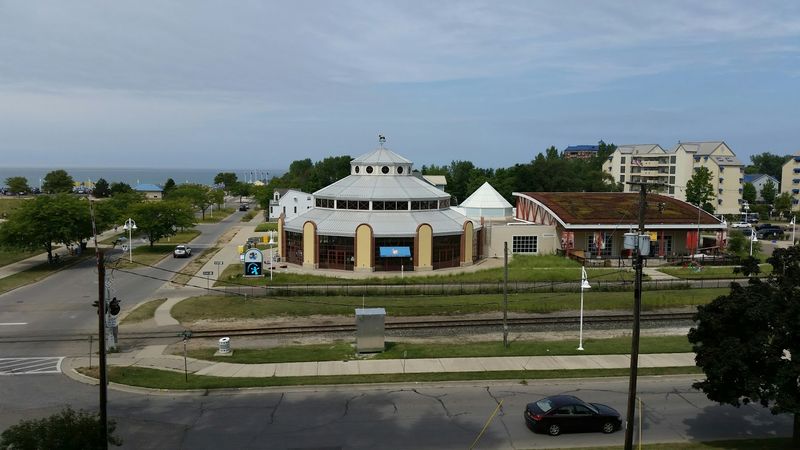
St. Joseph has one of the clearest downtown-to-lakeshore transitions in the state. Brick streets, shop windows, and restaurants lead naturally toward Lake Michigan views, so the town center never feels sealed off from the shoreline that gives it so much of its character.
The district is varied without turning chaotic. You can browse art, jewelry, home decor, and specialty food shops, then head toward the bluff and beach, which creates a useful rhythm of browsing, walking, and stopping to look outward at the water.
What stays with me is the way the town handles elegance. St. Joseph is attractive in a fairly obvious way, but the downtown has enough structure and everyday usefulness to avoid becoming merely scenic. It still feels like a functioning center, just one that happens to end with a broad horizon.
1. Mackinac Island
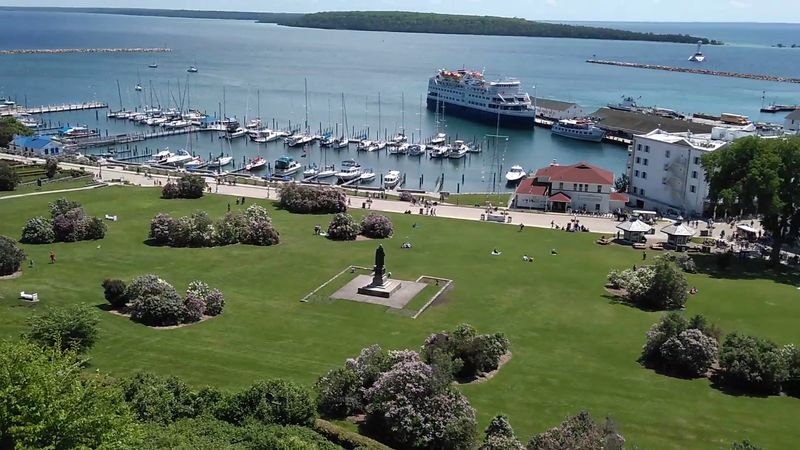
Mackinac Island’s downtown announces itself first by sound, or rather by the lack of engines. With no ordinary cars on the island, Main Street is shaped by ferries arriving at the waterfront, bicycles passing by, and horse-drawn traffic, which changes the pace of everything immediately.
That car-free setting is more than a novelty. It makes the historic commercial strip feel unusually coherent, because the storefronts, sidewalks, and harbor views can be experienced without the constant interruption of modern traffic patterns that flatten so many otherwise pretty places.
Yes, it is busy in season, and yes, fudge shops are part of the package. But when you step slightly away from the crowd and look back at the line of buildings facing the water, the downtown still feels singular. Few places in the Midwest are this recognizable or this walkable.