
This Is The Stunning Botanical Garden In Arizona That Most People Never Hear About
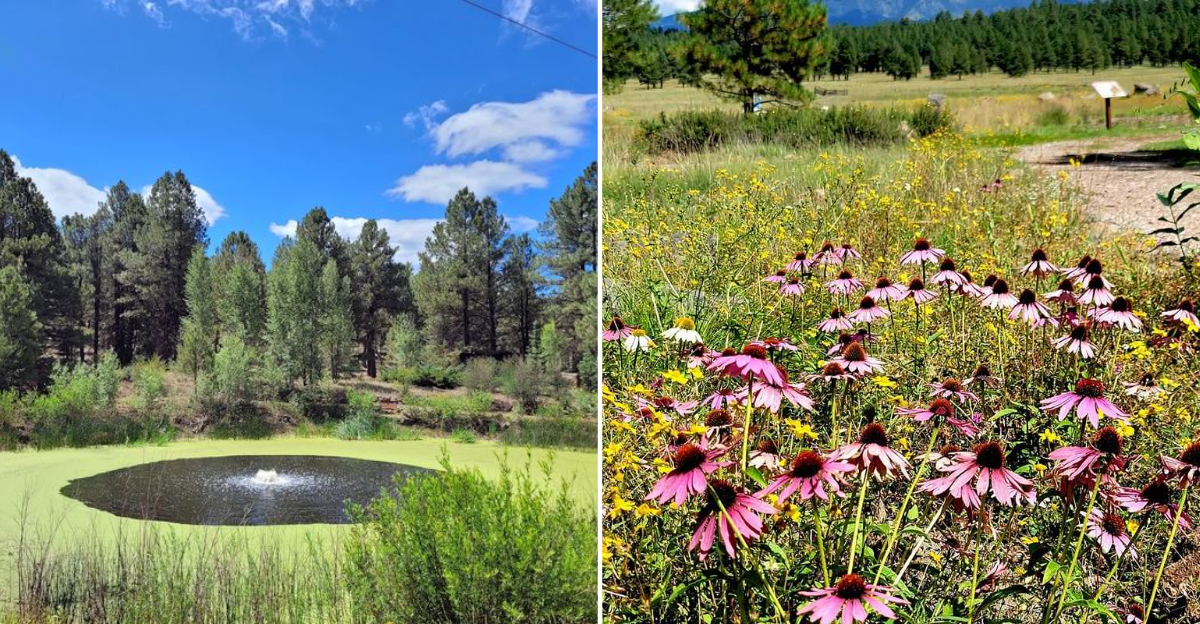
You would think a place this spectacular would have billboards on every highway, right? Wrong.
In the high country of Arizona, there exists a botanical garden so quietly magnificent that most residents of the state have never even heard of it.
My discovery of this spot happened almost by accident-a wrong turn on a scenic drive that led me down a gravel path I almost ignored. What I found astounded me: ten acres of meticulously maintained gardens, native wildflower meadows, and collections of plants from around the world, all set against a backdrop of towering pines.
The best places in life often reveal themselves when we least expect them, and this hidden sanctuary proved that rule perfectly.
A Garden Born From One Woman’s Vision
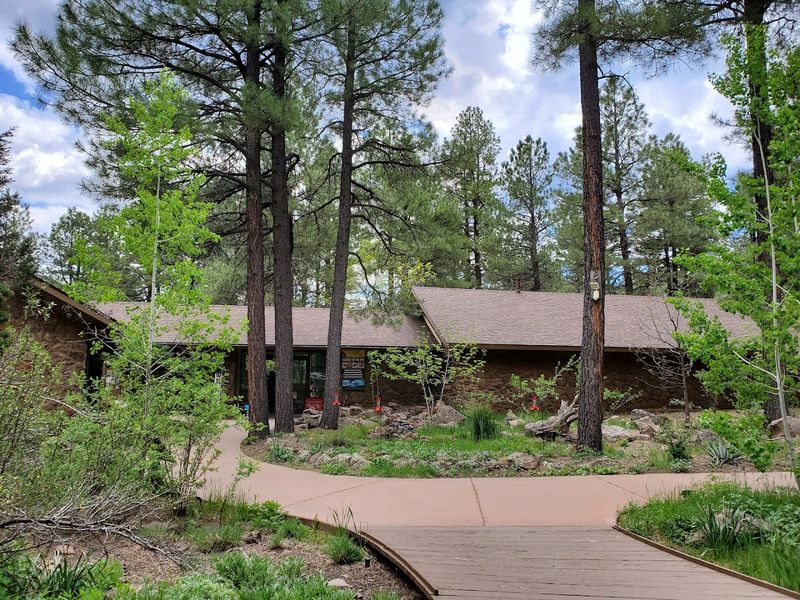
Not every botanical garden starts with a grand institutional plan. The Arboretum at Flagstaff was founded in 1981 by Frances McAllister, a local philanthropist who turned her personal home and working ranch into one of Arizona’s most quietly extraordinary green spaces.
What she created on that land along Woody Mountain Road, located 3.8 miles south of Route 66, has since grown into a 200-acre non-profit botanical garden, research facility, and environmental education center.
The Visitor Center, which was originally McAllister’s own home, now offers historical context and hands-on interactive learning opportunities for young visitors.
Standing inside that building, you get a real sense of how personal this place still feels. It was never built to impress tourists with fountains or flashy installations. McAllister simply wanted people to understand, appreciate, and protect the native plants of the Colorado Plateau.
That quiet, purposeful ambition is woven into every corner of the property, and it makes the experience feel more meaningful than your average garden visit.
Elevation That Changes Everything
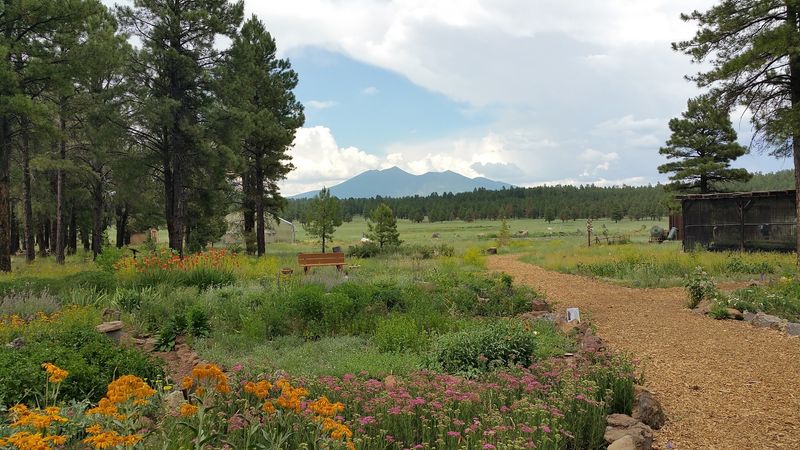
At 7,150 feet above sea level, the Arboretum at Flagstaff holds the rare distinction of being one of the highest-elevation public gardens in the entire United States. That altitude shapes everything about the experience, from the crisp, cool air that greets you even on a summer afternoon to the specific plants that thrive at this elevation.
High-desert conditions here are nothing like the saguaro-and-sand image most people associate with Arizona. The surrounding Coconino National Forest fills the background with ponderosa pines, and the garden itself showcases over 750 species of mostly drought-tolerant, native, and adapted plants representative of the Colorado Plateau ecosystem.
I remember stepping out of my car and immediately noticing how much cooler it felt compared to Phoenix, where I had started my drive that morning. The air had that sharp, clean quality that only comes with serious elevation gain.
If you visit during summer, pack a light jacket because mornings and late afternoons can surprise you with a genuine chill.
Mountain Views That Stop You Mid-Step
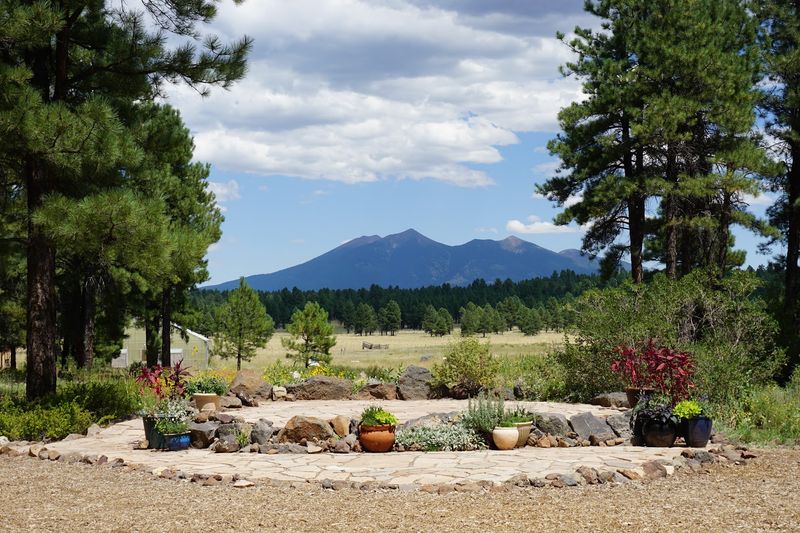
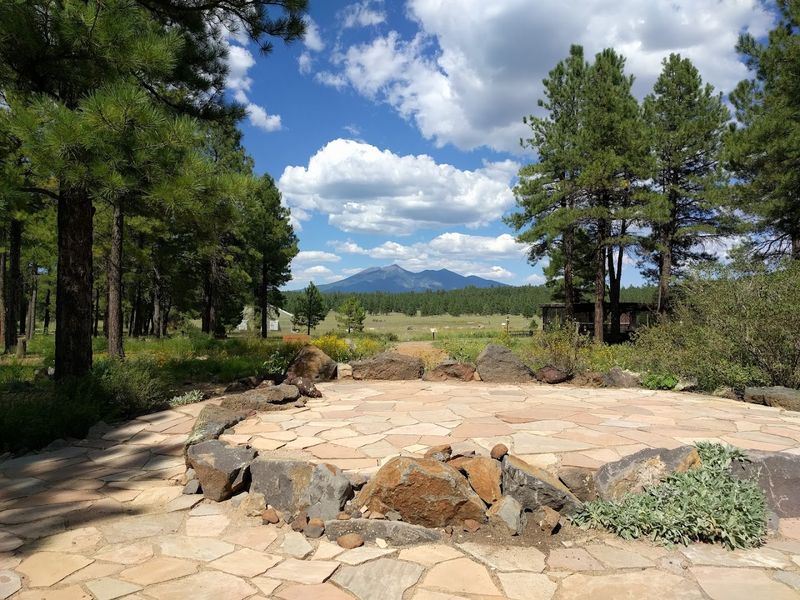
Few botanical gardens in the country can offer a backdrop quite like this one. Unobstructed views of Mount Elden and the San Francisco Peaks frame the garden from multiple vantage points, creating a kind of natural drama that no landscape architect could design or purchase.
The San Francisco Peaks, which include Humphreys Peak at nearly 12,600 feet, are the highest mountains in Arizona, and seeing them rise above the treeline while you wander through a pollinator garden is a genuinely arresting experience.
I stopped mid-trail at least four times just to take in the view from different angles, each one framing the peaks slightly differently through the pines.
Morning light hits those mountains in a way that makes the whole garden glow with a soft golden warmth. Photographers should plan to arrive right at opening time, which is 9 AM, to catch that early light before the midday sun flattens the contrast.
The mountain scenery alone is worth the drive down Woody Mountain Road.
Themed Gardens Worth Wandering Slowly
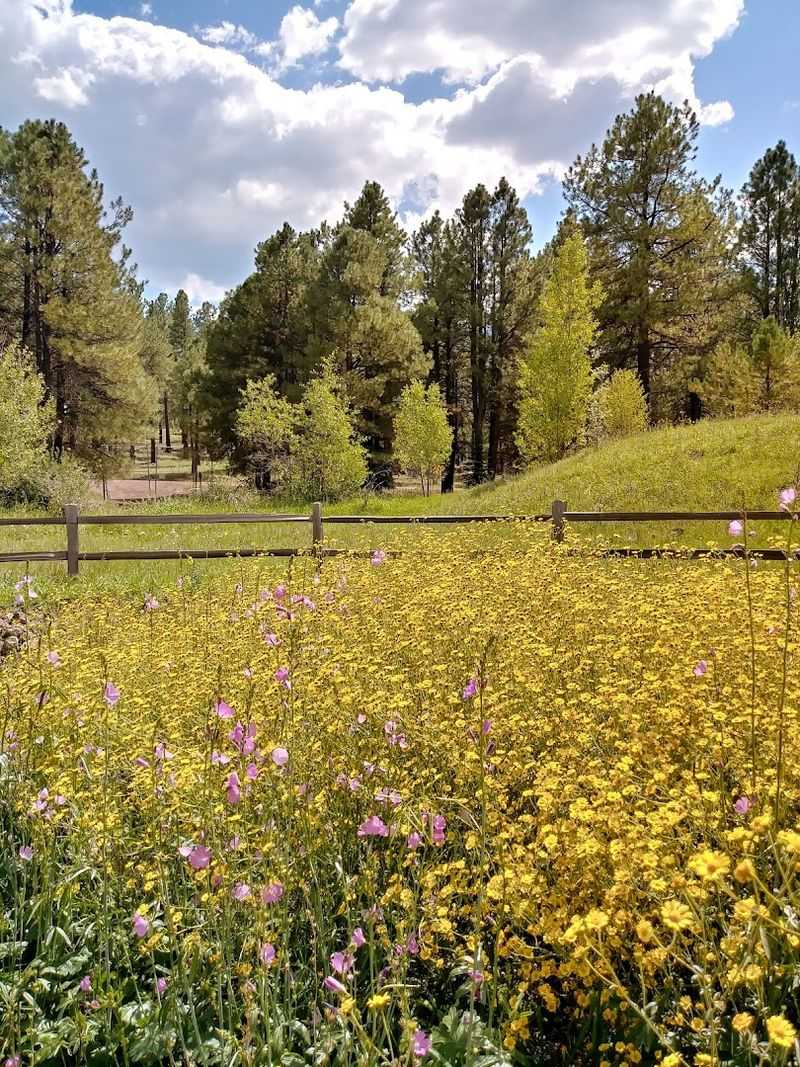
One of the most enjoyable parts of exploring this property is discovering how many distinct garden spaces are tucked within the larger landscape.
The Arboretum features an Entrance Garden, a Children’s Play Area, a butterfly garden, an herb garden, a Water Conservation Garden, a Shade Garden, a Blue Garden, and a Pollinator Garden, each with its own personality and plant palette.
The Blue Garden caught me completely off guard. Planted with species that produce blue and purple blooms, it has a cool, meditative quality that feels almost otherworldly against the warm tones of the surrounding forest.
The Pollinator Garden, buzzing with bees and butterflies during peak summer months, is pure sensory joy and a reminder of how interconnected plant and insect life truly is.
Each themed section takes longer than you might expect because there is always something small and interesting to notice up close, whether that is a label explaining a plant’s traditional uses or an unexpected color combination that makes you pause and look twice. Budget at least two full hours for a proper stroll.
Wildlife That Shares The Space With You
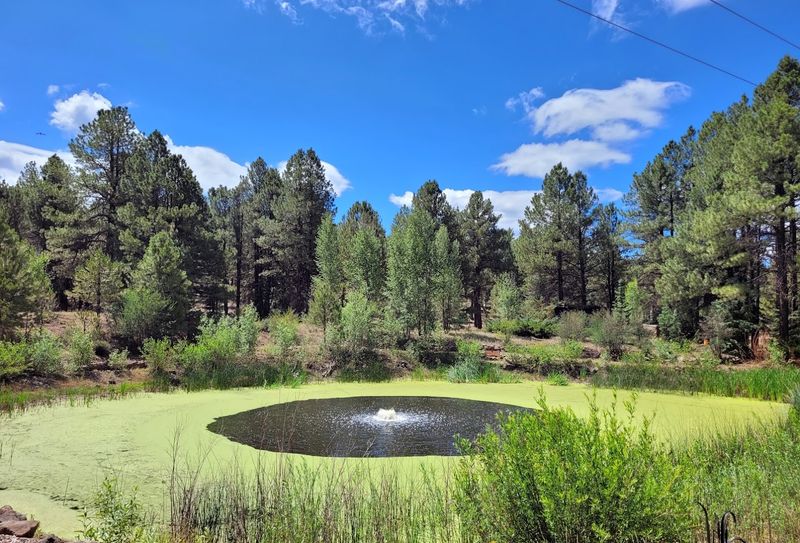
A botanical garden at this elevation in the middle of a national forest is going to attract wildlife, and the Arboretum at Flagstaff delivers on that front in the most delightful ways.
During my visit, I spotted hummingbirds darting between flowers with their characteristic impatience, songbirds calling from the pine canopy overhead, and a fat squirrel that had clearly made peace with human presence long ago.
The garden is also home to lizards, chipmunks, raptors, and various butterfly species that drift lazily through the warmer sections of the property.
One of the most ecologically significant residents is the Little Colorado spinedace, an endangered fish that lives in the Willow Pond alongside rare willow species. Knowing that a critically endangered species exists quietly in a small pond you can walk right up to is a surprisingly moving experience.
Daily naturalist walks and scheduled raptor shows give visitors a more structured way to learn about the wildlife they are sharing the garden with. These programs are especially well-suited for families with curious kids who want more than just a self-guided stroll through the plant collections.
Wildflower Season Is Something Else Entirely
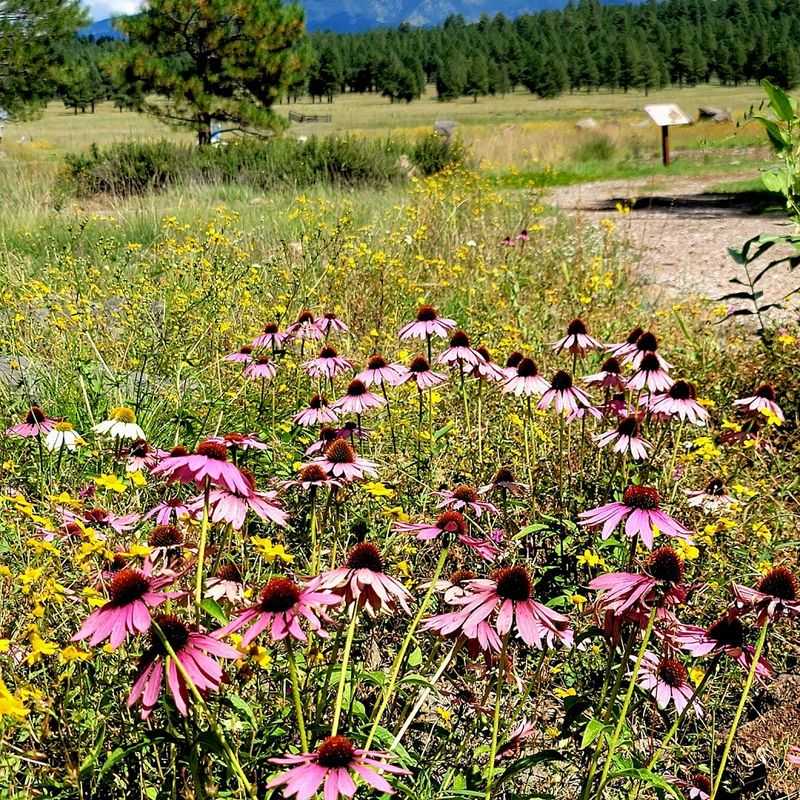
If there is one time of year that transforms the Arboretum at Flagstaff into something truly breathtaking, it is the wildflower bloom season running from June through August.
During those months, the garden fills with color in a way that feels almost excessive, as if the plants are competing to outdo each other before the short high-elevation growing season ends.
The Arboretum has an especially notable collection of the Penstemon genus, a group of flowering plants that produce tubular blooms in shades ranging from deep scarlet to soft lavender.
Penstemon thrives at elevation, and the garden’s regional collection is one of the most extensive you will find anywhere open to the public. Guided wildflower walks are offered during peak bloom, led by naturalists who can identify species and explain their ecological roles with genuine enthusiasm.
I visited in late July and the color was overwhelming in the best possible way. Every turn in the trail revealed something new blooming, and the combination of wildflowers, mountain air, and distant peaks made it feel like a completely different world from the desert lowlands just a few hours south.
Programs And Events That Keep Drawing People Back
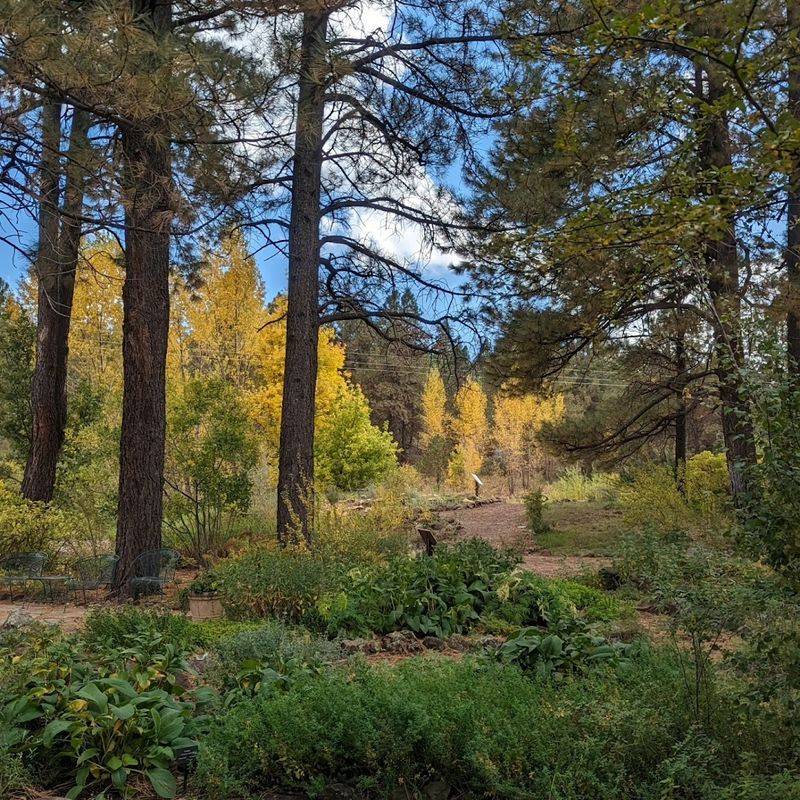
The Arboretum at Flagstaff is not just a place you visit once and consider done. Its calendar of events gives visitors a reason to return throughout the season, which runs from May 1st through October 27th, with the garden closed on Mondays and Tuesdays.
Regular programming includes daily naturalist walks, bird walks, guided garden tours, youth and adult plant classes, and a summer concert series that turns the garden into an outdoor venue with mountain views as the stage backdrop.
The Pumpkin Walk held in late October is a popular seasonal event that draws families looking for a more nature-centered autumn activity than a typical pumpkin patch offers.
Plant sales are another highlight, giving local gardeners the chance to take home high-elevation native species that are often impossible to find at standard nurseries. The gift shop also features work by local artists, which adds a community arts dimension to the botanical mission.
Checking the events calendar before your visit is worth the two minutes it takes, because the right program can completely shape how you experience the property.
Planning Your Visit The Smart Way
Getting to the Arboretum at Flagstaff requires a little planning, and that is actually part of what keeps it so wonderfully uncrowded. The garden is located at 4001 S Woody Mountain Road, Flagstaff, AZ 86001, about 3.8 miles south of Route 66.
The last 2.8 miles of the road are unpaved and can be rough, so a vehicle with decent clearance and reliable all-weather capability is genuinely recommended rather than just suggested. Admission fees apply for adults, youth, and leashed dogs, while children under five get in free.
An EBT discount is available for qualifying visitors, which reflects the Arboretum’s commitment to accessibility across income levels. Hours run from 9 AM to 4 PM, with last admission at 3:15 PM, so arriving early gives you the most time to explore without rushing.
Amenities on site include parking, restrooms, a gift shop, and picnic areas that encourage visitors to linger over a packed lunch with mountain views. A map of wheelchair-accessible areas is available at the Visitor Center for guests who need it, making the garden more welcoming than its rugged road might initially suggest.