
This Hidden Arizona Sanctuary Has Turned Into A Big Cat Refuge
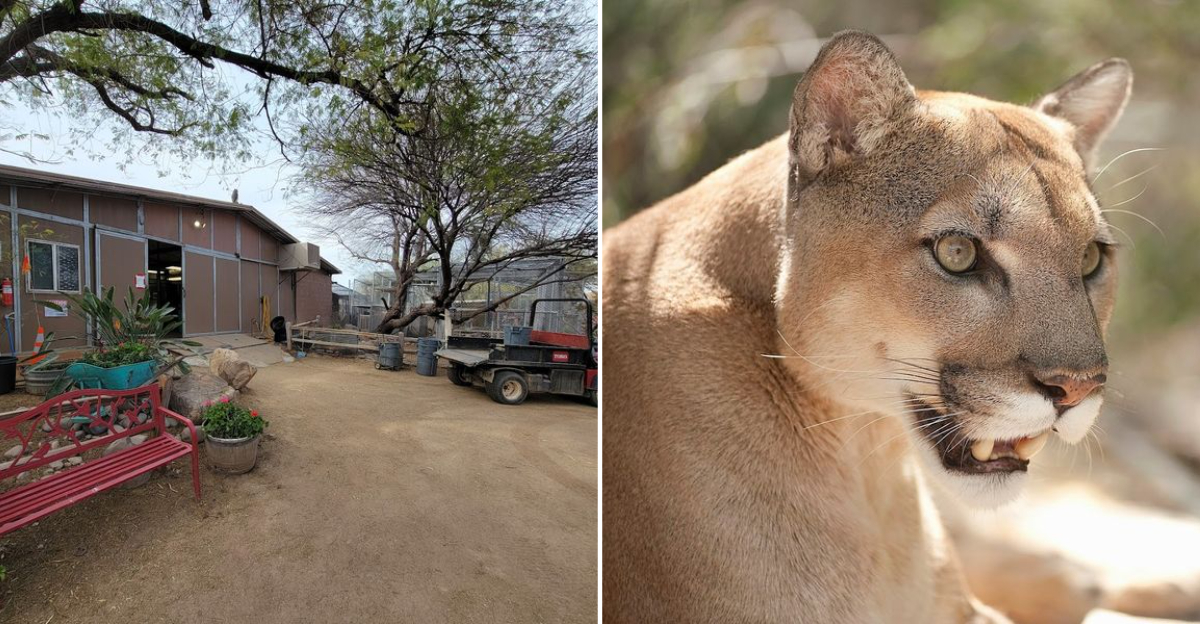
The first time I heard a lion yawn in the Arizona desert, I burst out laughing-the sound was somehow both majestic and ridiculous. This secret sanctuary in Arizona has been quietly transforming lives, and I’m not talking just about the animals.
Visitors arrive curious and leave changed, carrying stories of rescued tigers and rehabilitated cougars that they’ll tell for years. What makes this place special isn’t just its remote location or its mission to protect big cats-it’s the obvious love that pours into every aspect of the operation.
The sanctuary started small, driven by people who believed that every animal deserves a second chance, regardless of how it ended up in rescue. Today, it stands as proof that compassion can grow into something truly remarkable.
Founded in 1994, this privately funded nonprofit has quietly grown into one of the most remarkable wildlife rescue and sanctuary operations in the entire Southwest. I visited on a warm spring morning and left completely floored by what a small, dedicated team of people has built here.
The Origin Story Behind A Desert Sanctuary
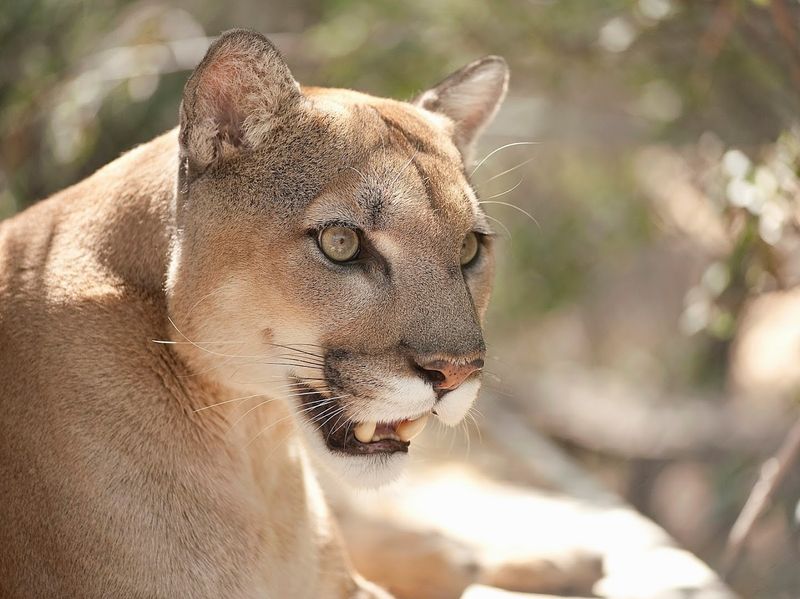
Back in 1994, a group of passionate wildlife advocates in Arizona decided that the state needed something it simply did not have: a place where injured, orphaned, and displaced native animals could be treated, rehabilitated, and either returned to the wild or given a permanent, dignified home.
That vision became the Southwest Wildlife Conservation Center, a privately funded nonprofit operating entirely without government subsidies for most of its programs.
What started as a modest rescue operation has grown into a full-scale sanctuary capable of housing apex predators, endangered species, and dozens of other native Arizona mammals.
The center does not buy, breed, sell, or trade any of its animals, which sets it apart from roadside attractions or commercial wildlife parks. Every animal here arrived because it needed help.
That founding philosophy still drives every decision the staff makes today, and you can feel it the moment you walk through the gate.
What Makes This Place Different From A Zoo
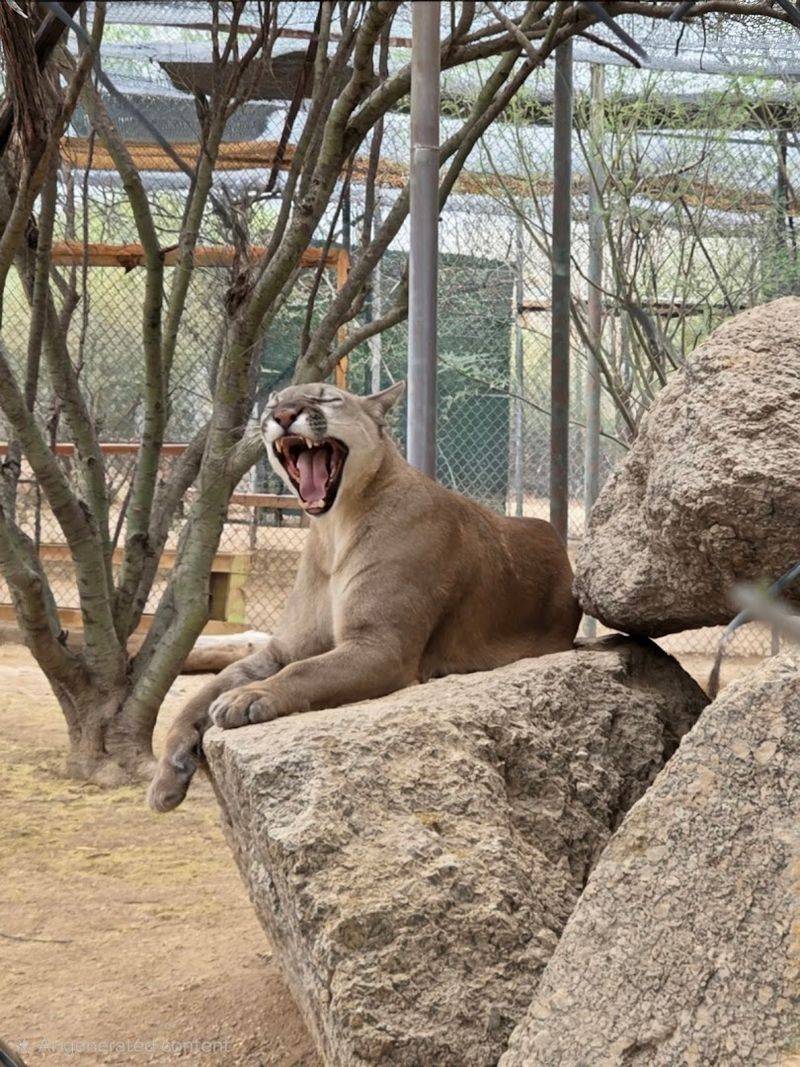
Walking around the Southwest Wildlife Conservation Center feels nothing like visiting a zoo. There are no gift shop queues, no cotton candy stands, and no animals performing tricks for crowds. What you get instead is something far more honest and quietly moving.
Every single resident here has a backstory. Some were hit by vehicles on Arizona highways. Others were kept illegally as pets and became too habituated to humans to survive on their own in the wild.
A few were simply orphaned as babies, found wandering alone with no chance of making it without intervention.
The enclosures are designed to mimic natural desert habitat as closely as possible, giving animals room to behave like themselves rather than like exhibits. Staff and volunteers clearly treat each animal as an individual with specific needs, history, and personality.
That personal attention gives the whole place a warmth that no commercial wildlife attraction I have ever visited has managed to replicate.
The Big Cats That Put This Sanctuary On The Map
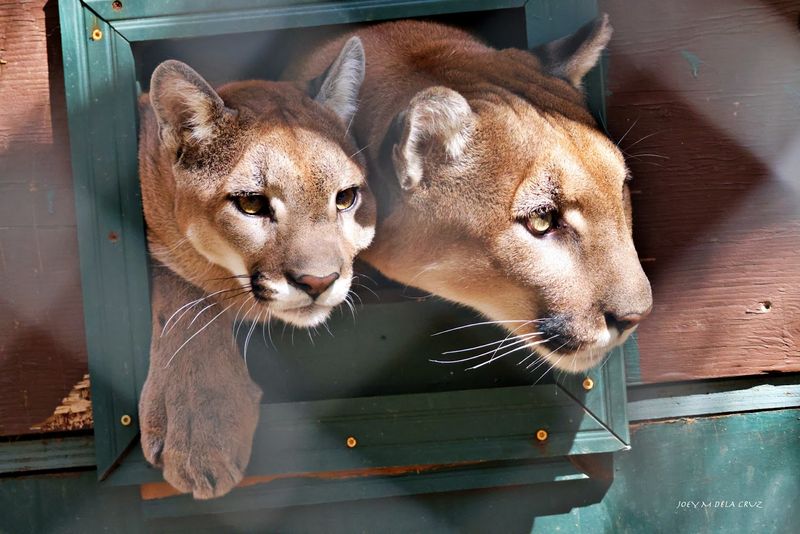
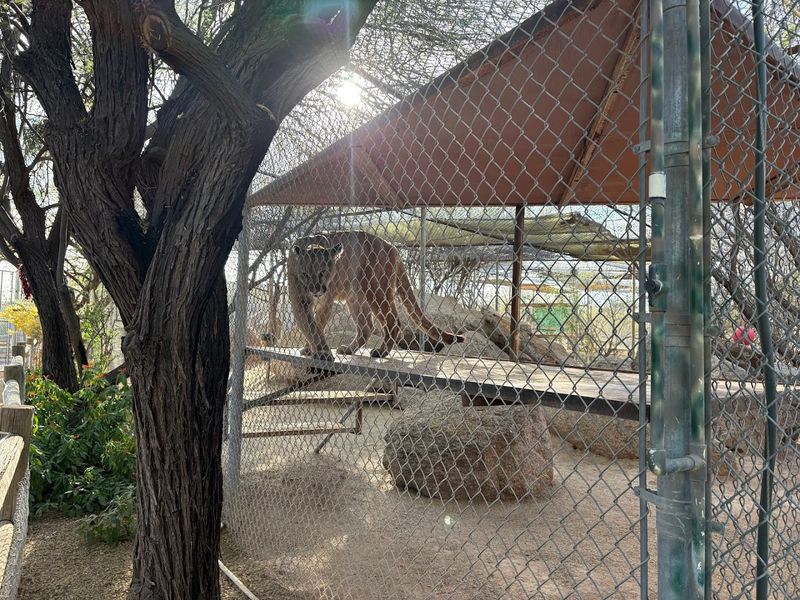
Mountain lions are not the kind of animal most people expect to encounter in a suburban corner of Scottsdale, yet here they are, padding quietly through spacious enclosures just off the desert trail. The Southwest Wildlife Conservation Center houses several mountain lions, each one a former rescue with a story that would genuinely surprise you.
Some arrived as tiny orphaned cubs after their mothers were struck by vehicles. Others were removed from situations where people had tried to raise them as pets, which is both illegal and deeply harmful to the animals.
By the time they arrived at the center, returning them to the wild was simply not a safe option.
Watching a full-grown mountain lion stretch out in the Arizona sun, completely unbothered by your presence at the fence line, is one of those travel experiences that stays with you.
The center treats these animals with enormous respect, and somehow that respect seems to radiate right back toward every visitor who shows up ready to pay attention.
The Mexican Gray Wolf And A Fight For Survival
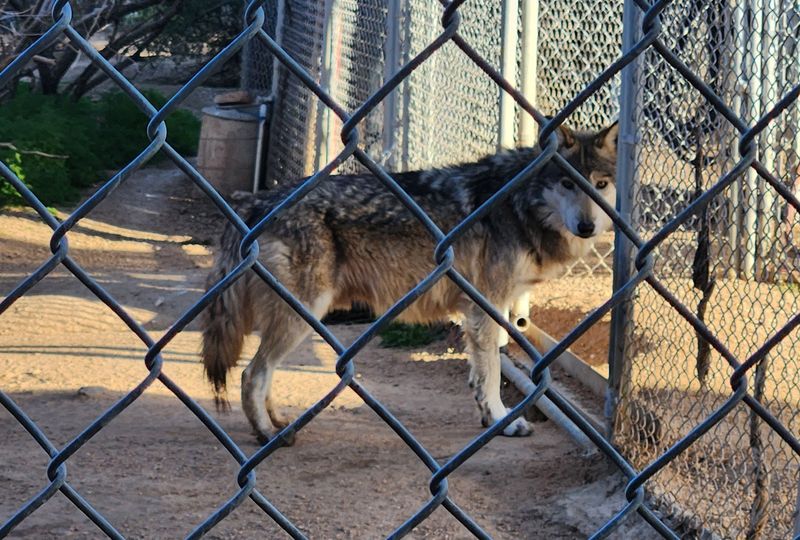
Few animals in the American Southwest carry as much conservation weight as the Mexican gray wolf, and the Southwest Wildlife Conservation Center is quietly playing a significant role in keeping this endangered species alive.
The center serves as an official holding facility for the Mexican Gray Wolf Species Survival Plan, partnering with the Saving Animals From Extinction program to support recovery efforts for one of North America’s most critically endangered predators.
What makes this especially remarkable is that the center covers all expenses for these wolves without receiving a single dollar of federal or state funding for them.
Standing near the wolf enclosure on my visit, I was struck by how alert and dignified these animals looked. They are not tame, and the center makes no attempt to make them appear otherwise.
Every choice made in their care is designed to preserve their wild instincts, keeping them ready for potential reintroduction efforts and supporting the long-term recovery of their species.
Black Bears And Bobcats In The Sonoran Desert
Arizona is bear country, and the Southwest Wildlife Conservation Center is the only sanctuary in the entire state capable of caring for large mammals like black bears. That distinction alone tells you a great deal about how specialized and essential this place really is.
The black bears at the center are typically animals that wandered into human-populated areas and could not safely be relocated. Once a bear loses its natural wariness of people, releasing it back into the wild creates real risks for both the animal and nearby communities.
The center gives these bears a safe, permanent home where they can live out their lives with dignity.
Bobcats are another regular resident, often arriving as orphaned kittens too young to survive alone. Watching a bobcat stalk a enrichment toy across its enclosure is genuinely thrilling, a reminder that even in a protected setting, wild instinct never fully disappears.
Coyotes round out the predator lineup, scrappy and sharp-eyed as ever.
The Onsite Veterinary Hospital Doing Quiet Miracles
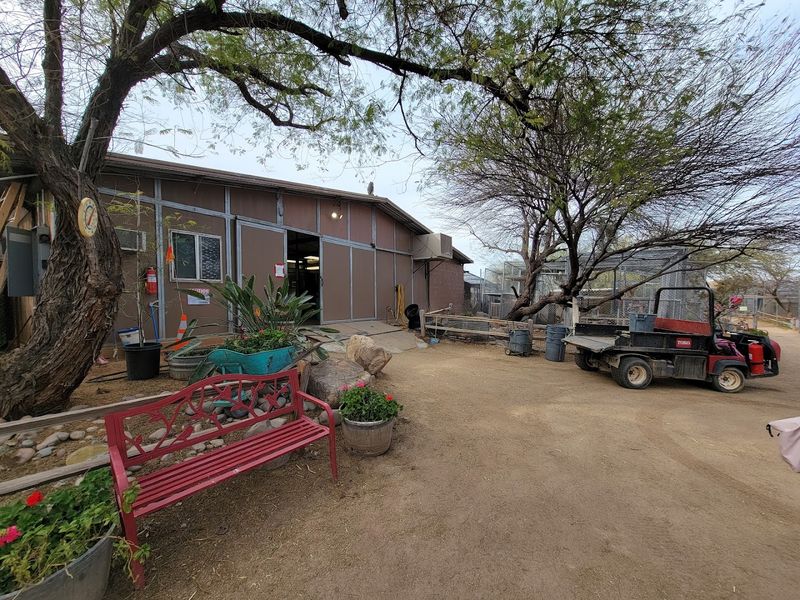
One of the most important and least visible parts of the Southwest Wildlife Conservation Center is its onsite veterinary hospital. Without this facility, much of what the center accomplishes simply would not be possible.
When injured wildlife arrives, whether a coyote clipped by a car on a desert highway or a bear cub found dehydrated and alone, the hospital team gets to work immediately.
The goal is always rehabilitation and release, and the center’s track record backs that up: more than 70 percent of animals brought to SWCC are successfully treated and returned to the wild.
That success rate is genuinely impressive for a nonprofit operating without government funding for most of its programs. It reflects both the skill of the veterinary staff and the center’s careful approach to animal care.
Hearing a staff member explain the rehabilitation process during my tour gave me a whole new appreciation for how much science, patience, and sheer dedication goes into every single recovery story this place produces.
Tours That Actually Connect You To The Animals
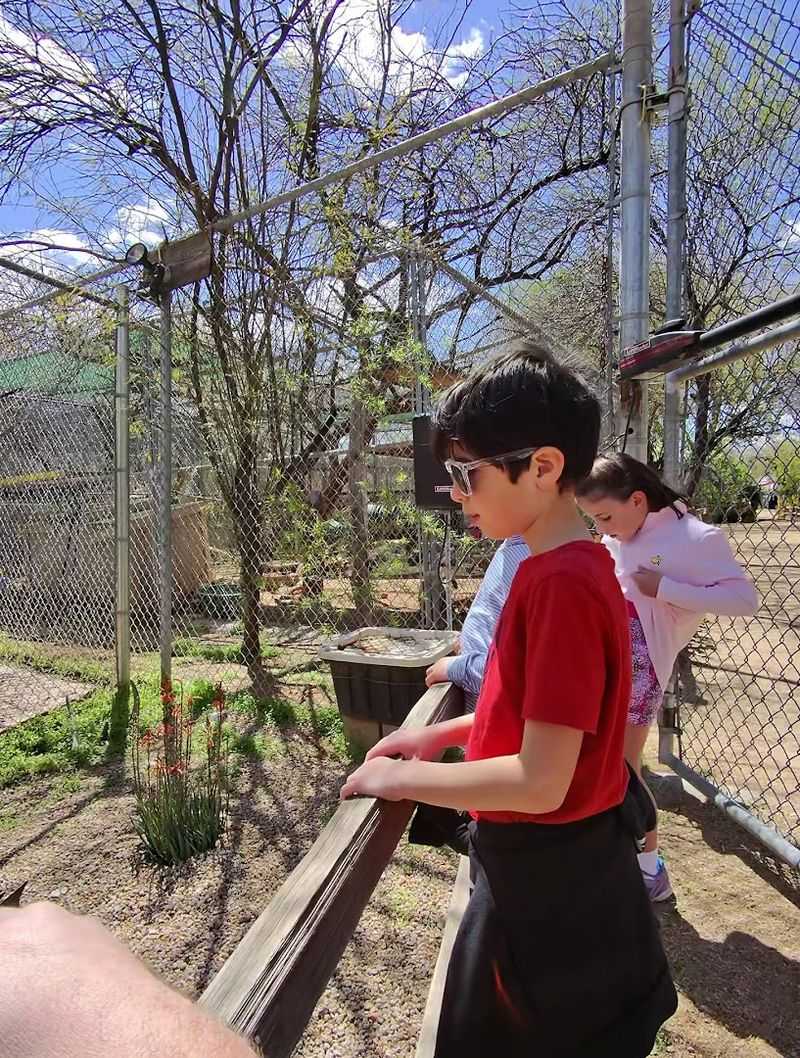
Visiting the Southwest Wildlife Conservation Center is not a drop-in kind of experience, and honestly, that is part of what makes it so special. Tours are offered by reservation, which keeps crowds small and the experience genuinely personal.
The Walk with Wildlife tour is the most popular option, giving visitors a guided look at the sanctuary’s residents along with detailed stories about each animal’s background and the rehabilitation work behind the scenes.
For something a little more atmospheric, Twilight Tours and Full Moon Tours offer a completely different perspective on the desert setting, with nocturnal animals often far more active in the cooler evening air.
I booked a morning tour and was consistently impressed by how knowledgeable and passionate the guide was, never rushing, always willing to linger at an enclosure if an animal was doing something interesting.
If you are planning a visit, reserve your spot well in advance because availability fills up faster than you might expect for a place this under the radar.
How To Support The Center And Plan Your Visit
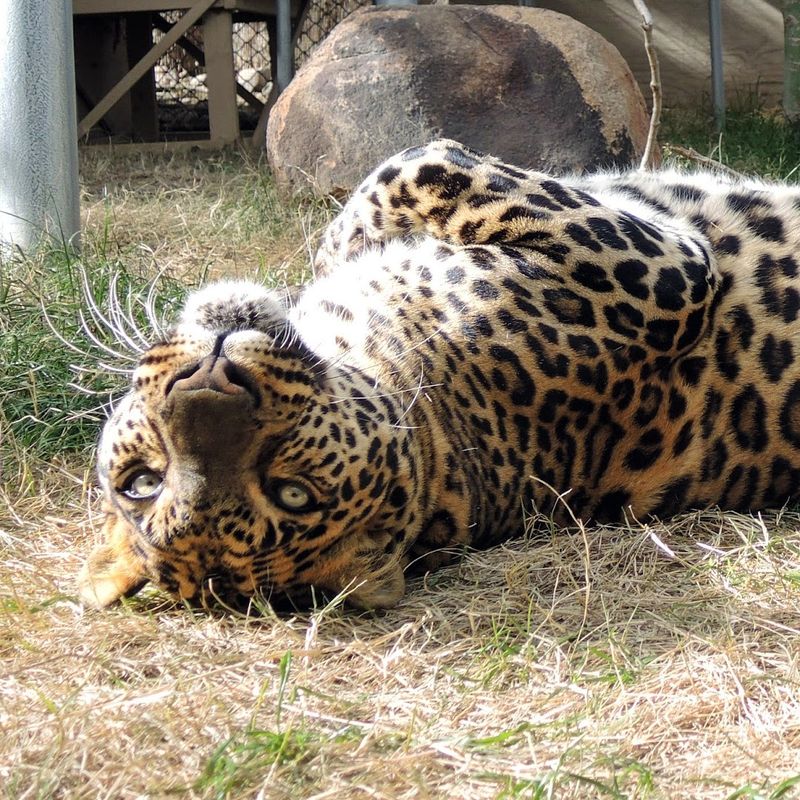
The Southwest Wildlife Conservation Center sits in Scottsdale, Arizona, and operates entirely on private donations, grants, and the support of volunteers and tour participants.
There is no state or federal budget line keeping this place running, which means every ticket purchase, donation, and shared social media post genuinely matters.
If you want to visit, head to the center’s website to book a tour in advance. Walk-ins are not available, and that reservation system exists to protect both the animals and the quality of your experience.
The center is located in the northern Scottsdale area, making it an easy addition to a broader Arizona trip that might also include the nearby McDowell Sonoran Preserve or a drive up to Sedona.
Beyond touring, the center welcomes volunteers, accepts wildlife surrender for injured native animals, and gratefully receives financial contributions that go directly toward animal care and facility upkeep.
Leaving the sanctuary that morning, I found myself already thinking about how to come back and bring people who needed to see this place for themselves.