
This Grand South Carolina Estate Was Designed By The Architect Behind The Washington Monument
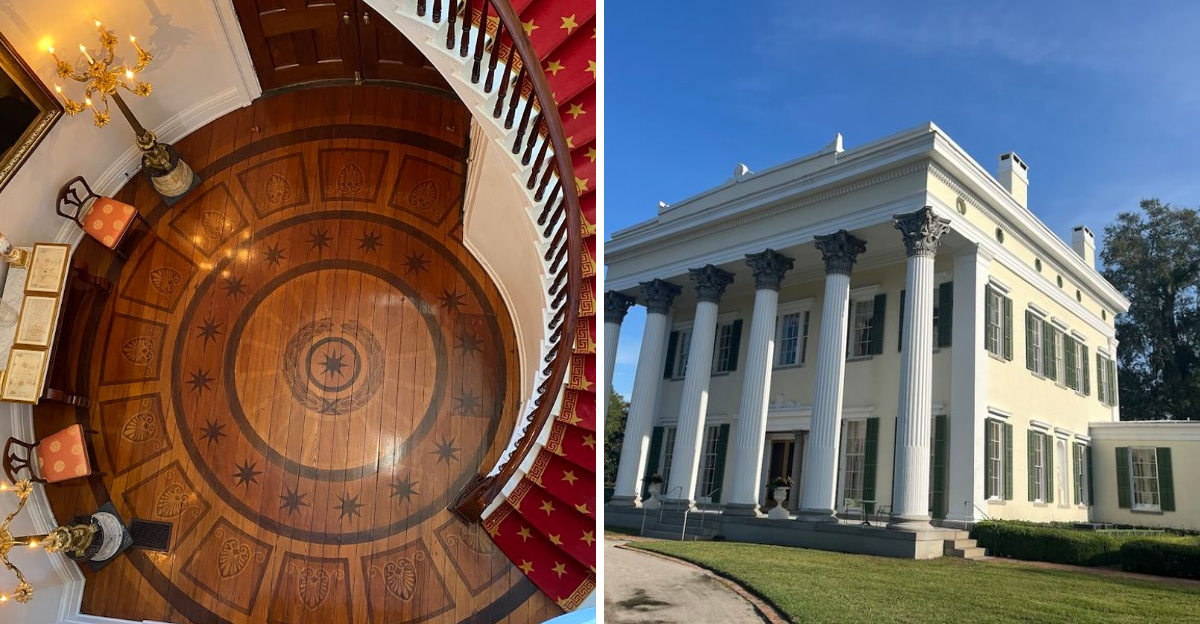
There are places in South Carolina that look beautiful… and then there are places that make you stop the car before you even get out.
The kind where the driveway alone feels like an entrance into another era, and the first glimpse of the house makes you question how something this grand is hidden in such a quiet part of the state.
This historic South Carolina estate feels more like a scene from a period film than a real place you can actually visit.
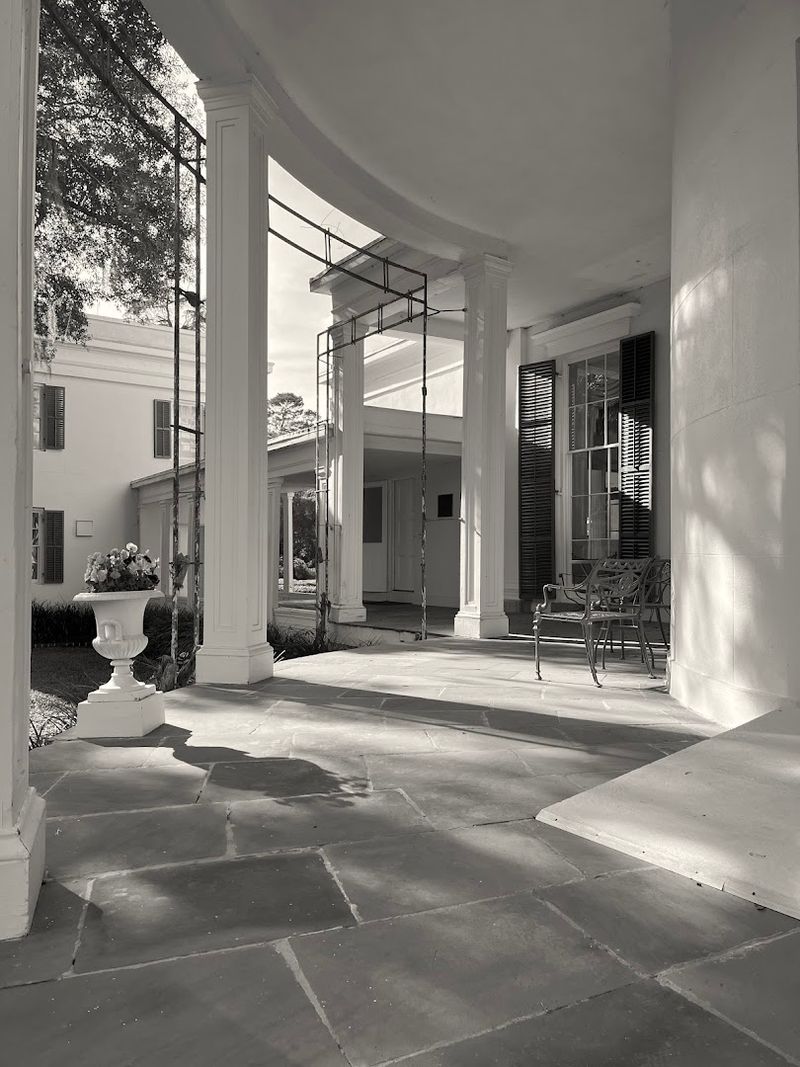
Columns rise high, symmetry is almost perfect, and every angle looks like it was designed to impress long before cameras ever existed.
But the real impact comes once you step inside.
The rooms feel preserved, not recreated.
The atmosphere feels still, almost untouched.
And the deeper you go, the more it starts to feel less like a tour and more like stepping into a story that never fully left.
That is what makes places like this stay with you.
The Architect Who Built Both Millford And The Washington Monument
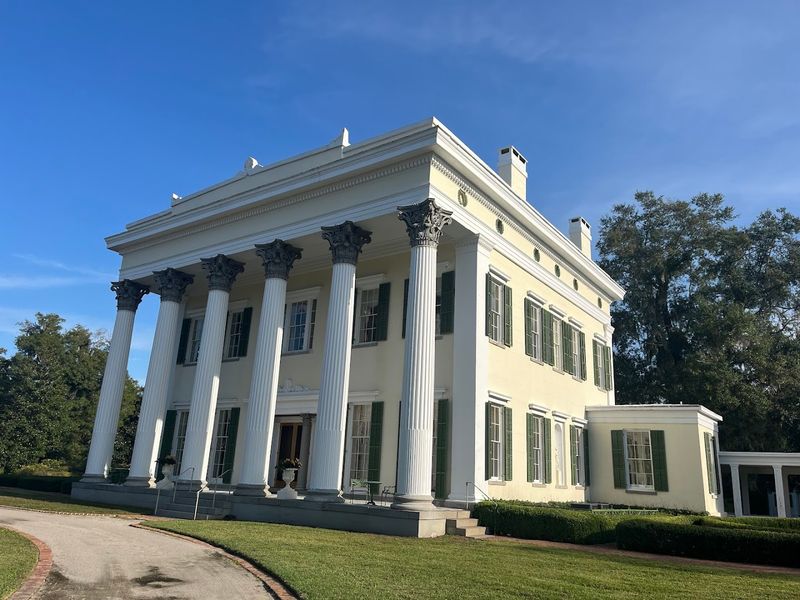
Not many buildings can claim a direct design connection to the Washington Monument, but Millford Plantation is one of them. The estate was designed by Nathaniel Potter, a Providence, Rhode Island architect who also contributed to the early design work of the Washington Monument in Washington, D.C.
Potter brought his deep knowledge of classical proportions and Greek Revival style to Millford, creating a structure that felt monumental yet livable. His design choices, from the towering Corinthian columns to the carefully balanced facade, showed a level of architectural ambition rarely seen in private Southern homes of that era.
One reviewer who visited Millford shared a personal connection, noting that Nathaniel Potter was their fifth or sixth great-grandfather, which shows just how deeply this architect’s legacy continues to ripple through American families and history. Standing before those columns, I felt the full weight of Potter’s remarkable dual legacy.
Finest Example Of Greek Revival Architecture In North America
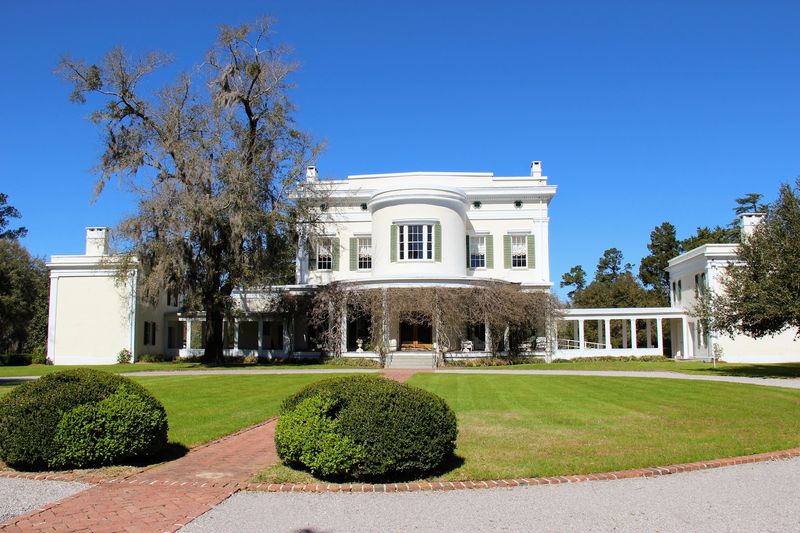
Bold columns, perfect symmetry, and a facade that practically demands a second look make Millford one of the most architecturally significant buildings on the continent. According to longtime visitors and architectural historians, Millford is widely regarded as the finest surviving example of Greek Revival architecture in all of North America.
That is not a small claim. Greek Revival was the dominant architectural style of early 19th-century America, and countless estates attempted to capture its grandeur, but few succeeded at the level Millford achieved.
The proportions feel almost otherworldly precise, and the craftsmanship throughout the structure reflects a standard that modern construction rarely matches.
Walking up the front approach and watching those massive columns rise above me was a genuinely humbling experience. One enthusiastic reviewer summed it up perfectly by calling it a house that was “built to be a head turner,” and after seeing it firsthand, I could not agree more.
A Remote Location That Makes The Arrival Even More Dramatic
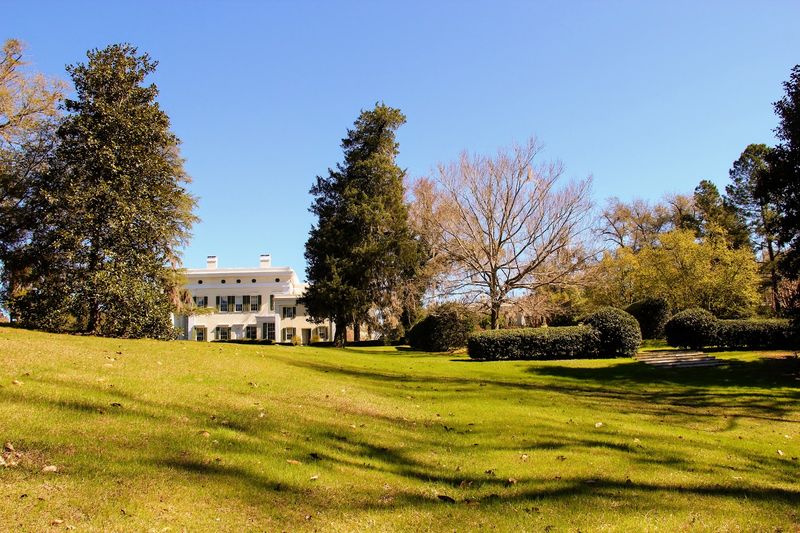
Getting to Millford is part of the adventure. The estate sits at 7320 Milford Plantation Rd, Pinewood, SC 29125, accessible via winding dirt roads that cut through the quiet sand hills of Sumter County, far from any major highway or tourist corridor.
Several visitors have described the journey as surprisingly dramatic, with the isolation building anticipation until the mansion suddenly appears through the trees like something out of a Southern novel. One reviewer described it as a “very cool adventure down some dirt roads in the middle of the sand hills,” and that description is spot on.
The remoteness of Millford actually works in its favor, preserving the estate from the noise and clutter of commercial development that has affected so many other historic sites. Arriving there feels earned, like the landscape itself is testing your commitment before rewarding you with one of the most striking architectural views in the American South.
Preserved And Protected By Classical American Homes Preservation Trust
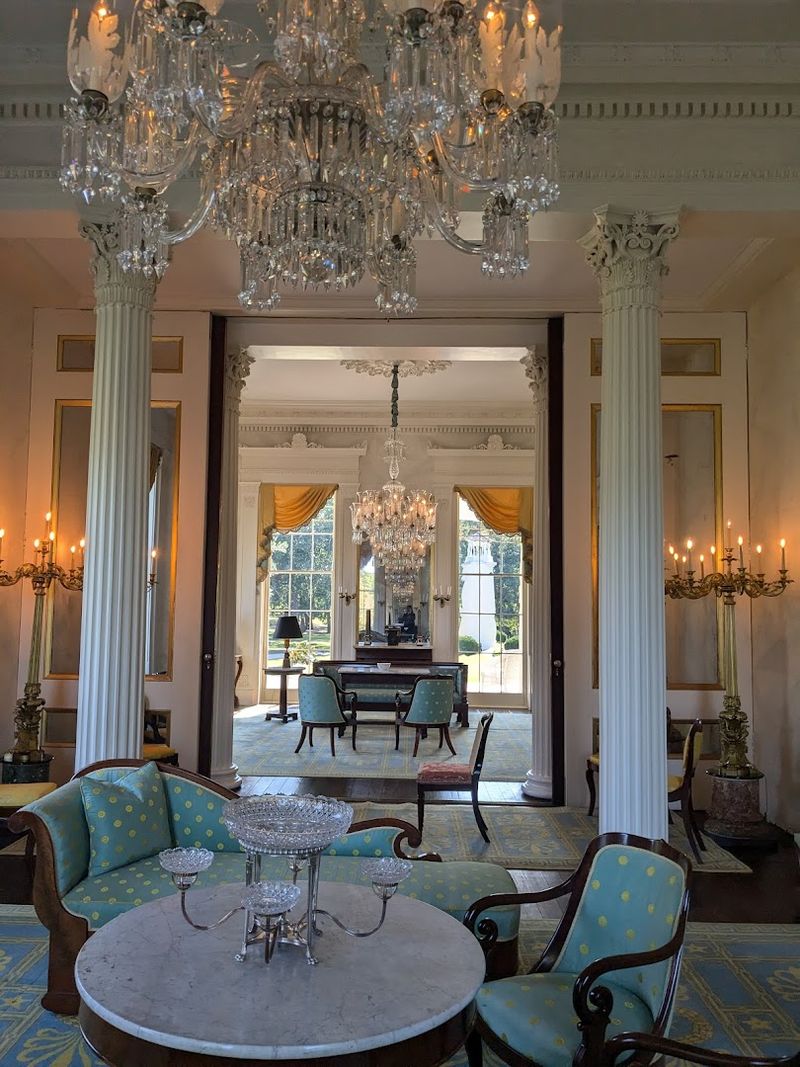
Millford owes its survival to a dedicated preservation organization rather than state or federal funding alone. The Classical American Homes Preservation Trust currently owns and manages the property, ensuring that the estate’s architecture, interiors, and grounds are maintained to the highest historical standards.
The Trust also manages several other significant American properties, including Ayr Mount in Hillsborough, North Carolina, Edgewater in Red Hook, New York, and the Roper House in Charleston, South Carolina. That portfolio signals a serious commitment to preserving the most important examples of American architectural heritage, and Millford clearly holds a place of honor among them.
Knowing that a focused preservation trust oversees Millford gave me real confidence that what I was seeing during my tour was as close to the original vision as possible. The attention to detail inside the house, from period-appropriate furnishings to carefully restored architectural elements, reflects exactly the kind of stewardship these rare buildings deserve.
Tours Are Limited And Require Advance Ticket Purchase
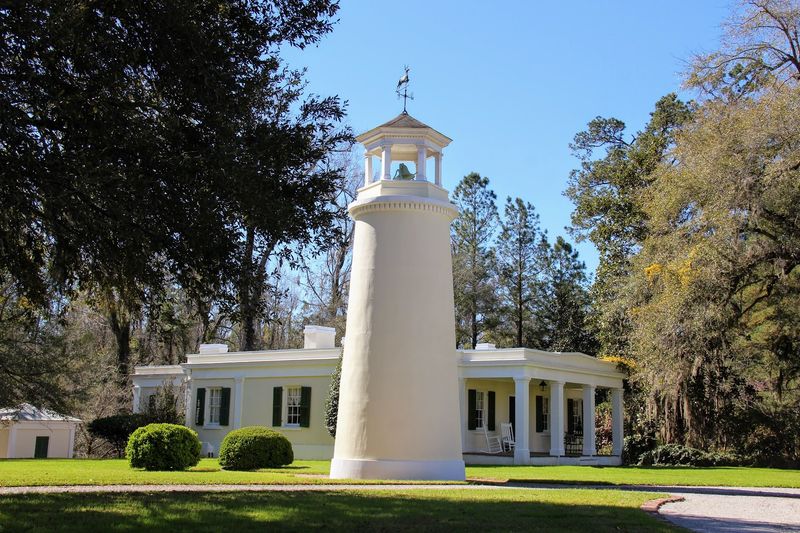
Millford is not the kind of place you stumble into on a Sunday afternoon drive. The estate operates on a very limited tour schedule, typically opening on the second Saturday of each month from October through June, and all guests must purchase tickets in advance online before arriving.
Tickets are priced at around twenty dollars per person, a reasonable investment considering the quality and depth of the experience. The tours are guided and cover the main rooms of the house along with the surrounding grounds, giving visitors a thorough look at both the architecture and the history of plantation life in 19th-century South Carolina.
Planning ahead is absolutely essential here. Several visitors have shown up unannounced only to find the gates closed, which is a frustrating experience that is entirely avoidable.
I booked my ticket through the Classical American Homes website well in advance, and the whole process was straightforward and worth every step of the preparation.
The Interiors Reflect The Wealthy Excess Of 19th-Century South Carolina
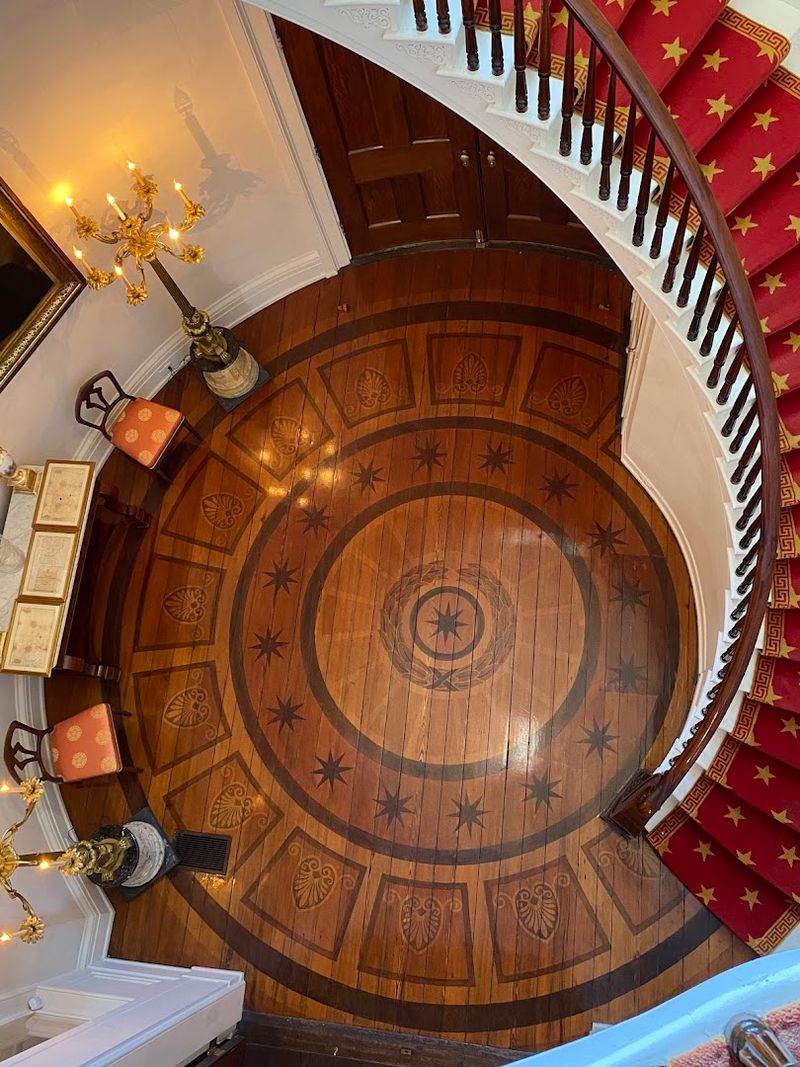
Stepping inside Millford feels like entering a world where no expense was spared and no decorative detail was considered too extravagant. The interiors reflect the extraordinary wealth of the South Carolina planter class during the antebellum period, with high ceilings, elaborate plasterwork, and furnishings that speak to both European influence and Southern ambition.
One reviewer described the experience as “a great look into the history of wealthy excesses in 18th and 19th century SC,” and that framing captures something important about what Millford represents. The house is not just beautiful.
It is a physical record of a particular social and economic system that shaped the entire American South.
What struck me most was how well the interior has been maintained. The rooms feel lived-in rather than sterile, and the furnishings help visitors imagine the daily rhythms of plantation life in a way that bare walls and empty floors simply cannot.
Every corner offers something worth studying.
The Grounds Are As Impressive As The House Itself
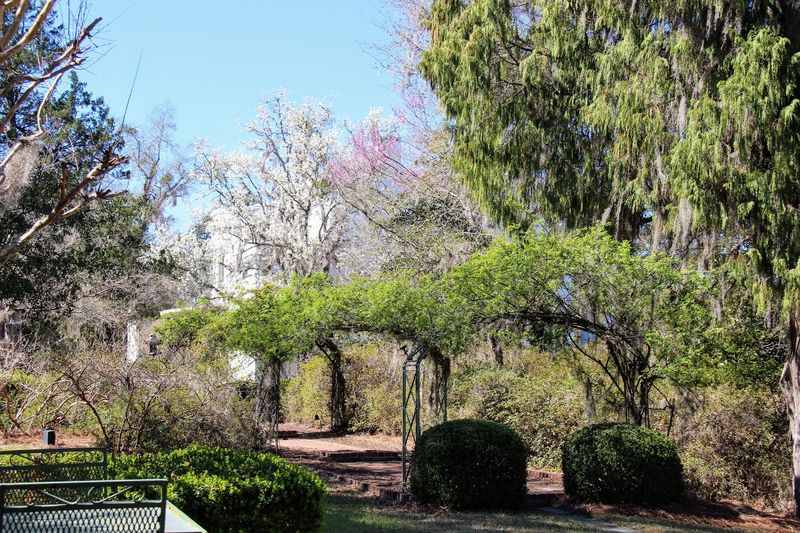
Any visitor who arrives focused only on the architecture of the house will be pleasantly surprised by what surrounds it. The grounds at Millford are beautifully maintained, with mature trees, open lawns, and a landscape that frames the mansion in a way that feels almost theatrical.
Multiple reviewers have specifically called out the grounds as a highlight of the visit, with comments like “the grounds are absolutely beautiful” appearing across several independent reviews. The natural setting in the South Carolina sand hills adds an unexpected texture to the landscape, making it feel distinct from the moss-draped lowcountry plantations that many visitors might expect.
During my visit, I spent a good stretch of time simply walking the grounds and absorbing the scale of the property before the formal tour even began. There is something genuinely calming about the open space around Millford, and the combination of natural landscape and architectural grandeur creates a setting that photographs cannot fully capture.
A Connection To Wall Street And American Financial History
Millford’s story is not confined to the fields and rooms of a rural South Carolina estate. One fascinating detail that came up during my tour was that the current ownership circle includes individuals with deep connections to Wall Street, and some visitors on group tours have reportedly known the owner personally through their professional careers in finance.
That connection between old Southern wealth and modern American financial power is an interesting thread running through Millford’s history. The original plantation was built by a man of considerable means, and the fact that it eventually landed in the hands of a preservation-minded individual with a Wall Street background adds a layer of contemporary narrative to a very old story.
This kind of ownership history is rarely discussed openly on plantation tours, which made hearing about it feel like a genuine insider moment. Millford rewards curious visitors who ask questions and engage with their guides, because the story goes much deeper than the architecture alone suggests.
Photography Restrictions That Protect The Interior’s Integrity
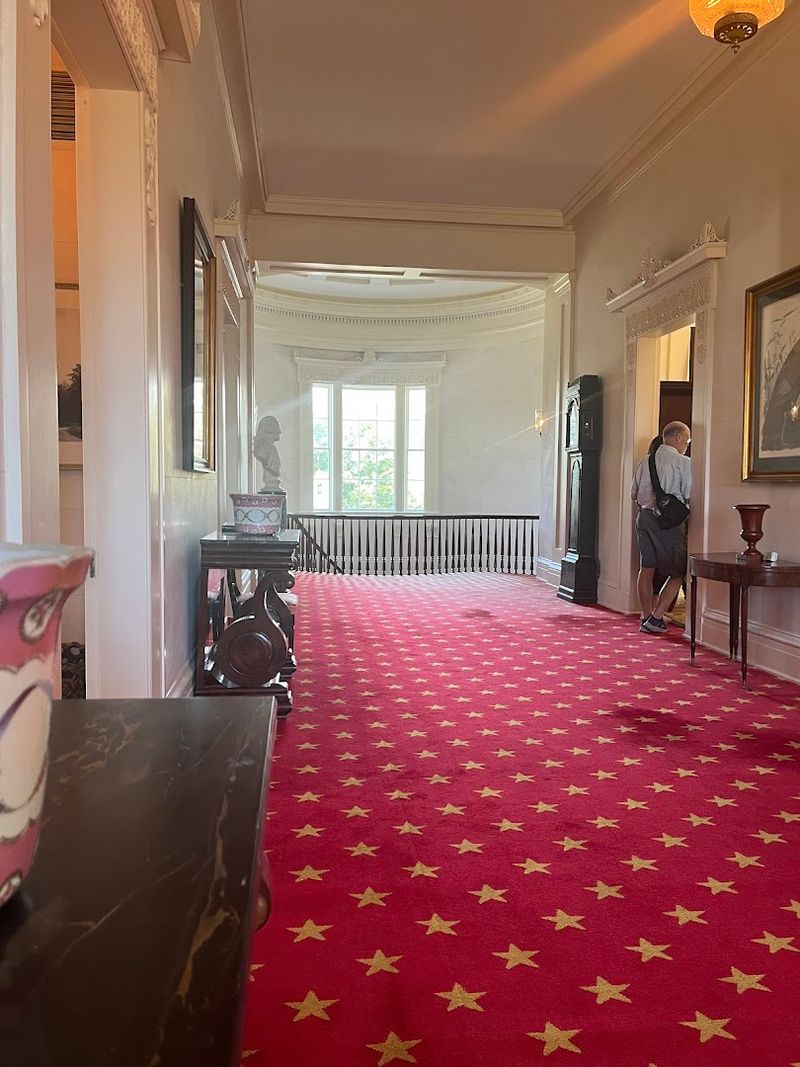
One aspect of visiting Millford that surprises first-time guests is the strict no-photography policy inside the house. Even cameras without flash are not permitted in the interior spaces, a rule that has drawn mixed reactions from visitors but reflects a deliberate choice by the preservation trust.
The reasoning behind this policy likely relates to protecting light-sensitive materials, original textiles, and painted surfaces from cumulative exposure damage, as well as maintaining the focused, immersive atmosphere of the guided tour experience. Some visitors have found this restriction frustrating, particularly those who traveled significant distances specifically to document the architecture.
My honest take is that the no-photography rule actually forced me to pay closer attention to what I was seeing rather than filtering everything through a camera lens. The details I noticed and stored in memory during that tour feel more vivid than most photographs I have taken at other historic sites.
Sometimes the restriction becomes its own kind of gift.
What To Know Before Planning Your Visit To Millford

Planning a trip to Millford requires more preparation than a typical historic site visit, but the effort pays off in a big way. Tours run on a limited schedule, generally on the second Saturday of each month between October and June, so checking the Classical American Homes Preservation Trust website well in advance is the single most important step you can take.
Tickets must be purchased online before arrival, with pricing around twenty dollars per person at the time of most recent reviews. The estate sits in a genuinely rural area of Sumter County, so building extra drive time into your schedule is smart, especially if you are navigating unpaved roads for the first time.
Wear comfortable shoes suitable for both indoor and outdoor walking, bring water, and arrive ready to engage with your guide because the tours at Millford are conversational and reward curious visitors. The combination of remote setting, world-class architecture, and deep American history makes this one of the most rewarding day trips in the entire state of South Carolina.