
This Scenic 113-Mile Florida Drive Feels Better Than Meditation
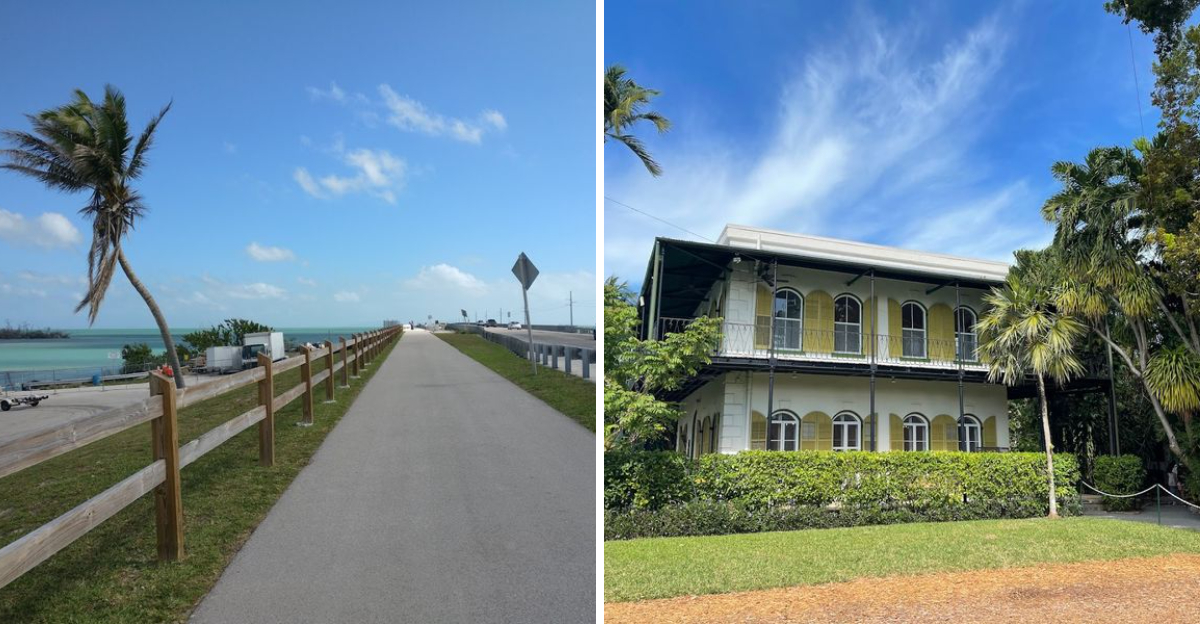
There are drives you take to reach a destination… and then there are roads like this where the journey becomes the entire reason you’re there.
The kind where the mainland fades behind you, the horizon opens up, and suddenly you are surrounded by water in every direction with nothing but sky and road ahead.
This Florida highway turns a simple drive into something people remember for years.
Mile after mile, the scenery keeps shifting just enough to hold your attention.
Bridges rise over open ocean, islands appear and disappear, and the water changes shades of blue depending on the light.
Nothing feels rushed out here.
You slow down without thinking, roll the windows down, and let the breeze do the rest.
It is peaceful, a little surreal, and just adventurous enough to make every stretch of road feel worth it.
And by the time you reach the end, it never really feels like you’re done.
The Route That Rewires Your Brain
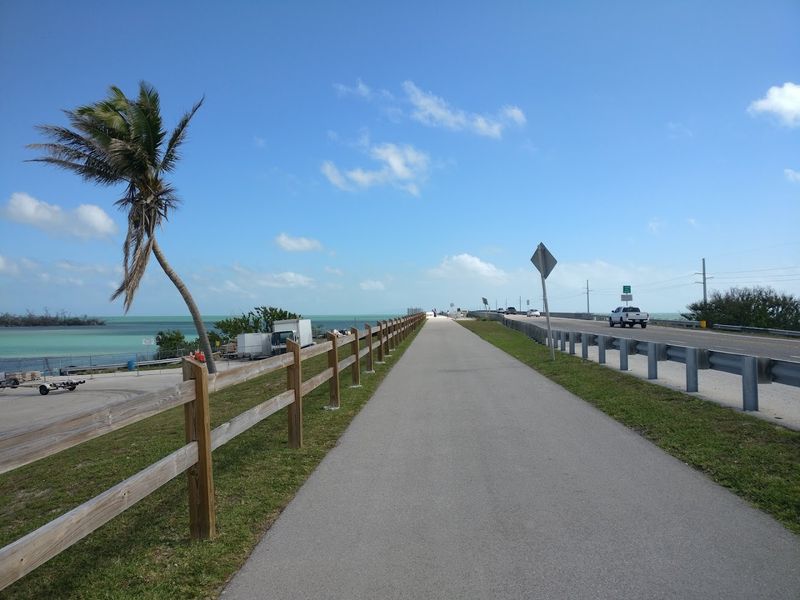
There is something almost meditative about driving a road where water replaces land on every horizon, and the Florida Keys Scenic Highway delivers that feeling for 113 straight miles.
Starting near Key Largo at 96000 Overseas Hwy, Key Largo, FL 33037, the route follows US-1 south through a chain of coral islands that feel more Caribbean than continental United States.
Scientists have shown that being near open water lowers cortisol levels, and this highway puts you next to it for hours at a time.
The Atlantic Ocean sits on your left heading south, while the Gulf of Mexico shimmers on your right, giving you two completely different shades of blue at once.
Drivers often report feeling a mental reset by the time they reach Marathon, long before they even arrive in Key West.
Few roads in America can honestly claim to change your mood just by existing, but this one earns that title every single day.
Seven Mile Bridge: Engineering Meets Awe
Crossing the Seven Mile Bridge is the kind of moment that makes passengers put their phones down and actually look up.
Built in 1982 and running between Marathon and Little Duck Key, this bridge is one of the longest segmental bridges in the world, and driving it feels like floating above the ocean.
On a clear day, you can see for miles in every direction, with no land in sight and nothing but open water surrounding the road beneath your tires.
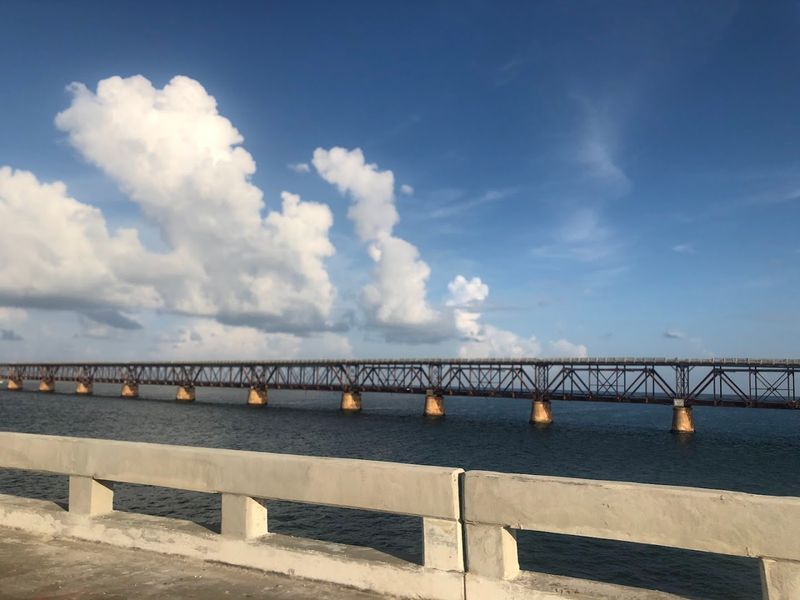
Right beside the modern bridge, you can spot the original Old Seven Mile Bridge, completed in 1912 as part of Henry Flagler’s Overseas Railroad, which was later converted into a highway after a powerful hurricane in 1935.
Fishermen line the old bridge on weekends, casting lines into water that glows green and blue depending on the light.
Crossing it once is enough to understand why people plan entire road trips just to feel this particular stretch of pavement under their wheels.
Dolphin Sightings That Happen Without Warning
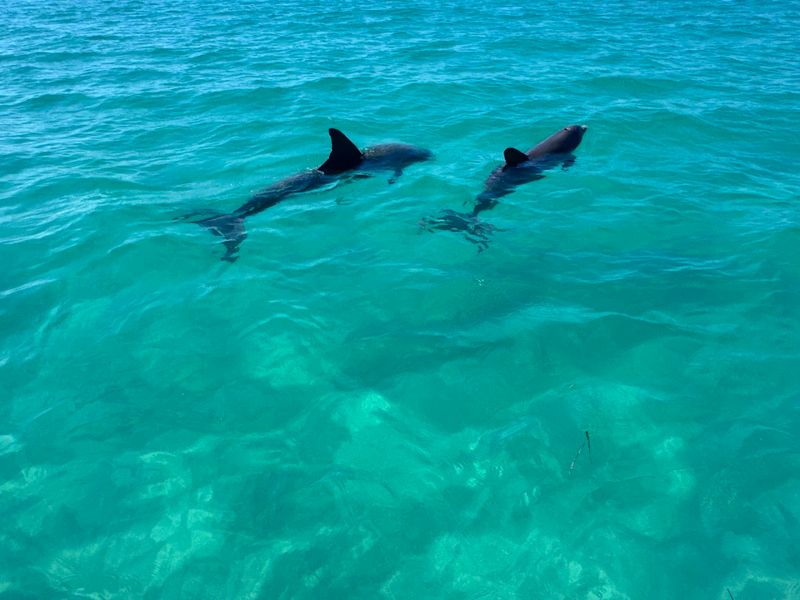
Nobody warns you the first time a dolphin breaks the surface right next to your car, and that surprise is exactly what makes the Florida Keys Scenic Highway so unforgettable.
Bottlenose dolphins are common residents of the shallow flats and channels that run beneath the highway’s many bridges, and patient drivers often spot them playing in the wake of passing boats.
Pulling into one of the many designated roadside stops gives you a chance to scan the water from a higher vantage point, which makes spotting fins much easier.
The waters around Islamorada and the channels near Big Pine Key are especially productive for wildlife watching, with manatees and sea turtles also making appearances throughout the year.
No aquarium ticket required, no tour boat needed, just a pair of eyes and a willingness to park for a few minutes.
Florida wildlife has a funny habit of showing up exactly when you stop rushing, and this highway seems to know that better than anywhere else.
Sunsets That Make You Forget Your Name
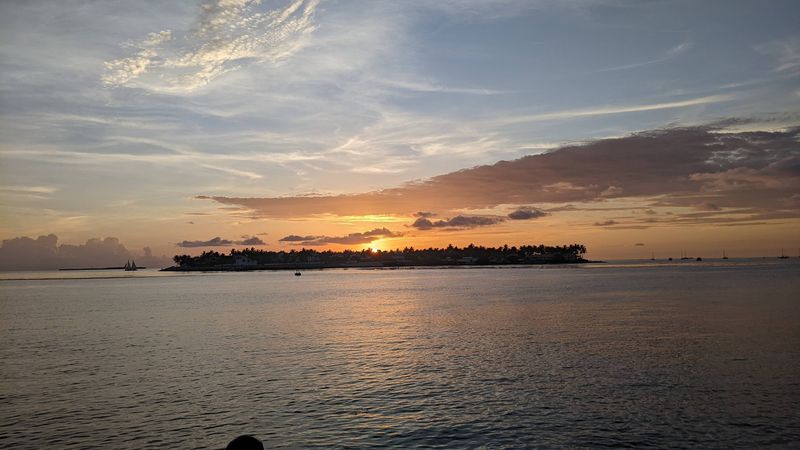
Buttonwood sunsets along the Florida Keys Scenic Highway have earned a near-legendary reputation among travelers who have seen them firsthand.
As the sun drops toward the Gulf of Mexico side of the highway, the sky turns through shades of orange, coral, and deep pink in a way that feels almost theatrical.
Pulling over at one of the many small waterfront areas near Islamorada or Marathon around golden hour rewards you with a front-row seat to a show that no photographer can fully capture.
One reviewer described the experience simply as something that never gets old, and after standing at the water’s edge watching the light change, it is hard to argue with that assessment.
The reflection of the colors on the still Gulf water doubles the effect, making the world look like it has been dipped in something warm and glowing.
Bring a camera, but also give yourself a moment to just stand there and let the sky do its thing without a screen in front of your face.
Key Largo: The Gateway That Sets The Tone
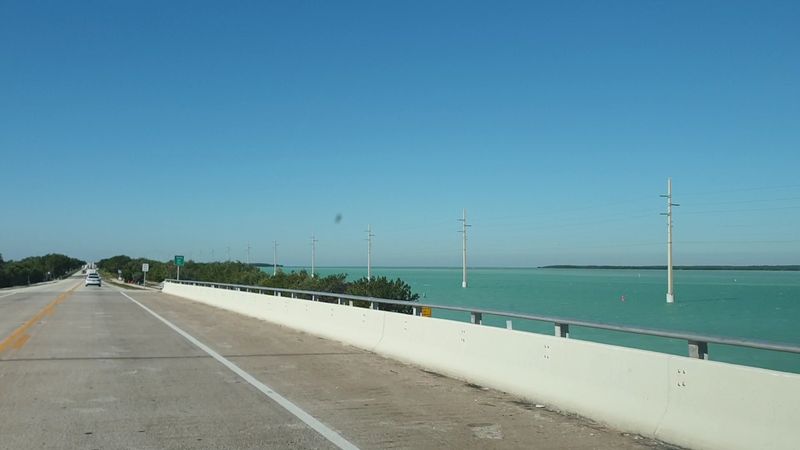
The moment you cross Jewish Creek Bridge and officially enter Key Largo, the energy of the drive shifts in a way that is hard to put into words but easy to feel.
Key Largo is the largest island in the Florida Keys and serves as the northern entrance to the Overseas Highway, sitting about 60 miles south of Miami along US-1.
John Pennekamp Coral Reef State Park, located just off the highway here, protects the only living coral reef in the continental United States and draws snorkelers and divers from around the world.
The town itself has a relaxed, unhurried personality, with waterfront restaurants, small bait shops, and dive charter boats lining the roadside in a way that feels genuinely local rather than manufactured for tourists.
One experienced reviewer suggested arriving by 10 a.m. on weekends to avoid the slowdown near the Jewish Creek Bridge caused by boaters gathering at nearby sandbars.
Starting your drive here with a solid breakfast and a full tank of fuel sets exactly the right tone for everything that comes next.
Islamorada: The Sport Fishing Capital Of The World
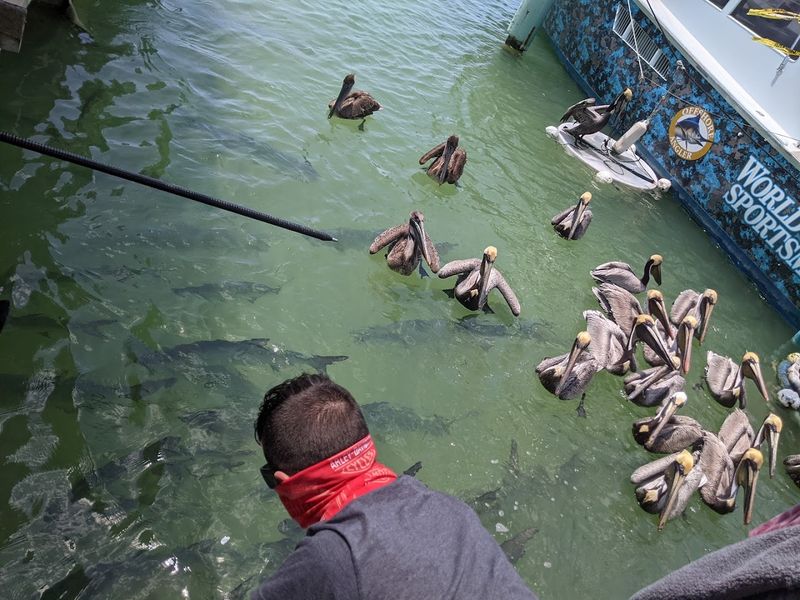
Islamorada carries an official title that most towns can only dream about, and the stretch of Overseas Highway running through it backs that claim up completely.
Known globally as the Sport Fishing Capital of the World, this collection of islands sits roughly 75 miles north of Key West and offers some of the most productive saltwater fishing on the planet.
The highway here runs along a narrow strip of land with Florida Bay on one side and the Atlantic on the other, and the roadside is dotted with fish houses, charter captains, and tackle shops that have been operating for generations.
Robbie’s of Islamorada, a beloved local landmark just off US-1, lets visitors hand-feed schools of giant tarpon from a wooden dock, which is one of those rare experiences that feels completely wild even though it happens just feet from the road.
The food scene here is equally strong, with fresh-caught seafood available at casual spots that prioritize flavor over atmosphere.
Islamorada rewards slow travelers who stop often and rush travelers equally, because the views from the highway alone are worth the miles.
Stargazing On A Highway With Almost No Light Pollution
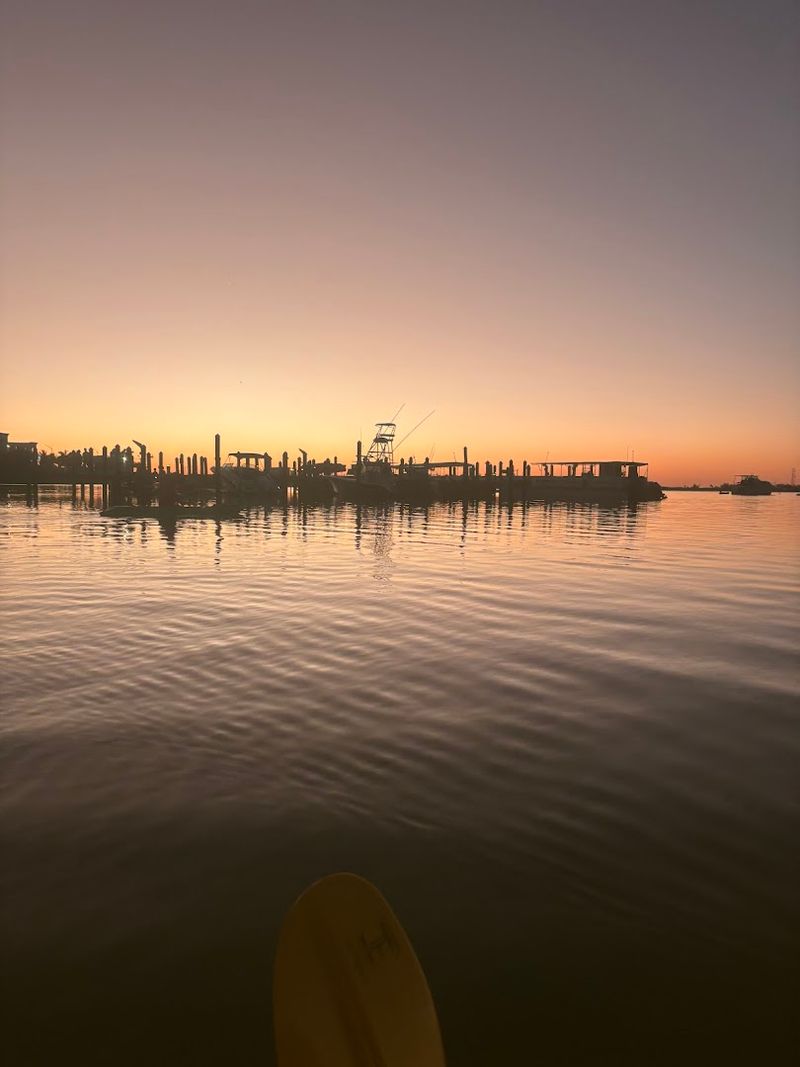
After the sun goes down on the Florida Keys Scenic Highway, a completely different kind of beauty takes over, and most drivers never even think to look up.
The relative lack of major urban development along much of the 113-mile route means that light pollution drops significantly once you move past Key Largo, making the night sky surprisingly clear and star-filled.
One reviewer who described himself as an astronomy enthusiast specifically called out the sky after sunset as something worth staying for, encouraging fellow travelers to pull over and look up at the stars.
The highway is well lit in the areas near towns and bridges, which makes nighttime driving safe, but the darker stretches between communities are where the sky really opens up.
Marathon and the area around Big Pine Key offer some of the clearest views, especially on nights when the moon is new and the Milky Way becomes faintly visible overhead.
Keeping a blanket in the car and finding a quiet pullout after dark turns a routine drive into something that feels genuinely rare.
Big Pine Key And The Tiny Deer You Did Not Expect
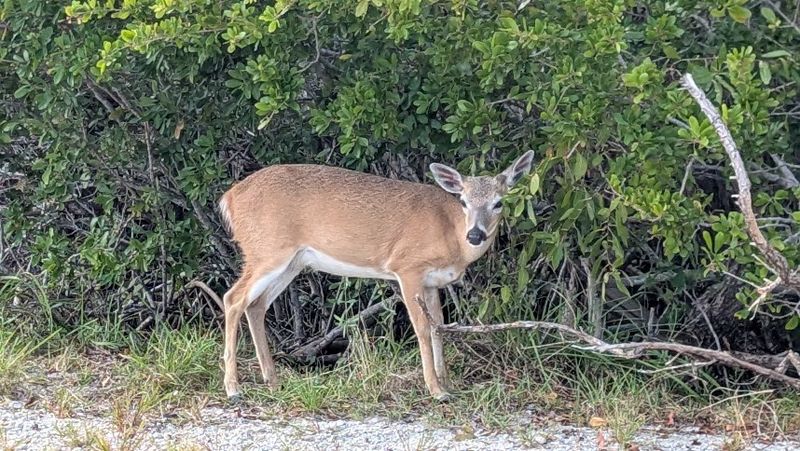
Somewhere around mile marker 33, the highway passes through Big Pine Key, and that is where you might suddenly slam on your brakes because a deer the size of a large dog just walked across the road.
Key deer are a miniature subspecies of white-tailed deer found only in the lower Florida Keys, and Big Pine Key is their primary stronghold and protected habitat.
The National Key Deer Refuge covers a large portion of the island and is accessible right off US-1, offering walking trails and observation areas where spotting these tiny animals is remarkably easy, especially in the early morning and late afternoon.
Speed limits drop significantly through this area, and signs remind drivers to watch for deer crossing the road, which they do with complete confidence and zero concern for traffic.
Standing next to one of these animals puts their scale into perspective in a way that photos simply cannot prepare you for.
Big Pine Key is proof that the Overseas Highway is not just about water views but also about the wild, unexpected characters living along its edges.
The Old Bridges That Tell A Bigger Story
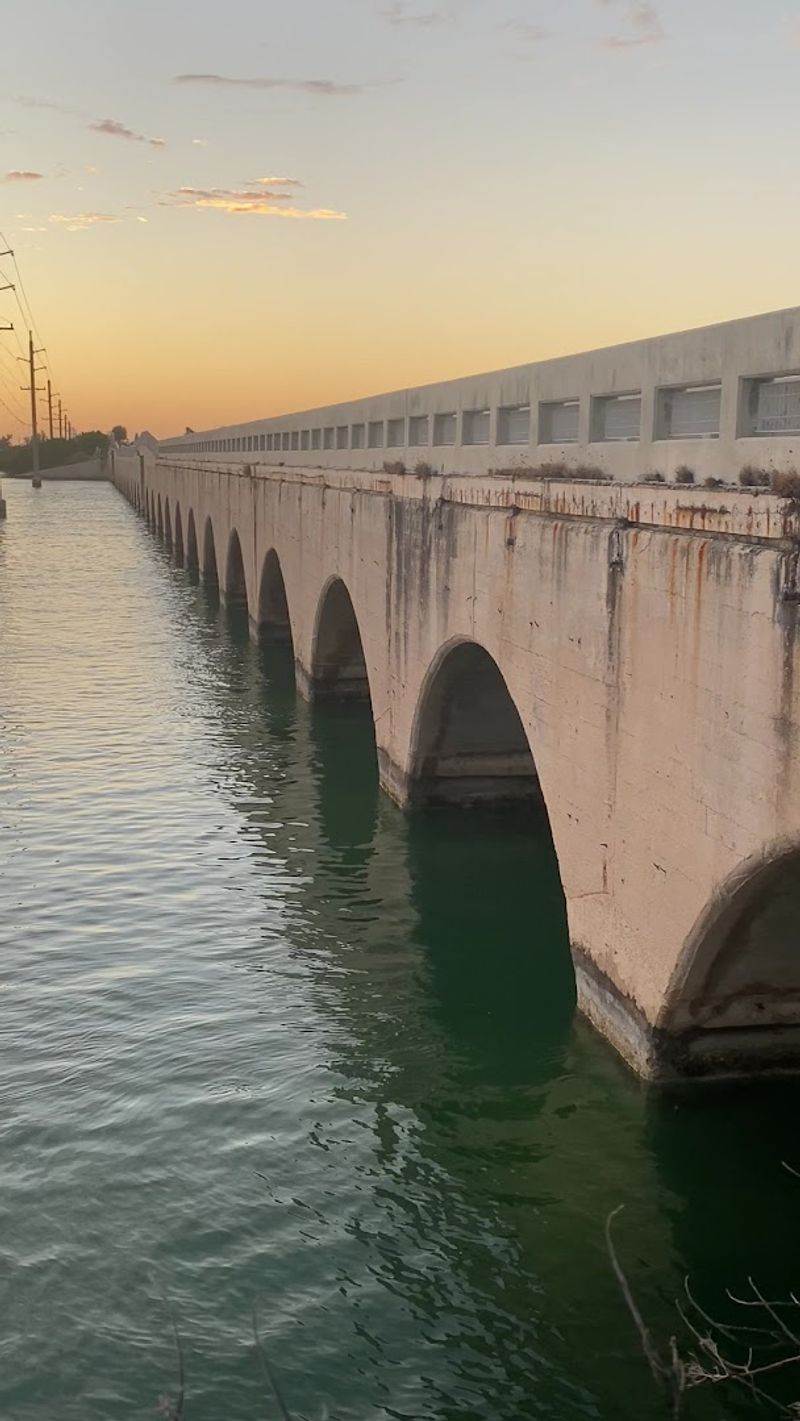
Running parallel to the modern Overseas Highway in several places are the ghostly remains of the original Florida East Coast Railway bridges, and they tell a story that is both impressive and humbling.
Henry Flagler, the oil tycoon and railroad pioneer, completed his Overseas Railroad in 1912, connecting Miami to Key West across 128 miles of open water using a series of bridges and causeways that many engineers called impossible.
A catastrophic hurricane in 1935 destroyed much of the railroad, and the remaining infrastructure was converted into the highway that drivers use today, making the Overseas Highway literally built on the bones of one of America’s most ambitious engineering projects.
Several of the old bridge sections now serve as fishing piers, including the iconic old Seven Mile Bridge near Marathon, which stretches out into the water and draws anglers every day of the week.
Walking onto one of these old structures gives you a direct physical connection to a chapter of Florida history that most textbooks barely mention.
The past and present exist side by side on this highway in a way that makes every bridge crossing feel layered with meaning.
Key West: The Reward At The End Of The Road
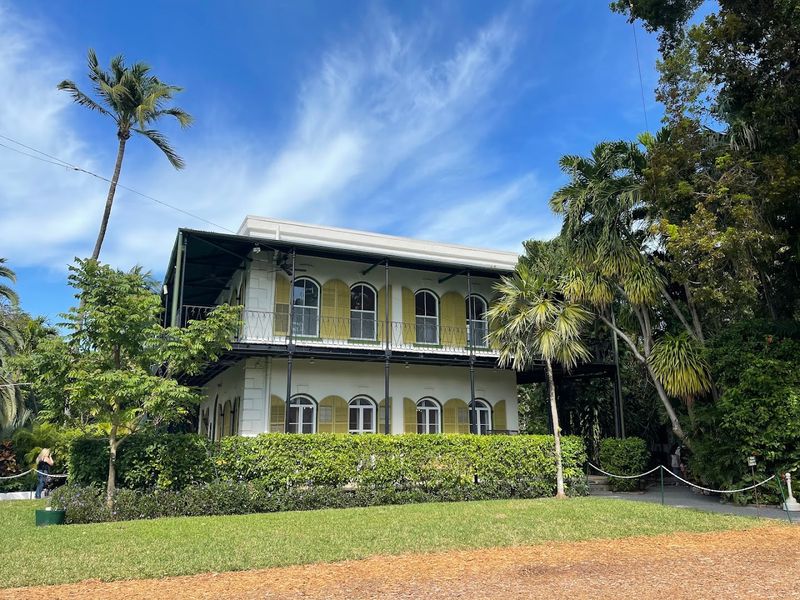
After 113 miles of water, bridges, wildlife, and wide-open sky, arriving in Key West feels like a reward that the drive itself has been building toward the entire time.
Key West sits at the southernmost point of the continental United States, and the famous Southernmost Point Buoy marker at the corner of South and Whitehead Streets is one of the most photographed spots in all of Florida.
Ernest Hemingway’s home at 907 Whitehead Street is open for tours and remains one of the most visited literary landmarks in the country, complete with a population of six-toed cats that roam the property freely.
Mallory Square, located at the western waterfront, hosts a nightly sunset celebration where street performers, artists, and crowds gather to watch the sun drop into the Gulf, turning the event into a full community ritual.
The city’s historic Old Town district is compact and walkable, with pastel-painted houses, bougainvillea spilling over fences, and a pace of life that seems to operate on its own relaxed schedule.
Key West does not just mark the end of the road; it makes you want to turn around and do the whole drive all over again from the other direction.