
These Historic Maine Stone Bridges Are Worth Adding To Your Bucket List
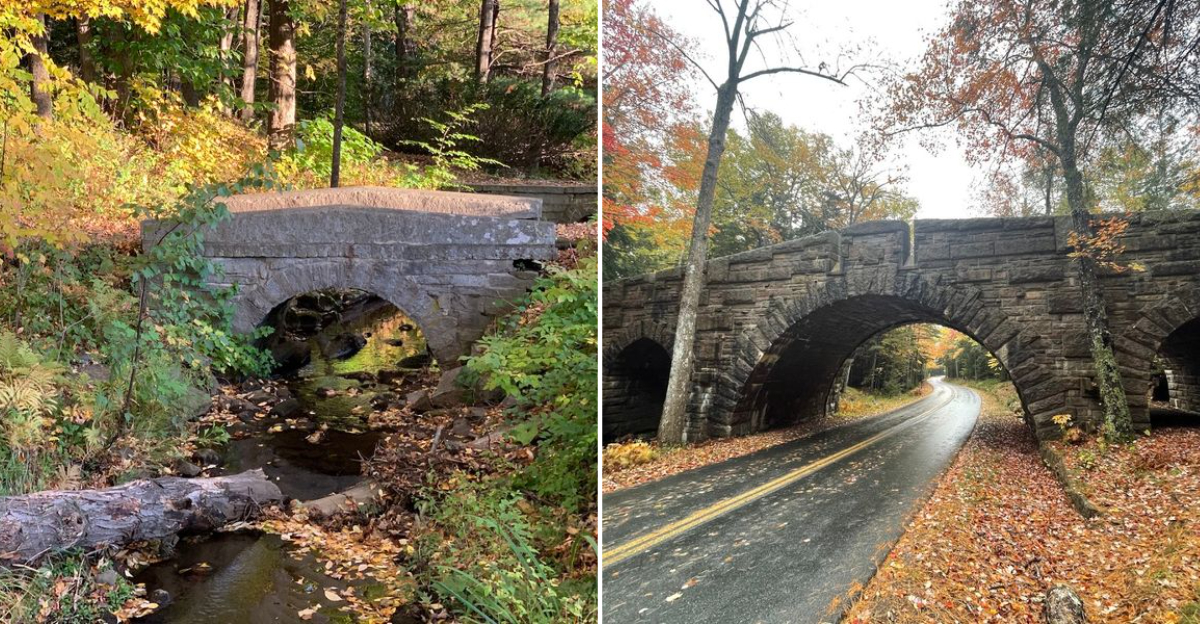
Maine has a quiet way of surprising you. You think you’re just taking a drive through Acadia National Park or wandering a small New England town, and then you round a corner and find yourself face-to-face with a stone bridge so beautifully built that you stop and stare.
These aren’t just bridges that get you from one side of a stream to the other. They’re pieces of living history, each one crafted with care by skilled workers decades or even a century ago, and each one sitting in a landscape so stunning it feels almost unreal.
I’ve put together a list of nine historic Maine stone bridges that genuinely belong on your travel bucket list, complete with what makes each one worth the trip.
1. Cobblestone Bridge, Seal Harbor
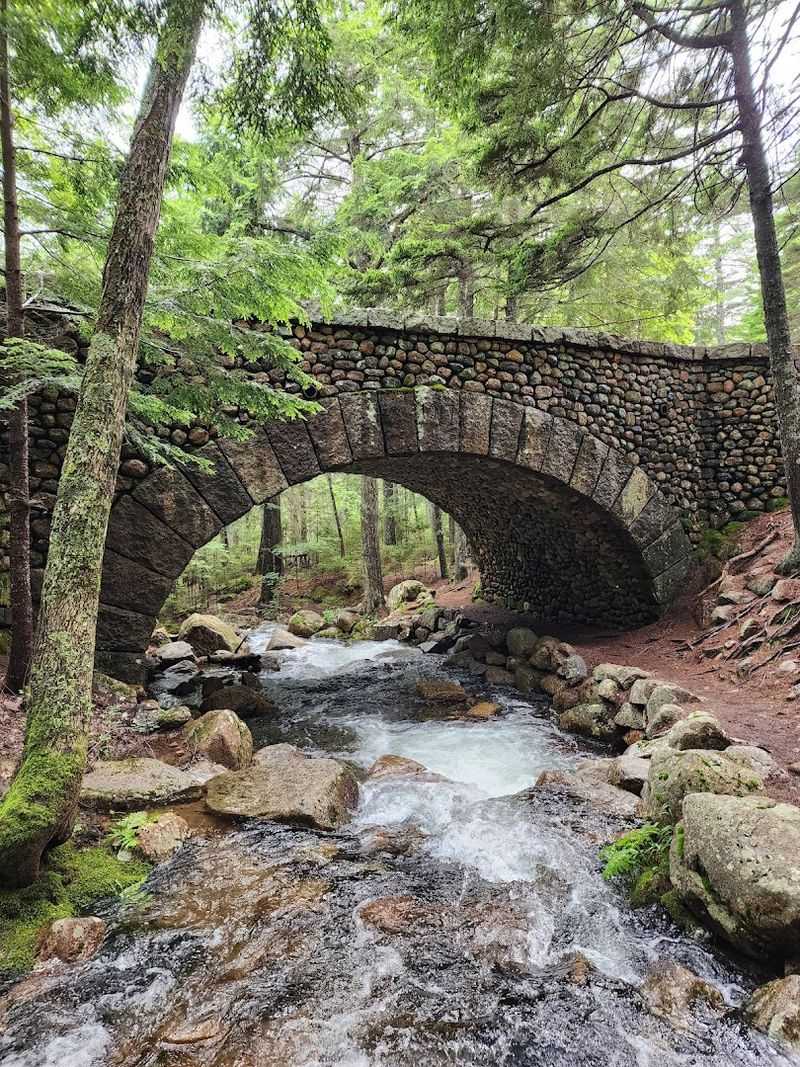
Few bridges in Maine carry quite the same old-world charm as the Cobblestone Bridge in Seal Harbor.
Built during the early 20th century as part of John D. Rockefeller Jr.’s famous carriage road network in Acadia National Park, this bridge was designed to blend seamlessly into the surrounding forest landscape.
The attention to detail is genuinely impressive.
Every stone was carefully chosen and placed by hand, giving the bridge a texture and character that modern construction simply can’t replicate.
The cobblestone surface feels almost European, like something you’d expect to find in a countryside village rather than coastal Maine. When the light filters through the trees and catches the mossy stones, the whole scene looks like a painting.
Seal Harbor is a small, peaceful community on the southeastern side of Mount Desert Island, and the bridge sits within easy reach of several popular carriage road trails.
You can reach it by foot, bicycle, or even horse-drawn carriage. Plan to visit in late September or early October when the surrounding foliage turns gold and red, because the combination of autumn color and ancient stone is absolutely breathtaking.
Bring a camera and plenty of time to simply sit and soak it in.
2. Jordan Pond Dam Stone Bridge, Seal Harbor
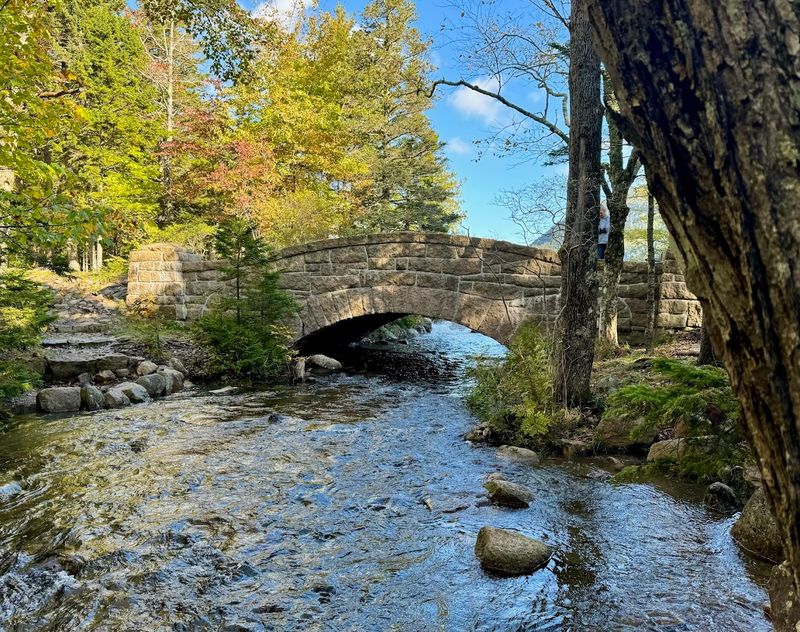
The Jordan Pond Dam Stone Bridge is one of those spots that rewards the curious traveler who goes just a little bit further down the trail.
Most visitors to Seal Harbor stop at Jordan Pond House for popovers and a view of the Bubbles mountains, and that’s a perfectly good reason to visit. But the stone bridge near the dam is a quieter, more intimate experience worth tracking down.
Built as part of the same Rockefeller-funded carriage road system that shaped so much of Acadia’s infrastructure, this stone-faced reinforced-concrete bridge reflects a level of craftsmanship that was considered exceptional even by early 20th-century standards.
Its granite facing is fitted with remarkable care, and the arch design channels water gracefully beneath the roadway above.
Jordan Pond itself is one of the clearest natural ponds in the entire state of Maine, so the reflections you’ll see from near this bridge are genuinely spectacular. The water picks up the surrounding spruce trees and the open sky, creating a mirror-like surface that photographers absolutely love.
Early morning visits tend to offer the calmest water and the best light. The trail around Jordan Pond is about three miles long and passes close to the bridge, making it an easy addition to a full day of exploring Mount Desert Island.
3. Deer Brook Bridge, Mt Desert
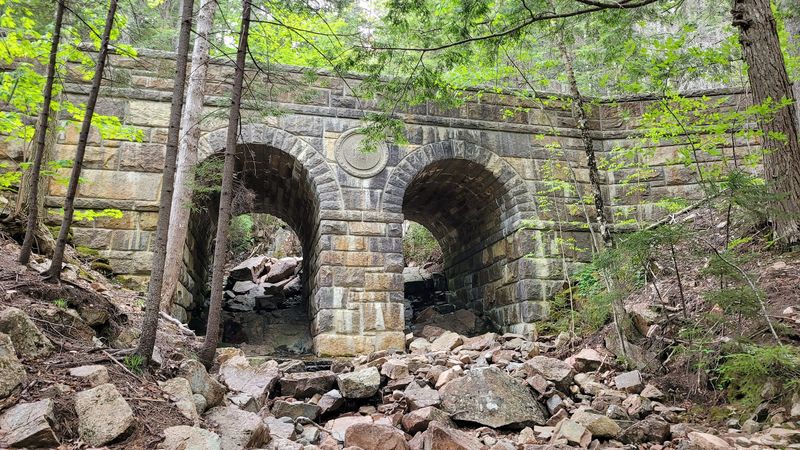
Deer Brook Bridge sits in one of the quieter corners of Acadia National Park on Mount Desert Island, and that relative solitude is a big part of its appeal. While some of the more famous carriage road bridges attract steady crowds, Deer Brook tends to feel more personal, more like a discovery than a tourist stop.
The bridge spans Deer Brook with a graceful arch and looks as solid today as it did when it was constructed under Rockefeller’s direction in the 1920s.
The stonework features a mix of local granite and carefully fitted smaller stones, giving it a layered, almost geological appearance that fits perfectly into the wooded hillside setting. When the brook is running high after spring rains, the sound of water rushing under the arch adds an extra layer of atmosphere.
Mount Desert Island offers dozens of carriage road loops, and Deer Brook Bridge appears on several of them, making it easy to include in a longer ride or hike. The surrounding landscape includes dense mixed forest and occasional views toward the higher peaks of Acadia.
Autumn is a particularly magical time, but summer mornings offer cool shade and birdsong that make the whole experience feel restorative. Pack a snack, find a rock near the water’s edge, and give yourself permission to just be there for a while.
4. Eagle Lake Bridge, Bar Harbor
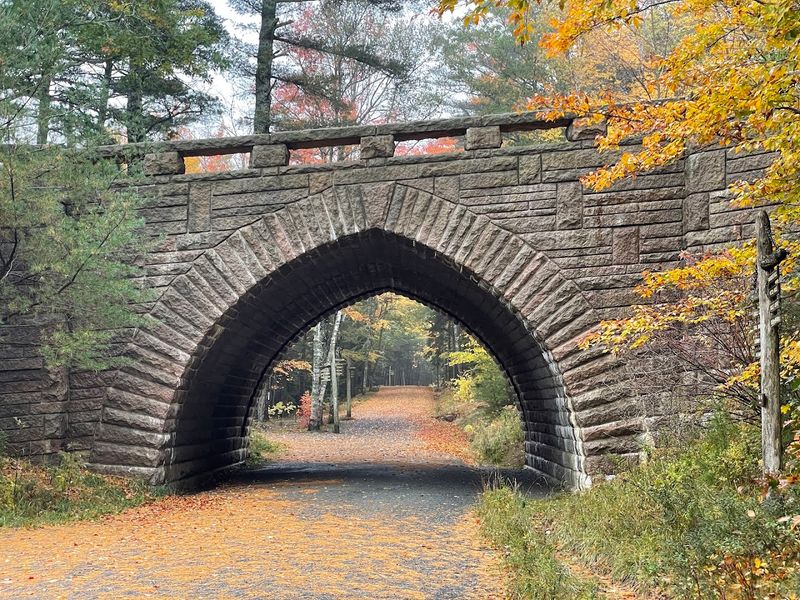
Eagle Lake is one of the largest and most scenic freshwater lakes on Mount Desert Island, and Eagle Lake Bridge, where Route 233 passes over the carriage road near the lake, is a worthy companion to that natural beauty.
Located just outside the busy center of Bar Harbor, this bridge gives you a sense of escape without requiring a long drive or a difficult hike.
The Eagle Lake Bridge is part of the same historic carriage road network that Rockefeller commissioned in the early 20th century, and like its counterparts throughout Acadia, it was built with an eye toward visual harmony with the landscape.
The stones were sourced locally, and the arched design allows the bridge to carry significant weight while maintaining an elegant, understated profile from below.
Bar Harbor is one of the most visited towns in all of Maine, drawing travelers from across the country every summer and fall. Most people come for the coastal scenery and the gateway access to Acadia, but the carriage roads around Eagle Lake offer a slower, more contemplative version of the island experience.
Cycling the loop around Eagle Lake and passing beneath this bridge on the carriage road is a highlight for many visitors. The water reflects the surrounding pines beautifully in calm conditions, and the bridge itself makes for one of the most photogenic stops on the entire carriage road system.
5. Duck Brook Bridge, Bar Harbor
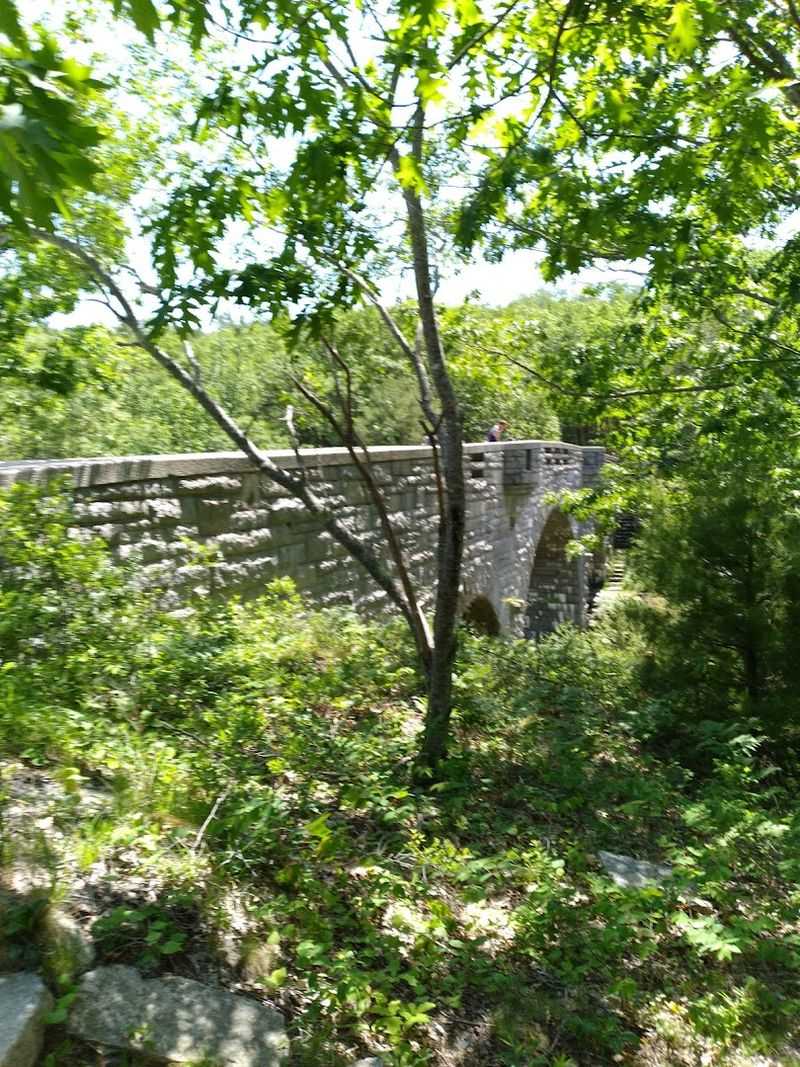
Of all the stone bridges in Acadia National Park, Duck Brook Bridge might be the most dramatic.
Spanning a deep, wooded valley near Bar Harbor, this refined triple-arch structure is one of the most dramatic bridges in the entire carriage road system, and standing beneath it gives you a real sense of just how ambitious Rockefeller’s vision for Acadia truly was.
The bridge was constructed in the early 1900s using locally quarried granite, and the sheer scale of the stonework is something that photos don’t fully capture. The arch rises significantly above the brook below, creating a cathedral-like space underneath that echoes with the sound of moving water.
The surrounding forest closes in on both sides, making the whole setting feel enclosed and almost secret, even on a busy summer day.
Getting to Duck Brook Bridge requires a short walk from the parking area along the carriage road, which keeps the crowds manageable and gives you a proper approach to appreciate the structure.
Bar Harbor is about five miles away, making this a convenient stop during a day of exploring the island’s northern reaches. Spring is a particularly good time to visit because Duck Brook runs full and fast with snowmelt, adding energy to the scene.
The bridge has been carefully maintained and remains in excellent structural condition, a real testament to the quality of its original construction.
6. Stanley Brook Bridge, Seal Harbor
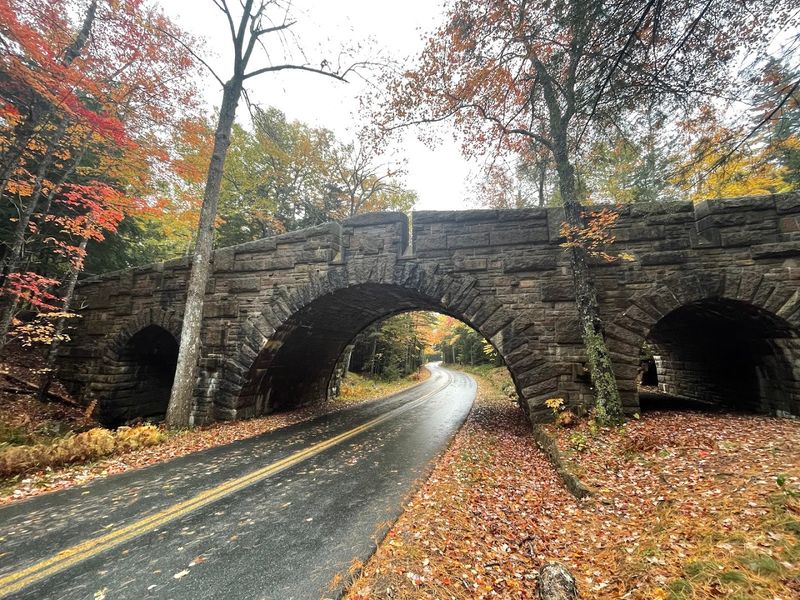
Stanley Brook Bridge is one of the more elegant structures in Acadia’s celebrated carriage road network, and its setting along the southeastern edge of the park makes it a peaceful alternative to the busier central trails.
The bridge crosses Stanley Brook at a point where the water moves quietly through a shaded glen, giving the whole area a serene, almost meditative quality.
Built in the early 20th century as part of John D. Rockefeller Jr.’s ambitious road-building project, Stanley Brook Bridge reflects the same commitment to quality and craftsmanship that defines Acadia’s historic Rockefeller carriage-road bridges.
The stonework is tight and precise, with a smooth arch that transitions naturally into the wooded banks on either side. It’s the kind of structure that makes you appreciate what can be accomplished when time and skill are prioritized over speed.
Seal Harbor is a lovely, low-key community that many visitors bypass in favor of Bar Harbor, but that’s actually one of its strengths. The trails and carriage roads in this part of the park tend to be quieter, and you’re more likely to have a moment alone with the bridge and the brook.
The nearby Seal Harbor Beach and the Jordan Pond area are easy to combine into a full day of exploration. Visit on a weekday in early October for the best chance of having this beautiful spot mostly to yourself.
7. Stackpole Bridge, Saco
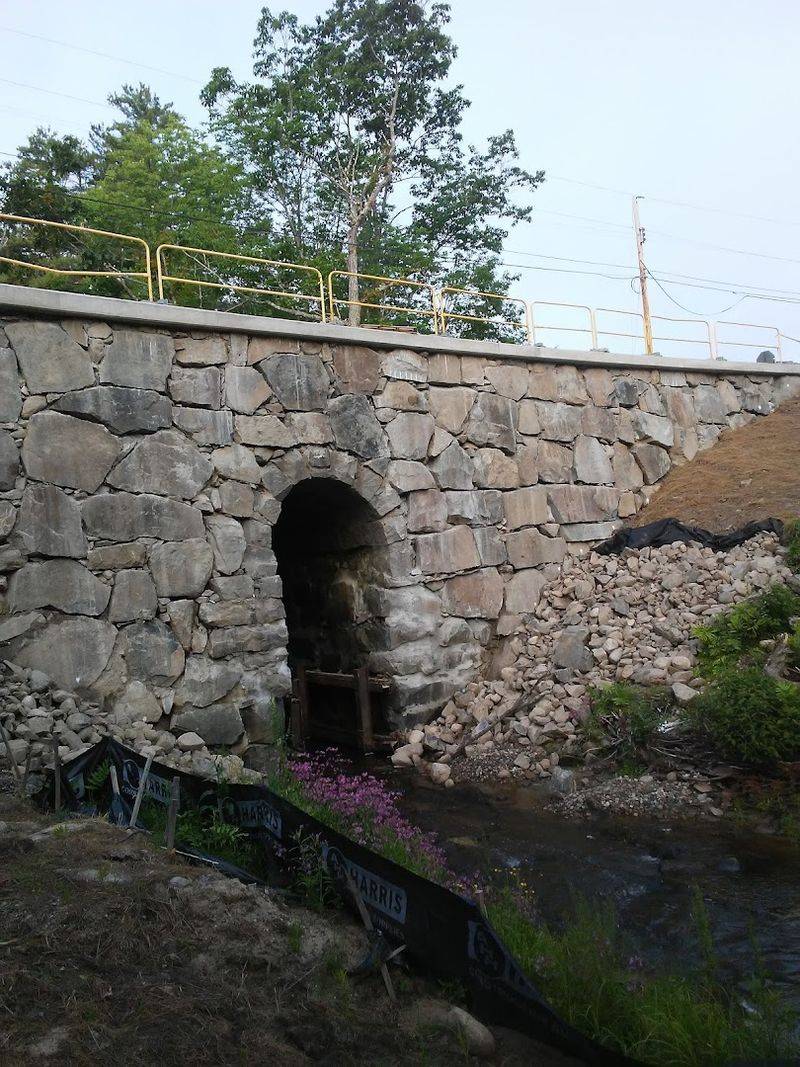
Not every great Maine stone bridge is tucked inside a national park. The Stackpole Bridge in Saco stands as a proud example of rural New England engineering, a structure that served the local community for generations and continues to draw history lovers and architecture enthusiasts today.
Built in the 19th century, Stackpole Bridge is one of the older stone arch bridges still standing in Maine. Its granite construction reflects the building traditions of a time when communities depended on locally sourced materials and the skills of experienced stonemasons.
The bridge spans its waterway with a single, confident arch that has weathered Maine winters for well over a century without losing its fundamental integrity. That kind of durability is a story in itself.
Saco is a small city in York County in southern Maine, making it an accessible stop for travelers coming up from the New Hampshire border or heading toward the Portland area.
The Saco River corridor and surrounding landscape give the bridge a picturesque setting that rewards a short detour. If you’re road-tripping through coastal Maine and want to add a piece of genuine local history to your itinerary, Stackpole Bridge delivers without requiring a long hike or a park pass.
It’s the kind of spot that reminds you how much character ordinary places can hold when you take a moment to look closely.
8. Amphitheatre Bridge, Mt Desert
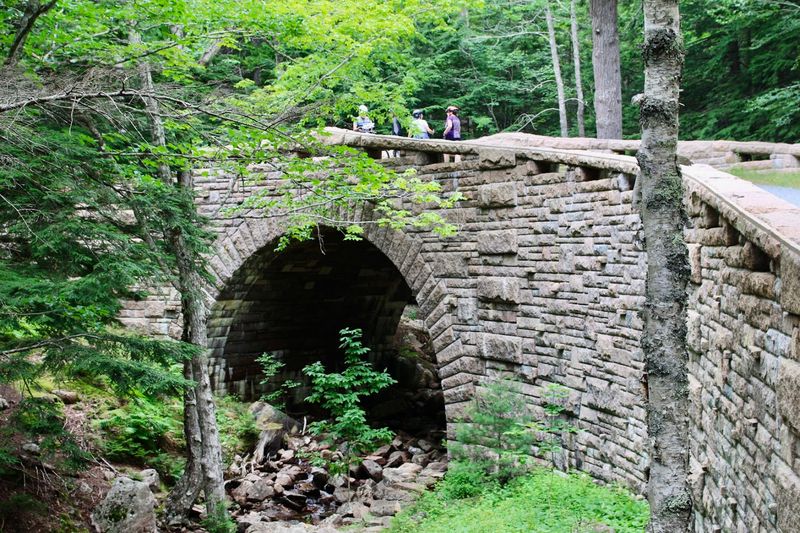
The name alone is enough to make you curious. Amphitheatre Bridge on Mount Desert Island earns its theatrical title thanks to the dramatic bowl-shaped landscape that surrounds it, a natural depression in the hills that frames the bridge like a stage set designed by the land itself.
It’s one of the most visually striking spots in all of Acadia National Park. Constructed in the early 20th century under Rockefeller’s direction, the bridge features a wide, graceful arch and substantial stonework that speaks to the ambition of the overall carriage road project.
The surrounding terrain includes open meadow areas and forested hillsides that shift color dramatically with the seasons. In autumn, the combination of golden foliage and grey granite is genuinely spectacular, and photographers make special trips just to capture it.
The Amphitheatre Loop is one of the more popular carriage road routes in the park, covering a moderate distance that makes it suitable for both cyclists and hikers of varying experience levels.
The bridge appears roughly midway through the loop, so you’ll have already worked up a good rhythm by the time you reach it. Mount Desert Island is accessible from the mainland via the Thompson Island bridge, and the park entrance is a short drive from the town of Bar Harbor.
If you only have one day on the island, the Amphitheatre Loop with this bridge as its centerpiece is a genuinely rewarding choice.
9. Abbott Park, Farmington
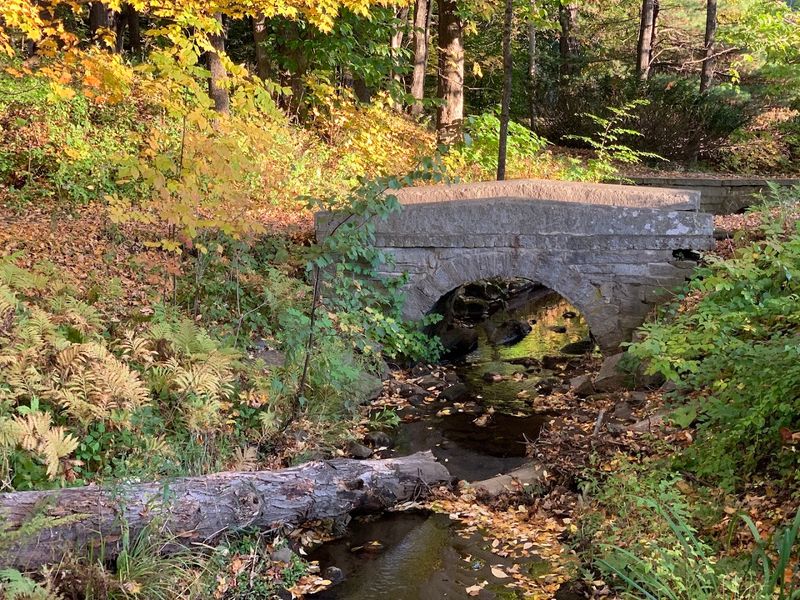
Farmington is a small college town in western Maine that doesn’t always show up on the standard tourist radar, but Abbott Park gives it a quietly compelling reason to earn a spot on your itinerary.
The park features historic stone bridges, other stonework, and a peaceful, shaded setting that feels like a step back into small-town New England life at its most genuine.
The stone elements in Abbott Park reflect the kind of civic craftsmanship that was common in New England communities during the late 19th and early 20th centuries, when local pride was expressed through the quality of public spaces.
The park sits in the heart of Farmington, which is home to the University of Maine at Farmington, and the surrounding downtown has a friendly, walkable character that makes wandering around a pleasure in itself.
Western Maine is a region that rewards slow travel.
The Sandy River runs through the area, and the surrounding hills and farmland give Farmington a distinctly different feel from the coastal towns that dominate most Maine travel guides.
Abbott Park is a good anchor point for a morning in town before heading out to explore the Rangeley Lakes region or the Carrabassett Valley further north.
Visit in late September when the maples are at their peak color and the park benches invite you to sit, watch the leaves fall, and appreciate the kind of understated beauty that Maine does so naturally and so well.