
Stepping Inside This Quiet Florida Church Is Like Getting A Glimpse Of Heaven Itself
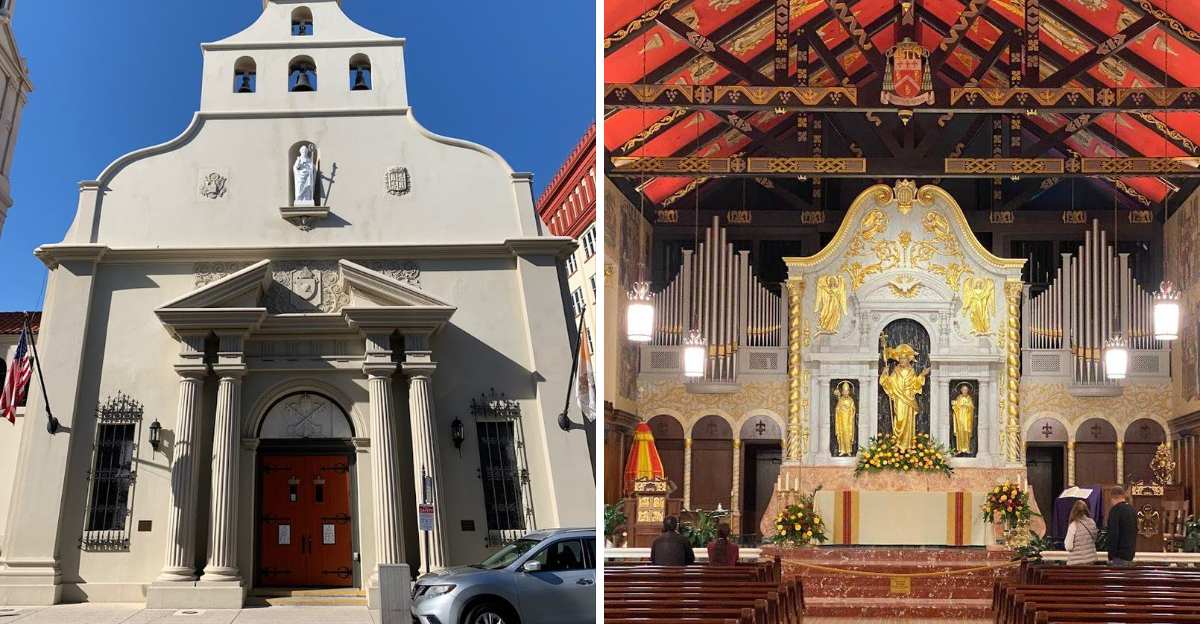
At first, it looks like just another historic building in Florida.
From the outside, it blends into the charm of old St. Augustine without demanding too much attention.
Then you step inside, and everything changes.
The light softens, colors begin to move across the walls, and the space instantly feels deeper than you expected.
This is one of those places in Florida where the atmosphere speaks louder than anything else.
People naturally slow down here.
They look up, take a few extra steps, and start noticing details they would normally miss.
Painted ceilings stretch above you, stained glass transforms sunlight, and every corner feels carefully shaped by time.
Nothing feels rushed or overwhelming.
It is calm, layered, and quietly powerful.
And by the time you walk back outside, it feels like you experienced something far more meaningful than a simple stop on your day.
The Oldest Catholic Parish In The Continental United States
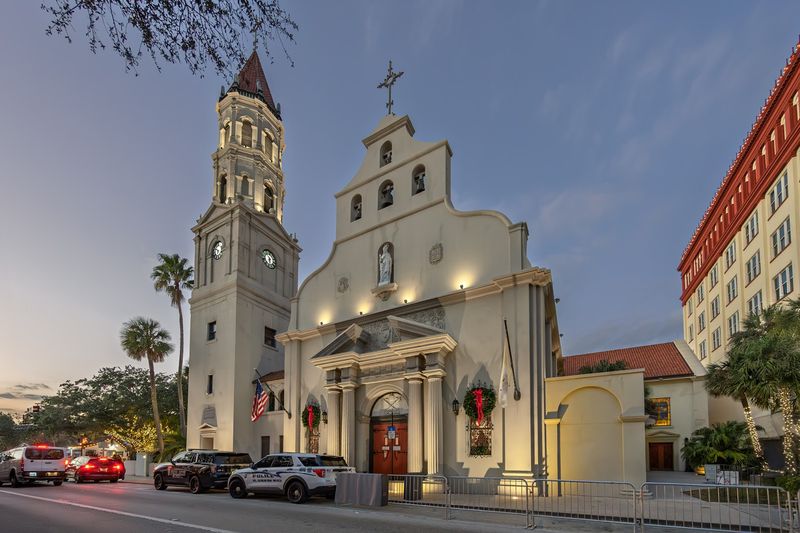
Few buildings in America carry a birthdate as staggering as this one. The Cathedral Basilica of St. Augustine is home to the oldest Catholic parish in the continental United States, with its congregation established in 1565 when Spanish settlers first arrived in the region.
That date is not a typo. While most American cities were still forests and open land, this parish was already holding services.
Walking inside, I kept reminding myself that people had been gathering here for faith and community for over four and a half centuries.
The parish predates the founding of the United States by more than two hundred years, which gives the building a gravity that you genuinely feel the moment you step through the entrance. History does not just live here; it breathes here.
You’ll find it at 38 Cathedral Pl, St. Augustine, FL 32084.
A Structure Built Between 1793 And 1797
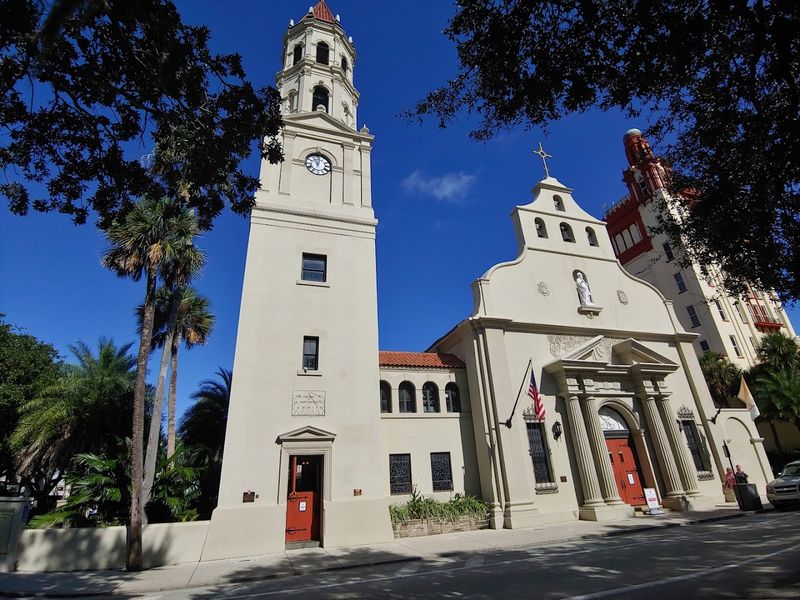
Construction on the current building began in 1793 and was completed in 1797 during what historians call Florida’s Second Spanish Period. That means craftsmen shaped and raised these walls without power tools, without modern cranes, and without the conveniences we take for granted today.
I stood in the nave thinking about those builders hauling materials off boats and wagons just to create something this precise and this beautiful. The craftsmanship is almost impossible to square with the era in which it was made.
Thick walls hold the interior cool even on Florida’s hottest afternoons, a practical design choice that also creates an almost meditative stillness inside. Every carved detail and painted surface represents years of patient human effort, and once you know that context, looking at the ceiling feels less like sightseeing and more like a quiet conversation with the past.
Designated A U.S. National Historic Landmark In 1970
On April 15, 1970, the federal government officially recognized what visitors had understood for generations: this cathedral is irreplaceable. Its designation as a U.S.
National Historic Landmark places it in the company of monuments, battlefields, and buildings that shaped the American story.
That recognition matters because it ensures the building is protected and preserved for future generations. During my visit, I noticed how carefully maintained every surface appeared, from the restored murals to the polished wood of the pews, and the landmark status helps explain that level of dedicated care.
Not every beautiful old building earns this title. The cathedral had to meet strict criteria for historical significance, architectural integrity, and cultural importance.
Knowing that it passed every standard made me look at the details with even more appreciation, because each one is considered worth protecting by the highest authorities in American preservation.
Elevated To A Minor Basilica By Pope Paul VI In 1976
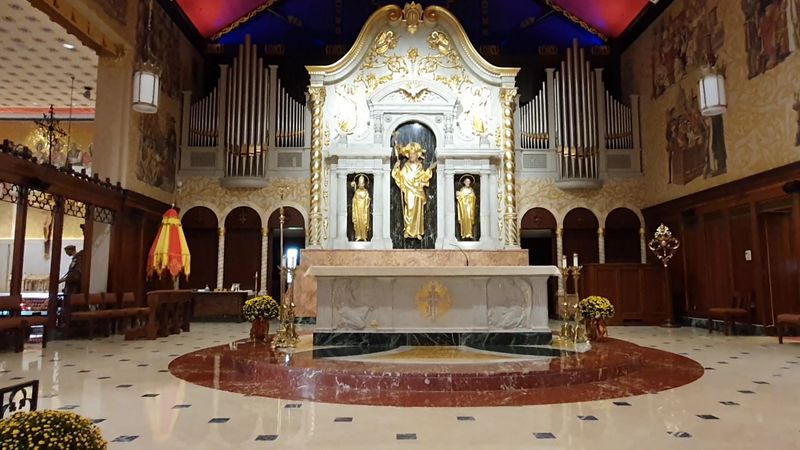
In 1976, Pope Paul VI granted the cathedral one of the most prestigious titles a Catholic church can receive: Minor Basilica. This honor is reserved for churches of exceptional historical and spiritual importance, and only a small number of churches in the United States hold this rank.
The title comes with specific privileges and responsibilities, including the display of two special symbols: the tintinnabulum, a ceremonial bell on a pole, and the umbraculum, a canopied processional umbrella. Both are visible inside the cathedral, and a knowledgeable tour guide will point them out with visible pride.
For visitors who are not Catholic, this distinction still carries weight because it signals that the global Catholic Church considers this specific building to be of extraordinary value. That kind of institutional recognition, spanning continents and centuries, adds a layer of meaning to every quiet moment you spend inside its walls.
Stunning Stained Glass Windows That Paint The Light
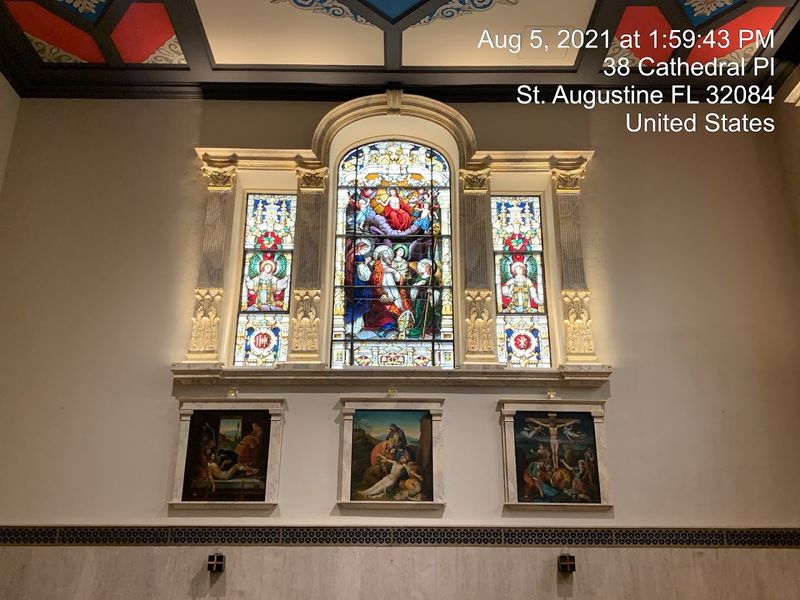
Sunlight does something extraordinary when it passes through the stained glass windows of this cathedral. Colors scatter across the stone floor and wooden pews in shifting patterns of red, gold, blue, and amber, turning an already beautiful space into something that feels genuinely otherworldly.
Each window tells a story drawn from scripture and Catholic tradition, and even visitors with no religious background tend to slow down and study them carefully. The artistry is that compelling.
I found myself standing in one spot for several minutes just watching the light move as clouds passed outside.
The windows were not all created at the same time, which means subtle differences in style and color palette reward close attention. Spotting those variations became a small game I played during my visit, and it made the experience feel more personal and exploratory rather than like a passive tour through someone else’s history.
Ornate Murals And Gilded Accents Cover The Interior
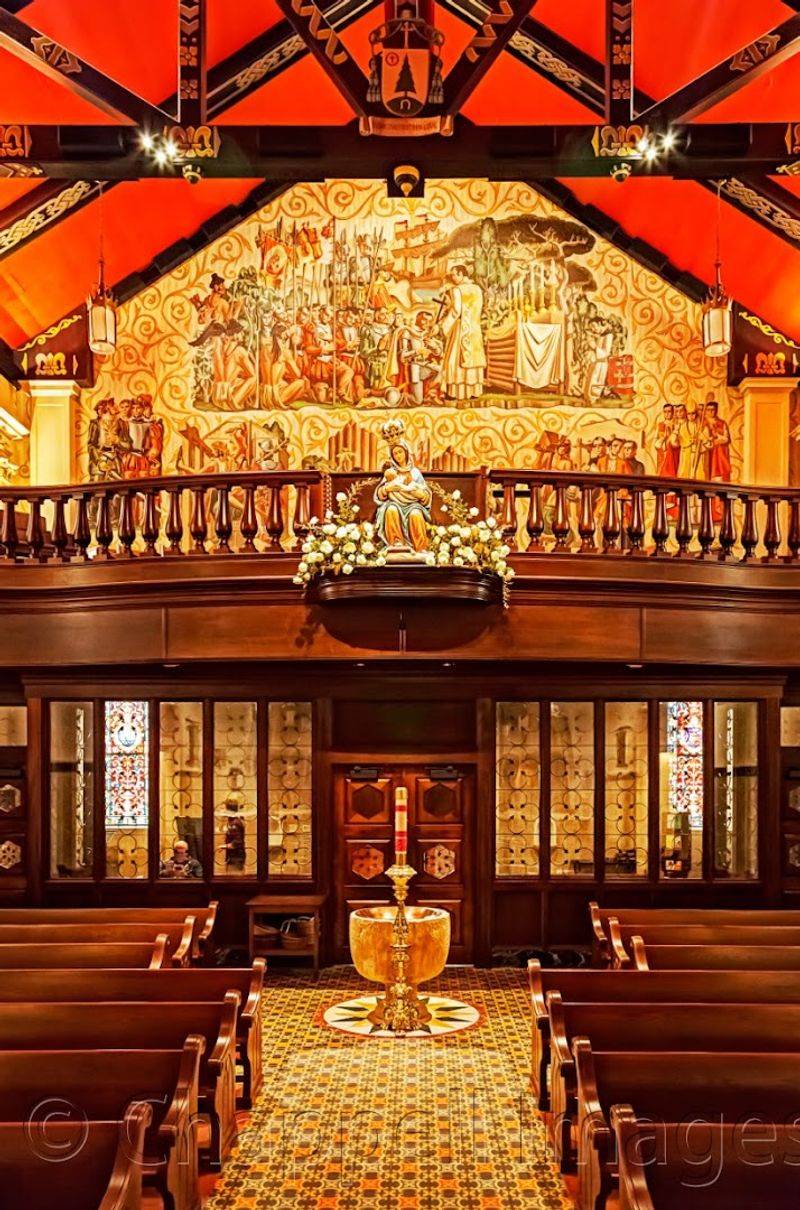
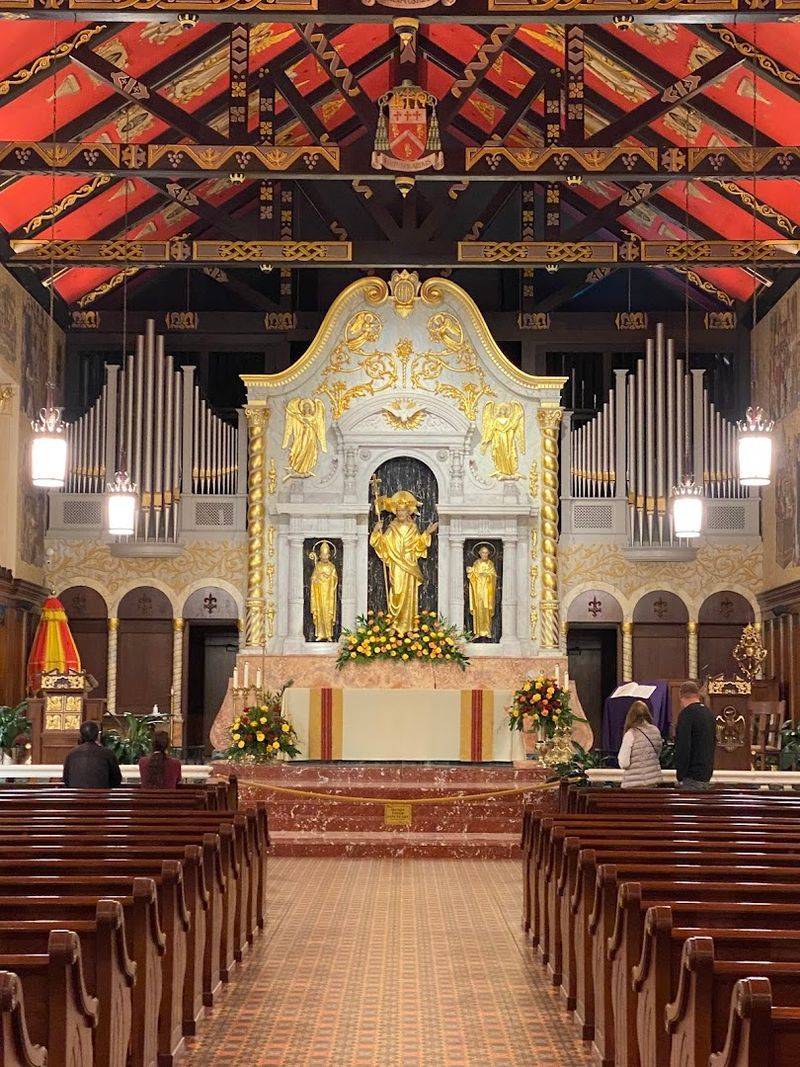
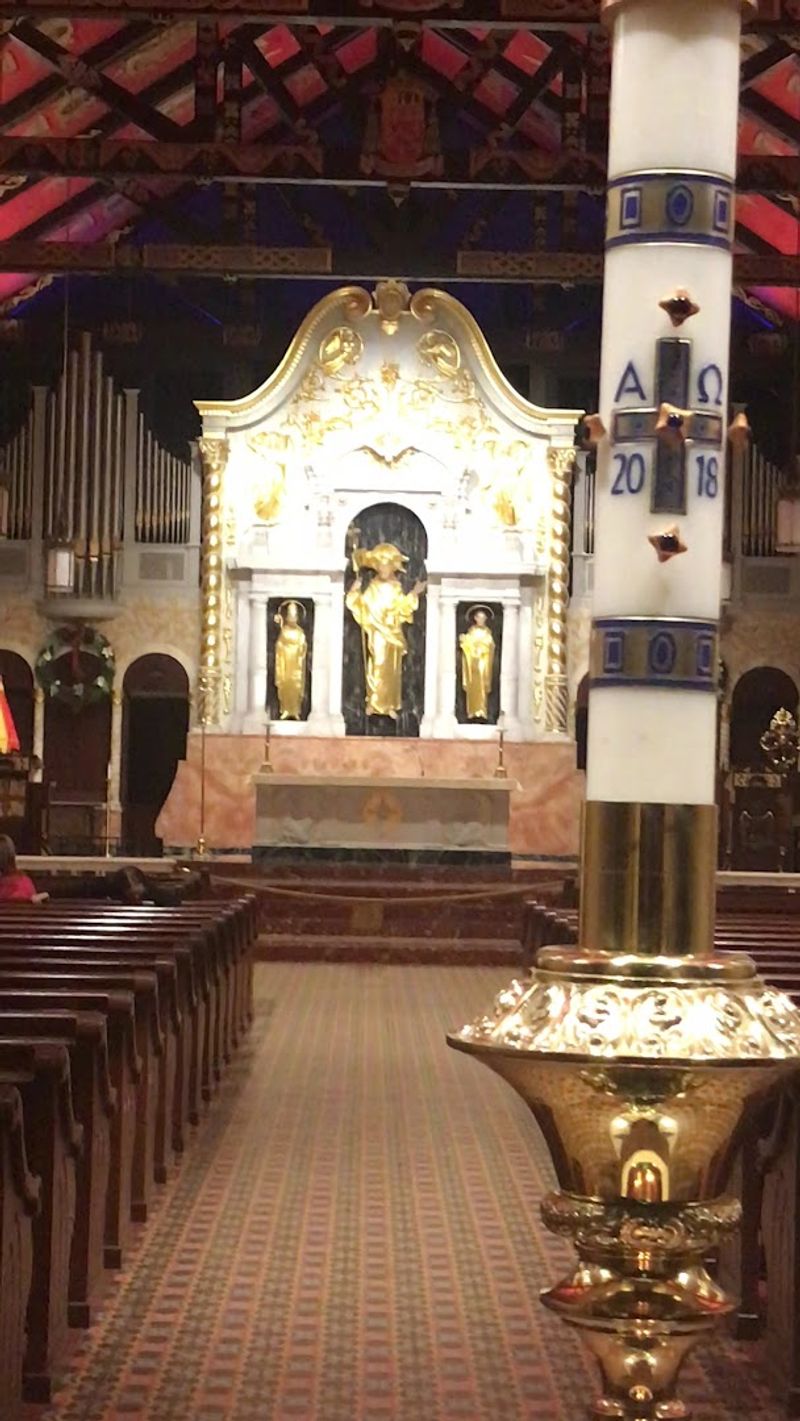
Painted murals stretch across the upper walls and ceiling of the cathedral in rich, warm tones that draw your eyes upward the moment you enter. The scenes depicted are dramatic and detailed, referencing the life of Saint Augustine of Hippo and key moments in the history of the Catholic faith in Florida.
Gilded accents frame the altar and surrounding architectural features, catching the candlelight and the glow from the stained glass in ways that feel almost theatrical. The overall effect is one of layered richness, where no surface was left plain or unconsidered by the artists who worked here.
What surprised me most was how the ornamentation never felt excessive or overwhelming. Instead, everything seemed to work together toward a single mood of reverence and wonder.
Standing at the back of the nave and taking in the full interior view is one of those moments that stops your thoughts completely, and that kind of stillness is rare.
Spanish Colonial Architecture That Belongs In Europe
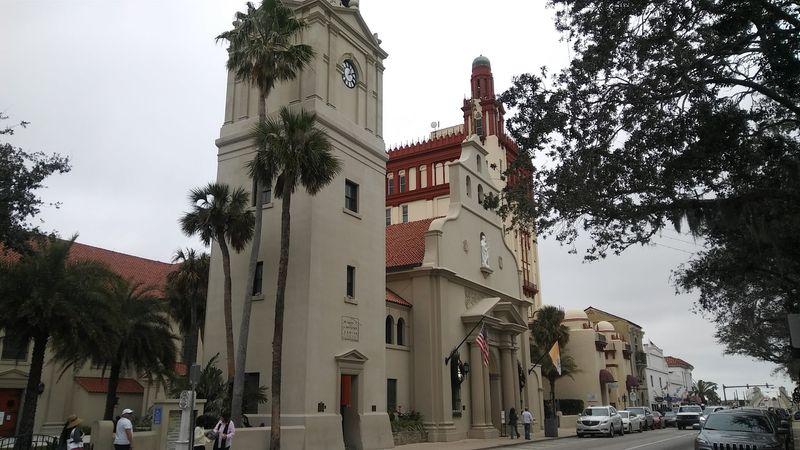
More than one visitor has stepped outside this cathedral and done a double take, wondering for a moment whether they had somehow wandered into Seville or Mexico City. The Spanish colonial baroque style of the building is so well executed that it genuinely looks like it was transplanted from the Old World rather than constructed in the American South.
The bell tower rises above the surrounding historic district with confident authority, and the facade features carved stonework and stucco detailing that reward slow, careful study. The proportions are elegant without being severe, and the overall silhouette is one of the most photographed views in all of St. Augustine.
Florida’s architecture tends toward the breezy and tropical, which makes this cathedral’s European gravity feel even more striking by contrast. Seeing it for the first time feels like turning a corner and finding a different century waiting there patiently, ready to welcome anyone curious enough to look up.
Free Admission And Open To All Visitors Daily
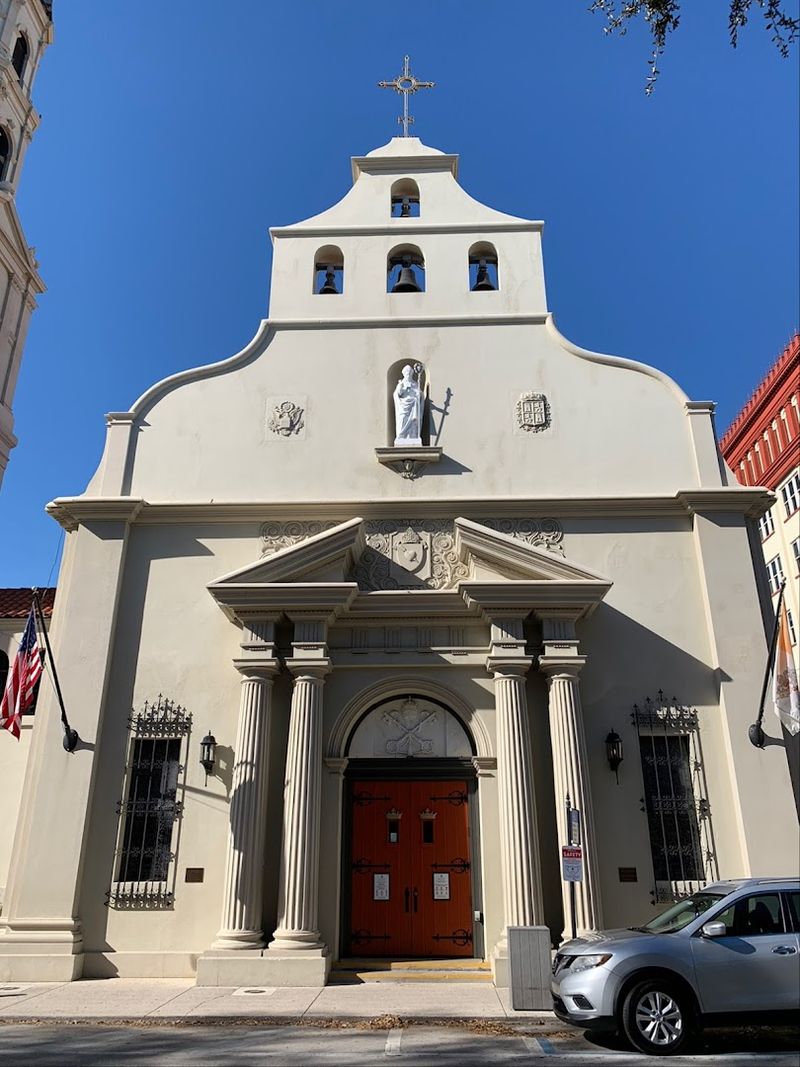
One of the most refreshing things about this cathedral is that it asks nothing of you at the door. Admission is completely free, and visitors of all faiths and backgrounds are warmly welcomed to enter, sit in the pews, and experience the space at their own pace.
The cathedral is generally open Monday through Saturday from 8 AM to 5 PM, with Sunday hours focused on morning Mass. Volunteer guides are usually available on-site to answer questions, and their enthusiasm for the building’s history makes even a brief conversation genuinely worthwhile.
Donation boxes are available for those who want to contribute, and if you plan to light a candle as a personal act of reflection or prayer, bringing a small amount of cash is a thoughtful idea. The whole experience feels generous and unhurried, which is increasingly rare in an era where historical sites often feel rushed and transactional.
Guided Tours That Bring The History To Life
Wandering through this cathedral on your own is rewarding, but joining a guided tour is a completely different experience. Guides like Pete, who is mentioned enthusiastically by multiple visitors, bring the cathedral’s layered history to life with a combination of deep knowledge, genuine humor, and real passion for the subject.
A good tour here covers the architectural evolution of the building, the meaning behind specific artworks and relics, the significance of the basilica designation, and the remarkable story of how Spanish colonial faith took root in what would become the United States. That is a lot of ground to cover, and skilled guides handle it with ease.
Tours are particularly recommended for visitors who want context rather than just aesthetics, because knowing the story behind a mural or a reliquary transforms it from decoration into testimony. You can reach the cathedral at +1 904-824-2806 or visit thefirstparish.org to ask about tour availability before your trip.
A Living Place Of Worship With Sunday Mass And Eucharistic Adoration
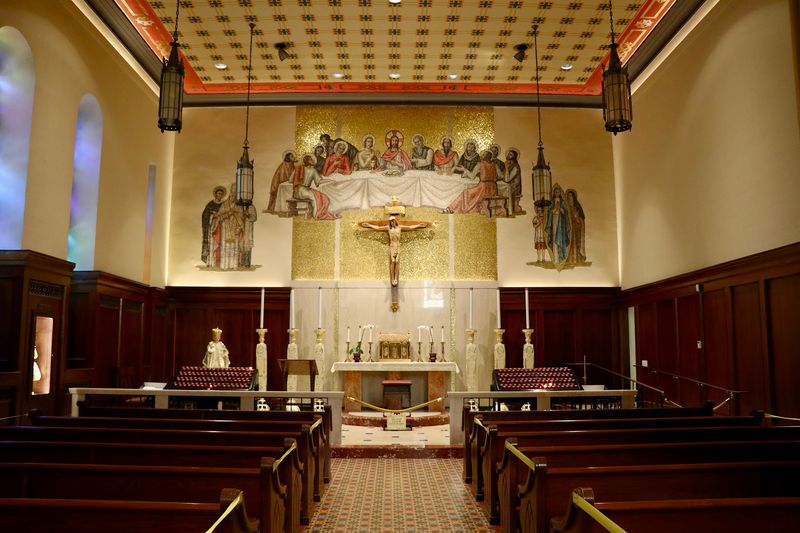
This is not a museum that happens to look like a church. The Cathedral Basilica of St. Augustine is a living, active place of worship that holds Mass regularly and offers Eucharistic Adoration for those seeking quiet prayer.
Sunday Mass at 7 AM draws a congregation that fills the pews with a sense of community and devotion that visitors are welcome to witness respectfully.
Several reviewers described attending Mass here as one of the most moving religious experiences of their lives, with homilies described as full of wisdom and a priestly presence that feels attentive and sincere. The blend of sacred ceremony inside a centuries-old landmark creates an atmosphere that is hard to replicate anywhere else.
Even visitors who do not participate in the liturgy often find that sitting quietly during or after a service, surrounded by candlelight and hymns echoing off old stone walls, produces a sense of peace that they carry with them long after leaving St. Augustine.