
This Tiny North Carolina Town Is America’s Handmade Pottery Capital
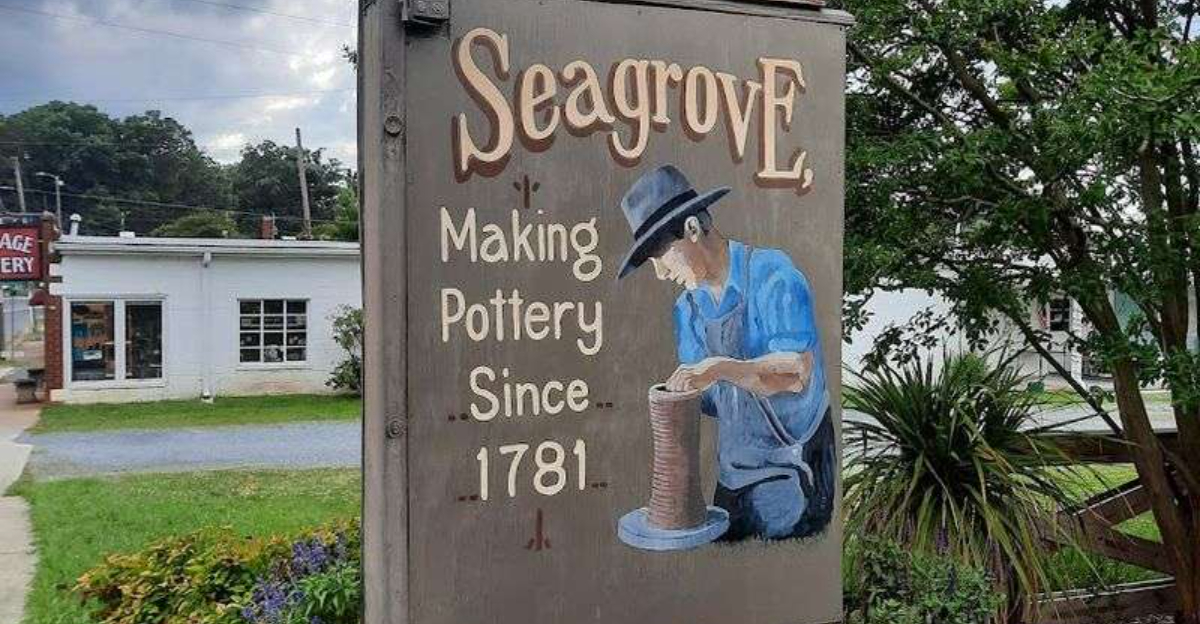
If you’ve ever watched The Great British Bake Off and thought, “I wish there was something like this but for pottery,” buckle up. Somewhere in North Carolina, in the quiet folds of the Piedmont hills, a tiny place with fewer than 250 people has been shaping clay into something almost mythical for over 250 years.
Older than the United States itself. Which already feels like a secret it shouldn’t be keeping.
Within a 15-mile radius, more than 80 working potters still turn wheels, pull shapes from silence, and fire earth into permanence. No noise. No rush.
Just craft. This is America’s Handmade Pottery Capital.
Though it hardly feels like a capital at all. The soil here remembers things.
Native hands first found its clay over 3,000 years ago. Then settlers came. Then revivalists. Then collectors who never quite left.
And if you think it’s just pottery, you’re not looking closely enough.
The 250-Year Pottery Legacy
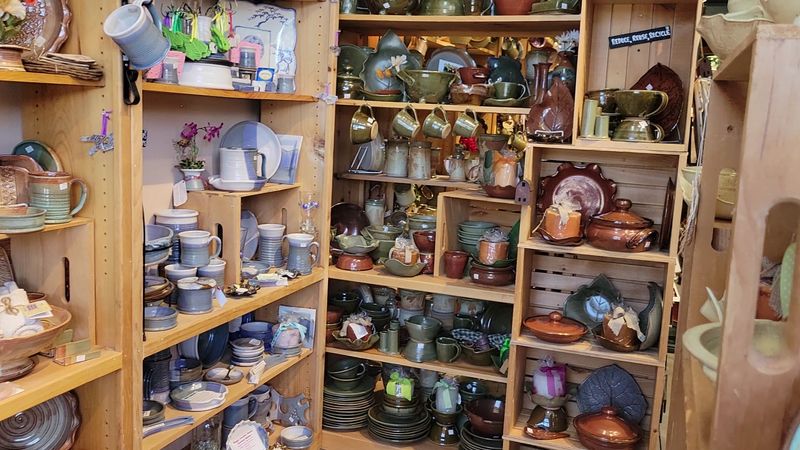
Some places have history, and then there’s Seagrove, which practically IS history. The pottery tradition here stretches back over 250 years, making it the longest continuous pottery-making history in the entire United States.
European settlers, mostly English and German immigrants, arrived in the late 1700s and immediately recognized the region’s rich clay deposits.
They set up kilns, dug local clay with their bare hands, and started producing practical, everyday pottery. Salt-glazed stoneware became a regional signature, built to last and beautifully simple in form.
Before the European settlers, Native Americans were already working this same clay nearly 3,000 years ago. That’s an almost unbroken chain of human creativity tied to one specific patch of earth.
The town was officially designated the State Birthplace of North Carolina Traditional Pottery in 2005, a recognition that felt long overdue.
What makes this legacy so remarkable isn’t just its age. It’s the fact that real people still practice the same traditions today, using the same local clay, the same techniques, the same reverence for the craft.
Seagrove doesn’t just remember its history, it lives it every single day on the pottery wheel.
The Revival That Changed Everything
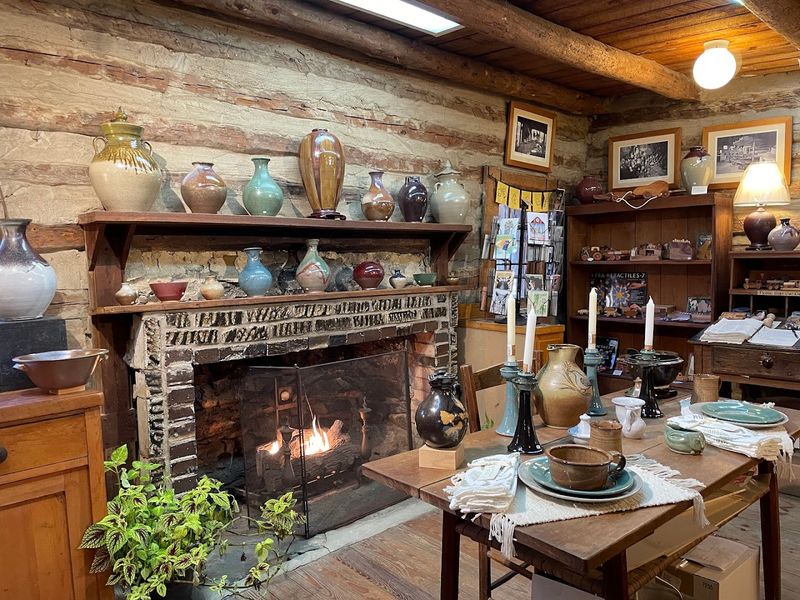
Every great comeback story needs a catalyst, and for Seagrove, that catalyst was Jugtown Pottery. Founded in 1917, Jugtown became the spark that reignited national interest in Seagrove’s craft tradition at a time when handmade pottery was being overshadowed by factory-made goods.
The founders saw something worth saving in the region’s folk pottery and worked tirelessly to bring it to wider audiences.
They introduced the pottery to collectors in New York and beyond, essentially putting Seagrove on the cultural map. The name “Jugtown” itself nods to the area’s roots in making jugs, crocks, and utilitarian wares for everyday farm life.
Today, Jugtown Pottery is still operating and still producing work in the traditional style. Visitors can watch potters throw on the wheel and browse finished pieces in the on-site shop.
The wood-fired kiln remains a centerpiece of the operation, producing the kind of unpredictable, flame-kissed glazes that no factory could ever replicate.
Walking onto the Jugtown property feels like stepping into a living museum, except the exhibits are still being made fresh. It’s one of those rare places where history and present-day craftsmanship share the same square footage without any awkwardness at all.
The Most Scenic Shopping Road In America

Forget Route 66. The real road trip of a lifetime runs along NC Highway 705, officially known as the North Carolina Pottery Highway.
This stretch of road winds through Seagrove and the surrounding Piedmont countryside, connecting dozens of pottery studios along the way.
Picture this: rolling green hills, wooden studio signs poking out from tree lines, and the smell of fresh earth hanging in the air.
Every few miles, another kiln, another potter, another world of handcrafted beauty waiting behind a screen door. It’s the kind of drive where you absolutely will pull over more times than you planned.
The Pottery Highway isn’t just scenic, it’s genuinely functional as a discovery route. Studios range from one-person operations run out of converted barns to larger galleries with full showrooms.
Some potters specialize in traditional forms, others push into contemporary territory, and a few make the kind of whimsical face jugs that will haunt your dreams in the best possible way.
There’s no strict itinerary required here. The whole point is to wander, stop wherever something catches your eye, and let the road lead you somewhere unexpected.
That spontaneous energy is exactly what makes the Pottery Highway feel less like a tourist attraction and more like a genuine adventure worth taking.
Your First Stop, Always
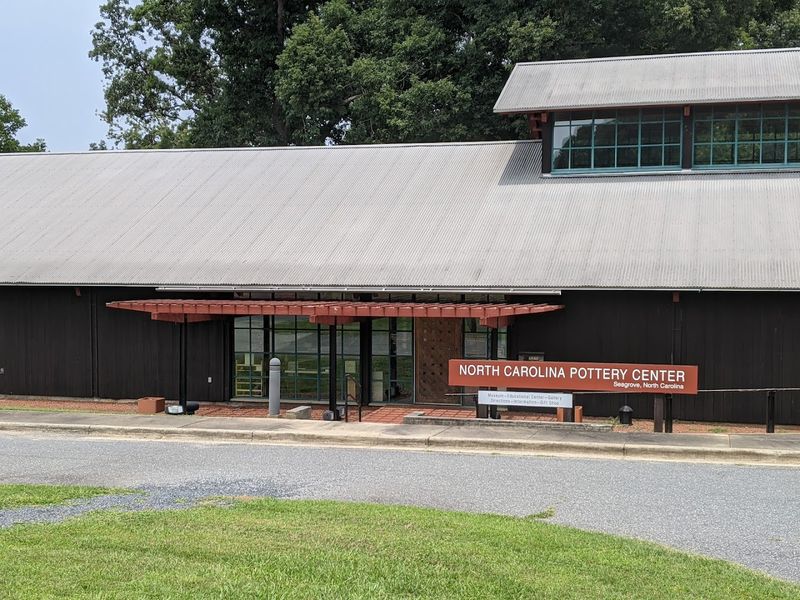
Before you start loading your car trunk with pottery, make the North Carolina Pottery Center your very first stop. Located right in Seagrove, it’s the only statewide facility in the entire country dedicated solely to pottery, which is a genuinely impressive distinction for such a small town to hold.
The center serves as both museum and orientation hub. Exhibits trace the full arc of North Carolina pottery from Native American origins through the European settler period, the salt-glaze era, and all the way into today’s vibrant contemporary scene.
It gives you the context that makes every studio visit feel richer and more meaningful afterward.
Rotating exhibitions keep the experience fresh for repeat visitors, showcasing everything from traditional utilitarian ware to bold experimental ceramics.
Educational programs run regularly, making it a great stop for anyone who wants to understand why Seagrove matters beyond just the pretty pots on the shelves.
The gift shop carries work from local potters, so you can take something home even if you visit on a day when studios are closed.
Think of the Pottery Center as the opening chapter of the Seagrove story. Without it, you might enjoy the town.
With it, you’ll actually understand what you’re experiencing, and that changes everything about the visit.
Seagrove’s Most Unforgettable Art Form

Nobody warns you about face jugs, and honestly, that’s part of the charm. These wild, expressive ceramic vessels feature sculpted human or spirit-like faces, complete with bulging eyes, open mouths, and teeth made from white kaolin clay.
They are equal parts unsettling and absolutely brilliant.
Face jugs have deep roots in African American pottery traditions from the American South. Their exact origin and purpose have been debated by historians for years, with theories ranging from protective talismans to burial markers.
Whatever their original intent, they became a significant part of Southern folk art and found a natural home in Seagrove’s creative ecosystem.
Today, many Seagrove potters carry on the face jug tradition, each bringing their own personality to the form. Some are haunting, some are humorous, and some look like they have strong opinions about your life choices.
They make extraordinary conversation pieces and are among the most collectible items in the region’s pottery scene.
If you walk into a Seagrove studio and see a row of face jugs staring back at you, don’t be alarmed. That’s just Seagrove’s version of a welcome committee.
They’re a reminder that pottery here isn’t just functional. It’s deeply, gloriously expressive in ways that stick with you long after you drive home.
The World’s Most Creative Neighborhood
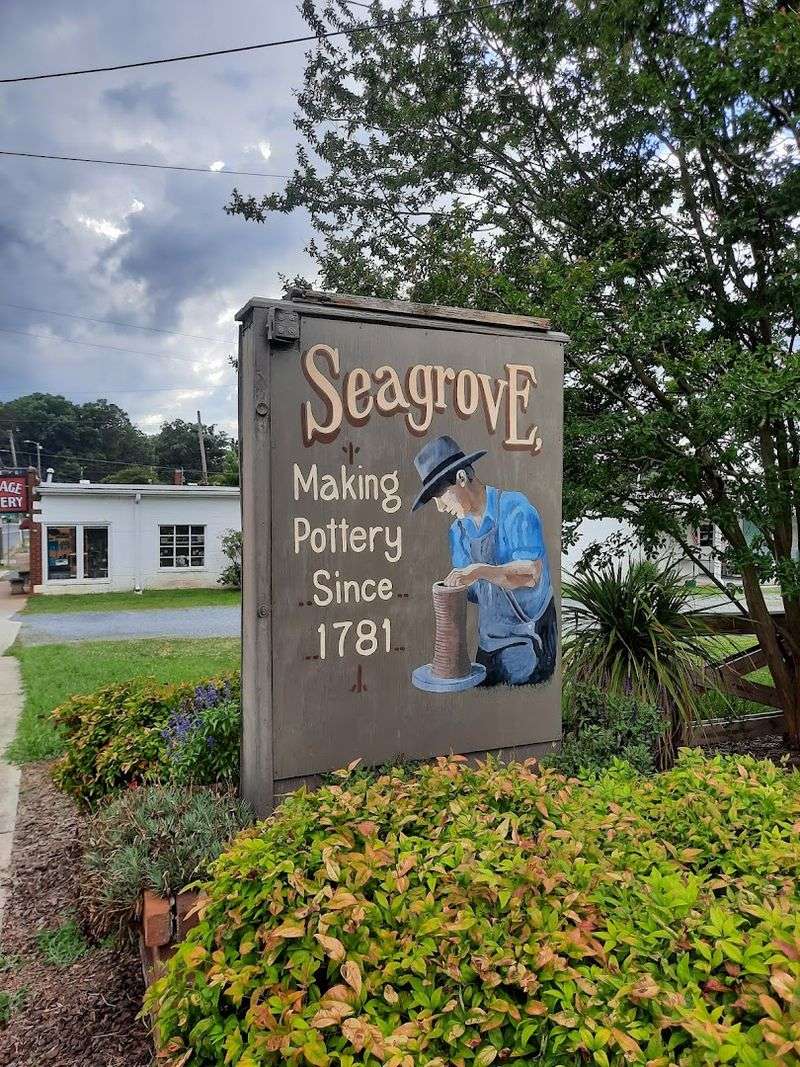
Let that number sink in for a second: more than 100 working potters within a 15 to 20-mile radius. Some sources claim Seagrove has the highest concentration of potters anywhere in the world outside of Japan.
That’s not a small boast for a town with a population of 239 people.
What makes this density so remarkable is the variety it produces. You’re not getting 100 versions of the same mug.
You’re getting 100 completely different artistic visions, all rooted in the same clay-rich land but expressed in wildly different ways. Traditional salt-glazed crocks sit a few miles from sleek contemporary sculpture.
Utilitarian kitchenware shares a county with abstract decorative forms.
This creative concentration means that a single weekend trip can expose you to more ceramic styles and techniques than most pottery museums can offer.
Every studio has a distinct personality shaped by the individual potter behind the wheel. Some are chatty and love explaining their process.
Others let the work speak entirely for itself.
The sheer number of potters also creates a healthy, collaborative community where techniques are shared across generations.
Young potters learn from older masters, and the whole tradition keeps refreshing itself from within.
Thanksgiving Weekend Done Right
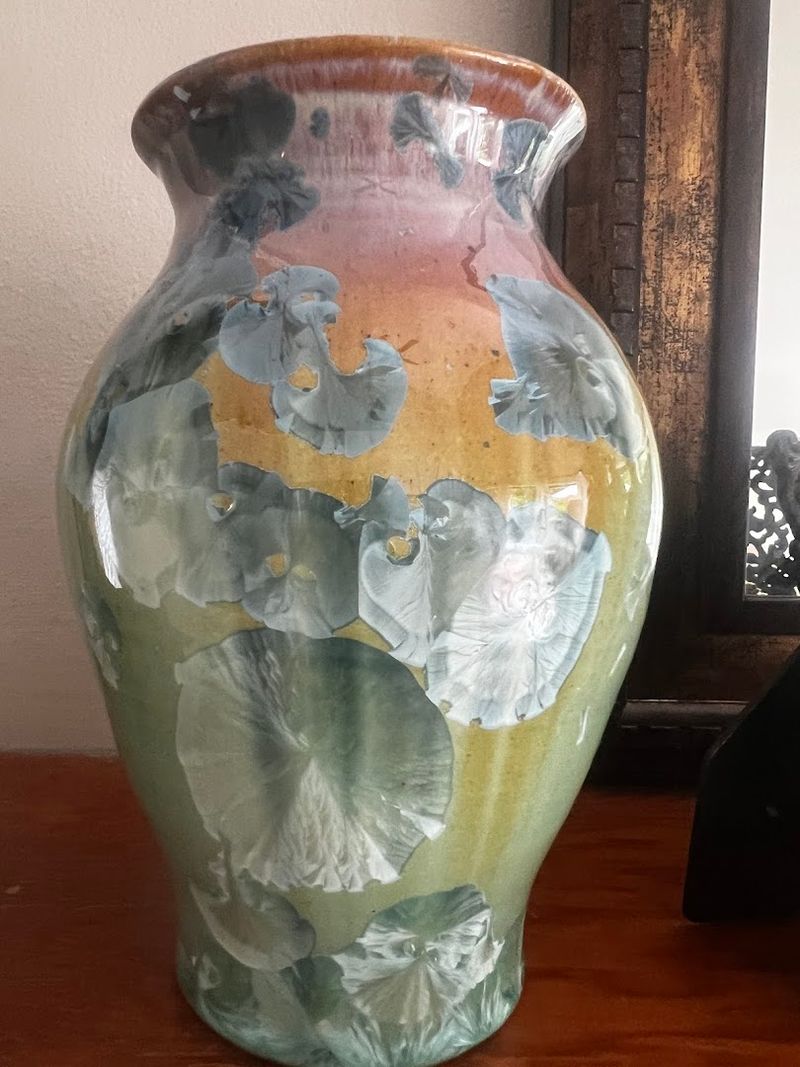
Most people spend the weekend before Thanksgiving planning menus and arguing about pie. In Seagrove, that same weekend transforms into one of the best pottery events in the country.
The Seagrove Pottery Festival and the Celebration of Seagrove Potters both typically take place during this time, drawing collectors, tourists, and pottery lovers from across the nation.
The festivals create a rare opportunity to meet potters in person, watch demonstrations, and buy directly from the artists who made the work. There’s something deeply satisfying about handing money to the actual human being who threw the pot you’re holding.
It feels more like a transaction with meaning than just a purchase.
The autumn timing adds a layer of magic to the whole experience. The Piedmont countryside is ablaze with fall color, the air has that perfect crisp bite, and the studio doors are flung wide open.
It’s the kind of weekend that makes you realize you’ve been spending your pre-Thanksgiving time entirely wrong all these years.
Beyond shopping, the festivals serve as a genuine community celebration. They honor the living tradition of Seagrove pottery and remind everyone that handmade things carry a kind of soul that mass production simply cannot replicate.
Mark your calendar now, because this is a tradition worth building your travel schedule around.
Wood-Fired Kilns And Homemade Glazes
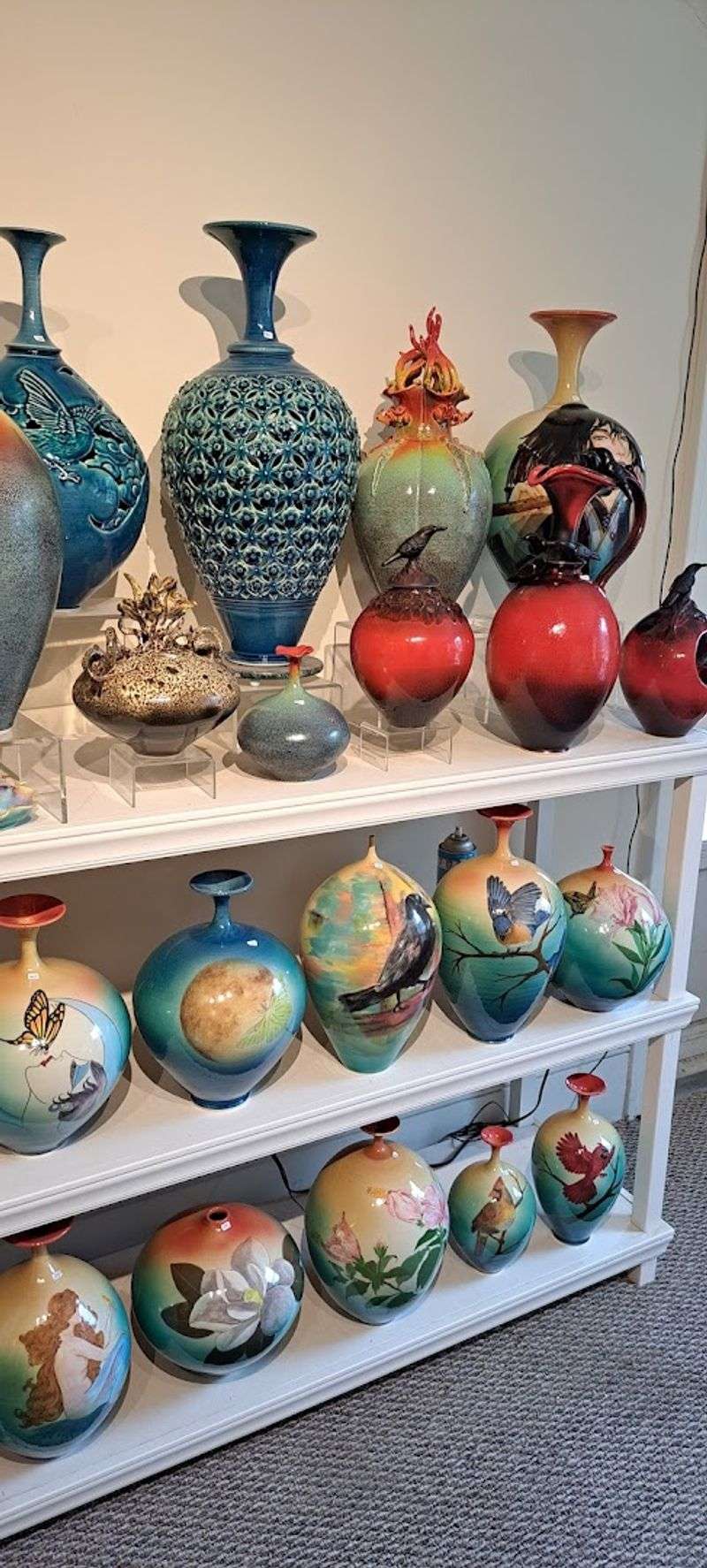
In a world of shortcuts and automation, Seagrove potters are doing something almost radical: they’re still doing it the hard way, on purpose.
Many studios here continue to dig their own local clay, mix their own glazes from scratch, and fire their pottery in wood-burning kilns. This isn’t nostalgia, it’s a philosophical commitment to craft.
Wood-firing is a particularly demanding process that requires days of feeding a kiln with split wood to reach the right temperatures.
The results, however, are completely unpredictable in the most beautiful way possible. Flame and ash leave natural markings on the clay surface that no electric kiln can replicate.
Each piece comes out genuinely unique.
Homemade glazes add another layer of artistry to the process. Potters experiment with local minerals, wood ash, and plant-based materials to create colors and textures that feel rooted in the specific landscape of the Piedmont.
You’re not just buying a pot; you’re buying a piece of North Carolina’s actual earth transformed by fire and intention.
Watching a potter load a wood kiln or mix a batch of glaze by hand is one of those experiences that recalibrates your relationship with objects. It makes you look at everything in your kitchen differently.
Suddenly the mass-produced stuff feels a little hollow by comparison, and that feeling is exactly what Seagrove wants you to take home.
Spring Pottery Tour
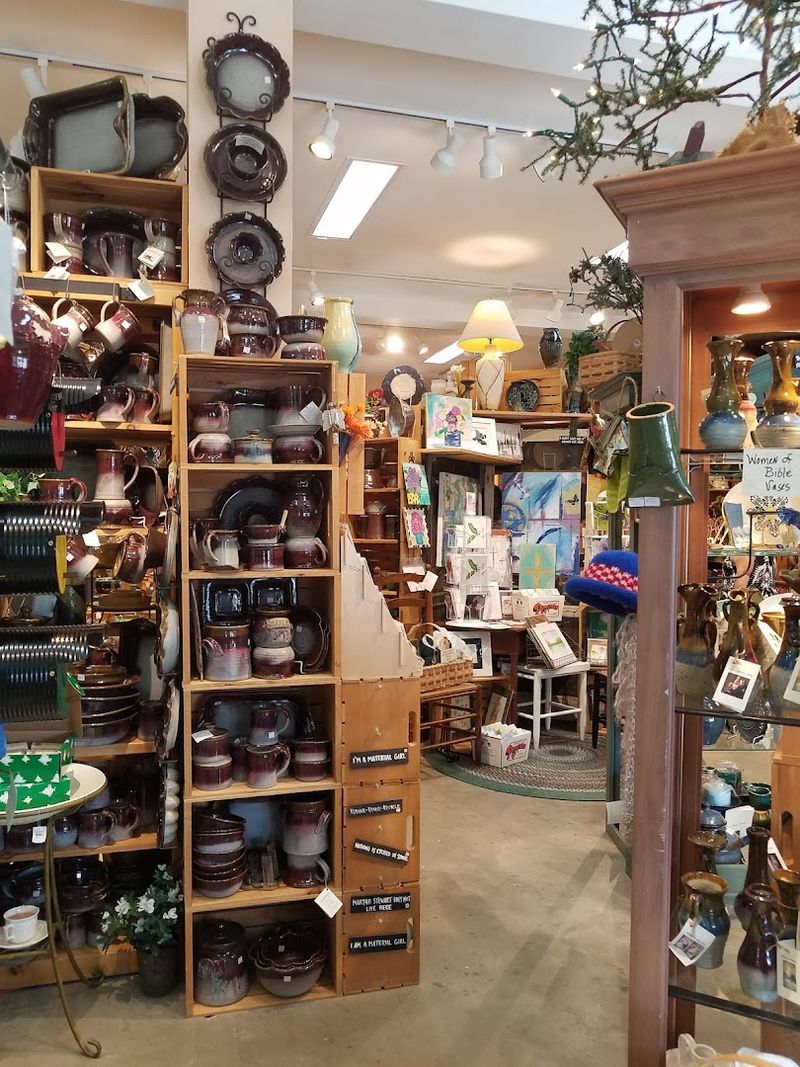
Spring in Seagrove hits differently. The dogwoods are blooming, the studios are buzzing with fresh work from winter production, and the Spring Pottery Tour opens up dozens of working studios for self-guided exploration.
If the fall festivals are the big blockbuster event, the Spring Tour is the indie film that somehow ends up being your favorite of the year.
The tour typically spans a weekend in spring and gives visitors access to studios that aren’t always open year-round. It’s a more intimate experience than the fall festivals, with smaller crowds and more opportunity to actually talk with potters about their work and process.
Spring light through a studio window hits clay in a way that makes everything look like it belongs in a gallery.
First-time visitors especially benefit from doing the Spring Tour as their introduction to Seagrove. The relaxed pace and open-door atmosphere make it easy to wander without feeling rushed or overwhelmed by crowds.
You can take your time, ask questions, and really absorb what makes each studio distinct from its neighbors down the road.
Seagrove in spring is proof that not every great travel experience needs to be a packed itinerary. Sometimes the best version of a trip is a quiet road, a string of open studio doors, and the simple pleasure of holding something made by human hands.