
This Arkansas Trail Leads To A Spring That Rises From A World Hidden Underground
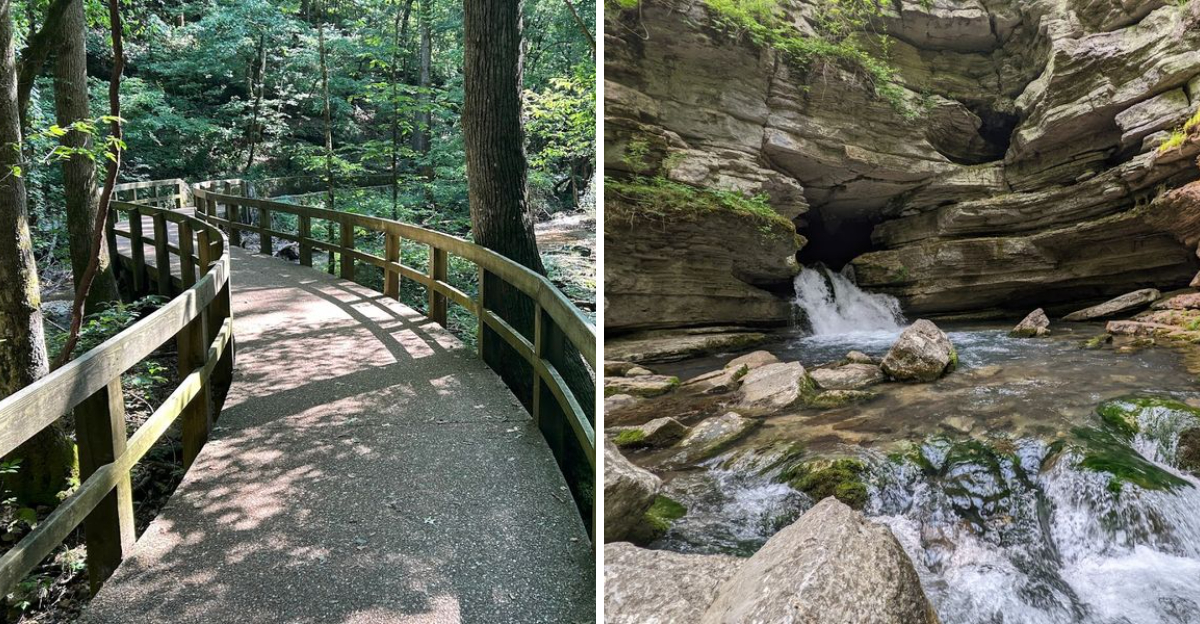
Deep in the Ozarks of Arkansas, cold water rushes from a cave with the kind of energy that makes you stop talking and just listen. The closer you get, the better it gets.
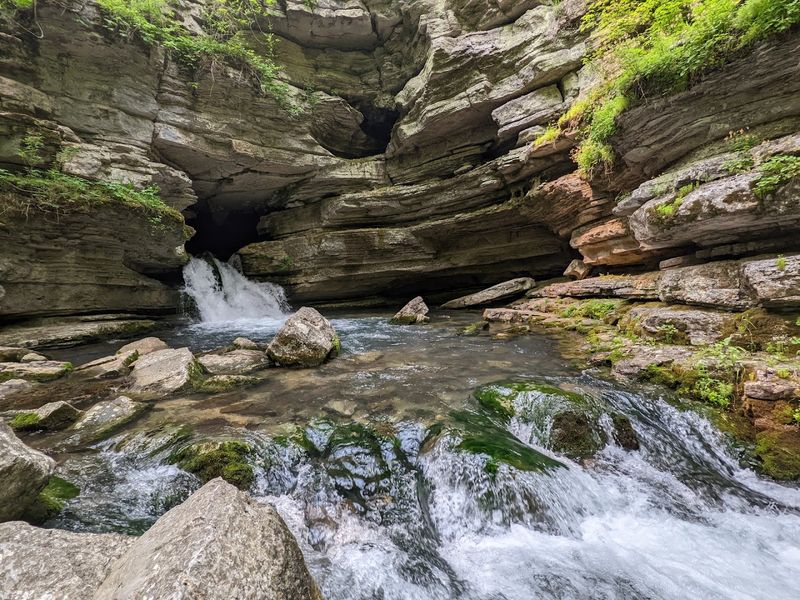
Cool air rolls out of the opening, water breaks over mossy rock, and the whole scene feels like the hillside is showing off. This spring has been shaped by a long underground trip through limestone, where rainwater carved its path slowly, drop by drop, before reaching daylight.
That is what makes this trail so memorable. It is not only the view.
It is the idea that something moving beneath your feet for ages can suddenly appear right in front of you. Stand there long enough and you start noticing more with every second.
Keep reading, because this spring and the cave system behind it have a story worth following closely once you know what shaped it below.
A Glassy Pool Beneath The Bluffs
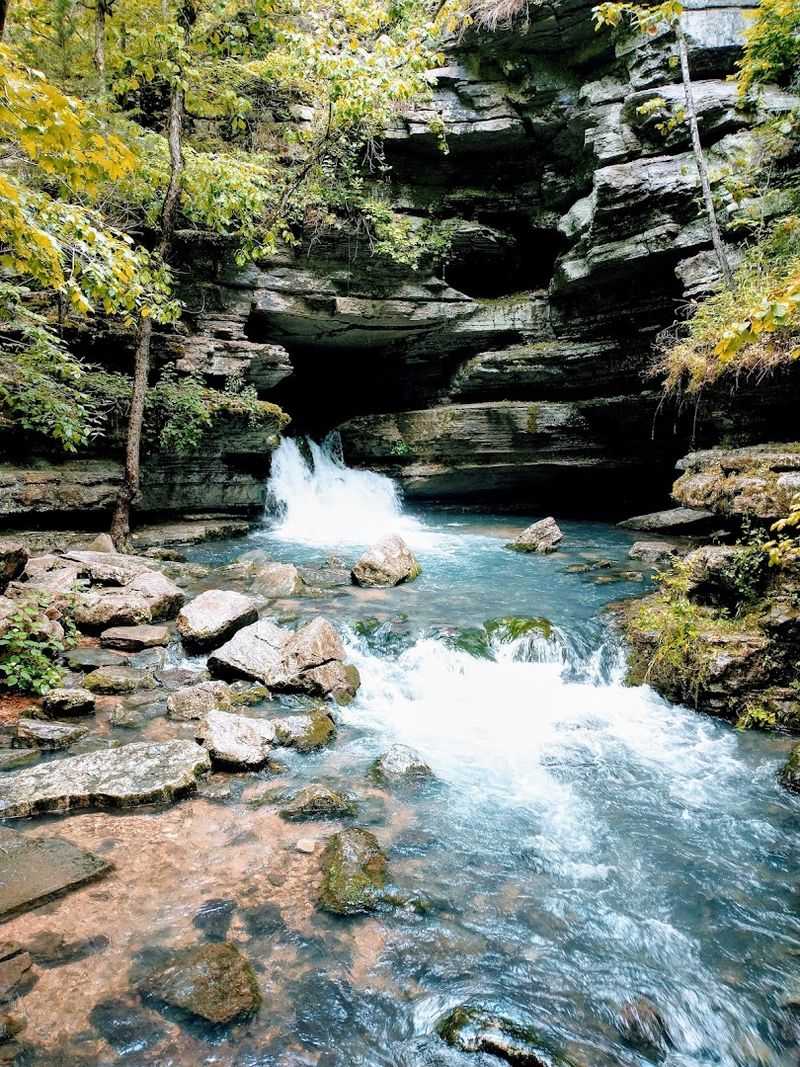
At the edge of that pool, I remember thinking the water looked almost too clear to be real, like someone had filled a natural basin with liquid glass.
The pool sits directly beneath towering limestone bluffs that rise sharply from the valley floor, giving the whole scene a dramatic, almost theatrical quality that photographs simply cannot capture.
The nearby cavern stays around 58 degrees Fahrenheit year-round, which helps explain the cool air and chilly feel around the spring even on the hottest Arkansas summer days.
That steady temperature is not a coincidence but a direct result of the water traveling deep through the underground cave system before it ever reaches daylight.
Visitors who wade into the shallows near the pool’s edge feel an instant full-body chill that is somehow both shocking and satisfying on a warm afternoon.
The stillness of the water contrasts beautifully with the constant sound of the spring rushing in, creating a sensory experience that feels completely removed from everyday life.
I found myself sitting on a nearby rock for far longer than I planned, just watching the reflections of the bluffs shimmer across the surface, right here at Blanchard Spring Trailhead, Mountain View, AR 72560.
Where Cold Spring Water Meets Stone
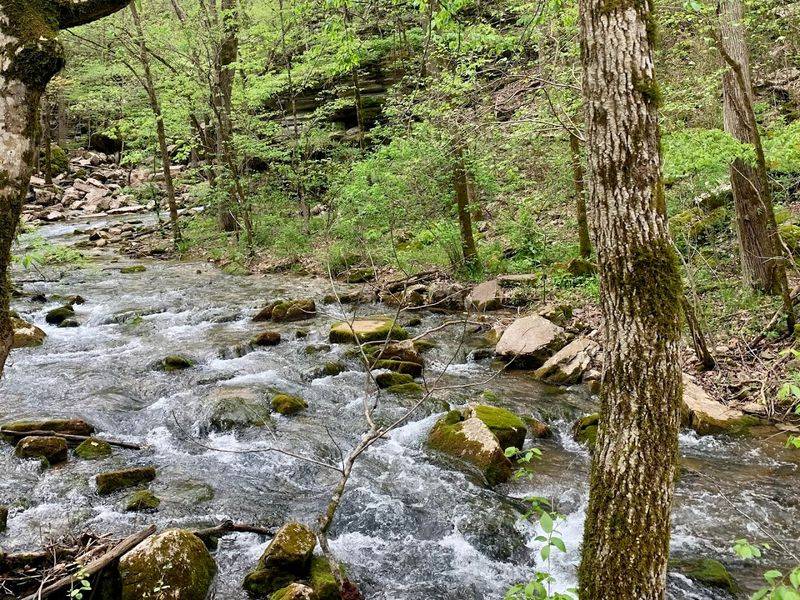
Water sliding over smooth, ancient stone can stop you for a minute, especially when it has just completed a journey through millions of years of geological history.
The limestone at Blanchard Spring was originally deposited as sediment on the floor of an ancient sea more than 350 million years ago, making every rock you see along this trail a piece of deep time.
Rainwater seeping into the Ozark Mountains becomes weakly acidic as it picks up carbon dioxide from the soil, and that mild acidity is powerful enough to slowly dissolve solid limestone over thousands of years.
The result is an intricate underground network of passages, and the spring is essentially where that underground world exhales, sending its cold, clear water out into the sunlight.
When the water finally meets the exposed rock along the trail, it spreads across the stone in thin, glittering sheets that catch the light in a way that makes the whole scene feel alive.
I crouched down to touch the rock where water met stone and felt the cold radiate off the surface like a natural air conditioner built into the hillside.
Every step along this section of trail reminds you that geology is not a classroom subject but a living, ongoing process happening right beneath your boots as you move along.
A Forest Path With Underground Secrets
On this trail, it is easy to forget that an 8.1-mile network of underground passages runs beneath your feet, making Blanchard Springs Caverns the second-longest cave in Arkansas and the largest by volume.
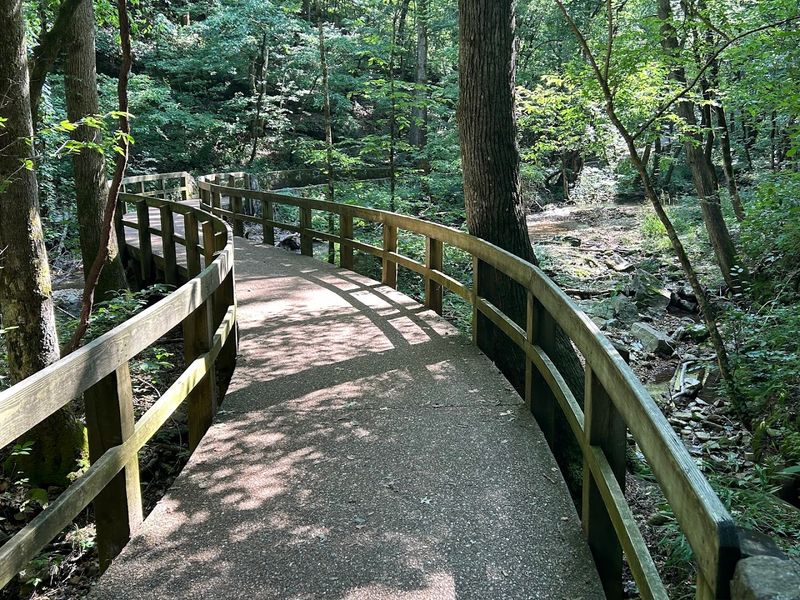
The path itself is wide, well-maintained, and includes accessible sections, though visitors using wheelchairs or mobility devices should check current conditions before making the short trip.
Hardwood trees arch overhead and create a natural canopy that keeps the trail shaded and cool, adding to the feeling that you are walking into something ancient and undisturbed.
The forest here is part of the Ozark-St. Francis National Forest in Stone County, and the biodiversity along the path stands out, with mosses, ferns, and wildflowers appearing at almost every turn here, especially during the greener parts of the year.
What makes this particular forest path special is the knowledge that the ground beneath it is hollow in ways that took millions of years to create.
I kept pausing to look down at the trail surface, half-expecting to hear the faint echo of water moving far below, and on one quiet moment near the cave opening, I actually could.
The trail does not demand much physical effort, but it rewards attention, and every few steps offers a new angle on the surrounding woodland that feels worth stopping for.
Mossy Rocks Beside Crystal-Clear Flow
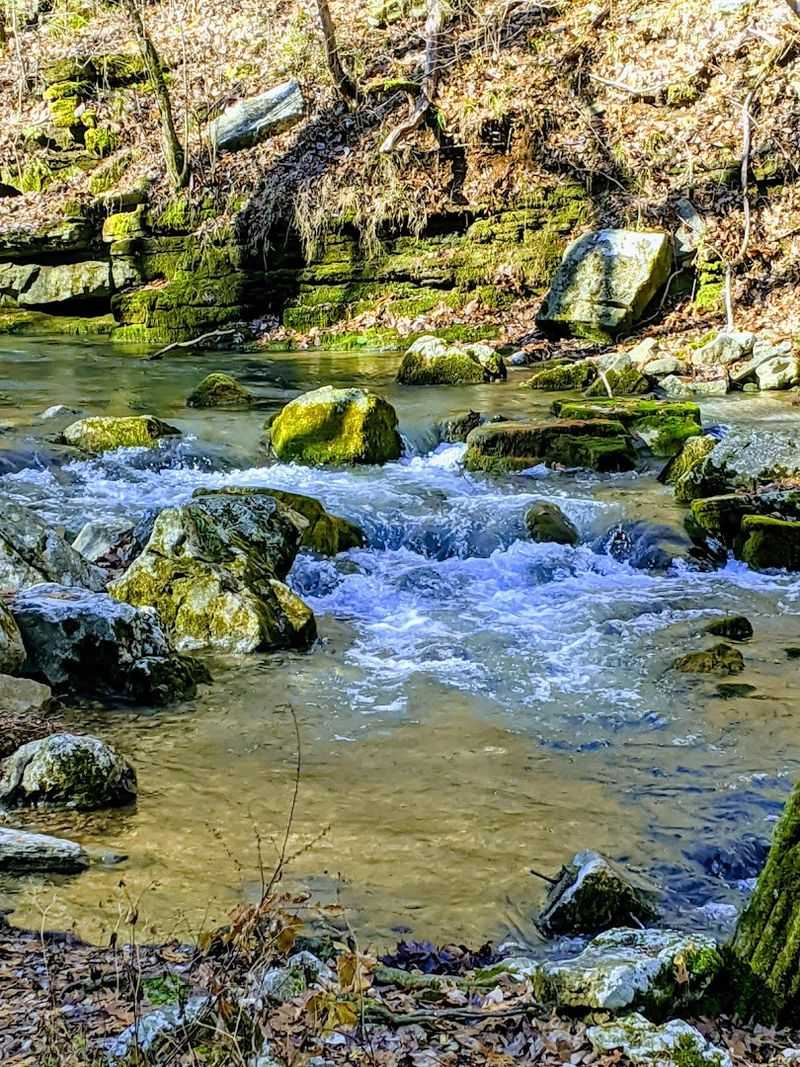
Few natural textures are as visually satisfying as thick green moss draped over rounded limestone rocks, and the area around Blanchard Spring delivers this combination in generous, almost extravagant amounts.
The constant moisture from the spring keeps the surrounding rocks perpetually damp, which creates ideal conditions for moss to grow in dense, vivid green carpets that soften the hard edges of the stone.
The cliffs, moss, hardwoods, and clear water all land in the same frame here, and that mix is a big reason people remember this short stretch long after leaving.
The water flowing beside those mossy rocks is so clear that you can count individual pebbles on the streambed from several feet away, and the contrast between the vivid green moss and the transparent water is striking.
Because the flow comes through a cave system, the clean look should not be treated as a safety promise.
Visitors should follow posted guidance and avoid drinking untreated natural water, even when it looks clean enough to scoop up by hand.
I spent a good stretch of time just photographing the interplay of moss, stone, and flowing water, and every angle produced something worth keeping.
The rocks here carry a kind of quiet authority, shaped by water and time into forms that no sculptor could quite replicate.
A Quiet Trail To A Cave-Fed Wonder
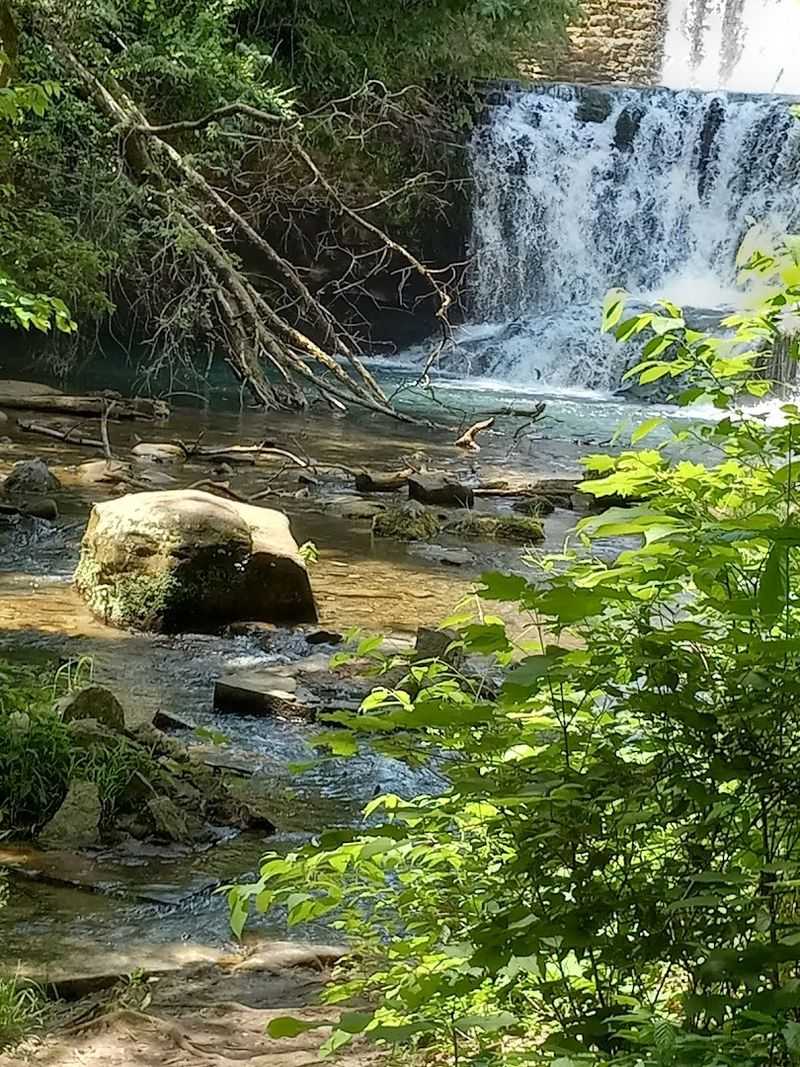
The trail to the spring is short enough that even young children and older visitors can complete it comfortably, but what waits at the end justifies every step with immediate, undeniable impact.
Water pours out of the hillside from the Blanchard Springs cave system, emerging as a waterfall that seems to defy simple explanation until you understand the underground world behind it.
The caverns are considered a living or active cave system, meaning water still flows through them today, continuously reshaping formations and carrying dissolved minerals toward the surface.
That ongoing activity is what gives the spring its relentless, steady flow, and standing close to the cave opening you can feel the cold air rushing outward like a natural exhale from the earth.
People often stop at the sight of water gushing from the cliff, because it is one of those rare natural scenes that feels bigger than the short walk required to reach it.
The trail leading to this point follows a wide path that keeps the cave entrance hidden just long enough to make the reveal feel dramatic.
I rounded the last curve in the trail and stopped walking entirely for a moment, because the sight of water pouring from solid rock into a clear pool deserves at least a full pause before you reach for your camera.
Woodland Views Around A Hidden Spring
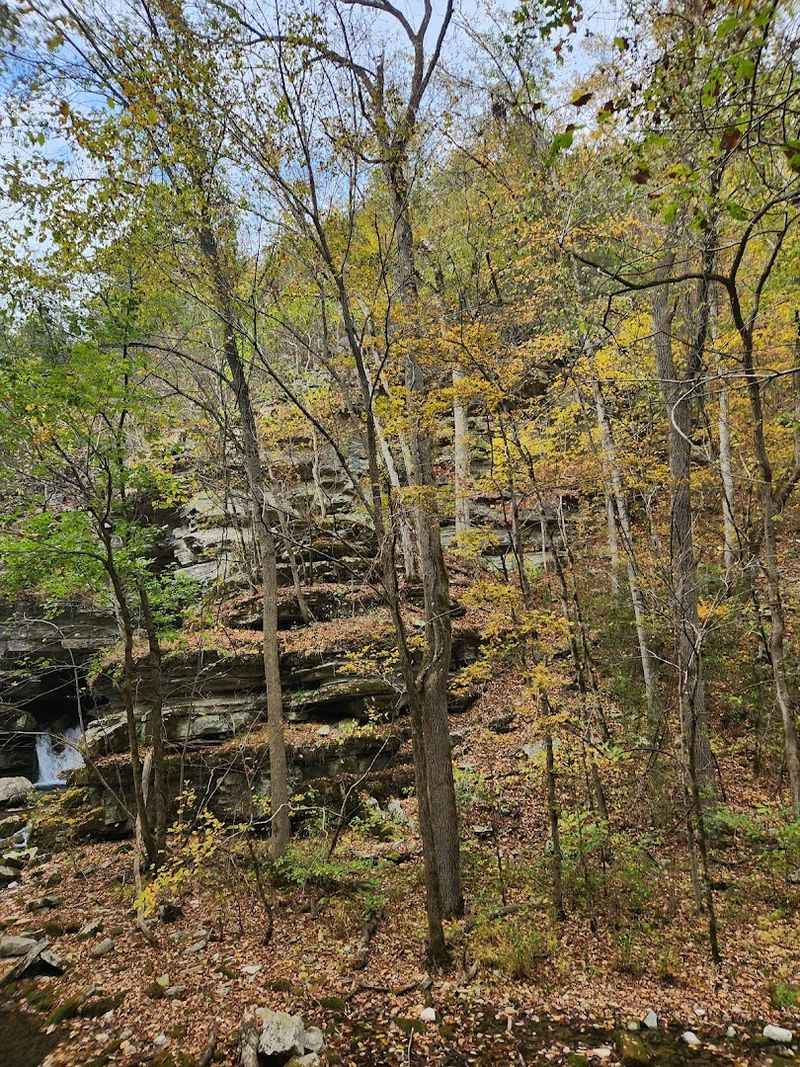
Take your eyes off the spring for a moment, and the surrounding forest reveals a woodland scene that holds its own against the more dramatic focal point of the cave-fed water.
Tall hardwoods create a layered canopy above the trail, and the play of filtered light through those trees shifts constantly depending on the time of day and the season, making every visit feel slightly different from the last.
The area sits within the Ozark-St. Francis National Forest, and the sheer biodiversity of the landscape, including the rock formations, tree species, and plant life, gives it a richness that rewards slow, attentive walking rather than a hurried pace.
The trails have the kind of calm, unhurried quality that makes people slow down without needing a sign to tell them to do it.
That slower pace makes the forest feel like part of the main experience.
The views shift as you move along the trail, with some sections opening toward the bluffs and others closing into dense green corridors of trees and undergrowth.
I found that the woodland views became even more rewarding after spending time focused on the spring, as if the forest provided a natural, unhurried counterpoint to the more dramatic water feature.
Bring a camera on this trail and you may run out of storage before you run out of subjects worth shooting.
Still Water Beneath Limestone Walls
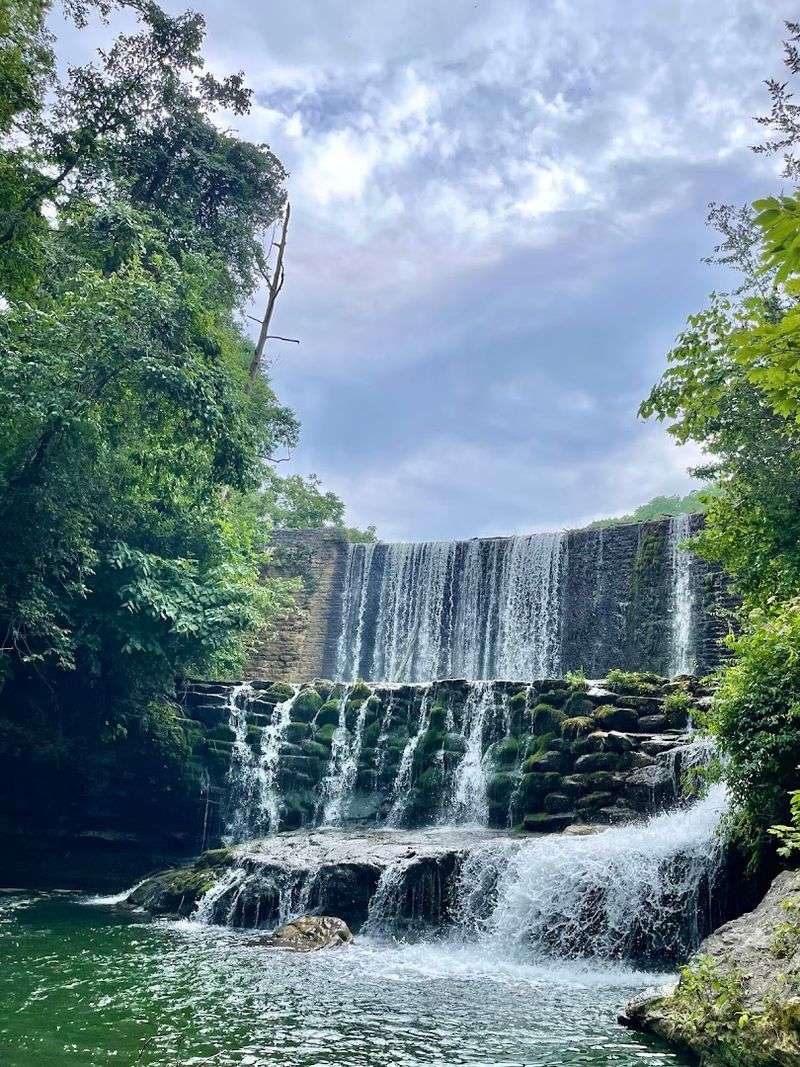
Near the spring area, visitors can also see Mirror Lake, a still body of water framed by limestone walls that reflects the surrounding trees and bluffs with almost mirror-like precision on calm mornings, especially when the wind stays low.
The contrast between the active, rushing spring water and the quiet surface of Mirror Lake creates a natural rhythm along the trail, moving from stillness to motion and back again as you explore the area.
Some visitors find the waterfall flowing over the Mirror Lake dam even more visually striking than the spring itself, and honestly, having two such different water features within walking distance of each other feels like an embarrassment of natural riches.
The limestone walls that frame this still water section of the area are part of the same ancient geological story as the cave system, shaped by the same slow dissolution of rock that created the underground passages below.
Beside Mirror Lake on a quiet morning, with the walls reflected perfectly in the surface and birdsong coming from the tree line, the whole place can feel deeply peaceful.
The old CCC mill at the base of the dam adds a layer of human history to the scene, connecting the natural landscape to the people who once lived and worked alongside it.
Still water has a way of making you stand in one place longer than you planned, and this spot is no exception.
A Short Walk Into Ancient Scenery
Few trails manage to pack this much geological and natural history into such a short, accessible walk, and the Blanchard Spring Trailhead pulls it off with a confidence that comes from having remarkable material to work with.
The entire walk to the spring is brief enough to complete in just a few minutes at a relaxed pace, yet the scenery it passes through spans hundreds of millions of years of Earth history compressed into a single, stunning landscape.
Active cave formations including stalactites, stalagmites, columns, and flowstones continue to grow inside the cavern system, with Blanchard Springs home to one of the largest flowstones in the United States.
That underground grandeur is invisible from the trail, but knowing it exists just beyond the cave opening gives the short walk an added dimension of wonder that lingers long after you leave.
The trail stays approachable for many visitors, with a wide path, memorable views, and enough payoff to make the short distance feel unusually rewarding.
I walked it twice on my visit, once quickly to take in the full view and once slowly to notice every detail I had missed the first time, and the second pass was just as rewarding as the first.
Ancient scenery does not always require a grueling hike to reach, and this trail proves that point with quiet, unhurried confidence from the first steps.