
This Hidden Corner Of Arkansas Has Over 100 Breathtaking Waterfalls
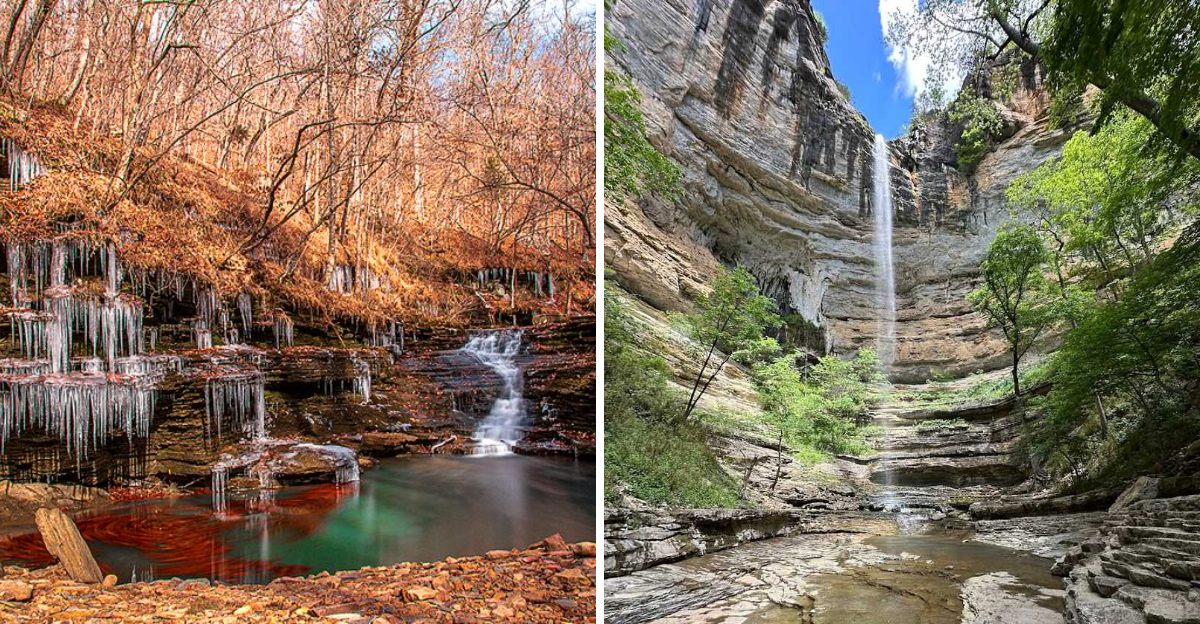
Newton County, Arkansas is where a quick hike can turn into the kind of day you keep talking about at dinner. You start with a trail, a bottle of water, and maybe too much confidence.
Then the Ozarks do what they do best. The path gets muddy.
The creek gets louder. Your phone loses service.
Somehow, that makes everything better. Out here, waterfalls do not feel like quick photo stops.
They feel earned. You follow the sound through the woods until the trees open up and water drops over stone right in front of you.
That moment hits every time. I have finished these hikes with wet socks, sore legs, and a ridiculous number of photos.
Worth it. So if you are craving a weekend with more dirt, more views, and better stories, these Newton County waterfalls are ready for your list right now.
1. Eden Falls, Ponca
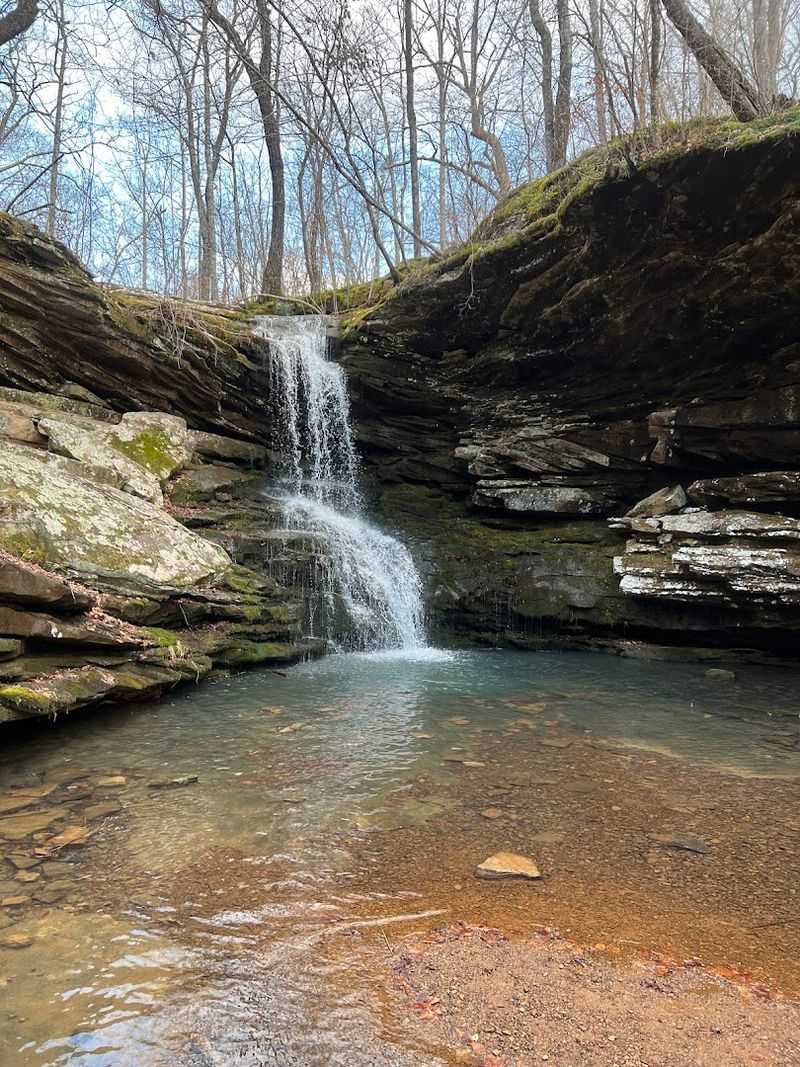
At the end of the Lost Valley Trail in Ponca, Eden Falls rewards hikers with one of the most memorable natural scenes in all of Newton County.
The trail to get here winds through a narrow canyon corridor, passing Natural Bridge and Cob Cave before finally delivering you to the falls themselves.
What makes Eden Falls so memorable is the way the water spills into a cool, sheltered grotto framed by moss-covered limestone walls that seem to glow in the filtered light.
The main trail is manageable for many hikers, but the cave spur and slick rock sections call for careful footing, especially with kids.
Lost Valley is part of the Buffalo National River area, so the landscape around you is protected and remarkably well-preserved throughout every season of the year.
Spring is often the best time to visit, when steady rain pushes the falls to their strongest flow and the surrounding forest bursts into fresh green growth.
Fall brings its own kind of charm, painting the canyon walls in warm amber and red tones that make every photo look like a professional shot.
The trailhead is located on Ponca Lost Valley Rd in Ponca, AR 72670, and parking is available nearby at the Lost Valley Campground area.
I spent nearly an hour just sitting near the grotto, listening to the water echo off the rock walls and watching light shift across the stone.
Eden Falls is the kind of place that makes you forget about your phone, your schedule, and everything else waiting back home, and that is a rare and wonderful thing.
2. Glory Hole Falls, Deer
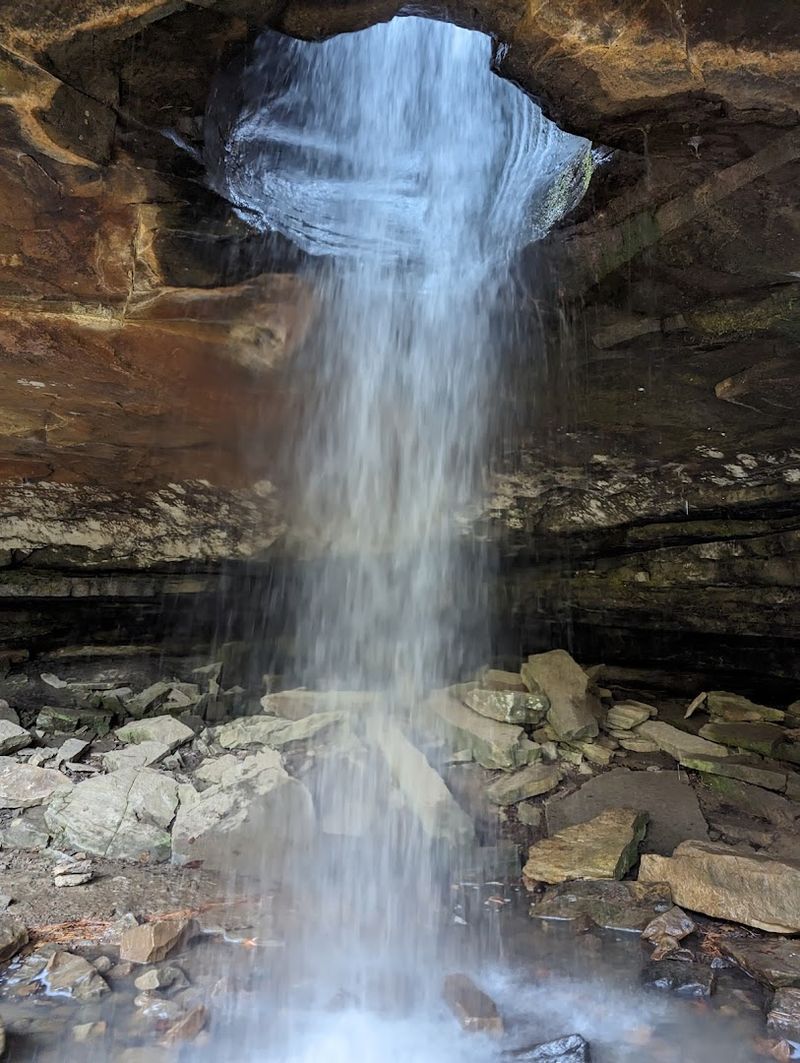
Glory Hole Falls stands apart from other waterfalls in Arkansas, and the moment you see it for the first time, you will immediately understand why.
Instead of cascading down a traditional cliff face, the water here pours through a circular opening in a sandstone overhang and drops straight down into a pool below, creating a scene that looks almost too strange and beautiful to be real.
Located near State Highway 16 in Deer, AR 72628, reaching this spot requires a fairly difficult hike through the Ozark National Forest, with about two miles of trail and nearly 500 feet of elevation change.
The trail can be slippery in wet conditions, so waterproof boots with solid grip are a smart choice before heading down the slope carefully.
I made the mistake of wearing casual sneakers on my first visit and spent most of the descent doing an unplanned slow-motion shuffle that I would rather not repeat.
The best time to witness the falls at full power is during late winter and early spring, when rainfall is consistent and the flow through the hole is at its most impressive.
During summer, the flow slows considerably, but the shaded forest trail and the cool air near the falls still make the hike a refreshing escape from the Arkansas heat.
Photographers tend to love this location because the unique formation creates compositions that stand out dramatically from typical waterfall shots.
The circular opening frames the falling water in a way that feels almost sculptural, especially when soft morning light catches the mist rising from the pool below.
Glory Hole Falls is the kind of natural curiosity that reminds you the Ozarks are still full of surprises waiting just off the main road for anyone willing to seek them out.
3. Hemmed-In Hollow Falls, Compton
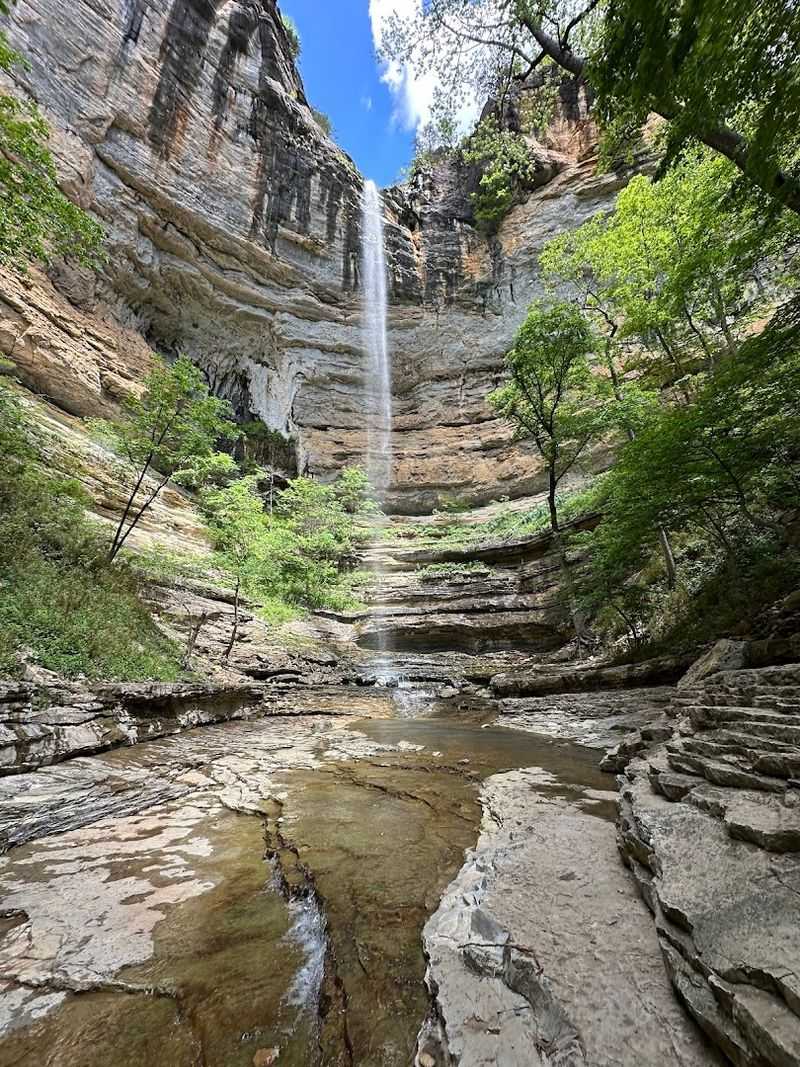
A first look at Hemmed-In Hollow Falls can stop you in your tracks because the scale is hard to take in all at once.
Widely recognized as the tallest waterfall between the Appalachians and the Rockies, this incredible cascade drops nearly 210 feet into a wide natural amphitheater carved out of ancient sandstone near the Compton Trailhead in the Ponca Wilderness.
The surrounding bluffs rise dramatically on three sides, creating an enclosed bowl that amplifies the sound of the falling water into something that feels almost ceremonial.
This hike is not a casual stroll, as the Compton route drops nearly 1,400 feet and requires a tough climb back out, especially after recent rainfall.
Most hikers approach via the Compton Trailhead, Centerpoint Trail, or the Buffalo River Trail, and round trips can range from a half-day to a full-day adventure depending on your starting point.
I remember arriving at the falls on a cool October morning when a light mist was rising from the pool at the base, and the entire hollow felt wrapped in a quiet, foggy stillness.
The best flow here usually comes after steady local rain, especially from winter into spring, when the surrounding watershed is fully charged and the falls run wider and stronger across the bluff.
Even in drier months, the sheer size of the hollow and the towering rock walls make the hike worth every bit of effort you put in.
Wildlife sightings are common along the trail, with deer, wild turkey, and various bird species frequently spotted moving through the forest on both sides of the creek.
Hemmed-In Hollow Falls earns its reputation as a bucket-list destination every single time, and it never fails to leave visitors standing in wide-eyed, grateful silence.
4. Triple Falls / Twin Falls, Jasper
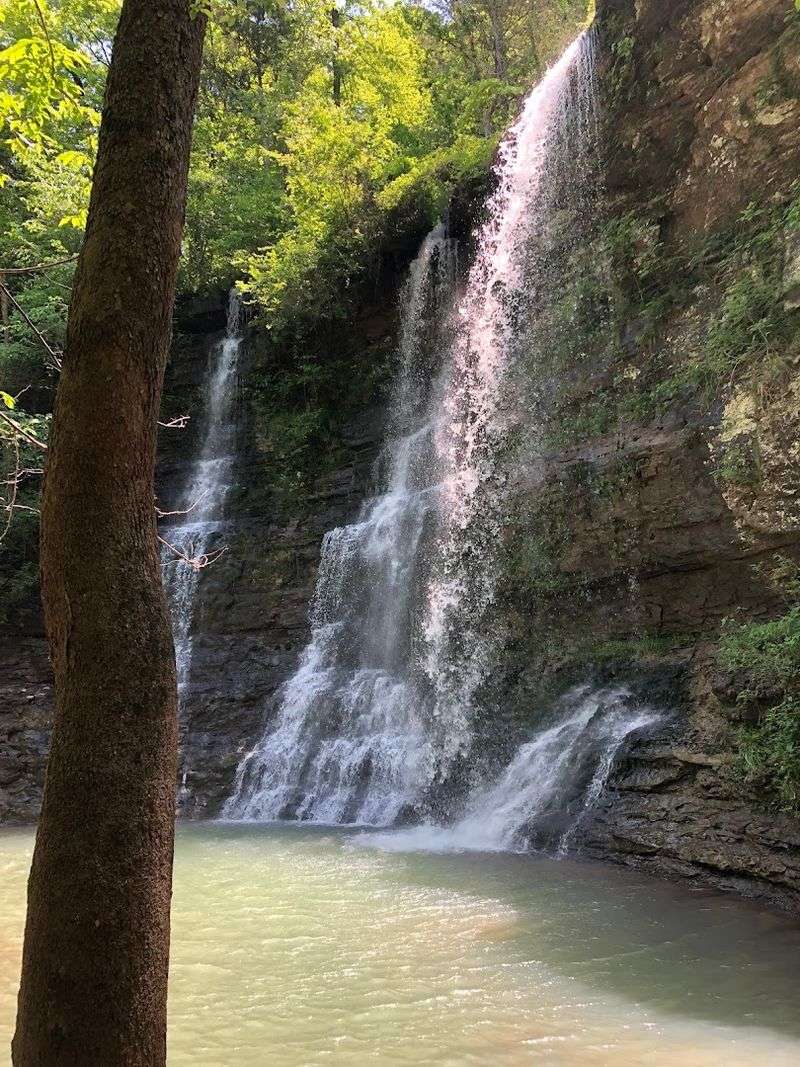
Few waterfall hikes in Newton County deliver the kind of quick visual payoff that Twin Falls, often called Triple Falls after heavy rain, offers near Jasper.
Located off Camp Orr Rd in Jasper, AR 72641, this short trail takes you through a gorgeous stretch of Ozark woodland where the sound of running water seems to follow you from the very first step.
The falls are known for a split flow over a broad rock ledge, with extra streams appearing during wetter conditions and giving the waterfall its Triple Falls nickname.
What sets this spot apart from some of the more well-known falls in the county is the intimate, close-up nature of the experience, since the trail runs right near the creek and puts you practically within arm’s reach of the water.
Mossy boulders, overhanging ferns, and patches of wildflowers line the banks throughout spring, giving the whole scene a lush, almost painterly quality that is hard to describe without seeing it yourself.
I found myself stopping every few minutes on my last visit just to crouch down and watch the water rush over the rocks up close, which made the hike take twice as long as planned.
The trail itself is short and generally easy, though rocky sections, wet footing, and the rough drive along Camp Orr Road can still require patience.
Late spring and early fall tend to offer the most pleasant hiking conditions, with comfortable temperatures and enough water in the creek to keep the falls looking their best.
Families and solo hikers alike seem to gravitate toward this trail because it offers real natural beauty without demanding the kind of serious backcountry commitment that some other local waterfalls require.
Twin Falls makes for a hiking experience that feels generous in every way, giving you plenty to enjoy without asking for a long trek again.
5. Paige Falls, Harrison
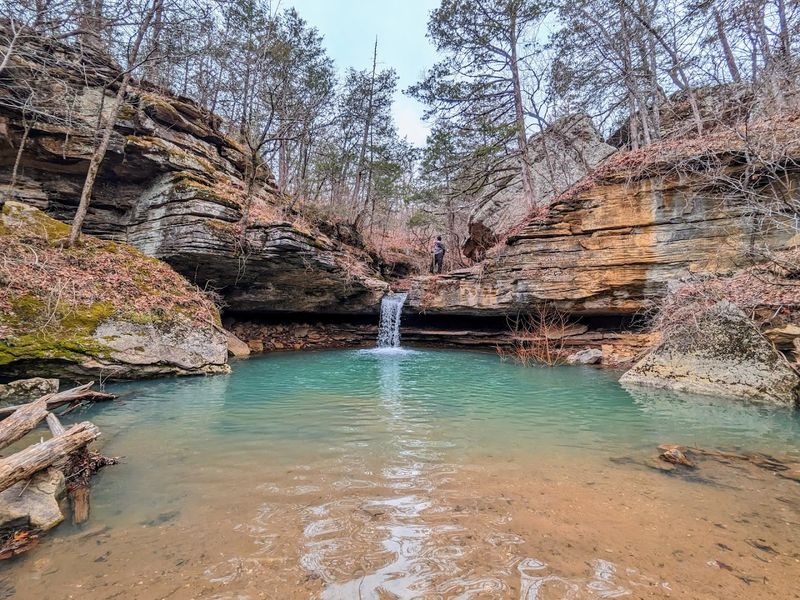
Paige Falls sits in the Broadwater Hollow area near Compton. It carries a quieter reputation than some of its Newton County neighbors, which works in its favor in the best way.
Because fewer people know about it, a visit here tends to feel more personal and unhurried, giving you the kind of peaceful waterfall experience that is increasingly hard to find on popular trails.
The falls flow over a series of layered rock shelves in a wooded setting that feels secluded, though getting there is more of a rural backroad outing than a quick stop from Harrison.
I first heard about Paige Falls from a local shop owner who mentioned it almost as an afterthought, and I am glad I followed up on that tip.
The walk in is fairly short, but there is no official trailhead, and access is usually described from NC 2660 with a rugged gravel road approach.
The water runs clearest and most consistently in early spring, when the surrounding hills are still shedding winter moisture and the creek feeding the falls is running strong.
Summer visits are still worthwhile, particularly in the morning hours when the canopy keeps the trail shaded and the air near the falls stays noticeably cool.
The forest surrounding the falls is a mix of hardwoods and evergreens that creates a layered, textured backdrop throughout every season of the year.
Birdwatchers will find plenty to appreciate along the approach, as the woodland habitat supports a healthy variety of songbirds and woodland species.
Paige Falls may not top every must-see list in the region, but visitors who make the effort to seek it out consistently leave feeling like they found something the rest of the crowd has not caught onto yet.
6. Big Creek Cave Falls, Jasper
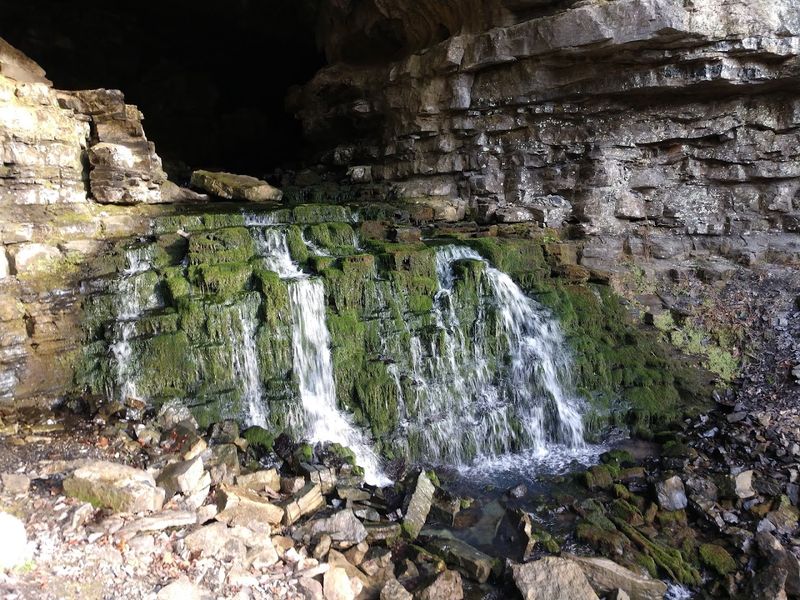
The name alone gives you a pretty good warning: Big Creek Cave Falls is no ordinary waterfall. One visit proves it fast, with water crashing from a cave opening into the kind of rocky Ozark scene that feels even bigger in person.
Located at the Big Creek Cave Falls Trailhead near Jasper, AR 72641, the hike follows old forest routes and creekside terrain as you move deeper into the Big Creek area.
The falls pour from an opening in the side of the mountain, sending water spilling outward and downward before it disappears underground in a way that makes the whole scene feel slightly otherworldly.
This combination of cave and waterfall in one location is uncommon, and it draws a mix of hikers, photographers, and curious explorers who are looking for something beyond the standard trail experience.
The terrain along the way involves creek crossings and some scrambling over rocks, so sturdy footwear and a willingness to get a little wet are both important.
I tackled this trail on a gray, overcast afternoon, and the muted light worked beautifully with the dark cave entrance and the white water pouring out of it.
Spring is a strong season for visiting, when runoff feeds the cave flow and the falls are often at their most powerful and visually striking.
Even outside of peak flow season, the cave setting itself is worth seeing, with interesting rock formations and the cool, damp air that comes with any underground environment.
The surrounding Big Creek area is rich with Ozark biodiversity, and the trail to the falls passes through some beautiful stretches of forest canopy.
Big Creek Cave Falls is the kind of trail that sticks with you long after the mud has washed off your boots, largely because nothing else in the county quite looks like it.
7. Paradise Falls, Deer
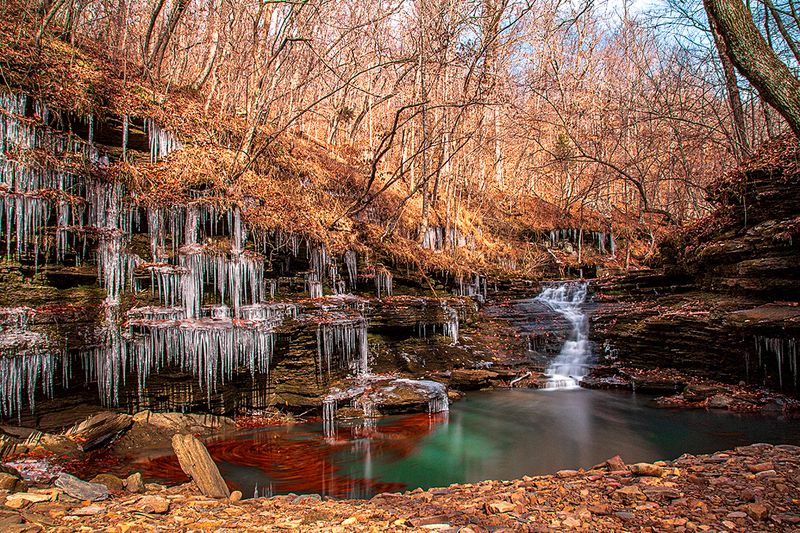
Out in the Ozark-St. Francis National Forest near Deer, Paradise Falls lives up to its name in a way that feels almost unfair to the rest of the waterfalls trying to compete.
The setting here is broad and open compared to some of the tighter canyon falls in the county, giving the water room to spread across the rock before collecting in a pool below.
That openness creates a different kind of atmosphere, one that feels more expansive and sunlit, particularly on clear days when light filters through the surrounding hardwood canopy and catches the mist just right.
The national forest setting gives the hike a wilder feel, and visitors should expect typical Ozark trail conditions instead of assuming every turn will be perfectly marked. Maps and offline navigation are helpful here, since service can fade once you leave the main road on longer days.
I visited on a Saturday morning in late April and was surprised by how few other hikers were on the trail, which made the whole experience feel calm and unhurried.
The approach trail winds through a mix of pine and hardwood forest, passing small wildflower clusters and occasional rocky stretches with views across the surrounding hills.
Wildlife activity around the falls can be impressive, and patient visitors may spot deer, songbirds, and other woodland creatures moving through the creek corridor.
Fall is a particularly stunning time to visit, when the surrounding forest turns into a full palette of orange, gold, and deep red that reflects beautifully in the pool at the base of the falls.
Bring your own snacks and plan for a simple trail outing rather than counting on developed picnic facilities near the trailhead.
Paradise Falls earns every bit of its name, and leaving it always feels just a little bit harder than it probably should.