
People Drive Across Arizona To Explore This Historic Desert Castle, And It Feels Like A Step Back In Time
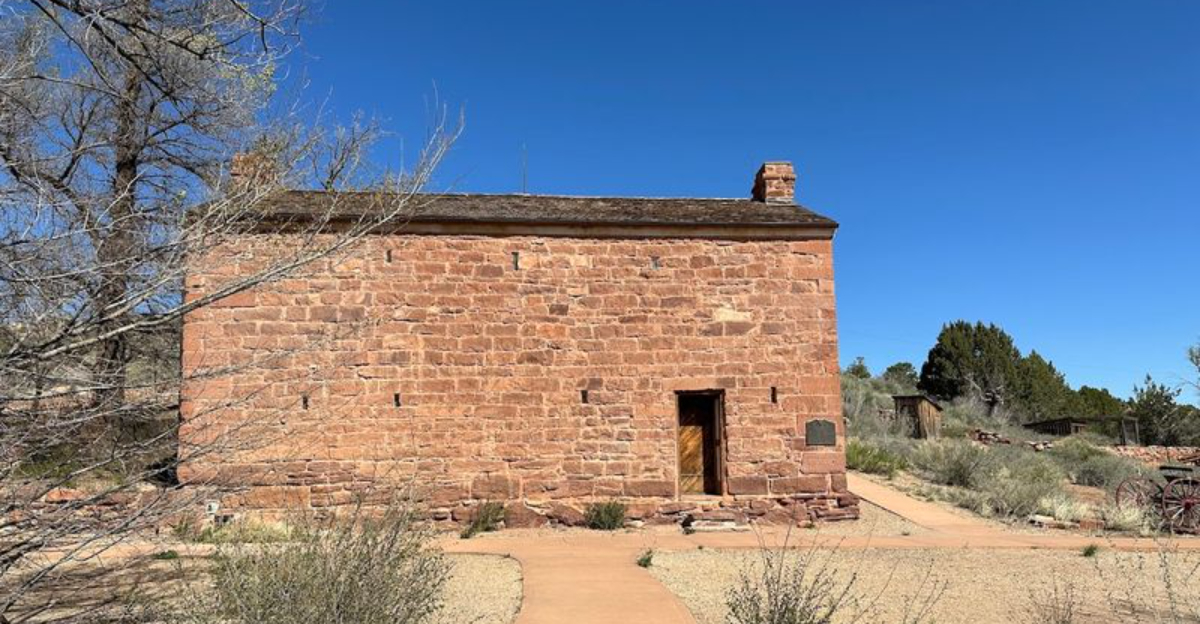
Growing up, I always imagined desert castles belonged only in storybooks, yet here in Arizona, reality turned that fantasy into something breathtaking.
The drive out here stretches through some of the most dramatic scenery anyone could imagine, with the road itself becoming part of the adventure. Visitors consistently tell the same story: they arrive curious but leave transformed by what they discover within those ancient stone walls.
There’s something profoundly moving about standing where pioneers once stood, hearing the same wind that has swept across these lands for generations. The castle rises from the desert floor like a dream made tangible, its red sandstone glowing like embers in the afternoon light.
For anyone yearning to escape the rush of contemporary life, this remarkable place offers something increasingly rare,an authentic connection to history that touches the soul.
Built between 1870 and 1872, this 40-acre monument draws curious travelers from across the state and beyond, all eager to walk through a place where history feels close enough to touch.
The Frontier History That Shaped This Castle
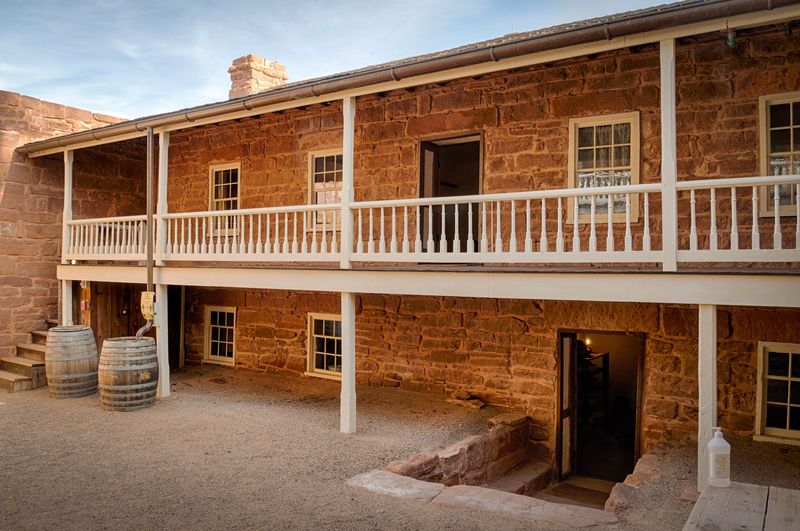
Long before there were highways cutting through the Arizona Strip, a small group of Mormon settlers decided to build something permanent in one of the most remote corners of the American West.
Winsor Castle was constructed between 1870 and 1872 by members of the Church of Jesus Christ of Latter-day Saints, and it quickly earned a reputation as the fanciest building in the entire Arizona Strip region.
Named after Anson Perry Winsor, the first ranch manager, the fort served as the headquarters for a tithing cattle ranch.
The building was also designed to protect settlers from potential raids, making it both a working ranch and a defensive stronghold. It was built directly over Pipe Spring, which meant the occupants had a reliable water source even during sieges.
That combination of practicality and ambition is part of what makes this place so fascinating to explore today.
Understanding why and how Winsor Castle was built gives every visitor a much richer appreciation for what they are actually looking at when they walk through the gate. It is the kind of place where the silence feels just as powerful as the history.
The Architecture Of The Fort
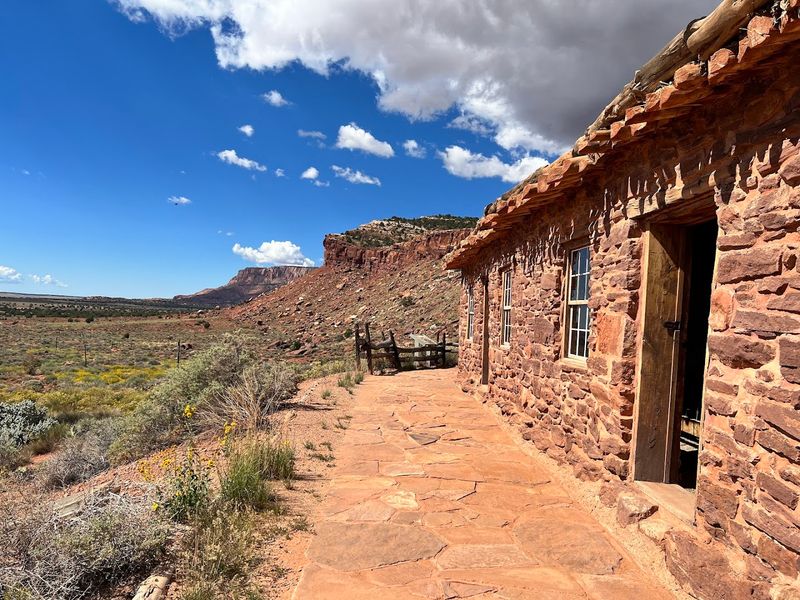
Few buildings in the American Southwest can match the quiet, rugged elegance of Winsor Castle. The fort is made entirely of Navajo sandstone, which was quarried from a nearby hill by the settlers themselves, giving the structure a warm reddish-gold color that practically glows in the afternoon sun.
Two sandstone buildings face each other across a central courtyard, forming a protective enclosure that feels surprisingly cozy given its defensive origins.
The craftsmanship involved in constructing this fort is genuinely impressive, especially considering that it was built in the early 1870s by pioneers who had limited tools and resources.
Thick walls kept the interior cool during summer and retained warmth during cold desert nights, which is exactly the kind of smart, simple engineering that kept frontier families alive.
Walking through the courtyard today, it is easy to picture daily life unfolding in this same space, with cattle nearby, fresh spring water flowing underfoot, and the vast Arizona desert stretching out in every direction. The fort has aged beautifully and tells its story through every stone.
The Water Source That Started It All
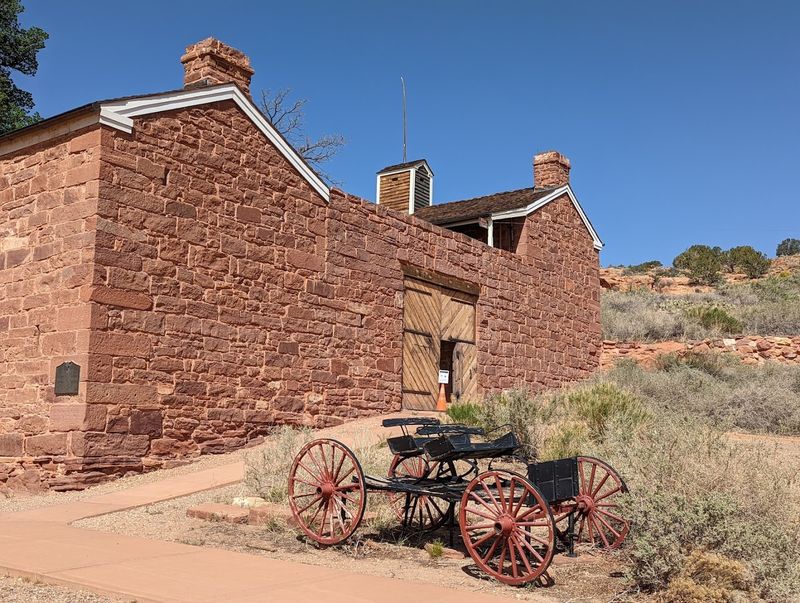
Water is everything in the desert, and Pipe Spring has been one of the most important water sources in the Arizona Strip for centuries.
Long before Mormon settlers arrived, Ancestral Puebloans and the Kaibab Paiute people relied on this spring as a life-giving resource in an otherwise dry and demanding landscape.
The fact that the Mormon pioneers chose to build Winsor Castle directly over the spring was not an accident; it was a calculated move to control one of the most valuable resources in the region.
Today, visitors can see how the spring was incorporated into the fort’s design, with water flowing through the building in a way that also kept dairy products cool. It is a clever piece of frontier engineering that doubled as a refrigeration system, which is pretty remarkable for the 1870s.
The spring itself is a quiet, almost meditative spot that rewards anyone who takes a moment to think about how many different people, across how many different centuries, have knelt down beside this same water source to drink. That continuity across time feels genuinely moving.
Once you understand the spring, the entire site makes more sense, from its location to its layout to the complicated history still carried in the land around it.
Kaibab Paiute History And Culture At The Monument
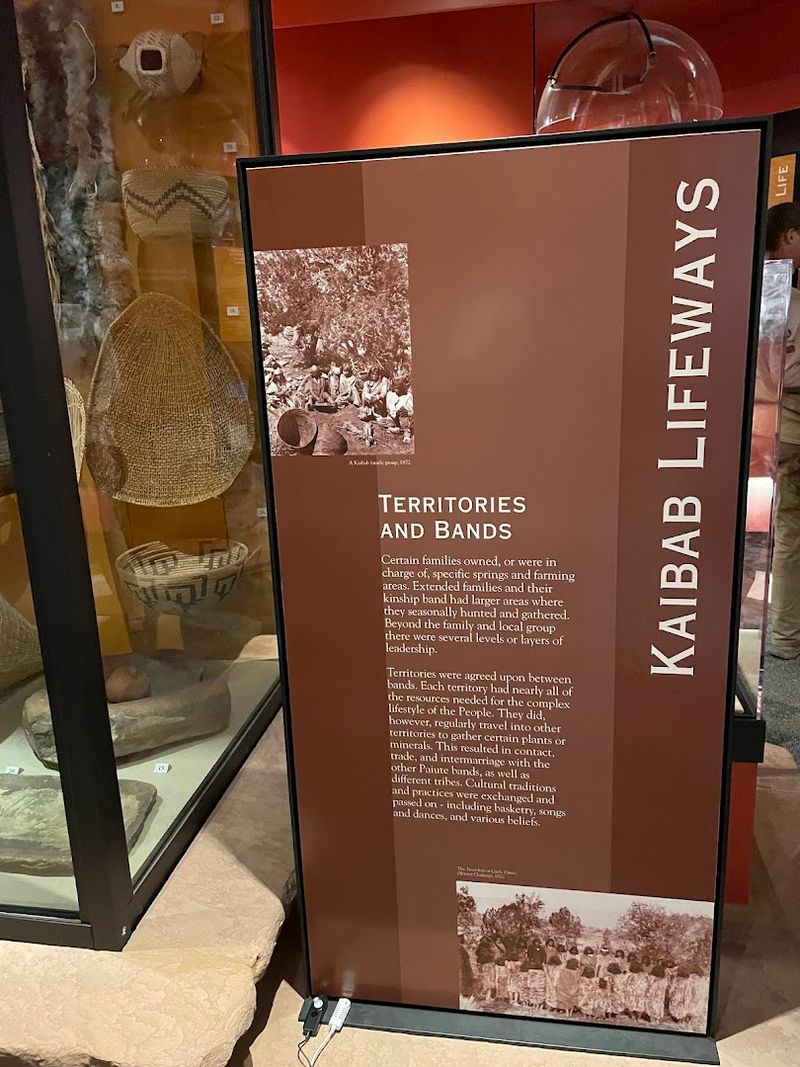
One of the most meaningful aspects of visiting Pipe Spring National Monument is that it does not tell just one group’s story.
The visitor center and cultural museum here is a genuine partnership between the National Park Service and the Kaibab Band of Paiute Indians, and that collaboration shapes everything from the exhibits to the interpretation of the landscape itself.
The Kaibab Paiute people have called this region home for generations, and their connection to Pipe Spring runs far deeper than the relatively brief period of Mormon settlement.
Displays inside the museum explore traditional Paiute life, craftsmanship, and relationship with the land in ways that are respectful, detailed, and genuinely educational for visitors of all ages.
Spending time in this museum before heading out to tour the fort gives the whole experience a much richer context.
You start to understand that this small 40-acre monument contains multitudes, representing layers of human history that stretch back far beyond the 1870s and continue to matter deeply to the Kaibab Paiute community today.
It also adds another layer to the visit, because Winsor Castle starts to feel less like a preserved building and more like a story built around survival.
Ranger-Led Tours Inside The Castle
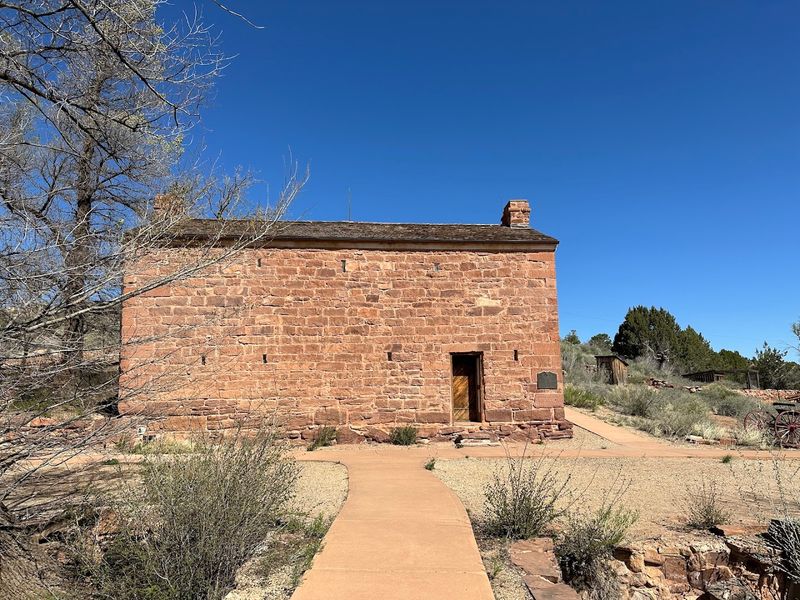
Here is something worth knowing before you arrive: the only way to see the interior of Winsor Castle is by joining a ranger-led guided tour. You cannot wander through on your own, which might sound limiting at first but actually turns out to be one of the best parts of the visit.
The rangers who lead these tours are knowledgeable, enthusiastic, and skilled at bringing the 1870s to life in a way that no self-guided audio tour could match.
During the tour, guides walk visitors through the various rooms of the fort, explaining how each space was used and sharing specific stories about the people who lived and worked here.
You will hear about the daily routines of ranch life, the role the fort played as a refuge for polygamist wives during the 1880s and 1890s, and the challenges of surviving in such an isolated location.
Groups tend to be small, which means there is usually plenty of room for questions. Plan to arrive early during busy seasons to secure your spot on a tour, as they can fill up faster than you might expect.
Living History Demonstrations And Activities
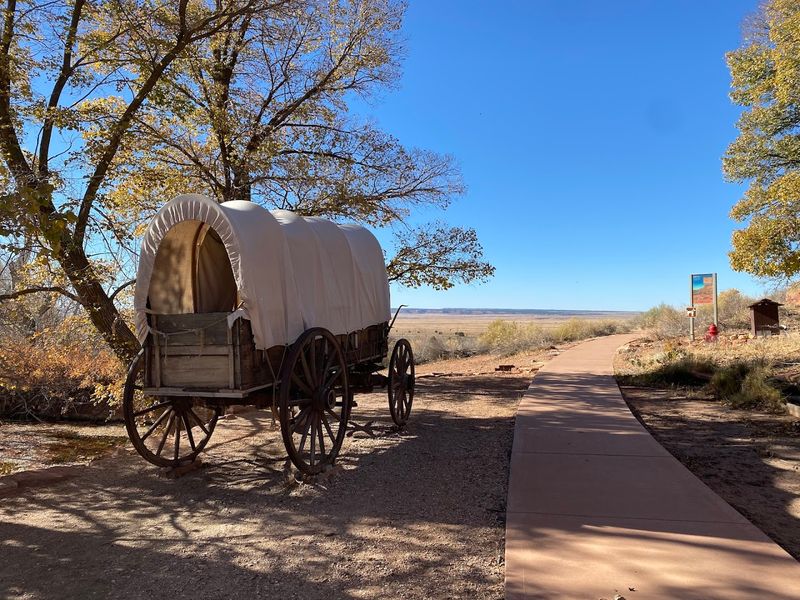
Beyond the ranger tours, Pipe Spring National Monument regularly offers living history demonstrations that bring the 19th century frontier experience to life in a hands-on, memorable way.
Costumed interpreters demonstrate skills like butter churning, candle making, and blacksmithing, giving visitors a tangible sense of how much labor went into everyday survival on the Arizona Strip. Kids especially tend to love these demonstrations because they make history feel real rather than distant.
The monument also includes restored cabins, a garden, an orchard, and corrals that visitors can explore at their own pace. Seeing a working garden planted with heritage varieties of vegetables next to a sandstone fort in the middle of the desert is a surprisingly affecting experience.
It makes the human effort behind this place feel very immediate and real.
Check the monument’s schedule before your visit, since living history events are typically offered on specific days and times rather than daily. Coming on a day when demonstrations are running adds a whole extra layer of richness to the experience that is absolutely worth planning around.
The Ridge Trail And Desert Views
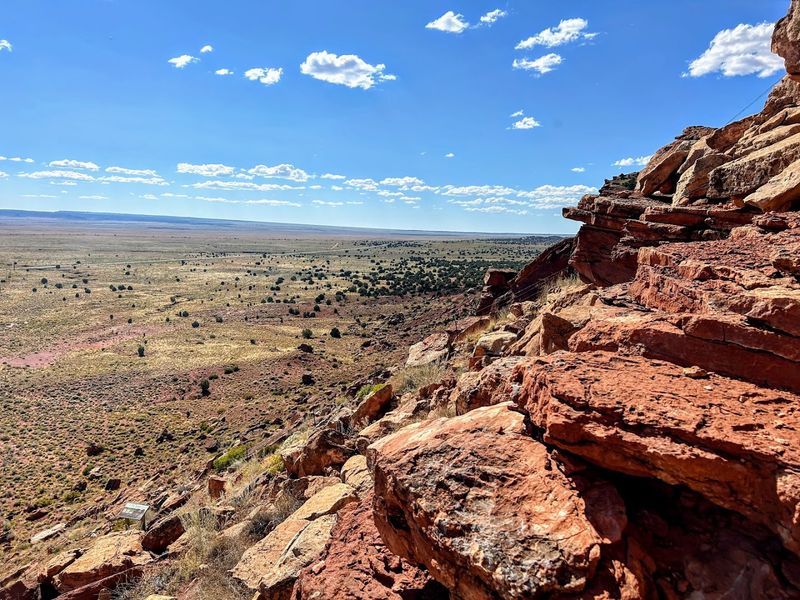
After touring the fort and exploring the grounds, lace up your walking shoes for the half-mile Ridge Trail, which climbs above the monument to offer some genuinely spectacular views of the surrounding desert landscape.
From up on the ridge, you can look down at Winsor Castle and see exactly how it fits into the terrain, which gives you a completely different perspective on why this location was chosen in the first place.
The trail itself is not strenuous, but the Arizona sun can be intense, so bringing water and wearing a hat is strongly recommended regardless of the season.
Early morning is a particularly rewarding time to walk the Ridge Trail, when the light is soft and the air is still cool. The colors of the sandstone and the surrounding desert seem especially vivid in that early-morning glow.
Standing on that ridge, looking out over a landscape that has changed very little since the 1870s, you get a rare and quietly powerful sense of just how vast, demanding, and beautiful the Arizona Strip truly is. It is the kind of view that stays with you long after you drive home.