
A Spring Trip To This Arizona Overlook Will Leave You Speechless
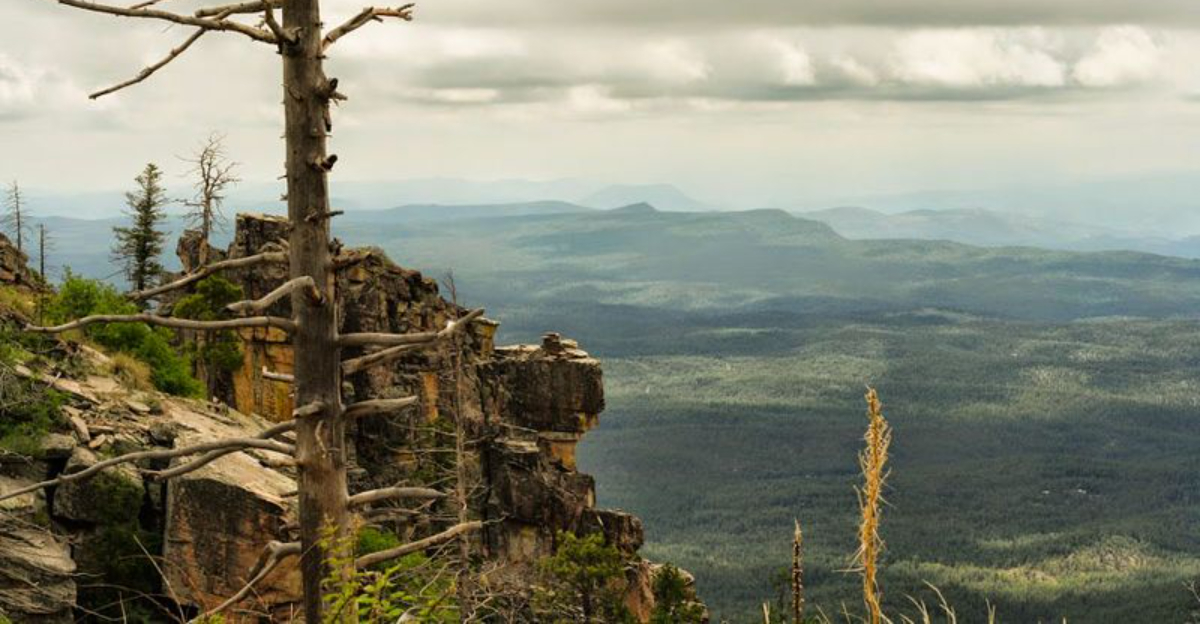
There are moments in life when the world simply stops turning, when breath catches in my throat and words fail completely.
Standing atop this magnificent Arizona overlook during springtime, surrounded by miles of untouched wilderness stretching toward the distant horizon, such a moment found me completely unprepared. The air carries a crisp freshness that only this elevation can deliver.
Below, the forest carpet unfurls in shades of emerald and sage, while scattered patches of blooming desert gold add unexpected warmth to the scene. Every direction offers a new wonder, a new reason to believe that some corners of our world remain beautifully untouched by human hands.
Staring out at a landscape that seems to stretch all the way to the end of the world, I completely forgot what I was going to say next.
That tends to happen when you are looking at 200 miles of rugged geological escarpment, towering cliffs rising up to 2,000 feet, and a sky so blue it almost hurts to look at.
The Geological Story Behind
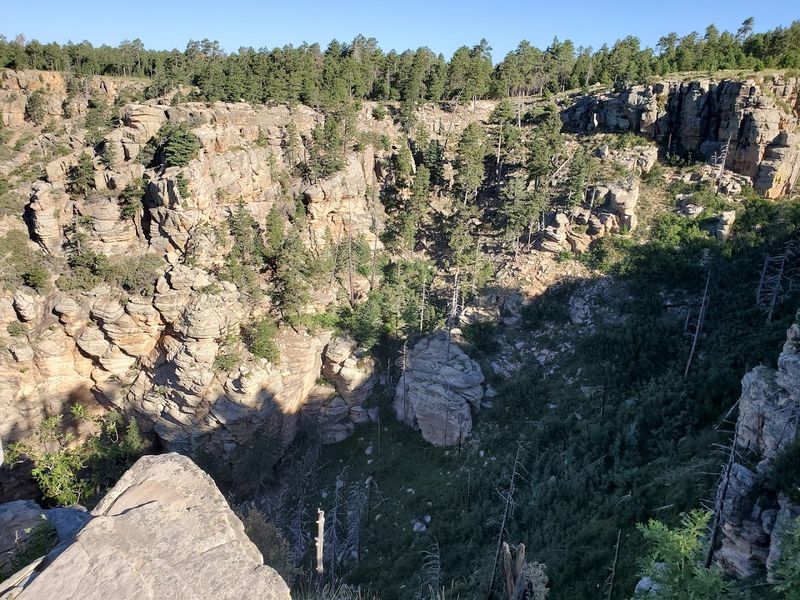
About 200 miles long and rising as high as 2,000 feet in some places, the Mogollon Rim marks the southern edge of the Colorado Plateau in central Arizona, and it is one of the most dramatic geological features in the entire country.
Second only to the Grand Canyon in terms of scale within the state, this massive escarpment was shaped by millions of years of tectonic activity, erosion, and volcanic events that carved the landscape into the stunning cliffs visible today.
The cliffs themselves are made up of layers of limestone, sandstone, and other sedimentary rock, with some sections featuring striking white Coconino Sandstone walls several hundred feet tall.
Elevations along the Rim range from around 5,000 feet to over 8,000 feet, which means the air is noticeably cooler and cleaner than in the desert valleys far below.
Locals pronounce it “MOH-guh-yawn,” a name that rolls off the tongue with as much character as the landscape itself. Understanding this geological backstory makes every view from the top feel even more earned.
Rim Road And The Drive
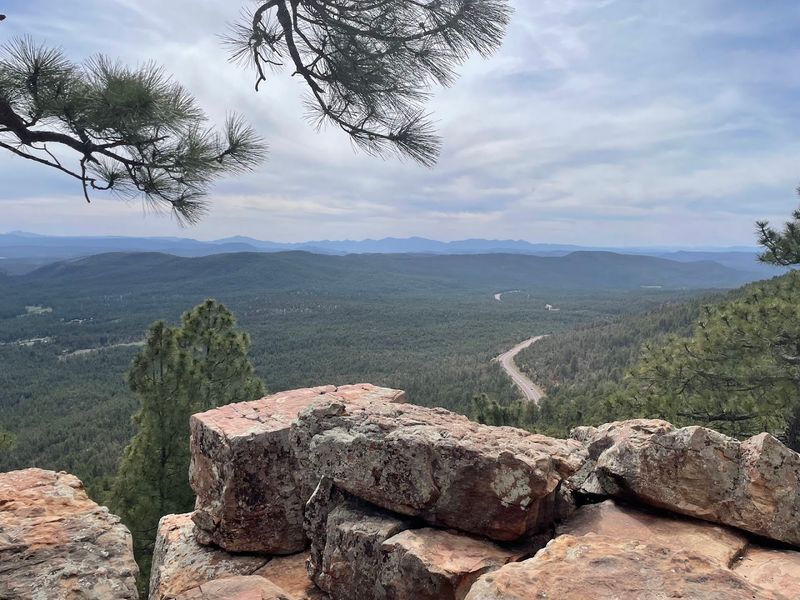
Forest Road 300, commonly called Rim Road, has a reputation among Arizona road trippers that is hard to overstate.
Winding through dense stands of ponderosa pine and opening up at overlook after overlook, this route is widely considered one of the most scenic drives in the entire state, and a spring trip proves exactly why that claim holds up.
The road hugs the edge of the Rim for long stretches, offering sudden and dramatic views of sheer cliffs dropping away into canyons and valleys far below. Pulling over at one of the many lookout points and stepping out of the car feels like the landscape is showing off specifically for you.
The scale of the canyon views is genuinely hard to process at first.
Spring light hits the red and white rock faces at angles that photographers dream about, and the pine forest surrounding the road is fragrant and cool. Driving Rim Road slowly, with the windows down, is one of those experiences that becomes a core travel memory before you even realize it is happening.
Wildflowers And The Magic Of A Spring Landscape
April and May bring a transformation to the Mogollon Rim that feels almost theatrical. Trails like the Derrick Spur Trail and the Derrick Trail come alive with bursts of color as wildflowers push up through the forest floor, turning what might otherwise be a pleasant hike into something genuinely beautiful.
The combination of higher elevation, melting snowpack, and warming temperatures creates ideal conditions for this annual show.
Manzanita and juniper dot the lower cliff faces while the upper forest fills in with green, and the contrast between the rocky escarpment and the soft wildflower blooms is the kind of visual that stops hikers mid-step.
Spring also brings flowing creeks back to life throughout the Rim country, adding the sound of running water to trails that are dry and quiet during other seasons.
Visiting during peak bloom, typically mid-April through late May depending on elevation, means catching the landscape in a state of genuine renewal that feels like a reward for making the trip at just the right time.
Hiking The Rim Lakes Vista Trail
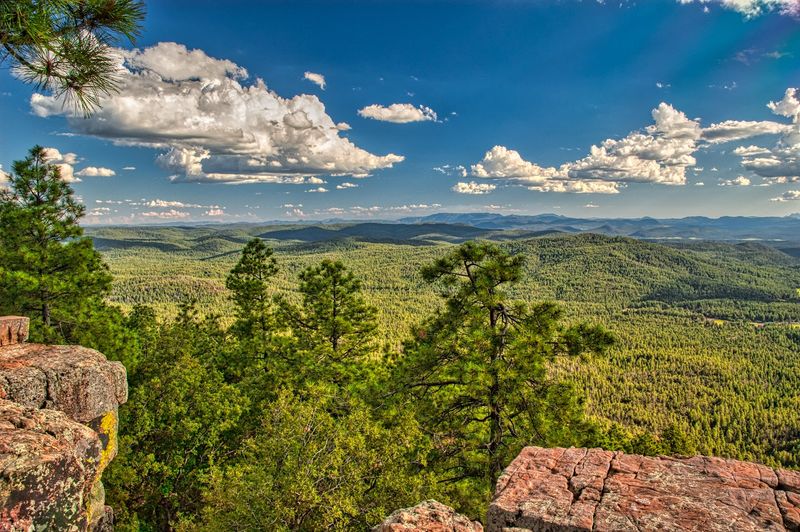
People who have stood at the edge of the Rim Lakes Vista Trail and looked out over the canyon below often reach for comparisons that only one other Arizona landmark can match.
The views from this trail have genuinely been compared to those of the Grand Canyon, and while the scale is different, the emotional impact is surprisingly similar.
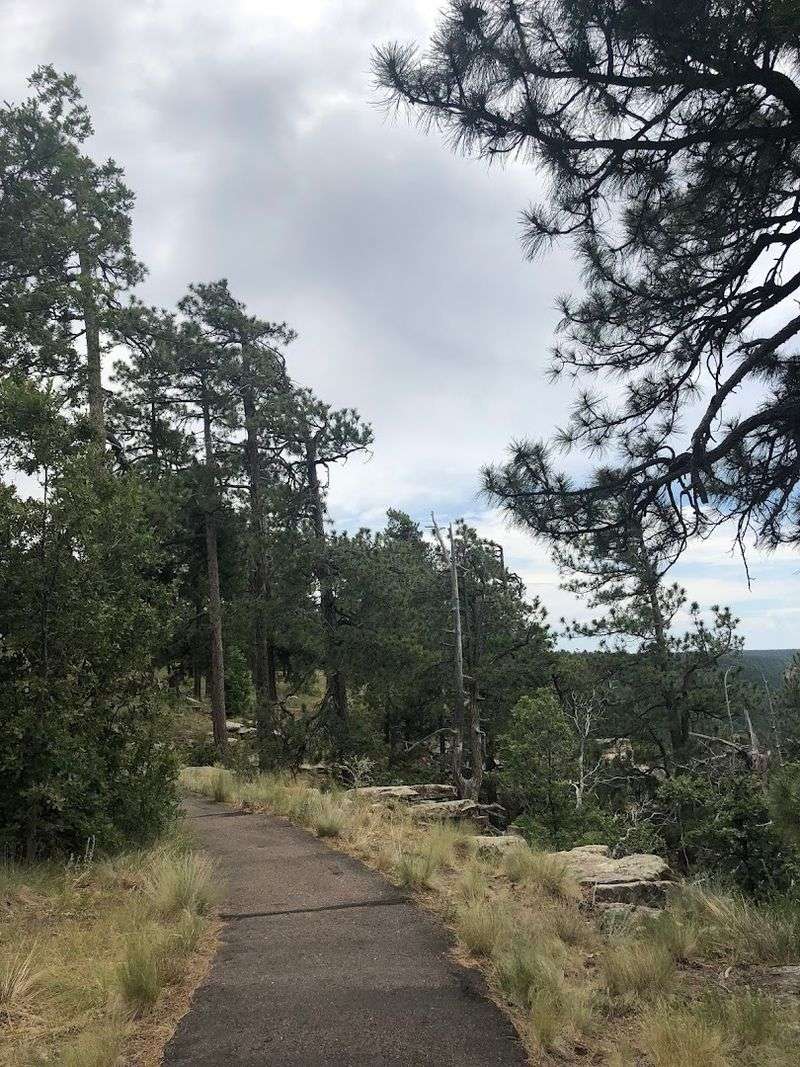
The trail itself is paved and relatively flat, which makes it accessible for a wide range of visitors, including families with younger kids or anyone who prefers a more relaxed pace. That accessibility does nothing to diminish what you see along the way.
Sweeping, pine-studded panoramas open up at multiple points, and the trail rewards walkers who take their time rather than rushing through.
Spring is an especially good season for this hike because the air is clear, temperatures are comfortable, and the forest around the trail is at its greenest.
Mornings offer the best light and the calmest conditions, making an early start a smart move for anyone hoping to have the best views mostly to themselves.
Lakes, Fishing, And Water Adventures
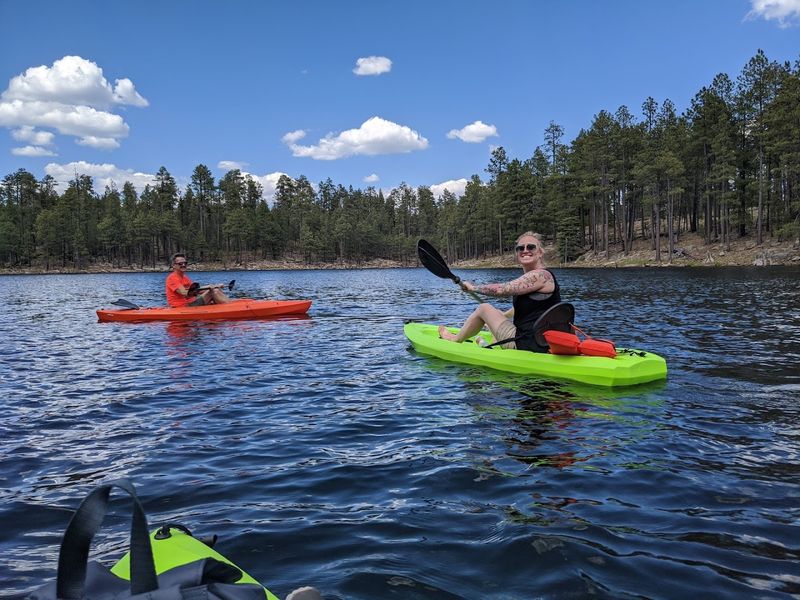
Woods Canyon Lake, Bear Canyon Lake, and Willow Springs Lake are three of the most popular destinations along the Rim, and spring is the season when they truly come into their own.
Many of the forest service roads leading to these lakes are closed during winter due to snow, and their reopening in spring feels like an invitation that serious anglers and paddlers have been waiting months to accept.
Fishing is a major draw here, with trout being the primary catch at most of the high-elevation lakes. The cold, clear water and the surrounding pine forest create an atmosphere that feels a world away from the desert heat that dominates most of Arizona for much of the year.
Kayaking and paddleboarding are also popular once the lakes are fully accessible, and gliding across a glassy mountain lake with pine trees reflected in the water is a genuinely peaceful experience.
The elevation keeps temperatures refreshingly cool even on sunny spring days, which makes longer time on the water comfortable and enjoyable without the sunburn risk of summer.
These lakes also give the Rim a softer side after miles of dramatic overlooks and rugged cliff views. They are the kind of places where you can slow down, unpack lunch, watch the water move, and let the whole spring day stretch out without much effort.
Wildlife Watching And The Creatures Of The Rim
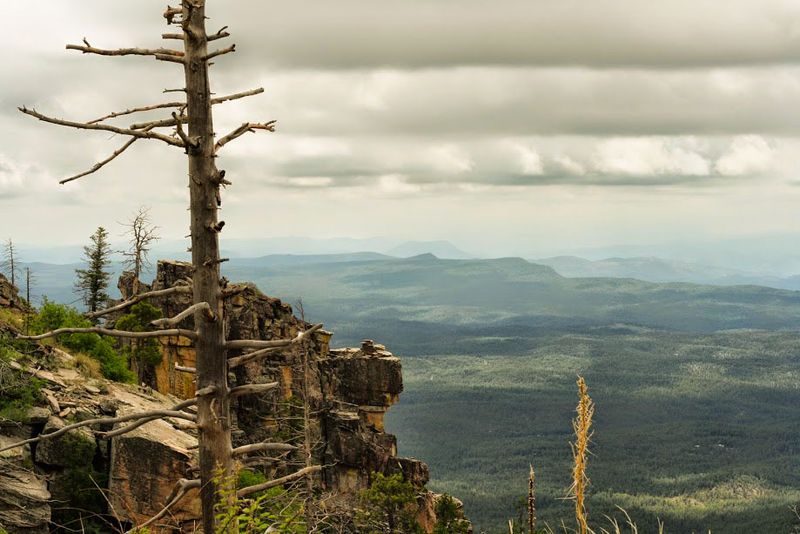
Spotting a bald eagle gliding on a thermal above the canyon edge is the kind of moment that makes a person stop talking mid-sentence.
The Mogollon Rim supports a surprisingly rich variety of wildlife, and spring is one of the better seasons to encounter animals that have been less active or less visible through the colder months.
Elk are another notable resident of the Rim country, and early morning hikes through the pine forest occasionally reward patient visitors with a sighting in a meadow or along a forest road.
The combination of dense forest, open grasslands, and rugged cliffs creates a variety of habitats that support everything from mule deer to wild turkey.
Birdwatching is especially rewarding in spring, when migratory species pass through and resident birds become more vocal and active. Bringing a pair of binoculars and moving quietly along the trail significantly increases the chances of meaningful wildlife encounters.
The Rim’s remote character means that animals here often behave as if humans are still a novelty, which makes every sighting feel unexpectedly close and personal.
Fresh tracks in soft dirt, sudden movement in the brush, and birdsong echoing through the trees all remind you that the Rim is never as quiet as it first seems.
Practical Tips For Planning Your Spring Visit
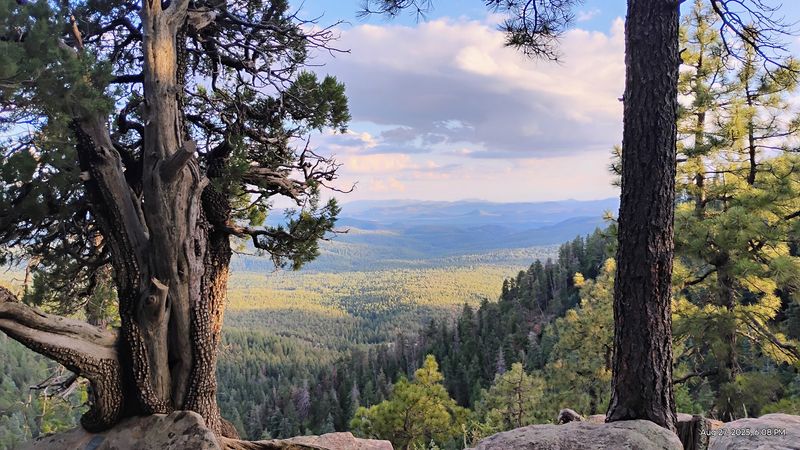
Getting the most out of a spring trip to the Mogollon Rim takes a little planning, and a few key details can make the difference between a smooth adventure and an avoidable frustration.
The Rim sits within the Tonto National Forest and the Apache-Sitgreaves National Forests, and many of the best access points are reached via State Route 260 or the scenic roads branching off from Payson, Arizona.
Cell service along much of the Rim is limited or nonexistent, so downloading offline maps before leaving town is a genuinely useful step.
Weather at elevation can shift quickly in spring, with cool mornings, warm afternoons, and the occasional afternoon thunderstorm, so layered clothing and a light rain jacket belong in every day pack.
Campgrounds like Mogollon Campground and Rim Campground fill up on spring weekends, so reservations made well in advance are strongly recommended.
Bringing plenty of water is essential regardless of the season, since the dry mountain air accelerates dehydration faster than most visitors expect. Starting hikes early keeps you ahead of both the crowds and the afternoon weather.