
This Maine Shop Is Where Old Home Treasures Get A Second Chance
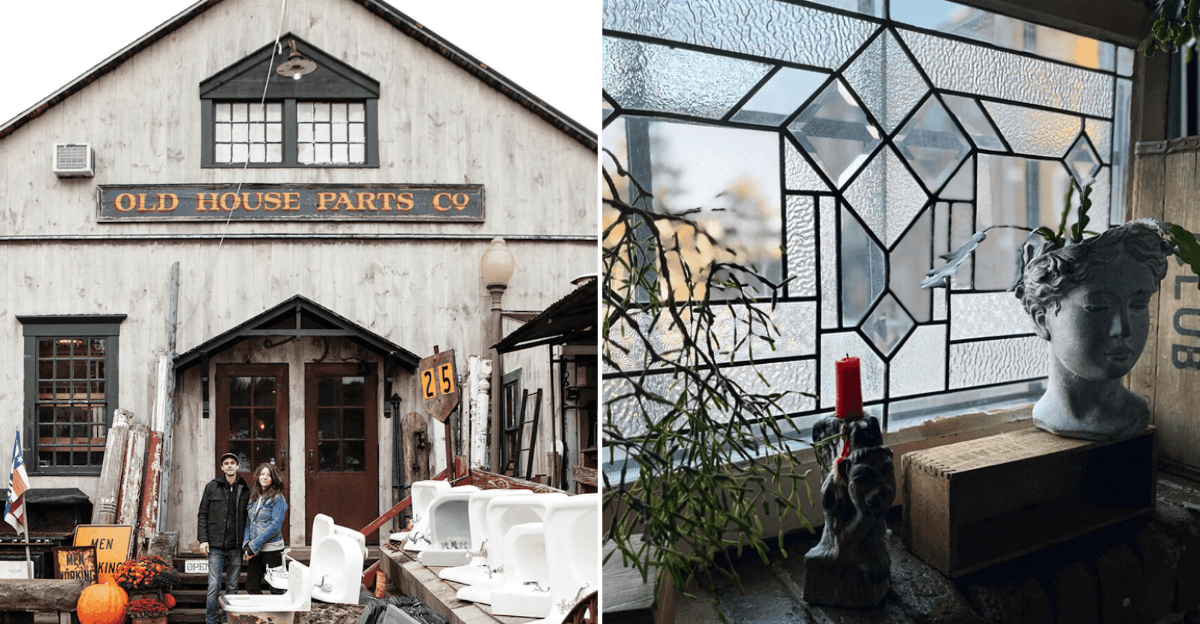
Some buildings lose their voice long before the walls come down. In Maine, one remarkable salvage shop listens closely, rescuing the details that once gave old homes their character: hand-forged hinges, wavy glass windows, carved mantels, brass knobs, and doors worn smooth by generations of use.
These pieces carry the marks of real craftsmanship, the kind modern renovations often try to imitate but rarely capture. When an old house gets stripped, remodeled, or demolished, its best details can vanish quietly.
Here, many of them get another chance. For anyone who has stepped into a restored house and sensed something missing, this place offers a satisfying answer.
The shelves, rows, and corners are filled with fragments of Maine history waiting to become part of a home again.
The Warehouse Has Character
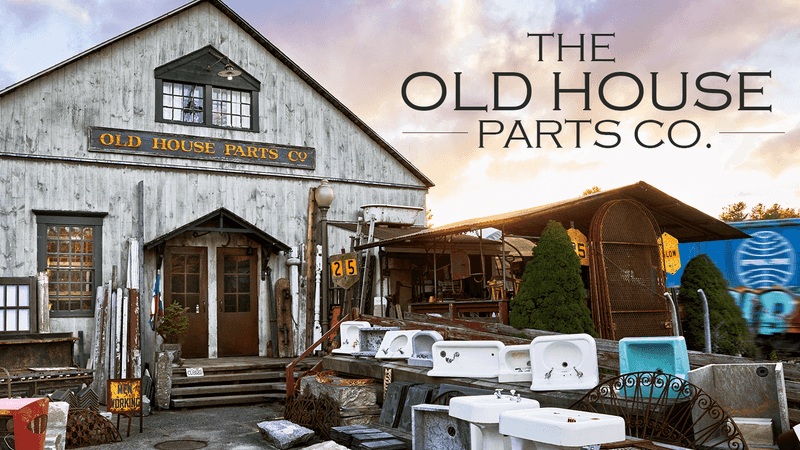
Before you even step through the front door, the building itself sets the mood. The Old House Parts Company operates out of a historic 1872 freight warehouse at 1 Trackside Dr, Kennebunk, ME 04043, which adds a layer of atmosphere that most shops simply cannot manufacture.
The structure has bones, and you feel that the moment you arrive.
Standing in front of a building that has its own past makes the salvage mission feel even more meaningful. Nothing here is pretending to be something it is not.
The setting is honest, a little rough around the edges, and completely authentic in a way that polished retail spaces rarely manage to pull off.
For anyone who appreciates the idea that places carry memory, this location is a conversation starter before you even browse a single shelf. The history of the building and the history of its contents seem to speak the same language, which makes the whole experience feel remarkably cohesive.
Old Pieces, New Possibilities
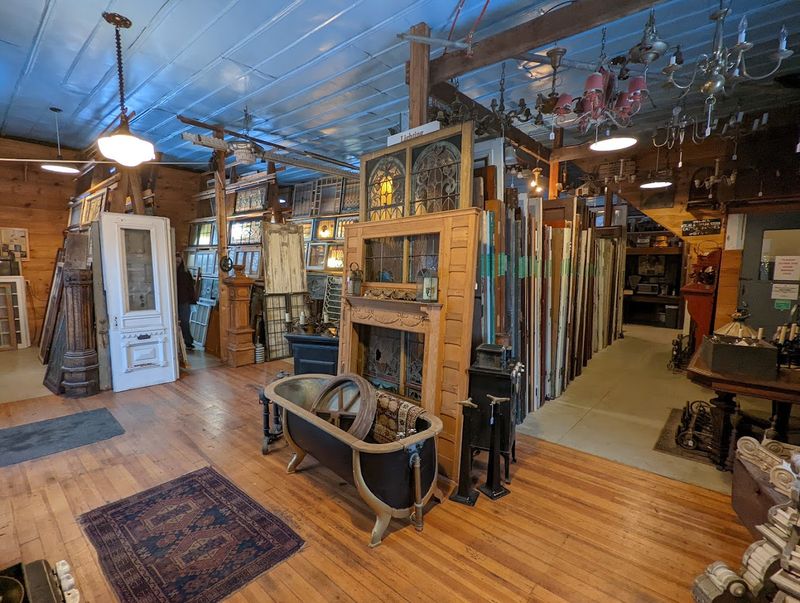
Walking into a sprawling historic warehouse filled with salvaged goods is a genuinely surprising experience. Most people expect a cluttered back-room vibe, but The Old House Parts Company defies that expectation with a sprawling, well-organized layout that rewards exploration at every level.
Each floor brings something different into view. The sheer scale of the inventory is hard to wrap your head around until you are actually moving through it.
Hundreds of doors lean in organized rows, windows are sorted by size and style, and smaller hardware pieces are grouped so you can actually find what you came for without spending the whole afternoon searching.
What makes the large warehouse layout so satisfying is the sense of discovery that builds as you move through it.
You might find a claw-foot tub on one floor and a stained glass panel on the next. Every turn reveals something unexpected, making the whole visit feel less like shopping and more like exploring a very well-curated archive of American building history.
Hundreds Of Vintage Doors
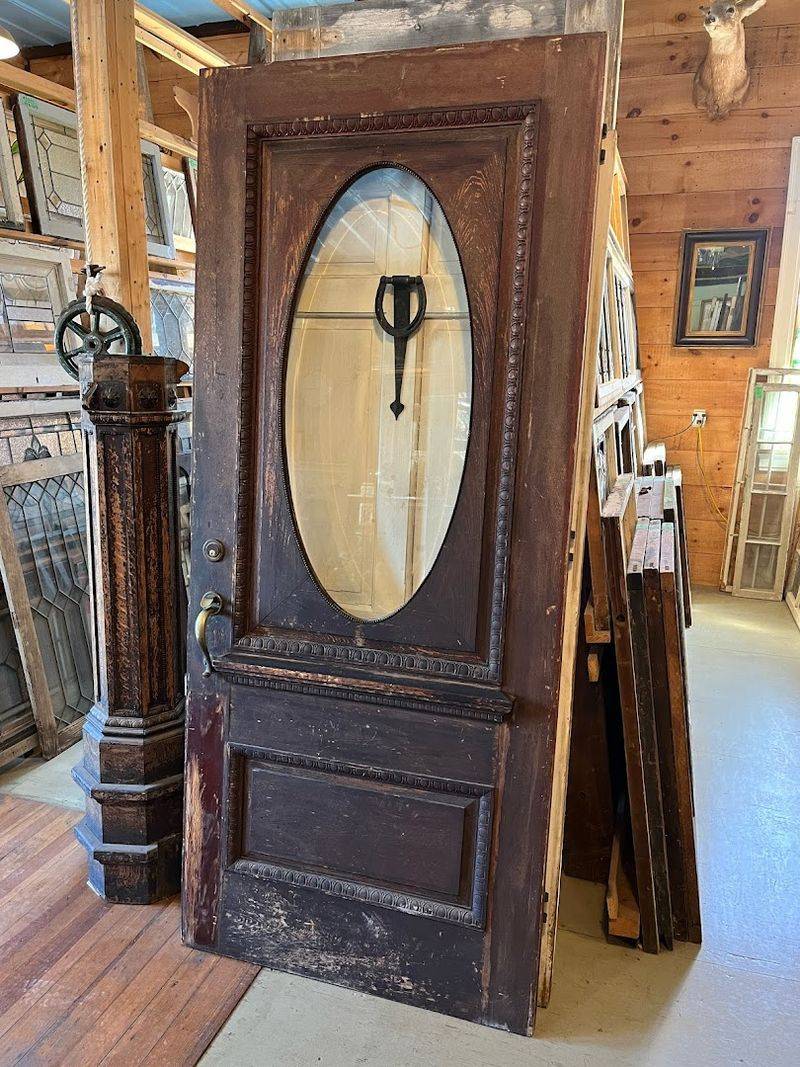
There is something quietly spectacular about seeing hundreds of old doors standing side by side in organized rows.
Each one was once the entrance to someone’s home, the threshold between private life and the outside world, and now it waits for a new purpose in a new place. That kind of continuity is genuinely moving if you let yourself think about it.
The door collection at The Old House Parts Company is one of the shop’s most talked-about features, and for good reason.
You will find everything from simple four-panel farmhouse doors to ornate Victorian entries with original glass inserts still intact. The variety is broad enough to serve nearly any architectural style.
For anyone renovating a period home, sourcing a door that actually matches the era of the house is notoriously difficult through standard suppliers. Finding one here, already aged and carrying the right proportions, saves both time and the awkward compromise of installing something that never quite fits.
These doors belong in old houses, and they know it.
Knobs, Latches, And Lost Details
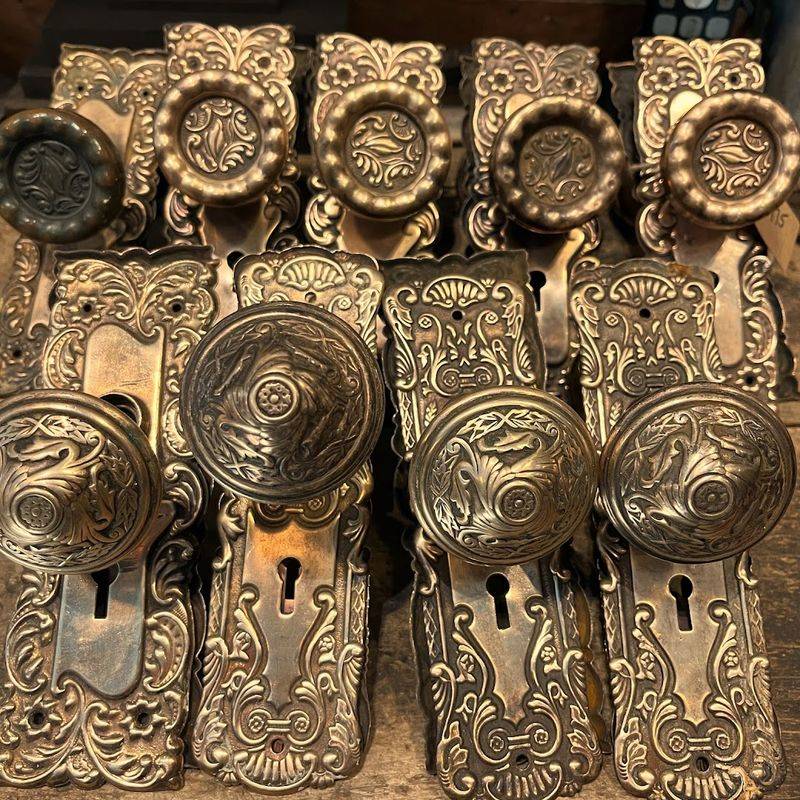
Finding a brass cabinet latch that matches the patina and proportions of hardware installed in a 1910 home is not something you can do at a standard home improvement store.
The Old House Parts Company carries an extensive collection of vintage hardware, including door knobs, hinges, cabinet latches, and drawer pulls, all sourced from real buildings with real history behind them. The staff here takes hardware seriously, which makes a noticeable difference.
When a customer recently reached out by email describing a specific antique twist-knob cabinet latch with exact dimensions, the team responded within hours with photos of two matching options. That level of attentiveness is rare anywhere, let alone in a salvage shop.
Old hardware also has a tactile quality that reproductions rarely capture. The weight of a cast-iron hinge, the smooth action of a brass mortise lock, or the satisfying click of an original door latch all communicate craftsmanship from an era when builders expected things to last for generations.
That expectation shows in every piece here.
Color From Another Century
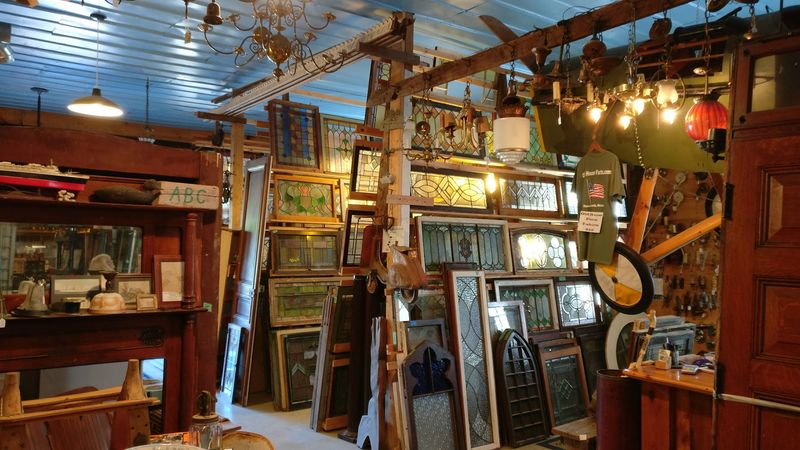
Stained glass has a way of stopping people mid-stride. One moment you are browsing shelves, and the next you are standing in front of a panel of jewel-toned glass that throws colored light across the floor like something out of a cathedral.
The Old House Parts Company carries a selection of stained glass windows that produce exactly that effect.
These pieces come from houses, churches, and commercial buildings that no longer exist in their original form.
Each panel represents a specific moment in American decorative arts, from simple geometric border designs popular in late Victorian homes to more elaborate pictorial compositions. Some arrive with minor repairs already made, while others are fully intact.
Installing an original stained glass window in a renovation project adds a level of authenticity that no modern reproduction can fully replicate.
The slight irregularities in the glass, the aged leading, and the depth of color all carry a visual richness that comes only from age and genuine craftsmanship. Finding the right panel here feels like a small victory worth celebrating.
Woodwork That Holds The Eye
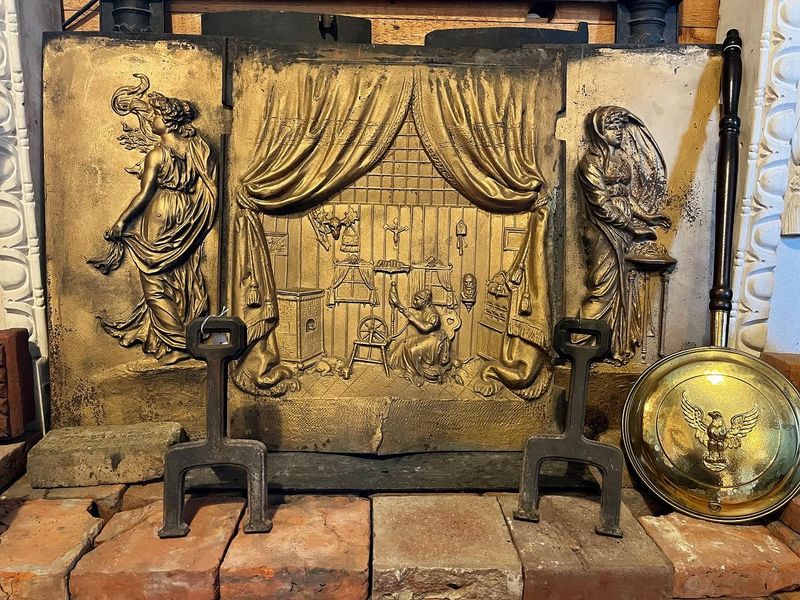
A fireplace mantel is one of those architectural elements that defines the entire personality of a room. Get it right and the space feels complete. Use the wrong one and the room never quite settles.
The Old House Parts Company carries a thoughtful selection of original mantels pulled from period homes, each one already shaped by the style of its era.
Corbels are another specialty here, those decorative brackets that appear under shelves, along porch beams, and on cabinet faces in older homes.
They are the kind of detail that most modern construction skips entirely, which makes sourcing them for a restoration project genuinely challenging through conventional suppliers. Having a dedicated collection under one roof changes that.
What sets salvaged mantels and corbels apart from reproductions is the way they wear their history. The grain patterns in old-growth wood, the hand-carved profiles, and even the occasional paint layer underneath tell a story about the craftsmen who made them.
Bringing one of these pieces into a home renovation is less about decorating and more about continuing a conversation that started over a century ago.
Light With A Past
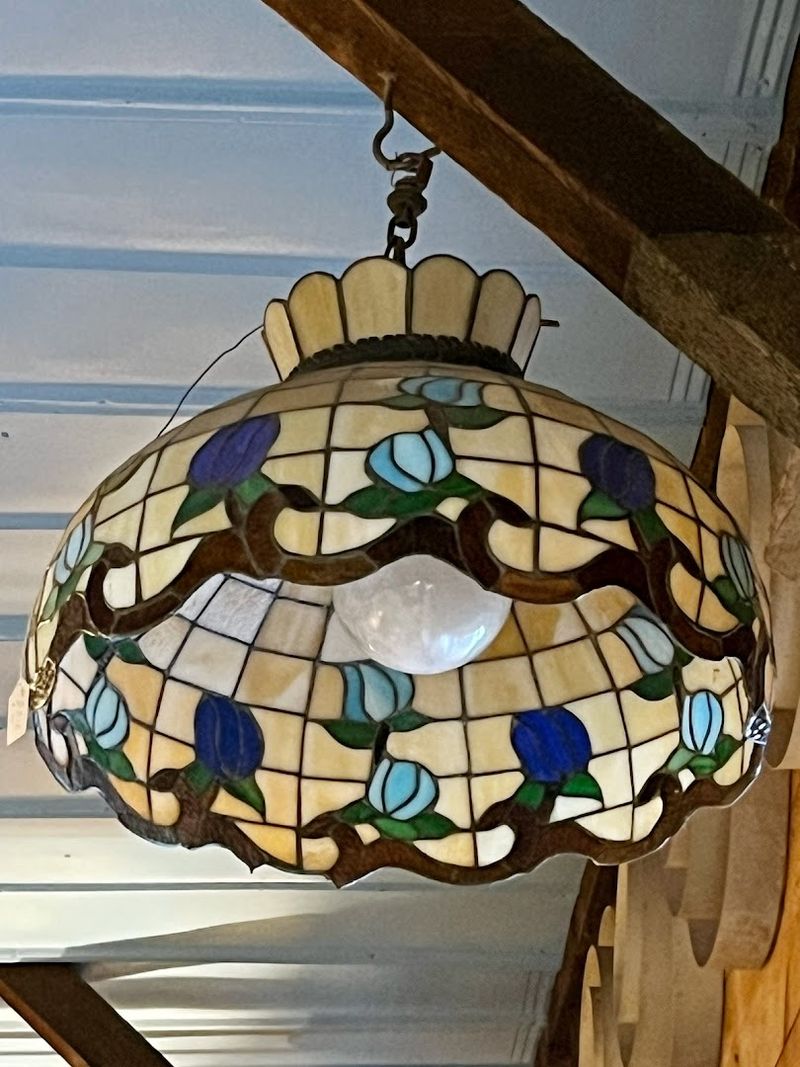
Lighting is the detail that most renovation guides mention last but homeowners notice first. The difference between a period-appropriate chandelier and a modern substitute is immediately visible in any room with high ceilings and original woodwork.
The Old House Parts Company carries vintage lighting fixtures, including chandeliers, sconces, and pendant lights, that were built for exactly the kind of spaces where reproductions always look slightly off.
Some visitors come specifically to source lighting parts for custom projects. The inventory here includes individual components as well as complete fixtures, giving creative builders the raw material to design something entirely original.
The mix of styles spans several decades of American residential design, so there is range for nearly any aesthetic direction.
Old lighting also carries a warmth that is partly about the fixtures themselves and partly about knowing where they came from.
A chandelier that once hung in a Victorian dining room brings something intangible to its next home, a sense of occasion, of rooms that were designed to be gathered in. That feeling is not something you can order from a catalog.
Porcelain, Iron, And Patina
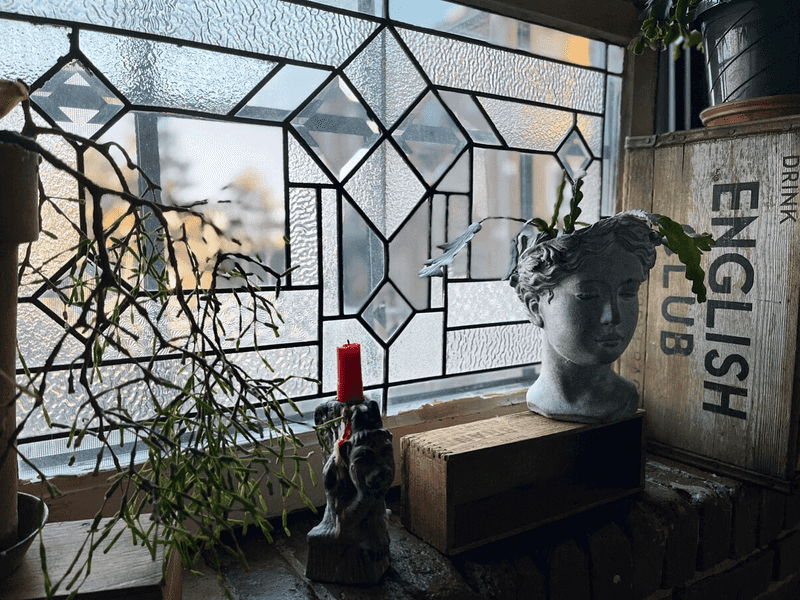
Cast iron clawfoot tubs are one of those things that photographs beautifully in renovation blogs but proves surprisingly difficult to source in real life.
The Old House Parts Company keeps a selection of vintage bathroom and kitchen fixtures that includes sinks, tubs, and other plumbing-related pieces pulled from period homes before demolition. The inventory shifts as pieces arrive and leave, so each visit offers something different.
Vintage kitchen sinks, particularly the deep farmhouse-style apron-front models, have become enormously popular in recent years, and prices for new reproductions reflect that demand.
Finding an original at a salvage shop not only brings authenticity to a renovation but often represents real savings compared to buying a manufactured version designed to look old.
There is also something practical about fixtures built in an era when things were made to last. The porcelain on an old cast iron sink is remarkably durable, and the weight and heft of the material communicates a kind of permanence that modern equivalents rarely match.
These pieces were not designed to be replaced in ten years, and many of them have already proven that point by surviving a century of daily use.
Help From Salvage Pros
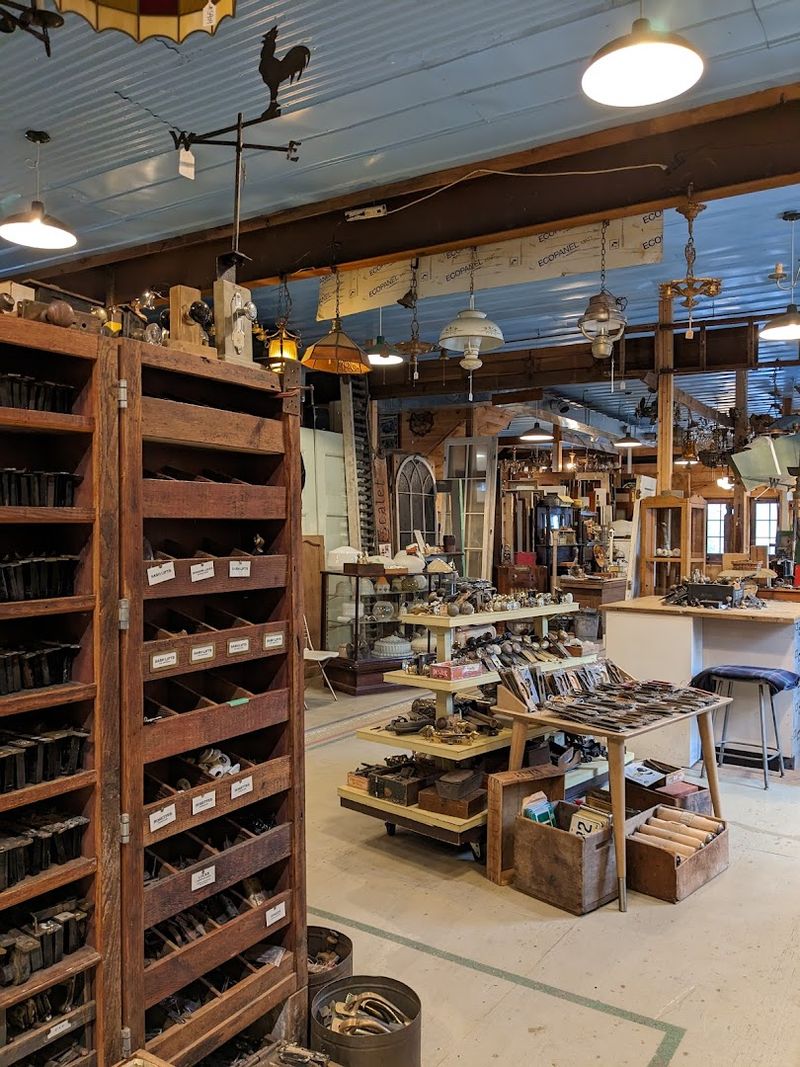
Knowing what you are looking at matters enormously when you are shopping for salvaged architectural pieces. A door that looks right might have the wrong swing, or a window that fits the opening might have a frame too compromised to install.
The staff at The Old House Parts Company brings a level of knowledge that turns browsing into an actual conversation about what will and will not work for your project.
Mike Thompson, who owns the shop, has built a reputation for genuine helpfulness and a deep familiarity with period hardware and building components.
The team around him reflects the same approach, meeting customers where they are whether they arrive with detailed renovation plans or just a vague idea of what they need. That kind of guidance is genuinely hard to find.
The staff also handles remote inquiries with the same care they bring to in-person visits. Emailed requests receive prompt, photo-accompanied responses that help buyers make confident decisions without having to travel first.
For anyone working on a specific restoration project from a distance, that responsiveness makes the shop a reliable resource well beyond its physical location.
Go In With A Plan
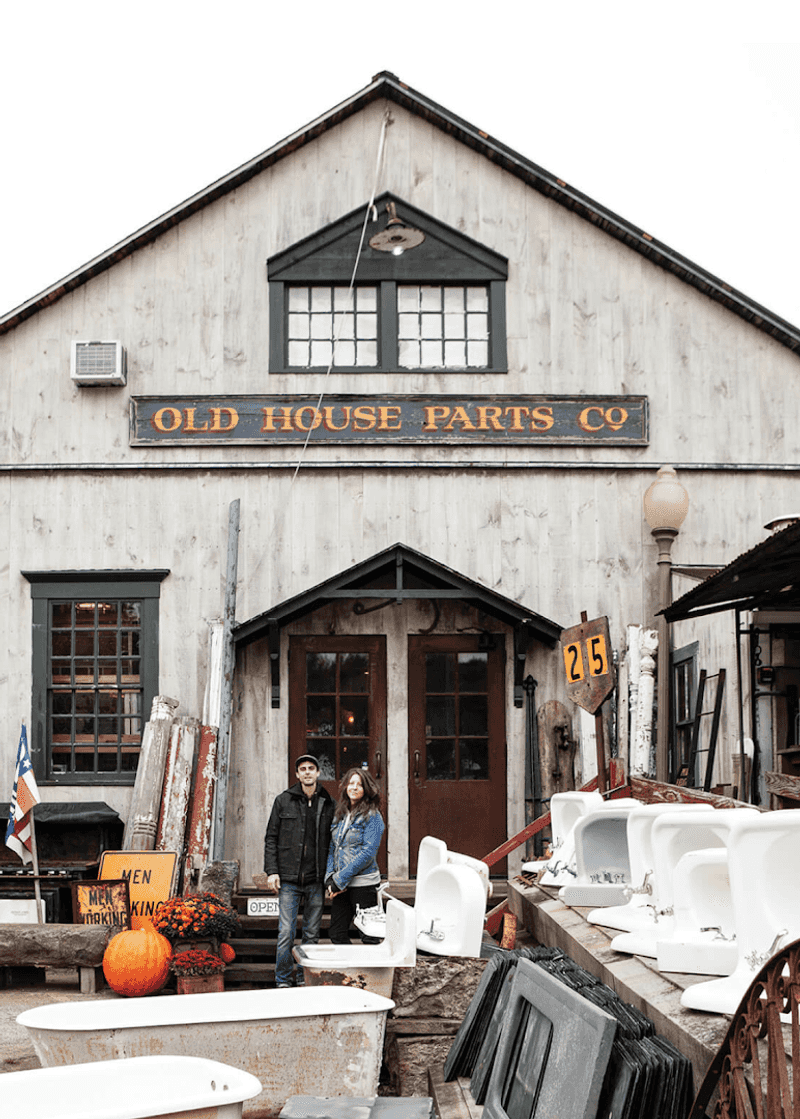
Arriving at The Old House Parts Company without a plan is a perfectly valid choice, but arriving with one is genuinely smarter. The shop is open Monday through Saturday from 9 AM to 5 PM and Sunday from 11 AM to 5 PM.
Bring measurements. Knowing the exact dimensions of the door opening, window frame, or fireplace surround you are trying to fill will save you from the frustration of falling in love with something that cannot work.
A tape measure and a small notebook are the two most useful tools you can carry through the door.
Budget a full morning or afternoon rather than squeezing the visit into an hour. The three-story inventory rewards slow exploration, and rushing through it means missing pieces that might be exactly what your project needs.
Some of the best finds are tucked into corners that only reveal themselves to patient browsers who are willing to look twice.