
This Hidden Museum In Maine Is Perfect For Anyone Who Loves Vintage Technology
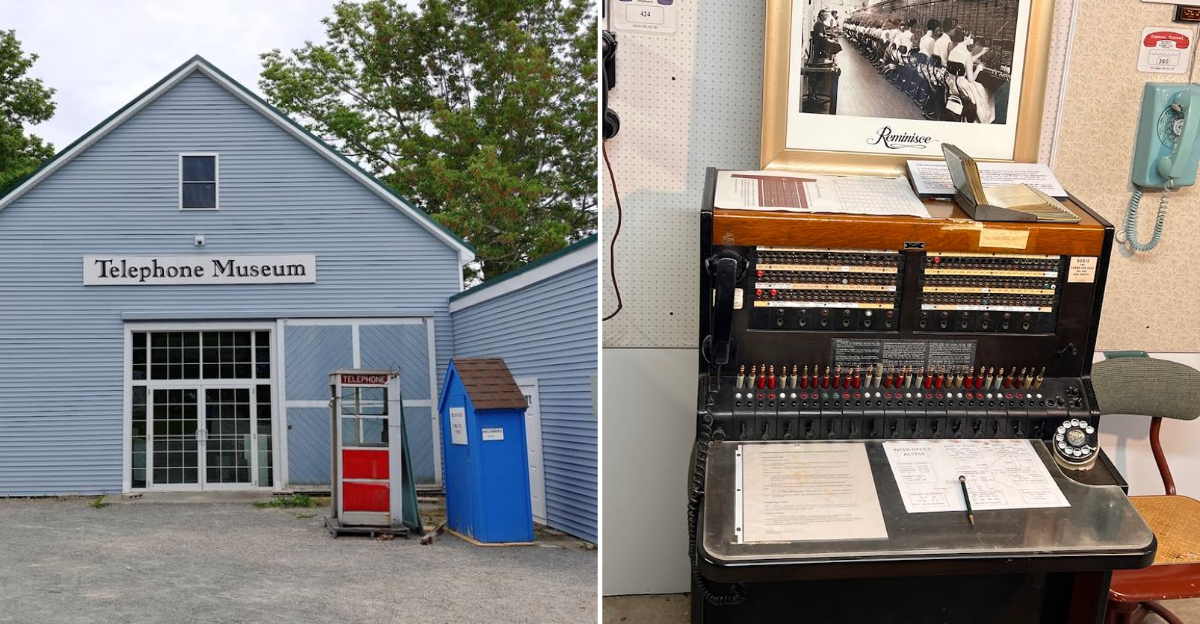
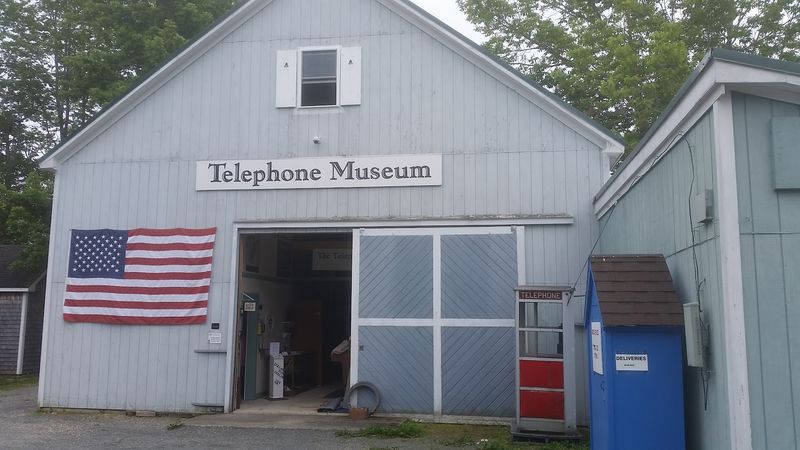
One of Maine’s strangest little time machines sits down a quiet road in rural Ellsworth, and it rings, clicks, buzzes, and connects like the past never left. Along Winkumpaugh Road, a modest building holds an astonishing collection of vintage telephone equipment, much of it still alive and working.
This is not a glossy roadside attraction or a stop that appears on every travel itinerary. That is part of its charm.
Step inside, and a simple phone call suddenly feels like a small engineering miracle. Old switchboards, rotary phones, relays, and mechanical systems turn communication history into something you can hear, touch, and actually understand.
For anyone curious about how voices once traveled through wires, this hidden Maine gem can easily turn a quick visit into a surprisingly memorable afternoon.
A Museum Born From Passion
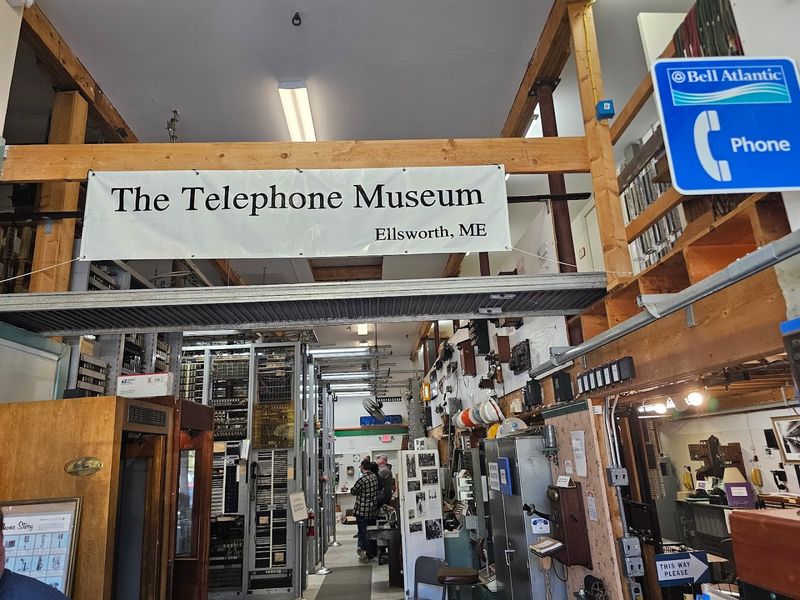
Long before smartphones and Wi-Fi, a small group of telephone enthusiasts in Maine decided that the history of communication deserved a permanent home.
The Telephone Museum in Ellsworth, Maine is a volunteer-powered nonprofit dedicated to preserving the history of wired telephone networks.
The museum is run as a nonprofit and relies heavily on volunteers, donations, admissions, grants, and community support. The people behind it are hobbyists, retired engineers, and history buffs who pooled their knowledge and collections to create something truly special.
Admission is just ten dollars, which feels almost laughably low given how much content is packed inside. Every dollar goes toward maintaining the working equipment and keeping the museum open for future visitors.
The museum is only open on Saturdays from 10 AM to 4 PM, but calling ahead can sometimes get you a private tour outside regular hours. This place runs on dedication, and that energy is absolutely contagious the moment you walk through the door.
The Story Behind The Switchboard
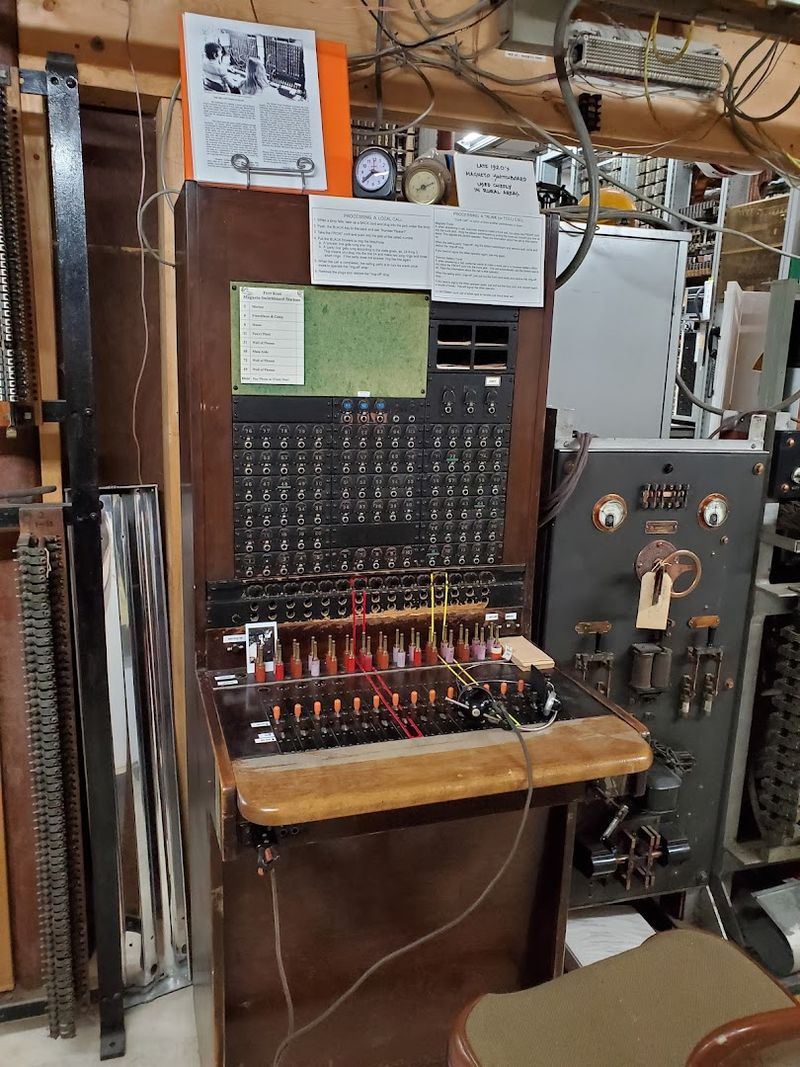
Few pieces of technology are as visually striking as a vintage telephone switchboard, and the Telephone Museum has some of the finest examples you will ever see in person.
Before automatic dialing existed, every phone call had to pass through a human operator who physically connected the lines by plugging cables into the correct slots.
Standing in front of one of these boards, you start to appreciate just how labor-intensive communication once was. Operators had to memorize hundreds of connections, work quickly, and stay calm under pressure during busy periods.
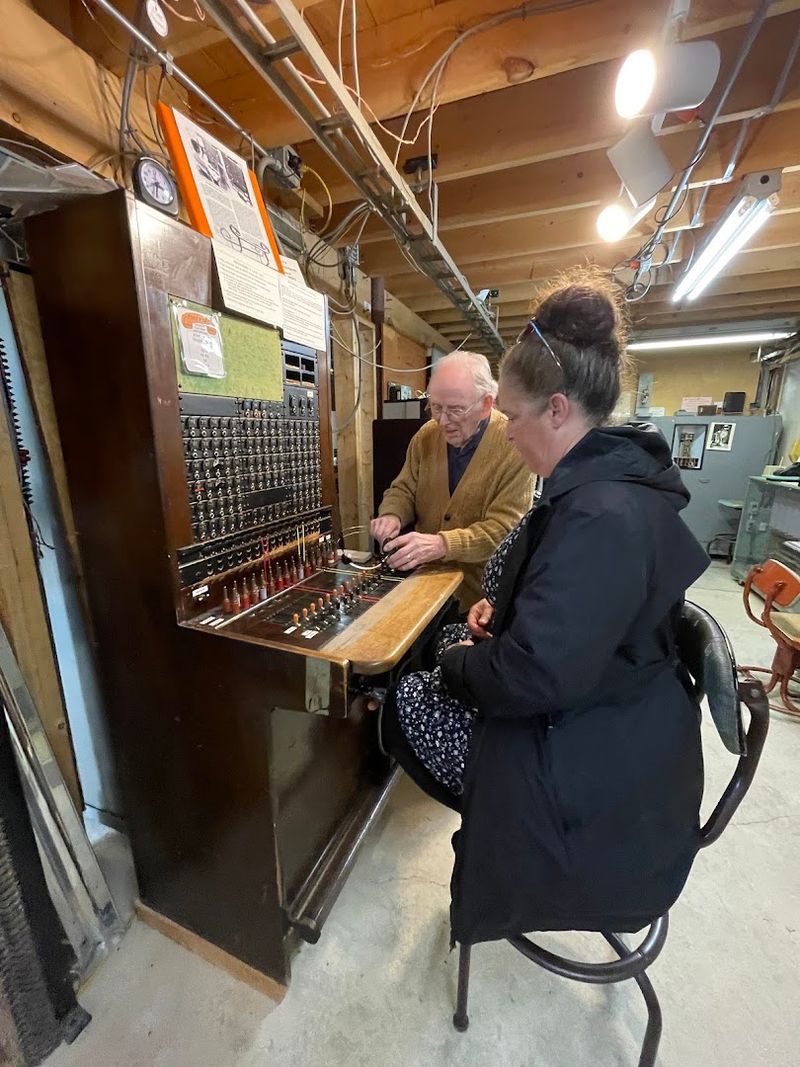
What makes this museum extraordinary is that these switchboards are not behind glass. Visitors actually get to sit down and operate them, plugging in cables and connecting calls just like operators did a century ago.
Watching the mechanical signals light up and hearing the actual clicks of the switching mechanism is a sensory experience that no textbook can replicate. It is hands-on history at its most satisfying.
The Machine That Replaced Operators
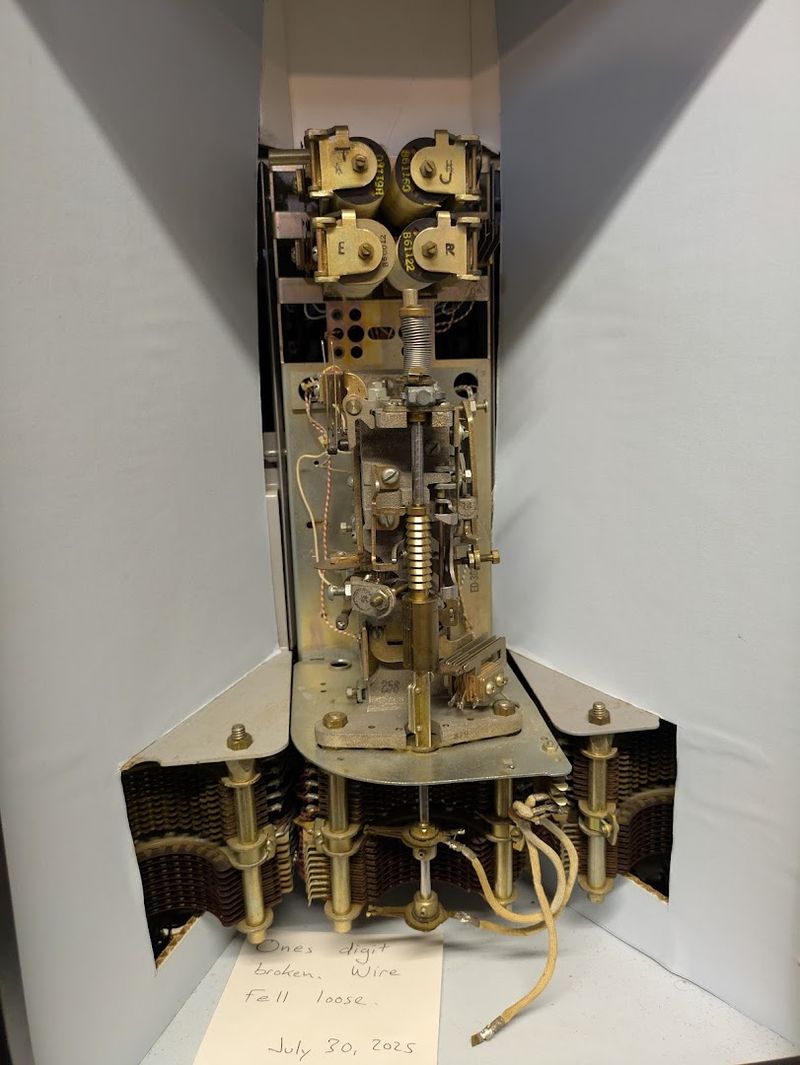
One of the most mind-bending moments of my visit came when curator walked me through how a Strowger switch works.
Patented in 1891 by Almon Strowger, this step-by-step electromechanical switching system automated the process of connecting telephone calls without needing a human operator in the middle.
The story behind the invention is surprisingly entertaining. Strowger, a Kansas City undertaker, believed that telephone operators were deliberately routing his business calls to competitors.
So he built a machine to cut them out entirely.
The Telephone Museum has working Strowger switches on display, and watching them spin and click their way through a live call connection is genuinely mesmerizing. Each step-by-step rotation represents a digit being dialed, a concept that feels almost poetic once you understand it.
The curator explained the mechanics with the kind of enthusiasm that makes even the most technical details feel approachable. By the end of the demonstration, I felt like I had genuinely learned something remarkable about engineering history.
A Century Of Ringing
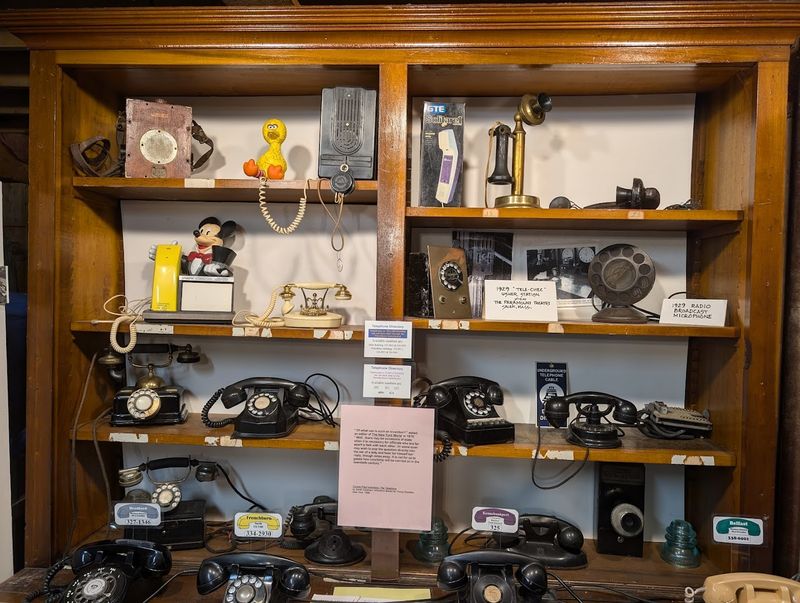
The collection spans more than a hundred years of telephone design, from the earliest wooden wall-mounted units of the late 1800s all the way through rotary dial models and beyond.
Each phone in the collection tells a different story about the era it came from. Early models were bulky, handcrafted, and built to last for decades.
Later designs reflected a growing consumer culture that valued style alongside function.
What sets this collection apart is that many of the phones are connected to the museum’s internal network, meaning you can actually pick one up and call another phone in a different part of the building. Hearing a crackly vintage receiver come to life in your hand is a surprisingly emotional experience.
The range of designs on display makes it clear that telephone manufacturers put enormous creative energy into their products. Form and function evolved together in ways that are genuinely beautiful to observe up close.
When Bell Ruled The Line
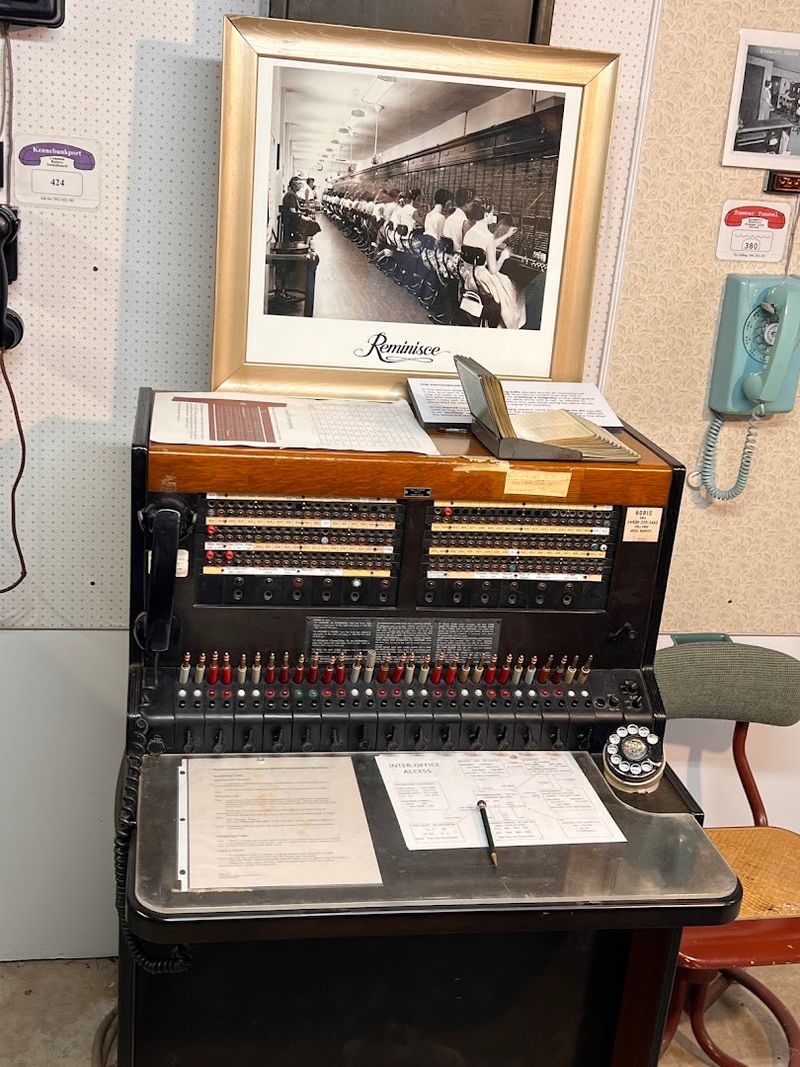
No serious exploration of telephone history would be complete without understanding the enormous influence of the Bell Telephone Company. The Telephone Museum devotes significant attention to Bell’s role in shaping how Americans communicated throughout the twentieth century.
Alexander Graham Bell received his patent for the telephone in 1876, and the company built around his invention eventually became one of the most powerful corporations in American history. At its peak, AT&T controlled nearly every aspect of telephone service across the country.
The museum’s exhibits trace that rise in detail, using original Bell-branded equipment to illustrate how the technology evolved decade by decade. Seeing the actual hardware that powered a national communications network makes the corporate history feel surprisingly personal.
There is also context provided about the 1984 breakup of AT&T, which reshaped the telecommunications industry entirely.
Understanding that regulatory moment helps explain why the telephone landscape looks the way it does today, and the museum does an excellent job connecting those historical dots.
The Giant That Routed Calls
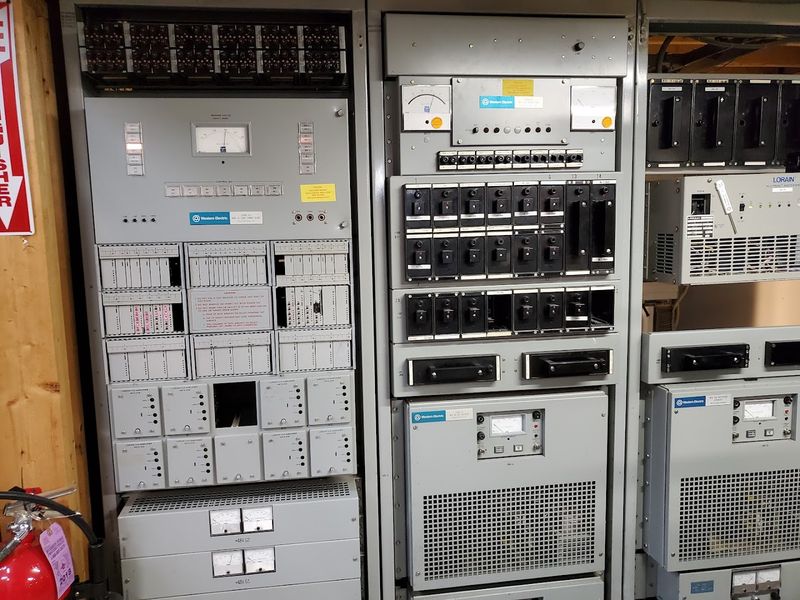
After World War Two, American telephone infrastructure underwent one of its most dramatic transformations. The Number 5 Crossbar switching system, introduced in the late 1940s, represented a massive leap forward in how calls were routed across expanding urban networks.
Unlike the earlier Strowger step-by-step systems, the crossbar design used a grid of horizontal and vertical contact bars to make connections far more efficiently. It could handle more calls simultaneously and required less maintenance than its predecessors.
The Telephone Museum has a working Number 5 Crossbar on display, and getting to see it in action is one of the highlights of the entire visit. The scale of the equipment is impressive, filling a significant portion of the room with its rows of metal relay panels.
Curator Dave walked our group through how the system processes a call from start to finish, explaining each relay click with the patience of a great teacher. By the end, even visitors with no technical background were nodding along with genuine understanding.
Where Kids Run The Switchboard
Most museums ask you not to touch anything. The Telephone Museum asks you to touch everything, and that philosophy makes it one of the most genuinely kid-friendly places I have come across on my travels.
Children who visit get to do things that simply do not happen anywhere else.
They can sit in front of an actual switchboard and connect calls between phones located throughout the building. They can pick up a candlestick telephone from the 1910s and hear a dial tone on the other end.
The interactive format means that kids are not passive observers but active participants in understanding how technology works. That kind of learning tends to stick with a person in a way that reading a placard never quite does.
Parents often end up just as absorbed as their children, which says a lot about how well the museum bridges generational gaps. Watching a ten-year-old confidently operate a piece of 1920s technology is one of those travel moments that genuinely stays with you.
The Road To Ringing History
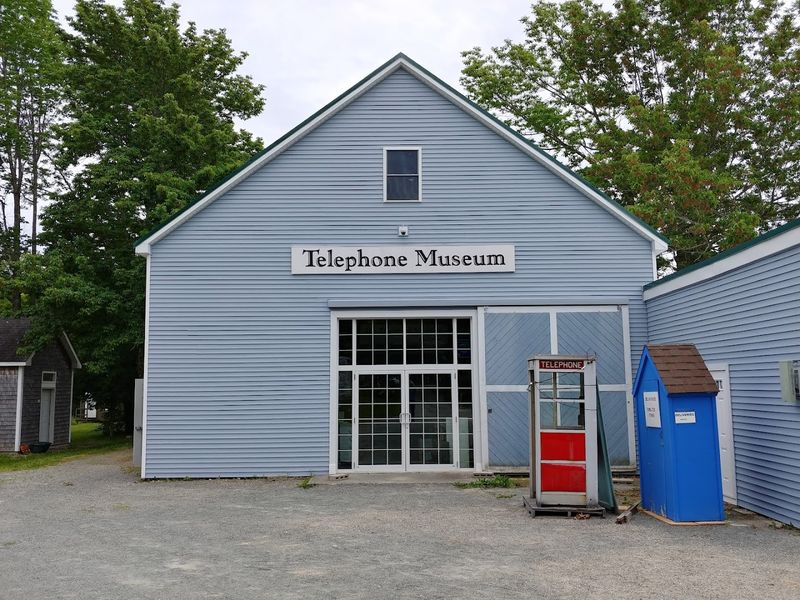
Getting to the Telephone Museum is part of the adventure. Located about ten miles outside of Ellsworth, Maine, the drive takes you through the kind of quiet, tree-lined countryside that makes you feel like you have genuinely left the modern world behind.
The address is 166 Winkumpaugh Rd, Ellsworth, ME 04605, and it is worth plugging that directly into your navigation because the surrounding roads can be easy to mix up. The building itself is modest and easy to miss if you are not looking for it.
That sense of discovery is part of what makes the visit feel special. There is something satisfying about tracking down a place that rewards the effort required to find it, and this museum absolutely delivers on that promise.
If you are already planning a trip to Acadia National Park or Bar Harbor, the museum is a natural addition to your itinerary. The short detour through the Maine countryside is its own quiet pleasure before the main event begins.
Before You Pick Up The Line
A little preparation goes a long way when visiting the Telephone Museum. The museum is only open on Saturdays from 10 AM to 4 PM, so timing your trip carefully is essential.
Calling ahead at +1 207-667-9491 is always a smart move, both to confirm availability and to occasionally arrange a private tour outside regular hours.
The admission fee is ten dollars per person, which is genuinely one of the best values you will find at any museum anywhere. Budget at least two hours for your visit, because the tours are thorough and the interactive exhibits invite you to linger.
Groups should contact the museum in advance with party size, and the experience tends to be richer when you visit with others, since the switchboard demonstrations work well with multiple people making and receiving calls across the building at the same time.