
This Beach Town In South Carolina Is So Peaceful, You’ll Forget Your Phone Exists
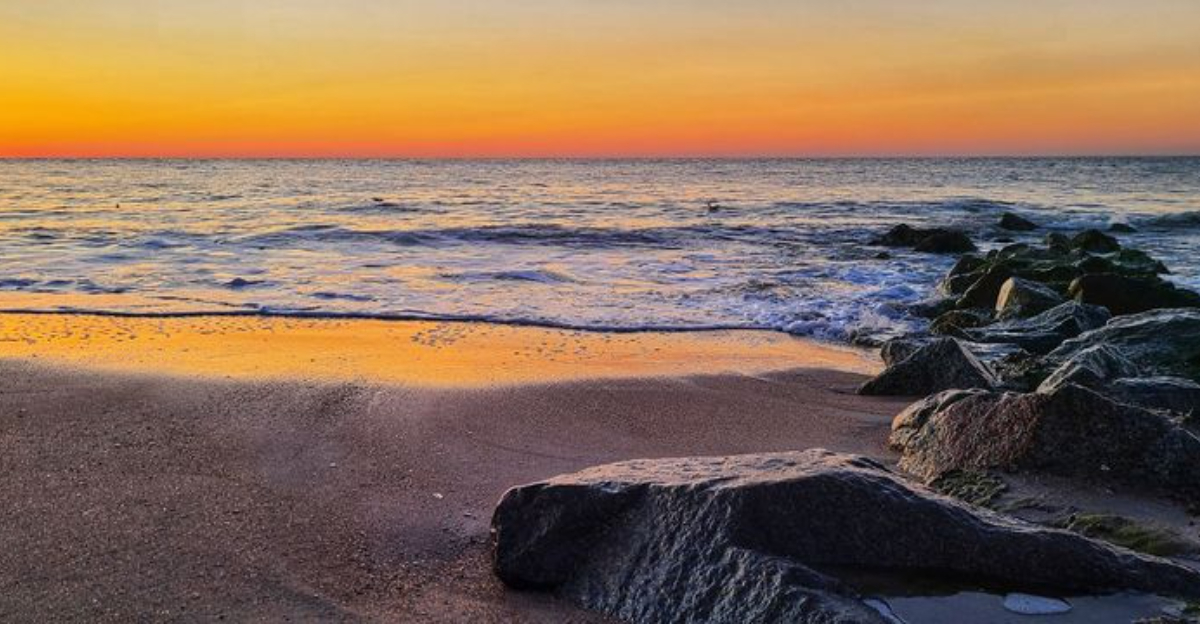
Most people in South Carolina are chasing the wrong beach.
It is not the loud ones. Not the places packed with umbrellas and constant noise.
There is a quieter side of the coast in South Carolina. And it feels like stepping into a slower version of the world.
This small beach town has managed to stay exactly what others lost. Fewer crowds.
More space. The kind of shoreline where you can walk for miles and barely pass anyone.
The loudest sound might be a pelican hitting the water.
Time moves differently here.
Sunsets stretch longer than you expect. Mornings start without a plan.
You stop checking your phone without even realizing it.
There are no crowds to rush you. No schedule to follow.
Just open shoreline and the feeling that nothing needs to happen right away.
Spend a day here, and you will understand why some places are better left exactly as they are.
Untouched Shoreline Stretches For Miles
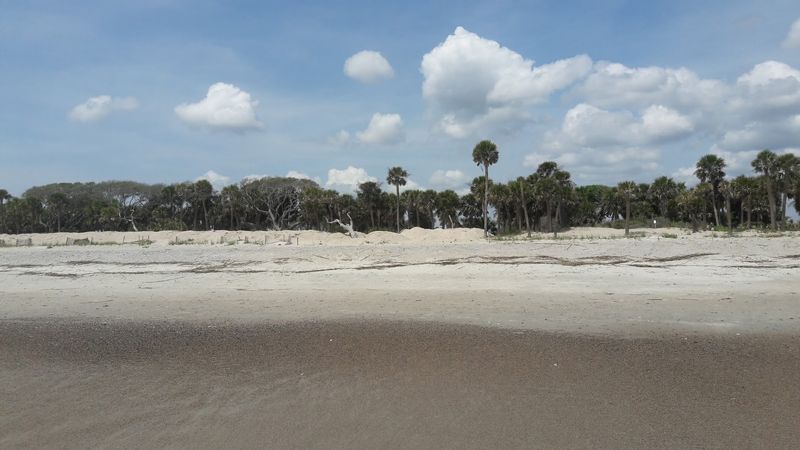
Walking along Edisto Beach’s shoreline, I noticed something rare: space. The sand stretches out in both directions without the usual parade of umbrellas, beach chairs, and crowds that pack other coastal towns.
Most mornings, I could stroll for half an hour and count the people I passed on one hand. The beach remains largely undeveloped, with natural dunes and sea oats swaying instead of high-rise condos blocking the view.
Shells collect in abundance here, especially after storms, and I’ve found sand dollars, whelks, and even the occasional shark tooth without really trying. The absence of commercial development means the beach keeps its wild character, with driftwood sculptures created by tide and time rather than human hands.
Low tide reveals tidal pools teeming with small crabs and minnows, perfect for curious kids who’ve temporarily abandoned their tablets. This unhurried coastline reminds you that beaches existed long before we started paving parking lots next to them.
Limited Cell Service Becomes A Feature
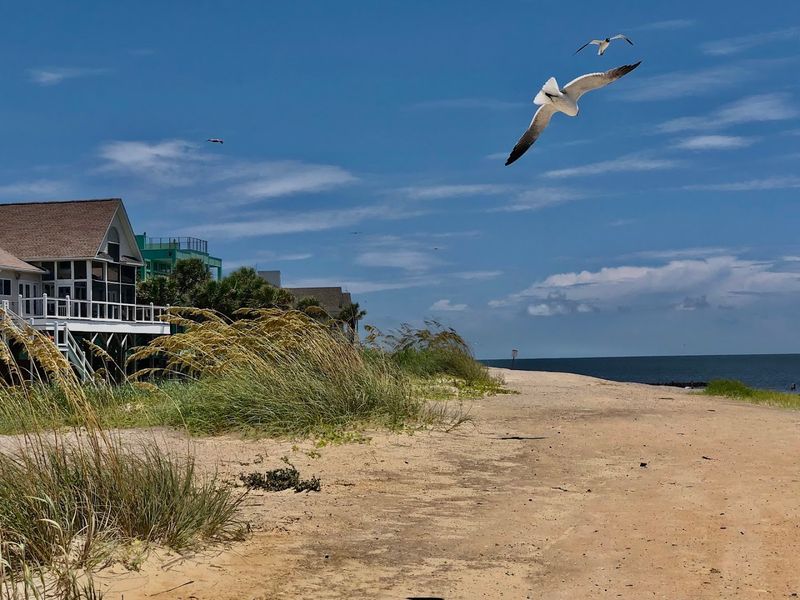
Cell service here operates on island time, which means it barely operates at all in certain spots. I initially panicked when my phone showed one bar, then no bars, then gave up entirely near the marshes.
But something shifted after the first hour of disconnection. Without the constant buzz of notifications, I actually heard the wind moving through palmetto trees and noticed the pattern of waves hitting the shore.
Local businesses have adapted to this reality, with handwritten signs and actual conversations replacing text confirmations. The island’s size means you can’t really get lost anyway, so GPS becomes optional rather than essential.
Visitors often mention this limited connectivity as their favorite unexpected benefit, forcing families to talk during dinner instead of scrolling through feeds. The few spots with reliable signal become strategic meeting points rather than places you take for granted.
By day three, I stopped checking my phone altogether, realizing the most important updates were happening in the sky as clouds shifted and pelicans flew past.
Marsh Views Replace Mountain Vistas
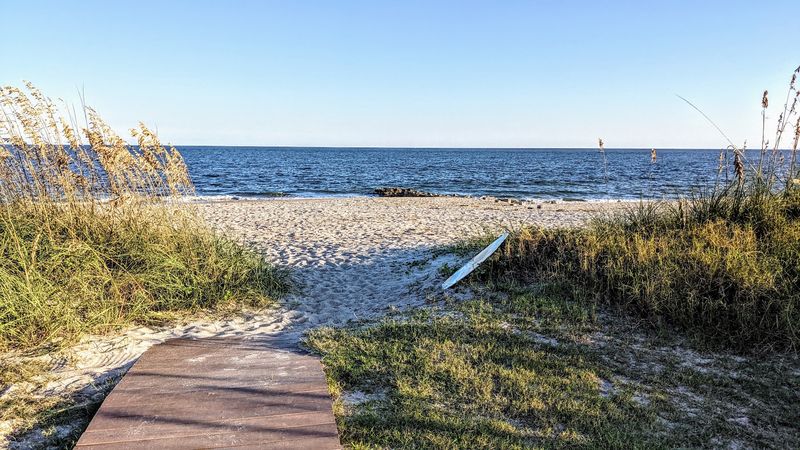
Edisto’s salt marshes in South Carolina unfold like a different planet, all cordgrass and winding tidal creeks that shift with every tide cycle. I’ve spent entire afternoons watching these marshes change color as the sun moves, from golden green to amber to deep bronze across the quiet coastal stretches of South Carolina.
Egrets and herons stalk through the shallow water with focused patience, while fiddler crabs scuttle across exposed mud at low tide. The marshes smell like salt and earth mixed together, a scent that grows on you until it becomes the definition of coastal life in South Carolina.
Unlike dramatic mountain overlooks that demand your attention, marshes reveal their beauty slowly, rewarding anyone willing to sit still and observe. I’ve spotted dolphins cruising through the creeks at high tide, their fins cutting through water just feet from the shore.
The marsh ecosystem supports countless species, creating a living laboratory that changes by the hour. Kayaking through these waterways at dawn became my preferred morning activity, gliding past oyster beds while ospreys circled overhead searching for breakfast.
Small Town Rhythm Slows Everything Down
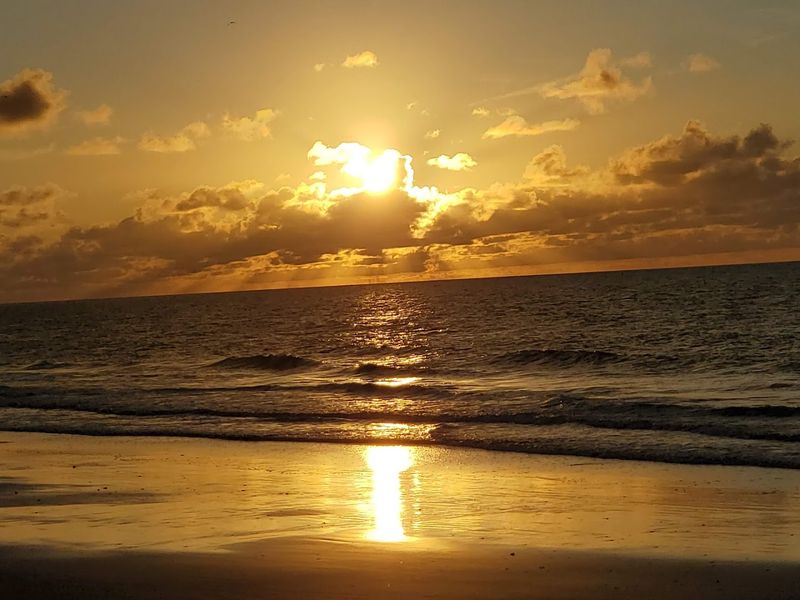
Edisto Beach operates without traffic lights, which tells you everything about its pace. The main road through town moves slower than most people walk in cities, with drivers actually waving at each other instead of honking.
Local shops keep irregular hours that depend more on weather and fishing conditions than posted schedules. I learned to embrace this flexibility after showing up to a bait shop that opened “whenever Bobby gets back from checking his crab pots.”
The town has no chain restaurants or big-box stores, just family-owned places where the same faces appear behind counters year after year. Conversations at the post office can stretch for twenty minutes, covering everything from recent catches to whose grandkids are visiting this week.
This slower rhythm forces you to adjust your expectations and eventually your entire mindset about what constitutes productivity. By my third day, I measured time in tides rather than hours, planning activities around when the water would be high or low instead of checking my watch.
Shelling Becomes Meditative Practice
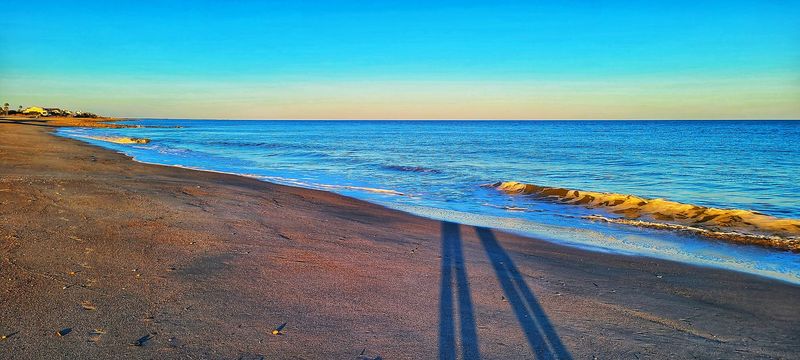
Edisto ranks among the best shelling beaches on the East Coast, though locals don’t advertise this fact too loudly. I’ve found intact sand dollars, lettered olives, and lightning whelks within minutes of stepping onto the sand.
The island’s position and offshore currents create perfect conditions for shells to wash ashore, especially after storms when treasures appear by the bucketful. Shelling here transforms into something almost meditative, a slow walk with your eyes scanning the tide line while your mind empties of everything else.
Early morning brings the best finds, when overnight tides have deposited fresh specimens and you’re competing only with sandpipers for the good stuff. I met a woman who’d been coming here for thirty years, and she still found new varieties she’d never seen before.
The repetitive motion of walking, bending, examining, and pocketing shells creates a rhythm that quiets mental chatter better than any meditation app. Hours pass without notice when you’re hunting for that perfect specimen.
Historic Plantation Sites Dot The Island
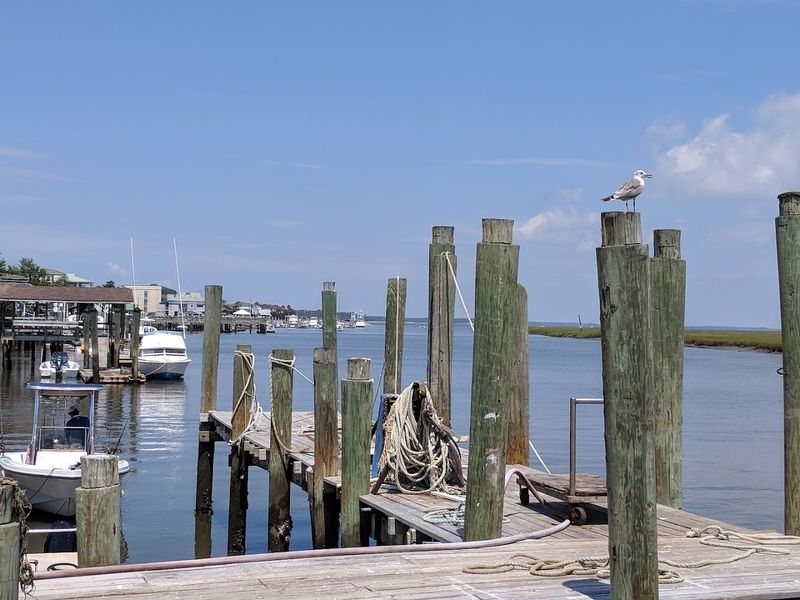
Edisto Island’s history runs deep, with plantation sites dating back to the 1600s scattered across the landscape. These remnants tell complex stories about rice cultivation, the enslaved people who worked these lands, and how coastal South Carolina developed.
I visited the ruins of old tabby structures, their walls made from oyster shells, sand, and lime, still standing after centuries of storms. Massive live oaks draped in Spanish moss mark former plantation grounds, their twisted branches creating natural tunnels that feel ancient and sacred.
The Edisto Island Museum preserves this layered history, showing how Native Americans, European settlers, and African Americans all shaped this place. Walking these grounds requires confronting uncomfortable truths about the past while appreciating how the island has evolved.
Some sites remain privately owned, while others are accessible to respectful visitors who want to understand the full story. This historical depth adds weight to the island’s peaceful atmosphere, reminding you that tranquility exists on land with complicated memories.
Bike Paths Wind Through Maritime Forest
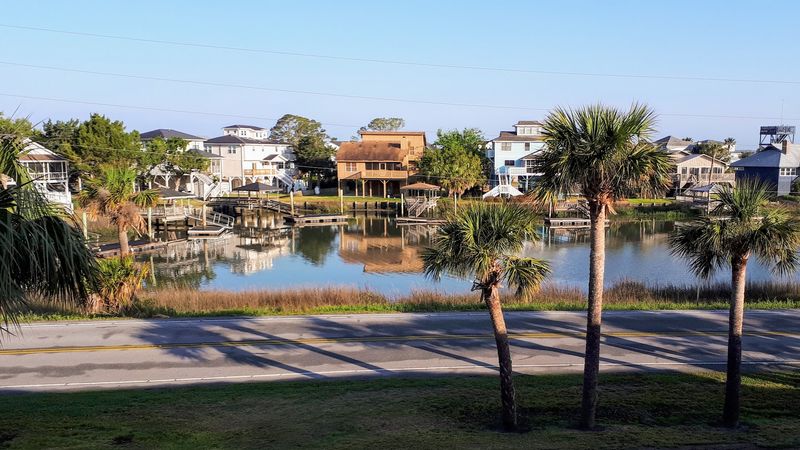
Cycling through Edisto’s maritime forest feels like entering a green tunnel where sunlight filters through in scattered patches. The island’s flat terrain makes biking easy for all ages, with paths winding past palmettos, live oaks, and the occasional glimpse of marsh or ocean.
I rented a beach cruiser and spent mornings pedaling slowly, stopping whenever something caught my eye, which happened frequently. The forest stays cooler than the open beach, providing shade that makes midday rides tolerable even in summer.
Unlike paved bike trails in manicured parks, these paths feel wild and slightly overgrown, with roots occasionally breaking through and Spanish moss brushing your shoulders. You’ll encounter more wildlife on these rides than people, from deer crossing the path to painted buntings flashing their rainbow colors.
Biking becomes the preferred transportation method here, practical for short distances and infinitely more pleasant than driving. I passed houses with six or seven bikes leaning against porches, evidence that families embrace this slower way of getting around.
Local Seafood Arrives Daily
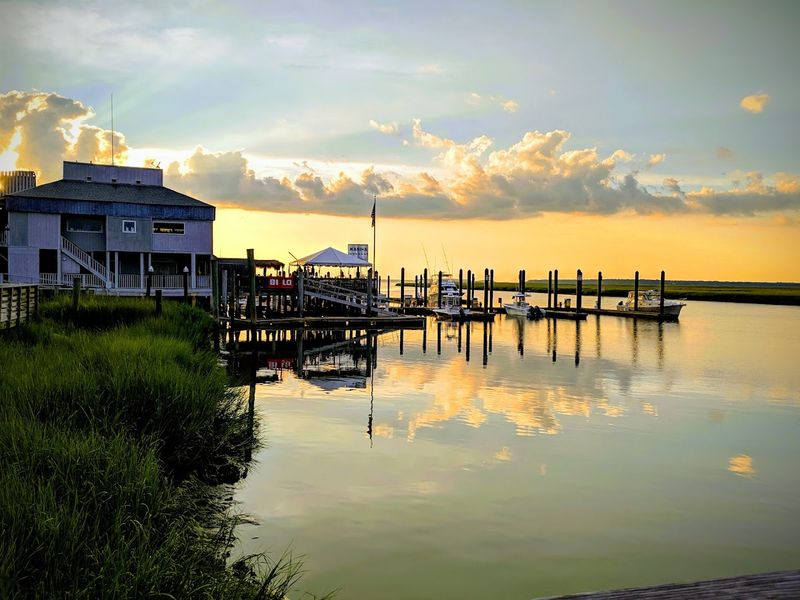
Seafood in Edisto comes so fresh it was probably swimming that morning, caught by local fishermen who sell their haul right off the boat. I bought shrimp at a dock where the seller gave me cooking tips and asked where I was staying, treating the transaction like a conversation between neighbors.
Blue crabs get pulled from traps in the creeks, arriving at fish markets still moving and ready for steaming. The town has several spots serving fried shrimp, crab cakes, and fish caught within sight of shore, prepared simply because quality ingredients don’t need fancy treatment.
Eating local seafood here connects you directly to the ecosystem surrounding the island, making meals feel like participation in the coastal cycle. I learned to crack crabs properly from a patient local who showed me which parts held the sweetest meat.
The absence of chain seafood restaurants means you’re getting the real thing, not frozen imports masquerading as local catch. Every meal tastes like the ocean, briny and sweet and absolutely worth the messy fingers.
Sunsets Draw Everyone Outside
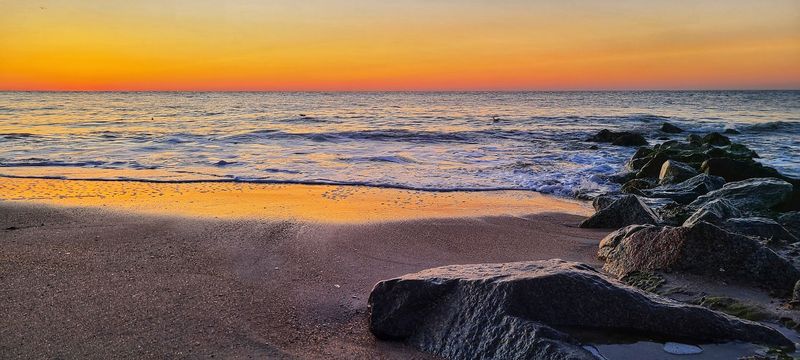
Sunset at Edisto Beach operates like a daily community gathering, pulling people from their rentals and homes to witness the sky’s performance. I’ve seen families set up chairs in the sand, couples walking hand in hand, and solo travelers standing knee-deep in the surf, all facing west.
The colors here spread across the entire horizon, from soft pink to burning orange to deep purple, reflected in the wet sand and shallow water. Unlike places where buildings block the view, Edisto’s low development means you get the full panorama without obstruction.
Dolphins often appear during this golden hour, their fins catching the last light as they hunt close to shore. The temperature drops just enough to feel comfortable, and the breeze picks up, carrying salt air and the calls of seabirds heading to roost.
I found myself timing my entire day around sunset, making sure I was on the beach with enough time to watch the whole show. These moments feel sacred somehow, a natural reminder to pause and appreciate beauty that costs nothing.
Sea Turtle Nesting Season Brings Wonder
Loggerhead sea turtles return to Edisto Beach each summer to nest, continuing a cycle that’s played out for millions of years. I joined a turtle patrol volunteer one early morning and watched them check nests, mark new ones, and record data with careful precision.
These ancient creatures crawl ashore at night, dig chambers in the sand, deposit their eggs, and return to the sea, leaving only tracks that look like small tractor treads. Protected nests dot the beach with stakes and tape, reminders that humans share this space with species far older than our vacation plans.
Watching hatchlings make their dash to the ocean during a sanctioned release brought tears to my eyes, these tiny creatures following instinct toward a vast and dangerous home. The island takes turtle conservation seriously, with strict lighting ordinances to prevent disorienting the babies.
This connection to wildlife cycles adds depth to a beach visit, transforming it into something more meaningful than just recreation. You become a temporary guardian of something precious and fragile.