
This Hidden Seattle Garden Is A Peaceful Washington Escape You Might Have Overlooked
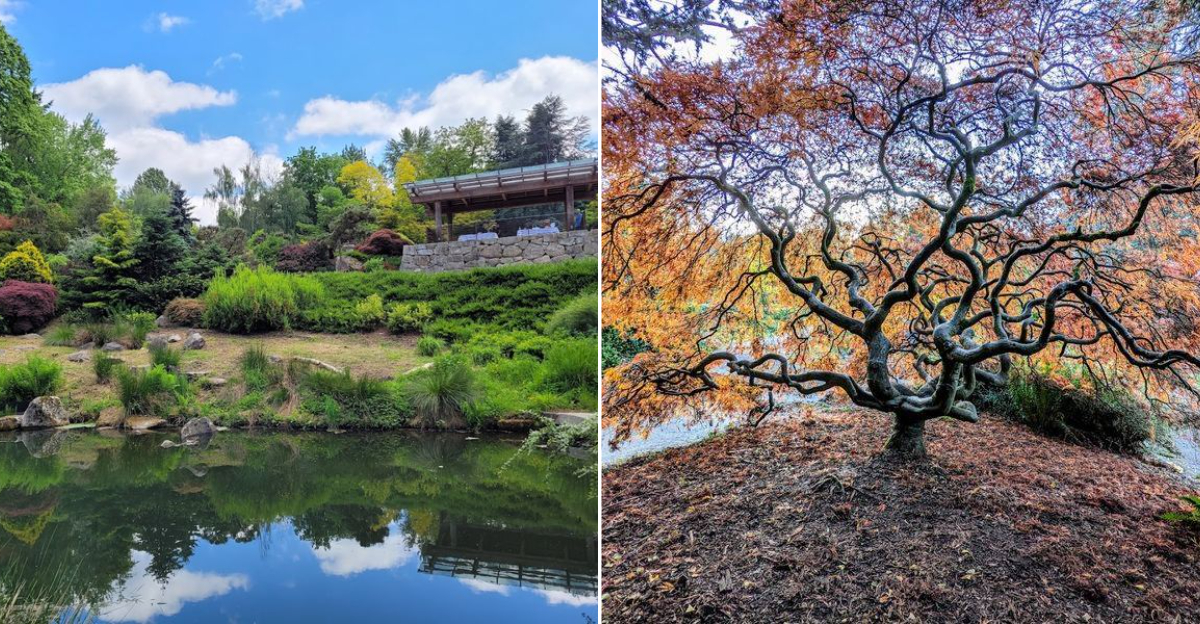
Some gardens whisper. Others demand your attention with blooming narcissism. Then there’s this Washington masterpiece, like a secret the city accidentally forgot to keep.
I’d walked past the unassuming entrance a hundred times, never suspecting that just beyond those gates existed five acres of Japanese tranquility hiding in plain sight.
The kind of place where stone lanterns guard ancient pathways and koi fish glide through waters so still they mirror the clouds above. It wasn’t until a locals’ conversation sparked my curiosity that I discovered what I’d been missing.
Now, every time I step through those garden gates, I feel like I’ve uncovered buried treasure-except the treasure here is peace, and it’s completely free.
The Remarkable Story Behind The Garden
Few gardens carry as much personal history as this one. Fujitaro Kubota emigrated from Japan in 1907, founded the Kubota Gardening Company in 1923, and by 1927 had begun transforming five acres of logged swampland in Seattle into something extraordinary.
Because laws at the time prohibited people of Asian descent from owning land, an unidentified friend helped him make the purchase, a quiet act of solidarity that made everything possible.
During World War II, Fujitaro and his family were forcibly interned at Camp Minidoka in Idaho along with 120,000 other Japanese Americans. Even there, he built a garden to lift spirits.
When the family returned after the war, they restored and expanded the property, hauling in 400 tons of local stone and importing specimen pine trees from Japan.
In 1973, the Emperor of Japan awarded Fujitaro the Order of the Sacred Treasure Fifth Class for introducing Japanese garden design to America. His legacy is woven into every path and pond at this garden.
Finding The Garden In Rainier Beach
Getting to Kubota Garden feels like a small adventure of its own. The garden sits at 9817 55th Avenue South in Seattle’s Rainier Beach neighborhood, a residential area that most tourists skip entirely.
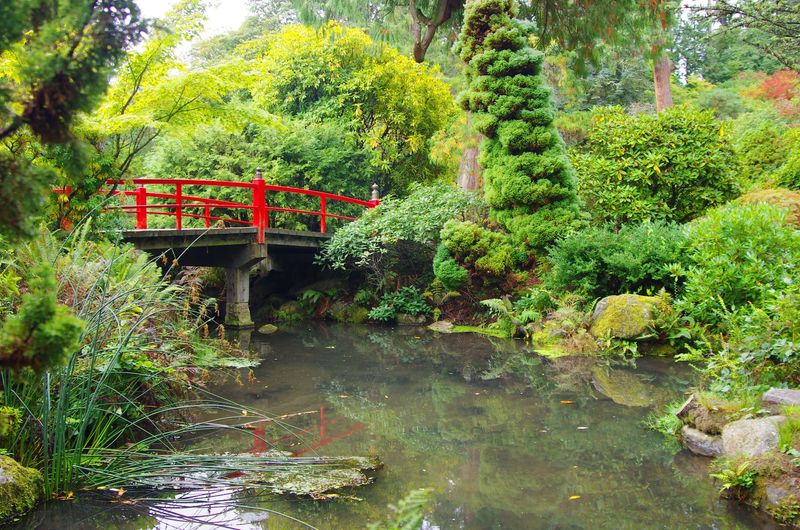
Driving through the surrounding streets, you would never guess that a 20-acre historic landscape is hiding just around the corner. The entrance gate, designed by artist Gerard Tsutakawa and installed in 2004, is your first signal that something special is ahead.
It stands as a welcoming threshold between the everyday city and a world that operates on a completely different pace.
Free parking is available on site, which is a genuine bonus for Seattle, though the garden’s website recommends securing any valuables in your vehicle before heading in.
I arrived early on a weekday and had long stretches of the garden almost entirely to myself. That kind of solitude in a major city is rare, and it made every step feel more intentional. Rainier Beach may surprise you in the best way.
A Design That Blends Two Worlds
What sets Kubota Garden apart from other Japanese gardens is its one-of-a-kind design philosophy. Fujitaro Kubota did not simply recreate a traditional Japanese garden on American soil.
He wove together the aesthetics of Japanese garden design with the native plants and natural materials of the Pacific Northwest, creating something that feels rooted in both cultures at once.
Tall conifers that belong to the region stand alongside imported specimen pine trees from Japan. Mossy rock outcroppings anchor the landscape in a way that feels completely natural, even though enormous care went into placing each one.
The result is a garden that feels simultaneously wild and deliberate, spontaneous and deeply considered. I kept stopping to look at how the layers of the garden worked together, the way a fern growing at the base of a Japanese maple somehow made perfect sense.
The design does not announce itself loudly. It earns your appreciation slowly, which is exactly the point of a good Japanese garden.
The Necklace Of Ponds And Waterways
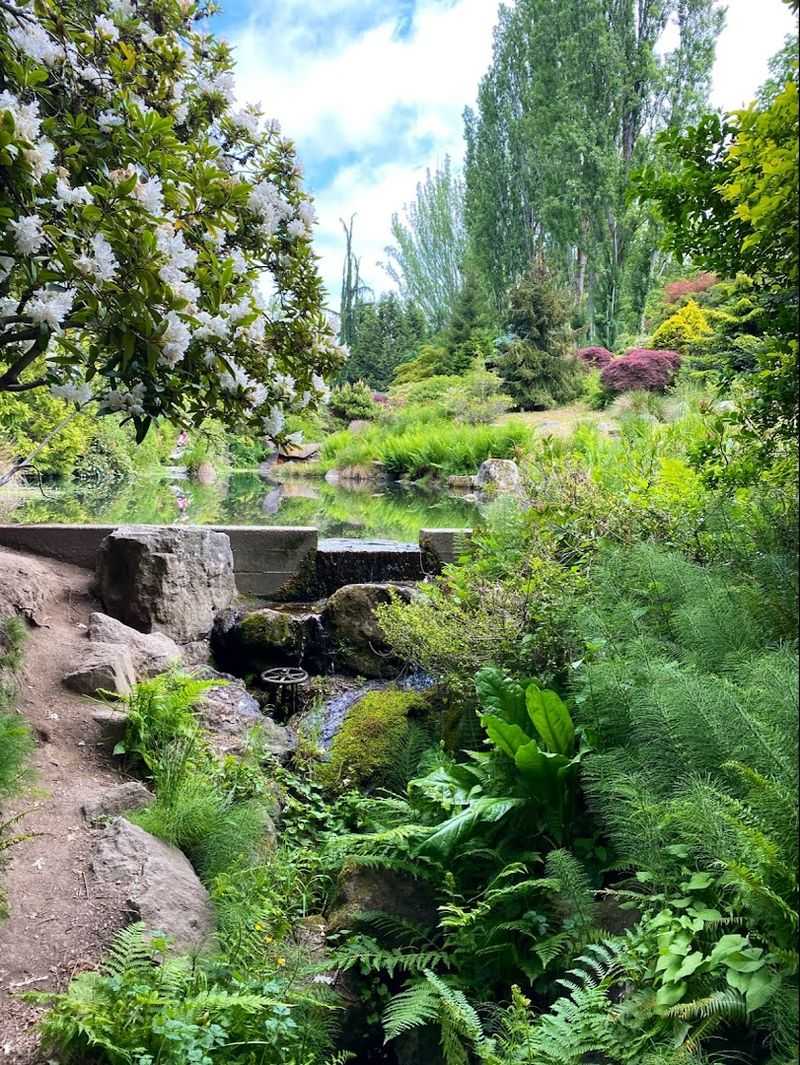
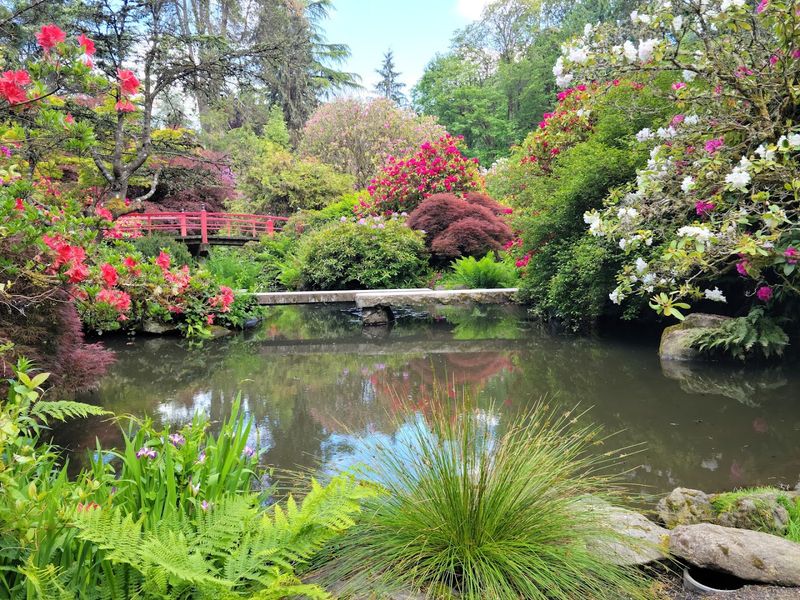
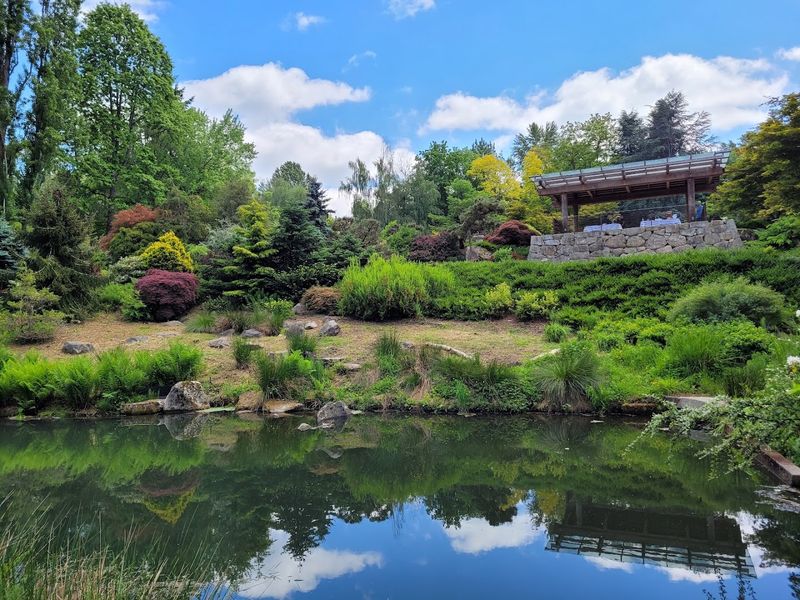
Water is everywhere in Kubota Garden, and it is never just decoration. The Necklace of Ponds is a series of connected water features that strings through the garden like a quiet pulse.
Streams feed into ponds, ponds spill into waterfalls, and the whole system creates a constant, soft background sound that makes the rest of the world feel very far away.
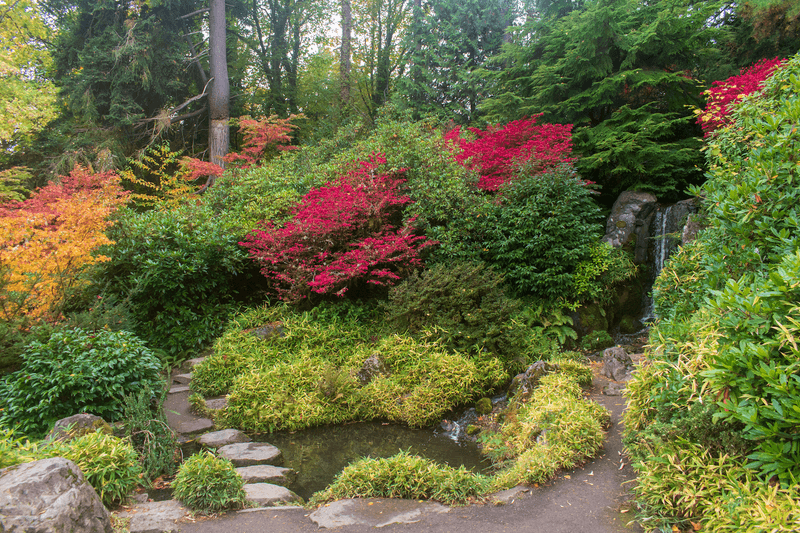
Walking alongside these waterways is one of the most calming things I have done in any city. The reflections of Japanese maples in the still pond surfaces are particularly striking in autumn, when the leaves turn deep shades of red, orange, and gold.
Even in winter, the water features keep the garden feeling alive and dynamic.
Bridges cross the water at several points, and each crossing offers a slightly different perspective on the landscape. The moon bridge, with its graceful arc over the water, is a favorite photo spot and a lovely place to pause and take in the full sweep of the garden around you.
The 65-Foot Mountainside And Elevated Views
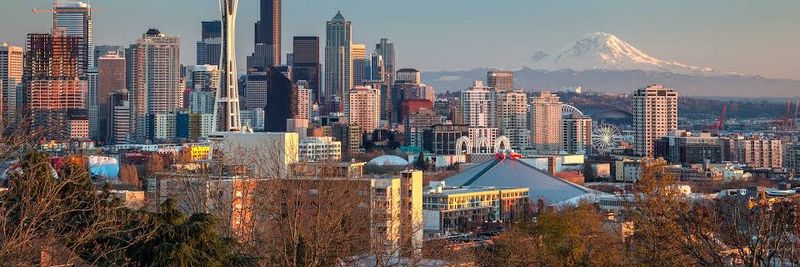
Built in 1962, the Mountainside is one of the garden’s most impressive physical features. Rising 65 feet above the surrounding landscape, it was constructed by hand using local stone and soil, and it gives the garden a dramatic vertical element that you do not expect from a flat urban park.
Climbing it rewards you with elevated views across the tree canopy and a real sense of the garden’s full scale. The paths that wind up the Mountainside are steep in places, so sturdy shoes are a smart choice.
Ancient trees grow from its slopes at angles that seem to defy gravity, their roots gripping the rock in ways that look like something from a painting. The texture of the stonework up close is genuinely beautiful, rough and weathered and covered in patches of soft moss.
Standing at the top, looking out over the ponds and the bamboo groves below, I understood why Fujitaro Kubota poured so much effort into building upward. Height gives a garden a completely different kind of soul.
Japanese Maples And Seasonal Color
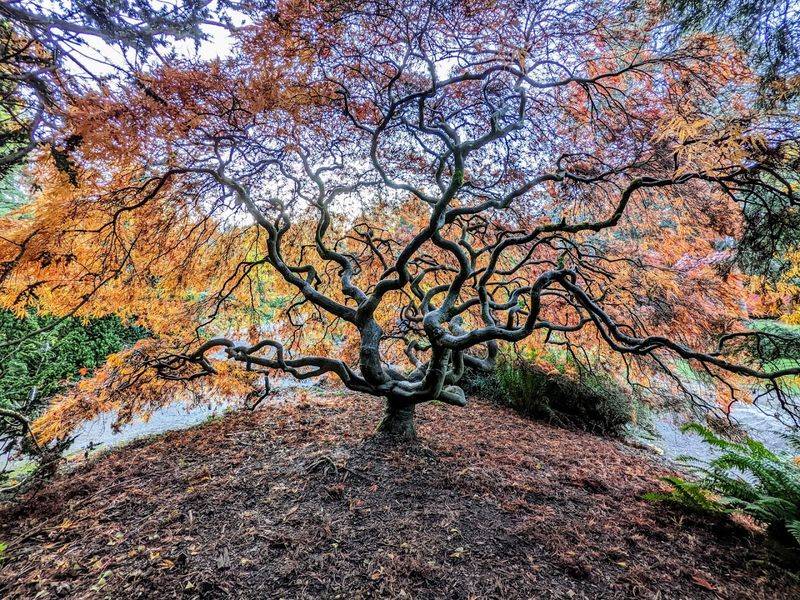
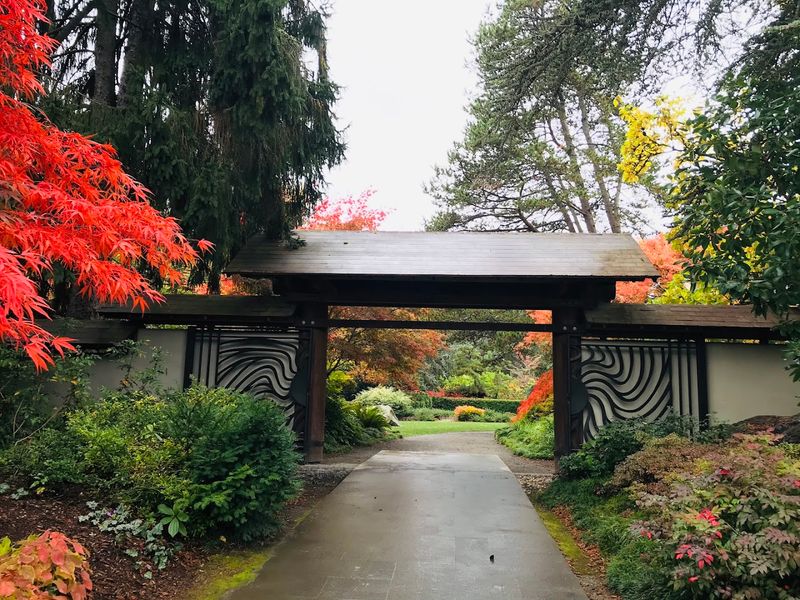
Spring and autumn are the seasons that turn Kubota Garden into a color spectacle. The garden is home to over 100 species of Japanese maples, and when they hit their peak color, the effect is genuinely breathtaking.
Autumn brings deep crimson, burnt orange, and golden yellow all at once, layered across the hillsides and reflected in the ponds below. Spring offers a different kind of beauty, with fresh lime-green leaves unfurling on the maples and early blooms appearing throughout the garden.
Both seasons draw more visitors than the quieter winter and summer months, so arriving early in the morning gives you the best chance of experiencing the colors without a crowd.
I visited in mid-October and the maples were just beginning their full transformation. Even at that early stage, the contrast between the deep green conifers and the warming maple leaves was enough to make me stop walking and just stand there for a while.
Seasonal timing really does make a difference here.
Quiet Corners Worth Seeking Out
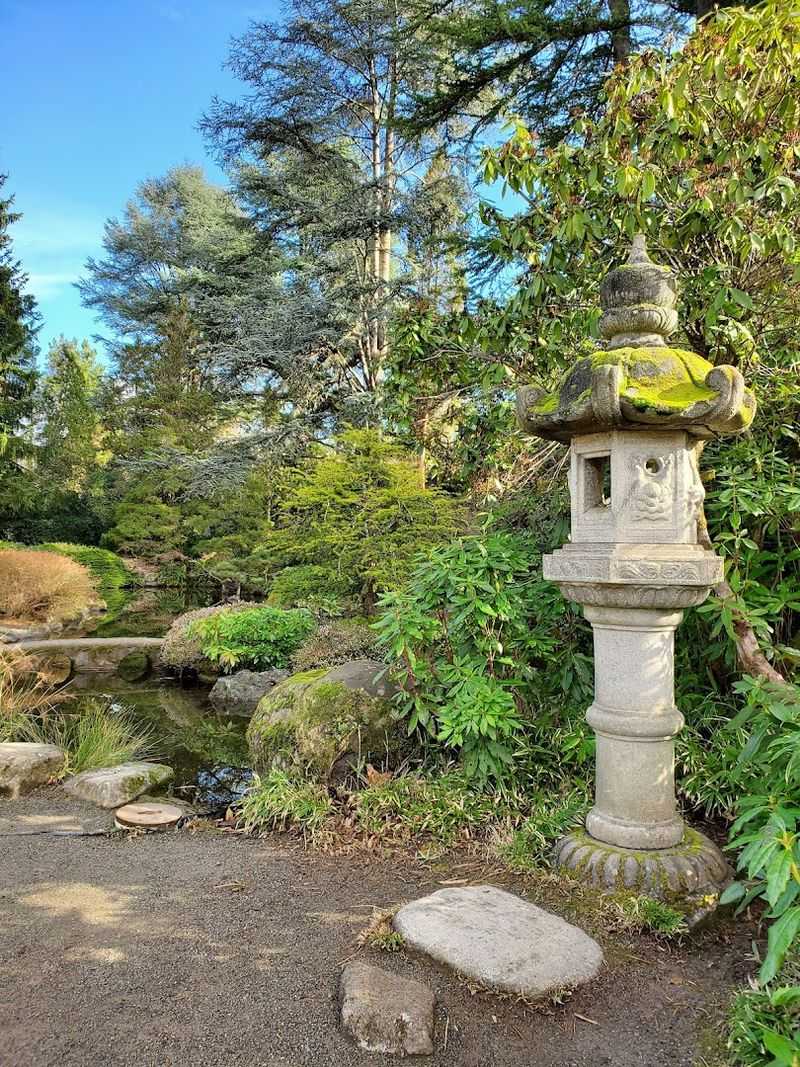
Beyond the main ponds and the Mountainside, Kubota Garden rewards the curious visitor who wanders off the obvious path. The Bamboo Grove is one of those places. Tall green stalks create a dense, rustling canopy overhead, and the light filtering through them has a quality that feels almost otherworldly.
It is the kind of spot where you naturally lower your voice without anyone asking you to. The Kubota Terrace offers another change of pace, a more structured stone space that feels ceremonial and calm.
The moon viewing platform is worth finding too, positioned to frame the sky in a way that makes even a gray Seattle afternoon feel intentional and beautiful. These smaller destinations within the garden give each visit its own rhythm.
The Tom Kubota Stroll Garden, added in 2000, provides a newer section that connects smoothly with the older parts of the property. Walking it felt like reading the final chapters of a story that started nearly a century ago, satisfying and full of quiet meaning.
Practical Tips For Your Visit
Kubota Garden is open year-round from sunrise to sunset, and admission is completely free. That combination is rare for a garden of this quality, and it makes planning a visit remarkably low-pressure.
The garden welcomes you without any ticket counter or time limit. The facilities are thoughtful and well-maintained. ADA-compliant, gender-neutral restrooms are available on site, along with picnic tables if you want to bring a lunch and stay a while.
Leashed dogs are welcome, which makes this a popular spot for local pet owners who have clearly discovered one of the city’s better-kept secrets.
Wear comfortable walking shoes because the terrain includes hills, uneven stone paths, and some steeper sections near the Mountainside. A light rain jacket is always sensible in Seattle regardless of the forecast. I found that a slow, unhurried pace suited the garden best.
Rushing through Kubota Garden would be like skipping the best parts of a really good book.
Why This Garden Stays With You
Some places leave an impression that lingers longer than a photograph. Kubota Garden is one of those places. The combination of deep personal history, careful design, and genuine natural beauty creates an atmosphere that is hard to shake once you have experienced it.
Walking through a space that someone built with this much intention changes how you move through it.
The city of Seattle acquired the full 20-acre property in 1987 to prevent it from being developed, and it is now maintained by Seattle Parks and Recreation in partnership with the Kubota Garden Foundation, established in 1989.
That partnership has kept the garden accessible, well-tended, and true to Fujitaro Kubota’s original vision while allowing it to grow thoughtfully over time.
I left Kubota Garden walking more slowly than I had arrived, which is probably the best review any place can get. If you find yourself in Seattle with a free morning and a need for something real and restorative, 9817 55th Avenue South is the address you want.