
This Historic Maine Village Will Take You Straight Back To The 1600s
Before Plymouth claimed its place in America’s origin story, a rugged corner of Maine was already tied deeply to fishing, trade, survival, and conflict.
This coastal historic site holds one of the country’s most overlooked early colonial stories, yet many travelers pass through the region without realizing what lies nearby.
Stone foundations, harbor views, museum artifacts, and a reconstructed fort reveal a world shaped by cod, commerce, harsh weather, and uneasy encounters. It is not a polished postcard version of the past.
It feels raw, windswept, and surprisingly real. Walking the grounds gives visitors a rare look at early English life on Maine’s coast, along with the much older Indigenous history rooted in the land.
For anyone who thinks American colonial history starts in familiar places, this quiet site delivers a fascinating surprise.
Pemaquid Predates Plymouth Colony
Plymouth is often treated as a central origin point in American school narratives, but Colonial Pemaquid tells a more complicated story about early English activity in New England.
Historical and archaeological evidence suggests that European fishermen and traders were active around Pemaquid as early as the early 1610s, while a permanent English village developed there later in the 1620s.
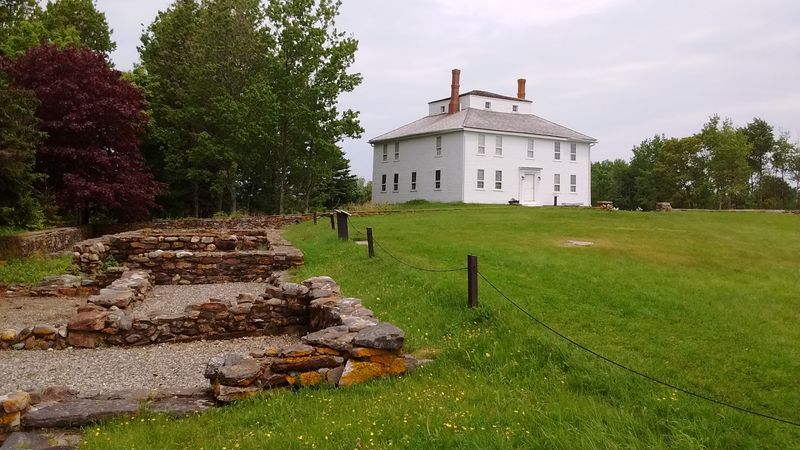
That makes Pemaquid one of the earliest documented English settlement landscapes in what would become the United States. The site sits along Colonial Pemaquid Drive in New Harbor, Maine, and the physical remains of that early community are still visible today.
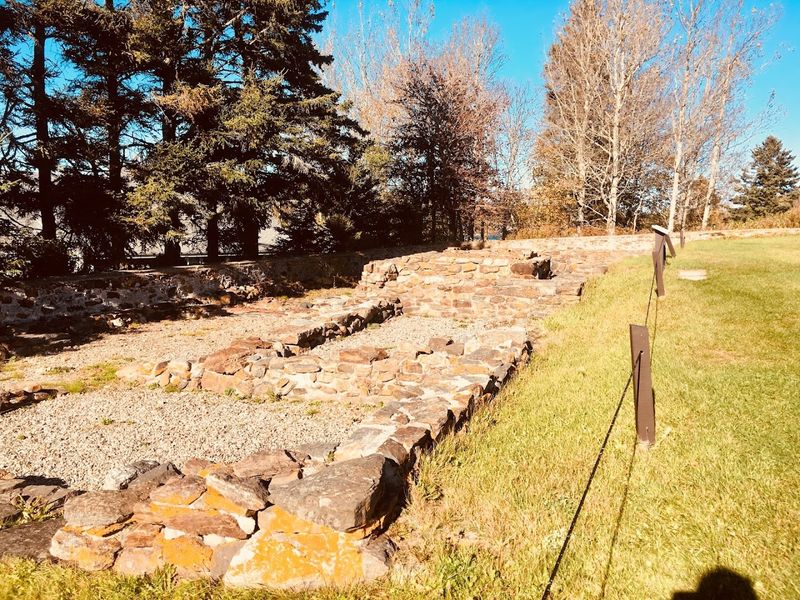
Exposed stone foundations from homes, taverns, and trading posts have been carefully preserved and are open for visitors to walk among.
Seeing those low stone walls stretch across the landscape puts the sheer age of this place into sharp, almost dizzying perspective. History books suddenly feel a little incomplete after a visit here.
The Archaeological Digs
Few state historic sites in New England can claim the kind of archaeological richness found at Colonial Pemaquid. Excavations here have uncovered thousands of artifacts dating back to the early 1600s, including ceramics, coins, clay pipes, iron tools, and fragments of everyday household objects.
These discoveries have helped historians piece together a detailed picture of daily life in one of America’s earliest European settlements. The artifacts are not just dusty curiosities behind glass.
They represent real people who cooked meals, traded goods, and built homes on this exact patch of Maine coastline.
Many of the recovered items are displayed in the on-site museum, where a short but genuinely informative video helps put everything into context before you head outside to explore.
The combination of museum storytelling and outdoor archaeology makes this feel more like an adventure than a typical history lesson. You leave with a much richer sense of what early America actually looked like on the ground.
The Fort Above The Bay
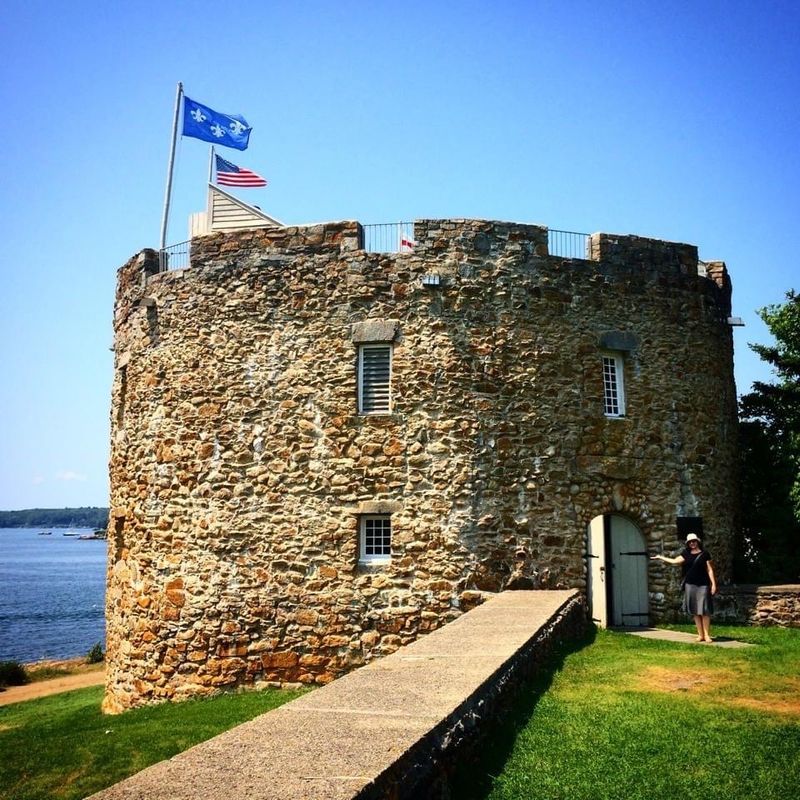
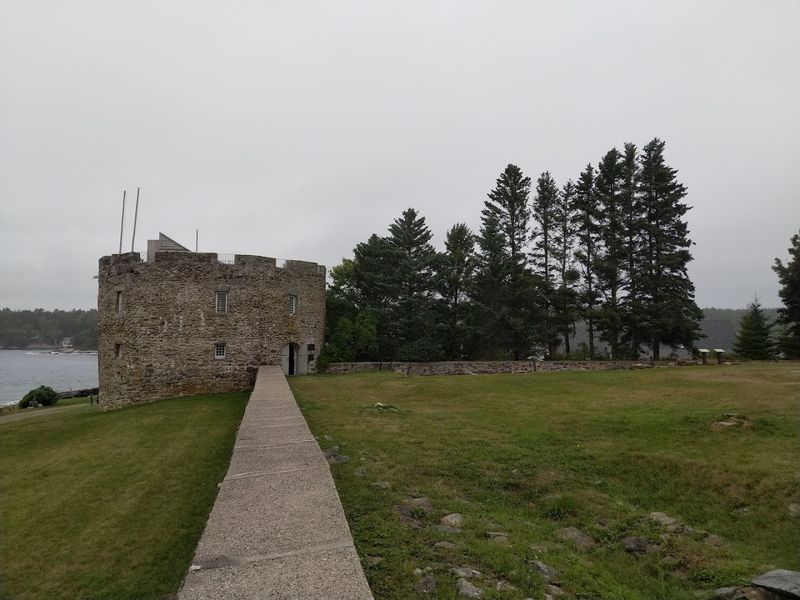
Rising above the shoreline like a stubborn reminder of colonial-era power struggles, Fort William Henry is one of the most striking features of Colonial Pemaquid State Historic Site.
The current structure is a partial reconstruction of Fort William Henry, originally built in 1692 to protect this strategically valuable harbor.
The site saw several forts over time: Fort Charles was built in 1677 and destroyed in 1689, Fort William Henry was built in 1692 and destroyed in 1696, and Fort Frederick was built in 1729.
Climbing to the top of the tower rewards you with a sweeping panoramic view of the harbor that is genuinely hard to forget.
Artists apparently agree, because on any given visit you are likely to spot painters setting up easels to capture the scene. The tower interior also houses additional artifacts and interpretive displays that add more layers to the fort’s complicated story.
It is a small climb with a very big payoff.
Inside A 1600s Fisherman’s Life
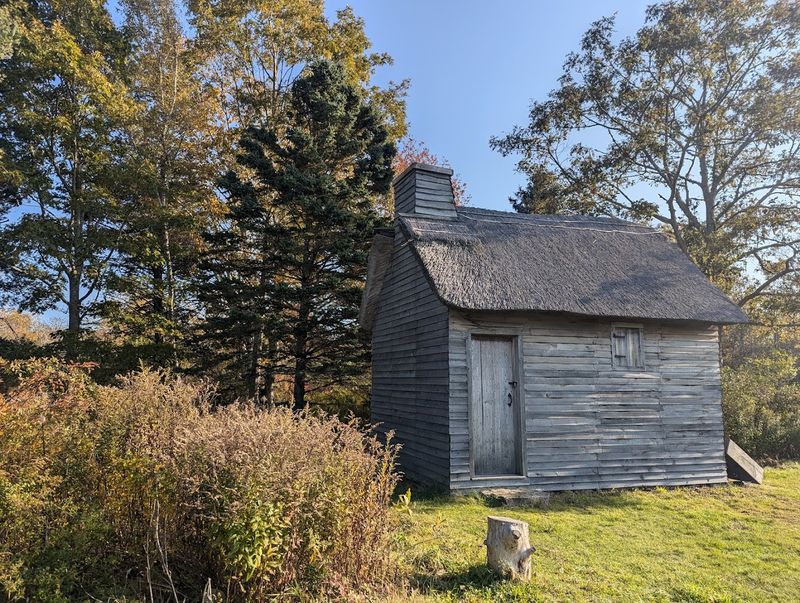
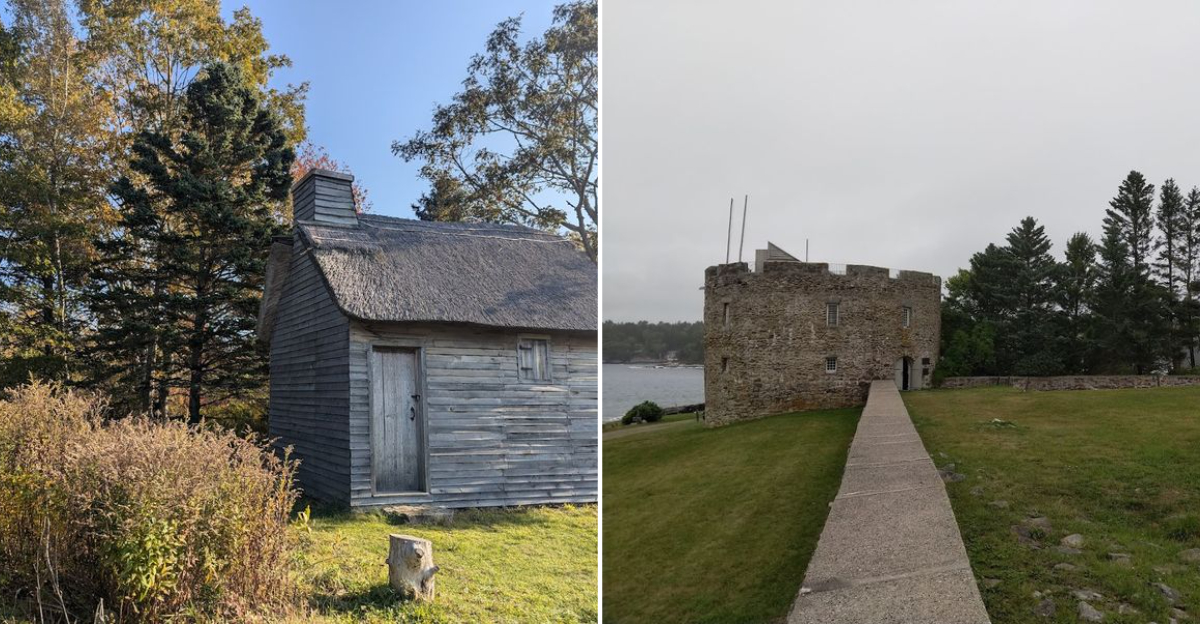
Compact, dark, and surprisingly humbling, the reconstructed fisherman’s house at Colonial Pemaquid gives you a visceral sense of how early settlers actually lived.
The structure is tiny by any modern standard, built to reflect the cramped but functional homes that working-class colonists occupied during the 1600s.
Standing inside, you quickly realize that these early residents were not living in comfort. They were surviving, working long hours fishing the cold Maine waters, and making do with very limited resources.
The reconstruction is based on archaeological evidence and historical interpretation, so it offers a grounded view of colonial working life.
Its design, from the timber framing to the modest interior layout, reflects archaeological findings and historical interpretation.
Families with kids will find this especially memorable because it sparks genuine conversation about what life without electricity, running water, or central heating would actually feel like. It is the kind of hands-on history that sticks with you long after you leave.
Cod Built This Coast
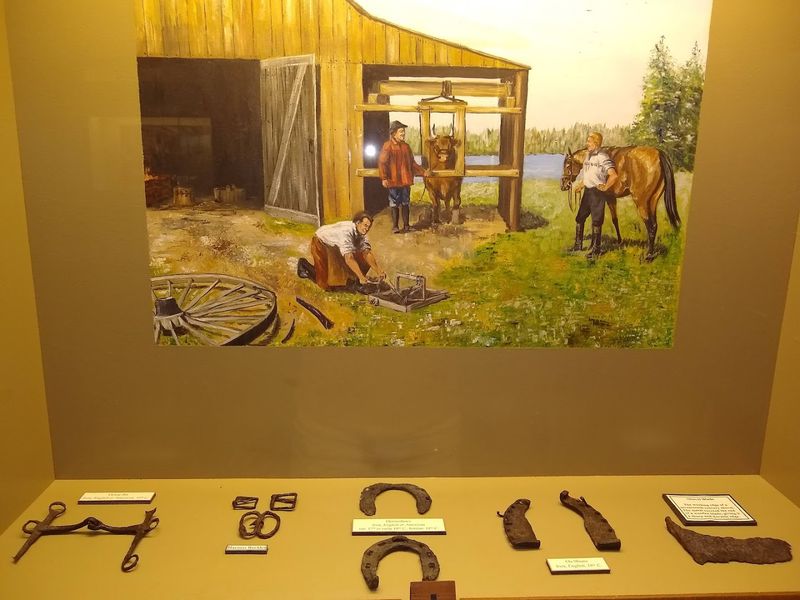
Before lobster rolls became Maine’s culinary calling card, salted cod was the economic engine that drove early settlement at Pemaquid.
Historians and archaeologists have confirmed that dried and salted cod was one of the primary export products leaving this harbor during the colonial period, shipped to markets in Europe and the Caribbean.
The fishing industry was not just a side business here. It was the main reason European settlers came to this particular stretch of coastline in the first place.
The harbor offered excellent access to the rich fishing grounds of the Gulf of Maine, and the salt-curing process allowed fish to be preserved for long ocean voyages without refrigeration.
Learning this detail reframes how you see the entire site. Those stone foundations are not just the ruins of homes.
They are the remains of a working commercial hub that connected a remote Maine harbor to an international trade network. That kind of context makes every artifact feel significantly more meaningful.
The Story Before Settlement
Long before European fishermen ever set foot on this land, the Wabanaki people called this coastal region home.
The area now known as Pemaquid was part of a much larger Indigenous territory that stretched across what is today Maine and parts of eastern Canada, and the Wabanaki had been living, fishing, and trading here for thousands of years.
Colonial Pemaquid’s history is therefore not just a story about European settlement. It is also a story about cultural encounter, conflict, and the dramatic transformation of a landscape that Indigenous communities had carefully managed for generations.
The site acknowledges this layered history, and visitors who take the time to read the interpretive signage will come away with a more complete picture of what this land meant before 1600.
Understanding that Indigenous presence shapes how you interpret every artifact and foundation wall on the property. History rarely has a single starting point, and Colonial Pemaquid makes that lesson feel genuinely personal rather than abstract.
The On-Site Museum
Walking into the museum at Colonial Pemaquid feels like getting a cheat code for the rest of your visit. A short video, running roughly fifteen to twenty minutes, lays out the full arc of the settlement’s history in a clear and engaging way that works for both adults and younger visitors.
After the video, the exhibit cases display an impressive collection of artifacts recovered from the archaeological digs, including ceramics, personal items, trade goods, and structural fragments that bring the colonial era to life in concrete, touchable terms.
The museum is relatively compact, which means you can move through it efficiently without feeling overwhelmed.
Staff at the site have been noted for their genuine enthusiasm and depth of knowledge, which adds real warmth to the experience. The site is located at 28 Colonial Pemaquid Dr., New Harbor, ME 04554.
A View Worth Painting
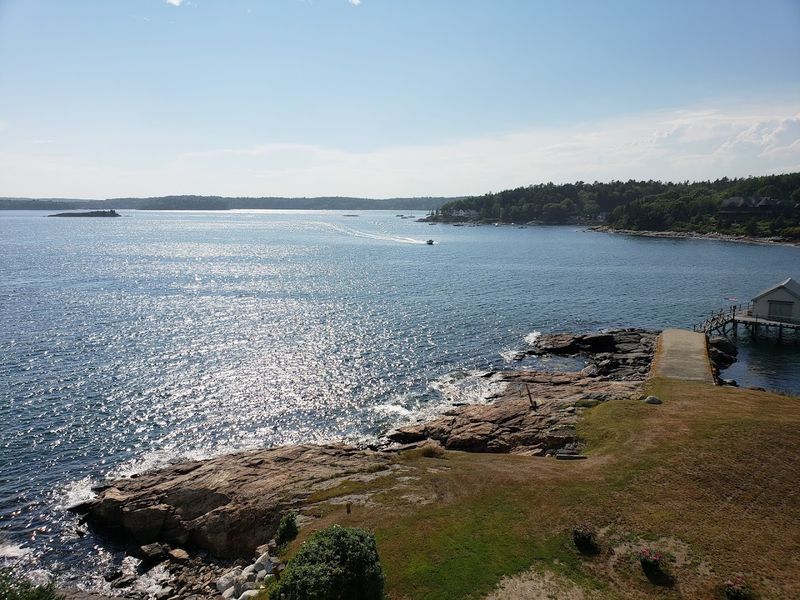
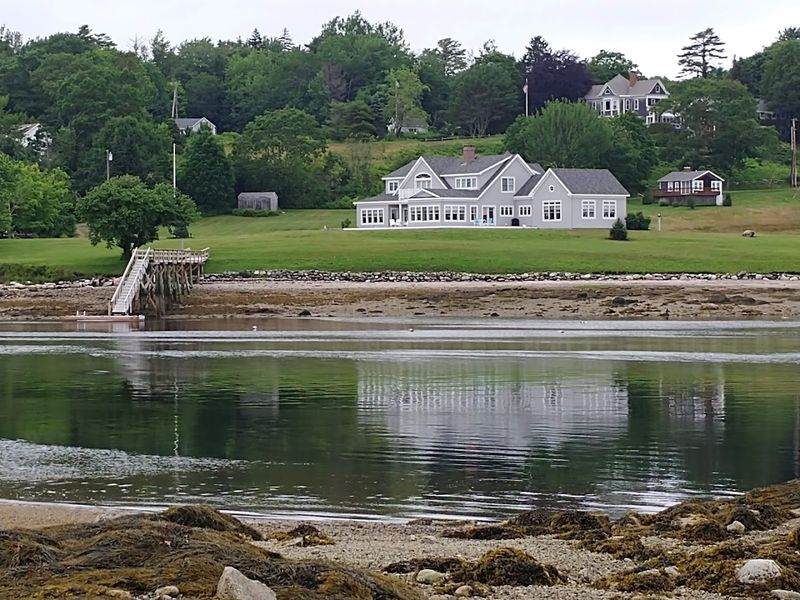
There is a reason painters keep showing up here with their easels. The view from Colonial Pemaquid, particularly from the top of Fort William Henry’s tower, stretches across a harbor so calm and clear that it almost looks edited.
The water picks up every shift in the Maine sky, turning from steel blue to silver depending on the time of day.
The surrounding landscape adds to the appeal, with rocky shoreline, open water, and the kind of quiet that feels increasingly rare. Photographers, watercolor artists, and casual visitors with smartphone cameras all find something worth capturing here.
The scene has a timeless quality that makes it easy to understand why this coastline attracted settlers, traders, and travelers for centuries.
Picnic tables are scattered around the grounds, making it easy to slow down and simply absorb the setting rather than rushing through.
Spending an unhurried afternoon here, watching the light change over the harbor, is one of those travel experiences that quietly becomes a favorite memory without any fanfare.
Paddle Through The Past
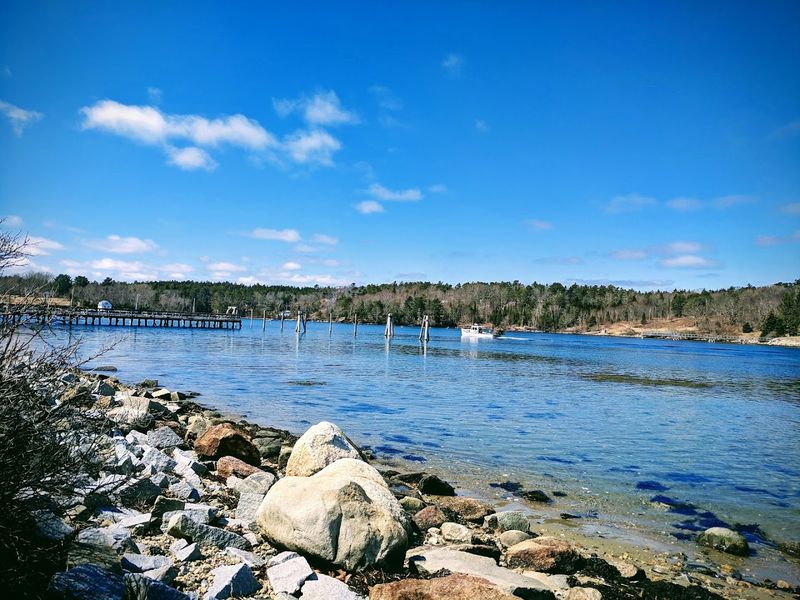
Colonial Pemaquid is not just a place to stand and read plaques. The site and its surrounding area offer a genuinely active outdoor experience for visitors who want to get out on the water.
Kayak and paddleboard rentals are available nearby, giving you the chance to explore the harbor from a completely different vantage point.
Paddling out into the calm waters of New Harbor with the fort silhouette behind you is a uniquely satisfying experience.
The water is famously clear, and on a calm day you can see the rocky bottom in the shallower sections near the shore. A small beach area appears at low tide, which makes for a nice spot to pull up a kayak and take a break.
The combination of history on land and outdoor activity on the water makes Colonial Pemaquid an unusually versatile destination. Whether you are the type who prefers to walk through museum exhibits or the type who would rather be paddling, there is a version of this visit that fits your style perfectly.
How To Plan Your Visit
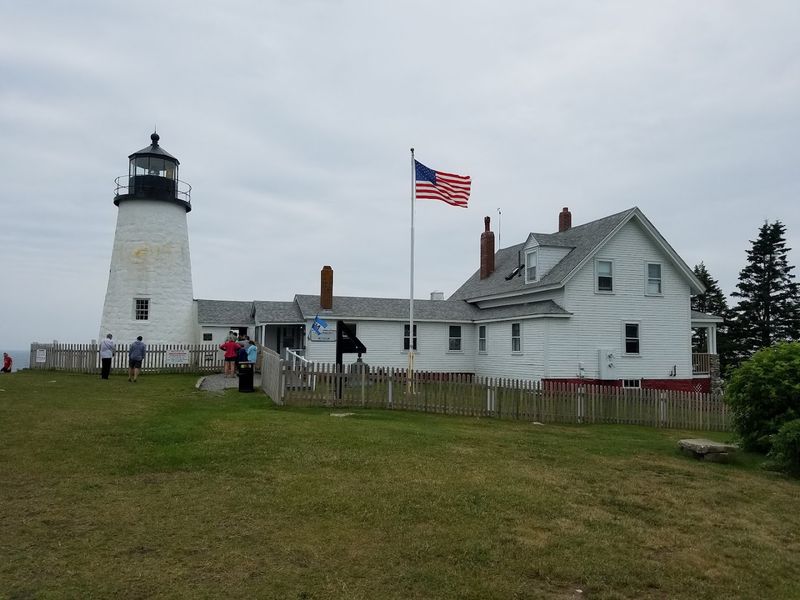
A little planning can make a visit here feel much easier and more relaxed. During the main season, the site is typically open daily with enough time to tour the museum, walk the grounds, and climb the fort tower without feeling rushed.
Hours can shift during the shoulder season, so it is worth calling ahead before making the trip. Admission is modest, which makes this a refreshingly budget-friendly stop for families or anyone exploring Maine’s coast.
Pack a picnic too. There are tables on the grounds, and the harbor setting is the kind of place where you will probably want to slow down for a while.
Comfortable shoes are also a good idea since you will be walking over grass, gravel, and uneven stone. For the quietest visit, aim for a weekday morning when the site usually feels calmer and easier to explore.