
The Enchanting Half-Mile Hike In Florida That Leads To An Iconic Beach And A Gorgeous Lighthouse
A half-mile walk does not sound like much.
Until you take this one.
In Florida, there is a short trail that somehow feels bigger than most full-day hikes. It starts simple.
Flat ground. Open views.
Nothing that suggests what is waiting ahead.
But step by step, it pulls you in.
Birds move along the shoreline. The air shifts.
And the quiet starts to feel intentional.
You slow down without realizing it.
And then you see it.
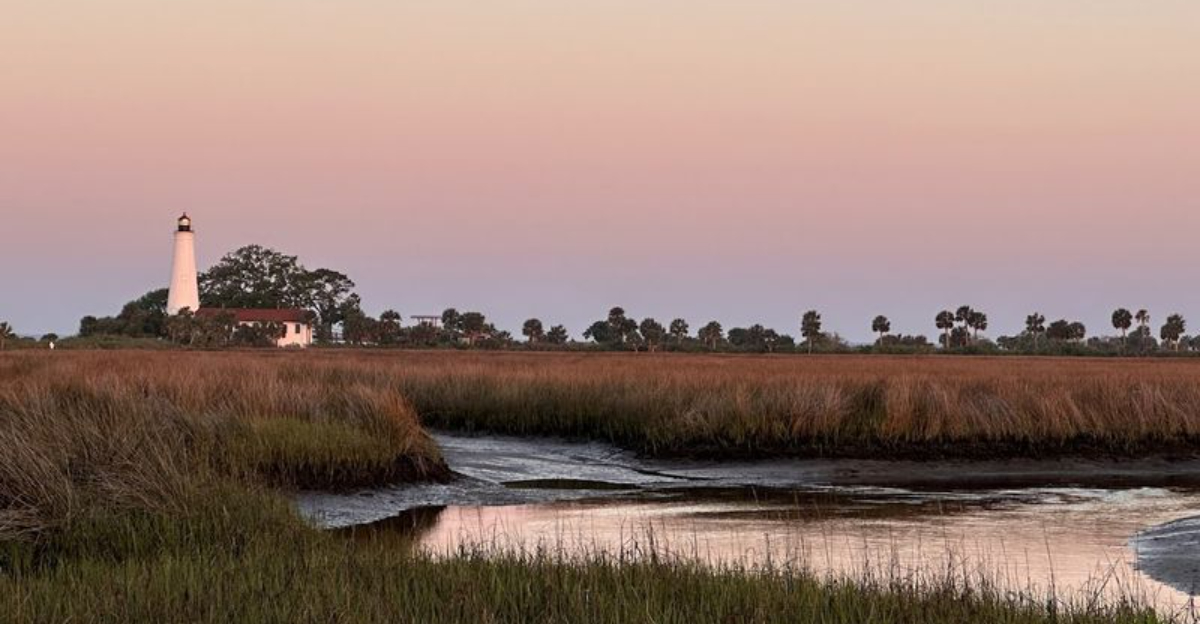
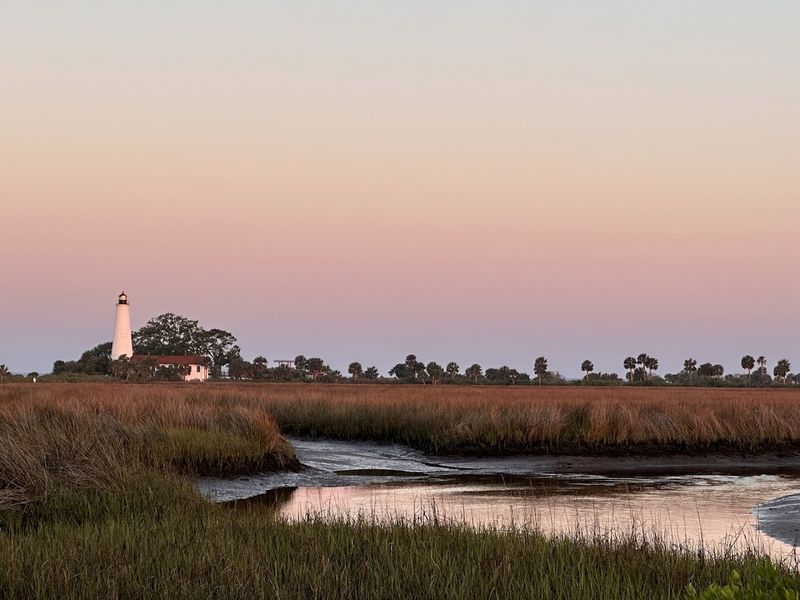
A lighthouse rising against the Gulf sky. The beach stretching out in every direction.
The kind of view that feels earned, even if the distance was not demanding.
This is what makes it different.
It is not about how far you go.
It is about how much you notice along the way.
In Florida, walks like this are easy to underestimate.
Spend a little time here, and you will want to turn around and do it all over again
A Trail That Welcomes Every Skill Level
Forget the idea that you need to be an ultra-marathoner to enjoy this walk. The trail leading to the St. Marks Lighthouse keeps things refreshingly simple, with a level, well-maintained path that even my least outdoorsy friends managed without complaint.
Families with strollers, folks using wheelchairs, and visitors who just prefer a leisurely pace all find this route perfectly suited to their needs. The half-mile distance means you can complete the round trip in under an hour if you keep moving, or stretch it into a longer outing if you stop to observe the wildlife and scenery along the way.
I watched kids race ahead while grandparents strolled behind, and nobody felt left out or overwhelmed. The accessibility here opens up coastal Florida beauty to just about anyone willing to take that first step, and I appreciated how the refuge designed the experience to be inclusive rather than intimidating.
Wildlife Encounters Around Every Bend
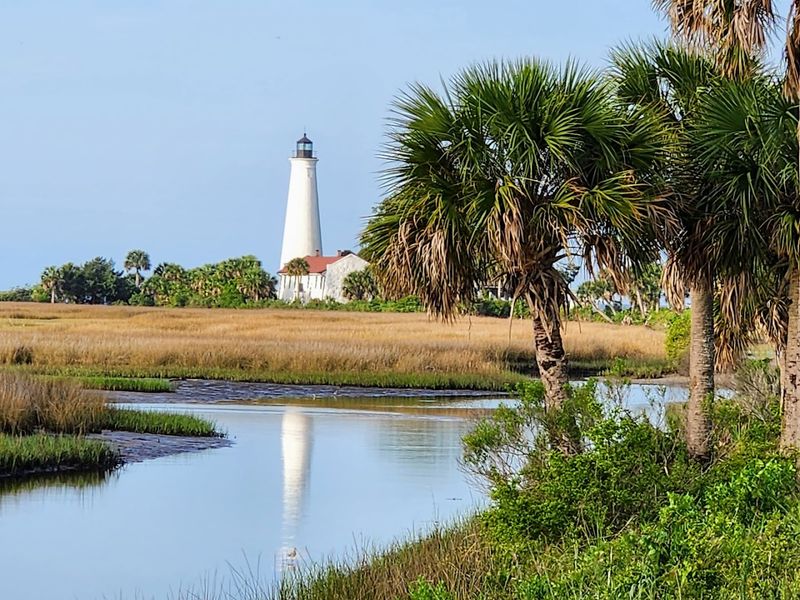
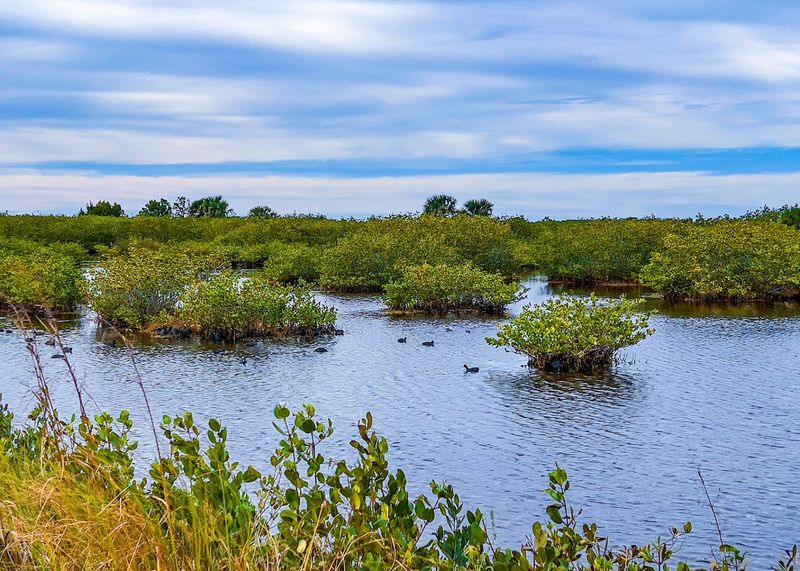
My binoculars earned their weight in gold on this walk. Birds absolutely dominate the scene here, with herons stalking through the shallows, pelicans gliding overhead, and smaller shorebirds darting along the mudflats in choreographed chaos.
Depending on the season, you might spot migrating warblers, raptors hunting from high perches, or even the occasional bald eagle surveying its domain. Alligators make appearances too, usually lounging in the sun along the water’s edge with that unbothered confidence only apex predators can pull off.
I kept a respectful distance and marveled at how these ancient reptiles coexist so casually with the human visitors passing by. The refuge staff does an excellent job educating guests about safe wildlife viewing, so everyone gets to enjoy the show without disturbing the performers.
Every trip down this trail delivers something different, and I never knew whether I’d see a dolphin fin in the distance or a turtle basking on a log.
The Historic St. Marks Lighthouse Beckons
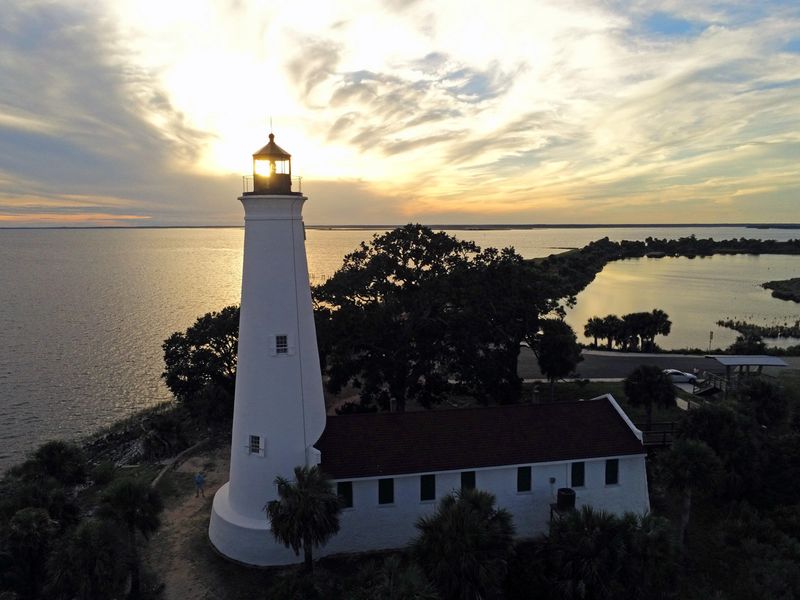
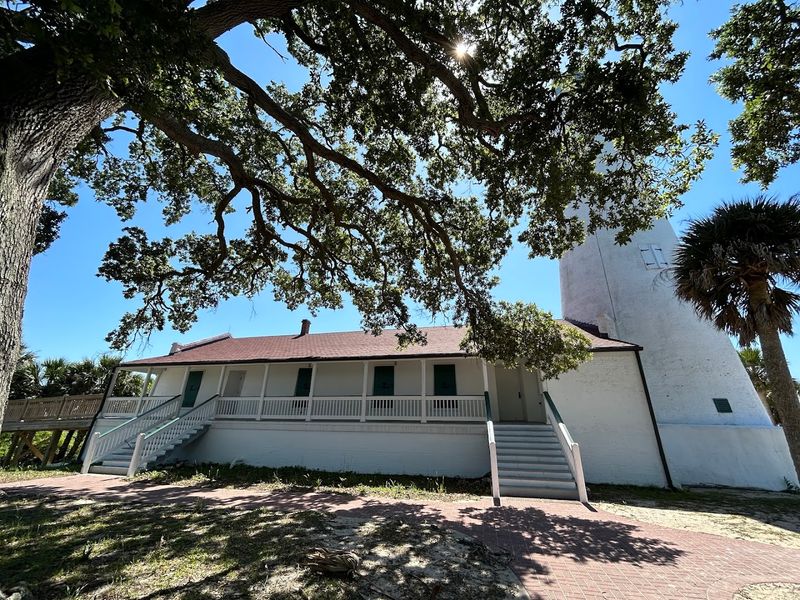
Standing at the trail’s end, the lighthouse commands attention with its classic white tower and dark cap rising against the Florida sky. Built in 1842, this beacon has guided sailors through Apalachee Bay for well over a century, and its presence still carries that timeless maritime charm that makes lighthouses so captivating.
I circled the base, reading the historical plaques that explain its construction and the keepers who tended its light through storms, wars, and the slow march of technological change. Though you cannot climb to the top, getting up close to the structure lets you appreciate the craftsmanship and durability required to build something that withstands Gulf weather year after year.
The lighthouse remains an active aid to navigation, so it continues serving its original purpose while also acting as the refuge’s most photographed landmark. I found the combination of function and beauty particularly satisfying, and I understood why so many visitors time their hikes specifically to see this tower up close.
Beach Access With A Quiet, Natural Vibe
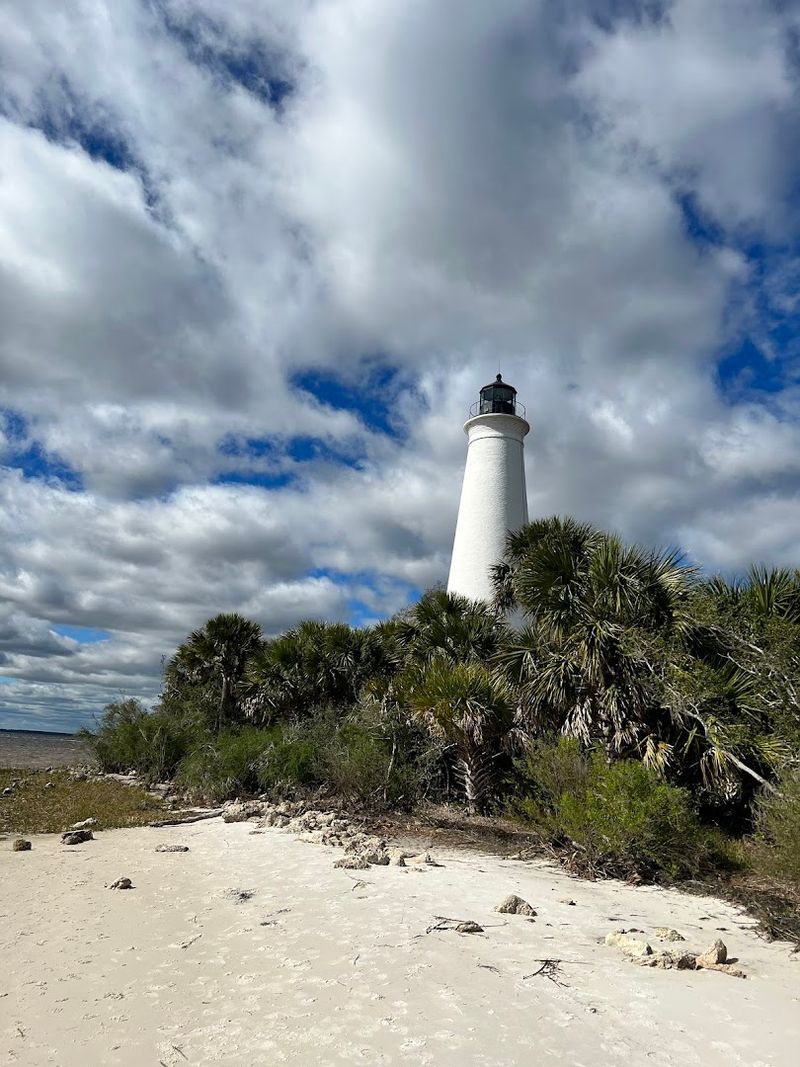
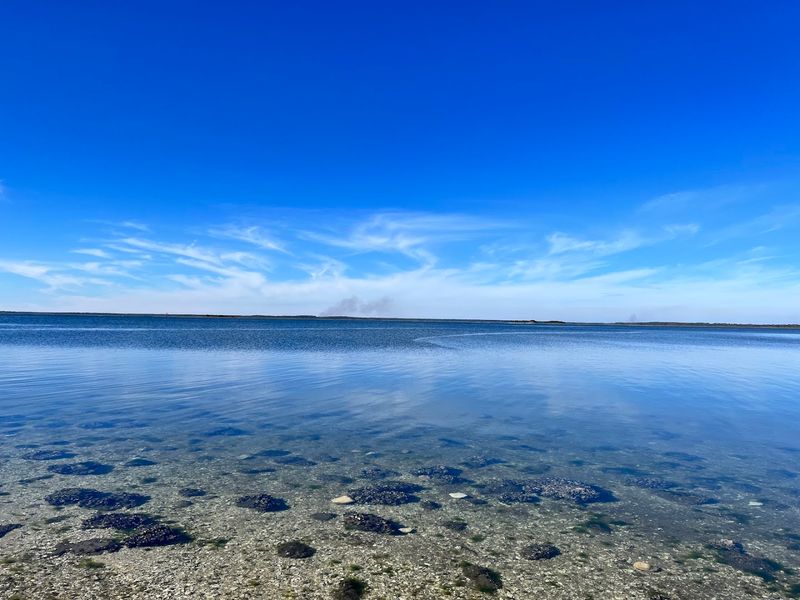
Reaching the beach felt like discovering a secret that somehow everyone knows but nobody crowds. Unlike the heavily developed stretches of Florida coastline packed with umbrellas and beach bars, the shore near the lighthouse maintains a wild, undisturbed character that lets you actually hear the waves.
I kicked off my shoes and walked along the sand, collecting shells and watching fiddler crabs scuttle into their burrows. The water stays relatively calm here, protected somewhat by the bay’s geography, so wading out a bit never feels treacherous or intimidating.
Driftwood scattered along the high-tide line provides natural seating for anyone who wants to sit and soak in the view without spreading out a towel. I noticed how the beach attracts contemplative visitors rather than party crowds, and that quieter energy made the whole experience feel more restorative.
Bringing a small bag for trash helps keep this beach pristine, and I always left with more peace of mind than I arrived with.
Seasonal Changes Transform The Landscape
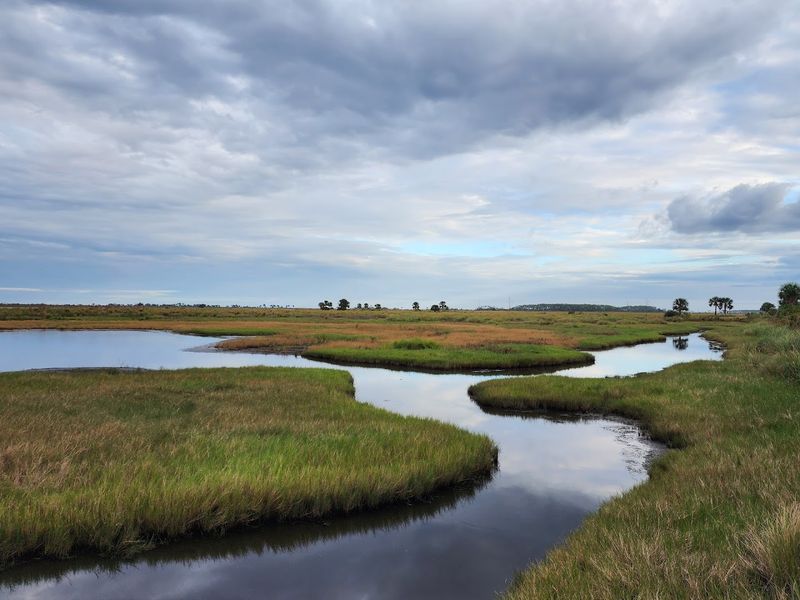
Timing your visit to match the seasons can completely change what you experience on this trail. Fall brings massive bird migrations, with warblers, thrushes, and raptors passing through in impressive numbers that turn every tree into a feathered convention.
Spring explodes with wildflowers and nesting activity, as resident birds claim territories and raise their young while the marsh grasses green up after winter’s dormancy. Summer delivers heat and humidity in full force, but also brings butterflies, dragonflies, and the lush growth that transforms the refuge into a jungle of coastal vegetation.
Winter offers cooler temperatures perfect for hiking, plus the chance to spot waterfowl that spend their cold months in Florida’s milder climate. I have walked this same path in different seasons and felt like I visited four distinct places, each with its own mood and cast of characters.
Checking the refuge’s seasonal wildlife reports before you go helps you know what to watch for during your visit.
Photography Opportunities At Every Turn
My camera stayed busy from the parking lot to the lighthouse and back. The refuge offers that rare combination of dramatic scenery, abundant wildlife, and excellent light that makes even amateur photographers look like pros.
Golden hour transforms the lighthouse into a glowing sentinel, with warm light painting the tower and casting long shadows across the beach. Bird photography enthusiasts can practice their skills on cooperative subjects that often ignore humans close enough for frame-filling shots, though a telephoto lens still helps capture the details.
Landscape shooters love the way the marsh, beach, and lighthouse combine into classic coastal compositions that practically frame themselves. I experimented with different angles and perspectives, and I never ran out of fresh ideas before my memory card filled up.
Sunrise visits deliver particularly magical light, though you will need to arrive early and possibly navigate the trail in dim conditions. The refuge allows photography throughout its public areas, making it a generous canvas for visual storytelling.
Educational Interpretive Signs Enrich The Journey
Walking this trail taught me more than I expected, thanks to well-placed interpretive signs that explain the ecology, history, and wildlife of the area without overwhelming you with information. I paused at each display, reading about the salt marsh food web, the lighthouse’s construction timeline, and the migration patterns of birds that pass through twice yearly.
The signs include helpful identification guides that let you match the birds you see with their proper names and behaviors, transforming random sightings into meaningful observations. Kids especially benefit from these educational touchpoints, which turn a simple walk into an outdoor classroom that holds attention better than any textbook.
I appreciated how the refuge balances recreation with education, respecting visitors enough to offer knowledge without making the experience feel like homework. The information provided deepened my appreciation for the coastal ecosystem and made me more observant about the small details I might have otherwise overlooked during my hike to the lighthouse.
Practical Tips For A Comfortable Visit
Smart preparation makes this short hike significantly more enjoyable. I learned to bring more water than I thought I would need, especially during Florida’s warmer months when the sun and humidity team up to dehydrate you faster than you realize.
Sunscreen and a hat protect against the intense rays that bounce off the water and sand, and insect repellent keeps mosquitoes and other biting bugs from treating you like a mobile buffet. The refuge provides restrooms and a visitor center near the parking area, so use those facilities before starting your walk since you will not find them along the trail.
Binoculars enhance wildlife viewing dramatically, and I regretted every visit when I left mine in the car. Comfortable walking shoes matter more than you might think, even on this short distance, because sand and uneven surfaces can tire your feet quickly.
Checking the refuge website for any closures or special conditions before you drive out saves disappointment and wasted trips.
Sunrise And Sunset Create Magic Hours
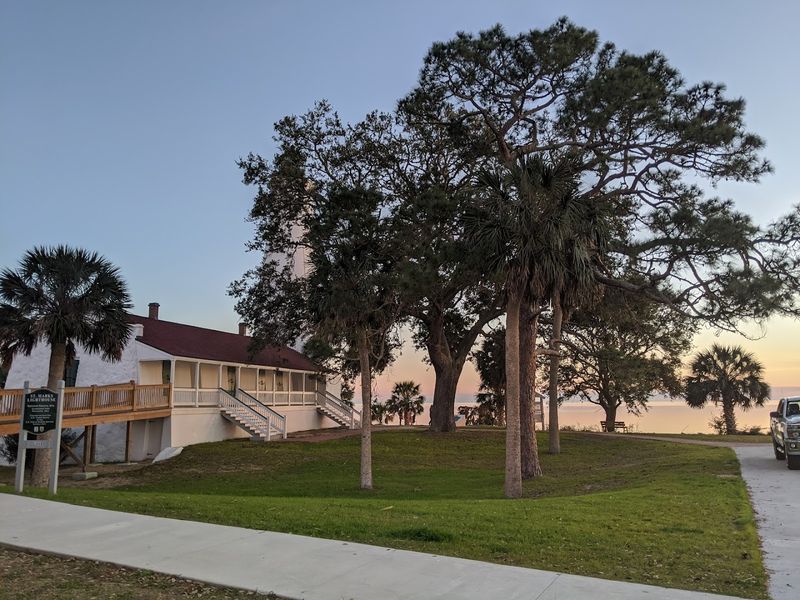
Arriving at dawn or staying until dusk rewards you with the refuge at its most beautiful. I have watched the sun rise behind the lighthouse, painting the sky in shades of pink and orange that no filter could improve, while shorebirds began their morning routines in the soft light.
Evening visits offer equally stunning displays, with the setting sun turning the Gulf waters into liquid gold and the lighthouse standing as a dark silhouette against the colorful sky. These magic hours also bring increased wildlife activity, as many animals prefer the cooler temperatures and softer light for feeding and movement.
I noticed how the refuge takes on a completely different character during these transitional times, feeling more intimate and wild than during the busy midday hours. Photographers chase this light obsessively for good reason, and even casual visitors sense something special about experiencing the refuge when day meets night.
The parking area opens before sunrise and stays accessible after sunset, giving you flexibility to plan your visit around these prime viewing times.
Conservation Success Story In Action
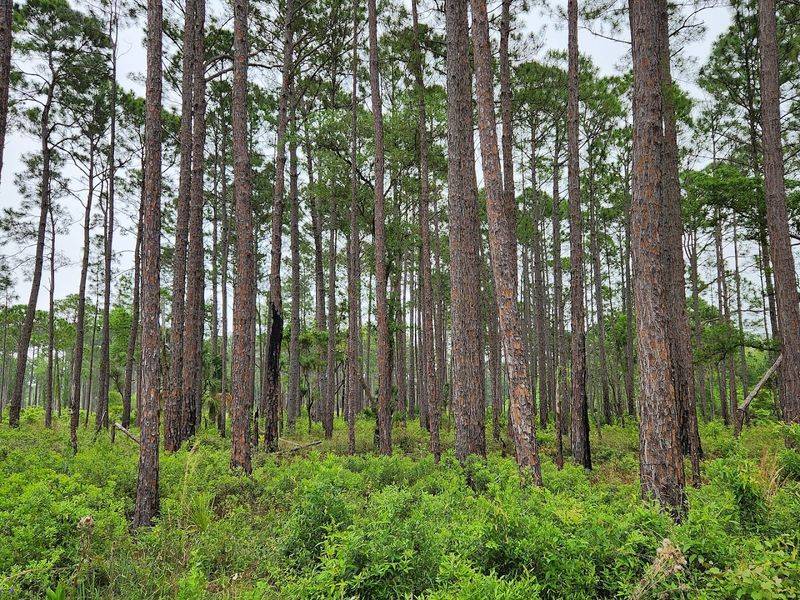
Walking through Saint Marks National Wildlife Refuge reminds you that conservation actually works when given proper support and protection. Established in 1931, this refuge protects over 70,000 acres of coastal habitat that provides critical breeding, feeding, and resting areas for hundreds of species.
I thought about how different this landscape would look if development had claimed these shores, and I felt grateful that earlier generations had the foresight to preserve this ecological treasure. The refuge serves as living proof that humans can make choices benefiting both wildlife and people, creating spaces where nature thrives while visitors gain access to experiences increasingly rare in our developed world.
Seeing alligators, eagles, and countless other creatures living undisturbed within such a well-managed area gave me hope that similar conservation efforts elsewhere might succeed too. The refuge staff works year-round maintaining habitats, monitoring wildlife populations, and educating visitors about the importance of protecting these coastal ecosystems for future generations to discover and enjoy.