
15 Unforgettable Adventures To Experience In Washington State
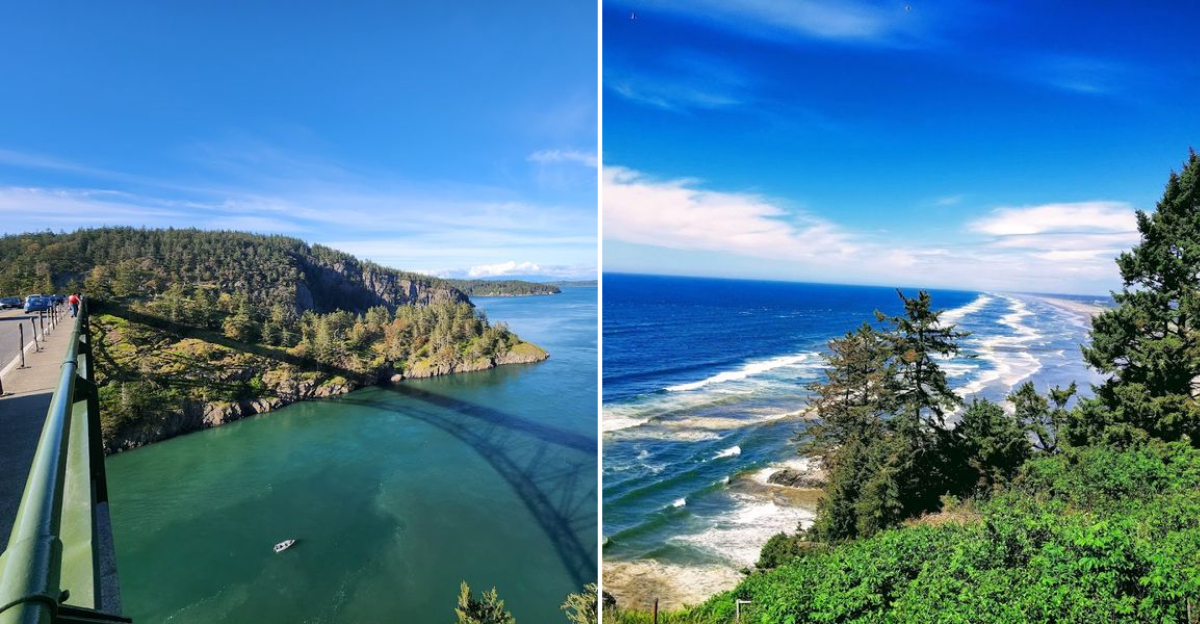
Have you ever felt that electricity in the air, that unmistakable signal that something extraordinary awaits just around the corner? That feeling swept through me the moment I decided to explore what Washington truly offers beyond the tourist brochures.
This state is a playground for those who crave variety, a place where you can kayak past glaciers in the morning and watch whales breach at sunset.
The diversity here is nothing short of astonishing, offering adventures that cater to every imagination. My exploration revealed hidden gems that most travelers never find, experiences that changed me in ways I still can’t fully explain.
These fifteen unforgettable adventures represent the very best of what Washington can offer to those brave enough to seek them out.
1. Hike The Skyline Trail At Mount Rainier National Park
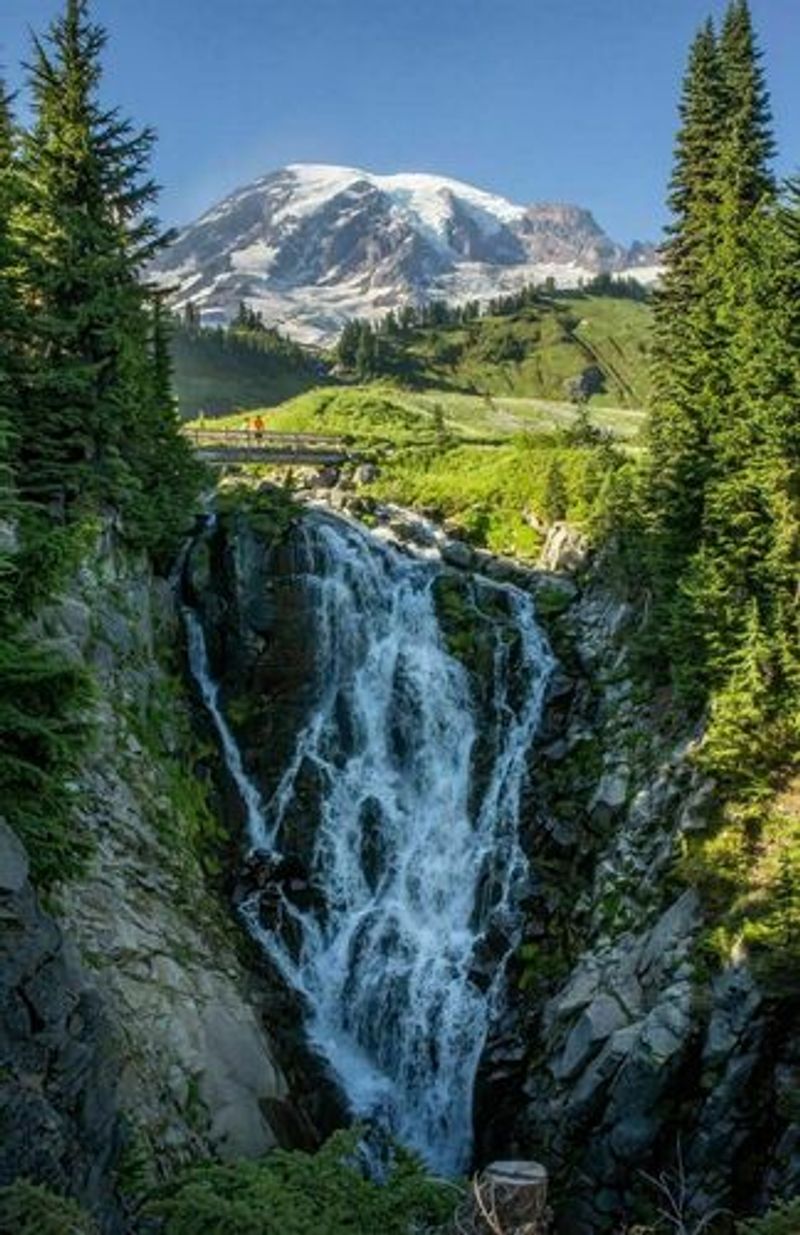
Standing at nearly 14,411 feet, Mount Rainier is the kind of mountain that stops conversations mid-sentence. The Skyline Trail is one of the best ways to experience it up close, looping around the Paradise area at elevations that put you face-to-face with glaciers and sweeping alpine meadows.
This is a moderately challenging hike of about five miles, making it accessible for most active visitors.
Summer is the ideal season, typically July through September, when the meadows explode with lupine, paintbrush, and aster. The views of the Nisqually Glacier are genuinely breathtaking, and you will likely spot marmots sunning themselves on rocky outcrops along the way.
Start early to avoid afternoon crowds at the Paradise Visitor Center trailhead. Bring layers because mountain weather shifts quickly, and sturdy hiking boots will serve you far better than sneakers on this trail.
2. The Water Crash Through Palouse Falls State Park
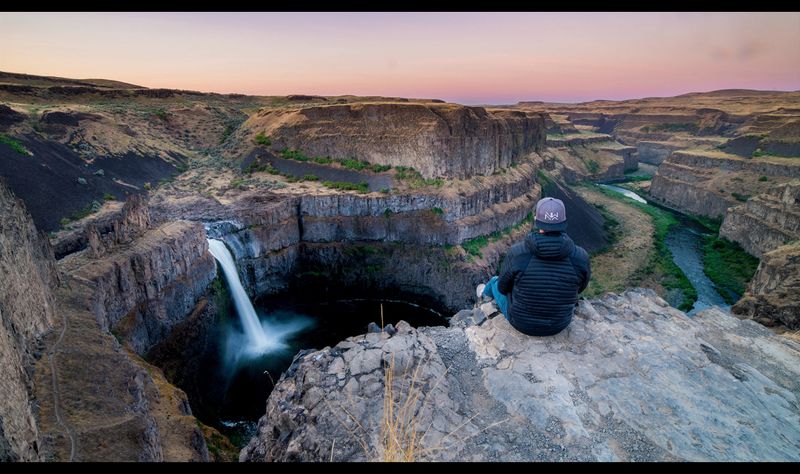
Out in the dry eastern part of Washington, far from the rainy forests most people picture, Palouse Falls drops roughly 198 feet into a stunning basalt canyon that feels almost otherworldly.
It was named Washington’s official state waterfall in 2014, and once you see it, that title makes complete sense.
The short trail from the parking area leads to multiple viewpoints, each offering a different angle on the falls and the surrounding coulees carved by ancient floods thousands of years ago. Spring is the best time to visit when snowmelt pushes the water flow to its most dramatic levels.
Palouse Falls State Park is about 90 minutes south of Spokane, making it a manageable day trip from eastern Washington. Pack a picnic, bring a wide-angle camera lens, and plan to stay longer than you think you need to.
3. Ride The Ferry To The San Juan Islands
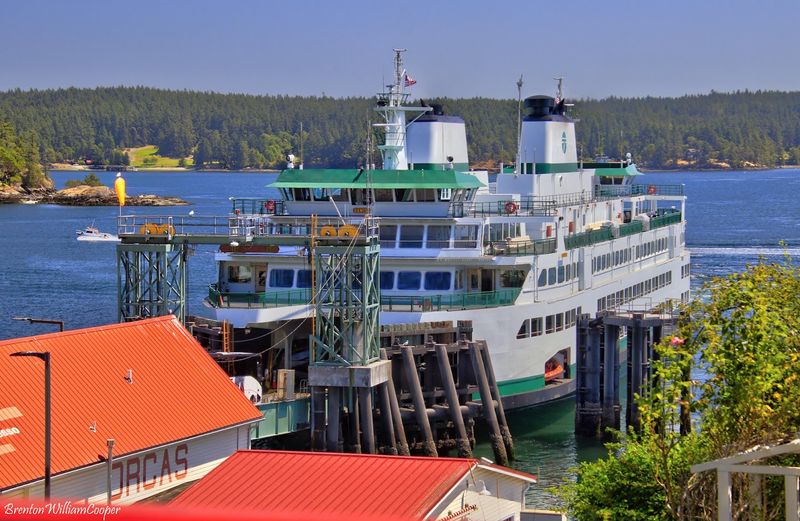
There is something genuinely special about boarding a Washington State Ferry in Anacortes and watching the mainland slowly shrink behind you as forested islands come into view.
The San Juan Islands sit in the northern Salish Sea and include four main ferry-served islands: Lopez, Orcas, Shaw, and San Juan itself. Each one has its own personality and pace.
San Juan Island is the most popular, home to Friday Harbor and excellent whale-watching opportunities for orca pods that frequent the area. Orcas Island offers Moran State Park and the climb up Mount Constitution for panoramic views stretching into Canada.
The ferry ride itself is part of the fun, with sea otters, harbor seals, and bald eagles often spotted along the route. Book ferry reservations well in advance during summer because spots fill up fast, especially for vehicles.
4. Walk Across The Bridge At Deception Pass State Park
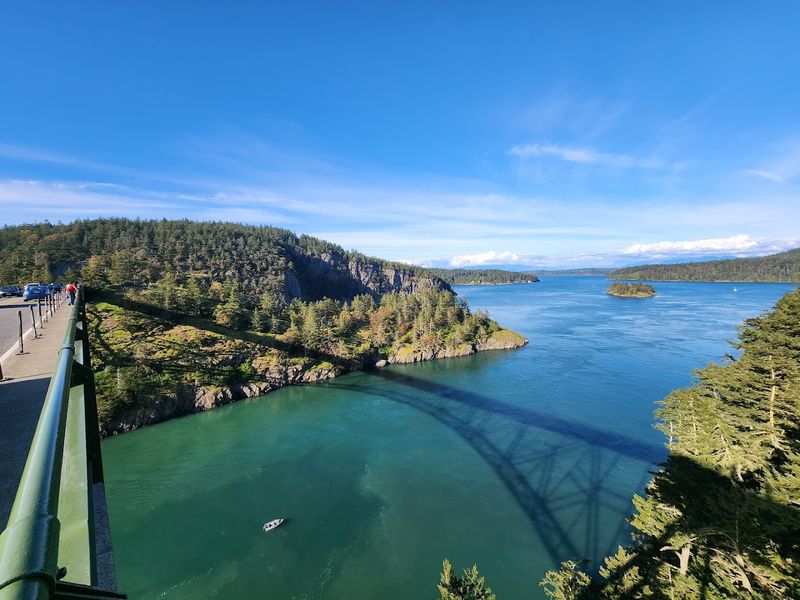
Built in 1935, the Deception Pass Bridge connects Whidbey Island to Fidalgo Island and sits about 180 feet above one of the most visually dramatic waterways in the Pacific Northwest. W
alking across it gives you a front-row view of the churning tidal currents below, where the water swirls in patterns that shift with every passing hour.
Deception Pass State Park is Washington’s most visited state park, and it earns that title with a combination of rugged coastline, old-growth forest trails, sandy beaches, and the iconic bridge. The park covers over 4,000 acres and offers more than 38 miles of hiking trails for all skill levels.
Go at low tide to explore the rocky tide pools beneath the bridge, where sea stars, anemones, and small crabs create their own busy little world. Sunrise visits reward early risers with golden light on the water and far fewer crowds.
5. Explore The Mossy Trails Of The Hoh Rain Forest
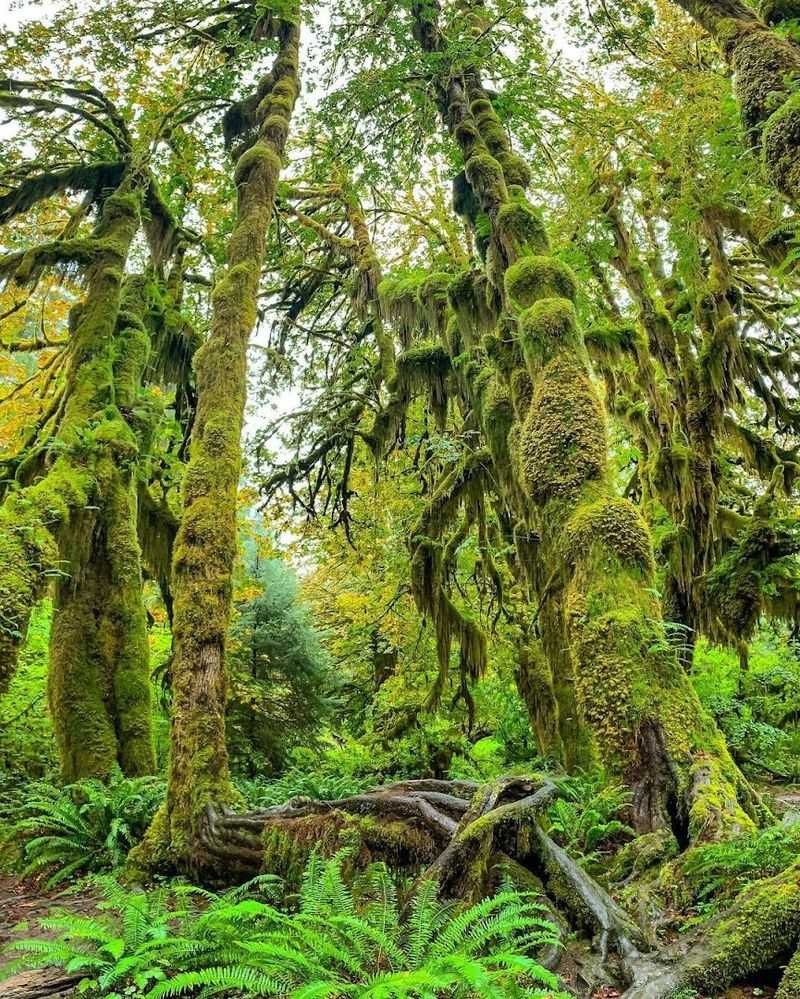
Few places in the continental United States feel as primordial and quietly spectacular as the Hoh Rain Forest inside Olympic National Park.
Located on the western slope of the Olympic Peninsula, this temperate rain forest receives up to 14 feet of rainfall per year, which explains why every surface seems blanketed in thick green moss.
The Hall of Mosses Trail is the crown jewel here, a short 0.8-mile loop that winds beneath enormous big-leaf maples draped in curtains of club moss. It is one of those trails where most people slow down without meaning to, simply because the scenery demands it.
The Hoh River Trail extends much further for those wanting a longer trek into the wilderness. Visit in winter for a surreal, foggy atmosphere, or in spring when the forest floor fills with oxalis and ferns in a dozen shades of green.
6. Drive The North Cascades Highway For Mountain Views
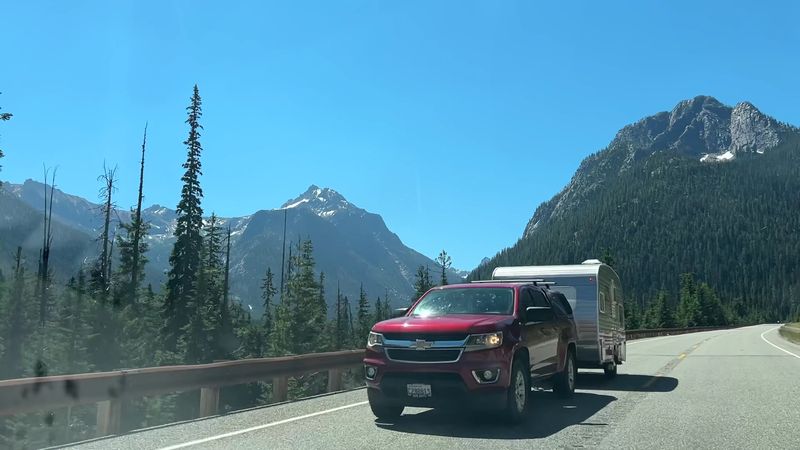
Highway 20, also called the North Cascades Highway, cuts through one of the most rugged and visually stunning mountain corridors in North America.
Running east to west across northern Washington, it passes through the North Cascades National Park complex and climbs over Washington Pass at 5,477 feet before descending into the drier eastern slopes.
The stretch between Newhalem and Mazama is where the scenery hits its peak, literally, with jagged granite spires, turquoise glacial rivers, and dense evergreen forests framing every turn. Pull off at the Washington Pass Overlook for a short walk to a viewpoint that feels like standing inside a postcard.
The highway closes during winter due to snow, so plan your drive between late April and mid-November. Fall is an especially rewarding time when larches turn gold and the mountain light has that warm, low-angle quality that photographers love.
7. Kayak Around Lake Crescent In Olympic National Park
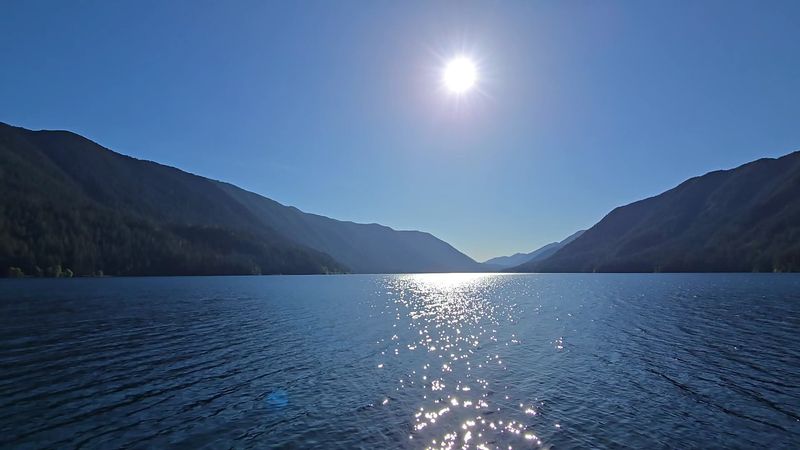
Lake Crescent sits inside Olympic National Park on the northern edge of the Olympic Peninsula, and its water is so clear and so deeply blue that it looks almost unreal on a calm morning.
The lake reaches depths of over 600 feet and is one of the deepest lakes in Washington, which contributes to its striking color and exceptional clarity.
Kayaking here is a genuinely peaceful experience. You can rent kayaks and rowboats at the Lake Crescent Lodge, which has been welcoming guests since 1916. Paddling along the shoreline gives you views of forested ridges rising steeply from the water on all sides.
The surrounding trails, including the Marymere Falls Trail and the Mount Storm King Trail, pair perfectly with a morning on the water. Visit in May or September to enjoy quieter conditions and cooler temperatures than the busy July and August rush.
8. The Bavarian-Style Village Of Leavenworth
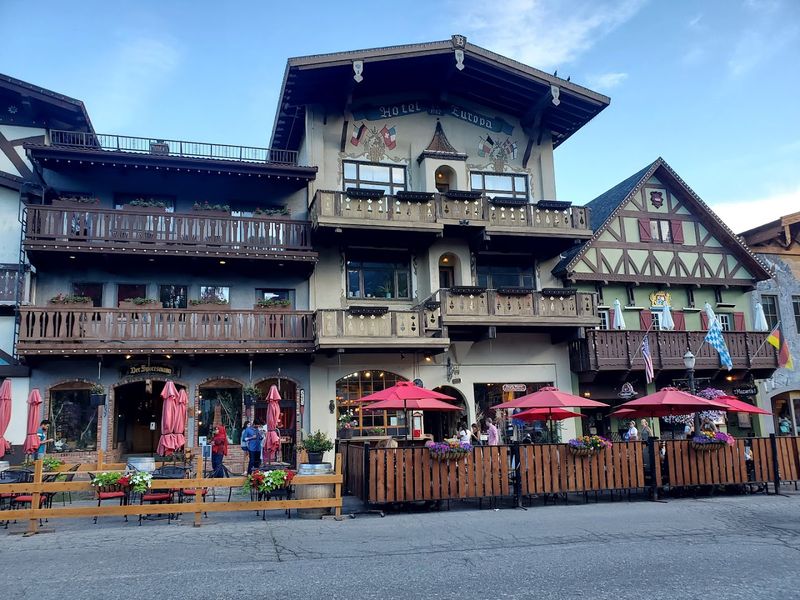
Tucked into a narrow valley where the Cascades meet the eastern foothills, Leavenworth is a small Washington town that fully committed to a Bavarian theme in the 1960s as a way to revive its economy, and it worked brilliantly.
Today it draws visitors year-round with its painted storefronts, carved wooden signs, and flower boxes that would look right at home in the Bavarian Alps. Beyond the charming aesthetics, Leavenworth is surrounded by outstanding outdoor recreation.
The Icicle Creek corridor just outside town offers excellent hiking, rock climbing, and fishing. In winter, the town transforms into a holiday wonderland with a Christmas lighting festival that draws enormous crowds from across the Pacific Northwest.
The Nutcracker Museum, housing over 7,000 nutcrackers from around the world, is one of those unexpectedly wonderful stops that locals swear by. Try the fresh apple cider from nearby orchards for a true taste of the Wenatchee Valley.
9. Chase Wildflower Views Around Mount Baker
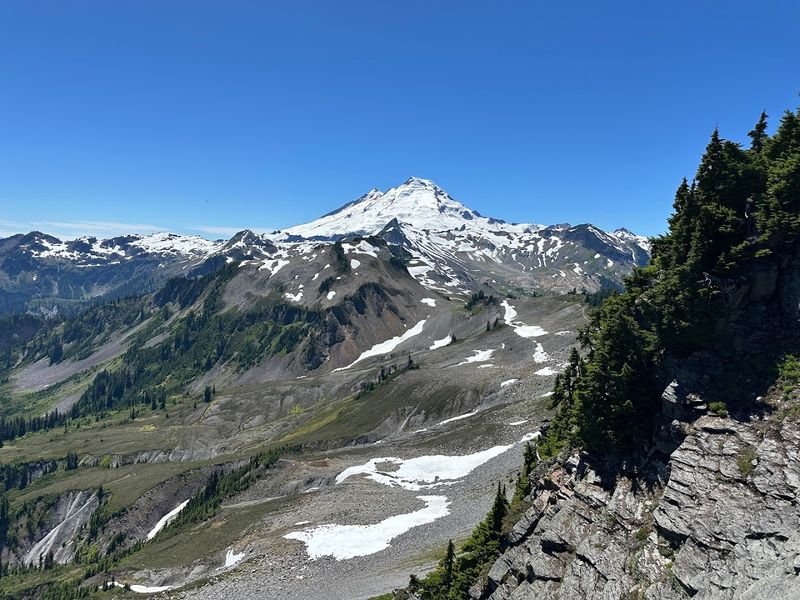
Mount Baker is a 10,781-foot stratovolcano in the North Cascades near the Canadian border, and it holds a world snowfall record that even ski resorts in Utah and Colorado have not beaten.
But summer around Mount Baker is a different kind of spectacular, when the high meadows near Artist Point burst into bloom with lupine, heather, and scarlet paintbrush.
The Artist Ridge Trail at the end of Mount Baker Highway is one of the most rewarding short hikes in the state, offering panoramic views of both Mount Baker and Mount Shuksan with minimal effort. The 1.5-mile loop is paved in sections and accessible to a wide range of hikers.
Plan your wildflower visit for late July through mid-August for peak color. The drive up the Mount Baker Highway is itself a highlight, passing through old-growth forest before breaking into open alpine terrain near the end.
10. Visit The Dramatic Sea Stacks At Ruby Beach
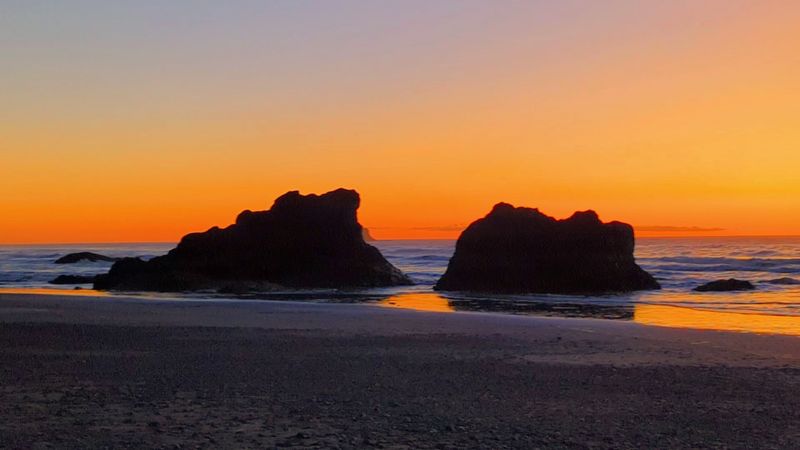
Ruby Beach on the Washington coast is the kind of place that makes you want to sit quietly and just look for a while. Part of Olympic National Park’s coastal strip, it features a wide stretch of dark sand covered in massive bleached driftwood logs, with towering sea stacks rising from the surf just offshore.
The beach gets its name not from red sand but from the ruby-colored garnet crystals sometimes found in the sand. Tide pools here are teeming with life, including purple sea urchins, giant green anemones, and ochre sea stars that cling to the rocks at low tide.
Ruby Beach is located along Highway 101 south of Forks, about a 30-minute drive from the town of Forks. Sunset visits are particularly stunning when the sea stacks silhouette against orange and pink skies, and the crashing waves catch the last light beautifully.
11. Take A Whale-Watching Trip From Friday Harbor
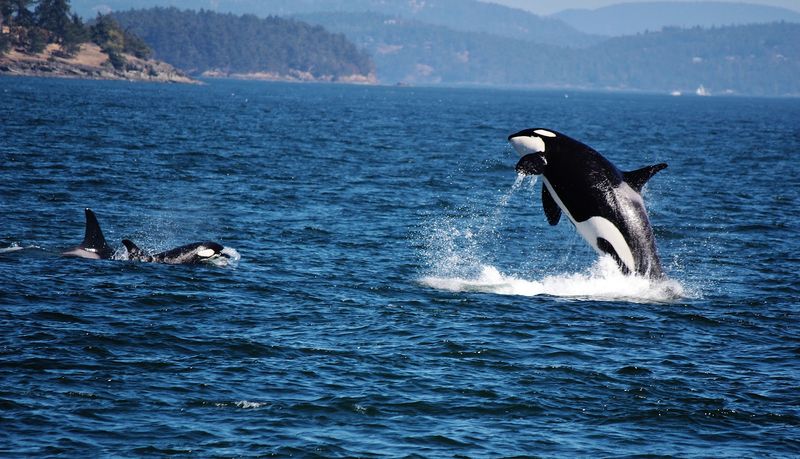
Friday Harbor on San Juan Island is widely considered one of the best places in the world to watch orca whales in their natural habitat.
The waters around the San Juan Islands are home to the Southern Resident orca population as well as transient Bigg’s orcas, and summer sightings are remarkably common from June through September.
Multiple whale-watching tour operators run trips from Friday Harbor’s small, walkable downtown, with naturalists on board who explain the behavior and history of individual whales that researchers have tracked for decades.
Tours typically last three to four hours and cover a wide area of the Salish Sea.
Beyond orcas, you might spot minke whales, Dall’s porpoises, harbor seals, and Steller sea lions along the way. Friday Harbor itself is worth an afternoon of exploration, with a good farmers market, local seafood, and the excellent Whale Museum right in town.
12. Beaches Of Cape Disappointment State Park
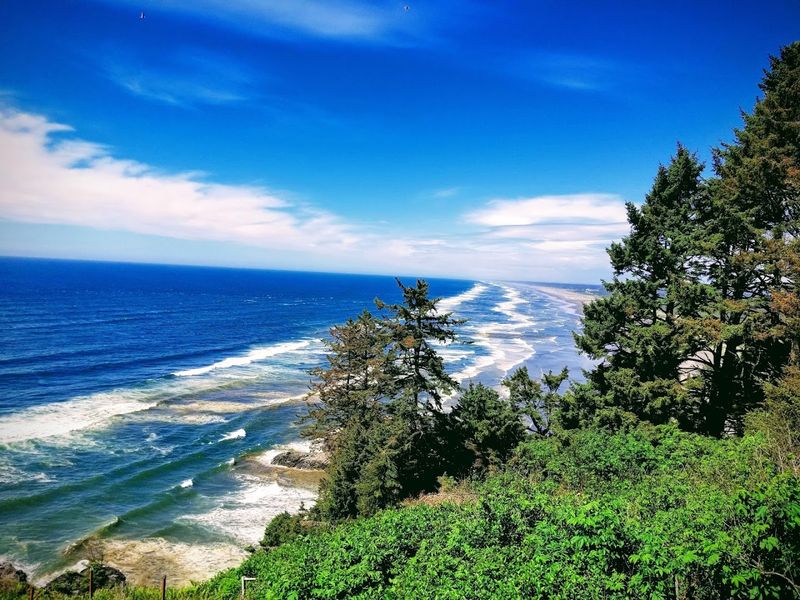
Cape Disappointment State Park sits at the very southwestern tip of Washington where the Columbia River meets the Pacific Ocean, and it carries one of the most interesting names in Pacific Northwest history.
The name was given by British fur trader John Meares in 1788 when he failed to find the mouth of the Columbia River he was searching for, a navigational frustration that became permanent cartography.
Today the park offers rugged ocean beaches, two historic lighthouses, old-growth forest trails, and a fascinating Lewis and Clark Interpretive Center perched high on the headland.
The North Head Lighthouse Trail is a favorite, winding through windswept coastal forest to a lighthouse with sweeping Pacific views.
Waikiki Beach inside the park is sheltered enough for relatively calm swimming and tide-pooling. The park is near Ilwaco on the Long Beach Peninsula, making it an easy base for exploring Washington’s often-overlooked coast.
13. Explore Ape Cave Near Mount St. Helens
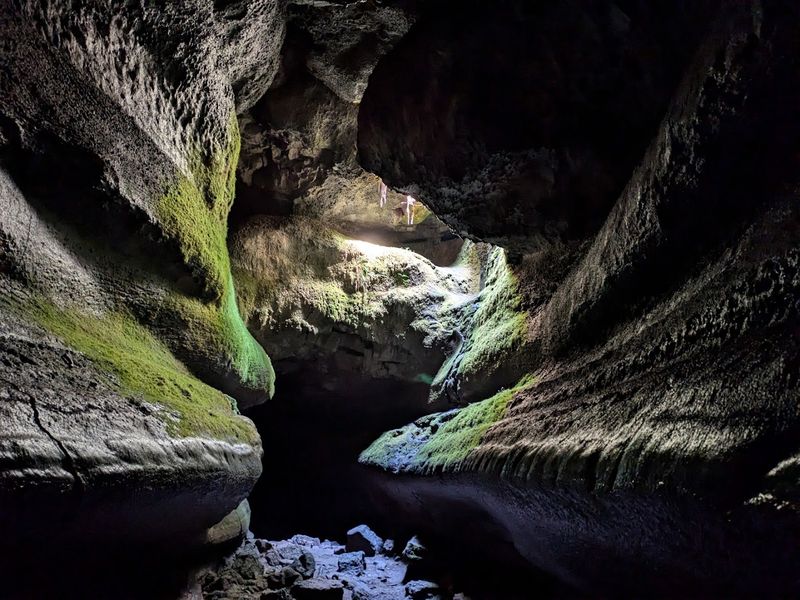
Formed about 2,000 years ago by a lava flow from Mount St. Helens, Ape Cave is the longest continuous lava tube in the continental United States, stretching about 2.5 miles end to end. Walking through it feels like exploring the interior of the volcano itself, which in a geological sense is exactly what you are doing.
The lower section of the cave is about 1.5 miles of relatively flat walking, making it accessible for most visitors. The upper section is more challenging, requiring scrambling over large lava boulders and squeezing through tighter passages.
Bring at least two light sources per person since the cave is completely dark with no artificial lighting installed.
The cave stays at a constant 42 degrees Fahrenheit year-round, so a warm jacket is essential no matter what month you visit. The Ape Cave trailhead is located in the Gifford Pinchot National Forest, about 45 minutes from Cougar, Washington.
14. Hike To Rattlesnake Ledge For A Classic Washington View
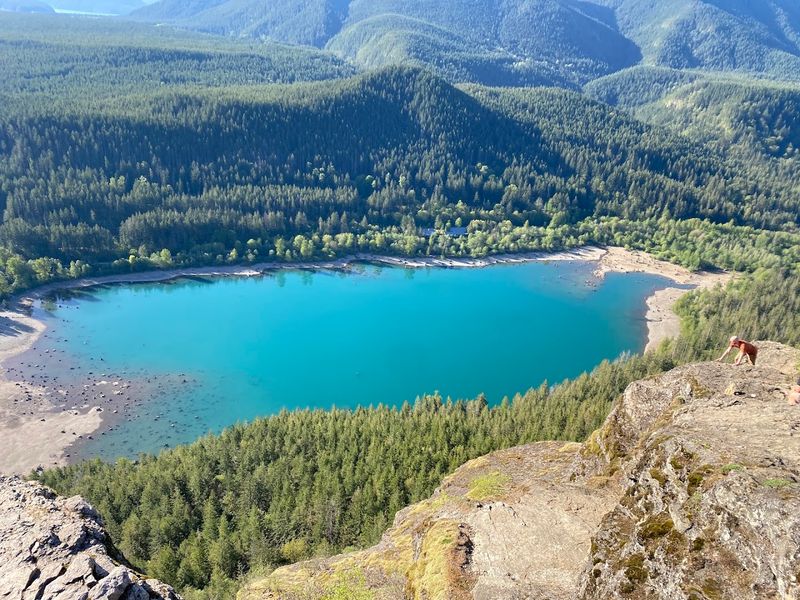
Rattlesnake Ledge near North Bend is arguably the most popular day hike in the greater Seattle area, and the views from the top explain exactly why.
The trail climbs about 1,100 feet over four miles round-trip through second-growth forest before arriving at an open rocky ledge with sweeping views over Rattlesnake Lake and the Snoqualmie Valley below.
The hike is challenging enough to feel rewarding but short enough that most reasonably fit hikers can complete it comfortably. Weekends see enormous crowds, particularly in summer, so arriving before 8 a.m. or visiting on a weekday makes a significant difference in the experience.
The trailhead is about 30 minutes east of Seattle off Interstate 90, making this one of the most accessible mountain hikes in the state.
Fall visits are particularly lovely when the surrounding forest turns amber and gold, and morning fog sometimes fills the valley below the ledge like a slow-moving river.
15. Gondola At Crystal Mountain
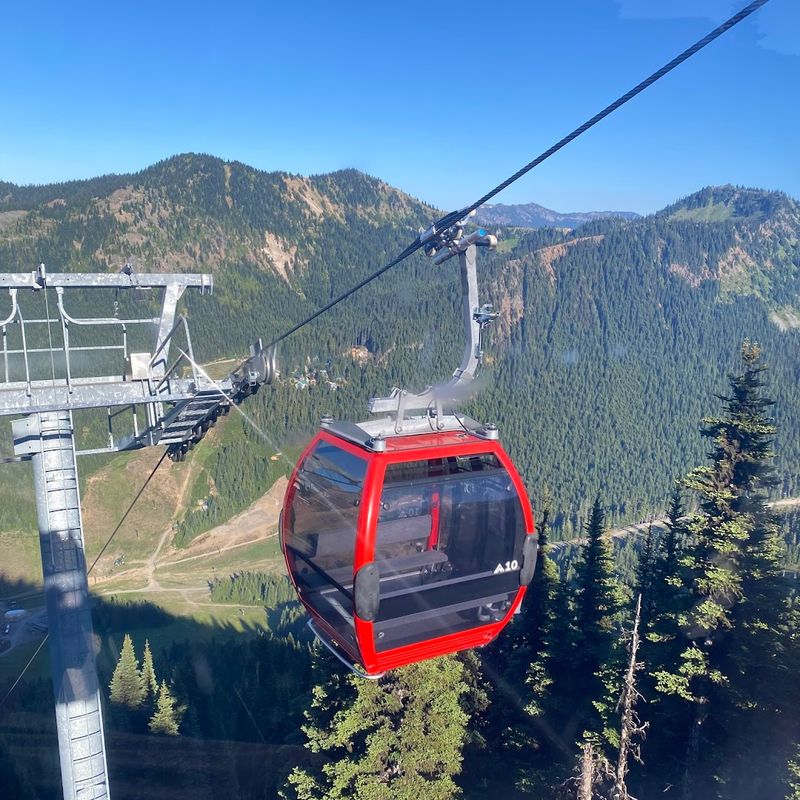
Crystal Mountain Resort sits on the eastern edge of Mount Rainier National Park, and the gondola ride to the summit at 6,872 feet offers what many photographers and travelers consider the single best accessible view of Mount Rainier anywhere in the state.
You do not need to ski to ride it, and the summit is open for sightseeing in summer as well as winter.
At the top, the Mount Rainier Summit House restaurant gives you panoramic views while you eat, with the volcano filling the entire western horizon in a way that is hard to fully prepare for.
On a clear day you can also see Mount Adams, Mount Hood in Oregon, and Mount St. Helens to the south.
Summer gondola rides run on weekends and select weekdays from July through September. The drive to Crystal Mountain from Enumclaw takes about 45 minutes and passes through beautiful foothills terrain before the resort comes into view around a final bend in the road.