
This Dreamy Island In Maine Feels Like It Belongs In A Nicholas Sparks Novel
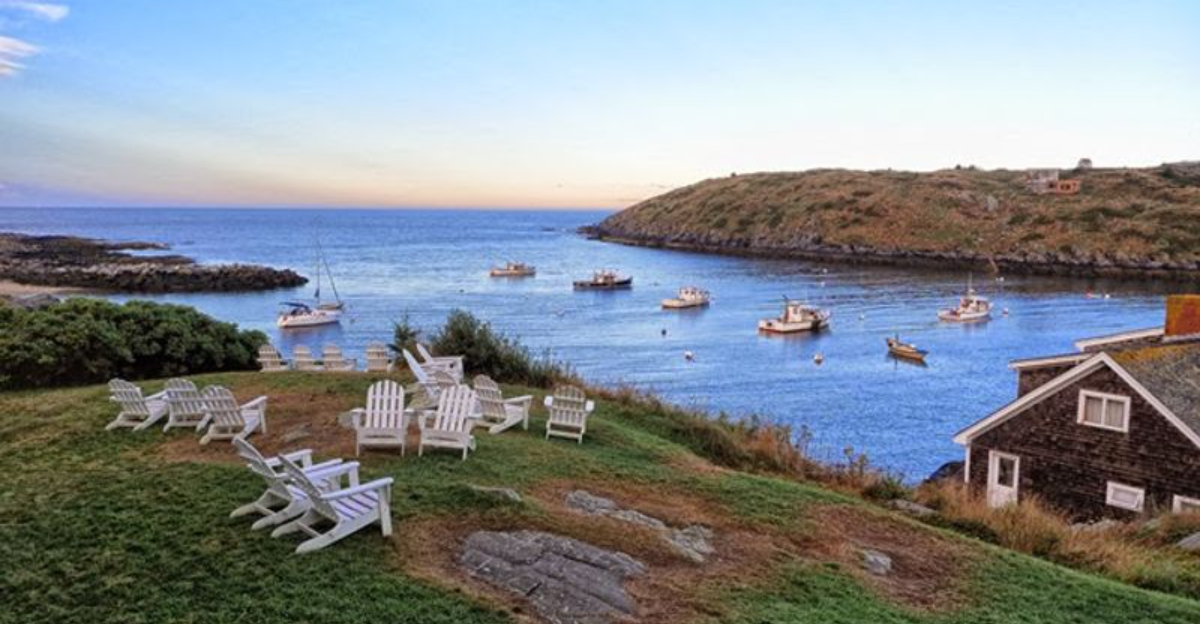
Off the coast of Maine, a tiny sea-swept community waits beyond the mainland rush, wrapped in salt air, spruce shadows, and ocean silence. When you stand on its rocky cliffs, the world seems to fall away: no traffic roar, no glowing chains, no reason to hurry.
Just gulls overhead, waves below, and cottages weathered by generations of wind. For centuries, this remote place has drawn fishermen, artists, hikers, and daydreamers chasing something harder to name than a pretty view.
Its trails slip through mossy woods, its harbor still feels wonderfully old, and its creative legacy runs deep. Here’s why this mysterious Maine island keeps turning first-time visitors into lifelong returners.
A Village Frozen Beautifully In Time
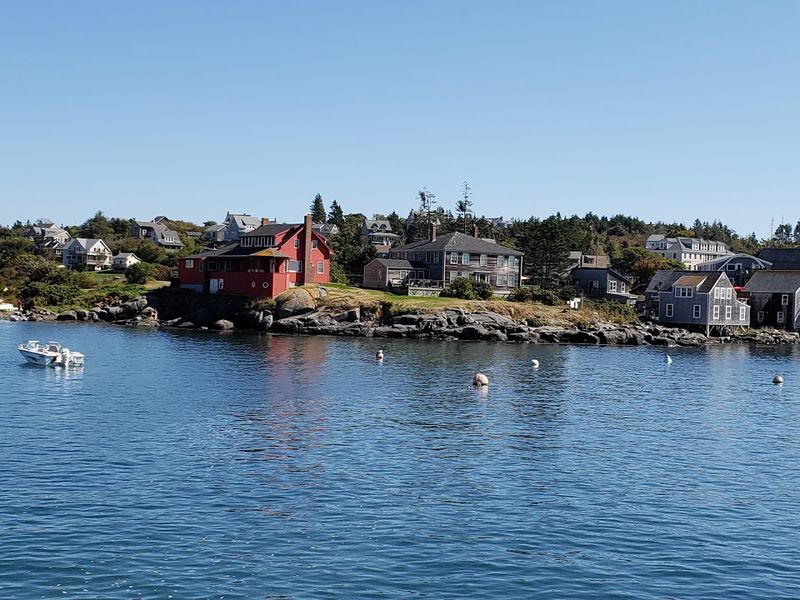
Walking through Monhegan village feels like someone pressed pause on the modern world and forgot to press play again.
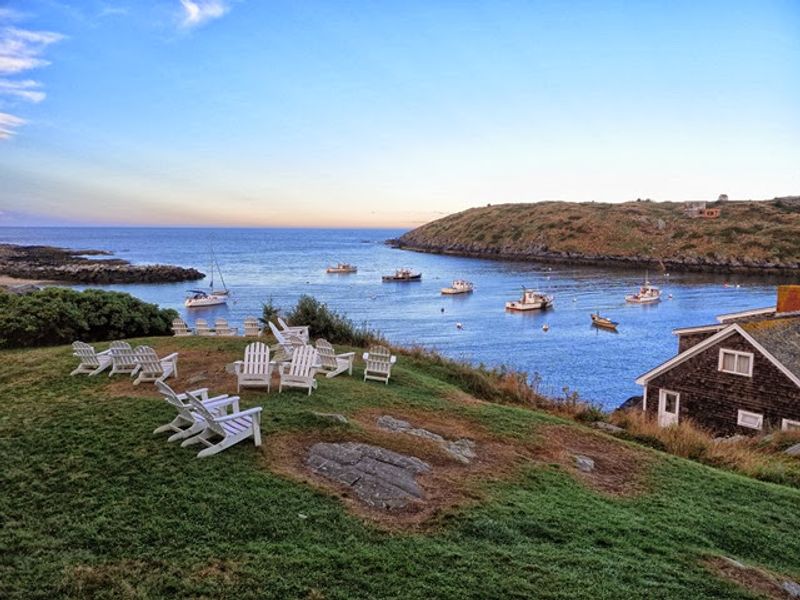
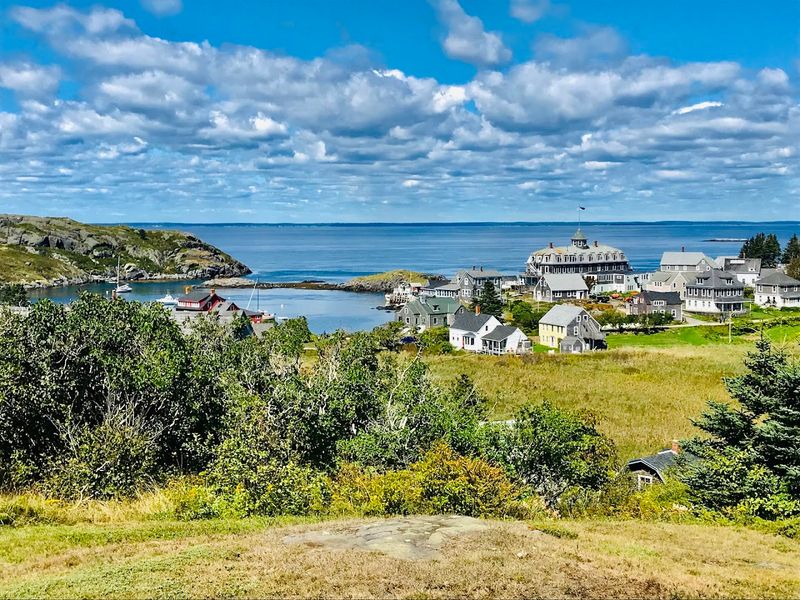
There are no paved roads, no traffic lights, and no chain restaurants here. The island has roughly 75 year-round residents, and the whole village fits into a tight cluster of weathered wooden buildings near the dock.
Power on the island was historically limited, and even today the community relies on a diesel generator rather than a connection to the mainland grid.
That means no constant hum of city noise, no bright neon signs, and no rush-hour stress. What you get instead is the creak of wooden porches, the smell of salt air, and the sound of gulls overhead.
Monhegan has been an inhabited settlement since the early 1600s, making it one of the oldest continuously occupied communities in North America. Visiting feels less like tourism and more like stepping into a living piece of American history that has been carefully and lovingly preserved.
The Ferry Ride
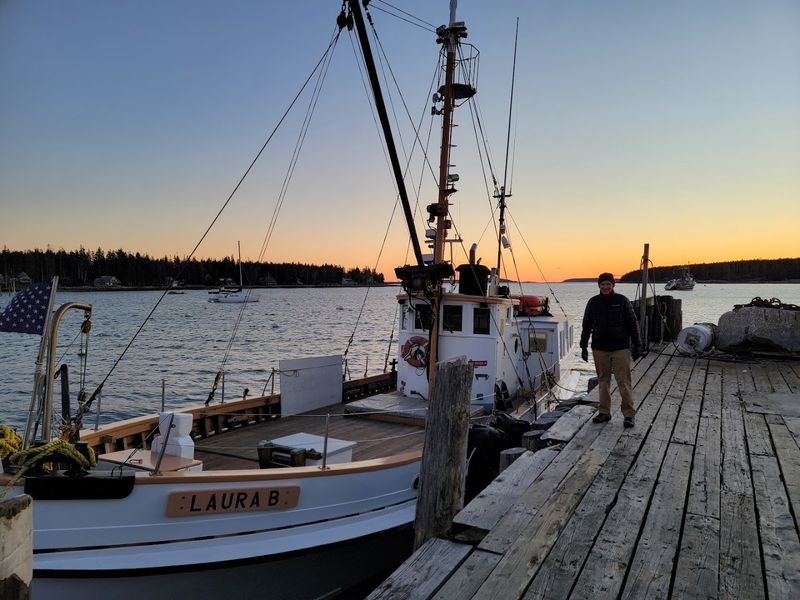
Before you even set foot on the island, the journey there starts doing something to you. The ferry ride from Port Clyde takes about an hour, and as the mainland slowly disappears behind you, the stress of everyday life seems to disappear with it.
Watching the open Atlantic roll past while seabirds wheel overhead is its own kind of therapy. The ferry is operated by Monhegan Boat Line and runs year-round from Port Clyde, with more frequent trips during the warmer months.
It carries passengers, mail, and supplies to the island since there is no bridge or airport connecting Monhegan to the rest of the world. That sense of deliberate separation is part of what makes arriving feel like such a meaningful moment.
I remember gripping the railing as the island came into view, its dark spruce forest rising above rugged cliffs. It genuinely looked like something conjured from a storybook, and my heart rate picked up in the best possible way.
Where Cliffs Meet Wild Sea
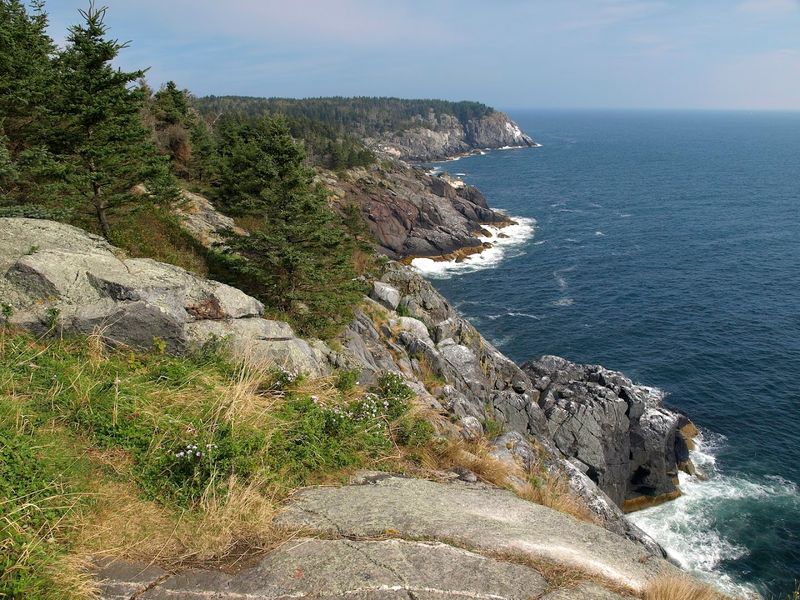
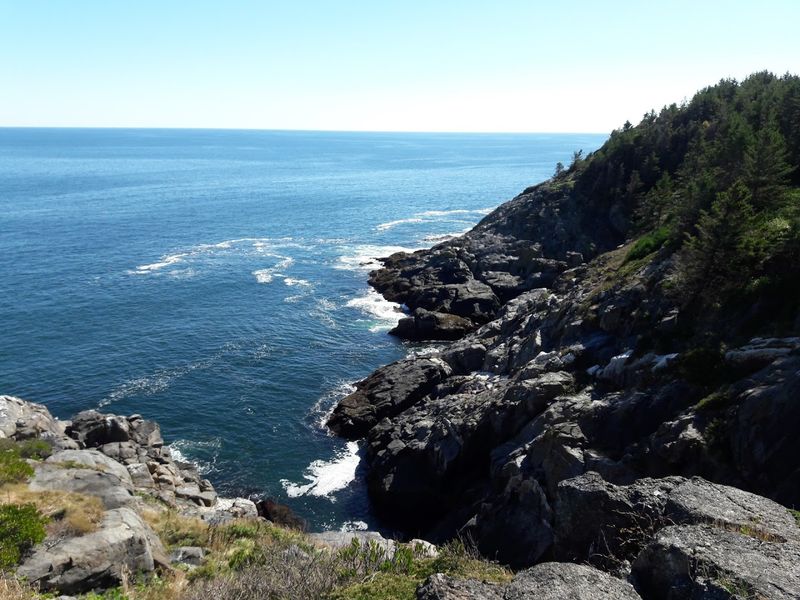
The eastern and ocean-facing side of Monhegan Island is defined by some of the most jaw-dropping coastal scenery I have ever seen in New England. Sheer cliffs drop straight into the Atlantic, and the sound of waves crashing against the rocks below is almost hypnotic.
Cathedral Woods trail leads through a canopy of ancient spruce trees before opening onto these dramatic viewpoints.
The cliffs on the island’s backside, as locals call the ocean-facing edge, rise to heights of around 160 feet in some spots. Standing at the edge with the wind pulling at your jacket and the sea churning far below is one of those moments that genuinely makes you feel small in the most humbling and wonderful way.
Photographers come from all over the country just to capture this stretch of coastline during golden hour, when the light turns the rocks amber and the ocean glows like polished copper. Honestly, no filter needed and no editing required.
The Island Artists Couldn’t Quit
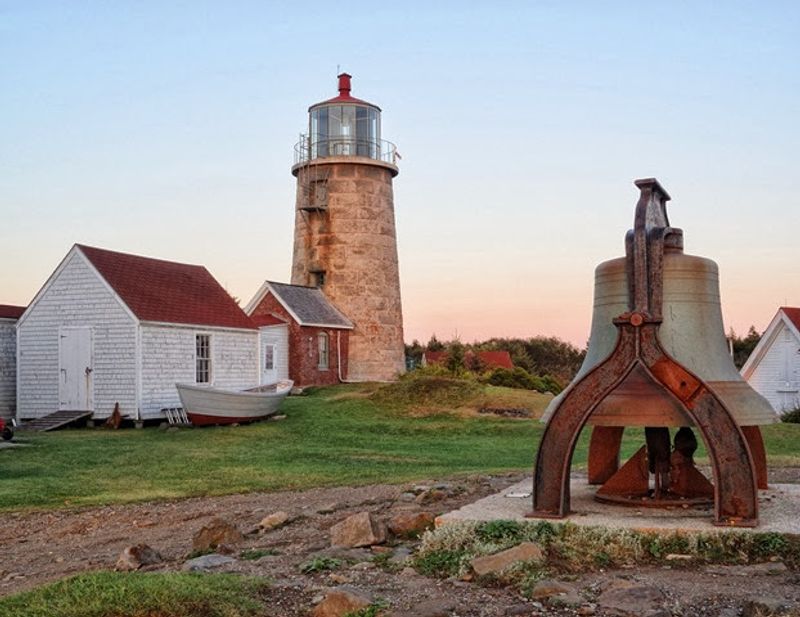
Artists have been coming to Monhegan Island since the 1870s, drawn by the extraordinary quality of light that seems to exist only here. The way the Atlantic reflects off the fog and the way the spruce forests create deep contrasting shadows gives the island a visual character that has inspired generations of painters.
Legendary American artists including Robert Henri, Rockwell Kent, Edward Hopper, and Jamie Wyeth all spent significant time painting on Monhegan.
Their works hang in major museums across the country, yet the landscapes they captured still look remarkably similar today. Walking the same trails those artists walked carries a quiet, almost electric feeling of creative connection.
The Monhegan Museum of Art and History, housed in the former lighthouse keeper’s quarters near the island’s lighthouse, displays rotating exhibitions of artwork inspired by the island.
It is a small museum but a genuinely moving one, and spending an afternoon inside it made me understand exactly why so many talented people felt compelled to return here year after year.
Into The Spruce Shadows
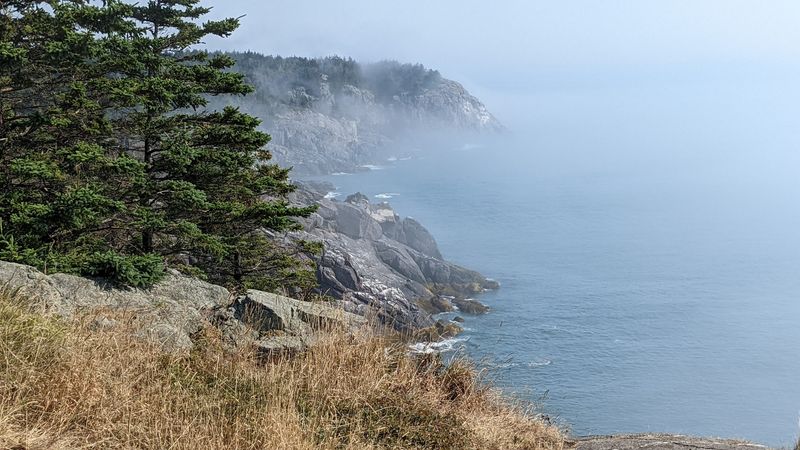
Cathedral Woods on Monhegan Island earned its name honestly. Walking into this ancient spruce forest feels like entering a cathedral, with the tall trees forming a soaring canopy overhead and the forest floor carpeted in soft, thick moss.
The light filters down in long, pale shafts that shift and shimmer as the branches sway. The island has about 17 miles of maintained hiking trails packed into its roughly 700 acres, which is an impressive ratio by any measure.
Trails range from easy woodland walks to more challenging routes along the cliff edges. The Burnt Head trail and the Whitehead trail are two favorites that reward hikers with breathtaking ocean panoramas.
What makes the trails especially special is how uncrowded they feel even during peak season. The island limits day visitors by the capacity of the ferry, which means you rarely feel like you are competing for space on the path.
It is the kind of hiking experience where you can actually hear yourself think, which turns out to be a rare and precious thing.
The Beacon On The Hill
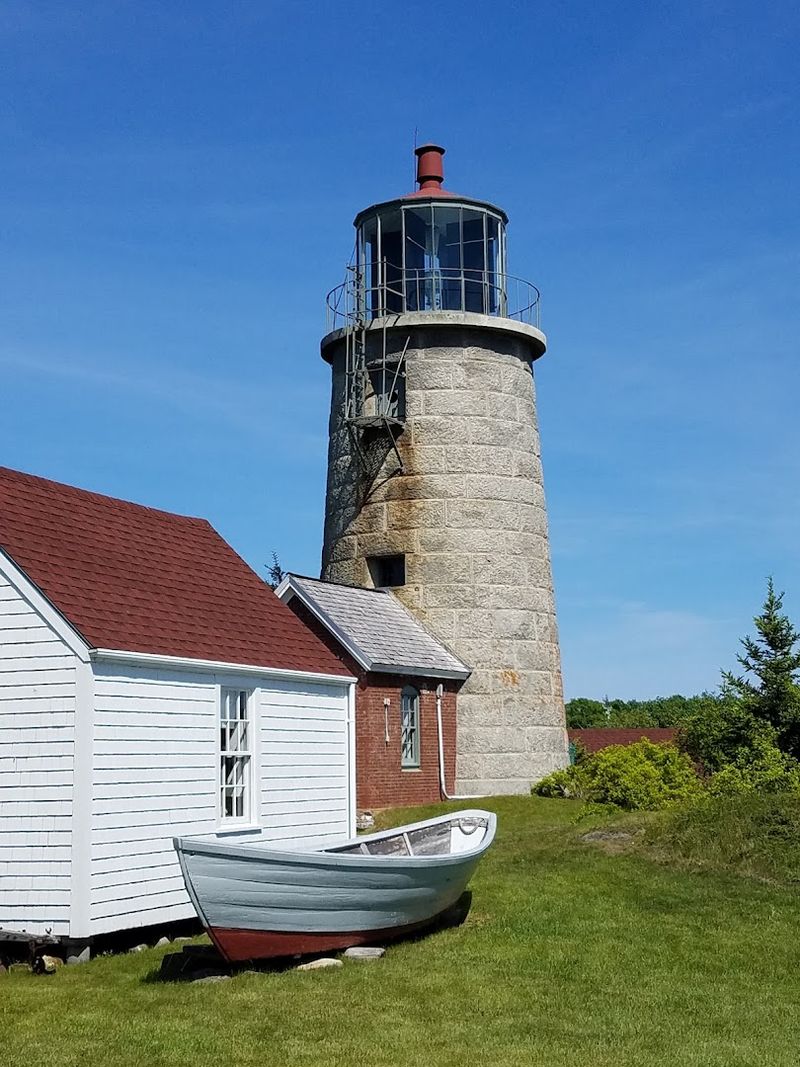
Perched on the island’s highest point, the Monhegan Island Light has been guiding mariners through the Gulf of Maine since 1824.
The original granite tower still stands, and climbing the hill toward it offers panoramic views of the island, the surrounding ocean, and on clear days, the distant Maine coastline. It is one of those spots that makes you want to stand completely still and just absorb everything.
The lighthouse was automated in 1959, ending the era of resident lighthouse keepers whose lives on this remote outpost must have been equal parts peaceful and intensely solitary.
The keeper’s dwelling next door was converted into the Monhegan Museum, which tells the story of the island’s maritime heritage alongside its celebrated artistic legacy.
Visiting the lighthouse at sunset is an experience I would recommend to absolutely anyone. The sky turns every shade of orange and pink over the Atlantic, and the old granite tower glows warm gold in that fading light.
It is a moment that sticks with you long after you have returned to the mainland.
Trap Day Rules The Calendar
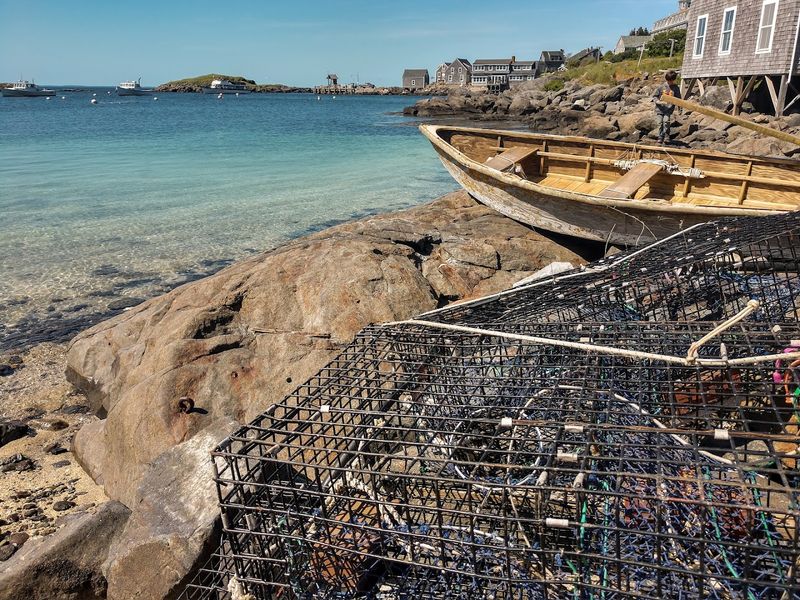
Monhegan Island operates on what might be the most unique lobster fishing schedule in the entire country. The island’s fishermen follow a self-regulated season that runs from October 1st to roughly June 25th, which is the opposite of most Maine lobster fishing seasons.
This tradition has been in place for over a century and helps protect the local lobster population by allowing them to molt and reproduce undisturbed during the summer months.
On the first day of the season, known locally as Trap Day, all the island’s lobstermen set their traps at the same time. It is a community ritual that has been passed down through generations and represents a genuine commitment to sustainable fishing long before the word sustainable became fashionable.
Fresh lobster caught by Monhegan fishermen is served at the island’s small restaurants and eateries during the summer visitor season. Eating lobster here, with the harbor visible through the window and the boats still rocking at the dock, tastes like the most honest meal you have ever had.
Tiny Birds, Big Pilgrimage
Every spring and fall, Monhegan Island becomes one of the most exciting birdwatching destinations on the entire East Coast. Because the island sits 12 nautical miles offshore in the Gulf of Maine, it acts as a critical stopover point for migratory songbirds crossing the open water.
Exhausted warblers, thrushes, and other small birds land on the island in enormous numbers to rest and refuel before continuing their journey.
During peak migration periods, it is not unusual to spot dozens of species in a single morning. The island has recorded over 300 bird species across its recorded history, and birders from across North America plan their trips specifically around the spring and fall windows.
The combination of forest, meadow, and coastal habitat in such a compact space makes sightings remarkably concentrated.
I am not a hardcore birder by any definition, but even I found myself standing completely still in the woods one morning, watching a tiny orange-and-black Blackburnian warbler hop between the spruce branches just a few feet away. That is the kind of unexpected magic Monhegan delivers without even trying.
No Cars, Just Footsteps
There are no personal vehicles allowed on Monhegan Island for visitors, and that single fact changes absolutely everything about the experience. Without cars, the island becomes a place where walking is the only way to get anywhere, and that slowness turns out to be the whole point.
Your pace adjusts almost immediately, and within an hour of arriving, the idea of rushing anywhere feels genuinely foreign.
The island has a few small utility vehicles used for transporting supplies, but the paths and trails are otherwise shared only by pedestrians.
Children play freely, dogs wander happily, and conversations happen in the middle of the road because there is nothing to interrupt them. It creates a social atmosphere that feels both old-fashioned and deeply refreshing.
Day-trippers have a limited window on the island, usually arriving mid-morning and departing in the late afternoon.
Staying overnight is where the real magic happens, when the day visitors leave and the island settles into an evening quiet that feels almost sacred. The stars over Monhegan, with no light pollution to compete, are extraordinary.
The Island That Rewires You
Some places you visit and enjoy, and some places you visit and carry with you long after you leave. Monhegan Island falls firmly into the second category.
There is something about its combination of raw natural beauty, deep history, and deliberate simplicity that recalibrates your sense of what travel is actually for.
Staying at one of the island’s small inns or guesthouses means waking up to the sound of the ocean and the smell of sea air with no agenda beyond exploring.
The Monhegan House and the Island Inn are two of the most well-known accommodation options, both offering comfortable lodging in historic buildings with the kind of character that newer hotels simply cannot manufacture.
Many visitors describe their first trip to Monhegan as the beginning of a long relationship with the island. People return year after year, drawn back by something they struggle to fully articulate.
After my own visit, I completely understand that feeling. Monhegan does not just show you a beautiful place, it reminds you what it feels like to truly arrive somewhere.