
10 Stunning Stargazing Spots in Florida For 2026 (Dark-Sky Parks, Beaches & Islands)
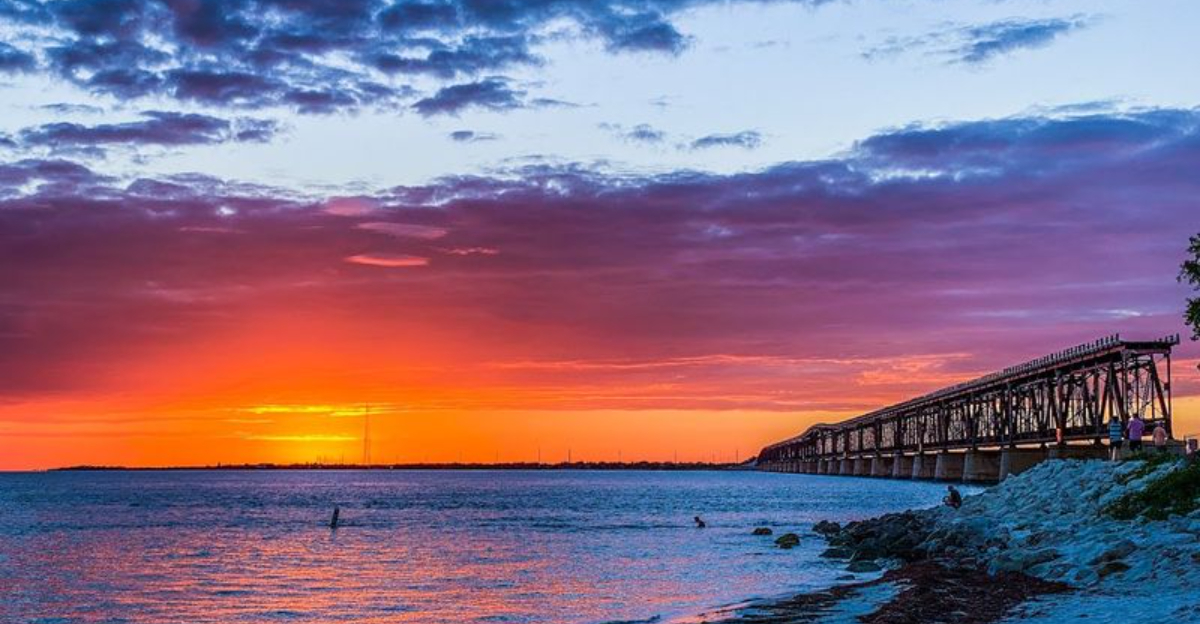
Florida looks completely different after dark.
Most people never notice it.
Once the sun goes down and the city lights fade, something else takes over. The sky opens up.
Stars multiply. And the Milky Way stretches across the horizon like it was always there.
This is not the Florida most people think of.
It is quieter. Darker.
And far more surprising.
Step away from the crowds, and you start to see it clearly. Beaches turn into front-row seats.
Preserves go silent. Remote islands feel like they belong to the sky as much as the water.
I have spent nights chasing that perfect view. Lying still.
Waiting for the moment everything lines up.
In Florida, places like this are easier to find than you think.
You just have to look up.
And once you do, it changes how you see the night entirely.
1. Kissimmee Prairie Preserve State Park
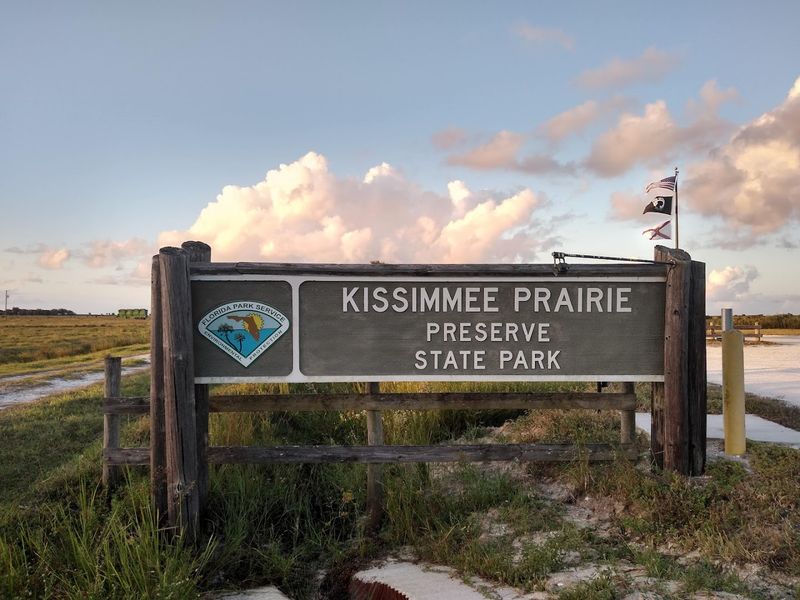
Darkness wraps around you like a velvet blanket at this 54,000-acre preserve, located at 33104 NW 192nd Ave in Okeechobee, where light pollution becomes a distant memory.
Kissimmee Prairie Preserve State Park earned its reputation as one of Florida’s premier stargazing destinations, and I understood why the moment I looked up on my first visit. The park sits far enough from major cities that the Milky Way appears as a bright, textured band stretching from horizon to horizon, revealing details I had only seen in photographs before.
Rangers host monthly stargazing events here, setting up telescopes and sharing constellation stories that make the night sky feel like an old friend. The flat prairie landscape means nothing blocks your view in any direction, creating a 360-degree planetarium that changes with the seasons.
I recommend arriving before sunset to claim your spot at one of the primitive campsites, then settling in as the stars emerge one by one. Bring layers because temperatures drop surprisingly fast once the sun disappears, and a red flashlight helps you navigate without ruining your night vision.
This preserve transforms casual observers into dedicated astronomy enthusiasts with every visit.
2. Dry Tortugas National Park
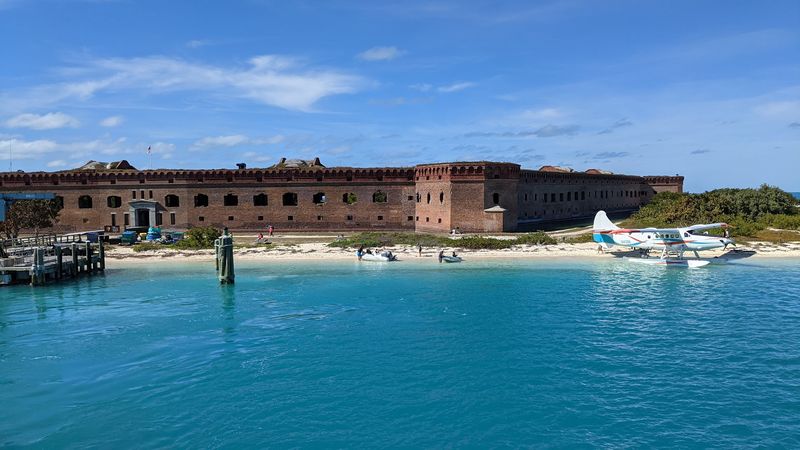
Seventy miles west of Key West sits a cluster of islands so remote that darkness arrives uninterrupted by civilization, accessible only by seaplane or ferry from 40001 SR-9336 in Homestead.
Dry Tortugas National Park offers something magical that mainland locations cannot match: complete isolation from the light domes that glow above most of Florida. I took the ferry out one spring evening, and watching the sunset fade into a star-filled sky while standing on the beach near Fort Jefferson felt like stepping into another century.
The park’s location in the middle of the Gulf of Mexico means you get unobstructed views in every direction, with the added bonus of historic fort walls that create dramatic silhouettes against the cosmos. Camping here requires advance reservations, but spending the night means you wake up to both sunrise and some of the clearest pre-dawn stargazing I have experienced anywhere.
The ferry ride takes about two hours each way, so plan for a full day or overnight trip to make the journey worthwhile. Bring all your supplies including water, because the islands have no services once you arrive.
Watching satellites track across the sky while waves lap at the shore creates memories that last forever.
3. Big Cypress National Preserve
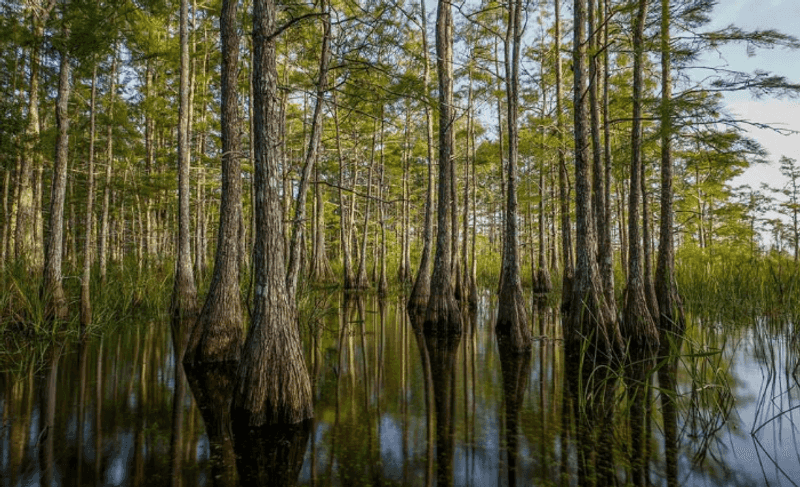
Driving along Tamiami Trail at 33100 Tamiami Trail E in Ochopee, I always feel the landscape shift from suburban sprawl to genuine wilderness within minutes.
Big Cypress National Preserve sprawls across 729,000 acres of swamps, prairies, and forests, creating natural buffers that block light from nearby communities. The preserve offers multiple pull-offs where you can safely park and set up for night sky observation, with my favorite spots located along Loop Road where the canopy opens up to reveal expansive views.
What makes this location special is the combination of accessibility and darkness, since you can drive right up to excellent viewing areas without hiking through difficult terrain. I have watched meteor showers here while listening to the chorus of frogs and night birds that make the swamp their home, adding an auditory dimension to the visual spectacle overhead.
The best viewing happens during winter months when humidity drops and the atmosphere clears, though summer nights offer their own rewards with the Milky Way’s core positioned perfectly overhead. Mosquitoes can be intense, so industrial-strength repellent becomes essential equipment rather than optional comfort.
This preserve proves that Florida’s wild spaces still exist, waiting to share their secrets with patient observers.
4. Everglades National Park
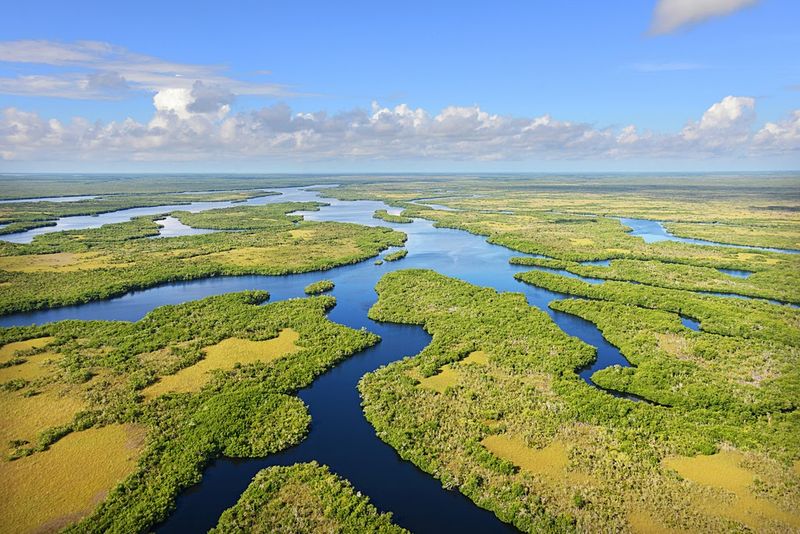
Heading down to 40001 State Hwy 9336 in Homestead means entering one of America’s most unique ecosystems, where the night sky rivals the daytime wildlife viewing.
Everglades National Park protects 1.5 million acres of wetlands, creating a massive dark zone where artificial light barely penetrates beyond the entrance stations. I have spent several nights at Flamingo Campground, where the combination of coastal breezes and open horizons creates ideal conditions for watching planets rise over Florida Bay.
The park’s southern location means you can see some celestial objects that never appear in northern states, including portions of the southern sky that remain invisible to most American stargazers. Rangers occasionally lead night sky programs during peak viewing seasons, explaining how early inhabitants used the stars for navigation across these seemingly endless marshes.
My favorite approach involves arriving in late afternoon, exploring the trails during golden hour, then claiming a spot near the water as darkness falls. The reflection of stars on still water doubles the visual impact, creating the illusion that you are suspended between two identical skies.
Bring a comfortable chair and plenty of patience, because the Everglades rewards those who slow down and observe.
5. Cayo Costa State Park
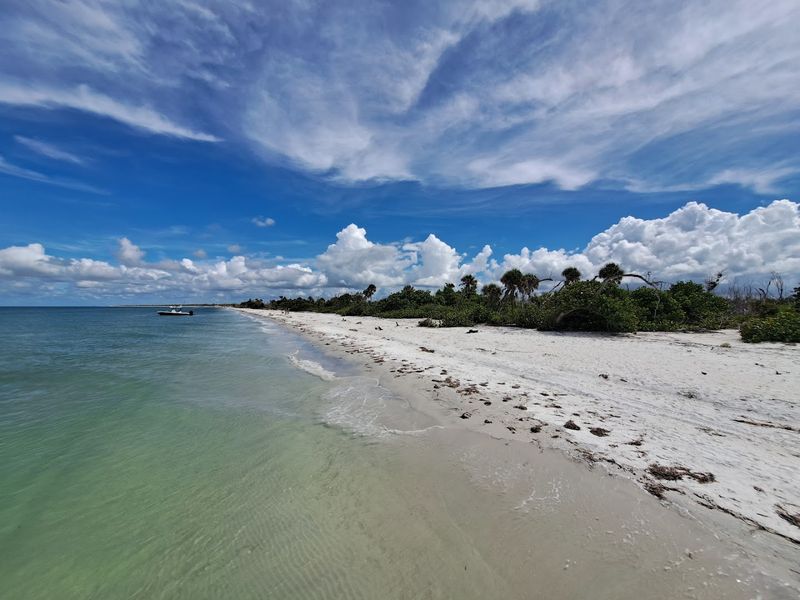
Reaching this barrier island near Captiva Pass in Boca Grande requires a ferry or private boat, which immediately filters out the crowds and light pollution that plague more accessible beaches.
Cayo Costa State Park preserves nine miles of undeveloped shoreline where the only lights come from stars, passing boats, and occasionally bioluminescent organisms in the surf. I remember one August night when a meteor shower coincided with a new moon, and the combination created such brilliant displays that several of us campers stayed awake until dawn, unwilling to miss a single shooting star.
The island’s primitive camping facilities mean you experience the beach much as early explorers did, with nothing between you and the cosmos except a thin layer of tent fabric. Gulf breezes keep temperatures comfortable even in summer, though they also tend to fill your gear with sand if you are not careful about securing everything.
Plan your trip around the ferry schedule, and pack everything you need for your stay because the island has no stores or restaurants. The isolation feels complete once the last ferry departs, leaving you alone with the waves, the stars, and whatever thoughts arise when civilization fades away.
This island teaches you what darkness really looks like.
6. St. George Island State Park
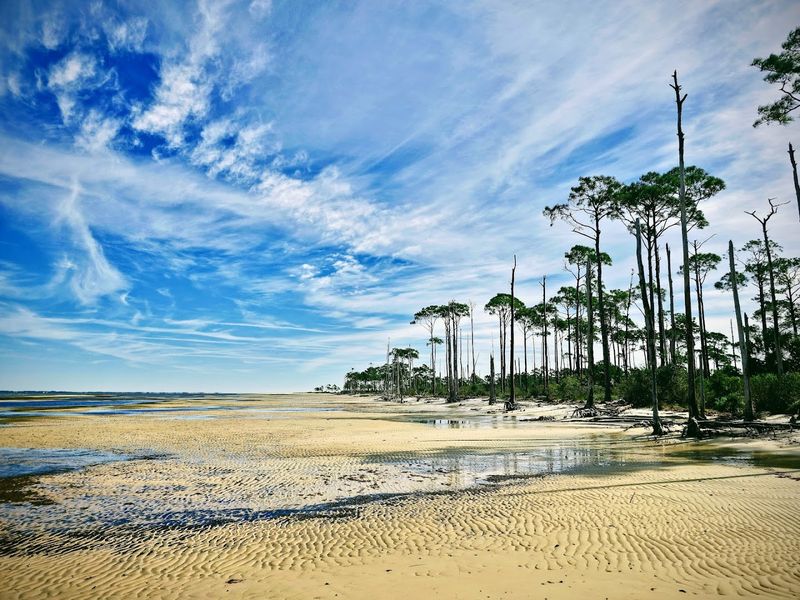
Positioned at 1900 E Gulf Beach Dr on St George Island, this park occupies the eastern end of a barrier island where development thins out and darkness increases.
St. George Island State Park stretches for miles along some of Florida’s most beautiful beaches, with the added benefit of strict lighting regulations that keep the night sky remarkably clear. I have visited during both summer and winter, and each season offers different celestial highlights, from summer’s Milky Way core to winter’s brilliant Orion dominating the southern sky.
The park allows overnight camping in designated areas, giving you the option to wake up for pre-dawn stargazing when atmospheric conditions often reach their clearest. Beach access remains easy throughout the park, so you can drive close to your preferred viewing spot rather than hauling equipment across deep sand.
Local astronomy clubs occasionally host public viewing events here, bringing powerful telescopes that reveal Jupiter’s moons, Saturn’s rings, and distant nebulae invisible to naked eyes. The combination of Gulf Coast weather patterns and the island’s relative isolation creates consistently good viewing conditions throughout most of the year.
I always pack a wide blanket for lying flat on the sand, which provides the most comfortable viewing position for extended observation sessions.
7. Canaveral National Seashore
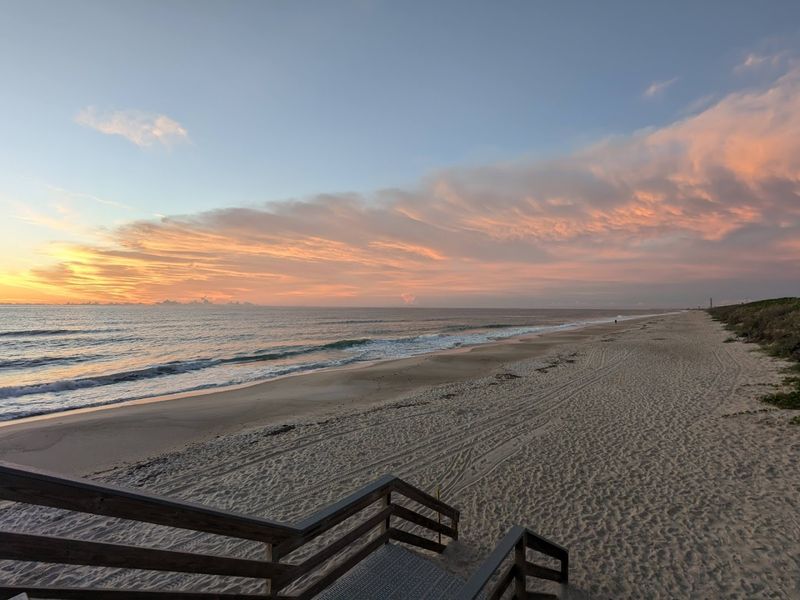
Stretching along 7611 S Atlantic Ave in New Smyrna Beach, this protected shoreline offers 24 miles of undeveloped beach where the Atlantic meets exceptionally dark skies.
Canaveral National Seashore sits between the Space Coast’s developed areas, creating a dark corridor that feels worlds away from the nearby cities. I find it amusing that some of America’s most advanced space technology launches from just miles away, while this beach preserves the same dark skies that guided sailors centuries ago.
The seashore’s length means you can walk until you find complete solitude, with nothing but sand, surf, and stars for company. Summer brings sea turtle nesting season, when red flashlights become mandatory to protect hatchlings, but those same lights preserve your night vision for stargazing.
Apollo Beach section offers the easiest access for evening visitors, with parking areas that remain open after sunset during certain seasons. Winter months provide the clearest skies, though you will need warm layers because Atlantic breezes can cut right through light clothing.
I recommend checking the park’s schedule before visiting, as hours vary seasonally and some areas close at sunset. Combining a sunset beach walk with stargazing creates the perfect evening, especially during new moon phases when darkness reaches its maximum.
8. Bahia Honda State Park
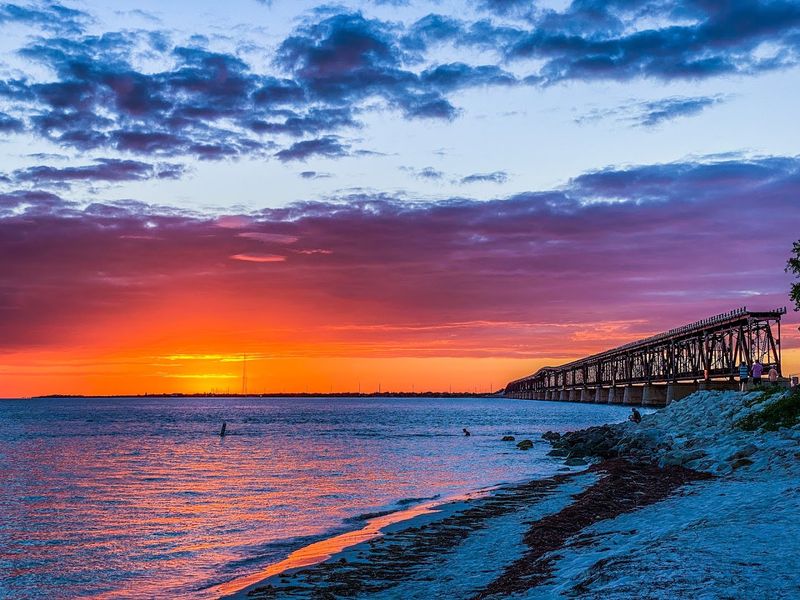
Down in the Keys at 36850 Overseas Hwy in Big Pine Key, this park combines tropical beauty with surprisingly good stargazing opportunities despite its southern latitude.
Bahia Honda State Park sits far enough from Miami’s light dome and Key West’s glow that the sky opens up dramatically, especially when viewing from the beach on the Atlantic side. I spent one memorable evening here watching the space station pass overhead while shooting stars from the Perseids painted streaks across the northern horizon.
The old Bahia Honda Bridge creates a unique foreground element for astrophotography, its concrete arches framing the stars in ways that make every photo distinctive. Park facilities include cabins and campsites, though the cabins book months in advance for winter season when weather conditions peak.
Tropical weather patterns mean you need to watch forecasts carefully, because clouds can roll in quickly and obscure the sky within minutes. Clear nights reveal constellations that dip lower toward the horizon than they appear in northern Florida, giving you perspectives on familiar star patterns that look slightly different.
The combination of warm temperatures, gentle surf sounds, and star-filled skies makes this one of the most comfortable stargazing locations I have found anywhere in the state.
9. Apalachicola National Forest
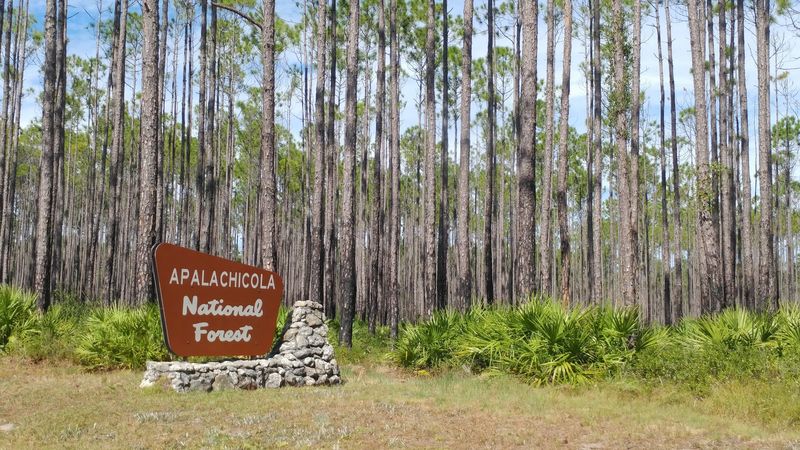
Northwest Florida’s largest national forest sprawls around 24887 FL-65 in Bristol, offering hundreds of thousands of acres where darkness still rules after sunset.
Apalachicola National Forest contains numerous clearings, lakes, and forest roads that provide excellent stargazing access without requiring extensive hiking. I have explored several spots here, with my favorite being the area around Wright Lake where the water reflects the stars and doubles their visual impact.
The forest’s location in the Panhandle means it escapes much of the light pollution that affects central and southern Florida, while the mix of pine forests and open areas creates diverse viewing environments. Wildlife sounds provide constant background ambiance, from owls hooting to the occasional rustle of something moving through the underbrush.
Dispersed camping is allowed in many areas, giving you the flexibility to set up wherever you find the perfect combination of access and darkness. I always bring a detailed map because forest roads can be confusing after dark, and cell service becomes unreliable once you leave the main highways.
Spring and fall offer the best weather, avoiding summer’s intense humidity and winter’s occasional cold fronts that sweep through the Panhandle.
This forest reminds you that Florida still has wild places waiting to be explored.
10. Fort Clinch State Park
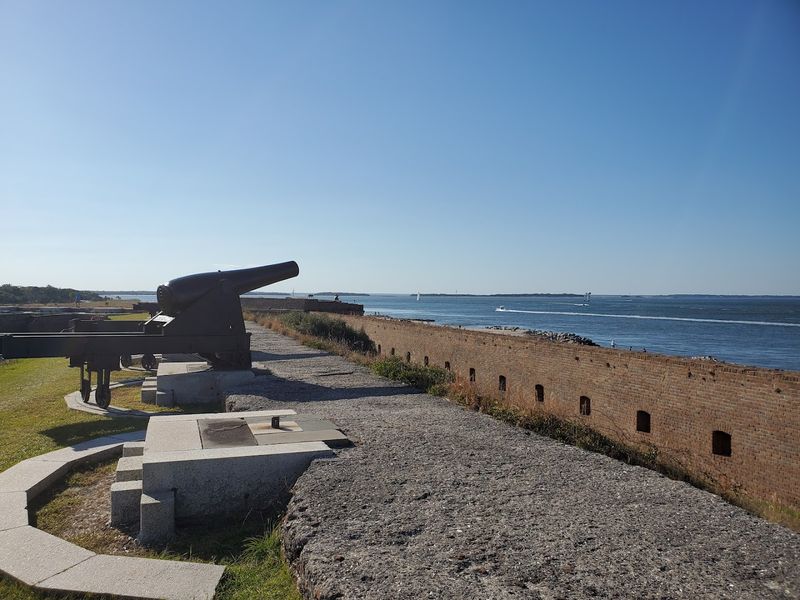
Perched at 2601 Atlantic Ave in Fernandina Beach near the Georgia border, this park combines Civil War history with exceptional opportunities for observing the night sky.
Fort Clinch State Park occupies the northern tip of Amelia Island, where the Atlantic Ocean and Cumberland Sound meet in a configuration that minimizes light pollution from inland areas. I have photographed the historic fort walls under the Milky Way several times, and the combination of human history and cosmic timescales never fails to inspire reflection.
The park’s beach stretches for over a mile, providing ample space to find your perfect viewing spot away from the few other nighttime visitors. Winter months bring the clearest skies, though you will need to bundle up because northern Florida actually experiences real cold fronts that drop temperatures significantly.
Camping facilities include both tent sites and a small campground, giving you options for overnight stays that maximize your viewing time. The fort itself sometimes hosts special evening programs, including occasional astronomy events that combine historical interpretation with stargazing.
I always time my visits to coincide with new moon phases when the fort’s dark silhouette stands out most dramatically against the star-filled sky behind it.
This park proves that history and astronomy make perfect companions under the right circumstances.