
This Historic Charleston Park Has A 17th-Century Ship, Wild Marsh Trails, And Roaming Deer
Some places in South Carolina feel like history.
Others feel completely alive.
This one somehow does both at the same time.
Step inside, and it does not feel like a typical park. It feels like something layered.
Part museum. Part nature.
Part quiet escape you did not expect to find.
The setting tells the story first.
Open land stretches out under old oak trees. Trails wind through spaces that feel untouched.
And the air carries a stillness that makes you slow down without thinking.
Then the details start to stand out.
A ship near the water. Wildlife moving freely.
Small moments that feel just as important as the bigger ones.
In South Carolina, places like this are easy to underestimate.
Until you spend time there.
And once you do, it stops feeling like a place you visit.
It starts to feel like a place that stays with you.
The Adventure Ship Replica Brings 1670 To Life
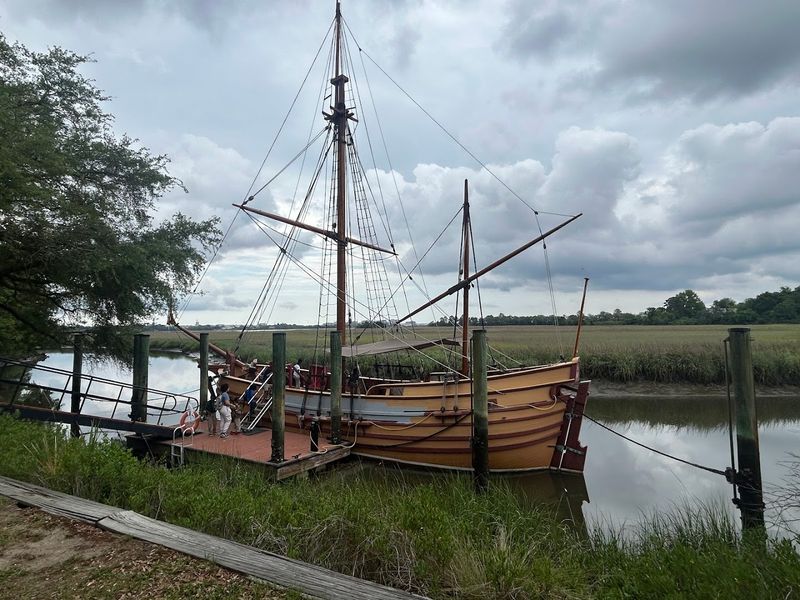
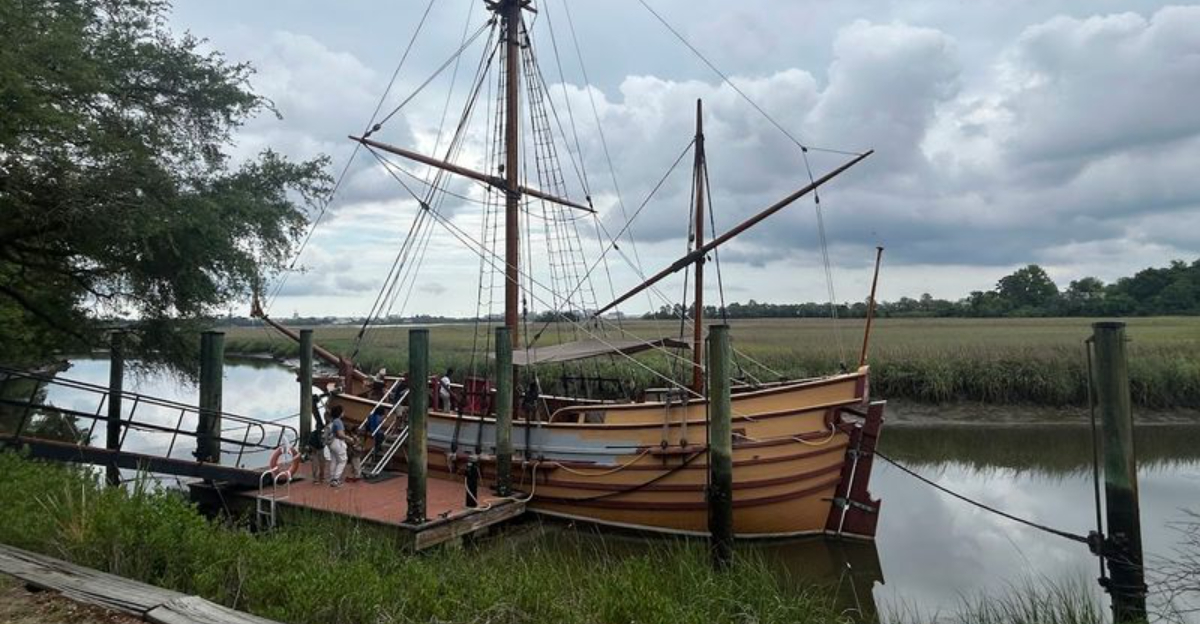
Climbing aboard the full-scale replica of a 17th-century trading vessel, I couldn’t help but imagine the cramped quarters and salty air that defined life for colonists crossing the Atlantic. This isn’t some dusty exhibit behind velvet ropes.
You actually walk the decks, peer into the captain’s quarters, and get a real sense of how settlers packed their entire lives into wooden hulls barely bigger than a modern house.
The ship sits moored along a quiet bend of the Ashley River, and kids absolutely lose their minds scrambling up and down the steep stairs. I watched one boy pretend to hoist imaginary sails while his sister claimed the captain’s spot with impressive authority.
The whole experience makes colonial history feel less like a textbook chapter and more like an adventure you can touch.
Every plank and rope on this vessel was crafted to match historical records, so it’s as close to time travel as most of us will ever get without a DeLorean.
Wild Marsh Trails Wind Through Untamed Lowcountry
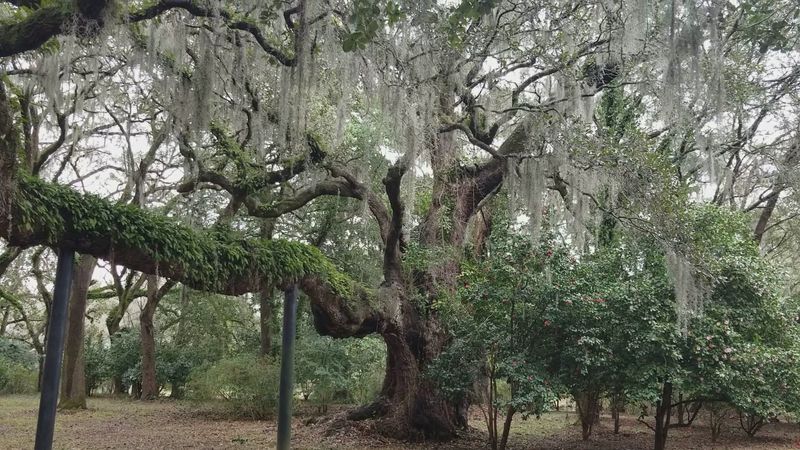
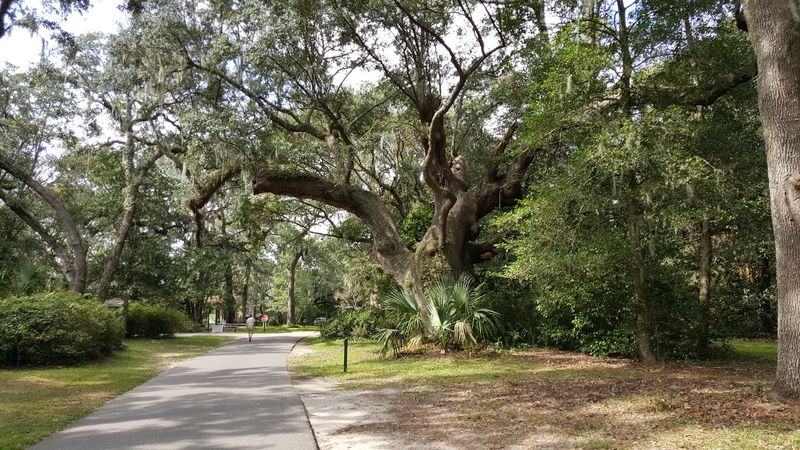
Following the winding paths through Charles Towne Landing’s marsh areas, I found myself surrounded by the kind of wild beauty that makes you forget you’re still technically in a city. Spanish moss dangles from ancient live oaks like nature’s own curtains, while palmetto fronds rustle secrets in the breeze.
The trails here don’t try to tame the landscape; they simply invite you to wander through it.
I spotted herons standing statue-still in shallow water, egrets picking their way through the reeds, and more butterflies than I could count flitting between wildflowers. The main loop stretches about a mile and a half, but side paths tempt you to explore deeper into habitats that haven’t changed much since those first colonists arrived.
Bring comfortable shoes because the terrain shifts from packed dirt to wooden boardwalks to sandy patches.
One morning visit left me sweaty but grinning, my phone full of bird photos and my mind blissfully quiet after an hour of pure nature therapy.
Roaming Deer Make Surprise Appearances Throughout The Park
Rounding a bend near the colonial settlement area, I practically walked into a small group of white-tailed deer browsing on low shrubs like they owned the place. They glanced up with those liquid brown eyes, decided I wasn’t worth worrying about, and went right back to their breakfast.
Seeing wildlife this relaxed in a public park never gets old, especially when they’re this close.
The deer population at Charles Towne Landing roams freely across the grounds, treating the historic site as their personal buffet and bedroom. I’ve encountered them near the gardens, along the river trails, and once memorably right outside the visitor center like they were waiting for tickets.
They’re not exactly tame, but they’ve grown accustomed to respectful humans keeping a polite distance.
Watching a fawn take wobbly steps beside its mother reminded me why this place feels less like a traditional park and more like a window into what the Carolina lowcountry looked like before pavement took over.
The Animal Forest Showcases Native Species Up Close
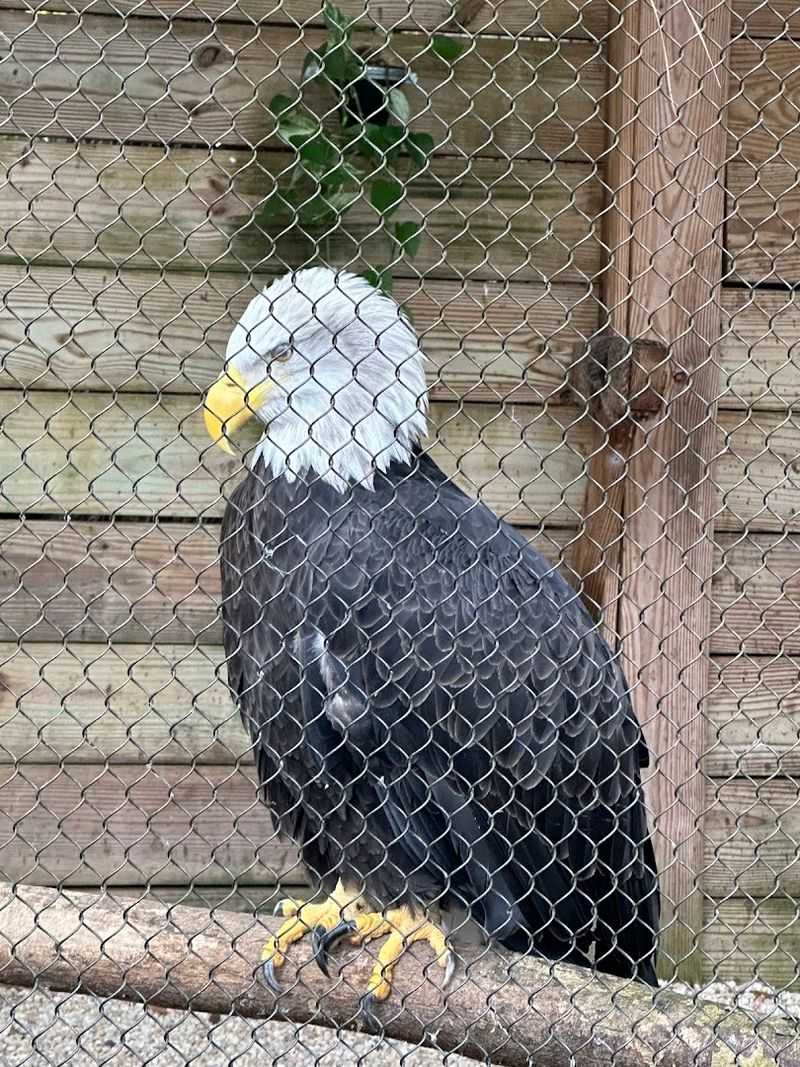
Winding through the Animal Forest section, I got my first good look at creatures that once dominated these coastal forests before development pushed them to the margins. River otters tumbled over each other in playful chaos, pumas paced with that unnerving grace only big cats possess, and a black bear lounged in the shade like it was enjoying a lazy Sunday.
These aren’t exotic imports; every species here belongs to the Carolina ecosystem.
The enclosures lean toward natural rather than zoo-like, with plenty of vegetation and hiding spots that let animals behave more like themselves. Sometimes that means you have to wait patiently for a glimpse, but spotting a red wolf emerging from the underbrush feels more rewarding than staring at animals in sterile concrete boxes.
I also encountered bald eagles, turkey vultures, and alligators during my visit.
One staff member explained that many of these animals can’t survive in the wild due to injuries or other circumstances, making this forest a second chance at a dignified life.
The 1670 Settlement Site Reveals Colonial Foundations
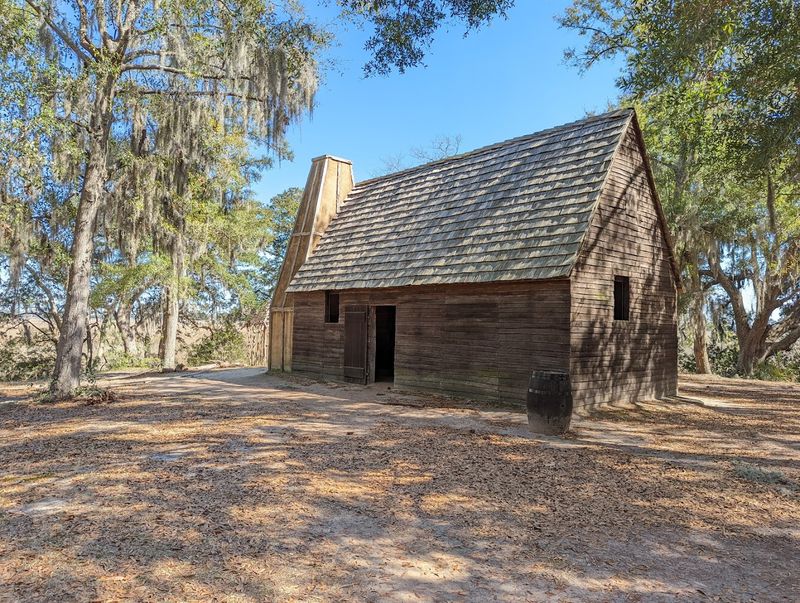
Standing where English colonists built their first crude shelters in 1670, I tried to picture the chaos of establishing a settlement in completely unfamiliar territory. Archaeological work has uncovered actual building foundations, and interpretive displays help you understand how these early Carolinians organized their little outpost.
It’s humbling to realize everything Charleston became started right here on this exact patch of ground.
The settlement area includes reconstructed colonial buildings that show how people lived, worked, and survived in those early years. I poked around a period cabin, marveling at how small everything was and how much physical labor went into daily existence.
No electric lights, no running water, no grocery stores. Just determination, sweat, and probably a lot of mosquito bites.
Walking these grounds makes you appreciate modern conveniences while respecting the grit it took to carve out a life when everything from food to shelter required starting from scratch in a landscape that didn’t care about your plans.
Gardens Display Period-Appropriate Plants And Design
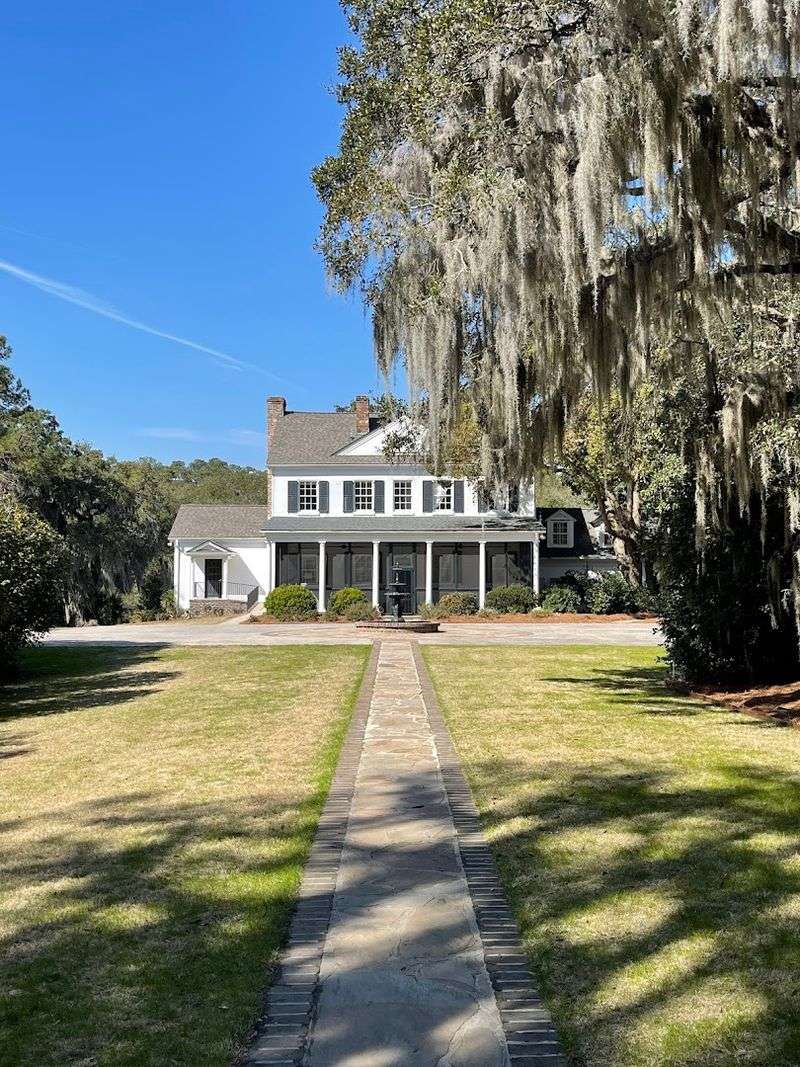
Strolling through the gardens at Charles Towne Landing, I discovered plant varieties that colonists would have recognized and used for food, medicine, or simple beauty. The formal garden areas showcase the kind of landscaping wealthy settlers aspired to create, while crop gardens demonstrate what actually kept people fed.
Camellias bloom in winter with showy flowers that seem almost too delicate for this rugged setting.
The willow garden offers shaded paths where I could escape the South Carolina heat and just breathe in the green tranquility. Every plant here serves a purpose beyond looking pretty: telling stories about how people lived, what they valued, and how they adapted European gardening traditions to lowcountry conditions.
I spotted herbs I recognized from modern cooking alongside varieties that have fallen out of common use.
One quiet afternoon visit found me nearly alone among the blooms, listening to birds chatter and feeling grateful that someone had the foresight to preserve these living connections to the past instead of paving over history for another parking lot.
Ashley River Views Frame The Historic Landscape
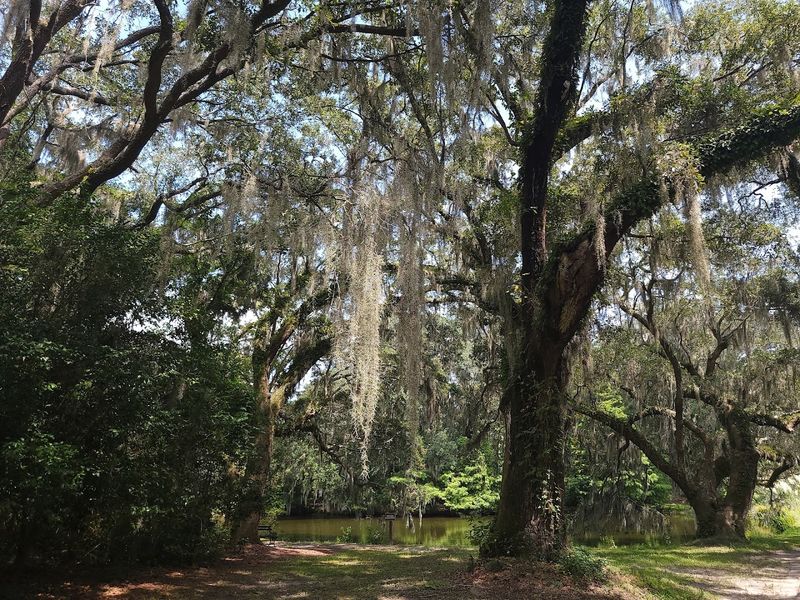
Gazing across the Ashley River from various vantage points throughout the park, I understood why colonists chose this location for their settlement. The river provided transportation, food, and a highway to the wider world when roads barely existed.
Today those same water views offer peaceful moments where you can watch boats drift past and imagine sailing ships arriving with supplies and news from England.
I found several benches positioned perfectly for river contemplation, and I may have lingered longer than planned at one spot where the afternoon light turned the water into liquid gold. The riverbank habitat supports incredible biodiversity: fish, birds, turtles, and countless smaller creatures all thriving in the same ecosystem that sustained the earliest colonists.
It’s a living reminder that good real estate location mattered just as much in 1670 as it does now.
Watching the tide shift and listening to water lap against the shore, I felt connected to every generation that has stood on this bank and found something worth staying for.
Visitor Center Museum Provides Essential Historical Context
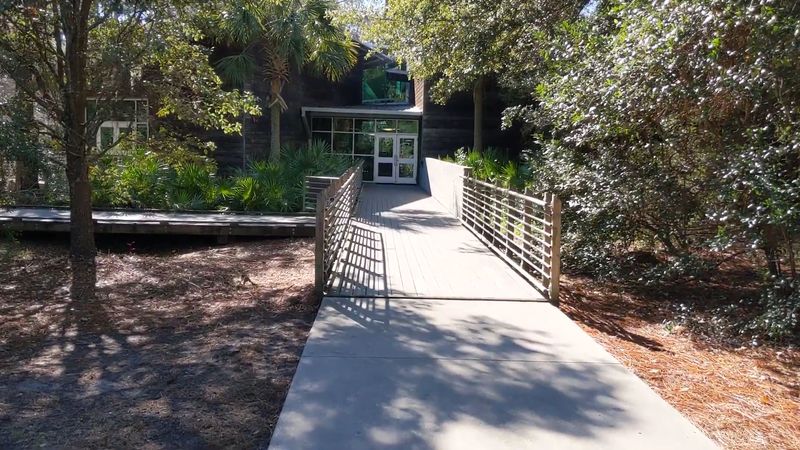
Before wandering the outdoor trails, I spent time in the visitor center museum absorbing the stories that make this site significant beyond just being pretty parkland. Interactive exhibits walk you through the colonization process, the interactions with Native peoples already living here, and the eventual development of Charleston into a major colonial port.
The displays don’t shy away from complicated history, including the role of enslaved Africans in building Carolina’s economy.
I appreciated how the museum uses artifacts, multimedia presentations, and hands-on elements to engage visitors of all ages. Kids can try on reproduction clothing or handle replica tools, while adults can dig deeper into primary documents and detailed historical analysis.
The staff members I encountered were genuinely knowledgeable and happy to answer questions that went beyond the basic script.
Starting your visit here provides the framework that transforms a pleasant nature walk into a meaningful historical experience, connecting beautiful landscapes to the real human stories of struggle, survival, and transformation that unfolded on this ground.
Bike-Friendly Trails Offer Alternative Exploration
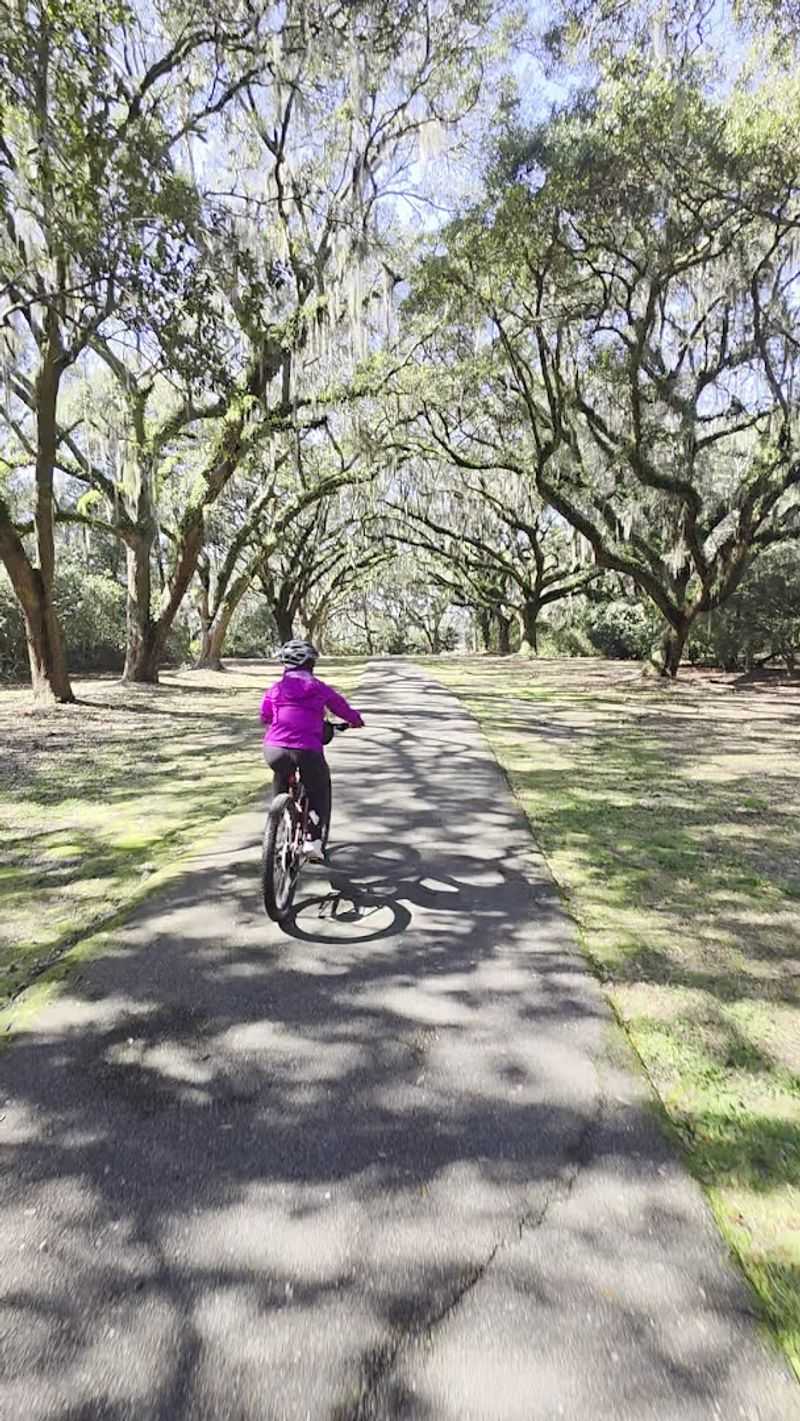
Noticing the bikes available near the visitor center, I realized you don’t have to hoof it on foot if walking a mile and a half sounds daunting. The main trails accommodate bicycles, and pedaling through the park gives you a different perspective on the landscape.
You can cover more ground, catch breezes that make the humidity bearable, and still stop whenever something catches your attention.
I watched families with younger kids take advantage of the bike option, parents pulling little ones in trailers while older children wobbled along on training wheels. The paths are well-maintained and relatively flat, making this an accessible option for casual cyclists rather than just hardcore riders.
You can bring your own bike or use the ones provided at the park.
One couple I chatted with mentioned they’d walked the trails on a previous visit and biked them this time, discovering details they’d missed before because they could range farther without wearing themselves out in the lowcountry heat and humidity that defines summer here.
Affordable Admission Opens History To Everyone
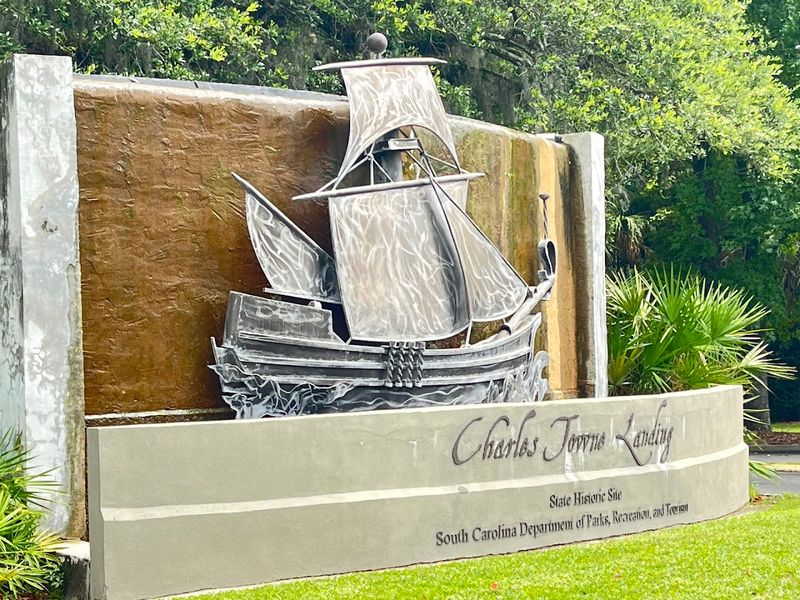
Pulling out my wallet at the entrance, I expected the typical tourist-trap pricing that plagues popular destinations, but Charles Towne Landing surprised me with reasonable admission that won’t wreck your vacation budget. At around twelve dollars for adults, you get access to acres of trails, the ship, the Animal Forest, gardens, museum exhibits, and enough historical immersion to fill an entire day.
That’s cheaper than most movie tickets and infinitely more enriching.
The park operates as a South Carolina state historic site, which helps keep costs down while maintaining quality experiences. I’ve visited plenty of attractions that charge double or triple this amount for half the content, so finding a place that prioritizes accessibility over profit maximization felt refreshing.
Kids, seniors, and South Carolina residents often qualify for discounted rates.
Located at 1500 Old Towne Rd, Charleston, SC 29407, this site proves you don’t need deep pockets to access meaningful history and beautiful natural spaces, just curiosity and a few hours to wander where Carolina’s story began.