
This Arkansas Journey Uncovers Ancient Native American History
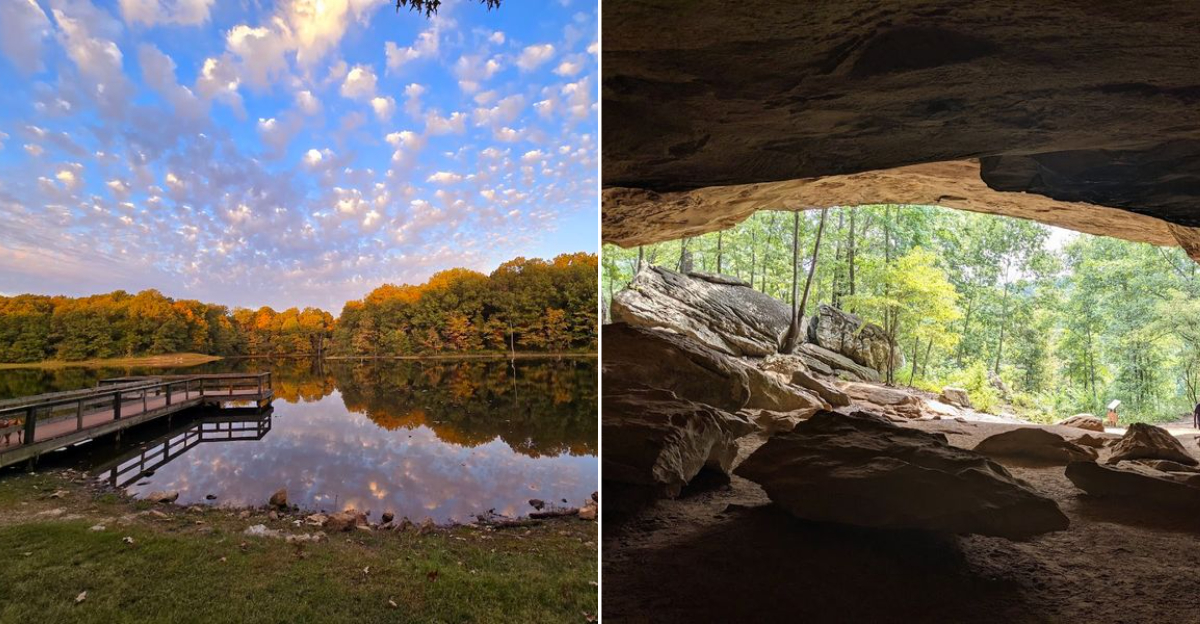
History hits harder when it is under your feet.
That is why this road trip feels different. Arkansas has places where the past still has shape and weight.
You can stand near ancient earthworks and look at rock markings made by people whose lives still echo through the landscape.
I put this route together for anyone who wants more than a pretty drive.
The stops ask you to slow down. You start noticing the rise of a field.
You pay attention to the bend of a river. A quiet place suddenly feels full, almost like the ground is holding its breath.
That is what makes it stay with you.
Pack comfortable shoes and leave room in the day for lingering. You will read the signs, sure, but the real pull comes when you look around and realize the story was already waiting there beside you.
1. Plum Bayou Mounds Archeological State Park, Scott
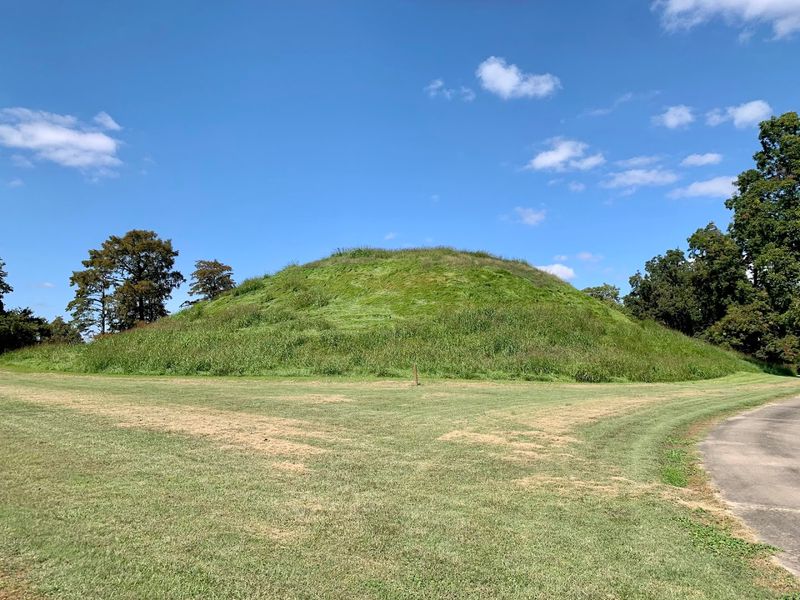
At the base of a massive earthen mound that has survived for more than a thousand years, you start to feel how serious the people who built it really were.
Plum Bayou Mounds Archeological State Park sits at 490 Toltec Mounds Road, Scott, AR 72142, and it remains one of the most impressive prehistoric sites in the southeastern United States.
This National Historic Landmark preserves a ceremonial landscape created by the Plum Bayou culture, a sophisticated society that shaped this land long before European contact.
The site features massive earthen mounds and carefully arranged rectangular plazas, and researchers believe some structures were aligned with the sun to mark seasonal ceremonial moments.
The paths across the grounds feel quiet and reflective, because every step brings you across soil that generations of people once treated as meaningful.
Archaeologists have studied this site for decades, and on some visits you may see research activity that adds a real-time layer to the experience.
The on-site museum gives helpful context for what you see outside, connecting artifacts and timelines to the mounds themselves.
Spring and fall are the best seasons to visit, since the weather stays comfortable and the surrounding landscape frames the earthworks beautifully.
Kids often respond strongly to this place, because a mound the size of a small hill makes history feel sudden and real.
If you only have time for one archeological stop on this Arkansas journey, Plum Bayou delivers the kind of awe that stays with you long after you leave Toltec Mounds Road.
2. Parkin Archeological State Park, Parkin
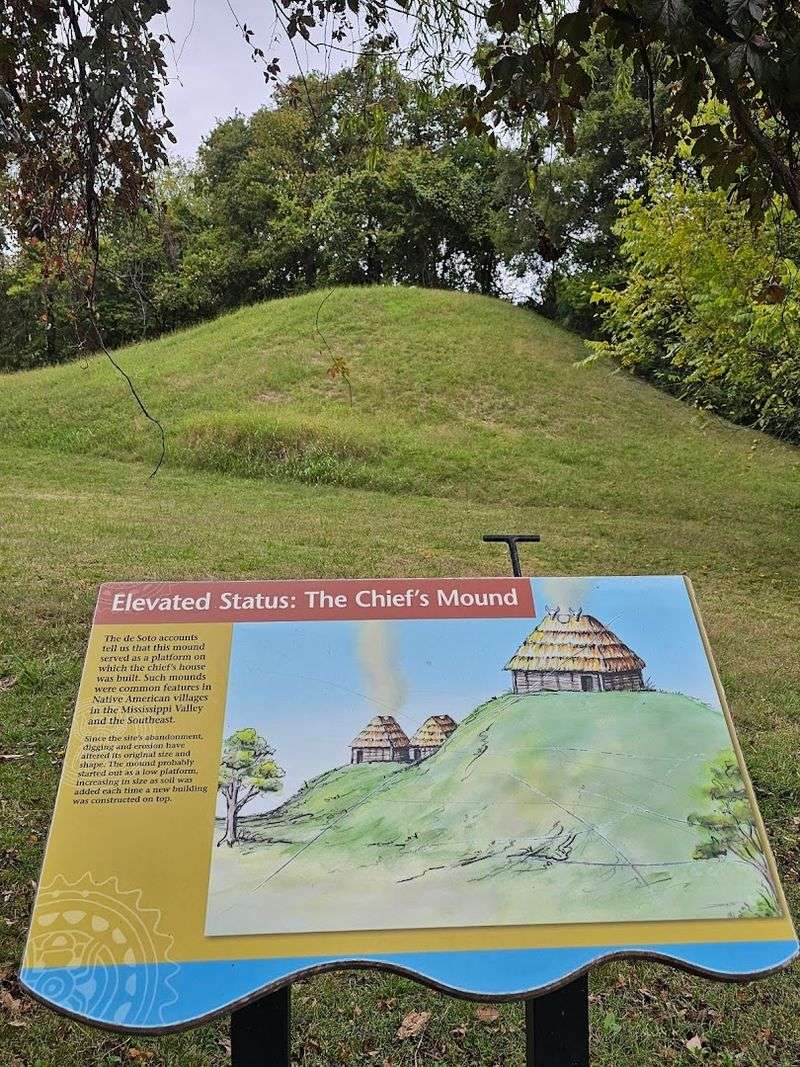
A 17-acre village that once buzzed with daily life and ceremony now waits quietly along the banks of the St. Francis River, ready to share its story with curious visitors.
Parkin Archeological State Park is located at 60 State Hwy 184, Parkin, AR 72373, and it preserves one significant Mississippian Period Native American site in the mid-South.
This village thrived for hundreds of years, and many archaeologists identify it as a possible settlement visited by Spanish explorer Hernando de Soto in 1541.
That possible connection gives the site a layered quality that few places can match, because it places Parkin near the meeting point of two different worlds.
The large platform mound near the river would have served as a political and ceremonial center, placing community leaders in a position of visible authority above daily village life.
Evidence of a wooden palisade and protective moat speaks to a community that was organized and aware of outside pressures.
The interpretive center walks visitors through the archaeological evidence with care, connecting pottery fragments and soil layers to people who once cooked and raised families here.
Guided tours are available and worth taking, because they help the site feel less like a preserved ruin and more like a place where real lives unfolded.
Late spring visits reward you with lush greenery around the mound, giving the river landscape a strong sense of life and place.
The St. Francis River setting matters, because water shaped travel and the rhythms of daily life for the community that lived here.
Parkin also makes a strong stop for travelers who want Native American history without feeling overwhelmed by a huge site.
Its scale is manageable, but the story it tells is deep and surprisingly moving.
Parkin quietly reshapes your understanding of Arkansas history, reminding you that extraordinary communities were already here long before Europeans arrived.
3. Rock House Cave, Morrilton
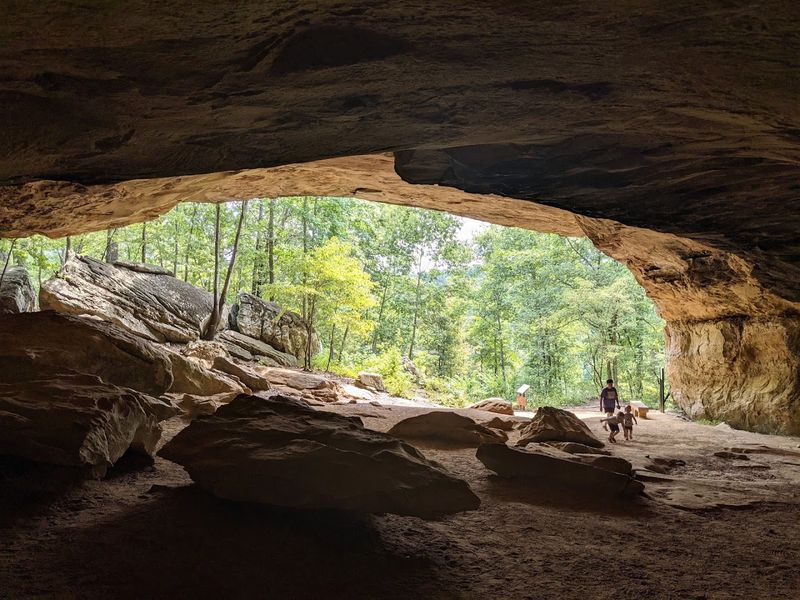
Inside Petit Jean State Park near Morrilton, Arkansas, Rock House Cave holds pictographs that can stop visitors mid-step once their eyes adjust to the dim light.
The cave is reached from Red Bluff Drive, Morrilton, AR 72110, and it shelters one of the state’s notable collections of ancient Native American pictographs.
The sandstone walls hold images of fish and other carefully placed symbols connected to Indigenous communities from the Woodland and Mississippian periods.
Exact dating is difficult, so the artwork should not be tied to one specific year, but its age still gives the shelter a powerful presence.
Many researchers interpret places like this as having ceremonial or spiritual meaning, which helps explain why the artwork feels so intentional.
Inside the shelter, the markings feel like messages written in a language that time has only partly hidden from us.
Petit Jean State Park itself is worth a full day of exploration, with waterfalls and forested trails winding through beautiful Ozark hill country.
The cave is accessible by a short but uneven hike, so sturdy shoes and water make the trip more comfortable in warm weather.
Photography inside the cave is popular, and the natural light that filters in gives the pictographs a moody quality in photos.
Morning visits usually bring cooler temperatures and fewer people, giving you more quiet time to focus on the ancient walls.
Rock House Cave works as both a hiking destination and a history lesson, the kind of rare stop that rewards travelers who make the effort to find it.
4. Hampson Archeological Museum State Park, Wilson
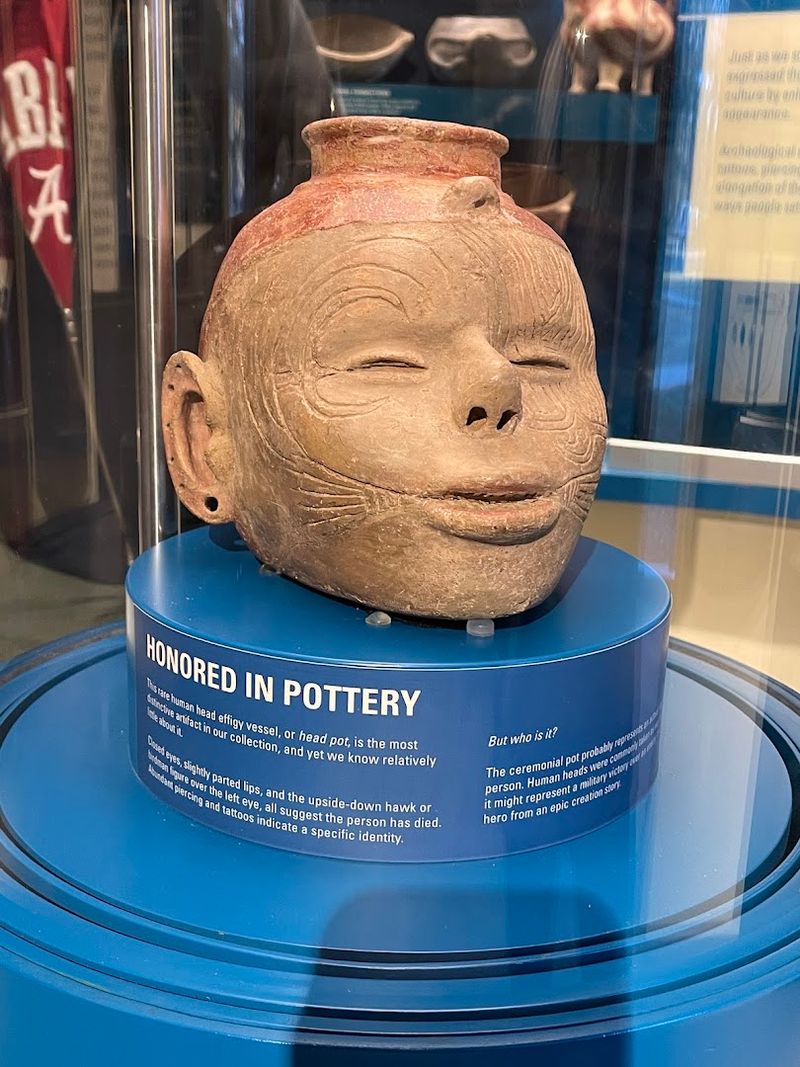
Not every history lesson happens outdoors, and Hampson Archeological Museum State Park in Wilson, AR proves that one well-curated building can hold an entire world inside it.
The museum is situated at 33 Park Avenue, Wilson, AR 72395, and it houses artifacts recovered from the Nodena site.
That Mississippian-era Native American village flourished near the Mississippi River in present-day Mississippi County.
The Nodena people built a rich and complex society here, and the objects they left behind reveal farming practices and social structures with striking clarity.
The pottery collection is genuinely stunning, with Nodena Red and Nodena White pieces showing artistic skill and a strong cultural identity.
Stone tools and ceremonial objects sit beside everyday items, helping the Nodena people feel fully human rather than distant.
The collection was originally assembled by Dr. James K. Hampson, whose passion helped preserve one of Arkansas’s significant cultural treasures.
His dedication is part of the story too, and the museum still centers the Native American community behind the artifacts.
Wilson itself is a small, charming town with a thoughtfully restored feel, so a museum visit pairs well with a walk around town.
The exhibits make the material accessible to visitors of different ages, connecting ancient objects to real people and daily life.
After Hampson, the Mississippi Delta region feels richer, shaped by ancient communities whose stories began long before written histories described them.
5. Davidsonville Historic State Park, Pocahontas
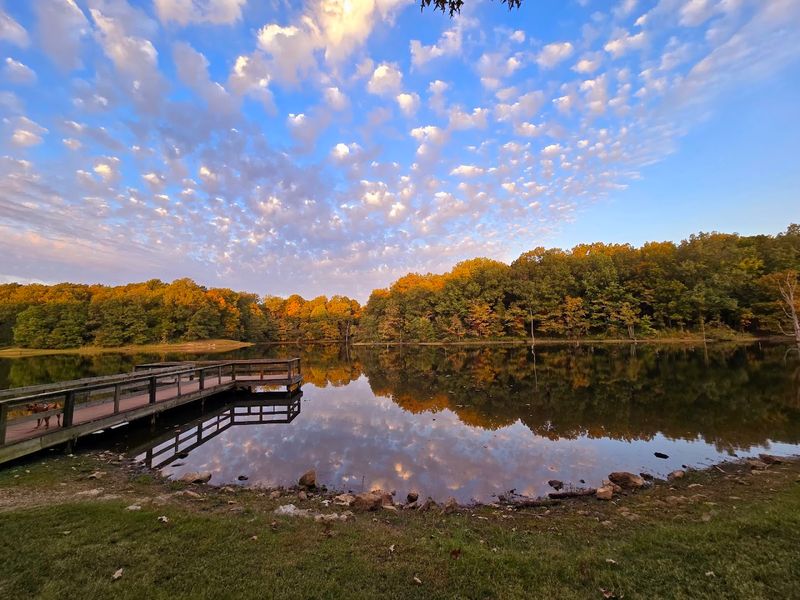
History at Davidsonville Historic State Park layers itself in a way that rewards slow, curious visitors rather than those who rush through looking for a single headline attraction.
The park is located at 8047 Hwy. 166 South, Pocahontas, AR 72455, and while it is best known as Arkansas’s first platted town, the land itself sits within a much older river corridor shaped by travel, trade, and settlement.
Long before early town life took root here, Indigenous communities moved through waterways like the Black River, leaving a deeper human story beneath the park’s frontier history.
The park’s interpretive trails wind through forested terrain and past archaeological features that connect visitors to the early American chapters written into this stretch of northeastern Arkansas.
The Black River and the park lake make fishing popular here, and the natural setting is quiet and genuinely beautiful in a way that invites you to slow down and pay attention.
Picnic areas and camping facilities make it easy to turn this stop into an overnight stay, giving you time to absorb the layered history rather than treating it as a quick checkbox on a road trip list.
The interpretive center connects the visible landscape to the human stories embedded in it, with exhibits focused strongly on the early settlement era and the town that once stood here.
Fall is a particularly wonderful time to visit, when the hardwood trees surrounding the park turn rich shades of orange and gold and the river light takes on a warm quality.
Davidsonville is the kind of stop that sneaks up on you, arriving with modest expectations and leaving you genuinely moved by how much living this quiet corner has witnessed over the centuries.
6. Arkansas Post National Memorial, Gillett, AR
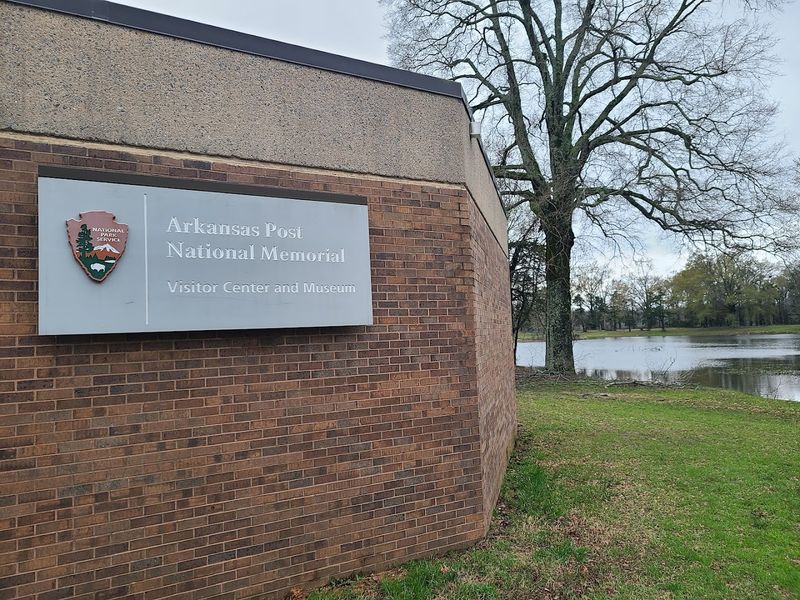
Few places in the entire state carry as many overlapping chapters of human history as Arkansas Post National Memorial, where the Arkansas River has served as a highway for cultures spanning thousands of years.
The memorial is located at 1741 Old Post Road, Gillett, AR 72055, and it sits at a confluence of geography and history that made this spot irresistible to Native American communities long before European contact transformed the region.
The Quapaw people established a significant presence here, building villages and trade networks that took full advantage of the river’s resources and its connections to broader Indigenous exchange systems across the mid-South.
When French traders arrived in the late seventeenth century, they did so by following existing Native American trade routes, a fact that underscores just how thoroughly Indigenous geography shaped European exploration and settlement in North America.
The park’s walking trails and interpretive signs do a thoughtful job of presenting this multi-layered history without flattening any one culture’s story in favor of another.
The Arkansas River views here are spectacular, and there is a quiet, reflective quality to the landscape that makes it easy to imagine the activity and movement this waterway once supported across the centuries.
Wildlife is abundant throughout the memorial, with herons, eagles, and various waterfowl making regular appearances along the riverbanks, adding a living, natural dimension to the historical experience.
Spring and early fall offer the most comfortable visiting conditions, and the park is rarely overcrowded, meaning you can take your time at each interpretive stop without feeling rushed or distracted.
The visitor center provides helpful context before you head out onto the trails, and the staff there are notably good at answering questions that go beyond what the signs alone can cover.
Arkansas Post rewards patient visitors with a genuinely rich sense of place, one that connects the deep Native American past to the long, complicated story of how this region became what it is today.
7. Historic Washington State Park
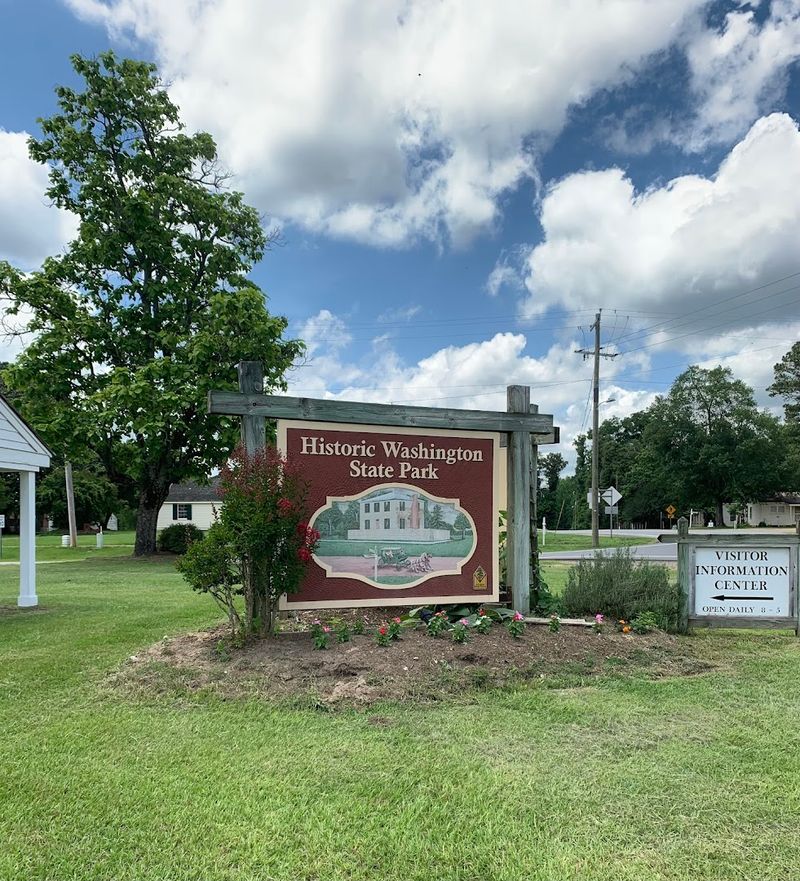
Washington carries a reputation as one of the South’s best-preserved historic towns, but the human story here reaches farther back than that reputation suggests.
Historic Washington State Park is centered at 103 Franklin Street, Washington, AR 71862, and while the park is best known for antebellum architecture and Civil War history, the deeper regional story also includes the Caddo people who lived across this part of the state for centuries.
The Caddo were skilled agriculturalists and traders, building communities that shaped the wider landscape through settlement, exchange, and long relationships with the land.
Their presence gives this stop more depth than a simple historic-town visit, because the nineteenth-century buildings stand inside a much older human timeline.
Park interpretation places the famous frontier and Civil War chapters within that broader context, helping visitors see Washington as a place shaped by many layers of life.
A walk through the shaded historic district brings that feeling into focus, with restored buildings, old streets, and towering trees creating a strong sense of atmosphere.
The park hosts living history events throughout the year, though most programs focus mainly on early American life and nineteenth-century history.
That focus still works well here, especially when you remember that every courthouse, home, and workshop sits on land with stories far older than the structures themselves.
The surrounding Hempstead County landscape is rolling and green, particularly in late spring when wildflowers brighten the roadsides and the whole area feels relaxed.
Food is available at Williams Tavern Restaurant during posted hours, though packing lunch still works well if you want a slower afternoon on the grounds.
Historic Washington State Park closes this Arkansas journey on a note of layered wonder, reminding you that the oldest stories often sit just beneath the places we think we already know.