
10 Arizona Trails And Guided Adventures To Ancient Cliff Dwellings Worth An Early Summer Start
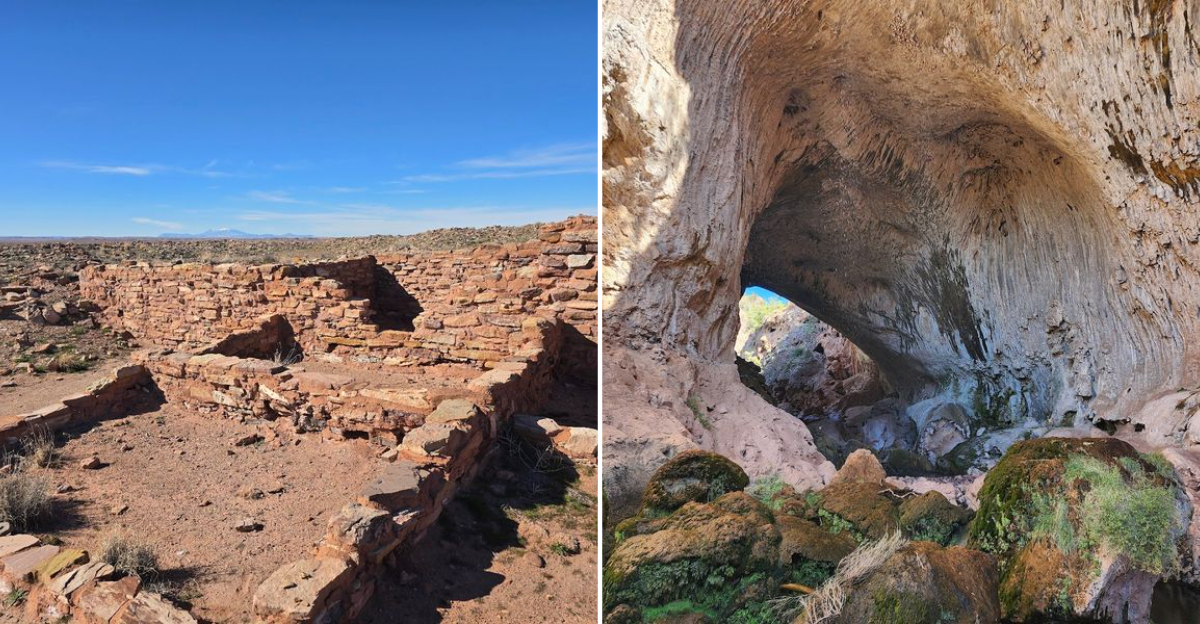
My boots have walked a lot of paths, but nothing quite prepares you for the first glimpse of a cliff dwelling tucked into a sun-baked alcove. Arizona holds these ancient secrets like a trusted vault, revealing them only to those willing to venture beyond highway views and postcard angles.
The combination of physical challenge and historical wonder creates something uniquely satisfying-exertion earned with sweat, rewarded with awe. Ten outstanding trails this spring and summer offer guided experiences ranging from gentle walks to legitimate adventures requiring sturdy shoes and water bottles.
These aren’t just walks through history, they’re journeys into the lives of master architects who turned sheer rock faces into multi-story apartments.
Early summer is genuinely one of the best windows to explore these sites before the intense heat of July sets in, and the trails are often quieter than you might expect.
In this list, I am sharing ten trails and guided adventures across Arizona that will bring you face to face with ancient architecture, breathtaking scenery, and stories that have been waiting centuries to be discovered.
1. Montezuma Castle National Monument, Camp Verde
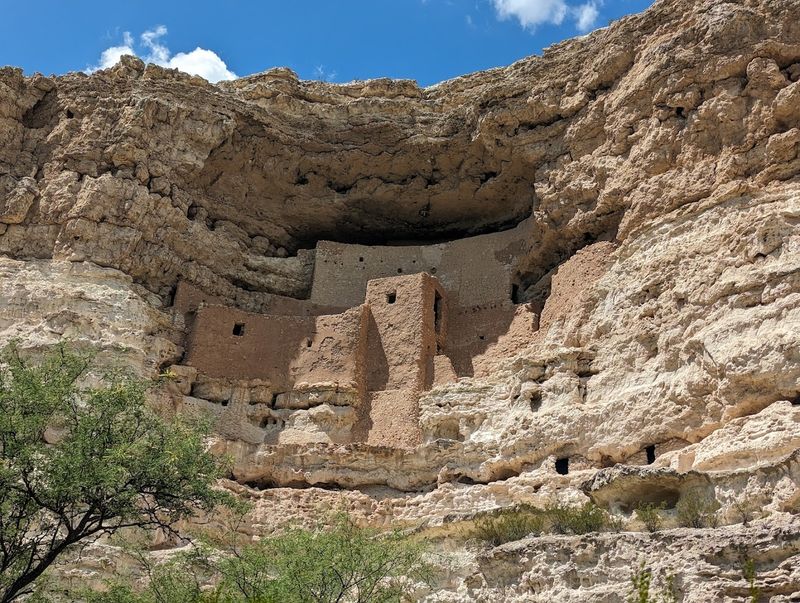
At nearly 100 feet above Beaver Creek, Montezuma Castle is one of the best-preserved cliff dwellings in North America, and standing beneath it for the first time genuinely stops you in your tracks.
The five-story, 20-room structure was built by the Sinagua people around 1100 AD, and it required no modern scaffolding to construct, which makes the whole thing even more impressive.
The paved loop trail at Camp Verde is about one-third of a mile and takes roughly 30 minutes to walk at a relaxed pace. You cannot enter the dwelling itself, but the viewing platform gets you close enough to appreciate the craftsmanship up close.
Rangers are often stationed along the path and are happy to answer questions. Early June mornings here are cool and the light hits the limestone alcove beautifully.
Pair this stop with nearby Montezuma Well for a fuller half-day experience that covers both water and stone history in one visit. The short, accessible walk makes this an easy adventure to fit into almost any Arizona road trip without sacrificing the sense of discovery.
Even from the ground, looking up at those carefully built rooms leaves you with a lasting appreciation for the skill and ingenuity behind this remarkable place.
2. Walnut Canyon National Monument, Flagstaff
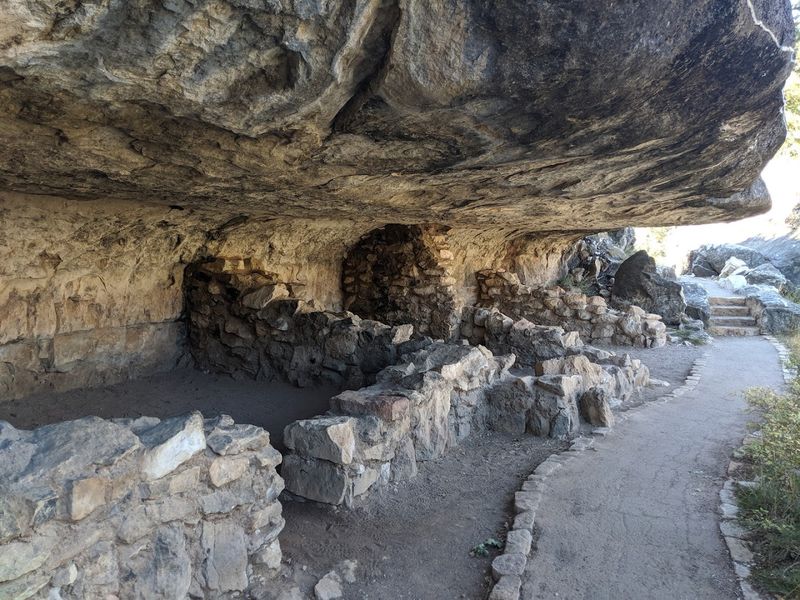
Walnut Canyon sits just seven miles east of Flagstaff, yet it feels like a completely different world once you descend into the canyon.
The Island Trail drops about 185 feet in elevation and winds past 25 cliff rooms built directly under natural limestone overhangs, giving you an up-close look at how the Sinagua people used the canyon walls as ready-made rooftops.
The trail is only about a mile round trip, but those 240 steps back up to the rim will remind you to pace yourself, especially as temperatures begin to rise in June. Start before 9 a.m. to enjoy cooler air and better morning light for photos.
The Rim Trail is a much flatter option if steep descents are not your preference.
What makes Walnut Canyon stand out from other sites is the forest setting. Ponderosa pines, canyon wrens, and wildflowers frame the ruins in a way that feels almost theatrical, turning each bend in the trail into a new reveal worth savoring slowly.
By the time you climb back to the rim, the steps feel like a small price to pay for seeing ancient architecture tucked so beautifully into the canyon walls.
3. Tonto Natural Bridge And Tonto Basin Ruins, Payson
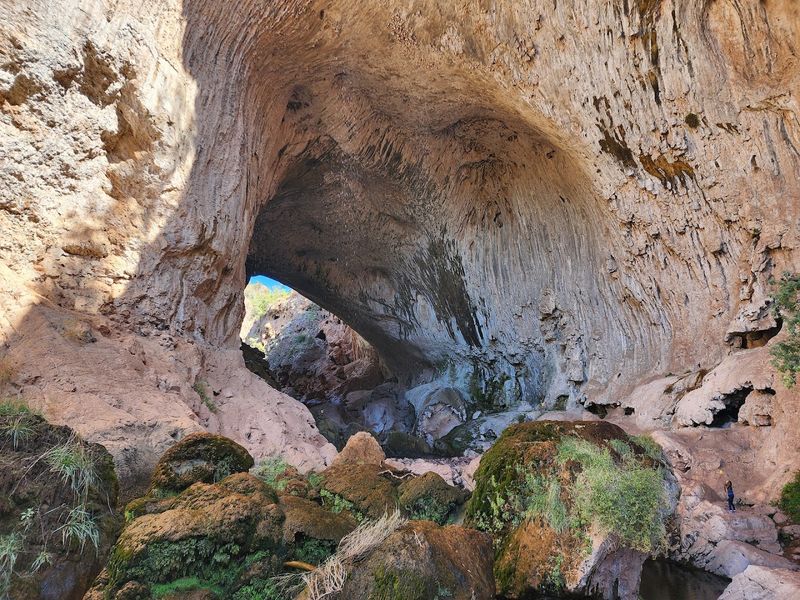
Most people come to the Tonto Natural Bridge area for the world’s largest natural travertine bridge, but the surrounding Tonto Basin holds scattered Salado and Mogollon ruins that reward curious hikers who look beyond the obvious attractions.
The region sits in the Mazatzal Mountains near Payson, about 90 miles northeast of Phoenix. Short trails near the bridge descend to creek-level pools and canyon ledges where small masonry structures cling to the rock.
Guided interpretive programs offered by local outfitters in the Payson area can help you connect the dots between the geology and the people who once called these canyon walls home.
June mornings here are warm but manageable, and the creek-fed canyon stays noticeably cooler than the open desert below. Bring water shoes if you plan to wade, and pack a hat for the exposed upper sections of trail.
The combination of natural and cultural history in one compact canyon makes this stop genuinely hard to beat on any Arizona road trip itinerary. It is the kind of place where cool water, towering rock, and traces of the past make every short walk feel unexpectedly rewarding.
4. Canyon de Chelly National Monument, Chinle
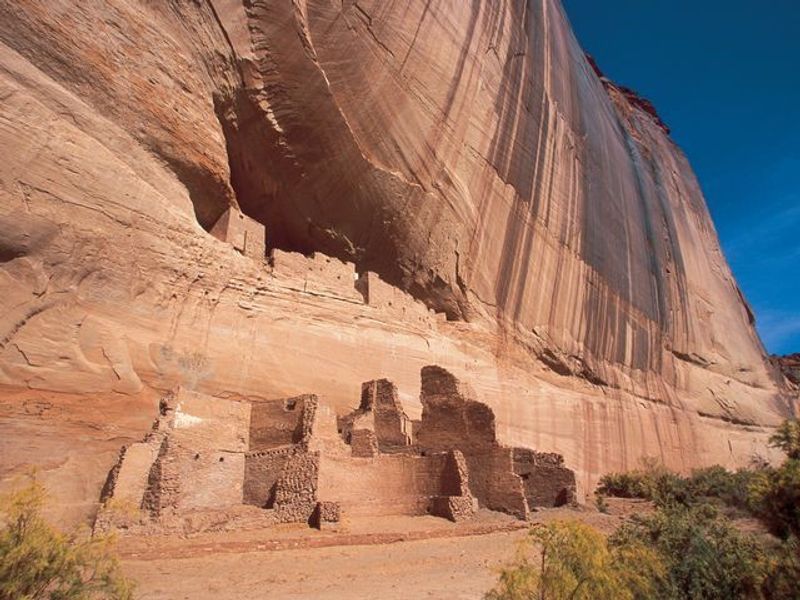
Canyon de Chelly is one of those places that photographs simply cannot prepare you for. Located on Navajo Nation land near Chinle in northeastern Arizona, the canyon stretches nearly 26 miles and contains over 700 archaeological sites spanning nearly 5,000 years of continuous human habitation.
Here is the key detail most first-timers miss: the only trail you can hike without a Navajo guide is the White House Ruin Trail, a 2.5-mile round-trip path that descends 600 feet to the canyon floor.
For access to the deeper canyon ruins, a licensed Navajo guide is required, and booking one is absolutely worth it. Guided jeep tours and horseback options are available through the visitor center.
Early June is an especially good time to visit because the cottonwood trees along the canyon floor are fully leafed out, framing the red walls in vivid green. The cultural connection here runs deep, and the guides bring a perspective on these sites that no interpretive sign could ever replicate.
A visit here feels less like checking off a scenic landmark and more like being invited to understand a living landscape shaped by generations of history.
5. Navajo National Monument, Shonto Plateau
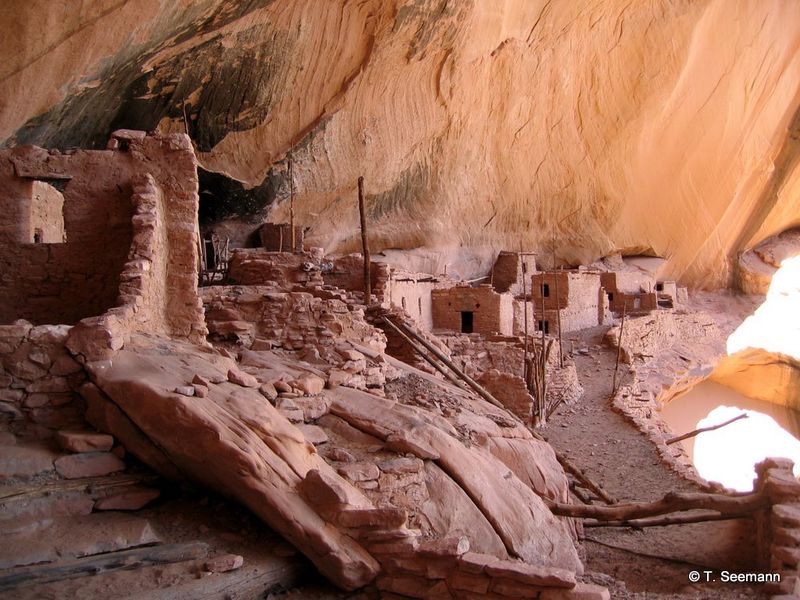
Tucked into the Shonto Plateau in northern Arizona, Navajo National Monument protects two of the largest and most intact cliff dwellings in the entire Southwest: Betatakin and Keet Seel.
Both were built by the Ancestral Puebloans around 1250 AD and were occupied for only a few generations before being abandoned, which is part of what makes them so hauntingly well-preserved.
The Betatakin tour runs daily in summer and involves a strenuous 5-mile round-trip hike with a 700-foot descent into Tsegi Canyon. Ranger-led groups are kept small, so reservations fill up fast in June.
Keet Seel requires an 8.5-mile hike each way and an overnight permit, making it one of the most rewarding backcountry experiences in Arizona for those ready for the commitment.
The scale of the Betatakin alcove is genuinely jaw-dropping. Seeing 135 rooms tucked under a curved sandstone ceiling the size of a football stadium puts the ingenuity of ancient builders into sharp and unforgettable perspective.
This remote monument leaves a powerful impression long after the desert dust has settled.
6. Palatki Heritage Site, Sedona Red Rock Country
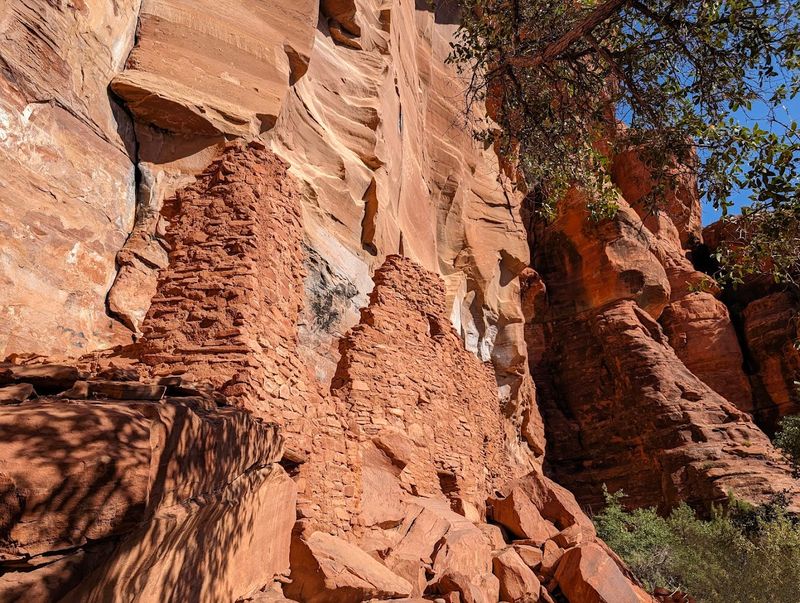
Palatki means “red house” in Hopi, and once you see the russet-colored ruins glowing against the red rock cliffs near Sedona, the name makes complete sense. This Sinagua site dates back to around 1150 AD and is one of the largest red rock cliff dwelling complexes in the entire region.
What sets Palatki apart from many other Arizona ruins is the exceptional rock art. Panels of pictographs near the dwelling site span thousands of years and include images left by multiple cultures, from archaic hunters to later Yavapai and Apache groups.
A ranger or volunteer docent is typically present to provide context, and their knowledge adds tremendous depth to the visit.
Access requires a Red Rock Pass and a timed entry reservation made through the Coconino National Forest website, so plan ahead, especially for early June weekends. The short, relatively flat trail is accessible to most fitness levels, and the setting among the soaring red buttes of Sedona makes every step feel worth it.
Standing before those ancient walls and weathered images, you cannot help but feel how many generations have found meaning
7. Honanki Heritage Site, Coconino National Forest
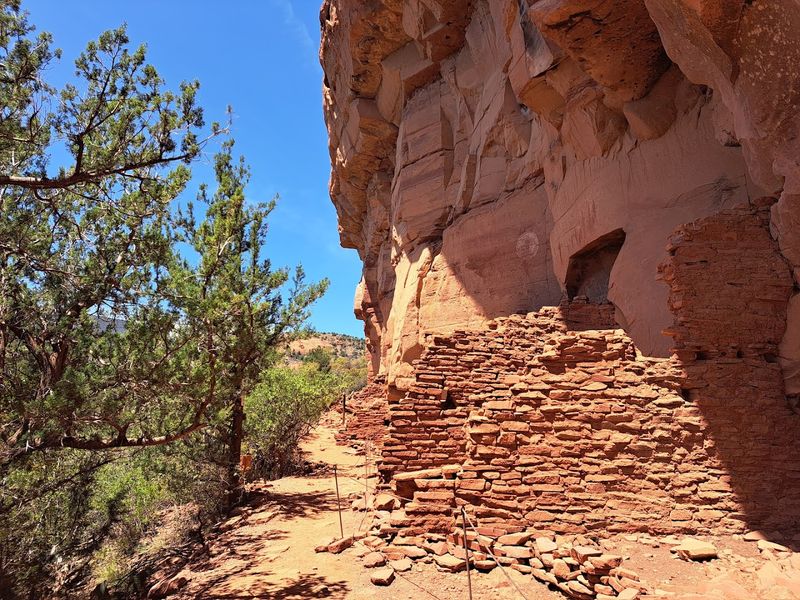
Just a few miles from Palatki along the same forest road, Honanki is actually the larger of the two Sinagua sites near Sedona, though it gets far fewer visitors.
The name means “bear house” in Hopi, and the site contains over 60 rooms built between 1100 and 1300 AD, making it one of the most substantial cliff dwelling complexes accessible in the Sedona area.
The trail here is unpaved and slightly rougher than Palatki, and the road leading to the site requires a high-clearance vehicle or a willingness to drive slowly on a washboard dirt road. That small barrier is exactly why the crowds stay manageable, even on busy summer weekends.
Rock art panels at Honanki are extensive and include both pictographs and petroglyphs from multiple time periods.
Visiting both Honanki and Palatki in the same morning creates a satisfying double feature of Sinagua culture, and the contrast between the two sites highlights just how varied ancient building styles could be within a single community.
8. Tuzigoot National Monument, Clarkdale
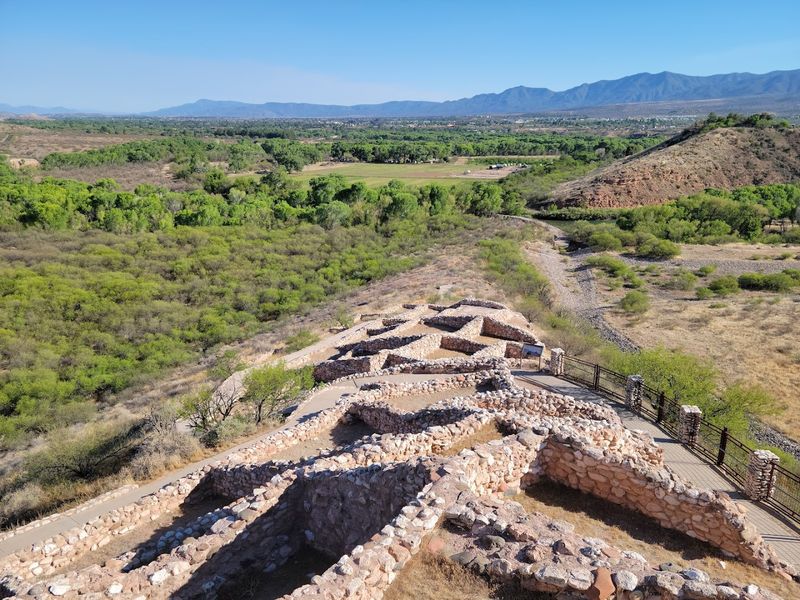
Unlike most cliff dwellings that hide in canyon alcoves, Tuzigoot sits boldly on top of a 120-foot limestone ridge overlooking the Verde Valley near Clarkdale. The Sinagua people built this hilltop pueblo between 1125 and 1400 AD, and at its peak it contained over 110 rooms housing as many as 225 people.
The self-guided trail through the ruins is about half a mile and leads through the reconstructed rooms and up to a rooftop viewpoint with sweeping views of the valley and the Mingus Mountain range.
The museum at the visitor center displays an impressive collection of jewelry, pottery, and tools recovered from the site.
Because Tuzigoot sits on an open ridge, early morning visits in June are strongly recommended before the sun climbs high. Bring sunscreen and a hat without fail.
The combination of archaeological richness and panoramic landscape views makes this monument a satisfying stop that tends to leave visitors lingering much longer than they originally planned.
9. Besh-Ba-Gowah Archaeological Park, Globe
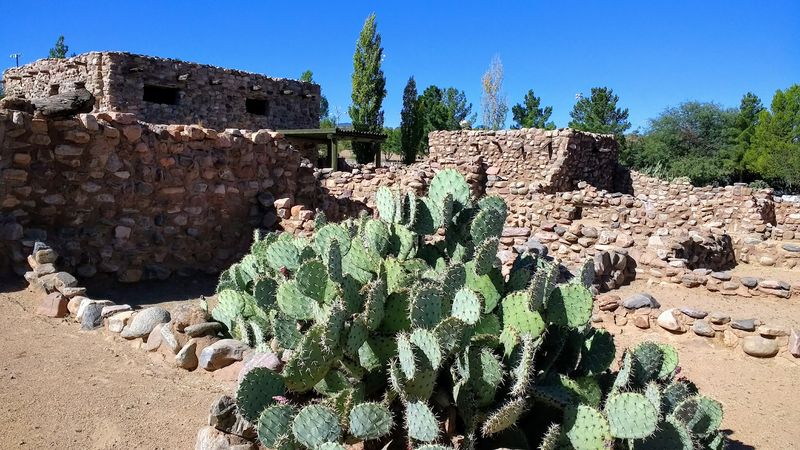
Globe, Arizona is not the first town most people think of when planning a cliff dwelling adventure, but Besh-Ba-Gowah makes a compelling case for adding it to the itinerary.
The name is Apache for “metal camp” or “place of metal,” and the site preserves a substantial Salado culture pueblo occupied between 1225 and 1400 AD.
The ruins here are partially stabilized and partially reconstructed, giving visitors a clearer sense of what the original pueblo layout looked like.
A small but well-curated museum on site holds pottery, shell jewelry, and stone tools recovered during excavations, providing useful context before you walk the grounds.
The self-guided trail through the site is short and relatively flat, making it a comfortable stop even on a warm June morning. Globe sits at around 3,500 feet elevation, which keeps temperatures more forgiving than the low desert.
For travelers heading between Phoenix and the White Mountains, Besh-Ba-Gowah is a rewarding detour that most road-trippers drive right past without realizing what they are missing.
10. Homolovi State Park, Winslow
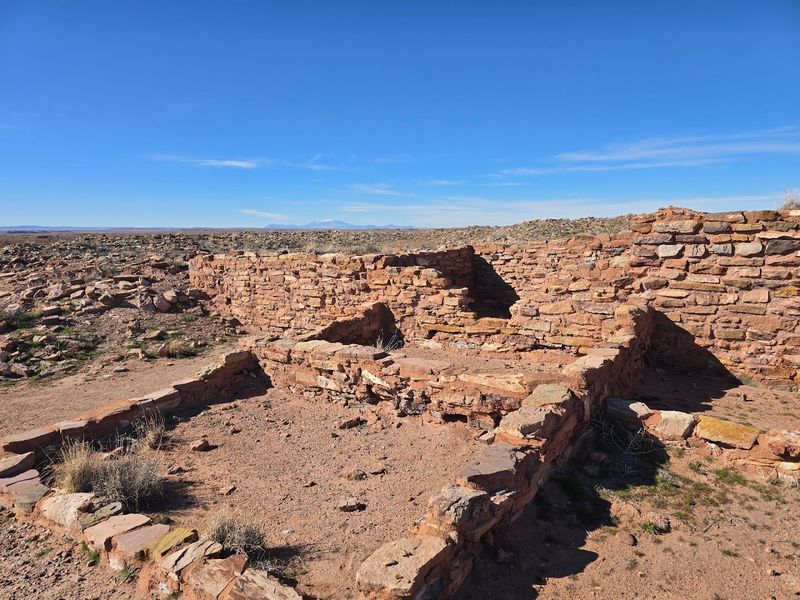
Sitting just north of Winslow along the Little Colorado River, Homolovi State Park protects a cluster of ancestral Hopi villages that were occupied between 1200 and 1400 AD.
The Hopi people consider Homolovi a sacred ancestral home, and that living cultural connection gives the site a weight and significance that sets it apart from purely archaeological experiences.
Four major pueblo sites are accessible within the park, with Homolovi II being the largest, containing over 1,200 rooms. Trails connecting the sites range from short walks to longer loops, and interpretive signs throughout the grounds explain both the archaeology and the ongoing Hopi relationship with the land.
June visits benefit from the park’s high desert elevation, which sits around 4,900 feet and keeps mornings genuinely pleasant.
Sunrises here paint the landscape in copper and gold, and the wide-open plateau setting feels entirely different from the canyon-based ruins found elsewhere in Arizona. Stargazing after sunset is an unexpected bonus that rewards visitors who choose to camp on site.