
Walk Among 4,000 Historic Retired Planes In Arizona’s Desert
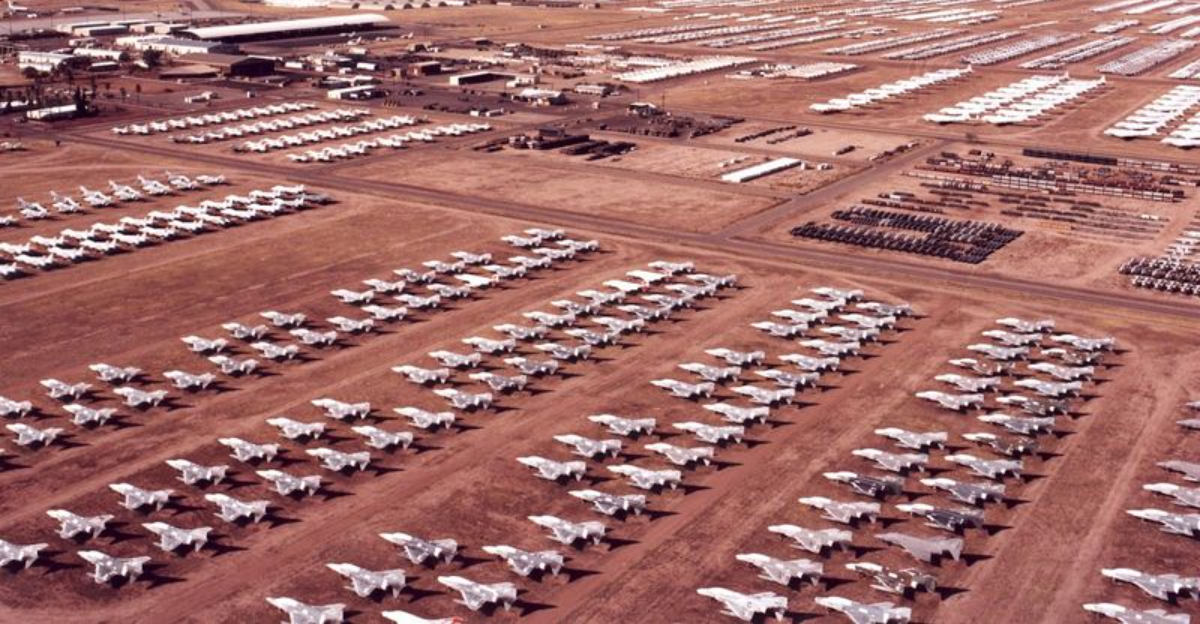
Had you told me a few years ago that I’d spend my afternoon voluntarily trudging through the Arizona desert surrounded by thousands of retired warplanes, I probably would’ve suggested you needed fresh batteries in that imagination device of yours.
Yet here I am, wandering past fuselage after fuselage of aircraft that once ruled the heavens, now parked in perfect military rows under an impossibly blue sky. The sheer scale of this place boggles the mind-over 4,000 aircraft spread across the desert landscape, their presence both eerie and magnificent.
Some look ready to fire up their engines and take off at a moment’s notice, while others have clearly surrendered to the slow, patient work of sun and sand.
This Arizona complex operates as both a graveyard and a hospital, where aircraft receive either a peaceful retirement or a chance at resurrection.
Row after row of legendary jets, bombers, and transport planes bake quietly under the Sonoran Desert sky, waiting for a second life, spare parts, or a permanent place in history.
The Origins Of Arizona’s Incredible Aircraft Boneyard
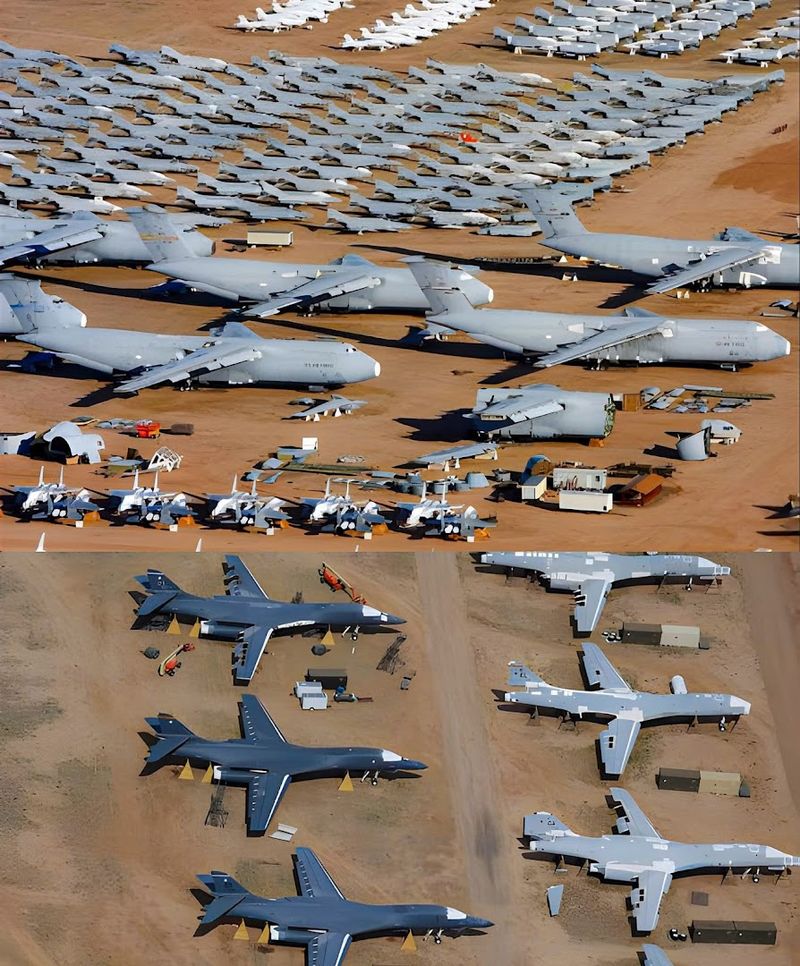
Back in 1946, with World War II freshly over, the U.S. military found itself sitting on an enormous surplus of aircraft and nowhere logical to put them. Officials chose Tucson, Arizona, and the decision made perfect sense.
The dry Sonoran Desert air is remarkably low in humidity, which slows rust and corrosion to a crawl on metal airframes. The hard caliche soil beneath the surface acts like natural concrete, strong enough to support even the heaviest aircraft without needing expensive paving.
Those two natural advantages turned a patch of desert into the most practical long-term parking lot for military planes on the planet.
What started as a storage yard for surplus B-29 bombers and C-47 transports has grown into a 2,600-acre facility housing aircraft from the Air Force, Army, Navy, Marine Corps, Coast Guard, and NASA.
The facility officially became the Aerospace Maintenance and Regeneration Group in 1991, giving a formal name to an operation that had quietly become one of aviation history’s most remarkable institutions.
What Actually Happens To Planes At AMARG
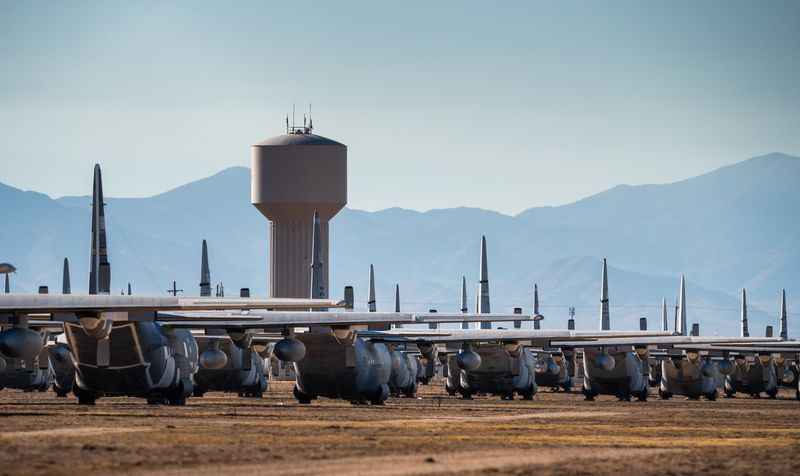
Arriving at The Boneyard is not exactly a relaxing retirement for a military aircraft. Every plane goes through a detailed preservation process the moment it rolls in from its final flight.
Crews drain all fluids, seal every opening against dust and desert insects, and spray a thick white coating called Spraylat over the cockpit windows and other sensitive surfaces to reflect sunlight and protect the interior.
Some aircraft are stored in a ready state, meaning they could theoretically be pulled back into active service with the right maintenance work. Others are picked apart systematically, donating engines, avionics, landing gear, and structural components to keep active fleets flying around the world.
A smaller number go through full regeneration, essentially being brought back to flying condition for U.S. military units, allied nations through foreign military sales, or other government agencies.
Aircraft that have nothing left to give are eventually broken down, smelted into ingots, and recycled. Every plane here has a purpose, even at the very end of its service life.
The Incredible Aircraft You Can Spot From The Tour
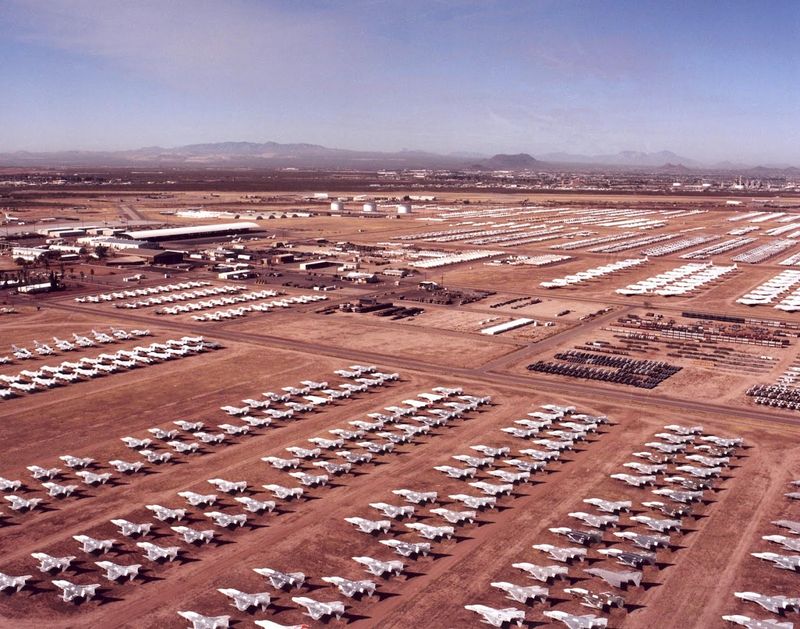
Walking or riding through The Boneyard tour feels like flipping through a living encyclopedia of American military aviation. You will spot Cold War icons like the B-52 Stratofortress, a bomber so durable that versions of it are still flying today after more than six decades of service.
Rows of F-14 Tomcats, famous from their pop culture moment in the 1980s, sit quietly in the sun, their swing-wing design instantly recognizable even in retirement.
Cargo giants like the C-5 Galaxy and C-141 Starlifter share space with nimble fighters, reconnaissance aircraft, and helicopters. NASA contributed some of its own fleet here too, making the inventory genuinely cross-agency in scope.
The sheer variety across 4,200-plus aircraft means that no two visits feel exactly the same.
Spotters and photographers find the facility endlessly rewarding because rare variants and one-of-a-kind experimental airframes occasionally appear among the rows.
Bringing a good pair of binoculars lets you read tail numbers and markings from the tour vehicle, turning the experience into a satisfying scavenger hunt through decades of aviation progress.
How To Visit And Make The Most Of Your Trip
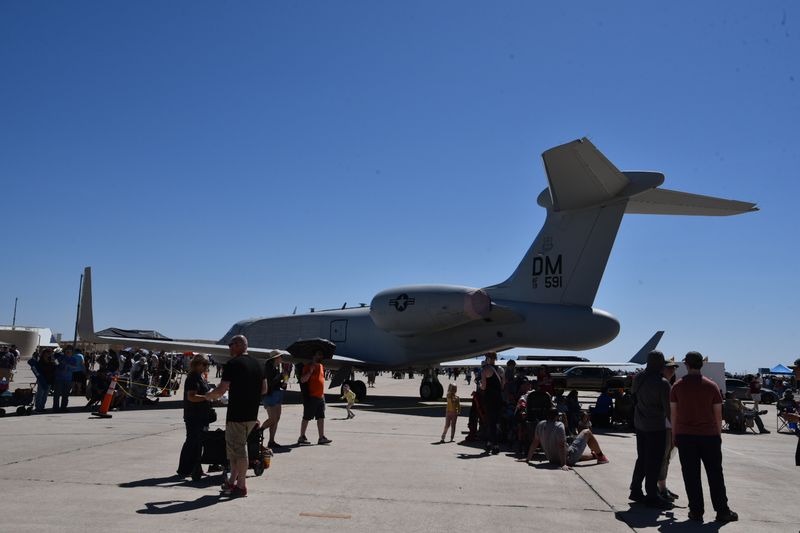
The public cannot simply walk onto Davis-Monthan Air Force Base and wander through the rows of aircraft independently, but getting a proper look is surprisingly straightforward. Pima Air and Space Museum, located at 6000 E.
Valencia Road in Tucson, Arizona, operates guided bus tours directly into the AMARG facility on select weekdays. Booking in advance is strongly recommended because spots fill up quickly, especially during cooler months between October and April.
The tour lasts roughly 90 minutes and covers several miles of the facility, with a knowledgeable guide pointing out notable aircraft and explaining the preservation and regeneration mission in detail.
Visitors must be U.S. citizens or present valid documentation, and the base requires identification checks before entry, so bring your ID without fail.
Comfortable shoes and sunscreen are non-negotiable in the Sonoran Desert heat, and a hat goes a long way toward making the experience enjoyable rather than exhausting.
The museum itself is worth a full separate visit, with over 300 aircraft on outdoor display, making the entire complex one of the finest aviation destinations in the United States.
Why The Desert Air Is The Secret To AMARG’s Success
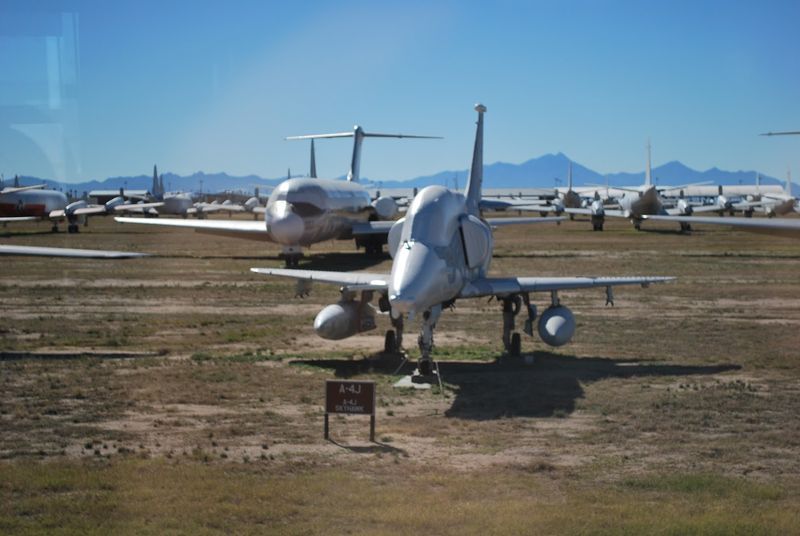
Humidity is the enemy of aircraft preservation, and Tucson has almost none of it. The Sonoran Desert averages less than 12 inches of rain per year, and that dry, alkaline air keeps metal from corroding at anything close to normal rates.
Engineers discovered early on that planes stored here retained workable wiring, intact airframes, and functioning seals far longer than aircraft stored in coastal or humid climates.
The hard caliche soil also provides a naturally firm surface, so aircraft do not sink into the ground over time. That rare combination of low humidity, relentless sunshine, and solid terrain makes Davis-Monthan’s location practically irreplaceable for long-term storage.
The same desert conditions that feel harsh to visitors are exactly what help these aircraft survive for decades. Even beneath the blazing Arizona sun, the rows of planes are sitting on ground unusually well suited to keeping them stable and preserved.
It is fascinating to realize that the landscape is not just a dramatic backdrop, but one of the main reasons this massive operation works at all. Without Tucson’s dry climate and firm desert floor, maintaining such an enormous aircraft collection would be far more difficult and far more expensive.
The Surprising Ways AMARG Saves Taxpayers Billions
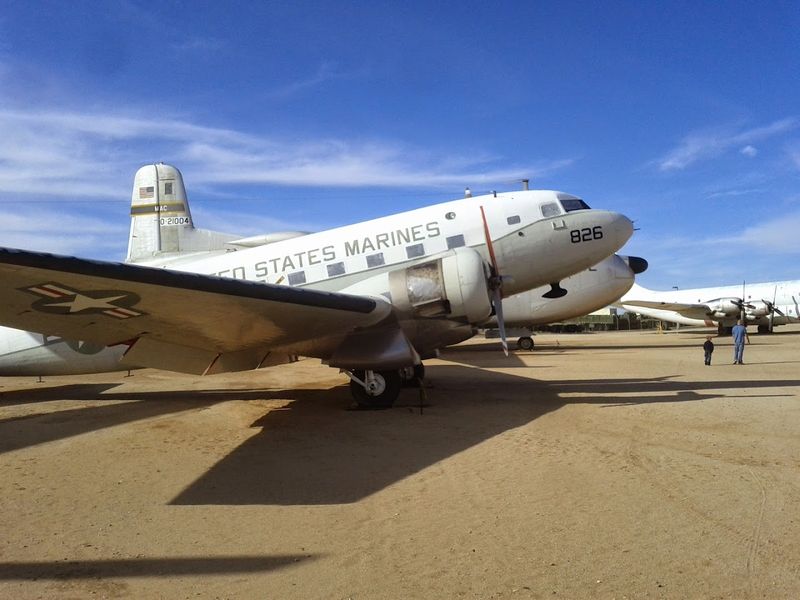
Most people write off AMARG as a graveyard for old jets, but the facility actually functions more like the world’s most valuable spare parts warehouse. Every year, mechanics pull thousands of reusable components from stored aircraft and ship them to active-duty squadrons around the globe.
A single avionics unit or hydraulic assembly can cost tens of thousands of dollars when ordered brand new from a manufacturer. Getting that same part from AMARG’s inventory costs a fraction of that price.
Over decades, those savings have quietly added up to billions of dollars kept out of the defense procurement budget.
Each aircraft becomes valuable in a different way, even if it never returns to the sky itself. Walking past those long rows feels completely different once you realize that many of the planes are still helping missions happen far beyond Tucson.
A weathered jet parked in the desert may be holding the exact component needed to keep another aircraft flying safely somewhere else. That practical purpose gives AMARG an unexpectedly impressive role, turning quiet storage into one of the military’s most useful resources.
AMARG’s Long-Term Storage Aircraft
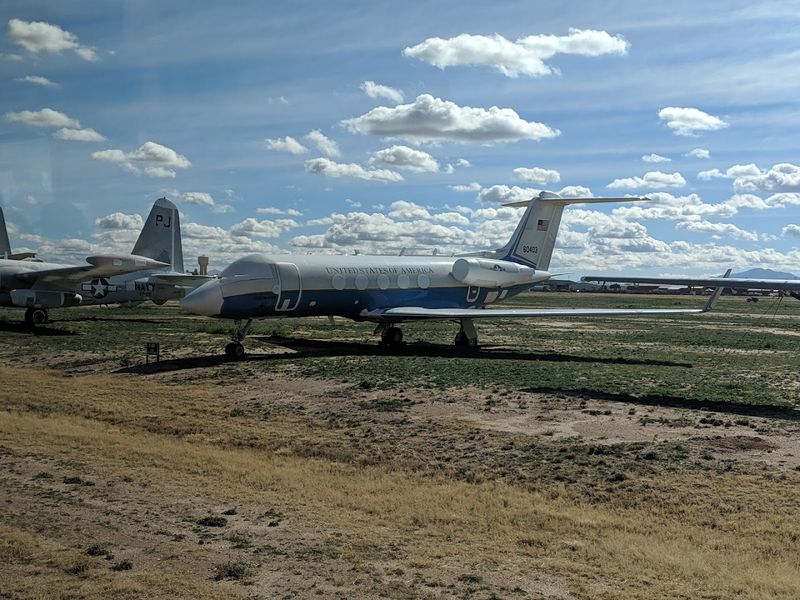
Here’s something that genuinely surprises most visitors: hundreds of aircraft at AMARG are not actually retired at all.
They sit in deep storage, carefully preserved and technically ready to fly again on short notice. Technicians coat canopies and vulnerable surfaces with a thick white polymer called Spraylat, which shields against Tucson’s brutal UV rays and extreme heat.
Engines get rotated periodically, and fluid systems stay tested and maintained on a regular schedule. When an allied nation or U.S. branch urgently needs additional aircraft, AMARG can resurrect a stored plane and return it to flight-ready condition in just weeks.
That quiet readiness makes this desert lot a critical piece of national defense strategy. That makes the rows of silent aircraft feel far less like a graveyard and far more like a carefully managed reserve waiting for the right call.
Seeing planes wrapped against the desert sun adds a fascinating layer to the visit, because every protective covering hints at work happening behind the scenes. What appears still and quiet from the outside is actually a highly organized operation built around preparation, preservation, and possibility.
One Of The Most Photographed Military Sites
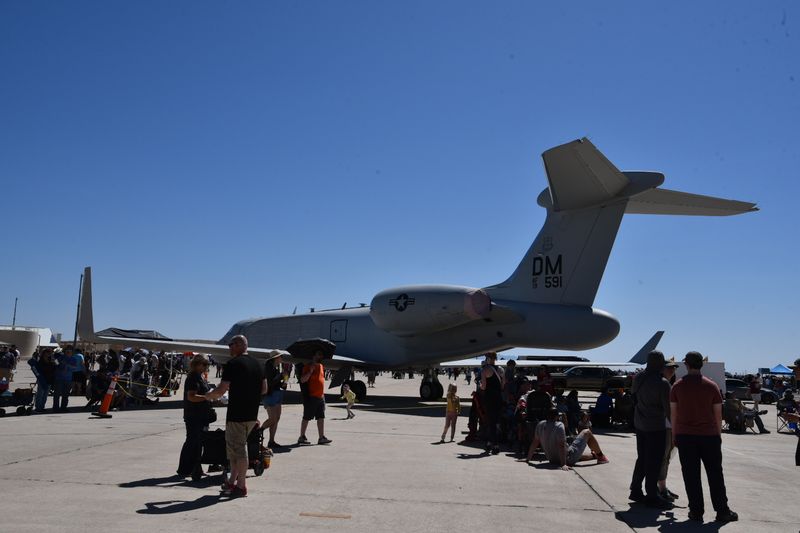
Row after row of silver fuselages stretching to the horizon under a blazing Arizona sky – few military installations anywhere produce imagery quite as visually striking as this one.
Aviation photographers and documentary filmmakers have been drawn to Davis-Monthan for decades, producing images that end up in books, magazines, and museum exhibitions worldwide.
The Pima Air and Space Museum’s bus tour gives camera-toting visitors legal and reasonably close access to the storage rows. Late afternoon lighting transforms the metallic surfaces into something almost otherworldly.
Even passengers on commercial flights over Tucson often get a fleeting but unforgettable aerial glimpse of just how immense this collection truly is. Even from a distance, the orderly lines of retired aircraft create a scene that feels both enormous and strangely beautiful.
It is the kind of view that stays with you long after the tour ends, especially when the desert light catches thousands of wings at once.