
This Remote Michigan Escape Is So Far Out, Most Locals Never Make The Trip
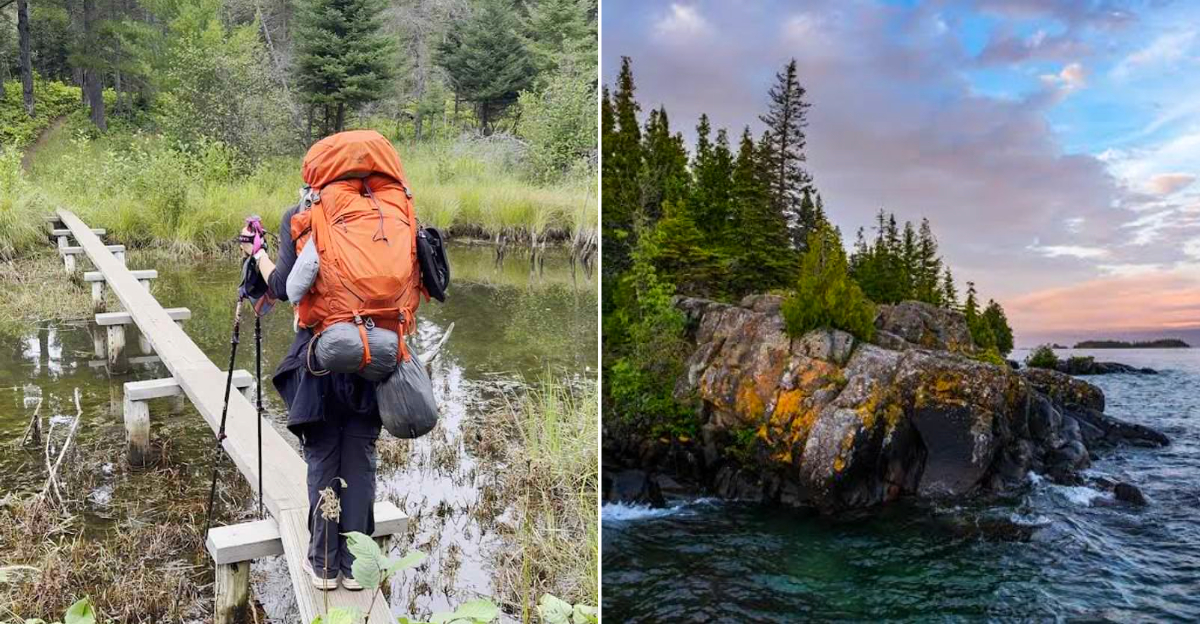
Reaching this Lake Superior island is not a casual little detour. It feels like signing a quiet contract with weather, water, patience, and the possibility that your plans may need to behave themselves for once.
Before you even arrive, the journey starts doing part of the work.
That inconvenience is exactly the hook. No cars, no easy cell service, no quick escape hatch, and more than 400 islands scattered into one of Michigan’s wildest national park experiences.
I like places that make you earn the silence a little, and this one seems built for travelers who secretly want the modern world to stop tugging their sleeve.
Michigan adventure travelers will find remote hiking, Lake Superior views, ferry access, quiet campsites, and rare national park solitude in this unforgettable island escape.
Plan carefully, pack honestly, and respect the season. The magic begins before the dock, somewhere between the mainland and the moment you realize convenience was never the point.
The Trip Starts Long Before The Trail
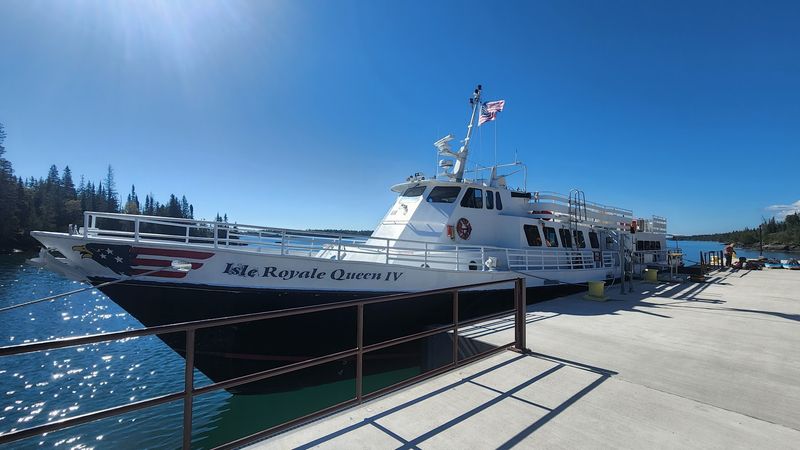
Isle Royale asks for commitment before it offers beauty. You reach it only by ferry, private boat, or seaplane, and that simple fact filters out casual spontaneity.
Reservations for transportation and lodging often need to happen months ahead, especially if you want Rock Harbor Lodge or a camper cabin at Windigo.
That planning burden is part of the park’s personality, not an inconvenience tacked onto it. The island sits about fourteen miles from the nearest mainland, yet it feels psychologically farther.
If you go, treat the calendar like gear: essential, worth checking twice, and best handled earlier than seems reasonable.
Trade The Car Keys For Lake Superior
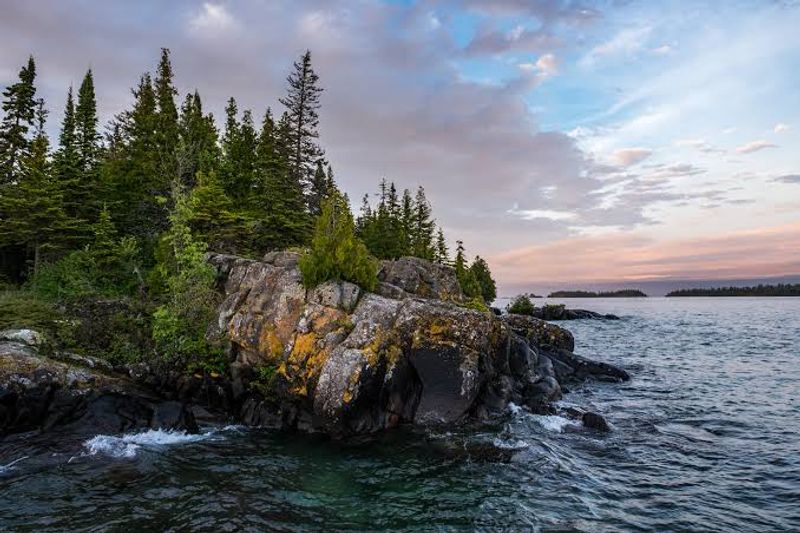
Isle Royale National Park, Isle Royale, Michigan 49931, is not a place you simply drive into. First, you get yourself to a mainland departure point, then Lake Superior gets the final vote.
Most visitors reach the island by ferry or seaplane, so plan this stop more like a crossing than a quick pull-off. The park is also seasonal, with public transportation usually running from mid-May into September.
Once you arrive, the reward is immediate: no traffic, no casual drive-through, no shortcut. Just water behind you, trails ahead, and the rare feeling that getting there actually meant something.
No Cars, No Pets, No Casual Autopilot
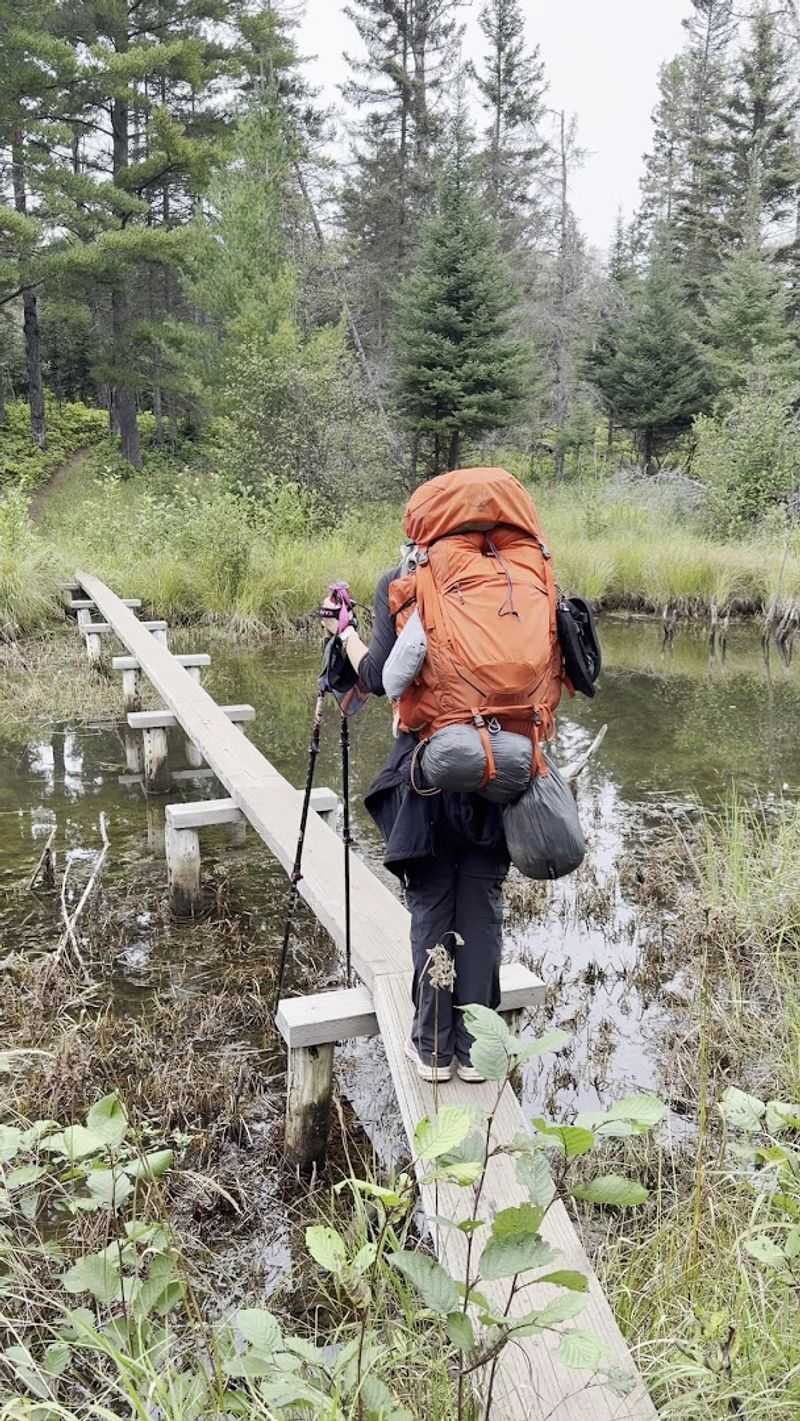
One of the oddest pleasures of Isle Royale is how quickly ordinary habits stop working. There are no vehicles on the island and pets are not allowed, so movement happens by foot, kayak, or boat, and every mile feels physically real.
The effect is immediate: your attention sharpens because there is nothing buffering you from weather, terrain, or distance.
That is also why a conservative itinerary is smart. With 165 miles of trails, many of them rocky, rooted, and sometimes muddy, the island can punish optimistic math.
Build shorter days than your ego suggests, and let the park feel spacious instead of like a race against your own poor planning.
Stay Longer Than A Day If You Want The Island To Make Sense
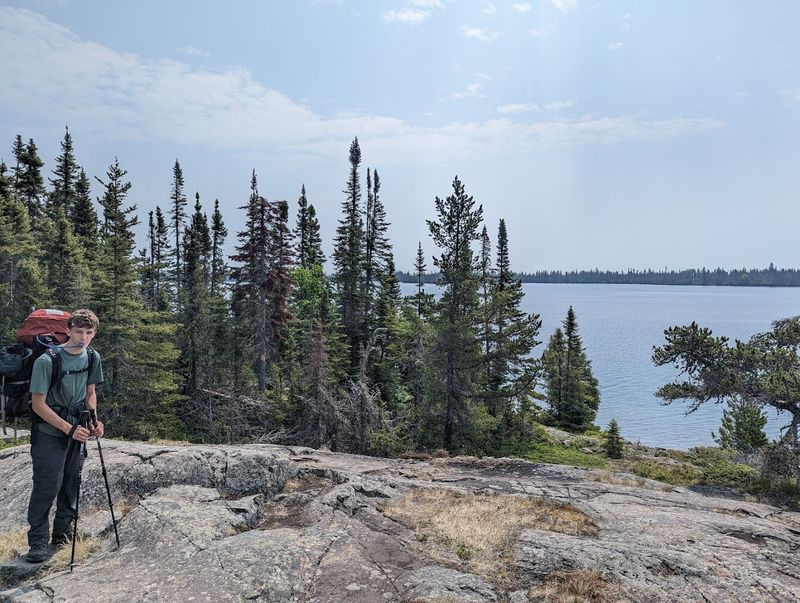
Day trips exist, especially to Windigo, but Isle Royale reveals itself slowly. Once orientation, docking time, and return boarding are factored in, a short visit can feel more like a glimpse than an encounter.
Most people need at least two or three nights to understand the park’s pace, and three to five days makes even more sense for backpacking.
The island rewards that extra time by changing register. Harbors can feel social and practical, then a short hike suddenly brings real seclusion.
On a longer stay, the contrast becomes the story: maintained docks and visitor centers at one edge, then dark sky, quiet water, and long stretches of trail doing the rest.
Pack As If The Island Owes You Nothing
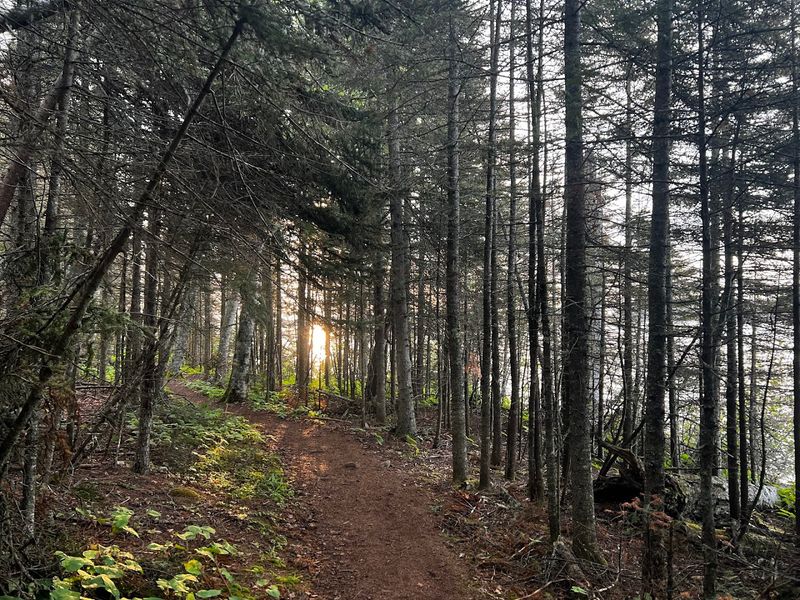
Isle Royale is not a place to test wishful packing. You need food, layers, rain gear, sturdy hiking footwear, a first-aid kit, and a reliable water filter, because there are no public trash receptacles and no casual resupply once you are out on trail.
Everything you bring in needs a purpose, and everything you create as waste goes back out with you.
Water deserves special attention. Filtering is standard practice, and the park specifically advises avoiding inland lakes with toxic algae advisories when applicable.
Break in boots before the trip, test every piece of gear at home, and remember that on an island this isolated, annoying little failures can become trip-shaping problems surprisingly fast.
The Silence Is Real Because The Signal Is Gone
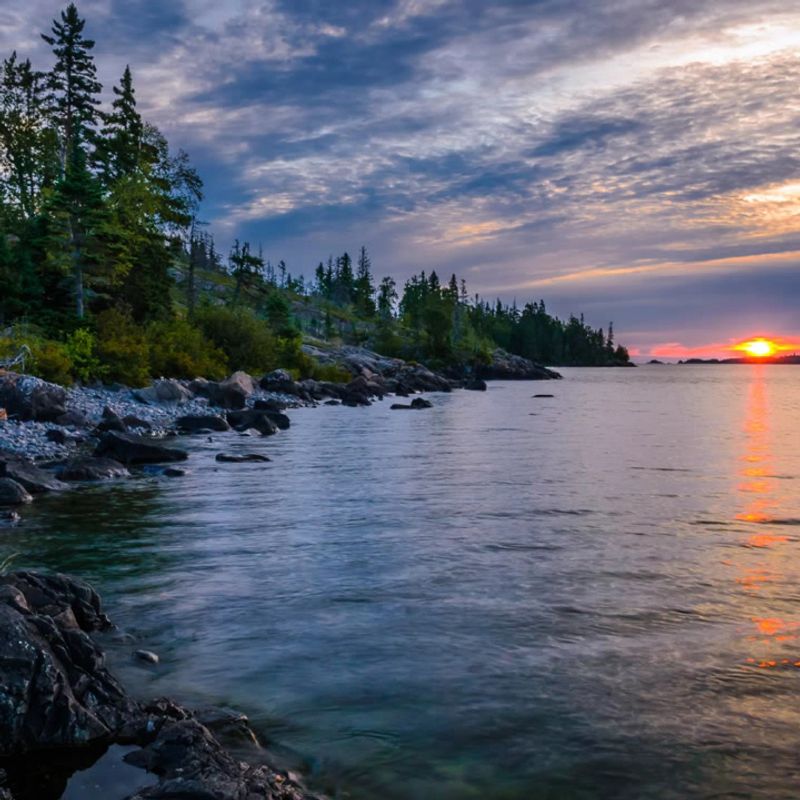
What many people notice first is not a landmark but an absence. Isle Royale has no public Wi-Fi and generally no cellular service, which sounds mildly inconvenient until the second day, when it starts to feel like a neurological reset.
Without a screen reflex tugging at every pause, even small details become strangely vivid: water against rock, loons calling, boots drying by a shelter.
I found that the island does not create silence so much as reveal how noisy everything else has become. Download the NPS app and any maps you need before departure, then let the practical preparation free you to enjoy the disconnection instead of fearing it.
Rock Harbor And Windigo Feel Like Different Front Doors
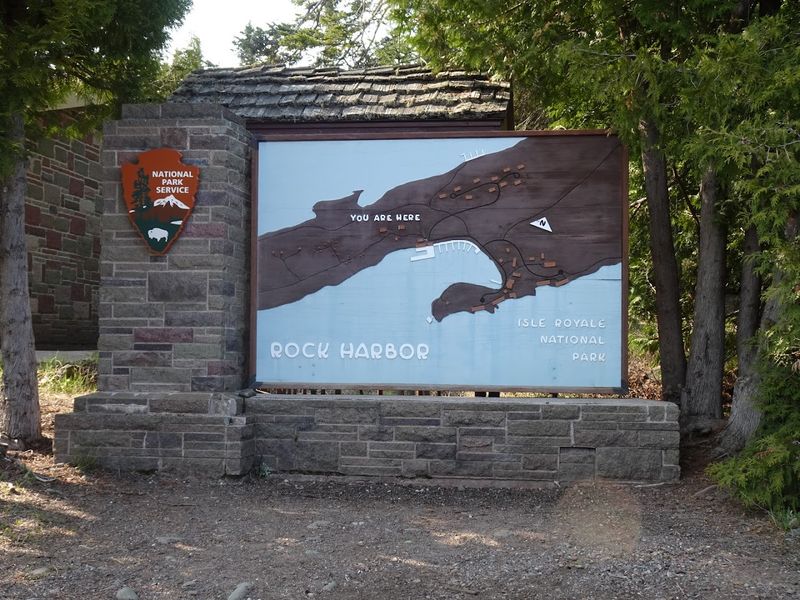
For one park, Isle Royale offers notably different first impressions depending on where you land. Rock Harbor, on the northeast end, has the lodge, dock activity, nearby trails, and a sense of purposeful bustle by island standards.
Windigo, on the southwest end, feels smaller and more immediately spare, with day-trip hikers often moving out quickly after orientation.
Those distinctions matter when planning your route. Some experienced hikers prefer crossing from Rock Harbor to Windigo rather than the reverse because the elevation gain can feel friendlier that way.
If mobility or time is limited, choosing the right entry point can shape whether the park feels welcoming or unnecessarily punishing from the very first hour.
Weather Changes The Mood Faster Than Any Guidebook Can
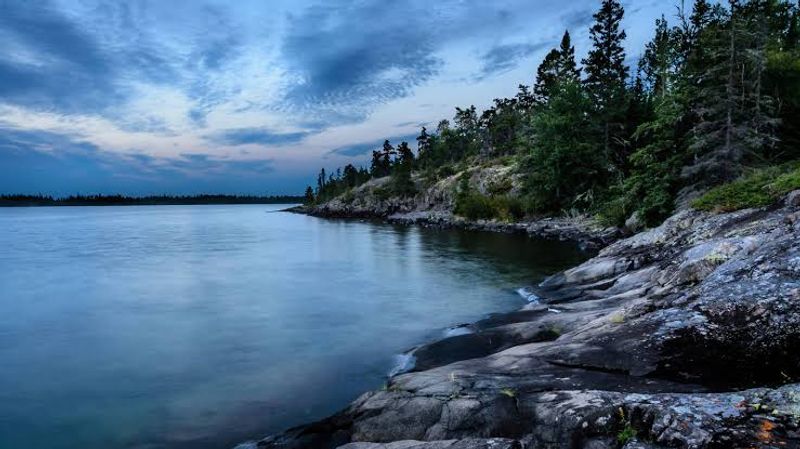
On Isle Royale, the forecast is less prediction than negotiation. Clear skies can turn to fog, rain, or wind quickly, and those shifts affect everything from ferry comfort to trail footing to whether a seaplane can operate at all.
The island can look expansive and bright one hour, then brooding and nearly mythic the next, as if Lake Superior has quietly changed the rules without warning.
That volatility is not a flaw, but it does demand respect. Waterproof layers, pack covers, and realistic timing are more useful here than optimistic clothing choices or tightly stacked plans.
Build in extra time, protect anything that should stay dry, and assume the weather may have its own itinerary. If a trail or boat outing changes because of weather, the best response is usually practical adjustment, not disappointment.
The island remains itself in every version, and sometimes the rougher moods make it feel even more unforgettable.
Wildlife Is Part Of The Atmosphere, Not A Guaranteed Performance
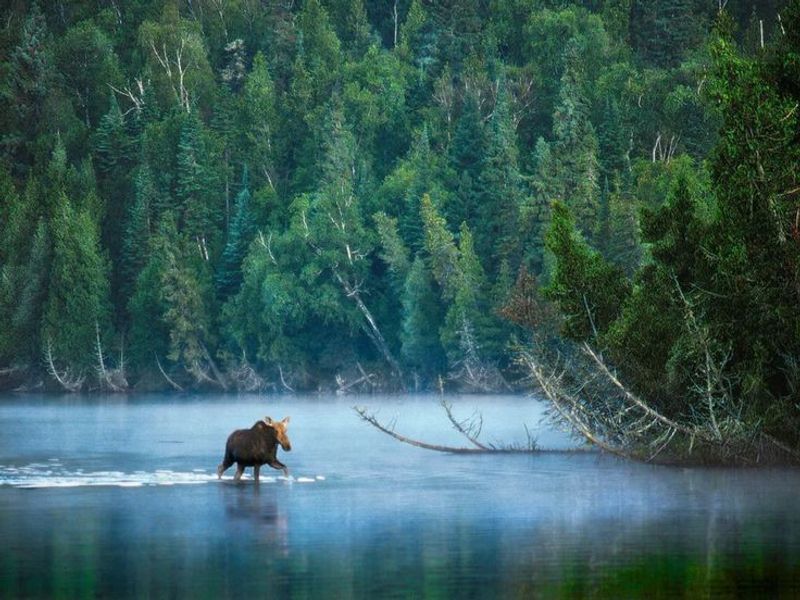
People come to Isle Royale hoping for moose, wolves, foxes, loons, otters, and the kind of wildlife moment that rearranges a day. Sometimes that happens, sometimes it absolutely does not, and that unpredictability is part of what keeps the island honest.
Even when animals stay hidden, their presence shapes the place. Tracks, warnings, and campsite habits all remind you that this is shared ground.
That is why food storage and campsite discipline matter so much. Rangers provide important guidance when you arrive, and it is worth listening carefully rather than treating orientation like background noise.
Respectful distance, tidy habits, and attention around shelters are not formalities here. They are basic wilderness etiquette with real consequences.
The Trails Are Beautiful Because They Are Not Polished
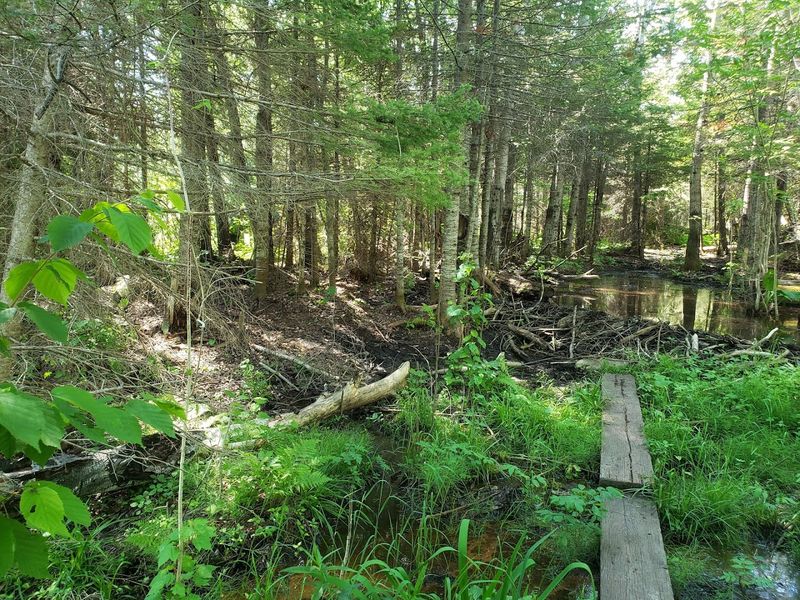
Some national park trails feel engineered to flatter the hiker. Isle Royale’s often feel older, rougher, and more interested in the land than in your comfort, which is exactly why they are memorable.
Exposed rock, roots, mud, and uneven footing show up regularly, especially after wet weather, and the effort changes how you see distance.
That ruggedness also helps explain why the island remains a repeat-visitor place rather than an easy one-and-done stop. You pay attention to each step, and the scenery arrives through movement instead of from a convenient overlook every ten minutes.
Good boots are nonnegotiable, trekking humility helps, and a realistic understanding of your pace will save you from unpleasant arithmetic later.
Its Remoteness Is The Reason To Go, Not The Obstacle To Overcome
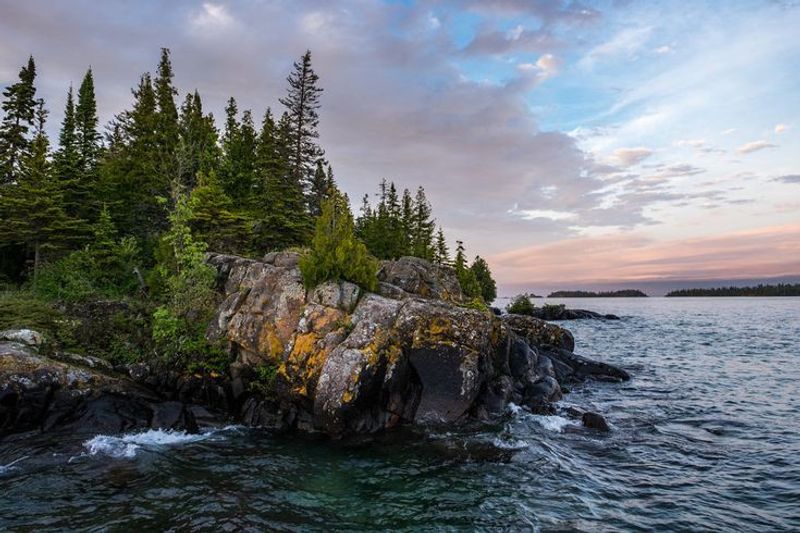
The final trick of Isle Royale is that its hardest sell becomes its deepest appeal. It is remote, expensive compared with easier parks, weather-dependent, and impossible to do casually, which is precisely why the experience feels different from almost anywhere else in the lower forty-eight.
This is not convenience travel dressed up as wilderness.
Because the park fully closes from November 1 to April 15, its open season feels even more finite and intentional.
More than four hundred islands sit out in Lake Superior, and the whole archipelago carries a clean sense of separation from mainland habits. If you make the trip, do not rush to justify it. Let the distance itself be the point.