
This Is The Forgotten Story Behind Michigan’s Lost Peninsula
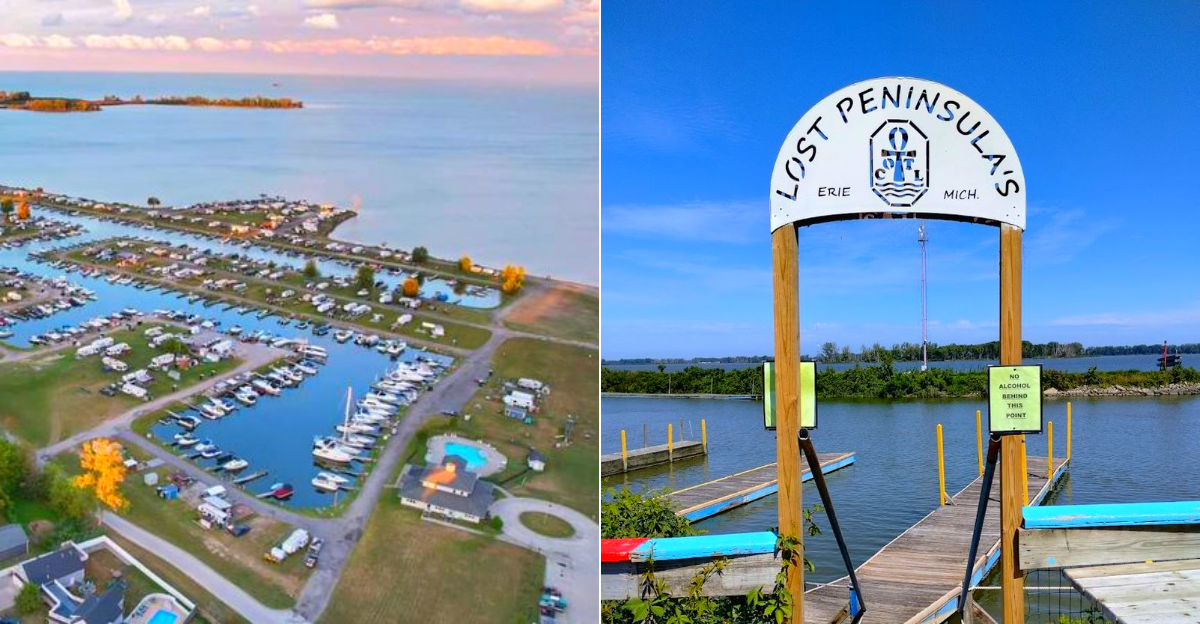
Driving here feels like your GPS has developed a taste for historical comedy. You are aiming for Michigan, yet Ohio casually enters the route like it has paperwork to show you.
That strange little detour is the whole charm, turning an otherwise quiet waterside pocket into one of those places where geography seems to have shrugged and moved on.
The setting itself is calm rather than flashy, with private homes, marina routines, river channels, and the everyday rhythm of people who can cross state lines before finishing a coffee. I like travel stops that begin as trivia and then become more interesting once you stand there.
Road trippers in Michigan will find border oddity, Toledo War history, waterfront scenery, and a quietly fascinating detour in this unusual Great Lakes corner.
Come for the map glitch, stay for the mood. It is not a loud attraction, but it gives you a story that follows you home.
Start With The Border Logic
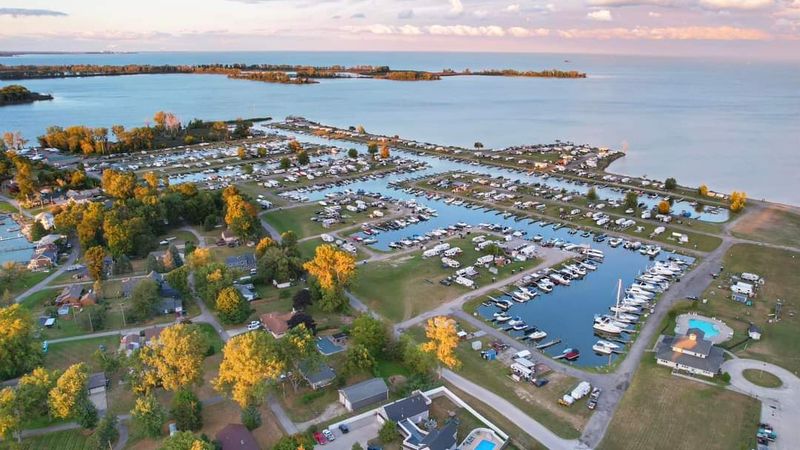
The first surprise at Lost Peninsula is logistical, not scenic. To reach this piece of Michigan, you travel through Ohio, then loop back north toward 6300 Edgewater Drive.
That detour is the whole point, because the place only makes sense once you feel the border working against instinct.
The separation dates to the Toledo War of 1835-1836, when a disputed strip of land changed how the line was drawn. The final border left a small Michigan exclave cut off from the rest of the state.
What looks like a local access road is really a lesson in national mapmaking. If you visit, keep that history in mind before judging the quietness. The strangeness here is structural, and it gives the marina its unusual gravity.
Reach Michigan By Driving Through Ohio
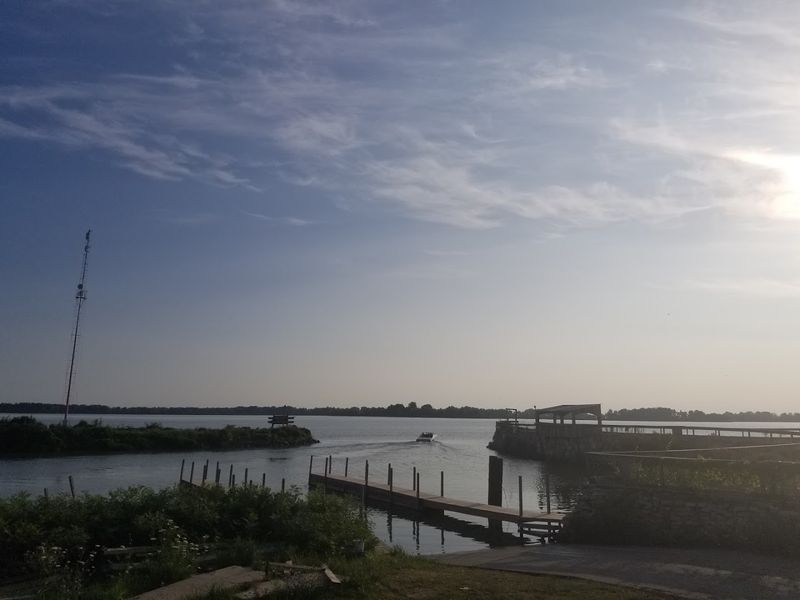
Lost Peninsula / Lost Peninsula Marina, 6300 Edgewater Drive, Erie, MI 48133, is the rare Michigan stop that makes you leave Michigan to get there.
Aim toward the Toledo-area edge of Lake Erie, then let the route slip through Ohio before bending back into this little detached corner of the state. The drive feels slightly absurd in the best way, because your map insists you are still chasing Michigan while the road briefly disagrees.
Once you arrive, the odd geography does half the work. Park near the marina, look around, and enjoy the strange pleasure of finding Michigan where it almost got left behind.
It is not a flashy stop, but that is part of the charm: water, borders, maps, and one quietly peculiar story all meeting in the same small place.
Read Edgewater Drive As A Clue
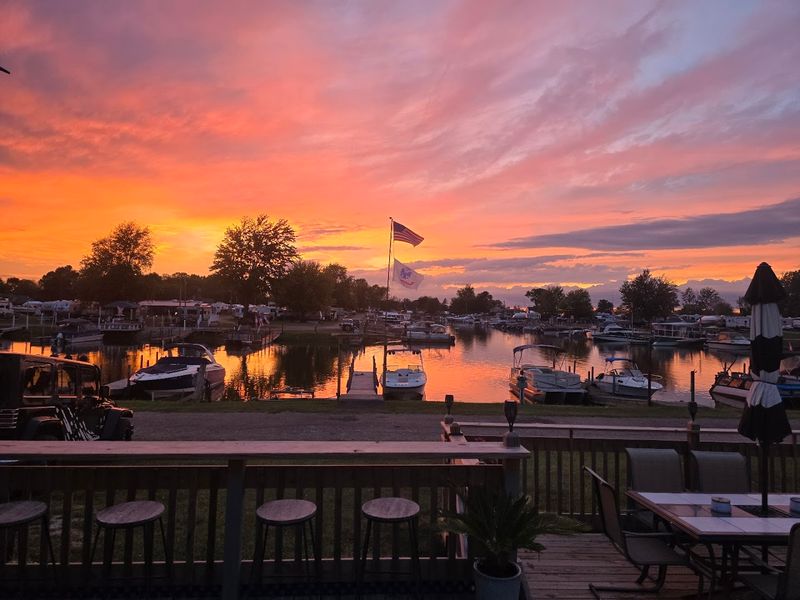
Edgewater Drive is the peninsula’s only street, and that fact explains more than it seems to at first glance. A single road serving a small exclave creates a compressed, almost handwritten sense of place.
Nothing about the approach feels sprawling or accidental. Past the marina, the road is gated for residents of the Ottawa Shores development, which reinforces the peninsula’s private, lived-in character. This is not a drive-until-something-happens destination.
It works better if you understand that homes, slips, and routines matter here as much as scenery. That balance changes how you visit. Move with a little restraint, and the area becomes more interesting, not less, because its boundaries are part of its story.
Treat The Marina As A Community, Not A Backdrop
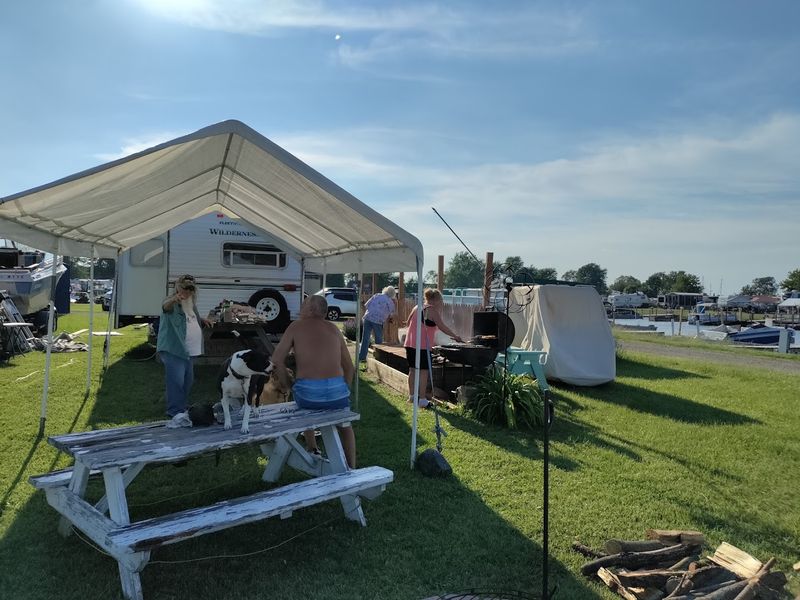
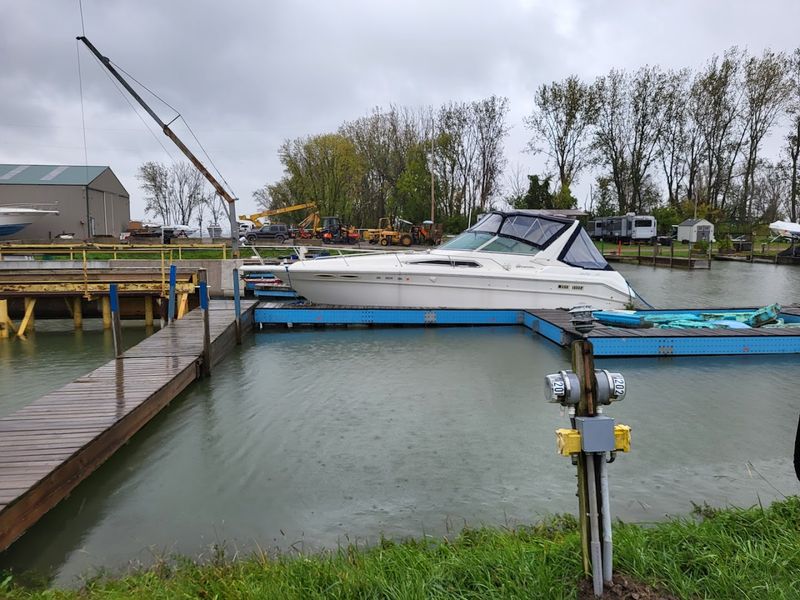
Lost Peninsula Marina is easiest to understand when you stop thinking of it as a scenic stop and start seeing it as a community hub. The property is family-oriented, with floating docks, dockside parking, and a swimming pool among its practical amenities.
That combination gives it the texture of a summer base camp rather than a polished resort. Bill and Jill are the current owners, and the marina’s identity is tied to that hands-on, local scale. Open 24 hours, it functions around real boating schedules instead of decorative hours.
The atmosphere is organized, but not overly formal. If you arrive expecting a public promenade, you may miss the point. This place makes more sense as working waterfront with strong neighborhood roots.
Remember The Land Was Never Empty
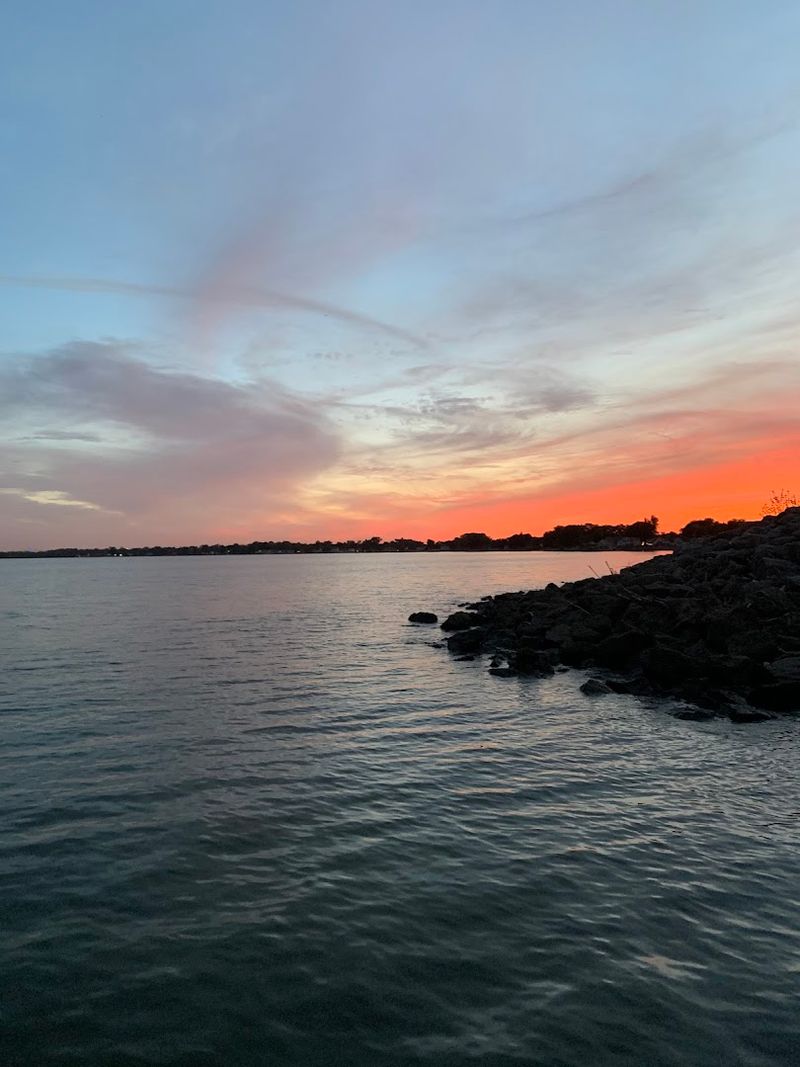
The oldest story on the Lost Peninsula is not the border dispute but the people who were here before it. This land was part of the homelands of the Wyandotte Nation, whose communities extended across what is now southeast Michigan and northeast Ohio.
That history deepens the place immediately. Later nineteenth-century lines made the peninsula seem like an odd leftover, but that is a political interpretation, not a human beginning. The Wyandotte were forced to relocate to Kansas in the 1840s, and any thoughtful visit should carry that fact forward.
It changes the moral scale of the landscape. The shoreline still looks quiet, almost deceptively so. Quiet places often hold the heaviest edits, and this one certainly does.
Let The Toledo War Explain The Mood
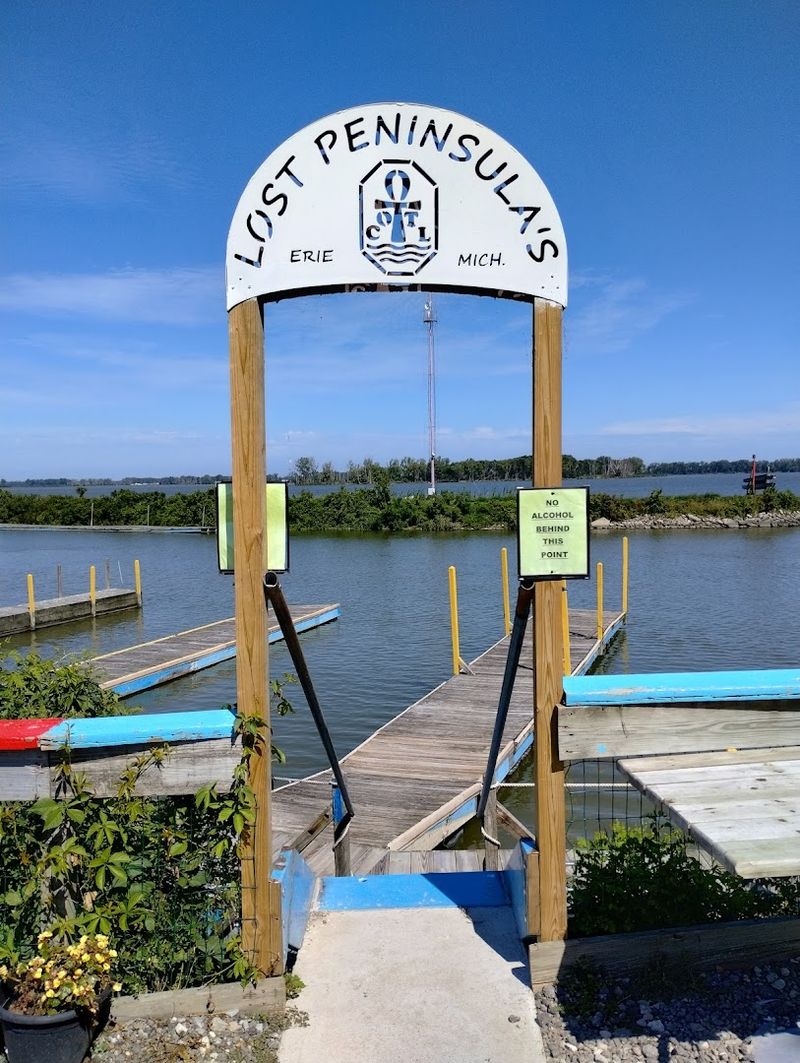
The Lost Peninsula sounds like folklore, but its shape came from a very specific political quarrel. The Toledo War, fought in 1835 and 1836 over the Toledo Strip, was largely bloodless, yet its outcome permanently rearranged everyday geography here.
Ohio kept the disputed strip, and Michigan received the western three-quarters of the Upper Peninsula. In practical terms, the border line north of the Maumee River left roughly 240 to 250 acres cut off as a Michigan exclave. That scale matters.
The place is small enough to feel personal, but consequential enough to feel emblematic. Standing near the marina, the result is oddly moving. You can sense how a technical compromise became an enduring human oddity.
Look For The Plainspoken Markers
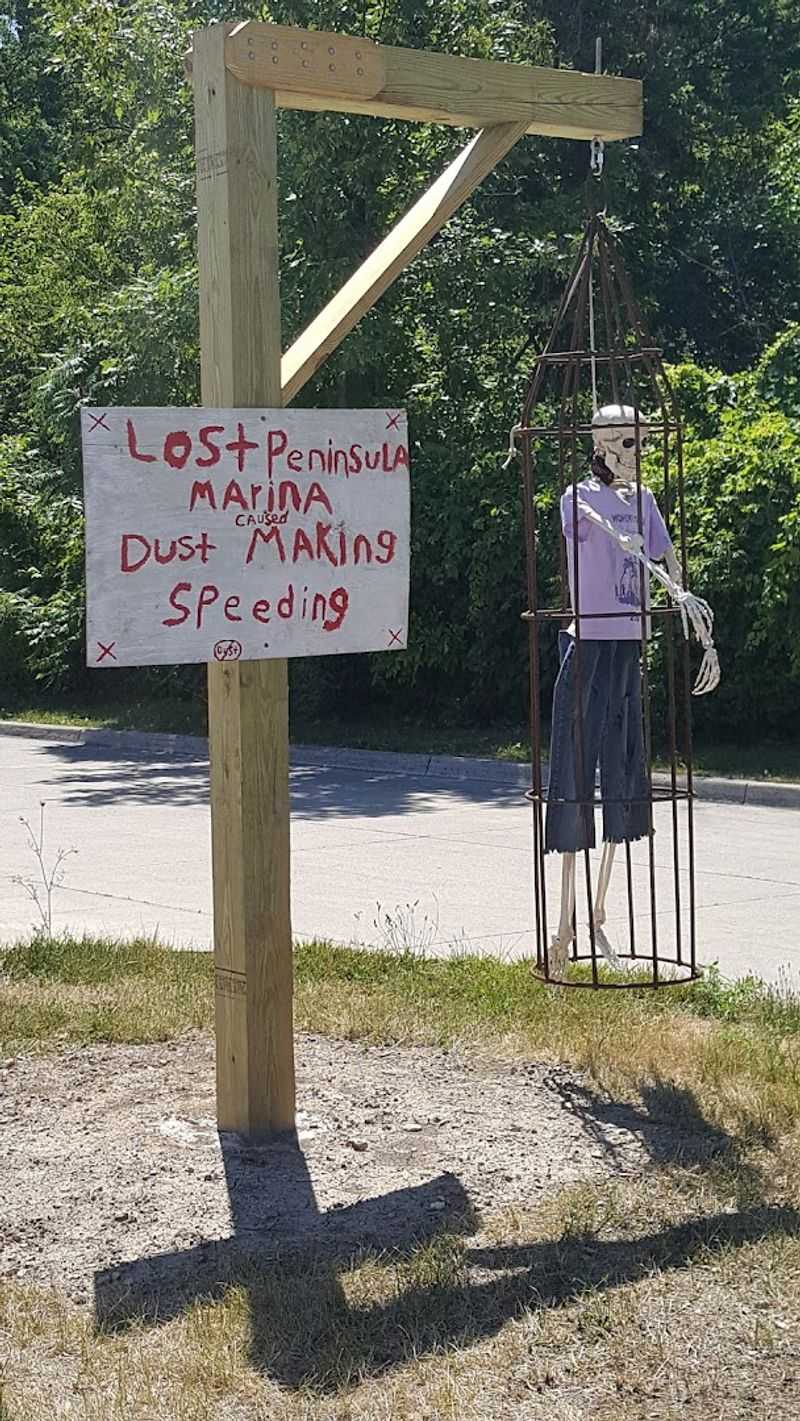
One of the most revealing details here is how unceremonious the border looks on the ground. A concrete marker identifies Michigan on one side and Ohio on the other, which feels almost funny considering how much historical drama sits behind it.
The landscape does not announce itself with grandeur.
There is also a plaque placed in 1965 at boundary marker Post 70 reading, “Good Fences Make Good Neighbors.” That line could have been smug, but on this peninsula it lands as practical poetry. The place survives on negotiated coexistence.
If you like destinations that reward close attention, this detail is worth seeking out. It turns an abstract state line into something tangible, local, and unexpectedly intimate.
Pay Attention To Everyday Two-State Life
The peninsula’s most interesting feature may be its daily paperwork. Residents have Ohio mailing addresses but pay taxes to Michigan, and services can come from both states, with Toledo often handling sewer and water.
That arrangement sounds like trivia until you picture living inside it every day. Children from the peninsula travel through Ohio to attend school in Erie, Michigan, which is exactly the kind of detail that makes the place memorable. Geography here is not scenic only.
It organizes errands, addresses, utilities, and school routes. That practical complexity gives the Lost Peninsula its emotional texture. It feels less like an isolated curiosity and more like a functioning community that learned to live inside an old compromise.
Respect The Weathered Parts Of The Story
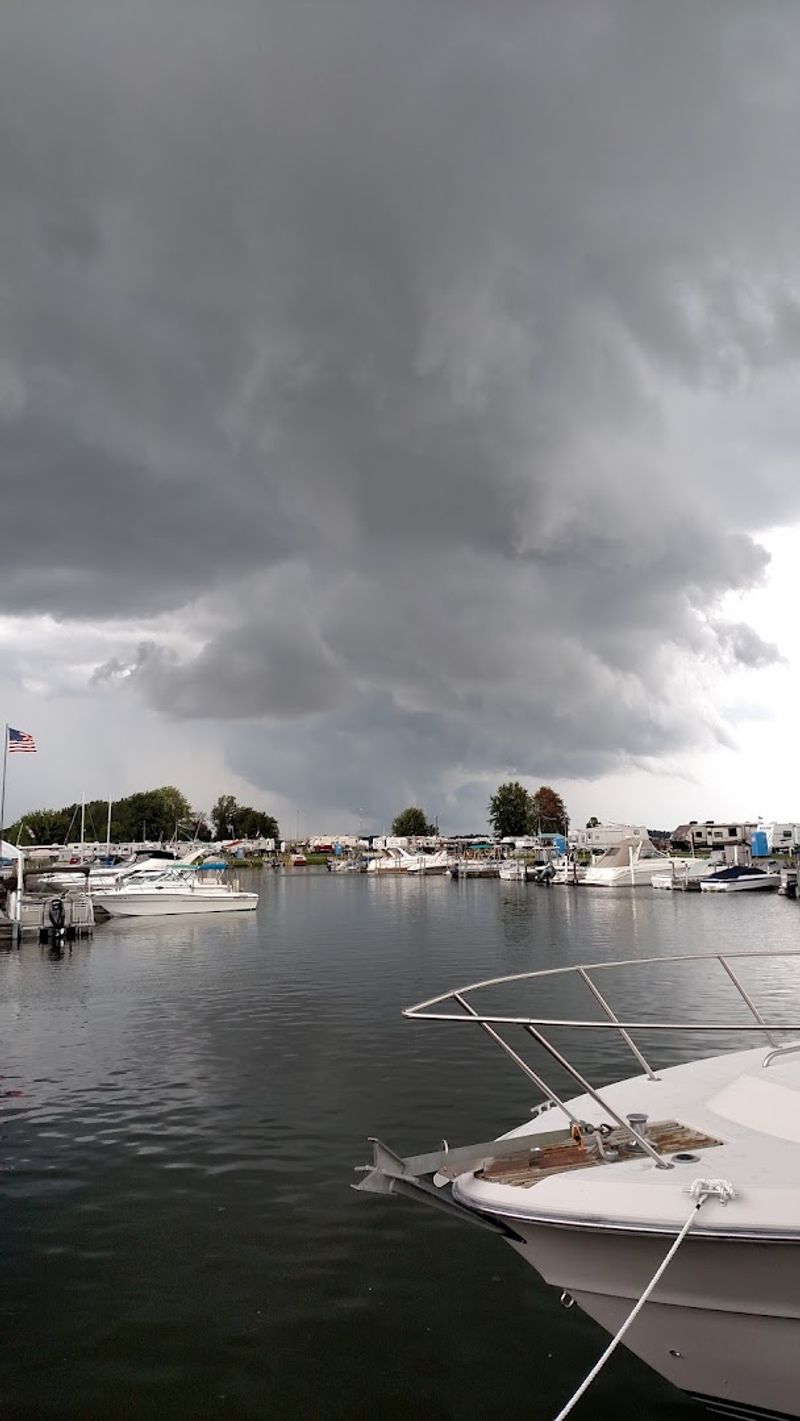
Not every important fact here is charming, and that matters. During the 1965 Palm Sunday tornado outbreak, two people were killed on the peninsula, a reminder that exposed water-edge places carry vulnerability along with beauty.
The region’s openness can feel serene until weather changes the scale of everything.
There is also a Prohibition-era chapter, when the peninsula served as a staging area for rum runners because law enforcement from either state had limited reach. The setting encouraged loopholes long before it became a local curiosity.
Margins attract improvisation. Those harder histories keep the peninsula from turning cute. They give it weather, risk, and consequence, which makes the present-day calm feel earned rather than automatic.
Appreciate How Infrastructure Arrived Late
The Lost Peninsula feels remote in an administrative way, and its utility history proves that impression is not imaginary. Electricity reached the area in the 1940s through an underwater line installed by Consumers Power, now Consumers Energy.
That fact is wonderfully specific and reveals how much effort ordinary comfort required here. Even later proposals show the limits of the site. A 2005 plan for 300 luxury condominium units was withdrawn because of water-supply issues, which says a lot about the peninsula’s carrying capacity.
Geography still gets a vote. I find these details clarifying rather than dry. They keep the place grounded in engineering, access, and scale, which is exactly why its strangeness feels durable instead of theatrical.
End With The Marina’s Quiet Confidence
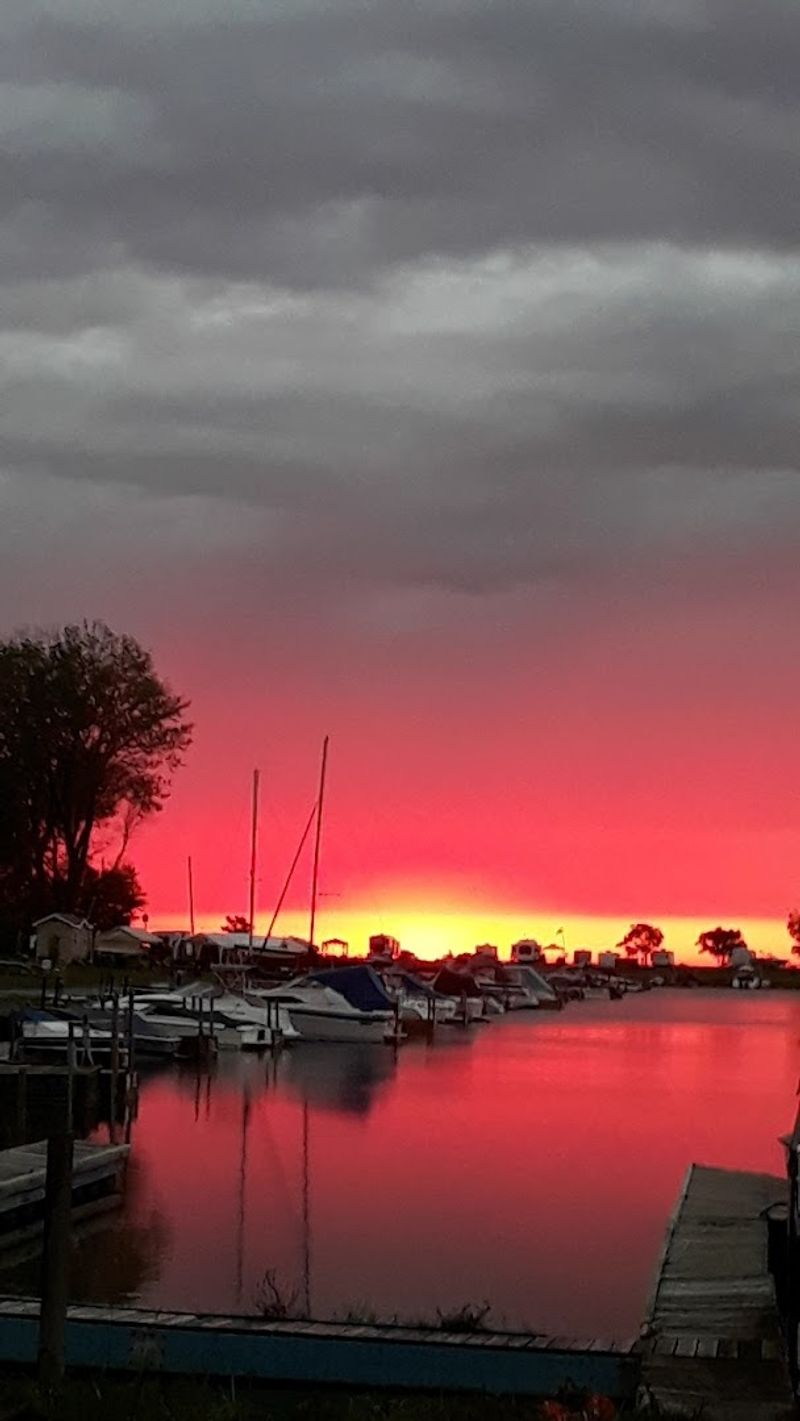
By the time you understand the map anomaly, the marina itself comes into sharper focus. Lost Peninsula Marina is not interesting only because it sits in a rare exclave.
It is interesting because it translates that odd geography into a usable, lived place with slips, amenities, and a sense of routine.
The address, 6300 Edgewater Drive, lands with more meaning after the drive through Ohio, the narrow road, and the surrounding private homes. Open around the clock, the marina feels tuned to movement and return.
That rhythm suits the peninsula perfectly. If you go looking for spectacle, you may underrate it. If you go looking for character, the place gives back steadily, intelligently, and without needing to raise its voice.