
12 Pennsylvania Museums That May Be Small, Yet Leave A Big Impression
Small museums have a funny way of sneaking up on you.
You walk in expecting a quick stop, then suddenly Pennsylvania history, art, inventions, local legends, odd collections, and personal stories start filling the room with more personality than places ten times their size.
That is the charm of a compact museum. There is no pressure to conquer endless galleries or rush through a giant building.
Instead, you can slow down, read the details, talk to someone who knows the stories, and leave feeling like you found a pocket-sized treasure with real depth.
Sometimes the most memorable exhibits are not the biggest ones. They are the ones that feel close, specific, and full of heart.
I would gladly trade a crowded museum marathon for a smaller Pennsylvania stop that surprises me, teaches me something unexpected, and stays in my mind afterward.
1. Mutter Museum, Philadelphia
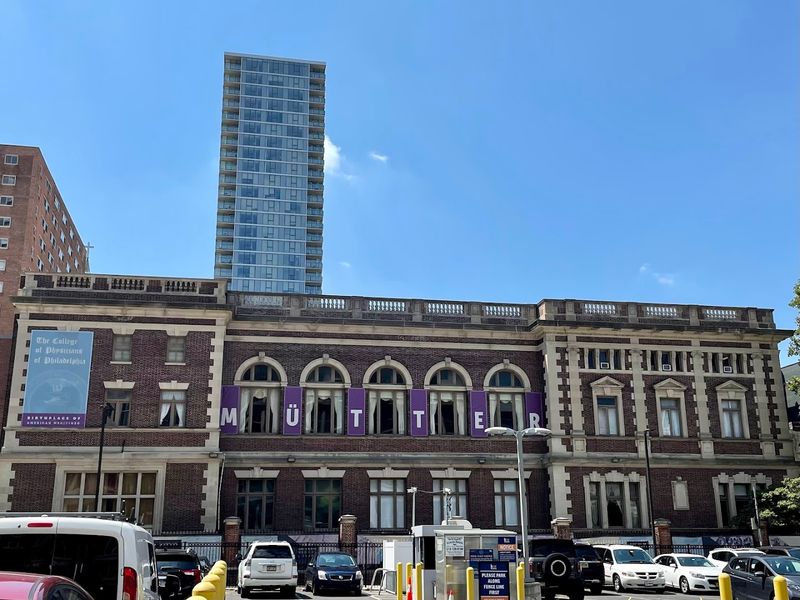
Medical history has never looked quite so strange or so captivating as it does at the Mutter Museum in Philadelphia, Pennsylvania.
Housed within the College of Physicians of Philadelphia, this one-of-a-kind spot grew from Dr. Thomas Dent Mutter’s 1858 gift and later became one of the city’s most unusual museums.
The collection features thousands of anatomical specimens, antique medical instruments, and preserved biological curiosities that tell the story of how medicine evolved over centuries.
A giant colon, a wall of skulls, and tissue connected to John Wilkes Booth are just some of the items that stop visitors in their tracks.
Despite its compact size, the Mutter Museum packs an extraordinary amount of history into every corner. The exhibits are thoughtfully presented and genuinely educational rather than simply shocking.
Kids who love science and adults with a curious streak will both find plenty to talk about long after they leave. The Mutter Museum is proof that small spaces can hold enormous stories.
2. Wagner Free Institute Of Science, Philadelphia
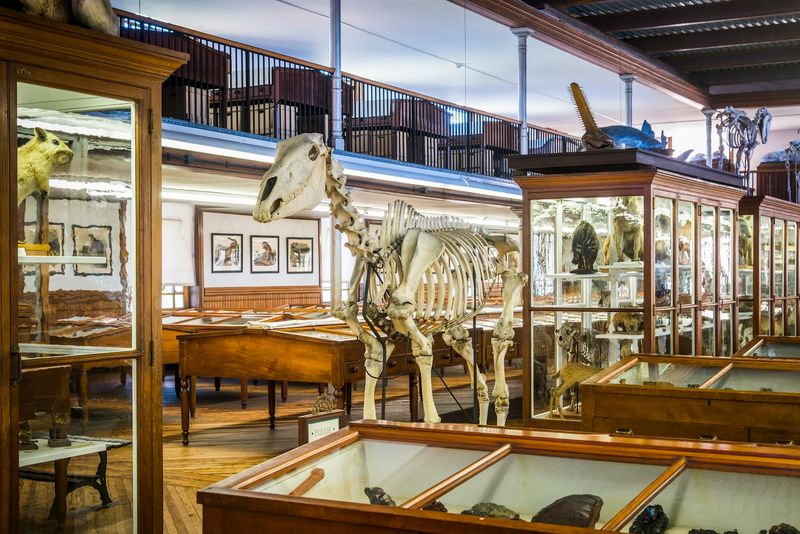
Stepping inside the Wagner Free Institute of Science in Philadelphia feels like walking into a time capsule from the 1800s.
The building itself is a National Historic Landmark, and the display cases inside have barely changed since the museum opened in 1865.
Row upon row of fossils, bones, shells, and minerals fill the original wooden cabinets in a way that modern museums rarely replicate.
The Wagner Free Institute of Science was founded on the belief that science education should be available to everyone, and that mission still drives the place today.
Free admission makes it one of the most accessible cultural experiences in the city.
The collection includes over 100,000 natural history specimens, and the old-school labeling style adds a charming authenticity you simply cannot fake.
Guided tours are available and highly recommended for anyone who wants the full story behind the artifacts. This Philadelphia institution is genuinely small in footprint but enormous in scientific spirit.
3. The Stoogeum, Ambler
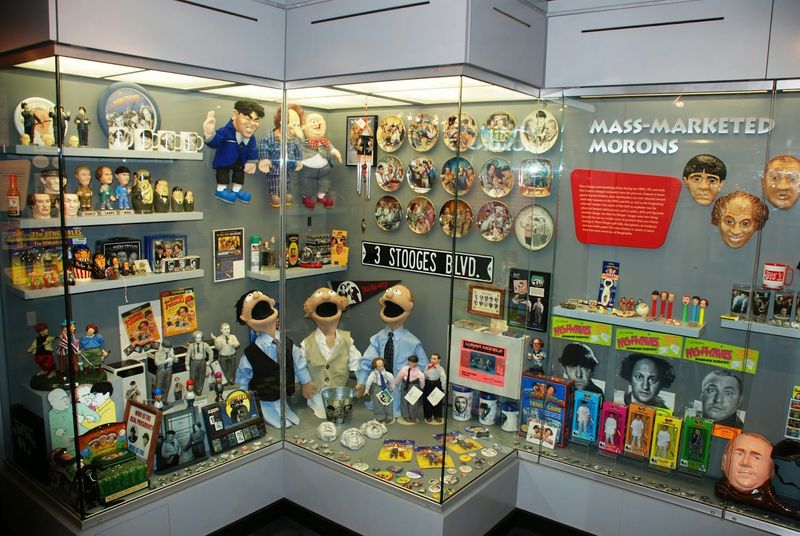
Comedy history gets a dedicated shrine in the small town of Ambler, Pennsylvania, and the result is something truly special.
The Stoogeum, believed to be the only museum in the world devoted entirely to the Three Stooges, is a labor of love that fans of classic comedy absolutely should not miss.
The collection spans three floors and includes rare film reels, original costumes, vintage posters, signed photographs, and thousands of pieces of memorabilia.
The Stoogeum was created by Gary Lassin, whose passion for Moe, Larry, and Curly is evident in every single exhibit on display.
Visits are offered on limited public hours, with appointments also available, which gives the experience an intimate, personal feel that larger museums rarely offer.
The attention to detail throughout the Stoogeum is remarkable, with each item carefully documented and placed in context.
For anyone who grew up watching shorts on Saturday morning television or simply appreciates the art of physical comedy, this Ambler gem delivers a surprisingly rich and well-organized cultural experience.
4. Houdini Museum, Scranton
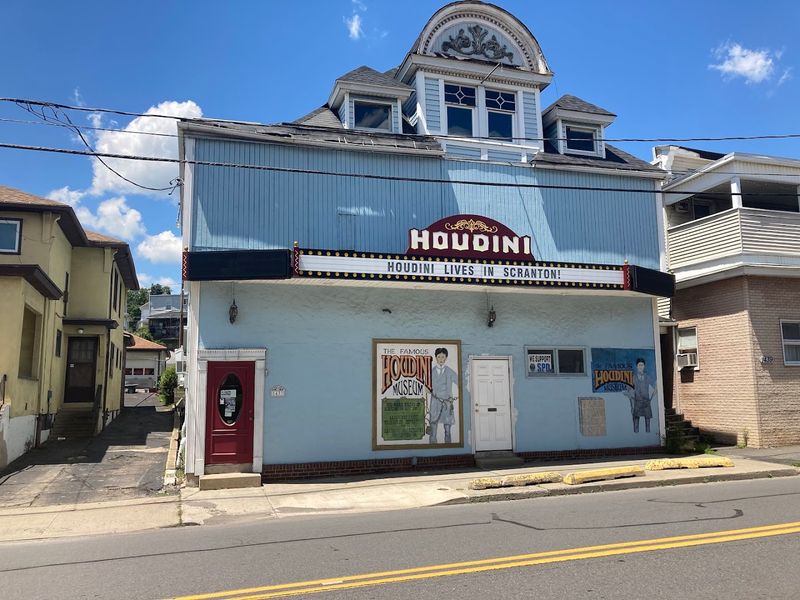
Harry Houdini never actually lived in Scranton, Pennsylvania, but that has not stopped the city from becoming home to one of the most entertaining museums dedicated to the legendary escape artist.
The Houdini Museum in Scranton is part exhibition space and part live magic show, which makes it a genuinely interactive experience.
Visitors get to see original props, rare photographs, and memorabilia connected to Houdini’s extraordinary career.
The Houdini Museum also stages performances where magicians recreate some of the most famous illusions and escapes from Houdini’s life, adding real theatrical energy to the visit.
The space is small and the schedule is specific, so checking ahead before visiting is always a smart move.
That said, the combination of historical artifacts and live performance makes the Houdini Museum unlike almost any other attraction in Pennsylvania.
Families, magic enthusiasts, and history buffs all tend to leave impressed. It is the kind of place where you walk in skeptical and walk out completely entertained.
5. Civil War Tails At The Homestead Diorama Museum, Gettysburg
Gettysburg is famous for serious Civil War history, so it takes a certain kind of creativity to stand out in that landscape.
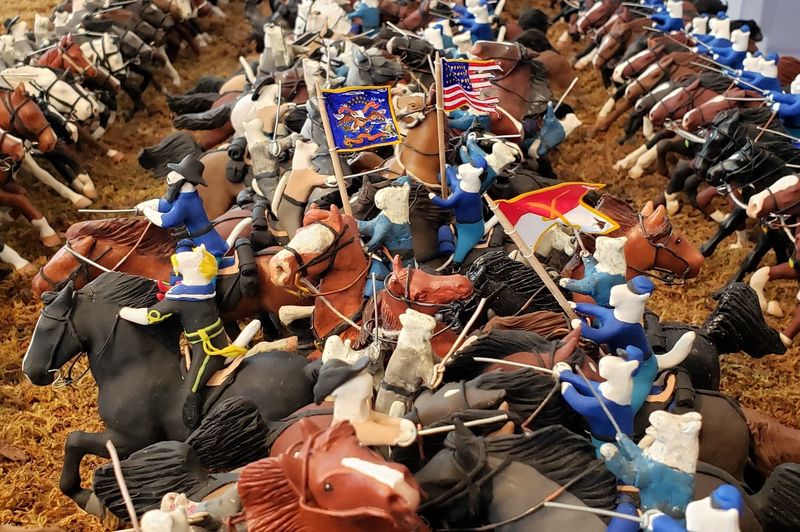
Civil War Tails at the Homestead Diorama Museum does exactly that by retelling the Battle of Gettysburg using thousands of hand-sculpted clay cats in miniature dioramas.
Created by twin sisters Rebecca and Ruth Brown over many years, the dioramas are astonishingly detailed and cover the entire three-day battle with impressive historical accuracy.
Civil War Tails at the Homestead Diorama Museum manages to be both educational and completely charming at the same time.
Children who might find traditional battlefield tours dry tend to light up when they see the tiny feline soldiers arranged across meticulously crafted scenes.
Adults appreciate the craftsmanship and the historical research behind each diorama.
The museum operates out of a modest home, which adds to its homespun personality. It is one of those places in Gettysburg that locals recommend enthusiastically and visitors remember for years.
6. The Maridon Museum, Butler
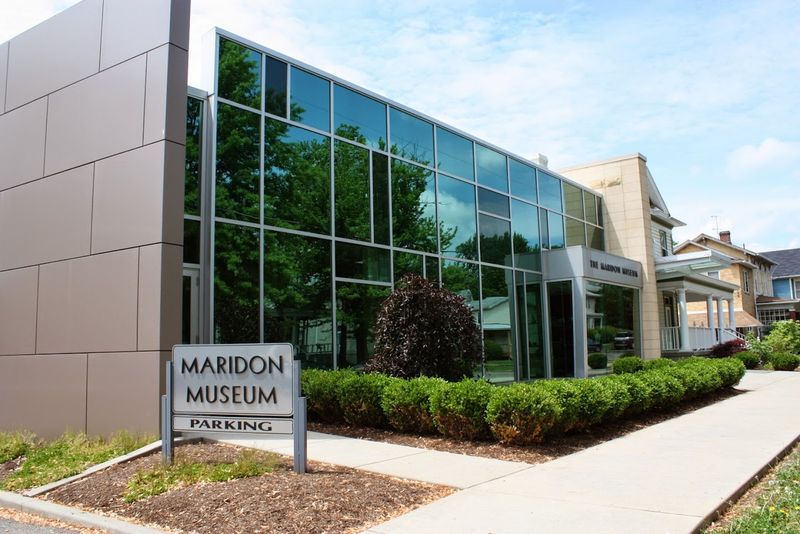
Butler, Pennsylvania might not be the first city that comes to mind when you think about Asian art, but the Maridon Museum makes a compelling case for a visit.
Founded by Mary Hulton Phillips, the museum houses an impressive collection of Chinese and Japanese art that she spent decades assembling with real dedication and discernment.
Porcelain, jade carvings, silk paintings, lacquerware, and bronze pieces fill the galleries with a beauty that feels genuinely transportive.
The Maridon Museum is small enough to explore comfortably in an afternoon, yet the quality of the collection rivals institutions many times its size.
Rotating exhibitions keep the experience fresh for repeat visitors, and the knowledgeable staff adds meaningful context to the works on display.
The Maridon Museum also hosts cultural events and educational programs that connect the community to Asian traditions and history.
For anyone curious about East Asian art and culture who happens to be traveling through western Pennsylvania, this Butler museum is a delightful and completely unexpected discovery.
7. Jimmy Stewart Museum, Indiana
Indiana, Pennsylvania gave the world one of Hollywood’s most beloved actors, and the town has honored that legacy beautifully at the Jimmy Stewart Museum.
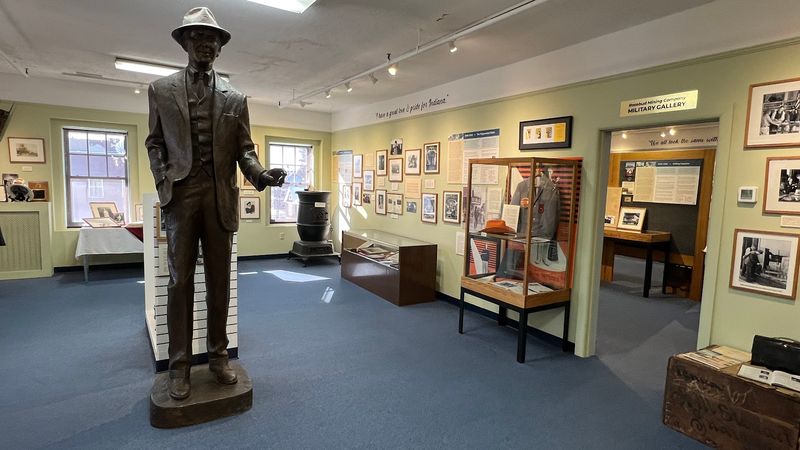
Located on the third floor of the Indiana Public Library building, the museum celebrates the life and career of Jimmy Stewart with warmth and genuine local pride.
Film posters, personal letters, military medals, and movie props trace Stewart’s journey from a small-town kid to an Oscar-winning screen legend.
The Jimmy Stewart Museum does an especially good job of connecting his personal values to the roles that made him famous, from George Bailey in It’s a Wonderful Life to his decorated World War II service.
The space is cozy rather than grand, which actually suits the subject perfectly given Stewart’s reputation for humility and accessibility.
Fans of classic cinema will find the collection deeply moving, while younger visitors get an engaging introduction to one of America’s great storytellers.
The Jimmy Stewart Museum is a heartfelt tribute that Indiana wears with understandable pride.
8. National Watch And Clock Museum, Columbia
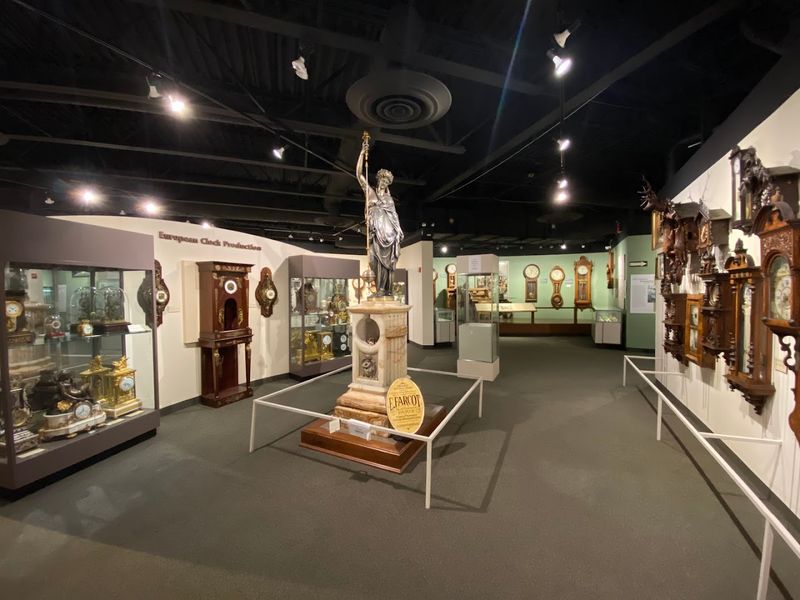
Time is the subject at the National Watch and Clock Museum in Columbia, Pennsylvania, and the collection takes that theme seriously in the best possible way.
With over 12,000 timepieces spanning centuries of horological history, this museum is the largest of its kind in North America.
Pocket watches, grandfather clocks, cuckoo clocks, marine chronometers, and electric timepieces fill the galleries in a display that is as visually stunning as it is historically rich.
The National Watch and Clock Museum traces how humans have measured time from ancient sundials right through to modern precision instruments.
The centerpiece of the collection is a magnificent Engle Clock, a mechanical marvel with 48 automated figures that perform on the hour.
Families with kids who love gadgets and moving parts tend to be particularly captivated. The museum also hosts educational programs and special events throughout the year.
Columbia is a small city, but the National Watch and Clock Museum gives it an attraction that genuinely punches above its weight on the national cultural stage.
9. Mercer Museum, Doylestown
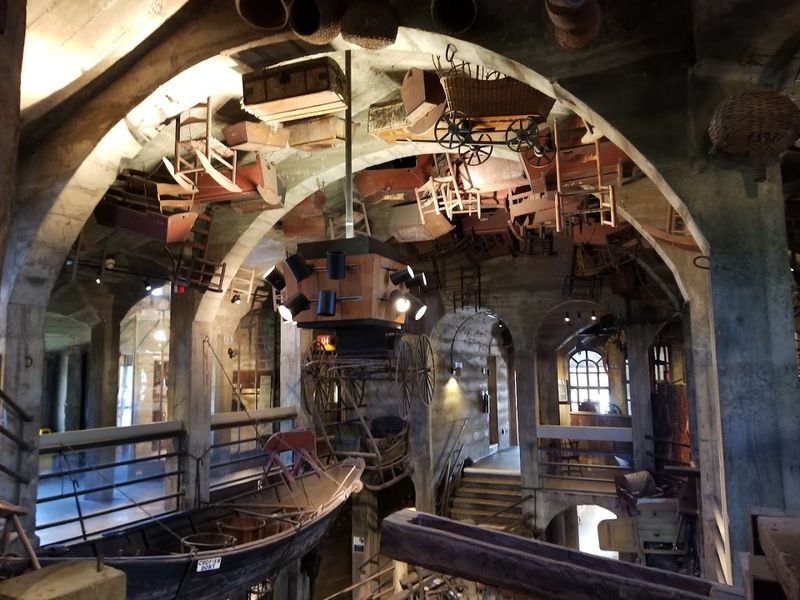
Few museums in Pennsylvania have a building as dramatic as the Mercer Museum in Doylestown, and the collection inside is just as striking as the structure itself.
Built entirely from poured concrete by eccentric scholar Henry Mercer in the early 1900s, the castle-like building rises six stories and feels like something out of a fairy tale.
Inside, over 40,000 tools and artifacts from pre-industrial America are displayed in a way that defies conventional museum logic.
Wagons, whaling equipment, a Conestoga wagon, and a gallows hang from the central atrium in a breathtaking arrangement that visitors never quite expect.
The Mercer Museum tells the story of everyday American life through the objects people actually used, which gives it a grounded, human quality that resonates with visitors of all ages.
Doylestown is worth the trip just for this museum alone.
The Mercer Museum is the kind of place that rewards slow, curious exploration, and most visitors find themselves staying much longer than they originally planned.
10. Boyertown Museum Of Historic Vehicles, Boyertown
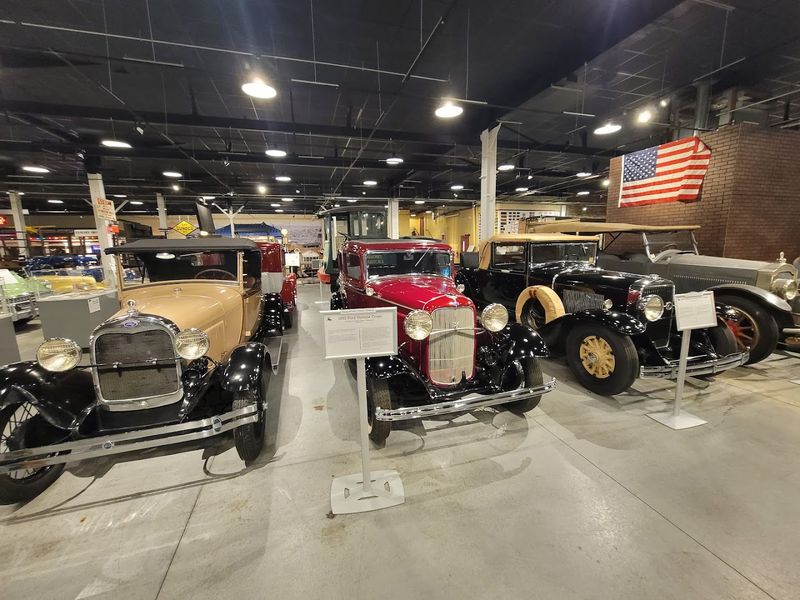
Car enthusiasts and history fans alike find plenty to love at the Boyertown Museum of Historic Vehicles, a surprisingly comprehensive collection located in the small town of Boyertown, Pennsylvania.
The museum focuses on vehicles built or used in the surrounding region, giving it a local flavor that sets it apart from generic auto museums.
Horse-drawn carriages, early automobiles, delivery wagons, and custom-built vehicles fill the space with a fascinating timeline of transportation history.
The Boyertown Museum of Historic Vehicles pays particular attention to the local carriage-making industry that once thrived in the area, connecting the exhibits to real community history.
Restoration projects are often underway, and the staff is usually happy to talk through the process with interested visitors.
The museum also features a collection of antique bicycles and fire equipment that broadens its appeal beyond strictly automotive crowds.
For a town as small as Boyertown, this museum is an impressive achievement that reflects genuine community investment in preserving regional heritage and keeping that history accessible to future generations.
11. Zippo/Case Museum, Bradford
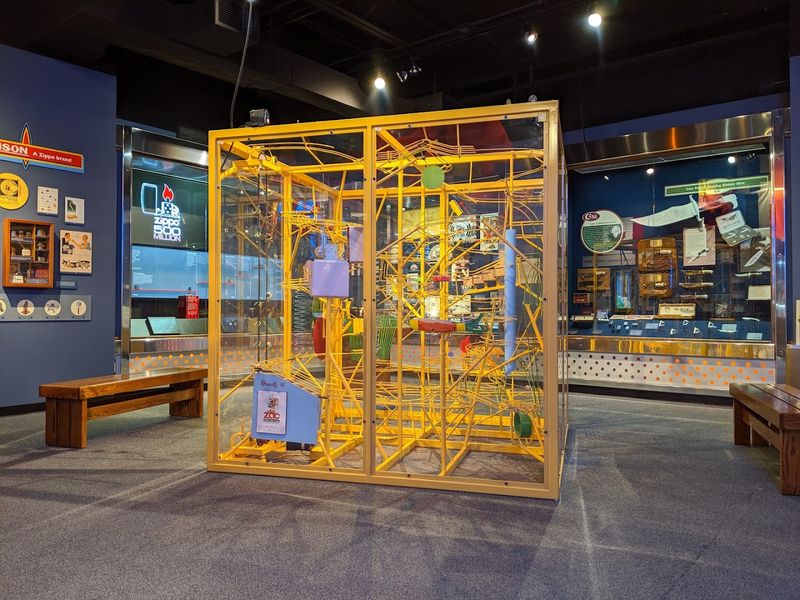
Bradford, Pennsylvania is a small city in the northwestern corner of the state, and it is home to one of the most unexpectedly delightful museums in all of Pennsylvania.
The Zippo/Case Museum celebrates two iconic American brands under one roof, and the result is a surprisingly rich cultural experience centered on craftsmanship and design.
Thousands of Zippo lighters are on display, including rare prototypes, celebrity-owned pieces, and limited-edition designs that trace the brand’s history from 1932 to the present.
The Zippo/Case Museum also showcases the legendary Case knife collection, with blades ranging from everyday pocket knives to ornate collector pieces.
Interactive exhibits let visitors understand how both products are made, and the attention to detail in the displays is genuinely impressive for a museum of this size.
A repair clinic where Zippo technicians service lighters in real time adds an authentic industrial energy to the visit.
The Zippo/Case Museum in Bradford is the kind of place that surprises you, pulling you in with curiosity and sending you out with a real appreciation for American manufacturing heritage.
12. Demuth Museum, Lancaster
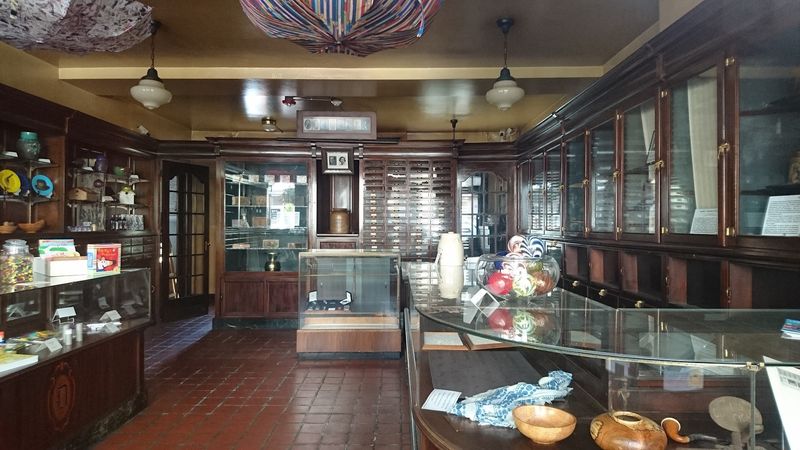
Lancaster, Pennsylvania has a rich arts history, and the Demuth Museum sits at the heart of it in a way that feels both intimate and inspiring.
Housed in the 18th-century home and garden where American modernist painter Charles Demuth was born and lived most of his life, the museum offers a deeply personal window into his world.
Demuth is best known for his bold, geometric paintings of industrial landscapes and his famous piece I Saw the Figure 5 in Gold, and the Demuth Museum holds an impressive collection of his original works alongside personal artifacts and archival materials.
The restored colonial-era building adds a layer of historical texture that most art galleries cannot match.
The garden behind the house is serene and beautifully maintained, making it a peaceful spot to reflect after exploring the galleries.
Lancaster’s downtown location means the Demuth Museum is easy to combine with a broader exploration of the city’s food scene and cultural offerings. It is a small museum with a quietly powerful artistic legacy.