
This Scenic Road Trip Will Take You Through 15 Underrated Towns In Arizona
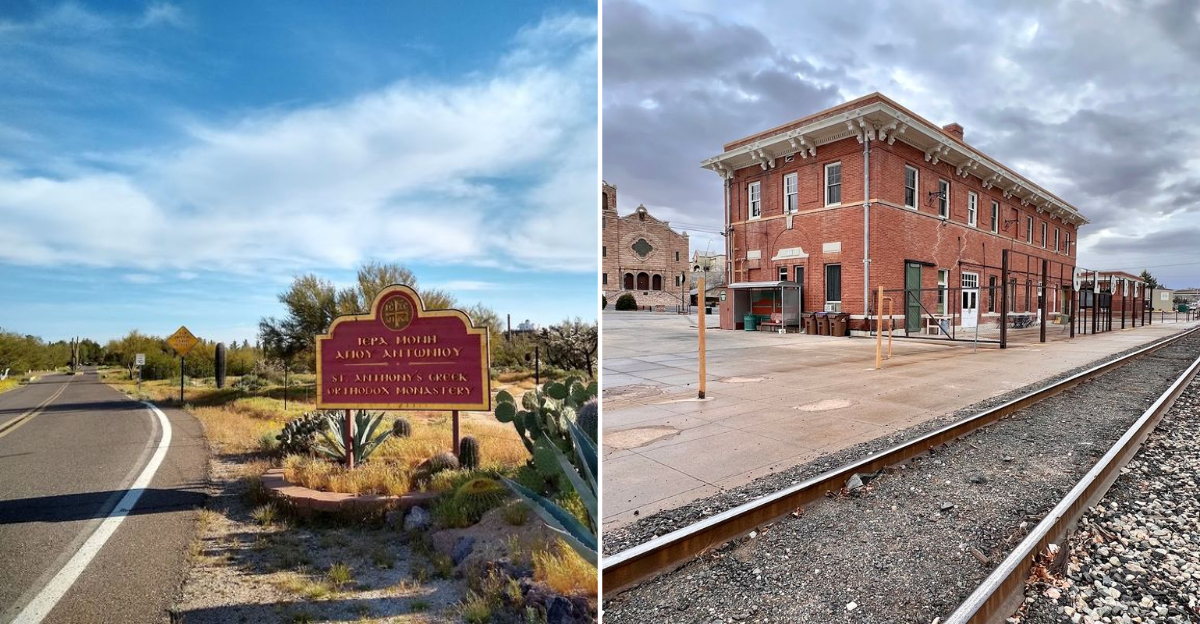
I’d almost ruined Arizona for myself before I’d even started. My mental image was all saguaro cacti, blistering heat, and landscapes so barren they’d been used as Mars stand-ins in every sci-fi movie ever made. I couldn’t have been more wrong-or more delightfully surprised.
What I discovered along 400 miles of winding asphalt was a state that had been holding out on me, hiding charming towns between its famous landmarks like secrets waiting for curious explorers.
Somewhere between a canyon that doesn’t have a famous name and a small main street that time forgot, I found the real Arizona.
The one that locals whisper about but tourists never find. And now I’m going to show you exactly where to find it. Pack your bags, load up a good playlist, and get ready to discover the Arizona that the travel brochures always seem to leave out.
1. Bisbee: An Artsy Mountain Town With Mining Roots
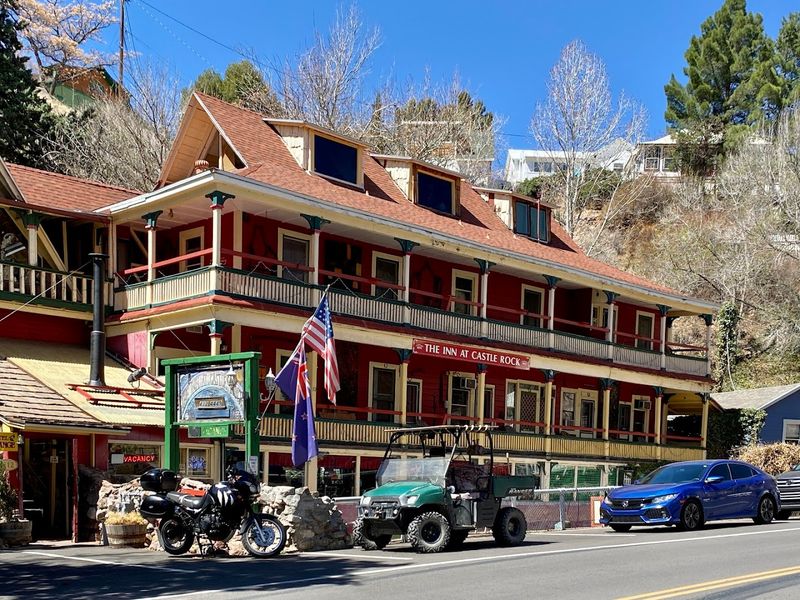
Tucked into the folds of the Mule Mountains in southeastern Arizona, Bisbee looks like someone painted a small European village onto a desert hillside and then filled it with artists. The town sits at about 5,300 feet in elevation, which means cooler temperatures and jaw-dropping views in every direction.
Bisbee was once one of the largest copper-producing cities in the world, and that industrial past is still very much part of its identity. The Queen Mine Tour takes visitors underground into the actual tunnels where miners worked, and the experience is equal parts fascinating and humbling.
Above ground, the historic Brewery Gulch district is lined with galleries, quirky shops, and colorful staircases connecting neighborhoods. The streets have a genuinely creative atmosphere that feels organic rather than manufactured.
Plan to spend at least one full day wandering, because Bisbee rewards curiosity at every turn.
2. Wickenburg: Western History Still Feels Alive Here
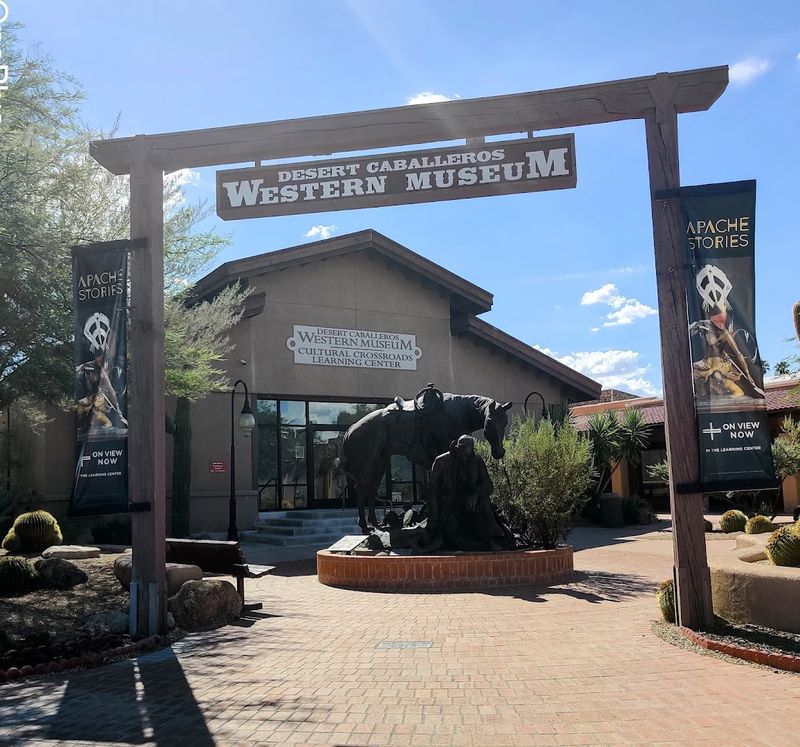
Some towns dress up their history for tourists, but Wickenburg, located about 60 miles northwest of Phoenix, wears its Old West identity like a well-worn pair of boots.
The wooden sidewalks along Tegner Street genuinely creak underfoot, and the downtown storefronts look like they belong on a film set from another century.
The Desert Caballeros Western Museum is the crown jewel of the town, housing an impressive collection of Western art, cowboy gear, and exhibits that bring the frontier era to life with real depth. It is the kind of museum that surprises visitors who expected something small and regional.
Wickenburg also has a strong dude ranch tradition, making it a popular spot for horseback riding and outdoor recreation. The surrounding Sonoran Desert landscape adds a rugged, cinematic backdrop to every corner of the visit. History here is not behind glass; it is part of the street itself.
3. Jerome: A Hillside Town Full Of Crooked Streets
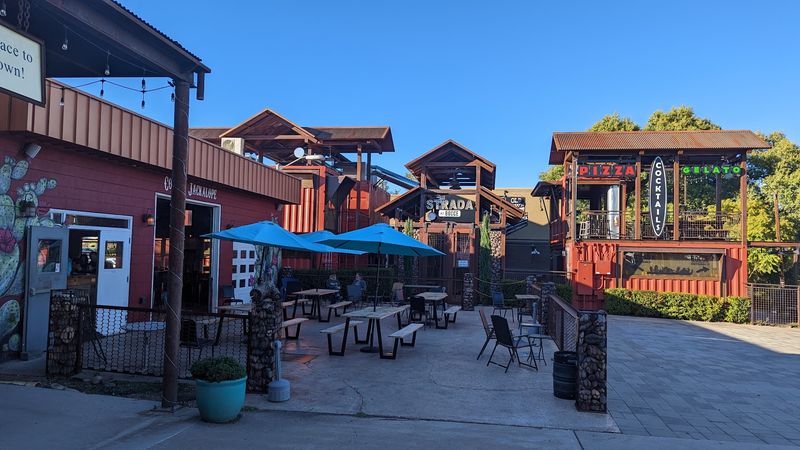
Jerome clings to the side of Cleopatra Hill like it is daring gravity to do something about it. Perched at nearly 5,000 feet above the Verde Valley in central Arizona, this former copper-mining boomtown once had a population of 15,000 people before the mines closed and nearly everyone left.
Today, a few hundred residents have turned Jerome into one of the most atmospheric small towns in the American Southwest.
Art galleries, vintage shops, and independently owned cafes occupy buildings that lean slightly in ways that remind you the whole town literally shifted downhill over the decades due to mining explosions underground.
Jerome State Historic Park tells the story of the mining era through the preserved Douglas Mansion, which offers stunning valley views from its hilltop position.
The streets are steep, the views are enormous, and the creative spirit of the current community makes every crooked corner worth exploring on foot.
4. Tombstone: Arizona’s Wild West Story Brought To Life
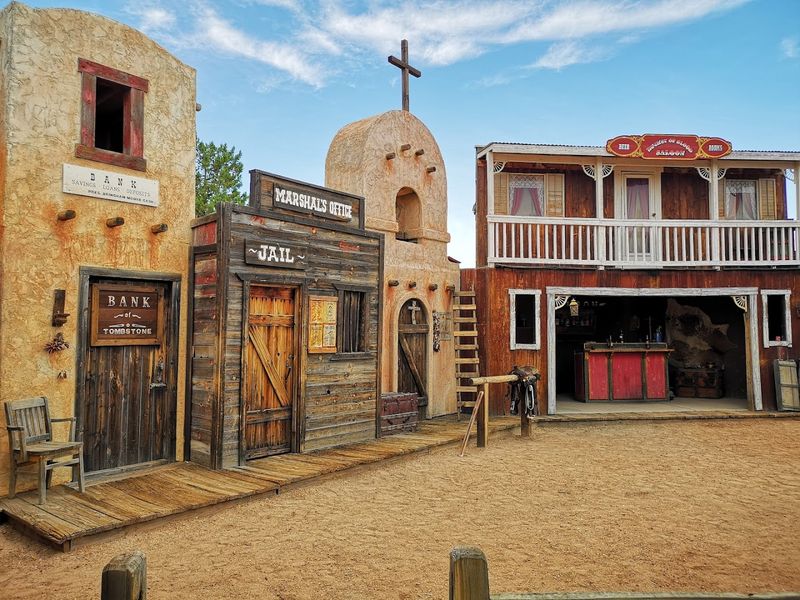
Few American towns carry a name as loaded with mythology as Tombstone. Located in the high desert of Cochise County in southeastern Arizona, this town became famous after the 1881 gunfight at the O.K. Corral, and it has never really stopped leaning into that legacy.
What makes Tombstone genuinely worth a visit is how well-preserved the historic downtown remains.
Allen Street still has its wooden boardwalks, the original Bird Cage Theatre still stands with bullet holes in the walls, and the Tombstone Epitaph newspaper has been in continuous publication since 1880, making it the oldest continuously published newspaper in Arizona.
Re-enactments happen regularly on the streets, and while they are theatrical, they are also entertaining and educational for visitors of all ages. Walking through Tombstone feels like stepping into a chapter of American history that is still being told, one dusty street corner at a time.
5. Sedona: Red Rock Beauty
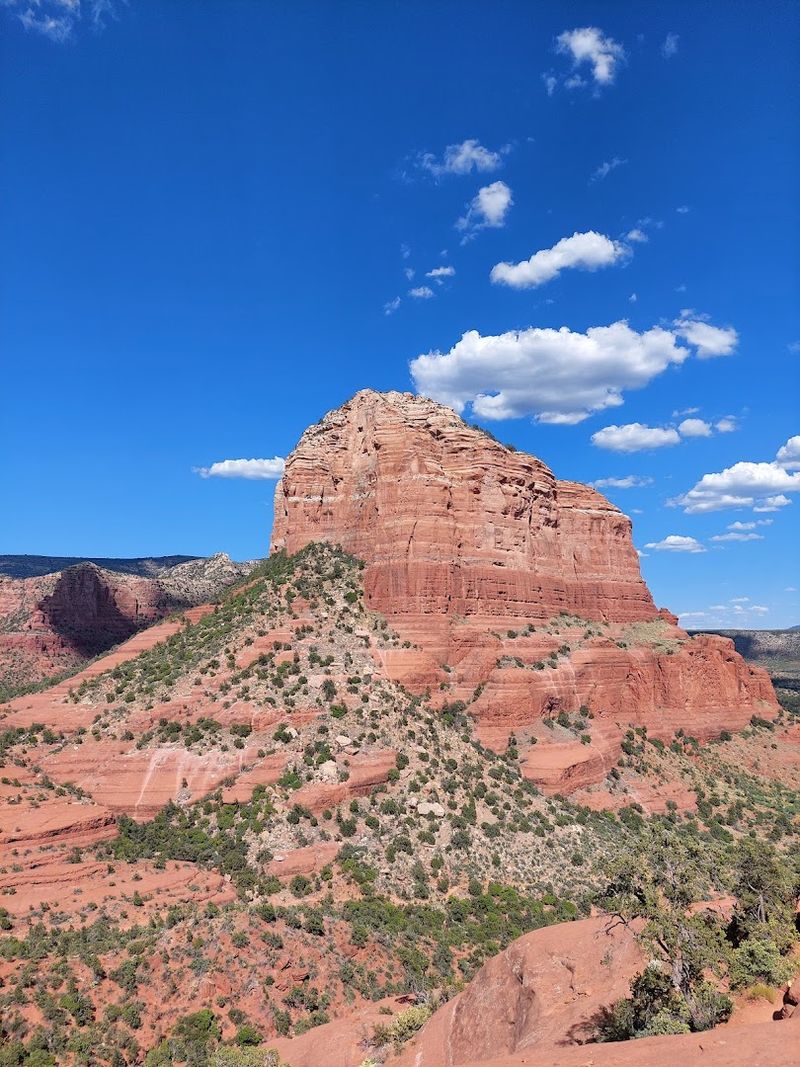
There is a moment on the drive into Sedona, usually just past the Oak Creek Canyon overlook, when the red-rock formations appear so suddenly and so dramatically that passengers in the car tend to go completely silent.
Sedona, situated in north-central Arizona about 30 miles south of Flagstaff, earns that reaction every single time.
The landscape here is genuinely unlike anything else in the American Southwest. Cathedral Rock, Bell Rock, and Courthouse Butte are among the most photographed geological formations in the country, and hiking trails of varying difficulty put visitors right at their base or on top of the ridgelines.
Beyond the scenery, Sedona has a thriving arts community centered around Tlaquepaque Arts and Shopping Village, a beautifully designed open-air complex with galleries and studios.
Jeep tours offer a fun way to access backcountry terrain that feels worlds away from the main highway. Every direction here is a postcard waiting to happen.
Tubac: A Small Town Where Art And History Meet
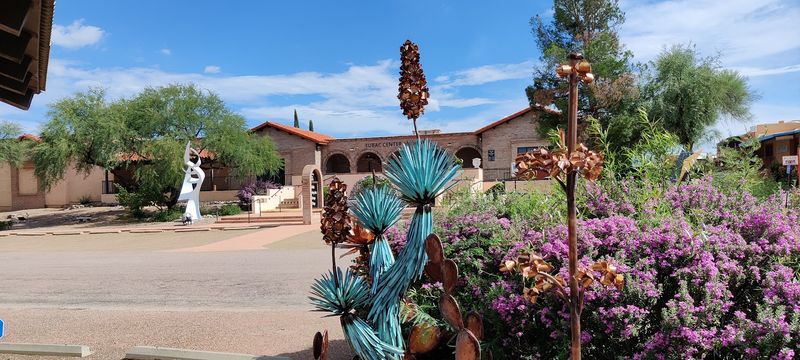
Roughly 45 miles south of Tucson along Interstate 19, Tubac is the kind of place that makes you want to slow your driving speed to about five miles per hour and roll down the windows.
Founded in 1752 as a Spanish presidio, it holds the distinction of being the oldest European settlement in what is now Arizona.
Tubac Presidio State Historic Park preserves the original fort site and tells the layered story of Spanish colonial, Mexican, and American territorial history in this corner of the state. The underground archaeology exhibit is particularly well done and rarely crowded.
Today, Tubac is best known as an arts community, with more than 100 studios and galleries packed into a village that takes about 20 minutes to walk end to end. Handmade jewelry, blown glass, woven textiles, and original paintings fill every shop.
The creative atmosphere here feels unhurried, genuine, and deeply rooted in the landscape around it.
Prescott: Historic Streets And Granite-Lined Lake Views
Prescott served as the first territorial capital of Arizona, and that sense of civic pride and historical weight is still very much part of the town’s character.
Located in the Bradshaw Mountains at nearly 5,400 feet in elevation, it sits about 100 miles north of Phoenix and enjoys a much cooler climate than the desert cities below.
The historic Courthouse Plaza anchors downtown, surrounded by Victorian-era storefronts and the famous Whiskey Row, a stretch of Montezuma Street that once housed dozens of saloons during the territorial era.
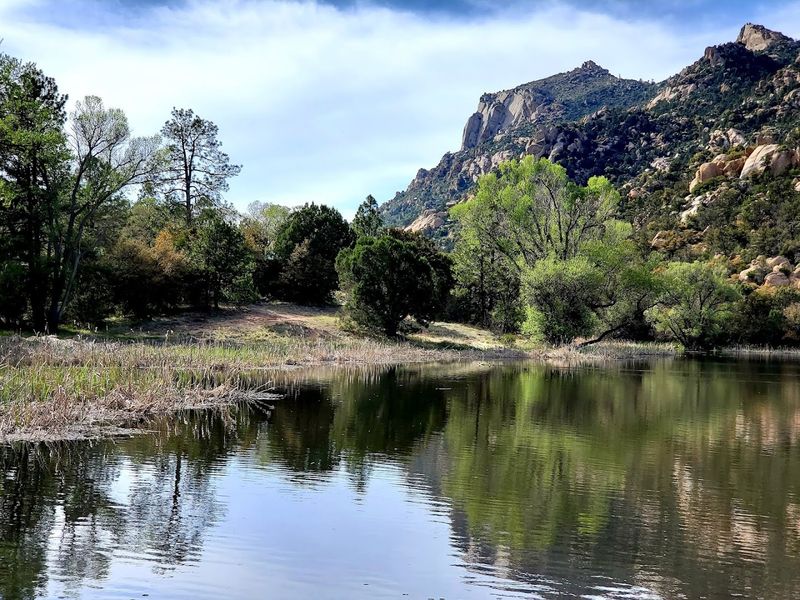
Today the block has restaurants, shops, and a lively pedestrian atmosphere that feels genuinely walkable and welcoming. Watson Lake is the visual highlight of any Prescott visit.
The granite dells surrounding the lake create one of the most striking landscapes in central Arizona, and kayaking among the boulders is an experience that feels surprisingly remote for a lake minutes from a city. Prescott consistently delivers more than visitors expect.
Cottonwood: Historic Main Street
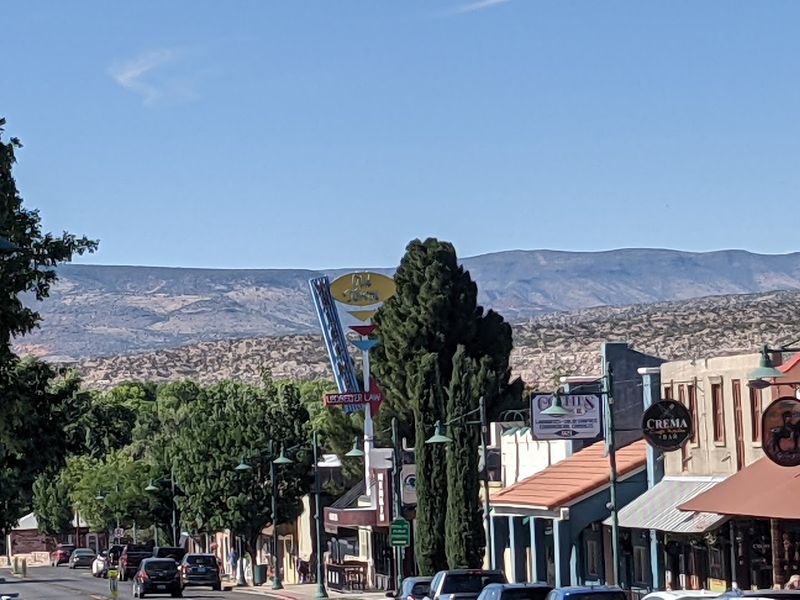
Old Town Cottonwood has the kind of main street that makes you want to park the car and spend an afternoon with no particular agenda.
Located in the Verde Valley in central Arizona, just a short drive from Jerome and Sedona, Cottonwood benefits from being close to famous neighbors while maintaining its own distinct, unhurried personality.
The historic district along Main Street features buildings dating back to the early 1900s, many of which now house locally owned boutiques, antique stores, and casual dining spots. The walkable layout makes it easy to cover the whole stretch in an hour or two, though most visitors find reasons to linger longer.
Cottonwood also serves as a convenient base for exploring the broader Verde Valley, including Dead Horse Ranch State Park and the Verde Canyon Railroad. The park offers excellent bird watching along the Verde River, and the train journey through the canyon is scenic and relaxed.
This town earns its place on any Arizona itinerary.
Patagonia: A Tiny Southern Arizona Escape
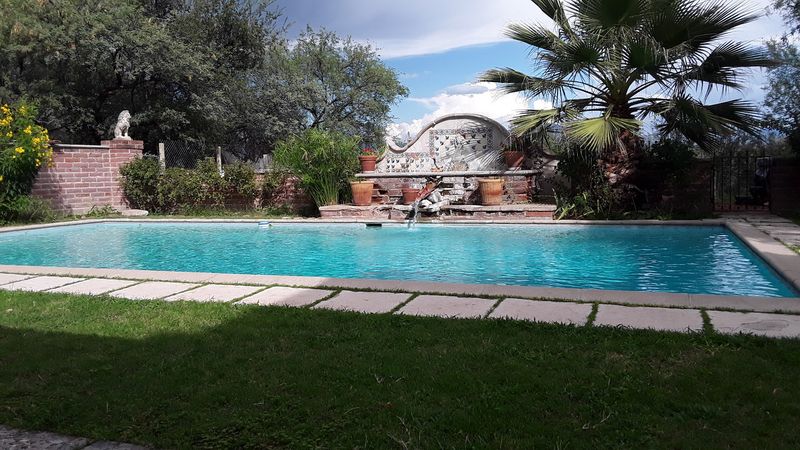
Patagonia sits quietly in a mountain valley about 60 miles southeast of Tucson, and it has developed a devoted following among birdwatchers from across North America and beyond.
The combination of riparian habitat, elevation, and proximity to the Mexican border creates conditions that attract an extraordinary variety of bird species, including many that are rarely seen elsewhere in the United States.
The Paton Center for Hummingbirds is the town’s most celebrated destination, a private property turned public sanctuary where visitors can sit in the garden and watch multiple hummingbird species feed just a few feet away.
It is genuinely magical, even for people who would not normally describe themselves as birdwatchers.
Beyond birds, Patagonia has a relaxed small-town atmosphere with a few good local restaurants and the Patagonia Lake State Park nearby for swimming and camping. The pace here is slow by design, and that is precisely the point.
Patagonia is a reminder that not every great destination needs to be busy to be worth the drive.
Williams: Route 66 Nostalgia
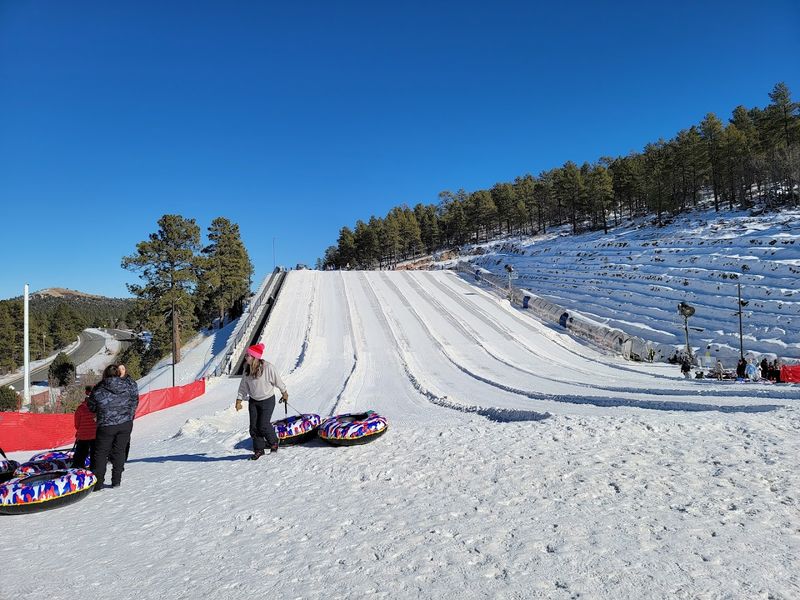
Few small towns in Arizona can match the unique double identity found here. On one hand, it is the last town on Route 66 to have been bypassed by Interstate 40, which means the historic highway still runs straight through downtown and the classic roadside Americana atmosphere is completely intact.
On the other hand, Williams is the southern terminus of the Grand Canyon Railway, a heritage railroad line that has been carrying passengers through the ponderosa pine forest to the South Rim since 1901.
Riding the train up and back is a genuinely enjoyable way to experience the canyon without dealing with canyon-rim parking headaches.
Bearizona Wildlife Park sits just outside of town and lets visitors drive through natural habitat where black bears, bison, and wolves roam freely. Downtown Williams has excellent diners, souvenir shops with genuine personality, and a festive Route 66 spirit that feels earned rather than manufactured.
This town punches well above its weight.
Globe: Copper History And Ancient Desert Stories
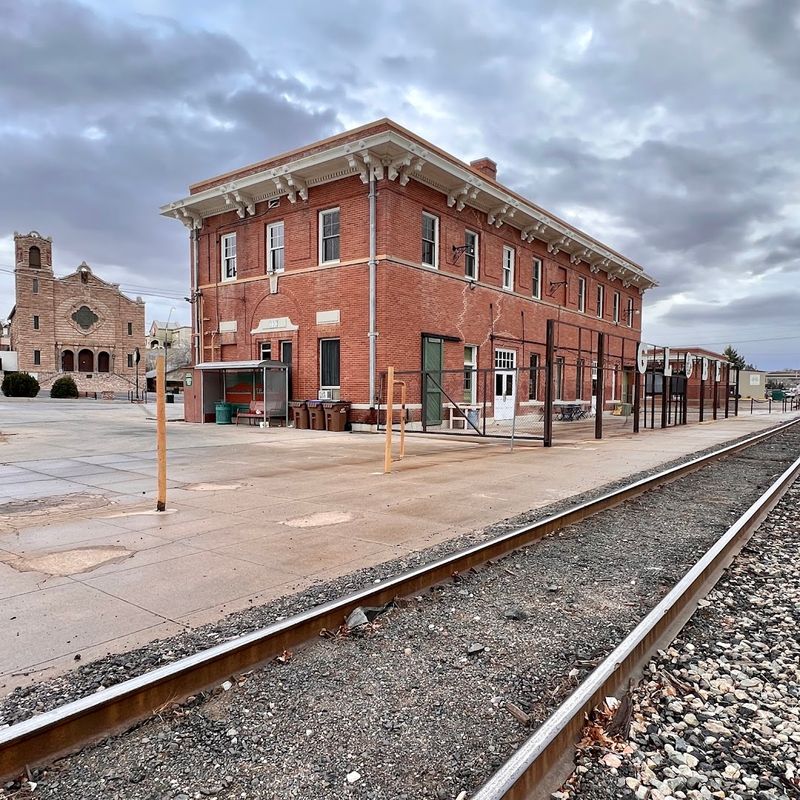
Globe sits in the Pinal Mountains of east-central Arizona, about 90 miles east of Phoenix, and it wears its mining heritage with quiet confidence.
The town grew rapidly in the late 1800s after copper deposits were discovered nearby, and the architecture of the historic downtown still reflects that prosperous era with brick storefronts and ornate facades that have aged beautifully.
Besh-Ba-Gowah Archaeological Park is one of the most undervisited ancient sites in Arizona.
The park preserves the ruins of a Salado culture village occupied between 1225 and 1400 CE, and the small museum provides excellent context for understanding who these people were and how they lived in this challenging landscape.
Old Dominion Historic Mine Park tells the industrial side of Globe’s story, with preserved mining equipment and interpretive displays spread across an outdoor site. Globe also has a charming antique district downtown that rewards slow browsing.
For travelers willing to venture off the main highways, Globe offers history in generous and unhurried portions.
Clifton: A Rugged Mining Town Carved Into Arizona History
Getting to Clifton requires commitment, and that is part of what makes it so rewarding.
Located in the remote Greenlee County of eastern Arizona near the New Mexico border, Clifton sits in a narrow canyon carved by the San Francisco River, and the town’s layout is entirely dictated by the surrounding cliffs and rocky terrain.
The Chase Creek Historic District preserves a stretch of early 1900s commercial buildings that feel genuinely frozen in time. Walking the street is like visiting a town that the rest of the 20th century simply forgot to renovate, which in this case is a compliment of the highest order.
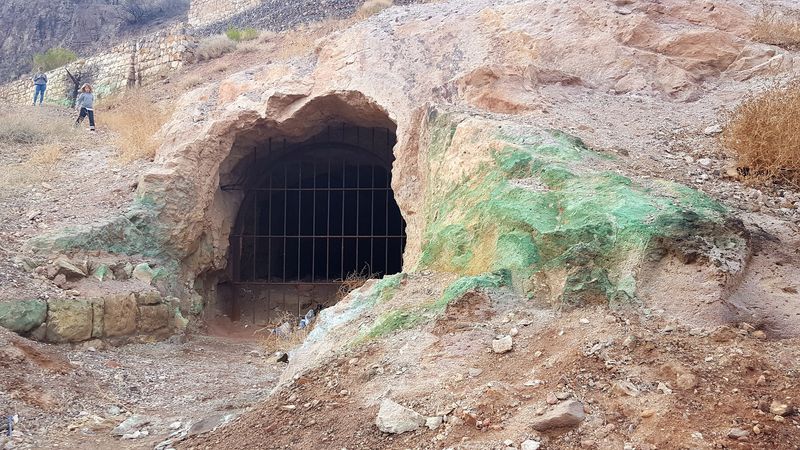
One of the most unusual landmarks in Arizona sits here: the Clifton Cliff Jail, literally carved into the face of a rock cliff in 1881 and used as an actual detention facility. Clifton has a raw, unpolished energy that feels authentic in a way that more tourist-developed towns sometimes struggle to achieve.
It is absolutely worth the long drive east.
Greer: A Cool Mountain Village Made For Slowing Down
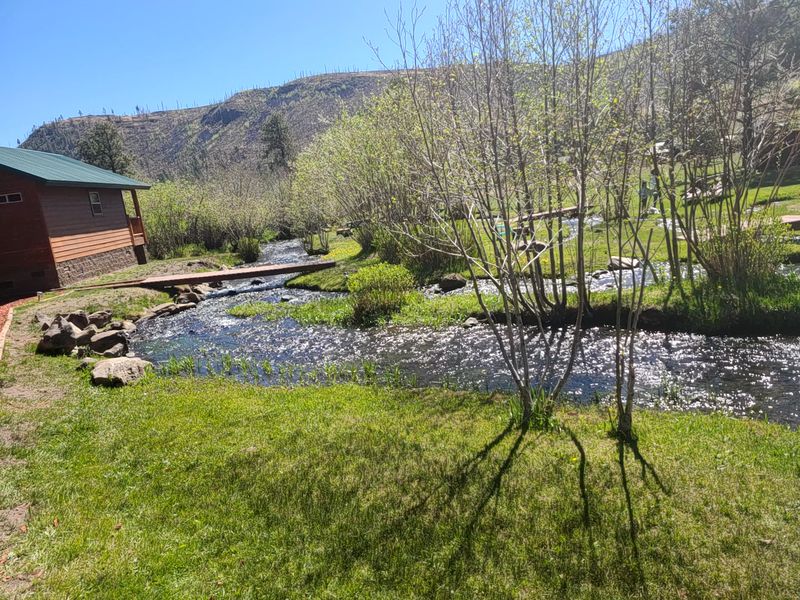
At nearly 8,500 feet in elevation, Greer is the kind of place that makes Arizona summer visitors feel like they have discovered a cheat code. Located in the White Mountains of eastern Arizona, this tiny community of fewer than 200 permanent residents offers cool temperatures, towering ponderosa pines, and a pace of life that feels like a genuine reset from the modern world.
The Little Colorado River begins near Greer, and the surrounding meadows and streams are popular for fly fishing. In winter, the area transforms into a snowy wonderland, and the nearby Sunrise Park Resort provides skiing and snowboarding options that most people do not associate with Arizona at all.
Greer has a handful of cozy cabin rentals, small lodges, and a general store that doubles as the social hub of the community. The Greer Lakes offer peaceful fishing and wildlife watching, with elk, deer, and sandhill cranes making regular appearances. Arriving in Greer feels like exhaling for the first time in weeks.
Winslow: Route 66 Character Beyond Its Famous Corner
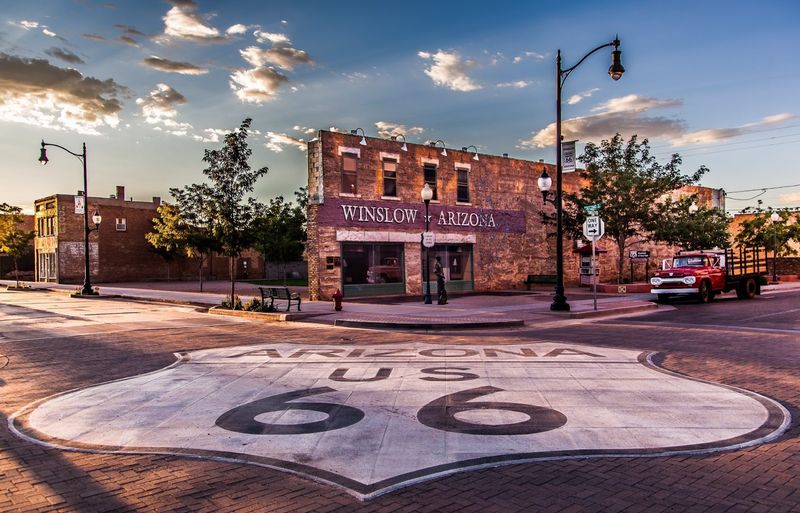
Most people know Winslow from a single lyric in an Eagles song, and yes, the corner referenced in that song now has an official park, a bronze statue, a painted mural, and a flatbed Ford truck parked permanently on the street.
It is cheerful and fun, and it makes for a great photo stop on any Route 66 road trip through northern Arizona. But Winslow has considerably more to offer than its famous intersection.
La Posada Hotel, a stunning 1930 Harvey House designed by architect Mary Colter, is one of the most beautifully restored historic hotels in the entire Southwest.
The architecture, gardens, and art collection inside are extraordinary, and the on-site restaurant serves meals that would be remarkable in any major city.
Nearby Homolovi State Park preserves the ancestral Hopi village ruins just outside of town, adding a meaningful layer of ancient history to the Winslow visit. Route 66 nostalgia is the entry point here, but the depth of the town keeps visitors far longer than a single photo stop would suggest.
Florence: Territorial Arizona Preserved In A Desert Town
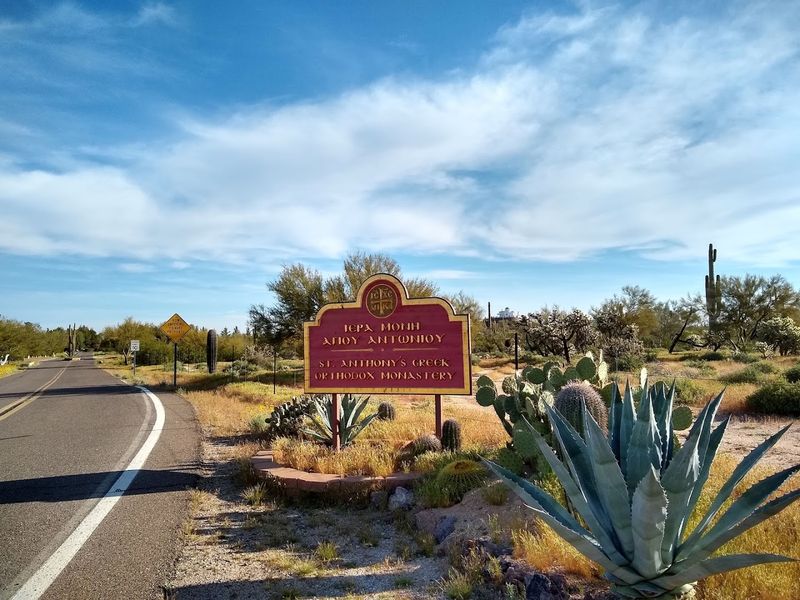
Florence, located about 60 miles south of Phoenix along the Pinal Parkway, is a town where the 1800s feel remarkably close to the surface.
With more than 25 buildings listed on the National Register of Historic Places, Florence has one of the highest concentrations of territorial-era architecture in the entire state, and most of it can be explored on a single walkable loop through downtown.
McFarland State Historic Park occupies the original 1878 Pinal County Courthouse, which also served as a hospital and a prisoner-of-war camp during World War II.
The museum inside covers all of those chapters with thoughtful exhibits and well-preserved artifacts that bring the building’s complicated history into focus.
The Main Street Historic District has adobe buildings, a classic Carnegie library, and a local character that feels genuine rather than performed for visitors.
Florence is the kind of quiet, dignified finish to a road trip that makes you appreciate how much history Arizona holds in its least-expected places. It is a perfect final stop.