
8 South Carolina Road Trips To Explore Historic Plantations
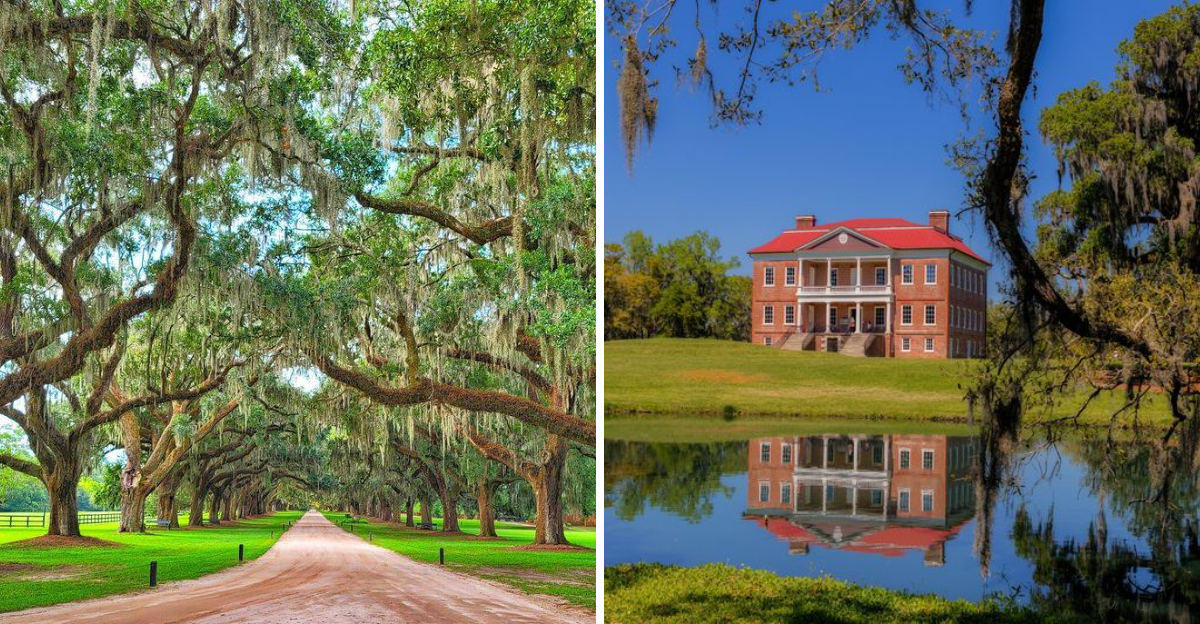
The road looks peaceful at first.
That is where it begins.
You turn off the highway, and everything slows down. Long driveways stretch ahead.
Oak trees arch overhead. And for a moment, it feels like you stepped into a different time.
Then you learn what that time holds.
These places are known for their beauty. The homes.
The landscapes. The history you can see.
But there is more here than that.
Stories that were ignored for too long. Lives that shaped everything around you.
A past that is still being understood in a more honest way.
This is not a typical trip through South Carolina.
It asks you to pay attention.
To look beyond what is easy to photograph.
To stay a little longer with what you find.
And once you do, the experience feels different.
Not lighter.
But more real.
1. Magnolia Plantation and Gardens, Charleston, SC
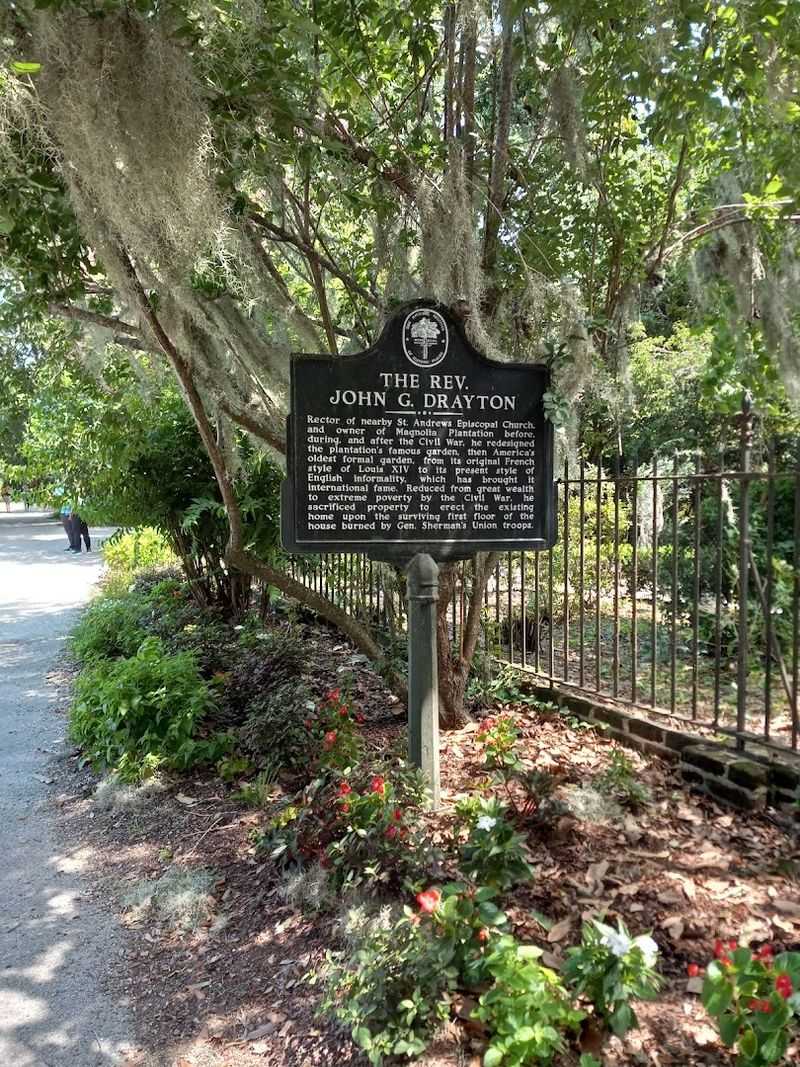
Few places in South Carolina stop you in your tracks quite like Magnolia Plantation and Gardens, tucked along Ashley River Road in Charleston, SC 29414.
The garden here is considered one of the oldest public gardens in the country, dating back to the 1670s when the Drayton family first began cultivating the land along the Ashley River.
Walking through the grounds, I kept stopping to photograph the blood-red azaleas and the mirror-still reflection of cypress trees in the dark swamp water, which feels almost surreal in the best possible way.
The plantation also offers a slavery-focused tour that honestly and respectfully explores the lives of the enslaved people who built and maintained this property for generations.
You can also take a nature tram, a kayak tour, or stroll through the Biblical Garden for a surprisingly peaceful afternoon.
Spring is the absolute best time to visit, when thousands of azaleas burst into bloom and the whole property looks like a painting someone forgot to frame.
Plan to spend at least half a day here, because the grounds alone cover 500 acres and reward every curious step you take.
2. Boone Hall Plantation and Gardens, Mount Pleasant, SC
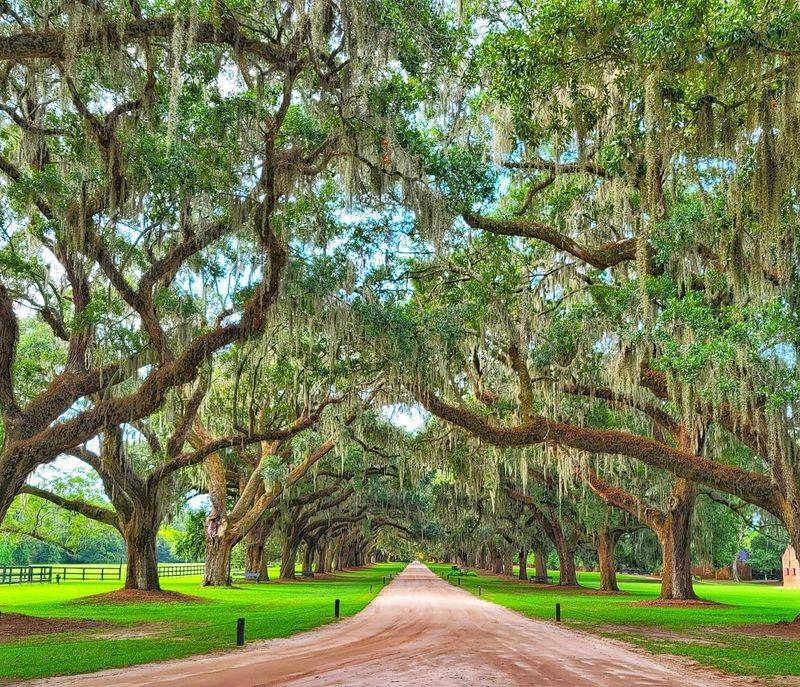
That legendary Avenue of Oaks at Boone Hall Plantation, located at 1235 Long Point Road in Mount Pleasant, SC 29464, has appeared in so many films and television shows that pulling up to it in person feels strangely familiar.
The three-quarter-mile driveway lined with ancient live oaks dripping in Spanish moss is genuinely one of the most photographed entrances in the entire South.
Boone Hall is one of America’s oldest working plantations, having been in continuous agricultural operation since the late 1600s, and you can still see fields of strawberries, pumpkins, and tomatoes depending on the season.
The nine original slave cabins on the property have been preserved and now house an exhibit called Black History in America, which traces African American history from the slave trade through the Civil Rights Movement.
I found the cabin exhibits to be among the most powerful and well-presented I have encountered at any plantation site in the state.
Seasonal events like Fright Nights and the strawberry festival bring a lively community atmosphere that makes Boone Hall feel like a living destination rather than a museum frozen in time.
Coming here in spring during strawberry season is a road trip treat worth planning your whole weekend around.
3. Drayton Hall, Charleston, SC
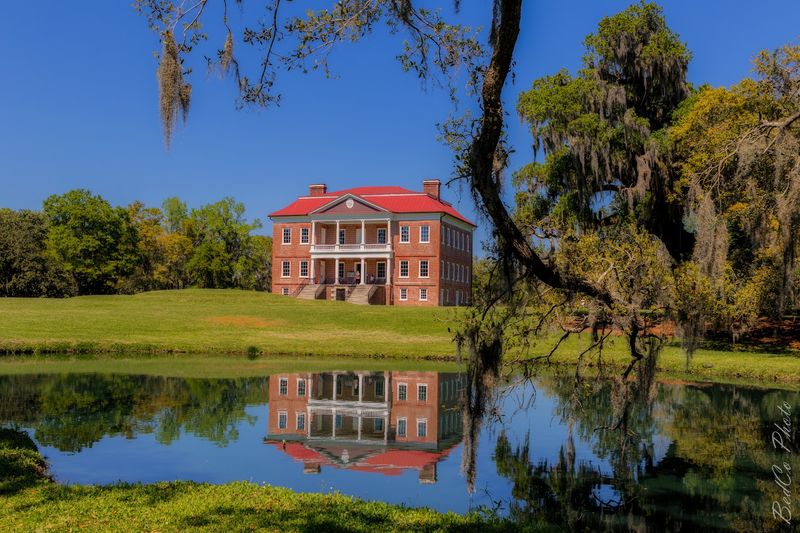
Drayton Hall at 3380 Ashley River Road in Charleston, SC 29414 is the kind of place that architectural historians lose sleep over in the best possible way.
Built between 1738 and 1742, it is the oldest preserved plantation house in America that has never been restored or renovated, meaning every crack, every hand-carved detail, and every layer of original paint is exactly as it was left centuries ago.
The National Trust for Historic Preservation owns and operates the property now, and guided tours focus heavily on both the architectural significance and the untold stories of the enslaved African Americans who built and inhabited this remarkable structure.
The African American cemetery on the grounds, where more than 80 graves have been identified, is treated with deep respect and is a central part of the interpretive experience.
I was struck by how different Drayton Hall feels compared to more manicured plantation sites, because the unrestored interiors create a raw, honest atmosphere that no amount of renovation could replicate.
There are no furnished rooms, no rope barriers, and no period staging, just the bones of an extraordinary building with stories embedded in every wall.
For history lovers who appreciate authenticity over polish, Drayton Hall belongs at the very top of the road trip list.
4. Hopsewee Plantation, Georgetown, SC
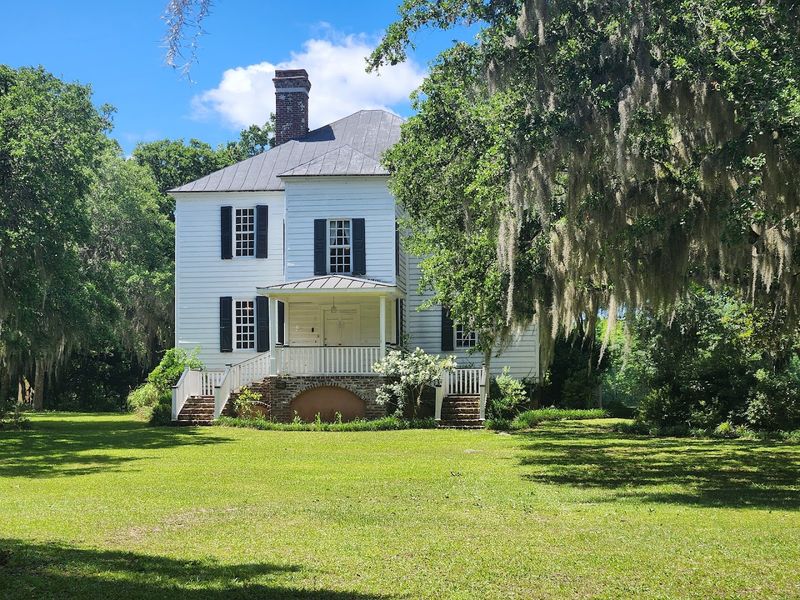
Sitting quietly on the banks of the North Santee River at 494 Hopsewee Road in Georgetown, SC 29440, Hopsewee Plantation carries a piece of American founding history that surprises most visitors who make the drive out here.
This is the birthplace of Thomas Lynch Jr., one of the youngest signers of the Declaration of Independence, which gives the property a patriotic layer that sits alongside its plantation history in a genuinely thought-provoking way.
The main house, built around 1740, is one of the best-preserved examples of colonial Low Country architecture in the state, constructed almost entirely of black cypress wood that has held up beautifully through centuries of coastal humidity.
Tours of the interior reveal original wide-plank floors, antique furnishings, and a layout that reflects the daily rhythms of 18th-century plantation life with real specificity.
I appreciated that the current owners have worked to acknowledge the enslaved community that made this property function, incorporating their stories into the tour narrative rather than sidestepping them.
The setting along the river adds a peaceful, almost cinematic quality to the visit, especially in the early morning when the mist rolls across the water and the pine trees catch the first light.
Hopsewee is a quieter stop than the busier Charleston sites, and that unhurried pace makes it all the more memorable.
5. Myrtle Beach Colored School Museum and Education Center, Myrtle Beach, SC
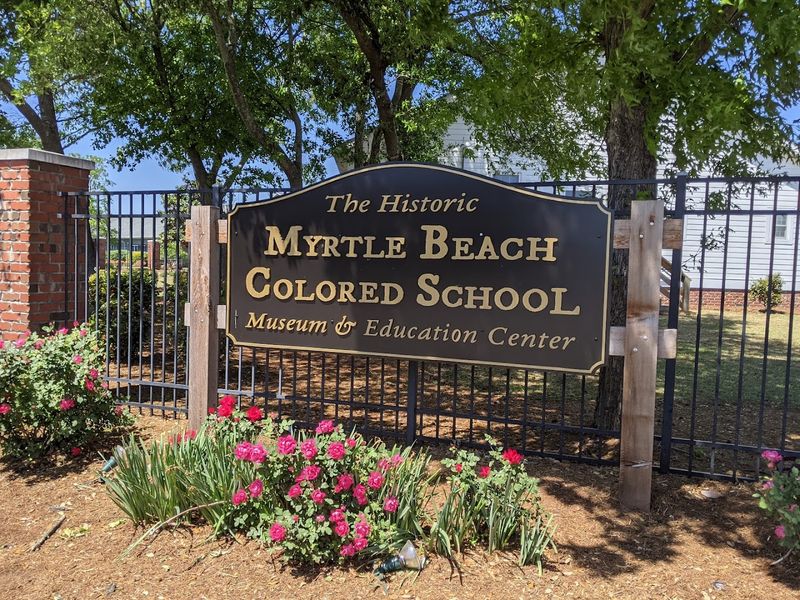
Not every stop on a plantation history road trip looks like a grand antebellum house, and the Myrtle Beach Colored School Museum and Education Center at 900 Dunbar Street in Myrtle Beach, SC 29577 proves that point with quiet authority.
This site preserves the building that once served as the segregated school for Black children in Myrtle Beach during the Jim Crow era, connecting the dots between plantation-era bondage and the systemic inequalities that persisted long after emancipation.
Walking through the restored classrooms, I felt a deep respect for the educators and students who pursued learning under conditions designed to limit their opportunities at every turn.
The museum presents the broader African American experience in the Grand Strand region, including stories of community resilience, cultural achievement, and the long road toward civil rights.
Exhibits cover local Black history from the plantation period through the 20th century, making this one of the most contextually rich stops on any Lowcountry history road trip.
The staff here are passionate storytellers who bring the exhibits to life in a way that no placard alone can accomplish.
Including this museum in your road trip itinerary transforms a collection of plantation visits into a fuller, more honest picture of South Carolina’s history.
6. Hampton Plantation State Historic Site, McClellanville, SC
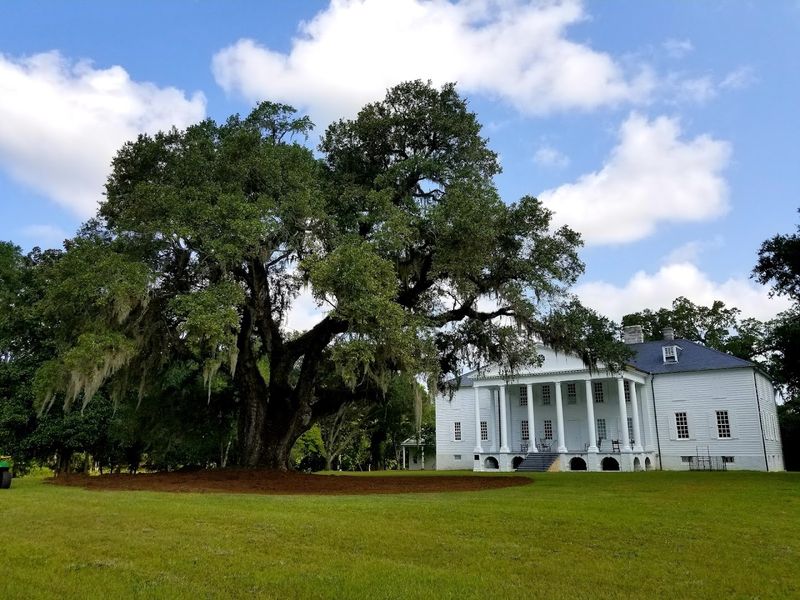
Tucked deep into the Francis Marion National Forest near McClellanville, Hampton Plantation State Historic Site at 1950 Rutledge Road, SC 29458 rewards the road tripper willing to follow the signs down long stretches of rural two-lane highway.
The mansion here, a stately white Georgian structure with a dramatic columned portico, was once the home of poet Archibald Rutledge, who served as South Carolina’s first poet laureate and wrote lovingly about this land for decades.
President George Washington reportedly visited Hampton Plantation in 1791 during his Southern tour, and a massive oak tree in the front yard is said to have been spared from cutting at his personal request during that visit.
The site is now operated by South Carolina State Parks, and the interior has been intentionally left unrestored to show the layers of time embedded in the walls and floors.
Interpretive exhibits inside address the plantation’s history with care, acknowledging the enslaved people who maintained this grand property and whose labor made the surrounding rice fields profitable.
The surrounding forest and the nearby Wambaw Creek add a wild, serene quality to the visit that feels worlds away from the busier plantation sites closer to Charleston.
Arriving at golden hour, with the light cutting through the moss-draped oaks, is something I genuinely recommend building your schedule around.
7. Mansfield Plantation, Georgetown, SC
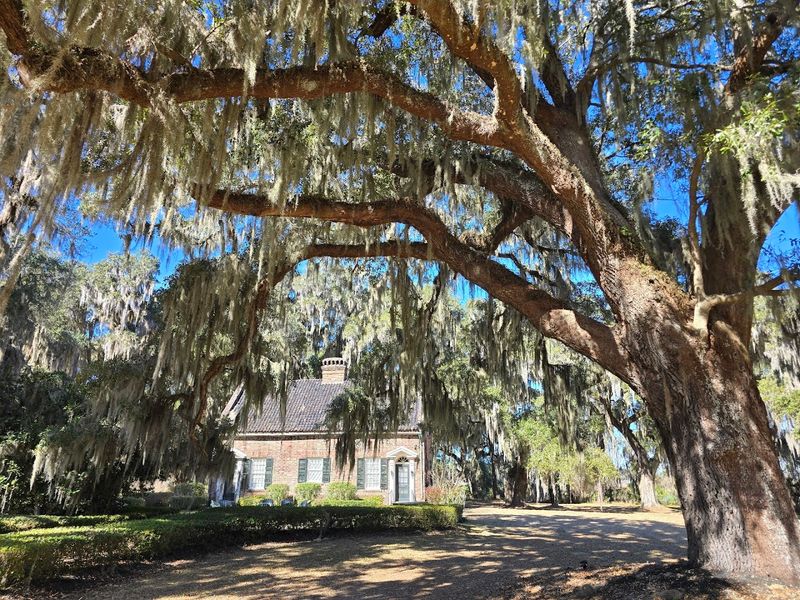
History has a way of feeling very close at Mansfield Plantation, located at 1776 Mansfield Road in Georgetown, SC 29440, where the original slave street with eight intact brick cabins still stands as one of the most complete examples of its kind anywhere in the South.
The property dates to the early 1700s and operated as a rice plantation, relying entirely on the expertise and forced labor of enslaved people who brought rice cultivation knowledge with them from West Africa.
That specific detail, the African origins of South Carolina’s rice economy, is something that Mansfield takes seriously in its interpretation, and it adds a dimension to the visit that most plantation tours miss entirely.
The main house, a Federal-style structure built in the early 1800s, sits at the end of a breathtaking live oak alley that frames the approach in a way that makes you reach for your camera instinctively.
Mansfield now operates partly as a bed and breakfast, which means you can actually spend the night on the property and experience the grounds after the day visitors have gone home.
Waking up to the sound of birds in those ancient oaks and walking the slave street in the early morning quiet is an experience that stays with you long after you drive away.
Georgetown itself is worth exploring before or after your visit, with its own rich history and waterfront charm waiting just a short drive down the road.
8. Aiken-Rhett House Museum, Charleston, SC
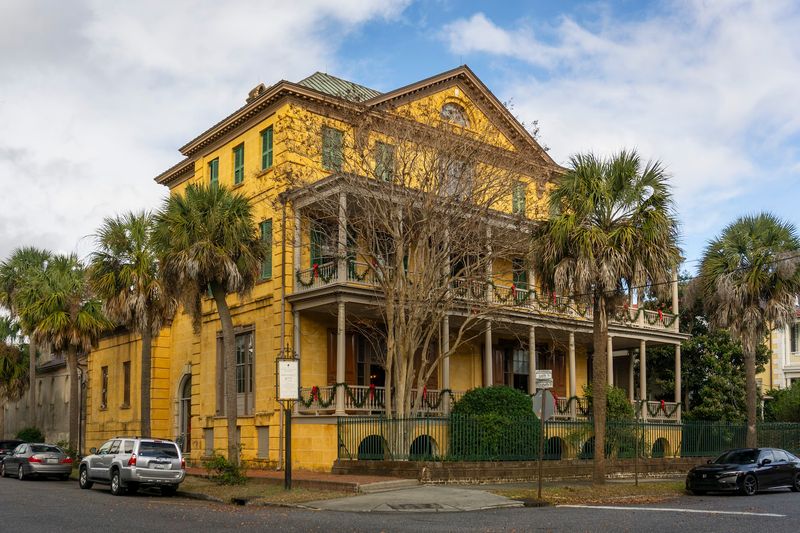
Right in the heart of Charleston at 48 Elizabeth Street, SC 29403, the Aiken-Rhett House Museum offers something genuinely rare: an antebellum urban townhouse where both the owner’s quarters and the enslaved workers’ quarters have been preserved almost entirely intact.
The Historic Charleston Foundation acquired the property in 1975 and made the deliberate choice to preserve rather than restore, leaving the peeling wallpaper, worn floors, and faded paint exactly as they were found.
That decision gives the Aiken-Rhett House an atmosphere unlike any other historic house in the city, because the passage of time is visible in every room rather than hidden beneath a fresh coat of period-accurate paint.
The slave quarters at the rear of the property are among the most sobering and important spaces I have visited in South Carolina, offering a direct, physical connection to the lives of the people who cooked, cleaned, and labored on this urban plantation.
Audio tours guide visitors through both sections of the property, and the narration is notably balanced in giving equal weight to the stories of the enslaved community and the wealthy family who owned them.
The location in downtown Charleston makes this an easy add to any city-based road trip, and the contrast between the grand front rooms and the cramped back quarters is something that lingers in the mind for days.
Booking tickets in advance is smart, especially in spring and fall when Charleston fills up fast with visitors chasing that perfect Lowcountry weather.