
10 Tiny Illinois State Parks Hiding Surprisingly Spectacular Natural Wonders
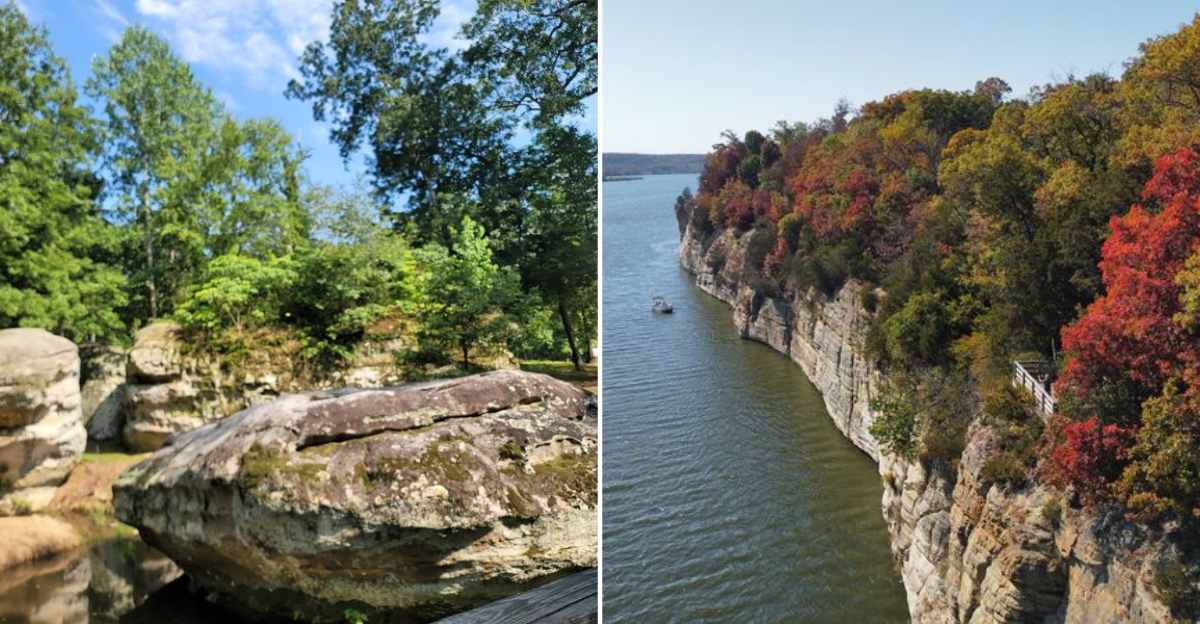
Illinois has a wild side that surprises people, and you do not have to search very hard to find it.
Beyond the cornfields, highways, and city skylines are small parks with canyon walls, caves, waterfalls, river bluffs, fern-covered ravines, and old-growth forest that feel nothing like the Illinois most travelers imagine.
I’ve spent years roaming backroads around the state, and these places still catch me off guard. Some are small enough to explore in a morning, but they leave a much bigger impression than their size suggests.
One minute you are driving through quiet farm country, and the next you are standing under a sandstone overhang or looking down into a wooded canyon. This list is for anyone ready to see Illinois in a completely different way.
1. Cave-in-Rock State Park, Cave-in-Rock
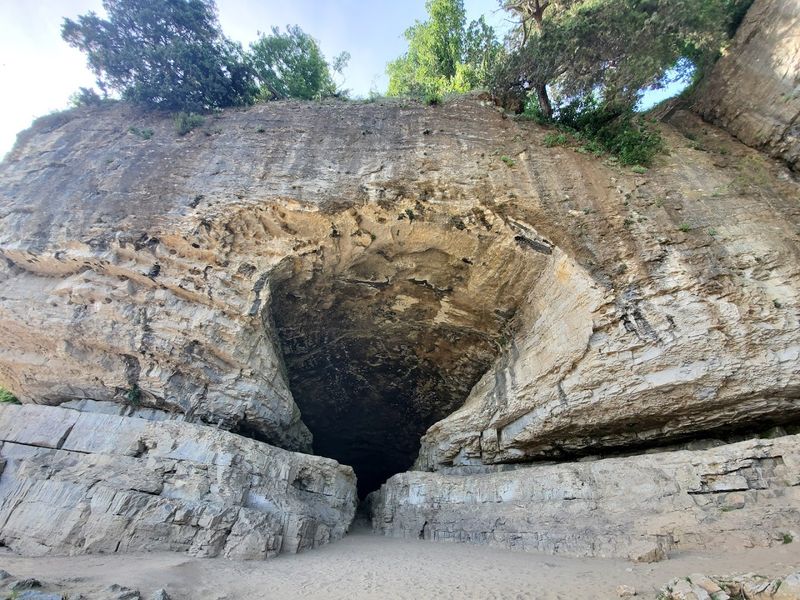
Right at the edge of the Ohio River, there’s a 55-foot-wide cave carved into a limestone bluff that has been stopping travelers in their tracks for centuries.
Cave-in-Rock State Park in Cave-in-Rock, Illinois, sits in Hardin County at the far southern tip of the state, and it earns every bit of attention it gets.
The cave itself is the main event, stretching about 160 feet deep into the rock face, and you can walk straight inside without any special gear or guided tour required.
History hangs heavy in this place. The cave served as a shelter for river pirates in the late 1700s and early 1800s, making it one of the most colorful geological formations in the Midwest.
Standing inside and looking out at the Ohio River is a genuinely cinematic experience that photos struggle to capture.
The park also offers a small campground, a picnic area, and ferry service across the river into Kentucky. Visiting in fall rewards you with brilliant foliage framing the cave opening.
For a park this compact, the combination of geology, history, and river scenery makes Cave-in-Rock one of the most memorable stops in all of Illinois.
2. Buffalo Rock State Park, Ottawa
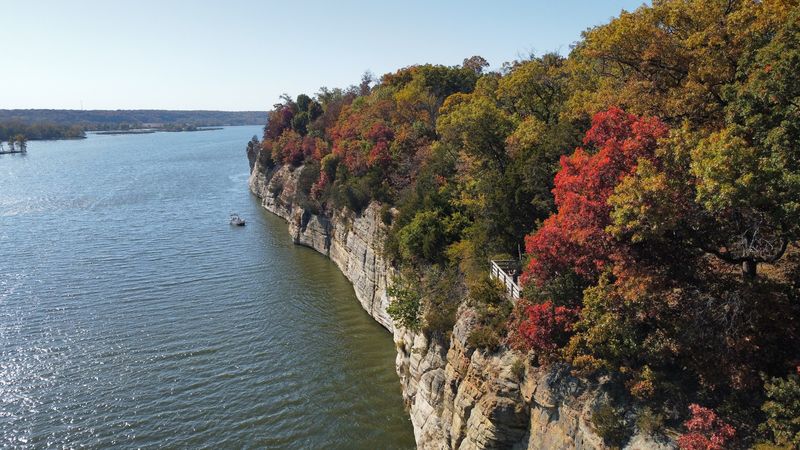
Perched on a sandstone bluff high above the Illinois River near Ottawa, Buffalo Rock State Park packs a remarkable amount of scenery and history into a relatively small footprint.
The park sits in LaSalle County in north-central Illinois, and the views from the bluff edge are the kind that make you stop mid-sentence and just stare. The Illinois River stretches wide below, and on clear days the valley feels almost boundless.
What sets Buffalo Rock apart from other small parks is its Effigy Tumuli, a series of five large earthen sculptures built in the 1980s by artist Michael Heizer. Shaped like a water strider, a snake, a frog, a catfish, and a turtle, these massive land art pieces are among the park’s most distinctive features.
The park is also home to resident bison, which adds a layer of wild character to the landscape. Trails here are short but rewarding, making this a great morning stop if you’re also visiting nearby Starved Rock.
Bring a camera and comfortable shoes, because the combination of river panoramas, land art, and bluff-top breezes creates a visit you’ll think about long after you leave.
3. Lowden State Park, Oregon
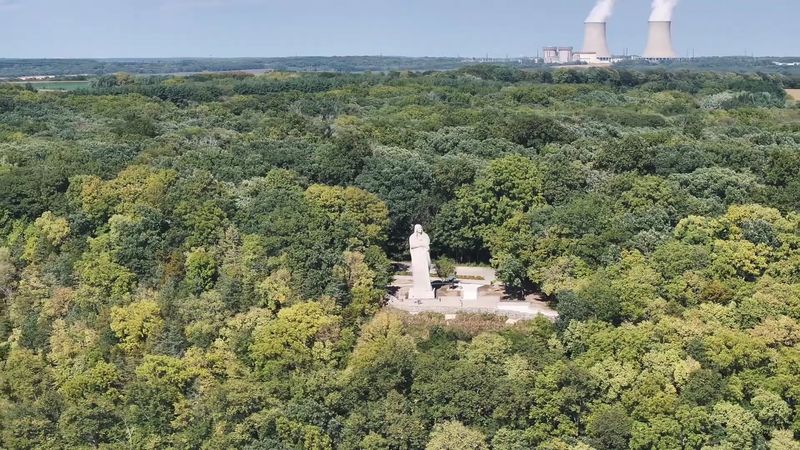
Most state parks announce themselves with a trailhead sign, but Lowden State Park near Oregon, Illinois, announces itself with a roughly 50-foot concrete statue commonly associated with Black Hawk, gazing silently over the Rock River from a high bluff.
The statue, created by sculptor Lorado Taft and completed in 1911, is one of the largest monumental sculptures in the United States and gives this small Ogle County park an instantly iconic quality.
The Rock River valley below is genuinely beautiful, especially in spring when wildflowers carpet the forest floor and in October when the bluffs go full orange and red. Trails wind along the bluff edge and down toward the riverbank, giving you two very different perspectives on the same landscape.
The park is small enough to explore in a few hours, but the quality of what you see per mile of trail is hard to beat.
Camping is available, and the spot directly below the Black Hawk statue at sunset is one of those quiet, contemplative moments that remind you why you travel in the first place. Oregon, Illinois is a charming small town worth a brief wander before or after your visit.
4. Beall Woods State Park, Mount Carmel
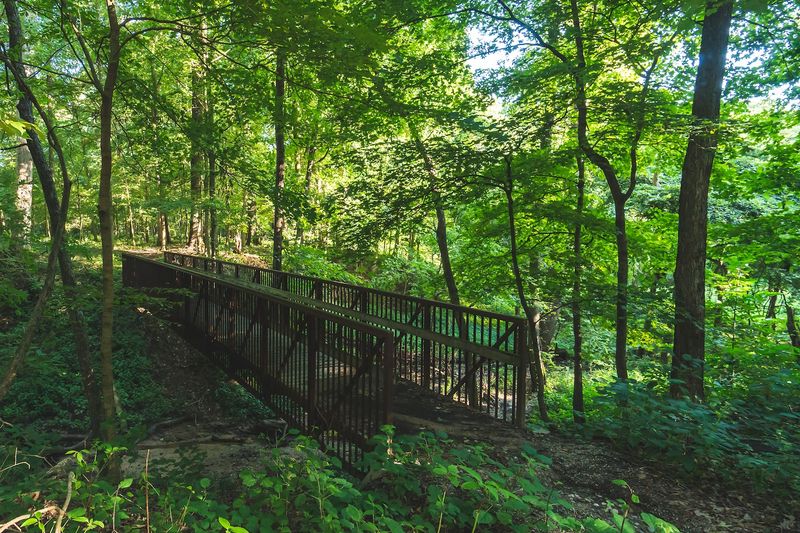
Old-growth forests are rare anywhere in the Midwest, which makes Beall Woods State Park near Mount Carmel in Wabash County something genuinely precious.
Known as the “Forest of the Wabash,” this park protects one of the largest remaining old-growth hardwood forests in Illinois, with trees that have been growing undisturbed for hundreds of years. Walking among them feels less like a hike and more like a quiet conversation with something ancient.
The park covers about 635 acres, which is modest by national park standards, but the density of massive oaks, ashes, and cottonwoods makes every acre feel significant. Some of the champion trees here are record-holders for their species in Illinois.
The Wabash River borders the park to the east, adding a gentle, meandering waterway to an already lush setting. Trails are well-maintained and accessible, making this a solid choice for families and older visitors who want a meaningful nature experience without a strenuous climb.
Spring brings wildflowers and birdsong, while fall turns the canopy into a stained-glass ceiling of amber and gold. If you care about forests that still feel wild and untouched, Beall Woods belongs near the top of your Illinois list.
5. Weldon Springs State Park, Clinton
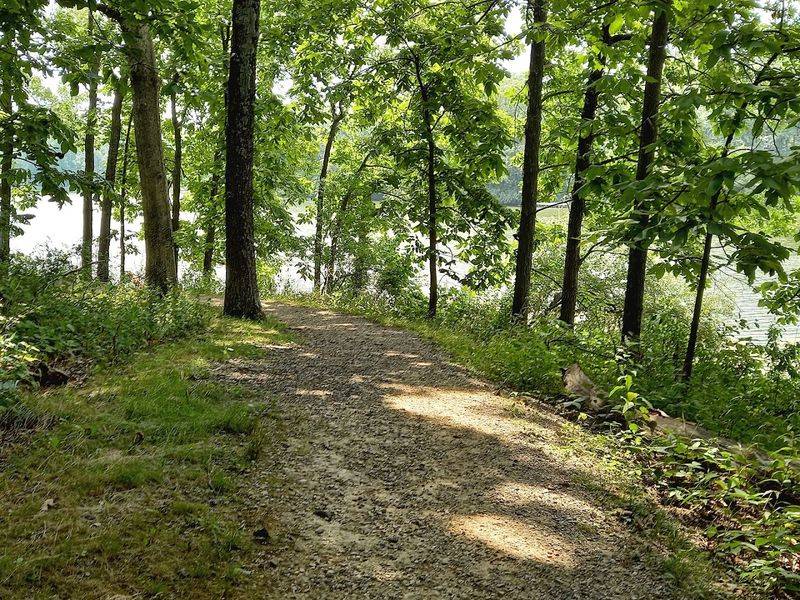
Central Illinois doesn’t always get credit for scenic beauty, but Weldon Springs State Park near Clinton in DeWitt County makes a quiet, convincing argument.
The park centers on a 29-acre lake that draws anglers, kayakers, and picnickers throughout the warmer months, surrounded by a mix of prairie restoration and wooded upland that gives the landscape a layered, textured feel. It’s the kind of place that rewards slow, unhurried visits.
The park has a rich history as a former resort and recreation area dating back to the early 20th century, and a few remnants of that era still add character to the grounds.
Trails loop around the lake and through restored tallgrass prairie, where in summer you’ll find blazing star, coneflower, and big bluestem swaying in the breeze.
Birdwatching here is excellent, particularly during spring and fall migration when warblers and shorebirds pass through. The campground is well-maintained and popular with families, and the lake offers fishing and boating opportunities during the warmer months.
For visitors who want a relaxed, all-day outing without the crowds you’d find at larger parks, Weldon Springs delivers a satisfying and genuinely pretty central Illinois experience worth the detour.
6. Dixon Springs State Park, Golconda
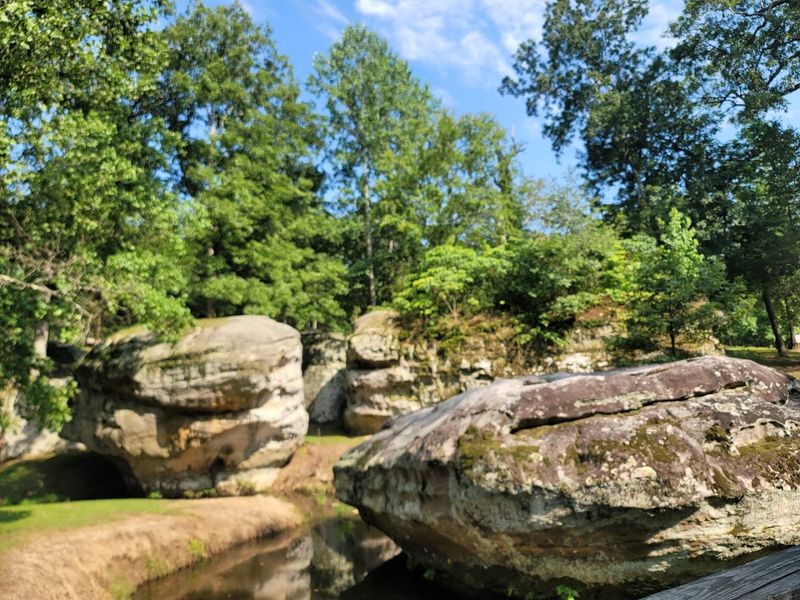
Southern Illinois has a geography that surprises nearly every first-time visitor, and Dixon Springs State Park near Golconda in Pope County is one of the best places to see why.
The park features massive sandstone bluffs, natural rock shelters, and a series of mossy canyons carved by centuries of water movement.
The terrain here looks more like the Ozarks than anything most people picture when they think of Illinois. The park is compact, covering only about 800 acres, but the concentration of geological features is remarkable.
You’ll find large boulders, cool overhangs, and narrow passages between rock walls that make exploration feel genuinely adventurous. A small swimming pool operated by the park is a popular summer draw for families from the surrounding region.
The campground sits among the trees and offers a peaceful, shaded setting. Dixon Springs is located close to the Garden of the Gods wilderness area, making it an ideal base camp if you’re doing a broader tour of the Shawnee National Forest.
Visiting in spring means wildflowers blooming in every crevice, and the green against the rust-colored sandstone creates a color combination that photographers return to year after year.
7. Castle Rock State Park, Oregon
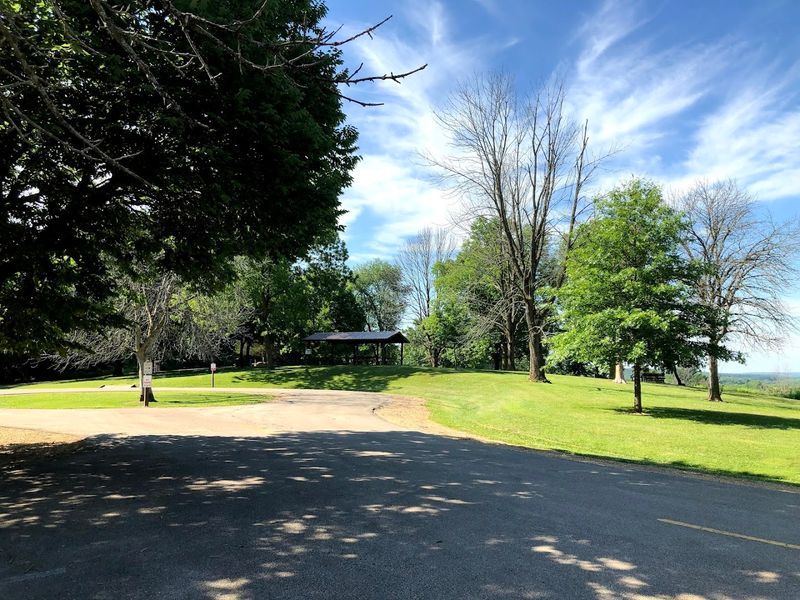
Just a short drive from Lowden State Park, Castle Rock State Park near Oregon in Ogle County offers a completely different personality despite sharing the same Rock River valley.
The park takes its name from the distinctive sandstone outcroppings that rise above the river, shaped by erosion into forms that genuinely resemble the towers and walls of an old fortress. Following the designated trail to the rock formations for a river view is absolutely worth the effort.
Castle Rock is one of those parks that rewards visitors who slow down and pay attention to details. The sandstone surfaces are covered in lichens and mosses, and the pine trees growing among the rocks give the place a slightly northern, almost Canadian feel that stands out against the typical Illinois landscape.
Trails are short but varied, connecting the bluff top with forested lower areas and river access points. The park is popular with local hikers but rarely feels crowded, which makes weekday visits especially pleasant.
Sunrise here, when the light hits the sandstone formations at a low angle and the Rock River glows below, is the kind of morning moment that makes early rising feel entirely worth it.
8. Apple River Canyon State Park, Apple River, Illinois
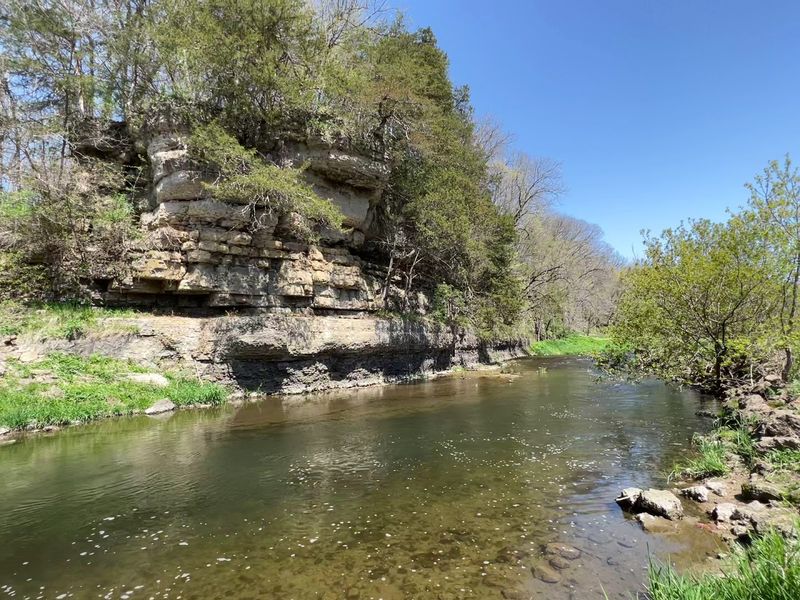
Northwestern Illinois holds one of the state’s most underrated geological surprises, and Apple River Canyon State Park near the village of Apple River in Jo Daviess County is the centerpiece of it.
The park sits in Illinois’s Driftless Area, a region that glaciers largely bypassed, leaving behind a rugged, canyon-cut landscape that feels wildly out of place in the flat Midwest.
The Apple River has carved a narrow canyon through limestone bedrock, and the trail system follows both the canyon floor and the bluff tops for two very different perspectives.
Five separate trail loops give visitors flexibility depending on energy level and time available. The canyon floor trail keeps you close to the river, where springs seep from the bluff walls and ferns crowd every shaded corner.
The upper trails deliver sweeping views of the canyon and surrounding hills.
Spring is particularly spectacular here, with trout lilies, bloodroot, and hepatica blooming along the canyon walls before the tree canopy fills in.
The park covers about 297 acres, which means you can explore it thoroughly in a half-day and still feel like you’ve seen something genuinely remarkable. Apple River Canyon is proof that Illinois geography can be dramatic when given the right conditions.
9. Matthiessen State Park, Utica And Oglesby Area
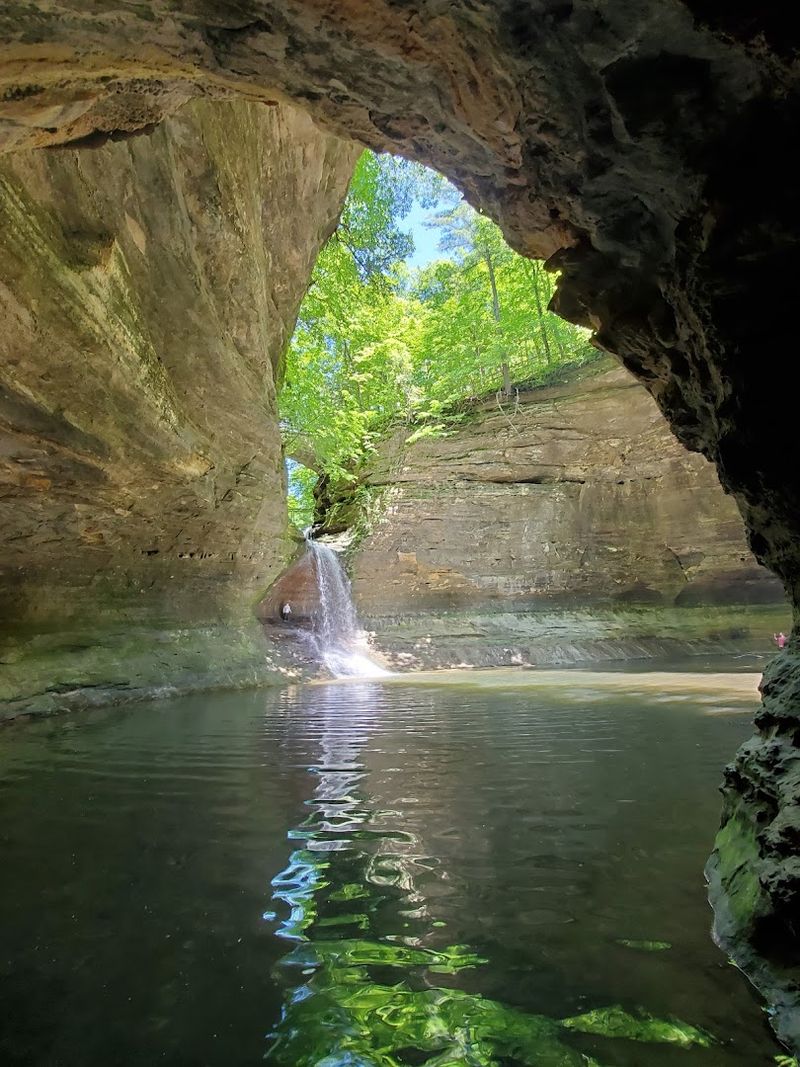
Matthiessen State Park often plays second fiddle to its famous neighbor Starved Rock, but visitors who actually walk its trails tend to argue it’s the better park.
Located near Utica and Oglesby in LaSalle County, Matthiessen features two distinct canyon systems, called the upper dells and lower dells, connected by trails that wind past waterfalls, moss-covered walls, and pools of remarkably clear water.
The canyons feel intimate and a bit secretive, like the landscape is sharing something it doesn’t show everyone.
The park covers about 1,938 acres, making it larger than most on this list, but the trail system keeps things manageable and the crowds thinner than at Starved Rock next door. Waterfalls here are seasonal, running strongest after spring rains or winter snowmelt, and those are the times to prioritize a visit.
The upper dells area includes a stunning lake and a cedar grove that smells incredible in warm weather. Equestrian trails add another dimension for visitors who want to explore on horseback.
Matthiessen rewards photographers, families, and solo hikers equally, offering the kind of layered sandstone scenery that Illinois rarely gets credit for producing. Plan at least three hours to do it justice.
10. Ferne Clyffe State Park, Goreville
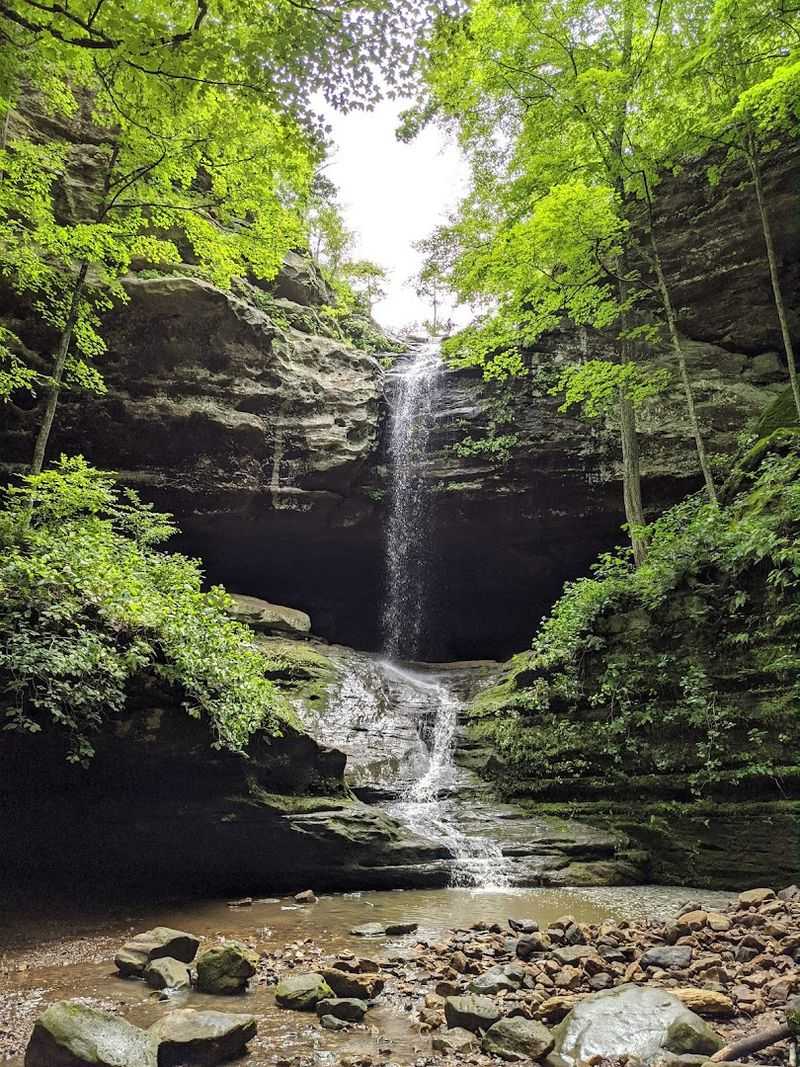
Ferne Clyffe State Park near Goreville in Johnson County sits in the heart of southern Illinois’s Shawnee Hills, and the name alone sets the right mood.
Ferns genuinely do carpet the canyon floors here, growing thick and green against the sandstone walls in a way that makes the whole place feel prehistoric.
The park’s signature feature is a massive rock shelter called Hawk’s Cave, a sweeping sandstone overhang large enough to shelter a small crowd beneath its curved ceiling.
A seasonal waterfall drops dramatically over the bluff edge into a pool below the rock shelter, and timing your visit after a good rain turns that feature from impressive to absolutely stunning.
The park covers about 2,470 acres and offers a variety of trails, including routes that range from easy lakeside walks to more challenging bluff climbs. The lake at the center of the park provides fishing and a calm, reflective surface that mirrors the surrounding forest beautifully.
Ferne Clyffe is located close to the popular Garden of the Gods area, making it a natural pairing for a weekend road trip through the Shawnee. For anyone who thinks Illinois is flat and featureless, this park is the most persuasive counter-argument I know.