
These 12 Are The Best Ohio Places To Find Fossils, Beach Glass, And More
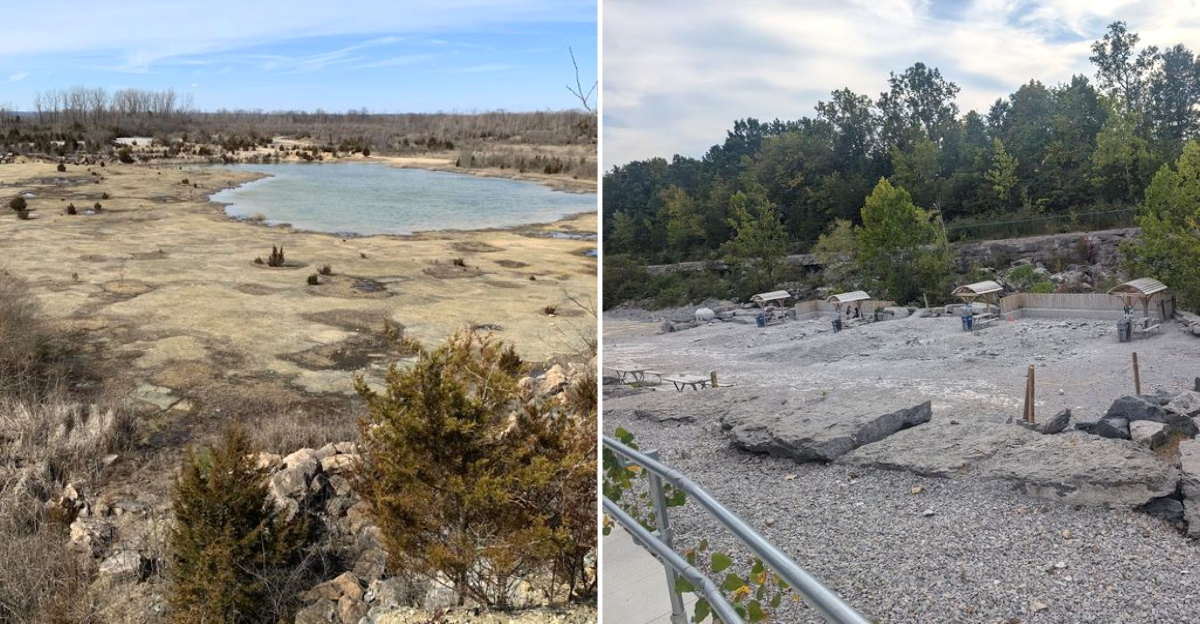
Ohio is sneakier than people give it credit for. One minute you are walking through a public park or scanning a Lake Erie shoreline, and the next you are holding a fossil, a smooth piece of beach glass, or a rock that suddenly makes you feel like the star of your own tiny treasure-hunting movie.
That is the fun of exploring the Buckeye State this way. Its ancient seas left behind fossils that are still easy to find today, while Lake Erie keeps washing up colorful glass for patient collectors who know where to look.
Some of these places are perfect for kids with muddy shoes and big questions. Others are great for serious rockhounds who already have their bags, tools, and “just one more piece” excuses ready.
From fossil parks to lakefront beaches, these Ohio spots prove that the best souvenirs are not always found in gift shops. Sometimes they are waiting in the dirt, the shale, or right along the waterline.
1. Trammel Fossil Park, Sharonville, Ohio
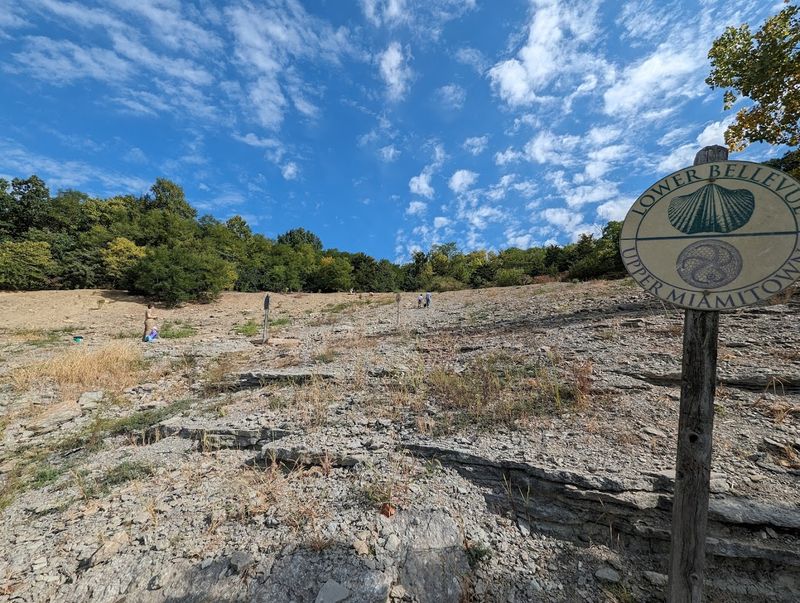
Free admission and fossils you can actually keep? Yes, that is exactly what Trammel Fossil Park in Sharonville, Ohio delivers, and it has been drawing excited visitors for years.
Located at 11935 Tramway Drive, this park sits on ancient Ordovician-age rock that is more than 440 million years old.
You can find brachiopods, bryozoans, crinoid stems, and trilobite fragments just by looking carefully through the exposed shale layers.
No special equipment is required, though a sturdy bag and close-toed shoes will make your visit much more comfortable.
The park is run by the City of Sharonville, so it is maintained as a public fossil-collecting site and is easy to navigate even for first-time fossil hunters.
Kids absolutely love the hands-on experience here, and adults tend to lose track of time once they start spotting ancient marine creatures in the rock.
Parking is free and the site is open year-round, though spring and fall tend to offer the best conditions after rain has washed fresh material to the surface.
It is one of the most accessible fossil sites in the entire Midwest, and the thrill of finding your first trilobite fragment never really gets old.
2. Fossil Park, Sylvania, Ohio
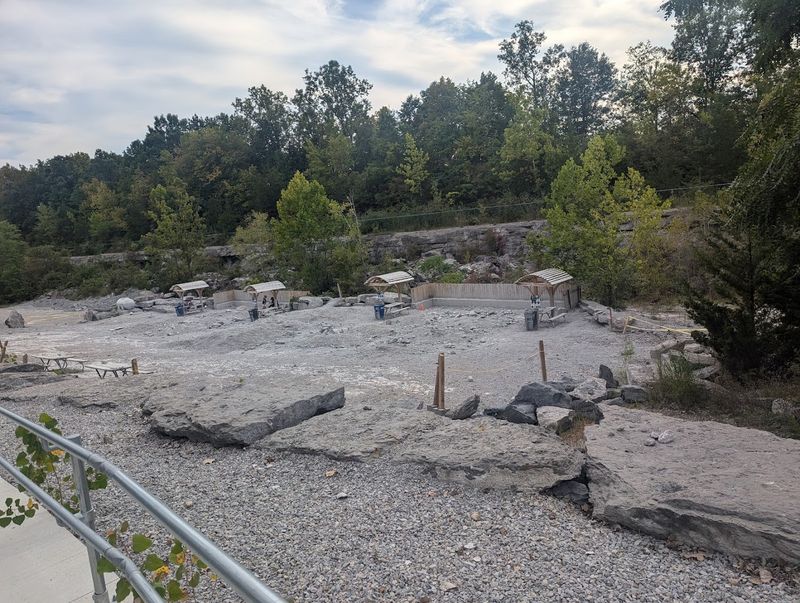
Tucked into the northwest corner of Ohio near Toledo, Fossil Park in Sylvania is a collector’s playground built around quarry material loaded with Devonian-age marine fossils.
Located at 5705 Centennial Road, the site features rock that formed approximately 375 million years ago when a warm, shallow sea covered this region.
Corals, brachiopods, crinoids, and horn corals are among the most commonly found specimens here, and many visitors walk away with genuinely impressive finds.
The park provides educational signage that helps beginners identify what they are looking at, which is a thoughtful touch for families with younger kids.
Tools are not allowed, so visitors should plan on searching by hand and bringing a brush or container to carry finds home.
Spring visits can be especially rewarding because freeze-thaw cycles through winter tend to expose fresh material.
Admission is free, and the site is maintained by Outdoor Sylvania, making it a reliable and rewarding destination for fossil fans of all experience levels.
3. Caesar Creek Lake Visitor Center, Waynesville, Ohio
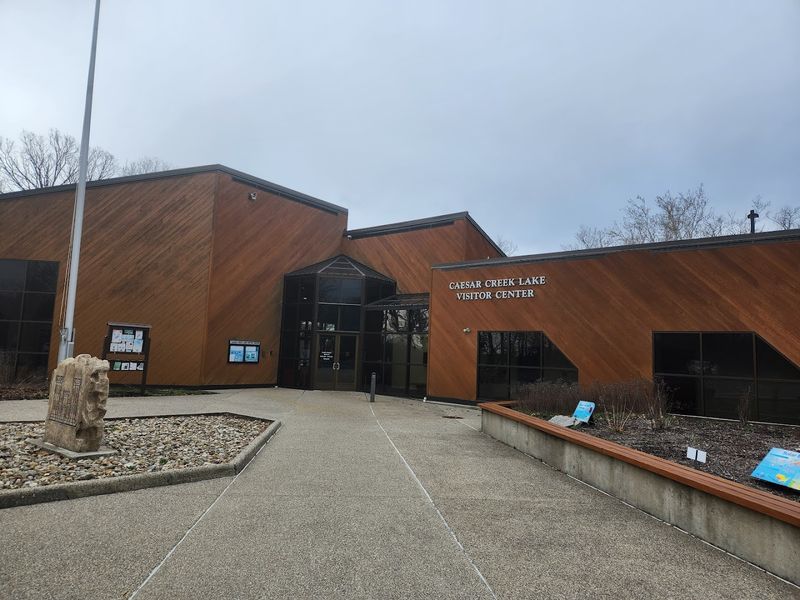
Caesar Creek Lake is one of those places that rewards patience, and the fossil-bearing rock exposed in its emergency spillway is genuinely world-class for a public site.
Located near the U.S. Army Corps of Engineers Visitor Center at 4020 N.
Clarksville Road in Waynesville, Ohio, the designated fossil collecting area allows visitors to legally keep what they find after getting a free collecting permit.
The rocks here date back to the Ordovician period, around 450 million years ago, and they are packed with brachiopods, trilobites, crinoids, corals, and other marine fossils.
Trilobite finds are possible here, which gives Caesar Creek a bit of a legendary reputation among serious collectors.
The visitor center itself is worth a stop before you head out to collect, since that is where you pick up the permit and current collecting information.
Wear sturdy shoes because the rocky terrain near the spillway can be uneven and slippery after rain.
The surrounding lake and parkland make this a full-day outing that blends fossil hunting with hiking, picnicking, and some genuinely beautiful Ohio scenery.
4. Hueston Woods State Park, College Corner, Ohio
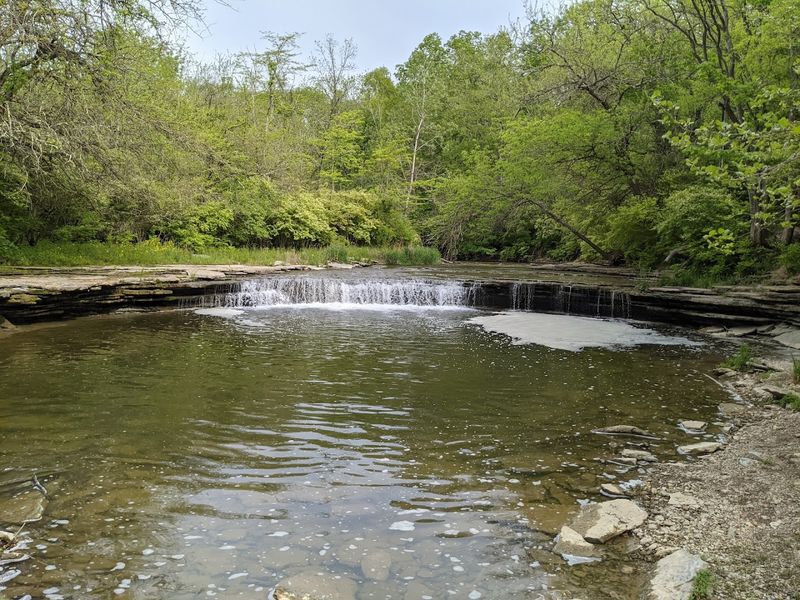
Hueston Woods State Park is the kind of place where a casual nature walk can turn into an unexpected fossil adventure, and that surprise factor is a big part of its appeal.
Located at 6301 Park Office Road in College Corner, Ohio, the park covers over 3,000 acres of forest, lake, and exposed limestone outcroppings that date back to the Ordovician period.
Four Mile Creek, which runs through the park, is a particularly productive spot where erosion continuously exposes fresh fossil-bearing rock surfaces along its banks.
Brachiopods and crinoid fragments are the most frequently spotted finds, though patient hunters occasionally turn up more exciting specimens in the creek bed.
The park also offers a nature center, cabins, camping, and a lodge, so there is plenty of reason to make a whole weekend of your visit.
Collecting in the creek area is generally permitted, but it is always smart to check with park staff about current rules before you start filling your pockets.
The combination of lush forest scenery, accessible fossil outcrops, and excellent park facilities makes Hueston Woods a standout destination that appeals to families, hikers, and rockhounds all at once.
5. Oakes Quarry Park, Fairborn, Ohio
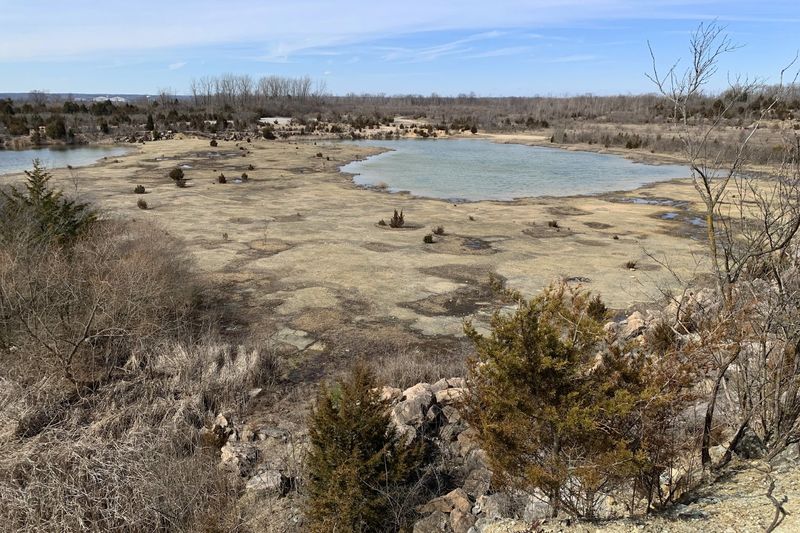
Not every quarry gets a second life as a fossil hunter’s paradise, but Oakes Quarry Park in Fairborn, Ohio managed exactly that transformation in the most satisfying way possible.
Situated at 1267 E. Xenia Drive, this city-owned park was once an active limestone quarry and now exposes ancient rock layers with Silurian-era marine fossils for anyone willing to look closely.
Brachiopods, corals, mollusks, and crinoid fragments are all possible finds here, and the former quarry landscape gives the park a dramatic geological character even before you start looking closely.
The site is free and open to the public, which makes it one of the most accessible collecting locations in the Dayton area.
One important rule is worth knowing before you go: fossil collecting is permitted only in clearly marked spoil-pile areas, while the reef area and quarry walls should be avoided.
The park also features walking paths and green space, so non-collectors in your group will have something to enjoy while you search through the designated collecting areas.
Fairborn locals clearly take pride in this unusual little park, and the collecting community has embraced it as one of southwest Ohio’s most interesting fossil spots.
6. William H. Harsha Lake Visitor Center, Batavia, Ohio
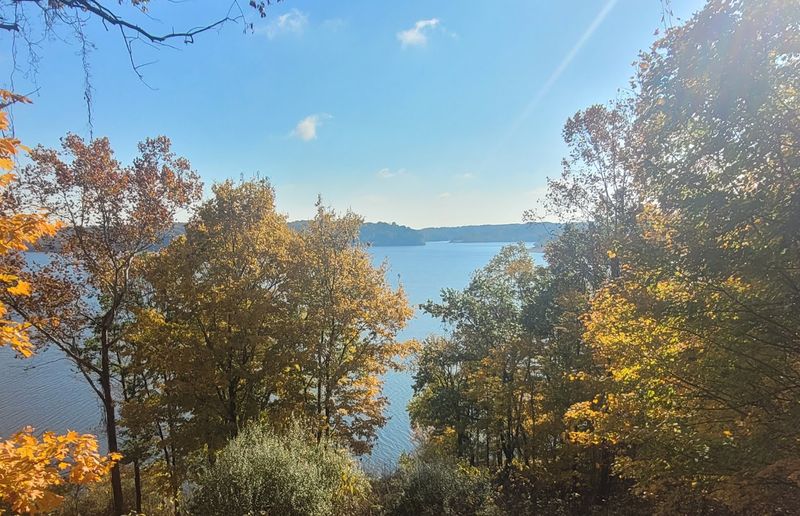
East Fork Lake, also known as William H. Harsha Lake, is one of those quieter fossil stops that deserves more attention from collectors who already know the bigger-name sites.
The William H. Harsha Lake Visitor Center at 2185 Slade Road in Batavia, Ohio is the place to start before heading to the nearby fossil collecting area.
Fossil collecting is tied to the spillway area and requires a free permit from the Visitor Center, so checking in before you search is an important part of the visit.
The rock here is Ordovician in age, similar to other southwest Ohio collecting areas, and it can yield brachiopods, bryozoans, crinoids, and the occasional trilobite fragment for those willing to search carefully.
The visitor center staff can help orient you before you head out, and current conditions can affect which areas are practical to explore.
Comfortable shoes and a small day pack with water are worth bringing along.
For collectors who enjoy a more peaceful, unhurried experience without sacrificing fossil quality, Harsha Lake is genuinely worth considering in the greater Cincinnati region of Ohio.
7. Flint Ridge Ancient Quarries and Nature Preserve, Glenford, Ohio
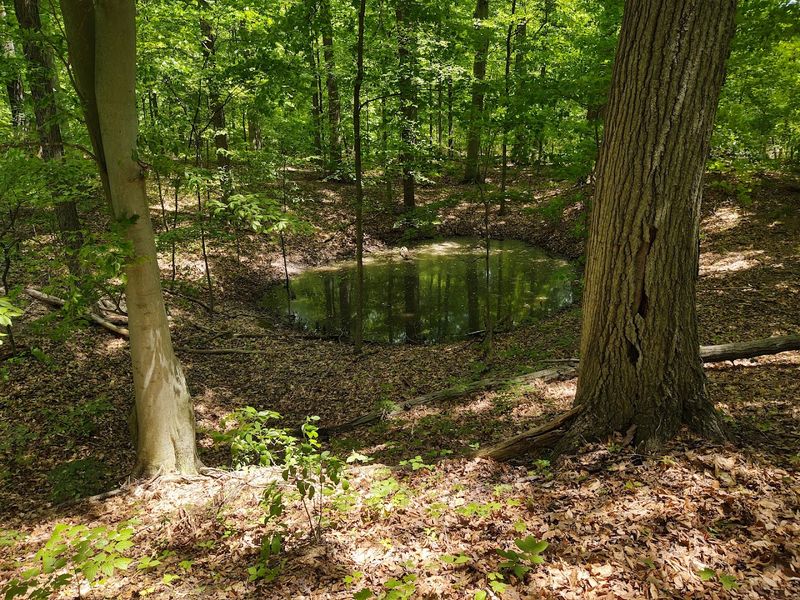
Long before European settlers arrived, Indigenous peoples traveled from far away to quarry the brilliantly colored flint found at Flint Ridge, and one visit here explains exactly why they made that journey.
Located at 15300 Flint Ridge Road in Glenford, Ohio, this nature preserve protects one of the most historically significant geological sites in North America.
The flint here comes in a stunning range of colors, including cream, pink, red, blue, and multicolored banded varieties, all connected to ancient silica deposits roughly 300 million years old.
Visitors can walk the trail system and observe ancient quarry pits dug by Indigenous peoples over thousands of years, which adds a profound historical dimension to the geological experience.
This is best treated as a place to look, learn, and appreciate the landscape rather than as a collecting stop.
The museum has traditionally helped explain both the geology and cultural history of the ridge, though current visitor information notes that the museum is closed for the season while the grounds and trails remain open during daylight hours.
The combination of natural beauty, deep history, and genuinely striking mineral specimens makes Flint Ridge a completely unique stop on any Ohio geology adventure.
8. Headlands Beach State Park, Mentor, Ohio
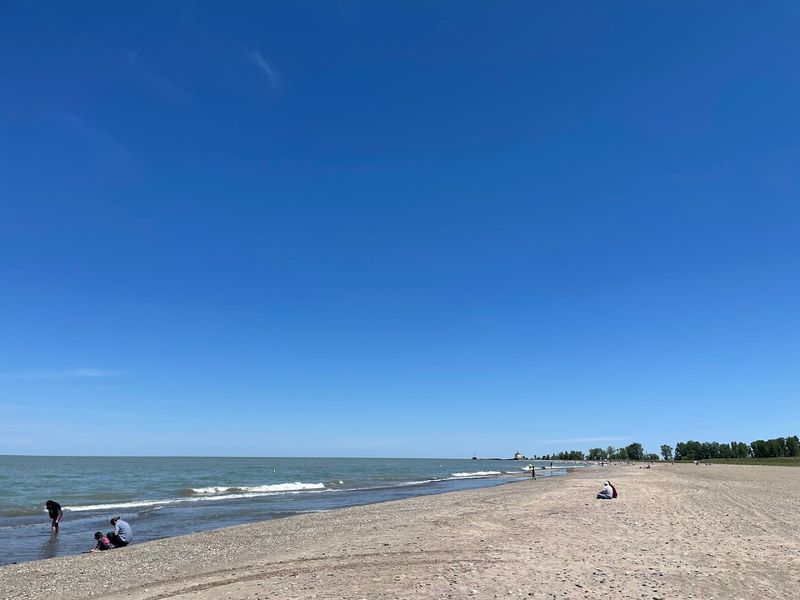
Headlands Beach State Park sits along one of the longest natural sand beaches on Lake Erie, and the shoreline here has a well-earned reputation for producing interesting beach glass finds in Ohio.
Located at 9601 Headlands Road in Mentor, Ohio, the park’s beach stretches along a large sandy shoreline and is backed by a rare coastal dune ecosystem that adds to its natural appeal.
After storms roll through the lake, waves can push fresh deposits of weathered glass in shades of white, brown, green, and the always-coveted cobalt blue onto the sand.
The best beach glass hunting often happens in the early morning after a windy night, before other visitors have had a chance to scan the waterline.
Beyond glass hunting, the park also offers swimming, hiking through the adjacent Headlands Dunes State Nature Preserve, and excellent bird watching during fall migration season.
The combination of natural beach, rare dune habitat, and productive shoreline searching makes this one of the most versatile outdoor destinations on the Lake Erie coast.
Bring a small mesh bag for your finds and comfortable water shoes for navigating the rocky sections near the water’s edge where glass tends to concentrate.
9. Lakeview Park, Lorain, Ohio
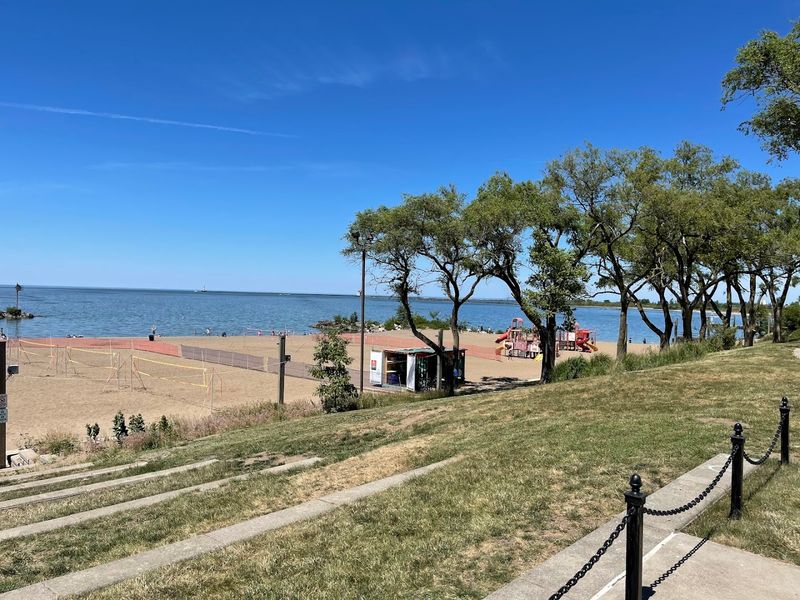
Lorain’s Lakeview Park has a double identity that most visitors do not expect: it is a beautifully landscaped city park with rose gardens and a splash pad, and it is also a surprisingly productive beach glass hunting spot along Lake Erie.
Located at 1800 West Erie Avenue in Lorain, Ohio, the park’s beach section features a mix of sand and gravel that tends to trap and hold beach glass particularly well after wave action.
The industrial history of Lorain means that glass from old factories, shipping operations, and lakeside communities has been tumbling in the lake for over a century, resulting in well-frosted, rounded pieces in a wide range of colors.
Aqua and green pieces are the most common, but patient hunters occasionally turn up red, orange, or opaque white glass that is genuinely collectible.
The rose garden at the park is in full bloom through summer, making the setting especially pleasant for a relaxed morning of shoreline searching.
Parking is free and the beach area is easy to access, which makes Lakeview Park a low-effort, high-reward stop for anyone exploring the Lake Erie shoreline between Cleveland and Sandusky.
10. Fairport Harbor Lakefront Park, Fairport Harbor, Ohio
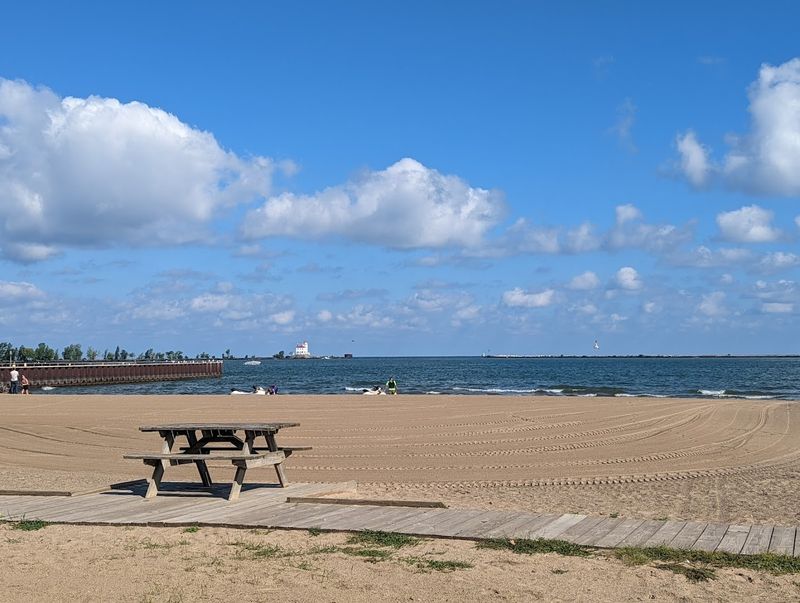
There is something undeniably charming about hunting for beach glass with a 19th-century lighthouse watching over your shoulder, and Fairport Harbor Lakefront Park delivers exactly that experience.
Located at 301 Huntington Beach Drive in Fairport Harbor, Ohio, this small but beloved park sits at the mouth of the Grand River where it meets Lake Erie, creating an interesting mix of currents that pushes glass and stones onto the beach.
The rocky sections of the shoreline near the breakwall are particularly productive for beach glass, especially after a strong northeast wind churns up the lake overnight.
Pieces here tend to be well-tumbled and frosted, which is exactly what collectors look for in quality beach glass.
The historic Fairport Harbor Lighthouse and Marine Museum is right next door, and combining a museum visit with a beach glass hunt makes for a genuinely satisfying half-day outing.
The town itself is small and friendly, with a few local shops and a relaxed atmosphere that makes lingering feel entirely natural.
For collectors who appreciate a spot with both natural beauty and a strong sense of local history, Fairport Harbor stands out as one of the most atmospheric stops on the Lake Erie shoreline.
11. Walnut Beach Park, Ashtabula, Ohio
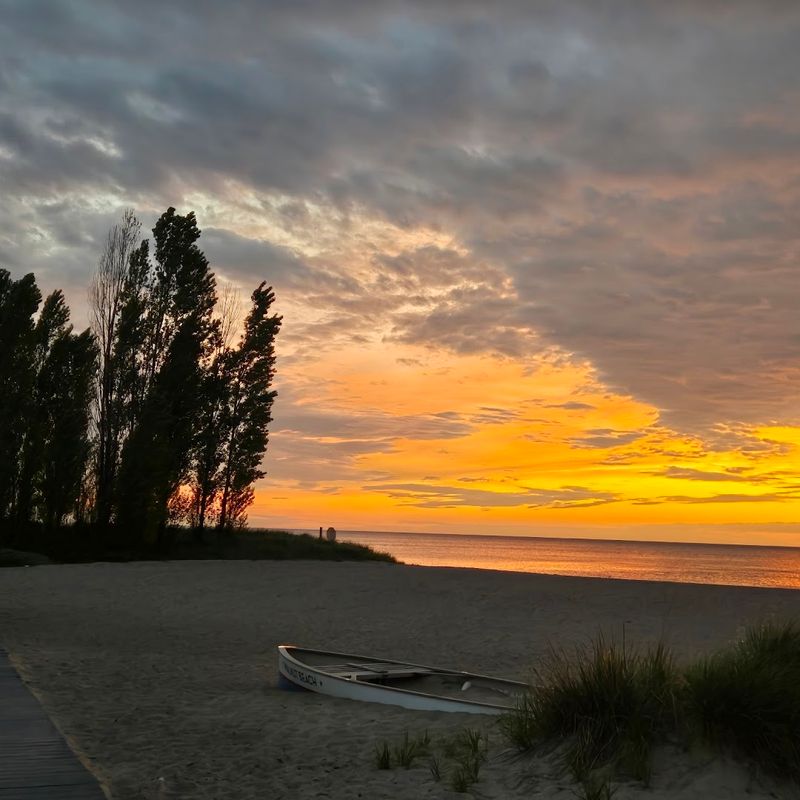
Ashtabula has one of the most active harbor histories on Lake Erie, and that long shoreline story helps explain why Walnut Beach Park has become such a favorite among beach glass hunters.
Situated at 1645 Walnut Boulevard in Ashtabula, Ohio, the park features a wide sandy and pebbly beach that stretches along the lake with a clear view of the harbor entrance nearby.
The mix of sand and larger stones along the waterline creates natural pockets where beach glass can collect, and a slow, methodical scan of these areas after a storm can reward patient hunters.
Beach pottery, which is ceramic and stoneware fragments tumbled smooth by the lake, also turns up here and is prized by many collectors.
The park has good parking, a picnic area, and a pleasant open atmosphere that works well for families spending a full morning at the water.
Ashtabula’s historic harbor district is just a short drive away, offering a nice way to round out the day with some local sightseeing after your beach glass hunt.
The northeast corner of Ohio consistently delivers some of the most productive beach glass hunting in the state, and Walnut Beach is one of its finest examples.
12. Conneaut Township Park, Conneaut, Ohio
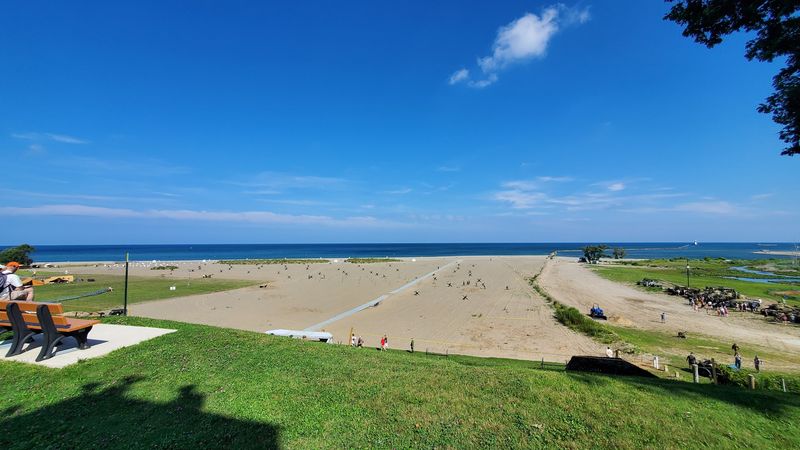
All the way in the northeast corner of Ohio, right near the Pennsylvania border, Conneaut Township Park has quietly built a devoted following among beach glass enthusiasts who know that this stretch of Lake Erie shoreline is among the most productive in the state.
Located at 480 Lake Road in Conneaut, Ohio, the park offers a relatively uncrowded beach with a pebbly and rocky shoreline that is ideal for trapping and holding beach glass after wave action.
The remote feel of the location means that competition from other collectors is lower than at more popular spots, which translates directly into better finds for those willing to make the drive.
Colors range from the common whites and greens to rarer finds like red, black, and purple, and the glass tends to be beautifully frosted from years of lake tumbling.
The park itself is simple and unpretentious, with basic amenities and a natural setting that feels refreshingly unfiltered.
Early morning visits in late fall and early spring are particularly productive because lake storms during those seasons churn up fresh material from deeper water and deposit it on the shore.
For serious collectors willing to venture to the far eastern edge of Ohio, Conneaut Township Park rewards the effort in a way that few other spots can match.