
This Underrated Illinois Dinosaur Museum Is Home To Jane The T. Rex And Homer The Triceratops
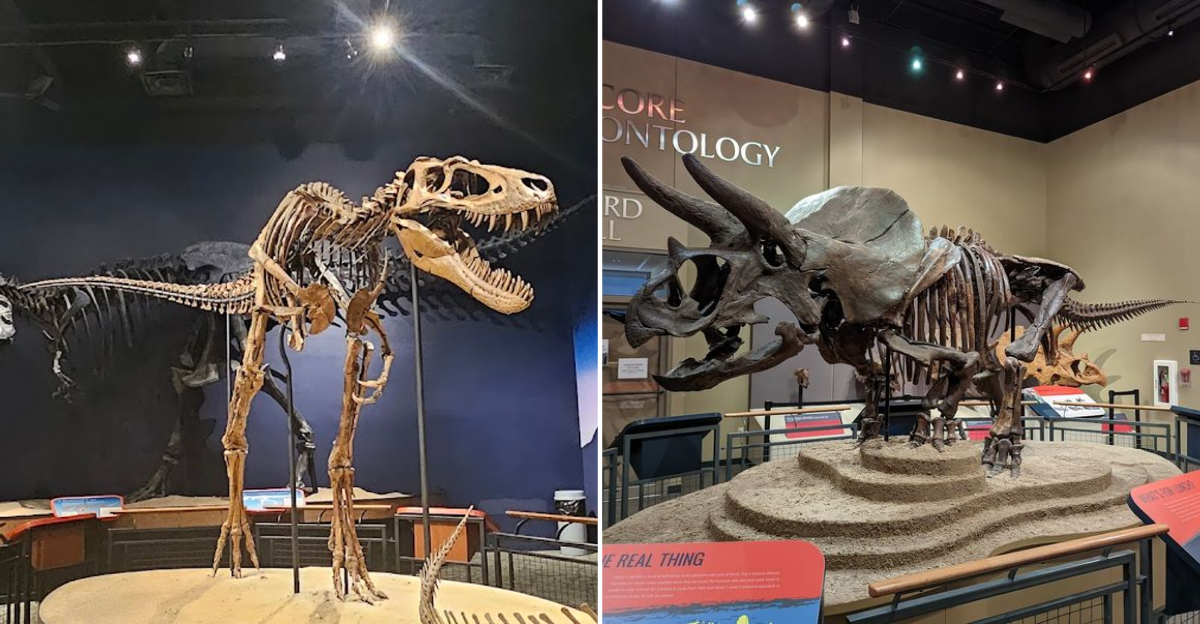
In northern Illinois, there is a museum hiding a dinosaur mystery big enough to rewrite a few labels.
Inside its four floors, a famous tyrannosaur skeleton waits in dramatic silence, joined by horned dinosaurs, Ice Age giants, glittering minerals, and live reptiles that make the ancient world feel strangely close.
This is not a huge coastal institution with endless crowds or impossible parking. It feels more personal, more surprising, and far easier to explore.
Families drift past fossil cases, kids stop hard at reptile enclosures, and adults end up lingering over details they never expected to care about. The best part is the sense of discovery.
You arrive thinking it will be a quick Illinois museum stop, then suddenly you are staring at deep time like it has been waiting there just for you.
Jane Is The Museum’s Fossil Celebrity
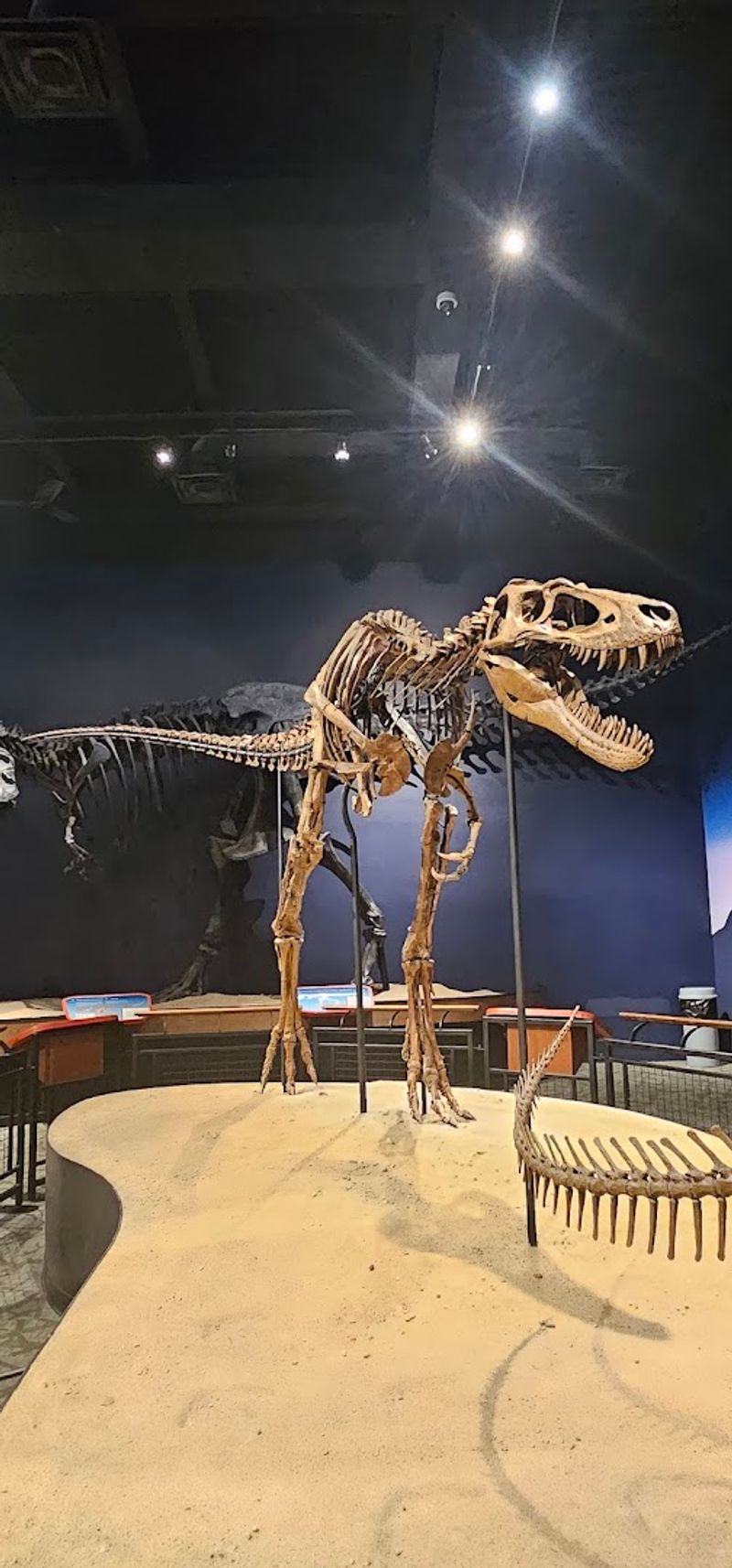
Not every museum can say it houses one of the most scientifically important dinosaur specimens on Earth, but the Burpee Museum of Natural History can say exactly that.
Jane is a juvenile Tyrannosaurus rex whose skeleton is considered the most complete and best-preserved juvenile T. rex ever found.
She was discovered in 2001 in the Hell Creek Formation of Montana, and her bones arrived at the Burpee Museum in Rockford, Illinois, where she has been a centerpiece ever since.
What makes Jane so remarkable is what her bones revealed to paleontologists worldwide. Before her discovery, scientists debated whether a smaller dinosaur called Nanotyrannosaurus was a separate species.
Jane’s skeleton helped settle that argument by showing she was simply a young T. rex still growing into her full size.
Standing near her, you feel the quiet power of a creature that rewrote textbooks. She is genuinely irreplaceable in the world of paleontology.
Meet Homer, The Teenage Triceratops
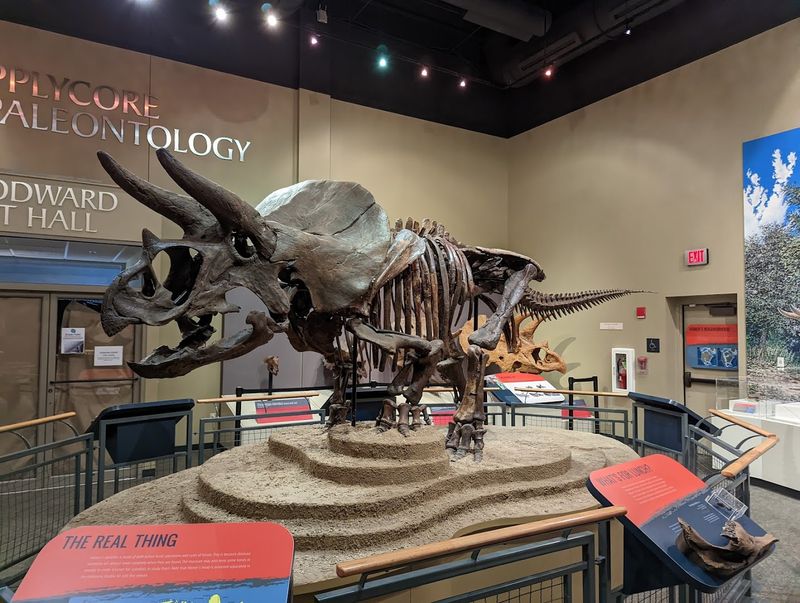
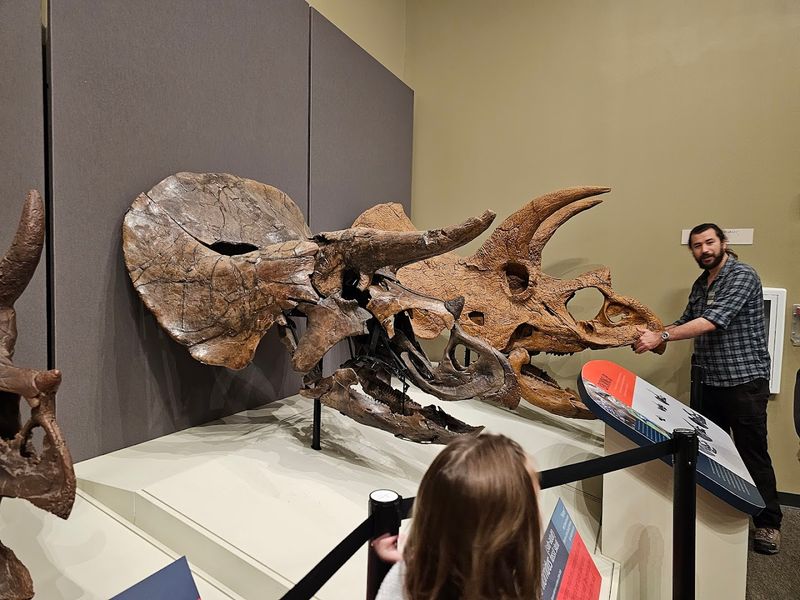
Homer the Triceratops has a quiet confidence about him that makes you stop walking and just stare.
Found in the Hell Creek Formation of southeastern Montana, Homer represents one of the most complete subadult Triceratops skeletons ever recovered, and the Burpee Museum in Rockford, Illinois, is lucky enough to call him a permanent resident.
What separates Homer from other ceratopsian displays is how much of his original skeleton is actually present. Many museum dinosaur mounts rely heavily on cast replicas to fill gaps, but Homer’s high percentage of real bone makes him an exceptional scientific specimen.
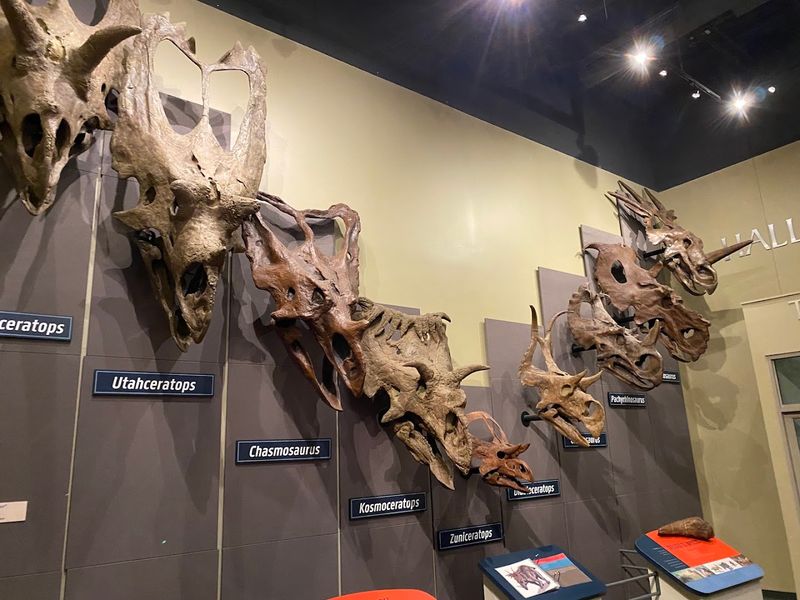
The museum also displays a remarkable collection of ceratopsian skulls alongside Homer, giving visitors a broader picture of the horned dinosaur family tree.
Seeing Homer in person puts the sheer variety of prehistoric life into sharp focus. He is not just a trophy on a wall.
He is a window into a world that existed roughly 68 to 66 million years ago, and his presence at the museum is something truly worth traveling to experience.
Four Floors, 450 Million Years
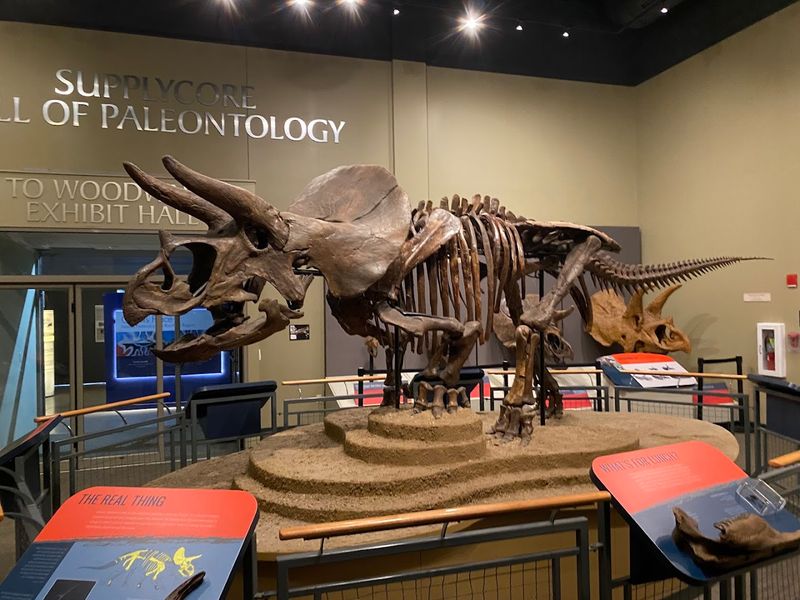
Four floors of exhibits sounds manageable until you actually start exploring and realize how much has been packed into each level.
The Burpee Museum of Natural History covers geological eras stretching from ancient Paleozoic seas through the Quaternary, meaning the story it tells spans hundreds of millions of years of Earth’s history. That kind of scope takes time to appreciate properly.
Each floor introduces a new chapter in the natural world’s story. Lower levels focus on ancient seas, geology, and deep-time fossils, while upper floors bring visitors closer to more recent natural history, including ice age mammals and the living animals in the Windows to Wilderness room.
The transitions between floors feel intentional and educational rather than random. Plan for at least two solid hours if you want to read the displays thoughtfully and soak in the details.
The museum never feels overwhelming despite its content density, and the layout guides visitors naturally from one era to the next without confusion.
The Reptile Room Brings It Alive
Fossils tell the story of creatures long gone, but the Windows to Wilderness room at the Burpee Museum brings nature fully alive.
The upper floor houses a collection of living reptiles, including lizards, snakes, turtles, and a blue-tongued skink named Jolly Rancher who has charmed more than a few visitors during educational encounters with museum staff.
Watching a staff member feed the reptiles is one of those spontaneous museum moments that kids talk about for weeks afterward.
Lizards and turtles munching on carrots and apples while a knowledgeable educator explains their biology turns a simple observation into a memorable science lesson. The animal encounter tours, led by staff like Claire, add even more depth to this part of the museum.
The living animal exhibits complement the fossil displays beautifully by reminding visitors that evolution is not a finished story. Reptiles today carry biological echoes of the ancient world, and seeing them up close in this context makes the prehistoric exhibits feel even more connected and relevant.
Watch Fossils Emerge In Real Time
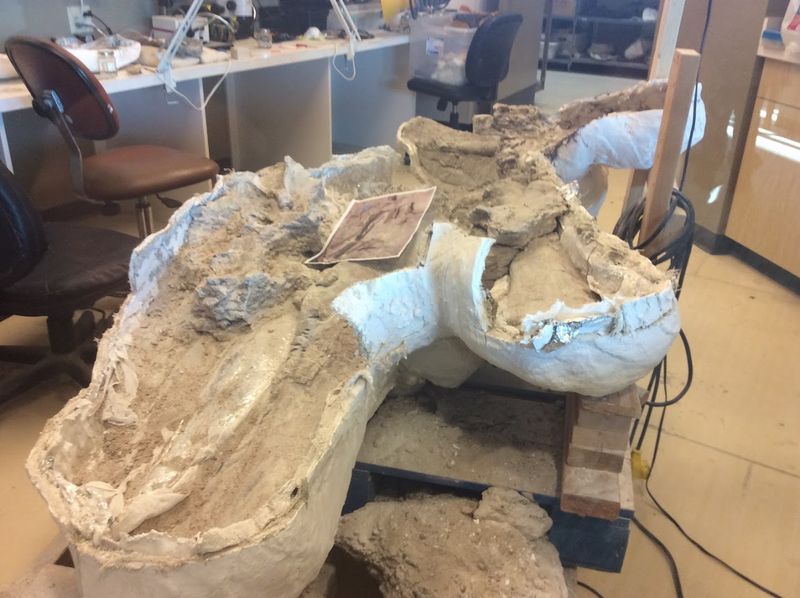
Most museums show you the finished product. The Burpee Museum shows you the process, and that difference is genuinely exciting.
The fossil preparation lab is a working scientific space where trained preparators carefully clean and expose real fossils using fine tools, and visitors can watch the entire operation through a viewing window.
Seeing a scientist hunched over a rock matrix, slowly revealing a bone that has been hidden for millions of years, puts paleontology in a completely different light. It is painstaking, methodical, and fascinating to observe.
The Advanced Paleontology Tour takes this experience a step further by giving small groups actual access to the lab space, guided by staff members who explain every step of the preparation process.
That tour, priced at around thirty-three dollars per person including museum admission, needs to be booked in advance since spots fill up.
For anyone with a serious interest in fossils or science careers, spending time inside the actual lab is an experience that goes far beyond what any exhibit label could ever communicate.
The Rock Room Quietly Steals The Show
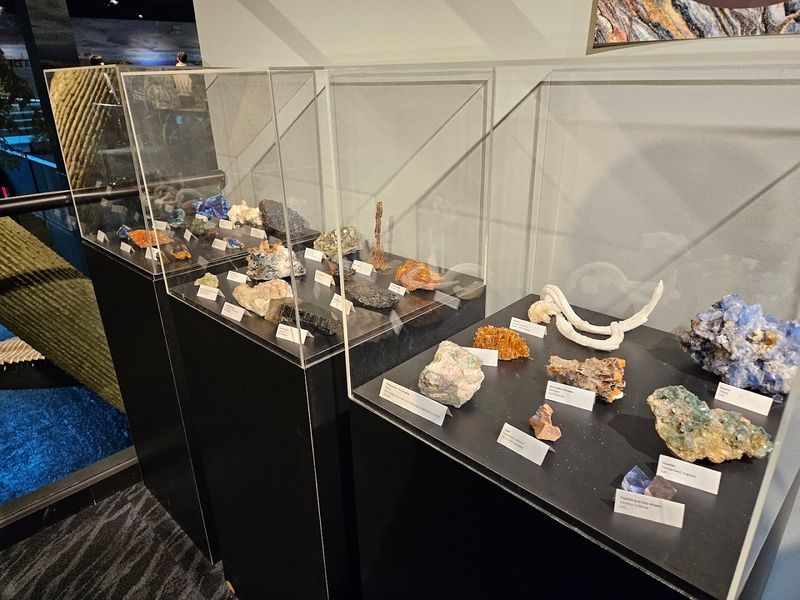
Dinosaurs rightfully get top billing at the Burpee Museum, but the geology and mineral exhibits deserve far more attention than they typically receive.
The collection features a striking array of mineral specimens, crystals, and geological formations that are visually stunning and scientifically informative in equal measure. If rocks have ever caught your eye at a gift shop, this room will genuinely hold your attention.
The exhibits walk visitors through the processes that shaped the Earth’s crust over billions of years, connecting geological history to the fossil record in ways that make both subjects easier to understand.
Staff in this section have been known to share detailed context about specific specimens, turning a casual glance into a full conversation about Earth science.
The mineral displays also work beautifully as a visual palate cleanser between the heavier fossil sections.
Colors ranging from deep purple amethyst to bright copper green fill the cases, and the variety of textures and formations on display is genuinely impressive for a regional natural history museum of this scale.
After Dinosaurs, The Giants Return
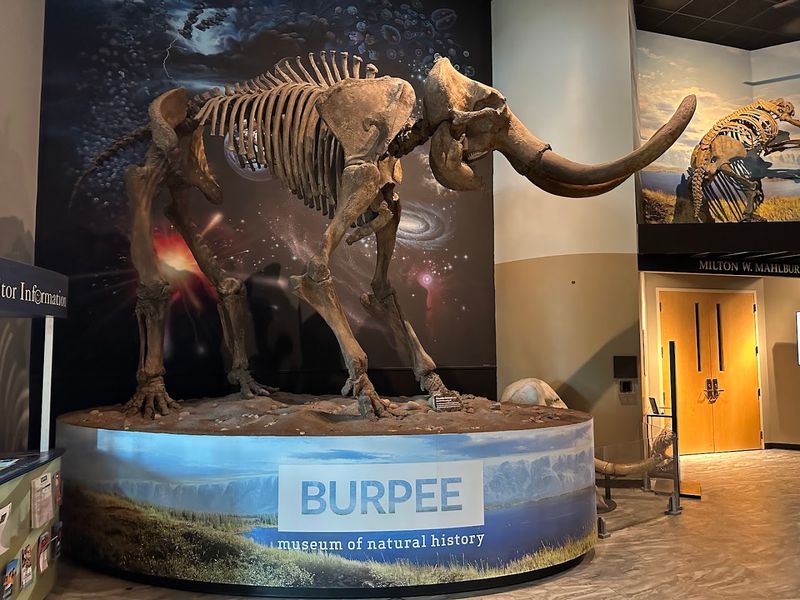
Once the dinosaur era ends in the Burpee Museum’s narrative, the story does not stop there.
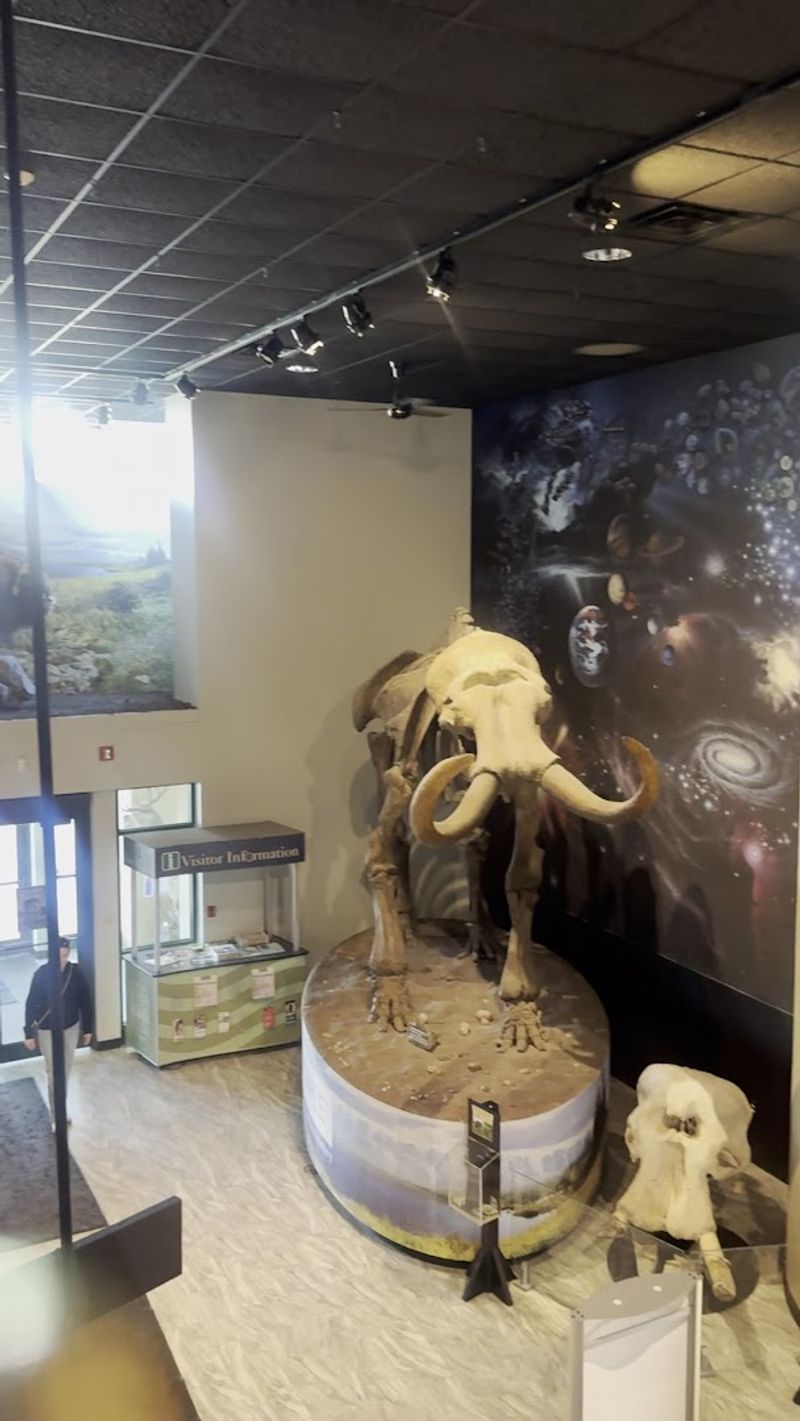
The ice age mammal exhibits shift the timeline forward and introduce visitors to the massive, shaggy, and often surprising creatures that roamed North America during the Pleistocene epoch. These animals feel surprisingly close in time compared to the Cretaceous giants downstairs.
Fossils of ice age animals have a different emotional texture than dinosaur bones. Mammoths, giant ground sloths, and other megafauna existed alongside early humans, which makes their presence in the fossil record feel almost personal.
The Burpee Museum presents these specimens with the same care and educational depth it brings to its dinosaur collection.
For visitors who arrive primarily for the T. rex and Triceratops, the ice age section often turns into an unexpected highlight.
The sheer size of some Pleistocene mammals rivals that of dinosaurs, and the exhibits do an excellent job of connecting this chapter of natural history to the broader story of life on Earth that the museum tells across all four of its floors.
The Guides Make Science Feel Electric
A museum is only as good as the people who bring it to life, and the Burpee Museum’s staff consistently elevate the experience well beyond what the exhibits alone could achieve.
Guided tours here are led by educators who clearly love their subject matter, and that enthusiasm is contagious in the best possible way. Whether it is a general museum tour or the specialized Advanced Paleontology Tour, the guides make complex scientific concepts feel approachable and exciting.
Staff members like Ryan have become genuinely memorable parts of visitors’ experiences, patiently answering rapid-fire questions from curious kids and adults alike.
The animal encounter sessions led by guides like Claire add an interactive layer that transforms passive observation into genuine learning.
Teen volunteers and younger staff members also play an active role in the museum’s educational mission, often getting living animals out of their enclosures for impromptu educational moments that no amount of exhibit planning could replicate.
That kind of spontaneous, human-centered education is what makes the Burpee Museum feel special rather than simply informative.
The Human Story Runs Deep Here
Natural history is not only the story of prehistoric creatures and geological formations. At the Burpee Museum, it also includes the human cultures that have shaped the landscape of the American Midwest for thousands of years.
The Native American artifact exhibits bring a powerful and thoughtfully presented dimension to the museum’s overall narrative.
The collection includes pottery, tools, and cultural objects that reflect the rich heritage of Indigenous peoples of the region. The exhibits are presented with care and educational intention, framing these artifacts within their proper historical and cultural context rather than treating them as curiosities.
That approach makes the section feel respectful and genuinely informative rather than simply decorative.
Visitors who might arrive expecting only dinosaurs often find themselves spending significant time in this part of the museum, drawn in by the depth of the storytelling and the quality of the displays.
The Native American exhibits remind everyone that the natural history of a place is inseparable from the human history that has unfolded within it across countless generations.
What To Know Before You Dig In
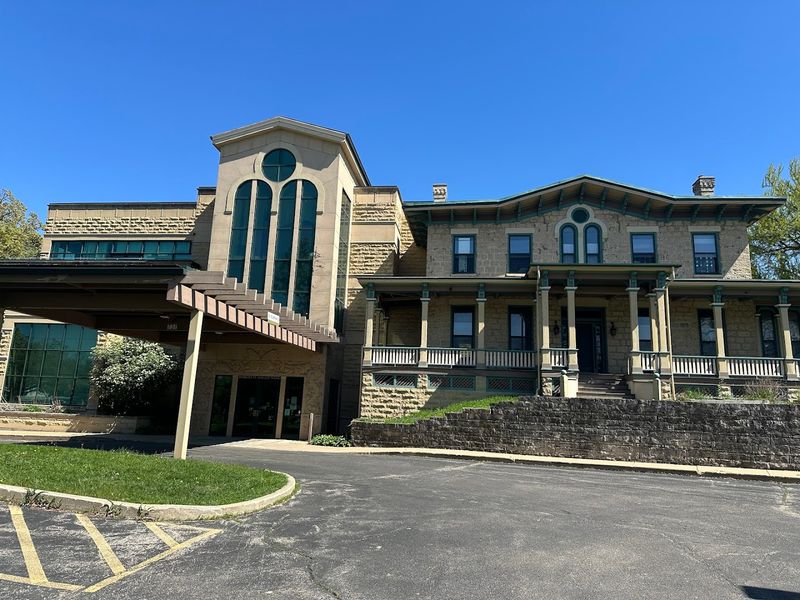
Getting the most out of a visit to the Burpee Museum of Natural History at 737 N Main St, Rockford, IL 61103 comes down to a few smart decisions made before you even walk through the door.
The museum is open daily from 10 AM to 5 PM, making it an easy addition to any Rockford itinerary. Parking is free, which is a genuinely pleasant surprise for a museum of this quality.
Adult admission runs around fifteen dollars, with potential discounts available for Illinois residents. If you want to do one of the specialty tours, such as the Advanced Paleontology Tour, book in advance online or call ahead at 815-965-3433 because those spots go quickly, especially on weekends.
Wear comfortable shoes since four floors of exploration adds up, and bring a light layer because the lower floors can run on the cooler side.
Arriving mid-week, particularly on a Wednesday morning, tends to mean a quieter, more relaxed experience. The museum’s website has current event and tour schedules worth checking before your trip.