
This Quirky Mineral Museum In Florida Is A Dream Come True For Rock Collectors
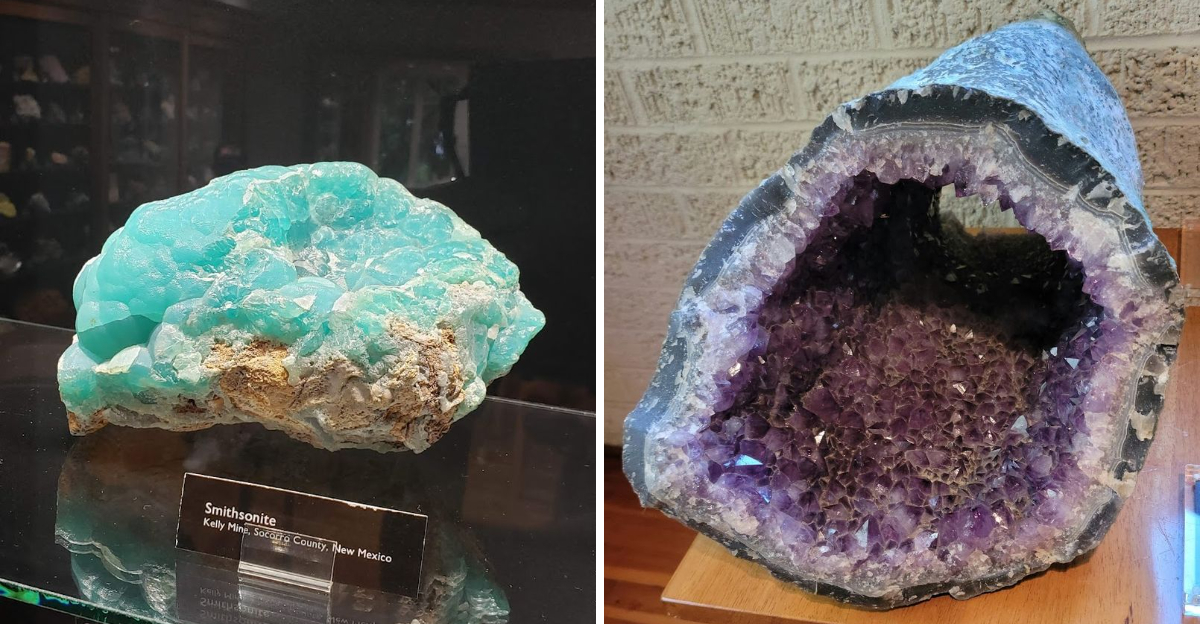
This hidden Florida museum feels like walking into a giant treasure chest.
A crystal the size of a small car is usually enough to get someone’s attention.
At the Gillespie Museum in DeLand, Florida, moments like that happen all the time. Glittering minerals, ancient fossils, colorful gemstones, and rare crystals fill the museum from wall to wall, creating the feeling of stepping inside a treasure vault built by nature itself.
The surprising part is how quickly curiosity takes over. Visitors arrive expecting a small museum and end up staying much longer than planned.
Every display reveals something unexpected. One crystal sparkles like a chandelier.
A fossil tells a story millions of years old. A strange mineral looks like it belongs on another planet.
The atmosphere feels relaxed and approachable. You do not need to be a geologist to enjoy it.
All you need is a little curiosity.
For treasure hunters, curious travelers, and anyone who loves discovering unusual places, this hidden Florida gem proves the Sunshine State has far more treasures than beaches alone.
The Museum’s Deep Roots In Stetson University History
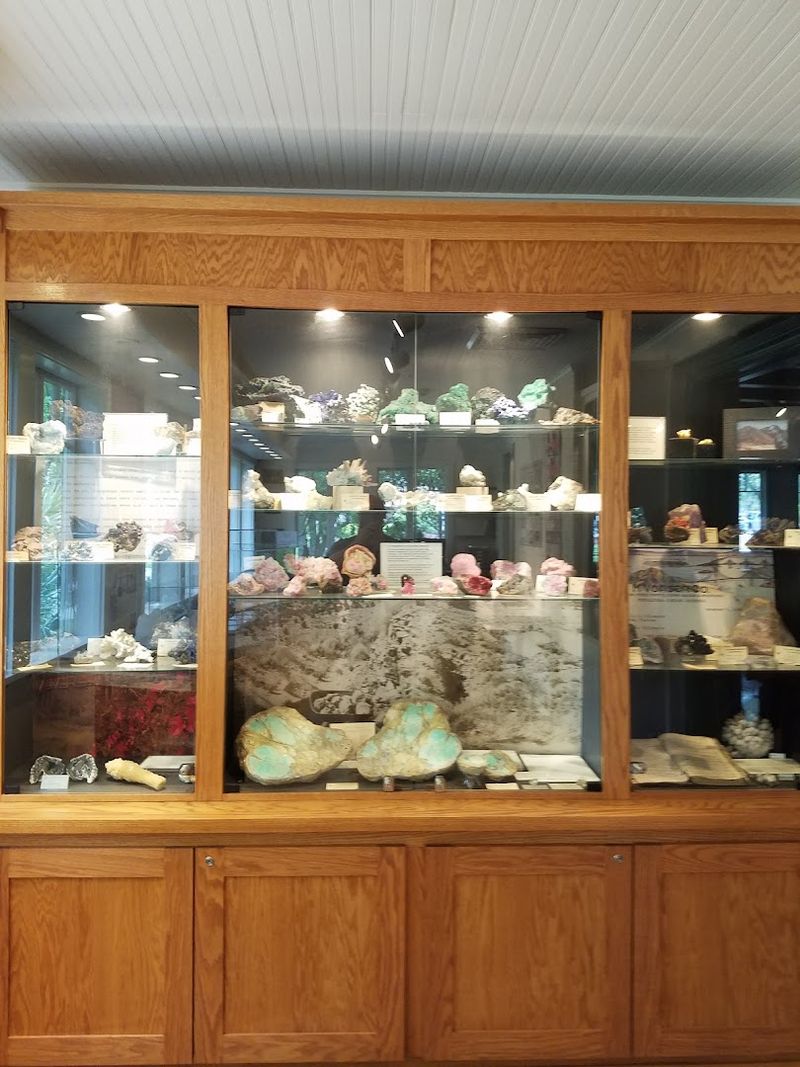
Sitting quietly on the campus of Stetson University, the Gillespie Museum has been sharing the story of Earth’s geology with visitors for decades. The museum is named in honor of benefactors who believed that understanding rocks and minerals was more than just a science class exercise.
It is a living classroom, one where you can see the kind of specimens that most people only read about in textbooks.
Stetson University, founded in 1883, is Florida’s oldest private university, and the Gillespie Museum fits right into its tradition of hands-on learning. The geology department uses the museum as a teaching tool, which means the exhibits are carefully curated to be both scientifically accurate and visually stunning.
Walking through its halls, you can feel the care that educators have poured into every display case.
For visitors who love context with their collections, this backstory makes each mineral feel even more meaningful. The museum is not just a display space; it is proof that science can be genuinely beautiful.
A World-Class Mineral Collection Under One Roof
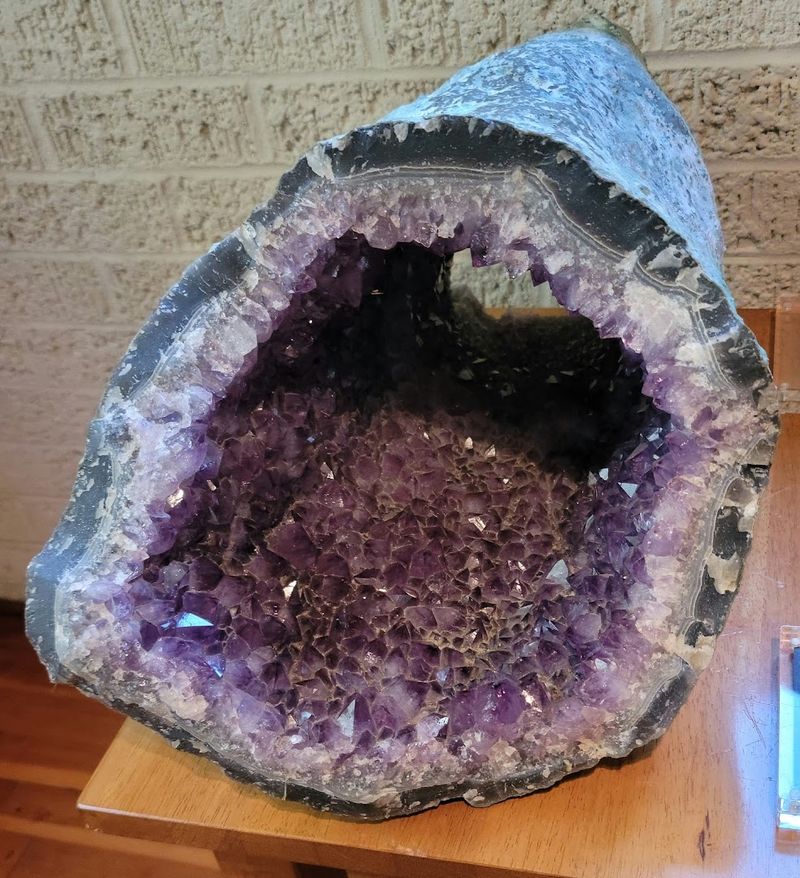
Every time I walk through a museum expecting decent rocks and find myself completely floored instead, I know I have landed somewhere special. The Gillespie Museum holds a vast collection of minerals, gemstones, fossils, and crystals that would impress even the most seasoned rock collector.
Each specimen is labeled with care, giving you the kind of detailed information that turns a casual glance into a full-on learning moment.
The variety on display is genuinely impressive. You will find specimens that represent geological processes from around the world, from glittering quartz clusters to deep-purple amethysts to rare minerals that most people have never heard of.
Some of the most spectacular rocks are featured in the main exhibit hall, where lighting is used to bring out colors and textures that stop you in your tracks.
What makes this collection special is its accessibility. Nothing is hidden behind unnecessary barriers, so you can get close enough to appreciate every detail in a relaxed, unhurried way.
Free Admission That Makes It Even Better
Not every great museum asks you to empty your wallet at the door, and the Gillespie Museum is a perfect reminder of that. Admission is free, though the museum happily accepts donations, which is a lovely way to give back to a place that clearly puts a lot of heart into what it does.
For families on a budget, this free-access model makes it one of the most accessible cultural experiences in the DeLand area.
The no-cost entry does not mean the experience feels cheap or minimal. Everything inside is beautifully maintained, clearly labeled, and thoughtfully arranged so that visitors of all ages can follow along without feeling lost or overwhelmed.
Staff members are on hand to answer questions and offer guidance, which adds real value to your visit.
Knowing you can walk in, spend two or three hours exploring some truly breathtaking specimens, and walk out without a bill waiting for you makes the whole experience feel like a rare and wonderful treat.
Hands-On Gem Digging Activity For Kids
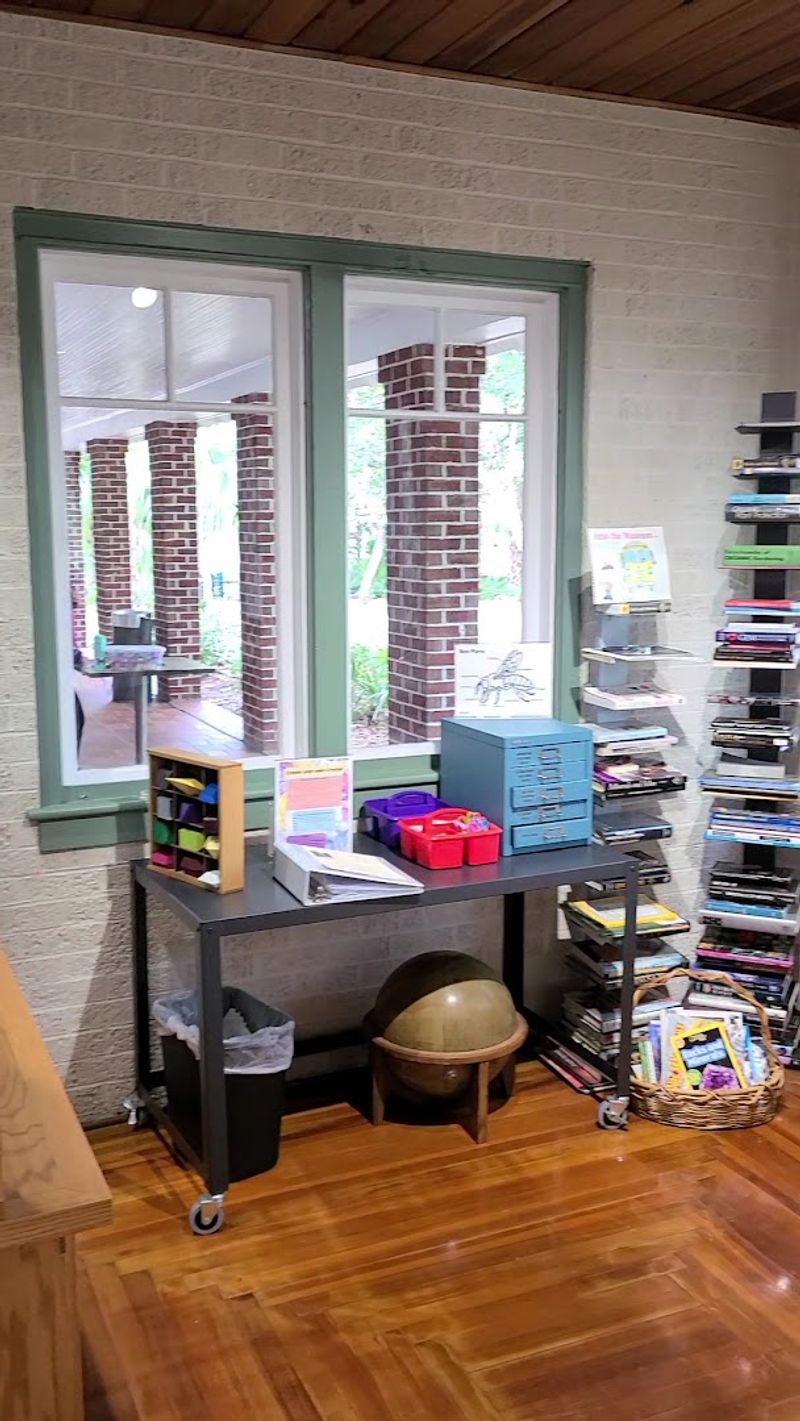
Kids and adults alike absolutely love the gem-digging activity at the Gillespie Museum, and it is easy to see why. There is something deeply satisfying about sifting through a bin of sandy material and suddenly pulling out a sparkling semi-precious stone with your own hands.
It turns the usually passive museum experience into something active, tactile, and genuinely thrilling.
Little ones especially go wild for this station, and more than a few parents have reported that it was the highlight of the entire visit. The stones that kids uncover are real semi-precious specimens, not cheap replicas, which makes finding one feel like a proper discovery.
Even toddlers can join in, and the setup is simple enough that no instructions are really needed beyond “start digging.”
For older kids who have an interest in geology or nature, this hands-on element plants a seed of curiosity that can grow into a lifelong love of earth science. It is one of those simple activities that leaves a lasting impression.
A Real Meteorite You Can Actually See Up Close
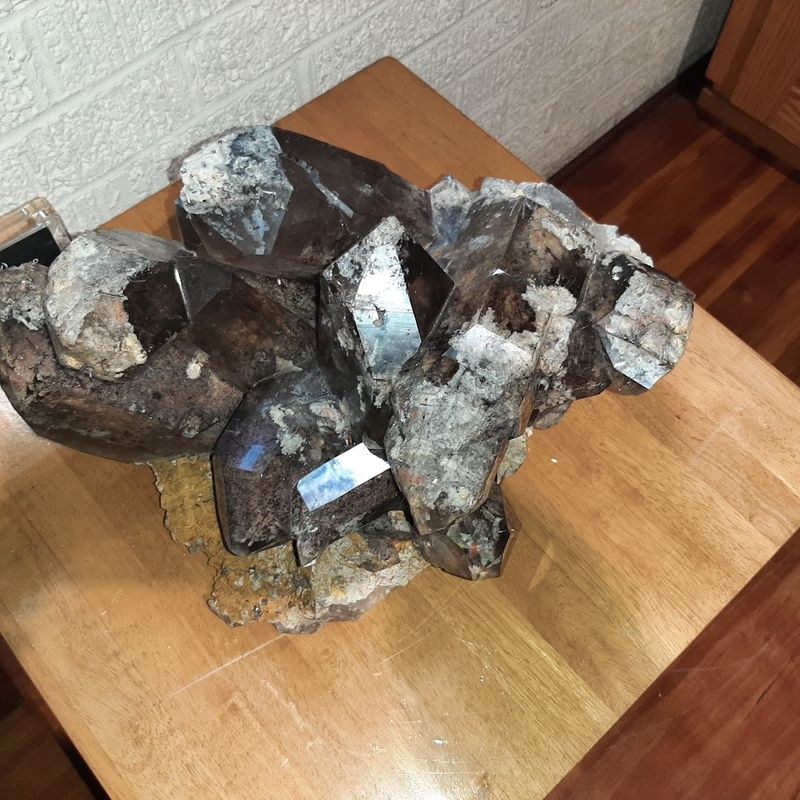
Here is something you do not see at every museum: an actual meteorite sitting right there in front of you. The Gillespie Museum has one on display, and it is the kind of object that makes you stop and think hard about the size of the universe.
This rock traveled through space before landing on Earth, and somehow that context makes it feel almost impossibly cool.
Several visitors have pointed to the meteorite as a personal favorite during their visit, and I completely understand that reaction. Seeing a space rock up close, without any rope keeping you twenty feet away, has a way of making the cosmos feel a little more personal.
The display includes information about how meteorites form and what they can tell scientists about the early solar system.
For anyone who has ever looked up at the night sky and wondered what is out there, standing next to this meteorite is a surprisingly moving experience that anchors the wonder of space to something you can actually see.
Microscopes, Bugs, And Unexpected Discoveries
One of the most pleasant surprises waiting inside the Gillespie Museum is a station where visitors can peer through microscopes to get a close-up look at insects and other tiny natural specimens. Most people come expecting rocks and leave talking about the bugs, which tells you everything you need to know about how well this museum delivers the unexpected.
These microscope stations are surprisingly addictive, especially for curious kids who want to look at everything twice.
Getting a magnified view of a tiny insect completely changes how you think about the natural world. Details that are completely invisible to the naked eye suddenly become vivid and almost alien-looking, which tends to produce a lot of wide eyes and enthusiastic commentary from younger visitors.
Adults are not immune to this effect either.
The inclusion of these stations is a smart curatorial choice that broadens the museum’s appeal well beyond mineral collecting. Geology and biology turn out to be excellent neighbors, and this museum makes that connection feel completely natural.
Rotating Exhibits That Reward Return Visits
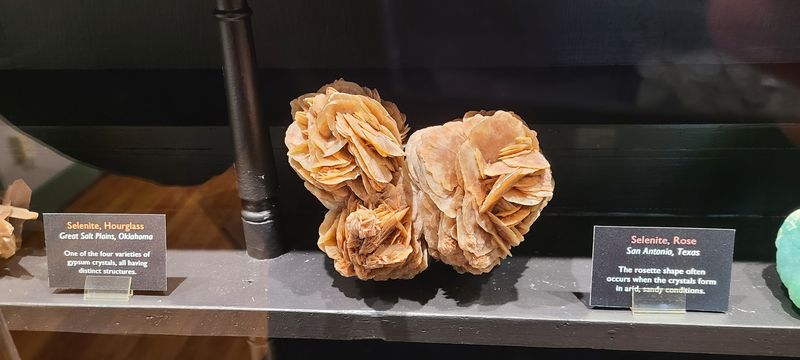
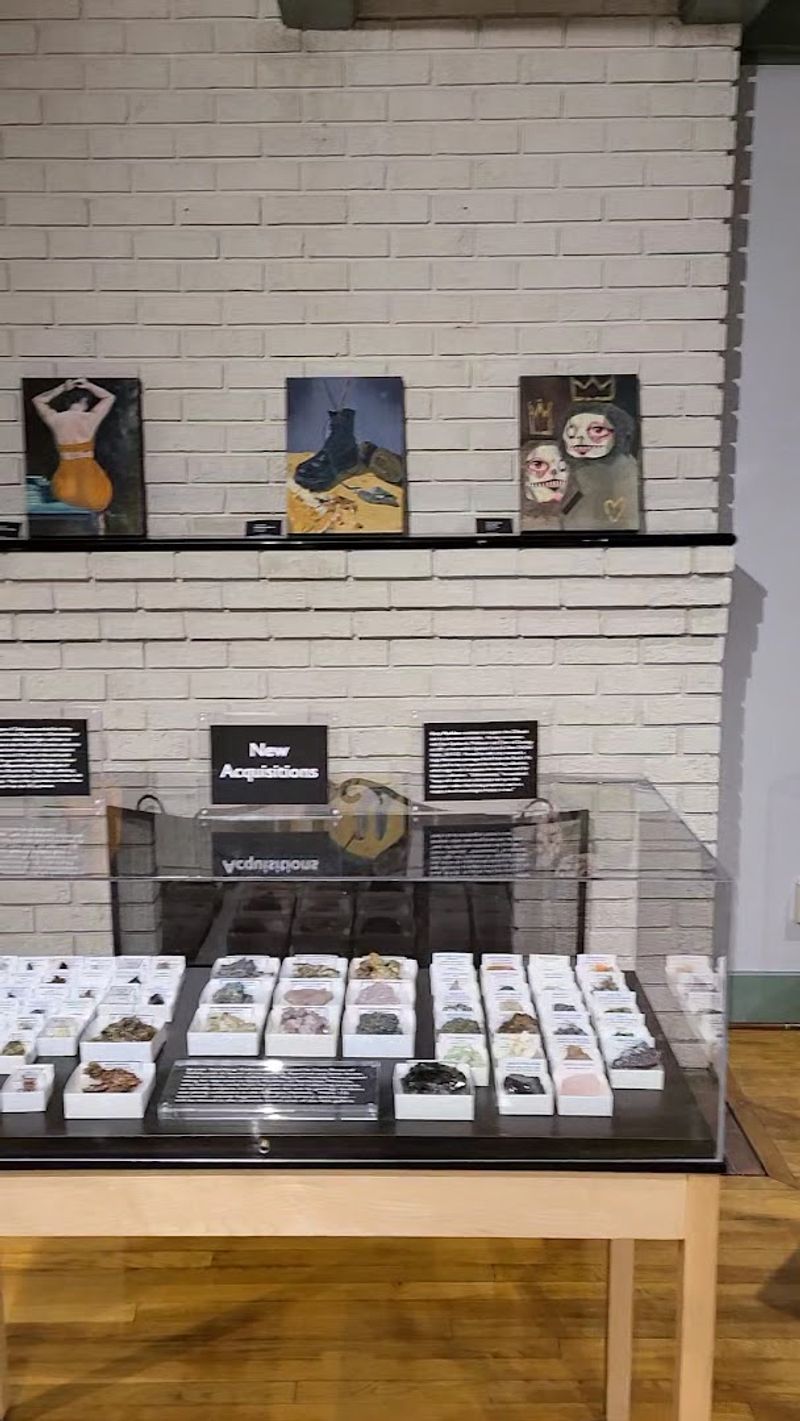
One of the smartest things about the Gillespie Museum is that it keeps its collection moving. The museum rotates its exhibits regularly, so even if you visited six months ago, there is a genuinely good chance you will find something new to discover on your next trip.
This rotating approach keeps the experience fresh and gives rock enthusiasts a real reason to come back more than once.
The curators clearly put thought into which specimens go on display at any given time, making each rotation feel considered rather than random. Some visitors have noted that the main exhibit hall consistently features spectacular pieces that draw attention immediately, while other areas of the museum shift with new themes or educational focuses.
This kind of programming takes effort, and you can feel that effort when you walk around.
For families who want to make the Gillespie Museum a regular outing, the rotating exhibits are a fantastic incentive. Every visit offers at least one new angle on the endlessly fascinating story of Earth’s geology.
The Interactive Volcano Display
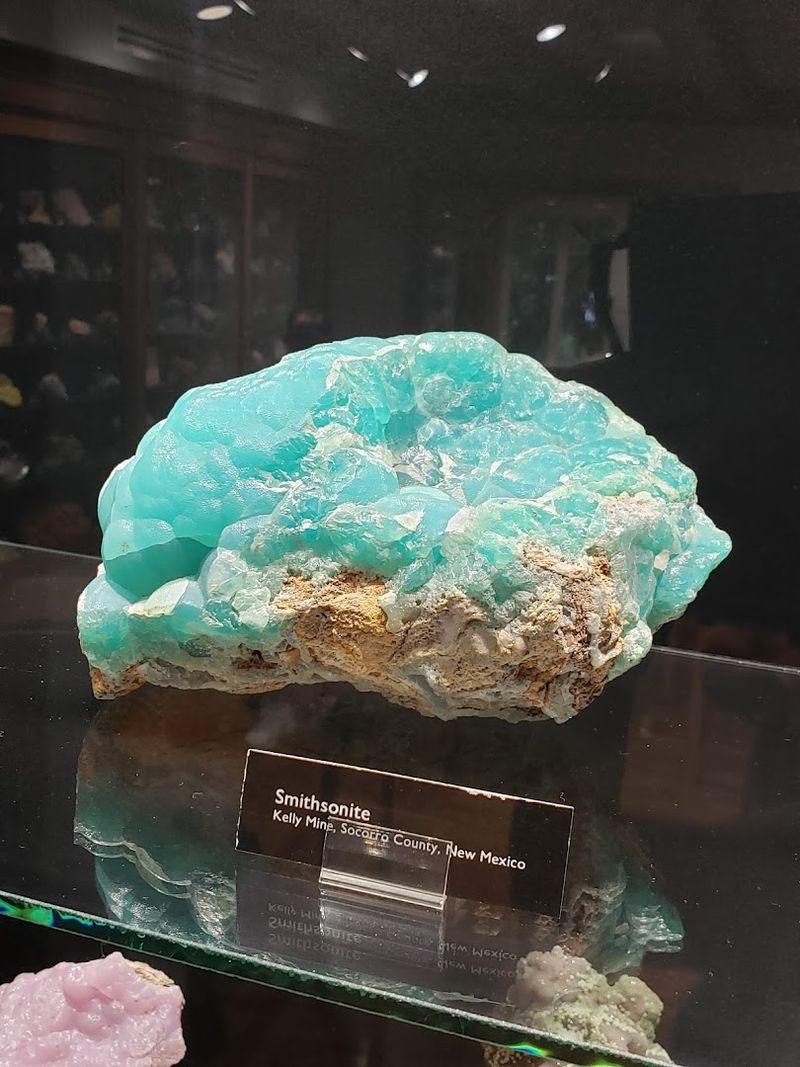
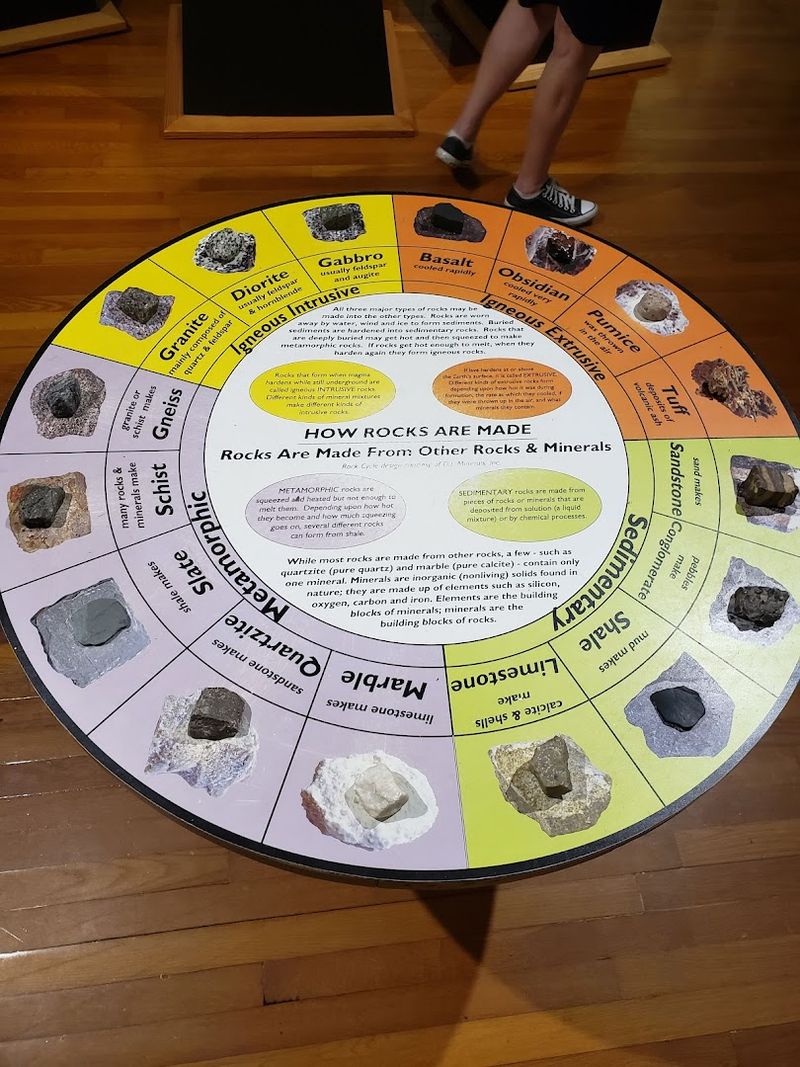
Toddlers and young children often have a tough time staying engaged in a museum setting, but the interactive volcano display at the Gillespie Museum seems to solve that problem rather neatly. The display lets visitors touch and explore different rock textures and colors in a hands-on format, giving smaller kids something concrete and sensory to latch onto.
Parents have raved about this station, noting that even very young children found it completely captivating.
The volcano display does more than entertain. It teaches visitors about how different types of rocks form under different geological conditions, which is actually a pretty advanced concept delivered in a surprisingly accessible way.
Seeing and touching the material helps cement those ideas in a way that reading a label alone simply cannot.
For anyone bringing a young child who might be skeptical about spending time in a museum, the volcano display is a solid argument in favor of the visit. It is clever, educational, and fun all at once.
The Gift Shop And Mineral Shop
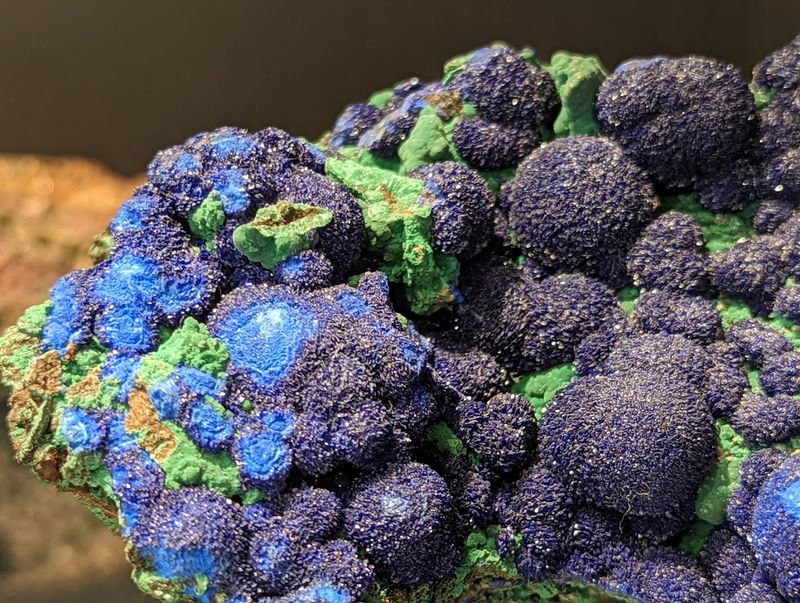
No museum visit feels truly complete without a browse through the gift shop, and the one at the Gillespie Museum is a genuine highlight on its own. The shop stocks a range of minerals, crystals, and rock specimens that you can actually take home, which is a dream scenario for anyone who has been eyeing the display cases all afternoon.
Prices are described by visitors as very reasonable, so you can pick up something beautiful without any sticker shock.
Beyond rocks and minerals, the shop also carries educational materials that make it a great spot to find a unique souvenir. Nothing in the shop feels like generic tourist merchandise.
Every item has a connection to the museum’s broader mission of making earth science accessible and enjoyable for everyone.
Bringing a little spending money is always a good idea here. The shop is small but well-stocked, and it is nearly impossible to leave empty-handed once you have spent a couple of hours getting excited about rocks.
Practical Tips For Planning Your Visit
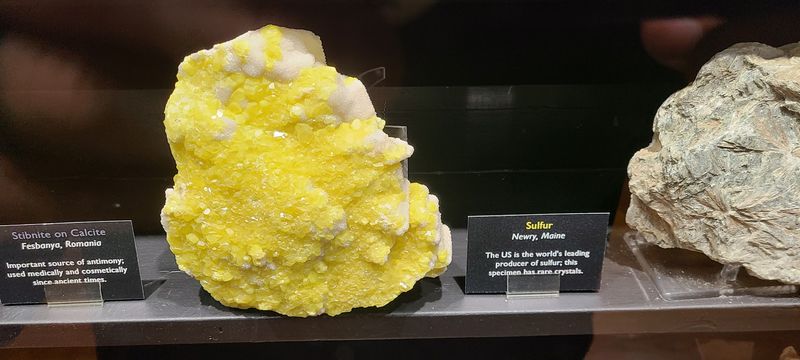
Planning ahead makes a real difference when visiting the Gillespie Museum, and a few simple details can help you get the most out of the experience. The museum is open Tuesday through Friday from 10 AM to 4 PM and is closed on weekends and Mondays, so weekday timing is key.
Knowing in advance that it operates primarily when Stetson University is in session can save you a wasted trip if you are visiting during a school break.
Parking is available across the street and is free, though it can feel snug on busy campus days. The museum sits at 234 E Michigan Ave, DeLand, FL 32724, and the winding campus roads can be a bit confusing, so pulling up the full address on your phone before you arrive is a genuinely helpful move.
Families with children should budget at least two hours, or closer to three if the hands-on stations prove irresistible. You can call ahead at +1 386-822-7330 to confirm hours or ask about upcoming programs.