
A Quiet Ohio Nature Spot Holds A Remarkable Story Carved Right Into Stone
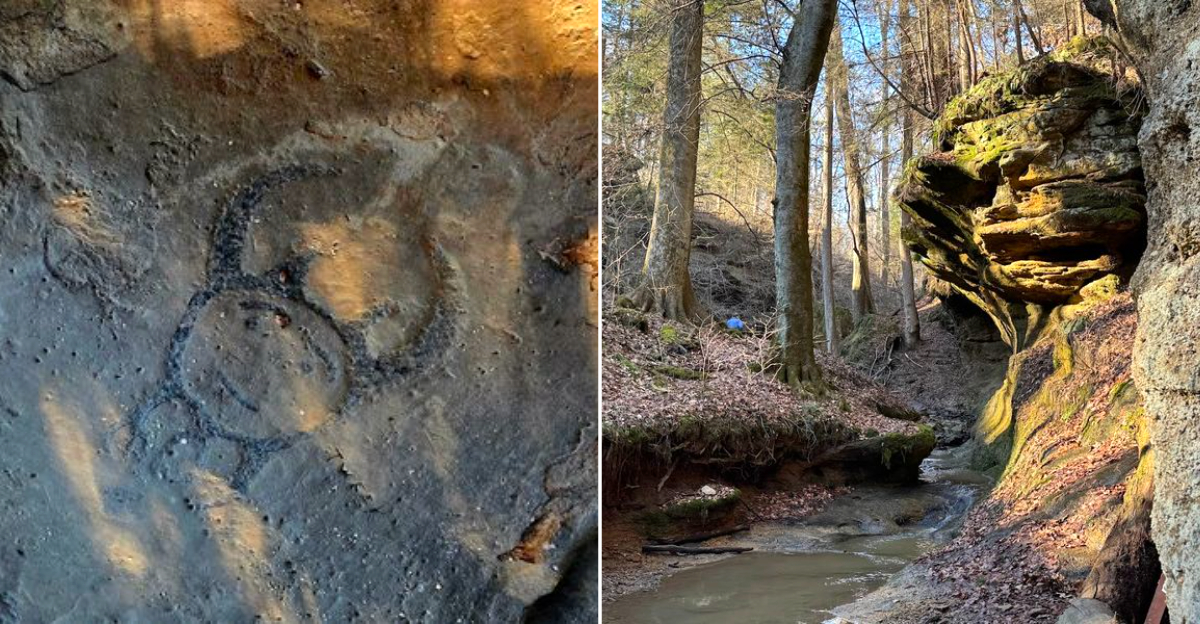
Southern Ohio still has places that feel like they are keeping old secrets in the trees. Down a quiet rural road, surrounded by farmland, forest, and the kind of silence that makes you lower your voice for no clear reason, a flat sandstone rock holds carvings that may be as much as 1,000 years old.
That alone would be enough to make the trip interesting, but the setting adds its own quiet drama. There are no big crowds, no ticket booth, and no polished attraction energy.
Just ancient markings, wooded trails, rock shelters, wildflowers, and a gorge that makes the whole stop feel much bigger than its size.
It is the kind of place that reminds you history does not always arrive with marble columns and museum lighting. Sometimes it sits under a pavilion in rural Ohio, waiting patiently while the woods do most of the talking.
A visit here works for history lovers, curious hikers, and anyone who likes a detour with a little mystery baked in. Bring decent shoes, slow down, and let this hidden Ohio landmark prove that a small preserve can still leave a big impression.
Ancient Carvings Carved Into Time
There is something quietly powerful about standing in front of carvings that have outlasted centuries of weather, change, and everyday noise.
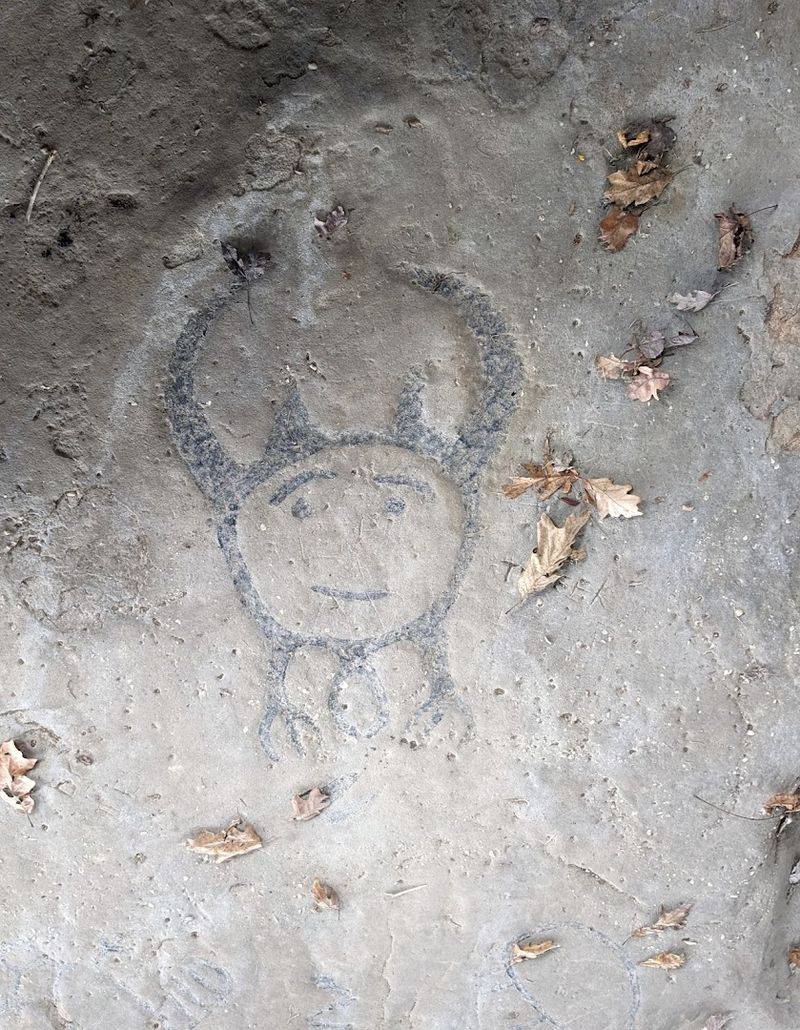
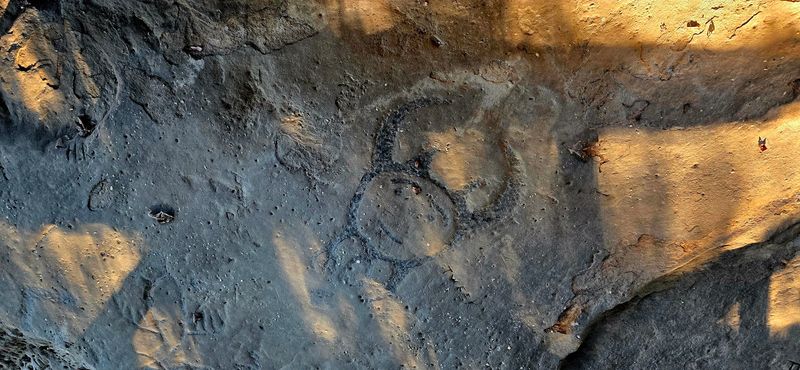
At Leo Petroglyphs and Nature Preserve, a flat slab of sandstone holds markings that are likely not more than 1,000 years old and are believed to be the work of the Fort Ancient culture.
The carvings include human figures, birds, animal and human footprints, a fish, a snake, and other shapes that still leave plenty of room for curiosity.
Looking at them up close feels less like reading a sign at a historic site and more like catching part of a conversation from a very distant past.
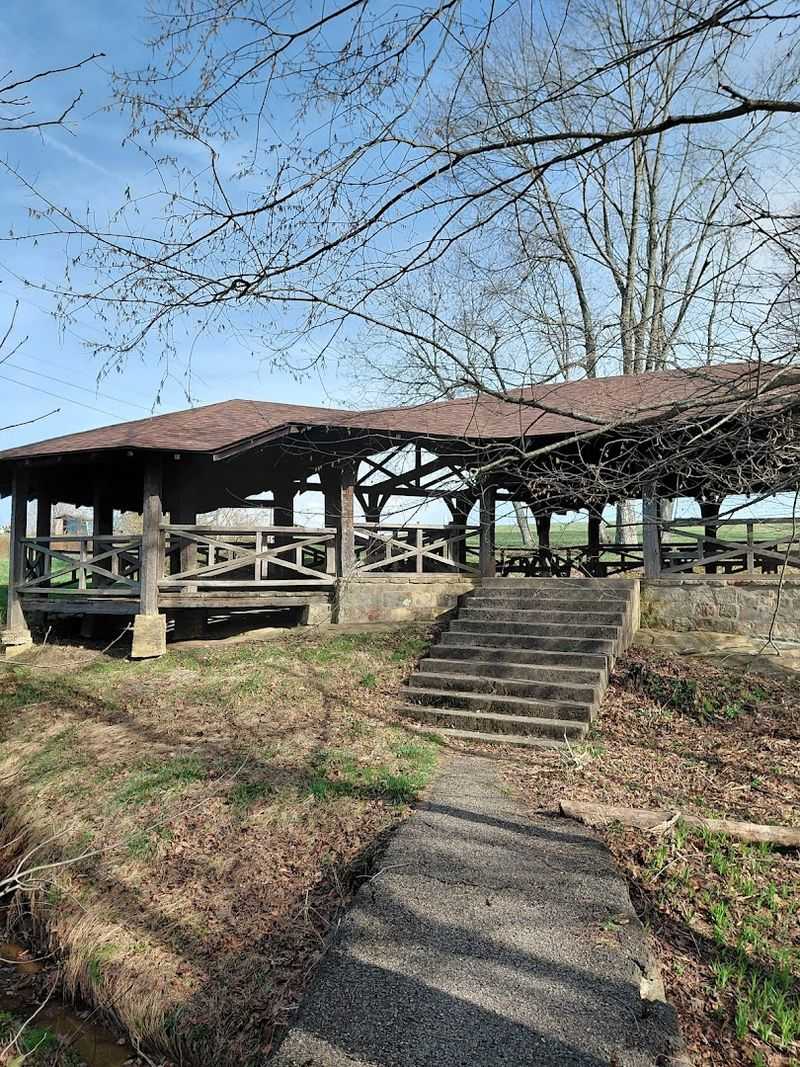
A covered pavilion now protects the rock from the elements, and informational signs around the shelter help explain what archaeologists have learned about the site.
The fencing keeps visitors at a respectful distance, which is important because this is the kind of place that needs care, not souvenir-level enthusiasm from wandering fingers.
It is a small stop physically, but the feeling of standing beside something this old makes the visit linger longer than expected. You will find Leo Petroglyphs and Nature Preserve at 400 Park Road, Ray, OH 45672.
The Gorge Trail That Earns Its Views
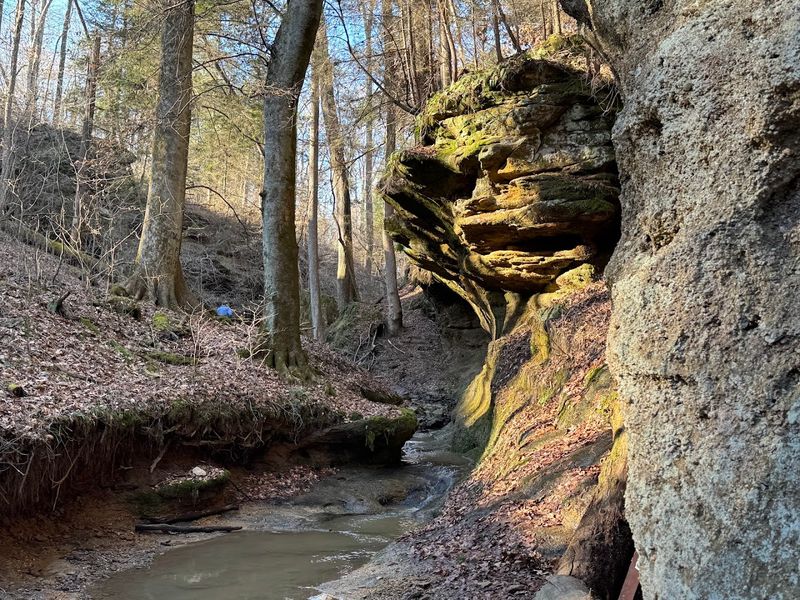
The 0.7-mile loop trail behind the petroglyphs is short on distance but absolutely generous with scenery.
It winds through a dramatic ravine carved by a small stream, passing massive sandstone boulders, cave-like rock shelters, and stretches of forest that feel genuinely untouched.
The trail earns its reputation as a vigorous hike despite its modest length. Roots, uneven terrain, and occasional downed trees keep you focused, which honestly makes reaching each new viewpoint feel even more rewarding.
The gorge itself is the kind of natural feature that makes you slow down and actually look around.
Rock shelters jut out from the hillside like natural canopies, and the stream below adds a soft, constant sound to the whole experience. These rock house formations are similar in character to those found in the nearby Hocking Hills region, but without the weekend crowds that come with that territory.
A solid pair of hiking shoes is a smart call here. The rocks can get slippery, especially after rain, and the trail does require some light scrambling in a couple of spots.
A Free Visit With Surprisingly Good Amenities
Free admission is already a great start, but the preserve also comes with a few practical perks that make the visit more comfortable than you might expect from such a remote spot.
A covered pavilion sits directly over the petroglyph site, complete with seating and educational signs about the carvings and their cultural context.
There are picnic tables nearby, which makes this a solid choice for a packed lunch and a slow afternoon in the woods. There are no restroom facilities at the site, so it is smart to plan ahead before you arrive.
Parking is available in a small lot near the petroglyph area, so reaching the shelter is straightforward for many visitors.
The preserve is open during daylight hours, seven days a week. That kind of open-door policy is rare, and it means you can plan a visit around your own schedule rather than working around narrow posted hours.
The site is not fully accessible, though, since the shelter area has stairs and the nature trail is rocky with elevation changes. For a no-cost outing that delivers history, nature, and a picnic spot all in one, it is still hard to argue with the value here.
Wildflowers and Woodland Beauty in Spring
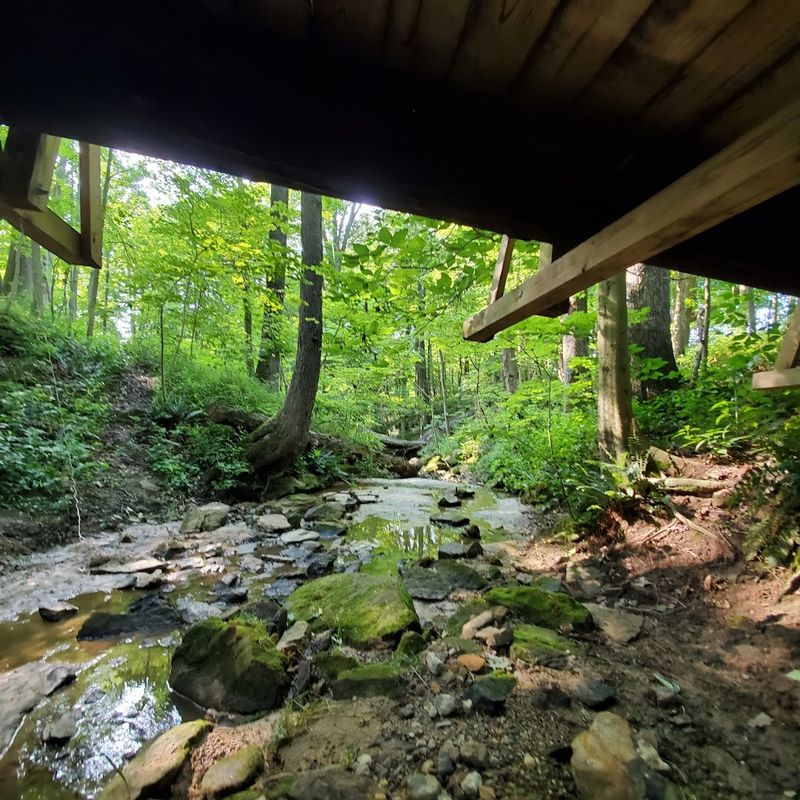
Spring is arguably the most rewarding season to visit the preserve, and the wildflower display is a big reason why.
Large white trilliums bloom in mass groupings along the trail in mid-spring, joined by longspur violets, rue anemone, and spring beauties that carpet the forest floor in soft color.
The gorge itself holds moisture well, which creates ideal conditions for shade-loving plants that thrive in the cool, rocky environment. Even on a gray April morning, the greens along the trail are almost impossibly vivid, and the stream running through the ravine adds to the overall freshness of the scene.
Informational signs along the nature trail point out specific native plant species and natural features, so you do not need to be a botanist to appreciate what you are seeing. The trail doubles as a quiet outdoor classroom, which makes it a great option for families with curious kids.
If you time your visit for late April or early May, you are likely to catch the wildflower peak. The combination of blooming forest floor and ancient stone carvings makes for a genuinely memorable afternoon outdoors.
The Quiet That Is Hard To Find Elsewhere
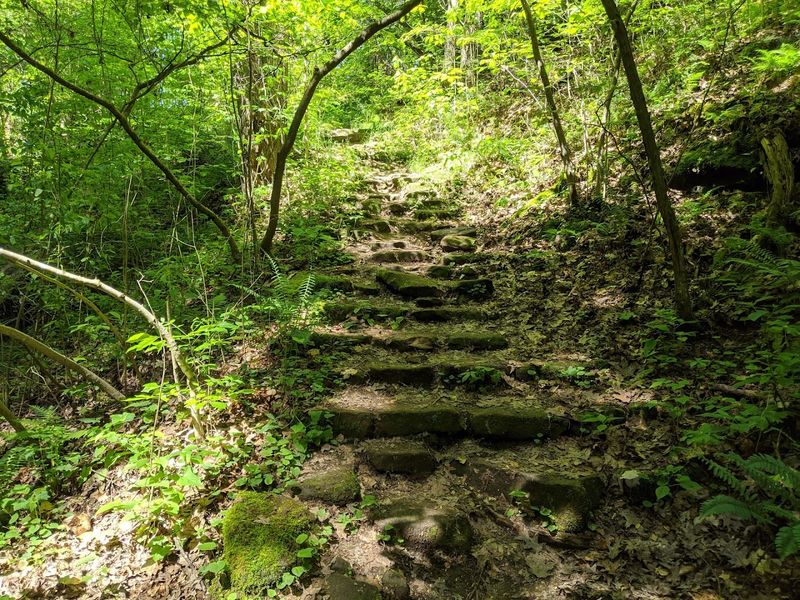
There is something almost startling about how quiet this place gets.
On most days, you can walk the entire trail and the petroglyph site without encountering more than a handful of other visitors, if any at all.
The preserve sits well off the beaten path, surrounded by farmland and rural roads that do not exactly invite casual drop-ins.
That remoteness is actually one of the best things about it. There is no background noise from nearby highways, no vendor carts, and no tour groups moving through on a schedule.
Just the sound of the stream, the wind through the trees, and whatever birds happen to be passing through.
The preserve is part of the Ohio History Connection network and is managed locally by Friends of Buckeye Furnace, in care of the Jackson Historical Society.
The hands-off atmosphere here leans toward the natural rather than the curated, which gives the whole experience a raw, unpolished quality that is genuinely refreshing.
For anyone who finds crowded parks more exhausting than relaxing, this spot offers something that is increasingly hard to come by: real, uninterrupted quiet in a beautiful natural setting.
Rock Shelters That Tell Their Own Story
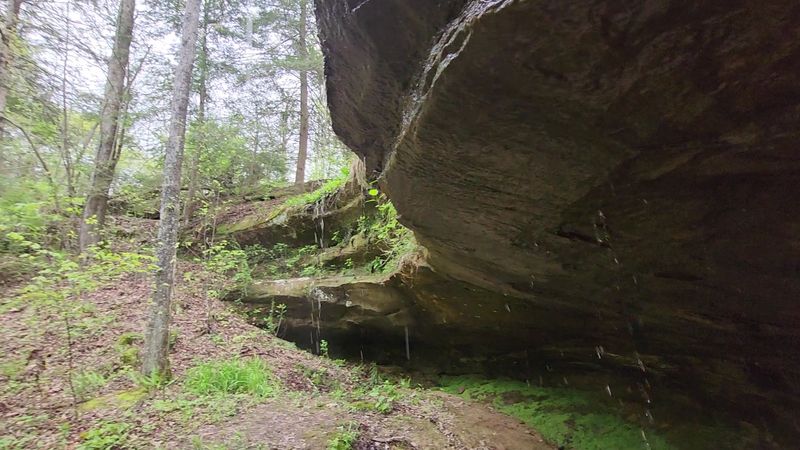
The gorge trail does not just lead you past pretty scenery. It takes you right alongside some genuinely impressive rock shelter formations that are worth a closer look on their own terms.
These overhanging sandstone ledges help you imagine how the landscape could have shaped early human life in this region, and walking beneath them gives the hike a deeper sense of place.
The rock faces are layered and textured, with water seeping through cracks and moss clinging to the stone in thick patches. Each shelter has its own character, and the trail positions you to appreciate them from different angles as you move through the ravine.
These formations are often compared to the rock houses found in the Hocking Hills area, which draws large numbers of visitors every year. The Leo preserve offers a similar geological experience with far fewer people around, which changes the atmosphere considerably.
Pausing inside one of these rock shelters and looking out at the gorge gives you a perspective on the landscape that is hard to get any other way.
It is the kind of moment that makes the hike feel worth every uneven step.
Tips For Making The Most Of Your Visit
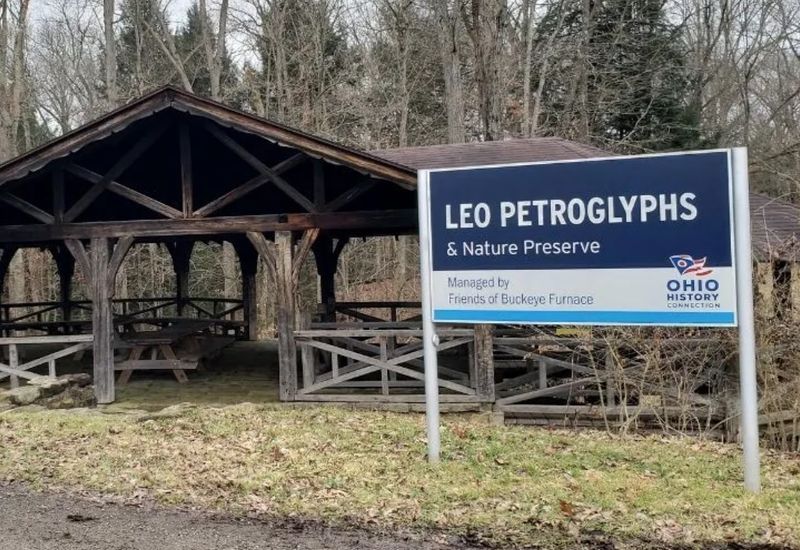
A little preparation goes a long way at this preserve, especially because it is unstaffed and sits in a genuinely remote location.
The drive in takes you through narrow rural roads and past open farmland, so plugging the address into your navigation app before you leave is a smart move.
Tick spray is strongly recommended, particularly from late spring through early fall. The trail moves through dense vegetation in several sections, and taking a few minutes to apply repellent before you start is a simple precaution that saves a lot of hassle later.
Wearing long pants also helps.
Bring water and a snack, especially if you plan to hike the gorge trail after visiting the petroglyphs. The loop is short, but the terrain is uneven enough that you will want to take your time.
A small daypack keeps your hands free for navigating the rockier sections.
The site has no cell service in some areas, so downloading an offline map beforehand is useful. Morning visits tend to offer the best light for viewing and photographing the petroglyphs, and the trail is typically at its most peaceful before noon on weekends.
Why This Place Deserves To Be On Your List
Not every worthwhile destination announces itself with a billboard or a parking lot full of tour buses. Some of the best places you will ever visit are the ones you almost drove past without stopping.
Leo Petroglyphs and Nature Preserve is exactly that kind of place, and it rewards the people who make the effort to seek it out.
The combination of ancient carvings, a scenic gorge trail, native wildflowers, and total admission-free access makes this one of the more well-rounded day trips available in southern Ohio.
You get history, nature, and a sense of discovery all wrapped into a visit that rarely takes more than two hours from start to finish.
The site is part of the Ohio History Connection network and is managed locally by Friends of Buckeye Furnace, in care of the Jackson Historical Society, giving it real historical significance beyond just being a pretty spot in the woods.
The petroglyphs are a genuine archaeological treasure, and every visit helps make the case for preserving them properly.
Mark this one on your map, pack a lunch, lace up your shoes, and give yourself the afternoon. Some places simply have to be seen to be understood, and this is one of them.