
The Arkansas Riverside Trail That Feels Like A Secret In Summer
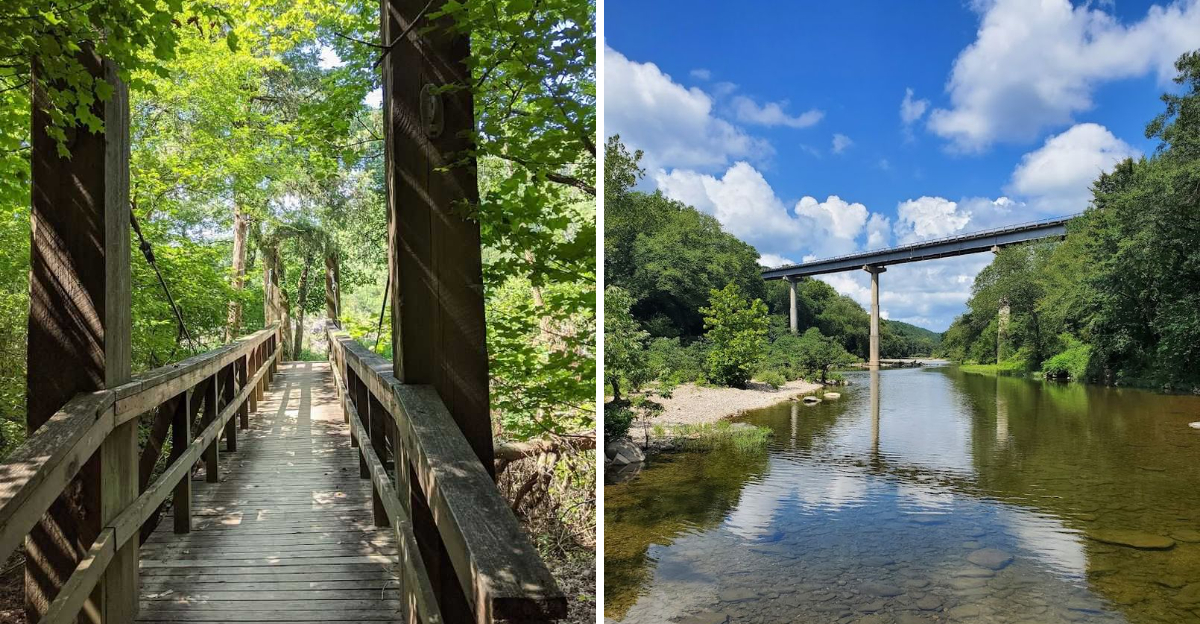
I thought this would be another scenic trail. Then I got a few minutes in and stopped thinking about the hike at all.
Set in the Ouachita Mountains of southwestern Arkansas, this riverside path has a way of slowing everything down. Water moves over old rock, the trees soften the summer sun, and the whole place feels calmer than it should.
I have walked trails in several states and usually end up comparing them. This one made me forget to do that.
Maybe it was the quiet. Maybe it was how the river kept changing shape around each turn.
Either way, I stayed longer than planned.
What surprised me most was how uncrowded it felt for a place this beautiful.
Keep reading and I will show you why this trail leaves such a strong impression on the people who find it.
Along The River’s Quiet Edge
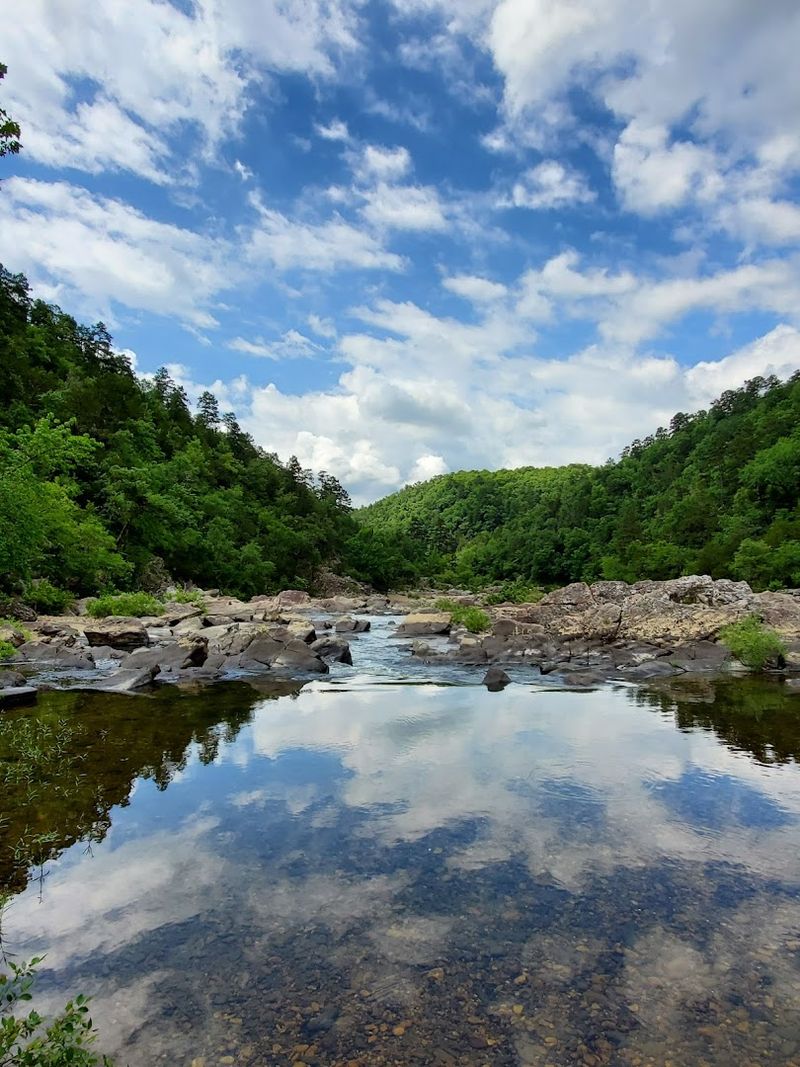
The first time I stepped down to the water’s edge here, the sound alone made me stop. I just listened for a full minute.
The Cossatot River flows through a protected corridor that spans over 5,300 acres of wooded slopes, and that protection is something you can actually feel the moment you arrive.
You do not hear boat motors or see waterfront developments crowding the bank.
The river corridor itself covers roughly 12 to 12.5 miles of National Wild and Scenic River designation, which means the water you are standing beside has been running clean and uninterrupted for a very long time.
In summer, when water levels drop, the river slows into something almost meditative, with wide, shallow stretches where sunlight catches the current in small flashes.
Rocky outcroppings line the bank in places, offering natural seats where you can sit and watch the water without feeling like you need to be anywhere else.
Rare plant species native to the Ouachitas grow along these banks, making even a slow walk feel like a quiet nature lesson.
You will find this peaceful riverside experience at Cossatot River State Park, located at 1980 US-278, Wickes, AR 71973.
Summer Light Across The Water
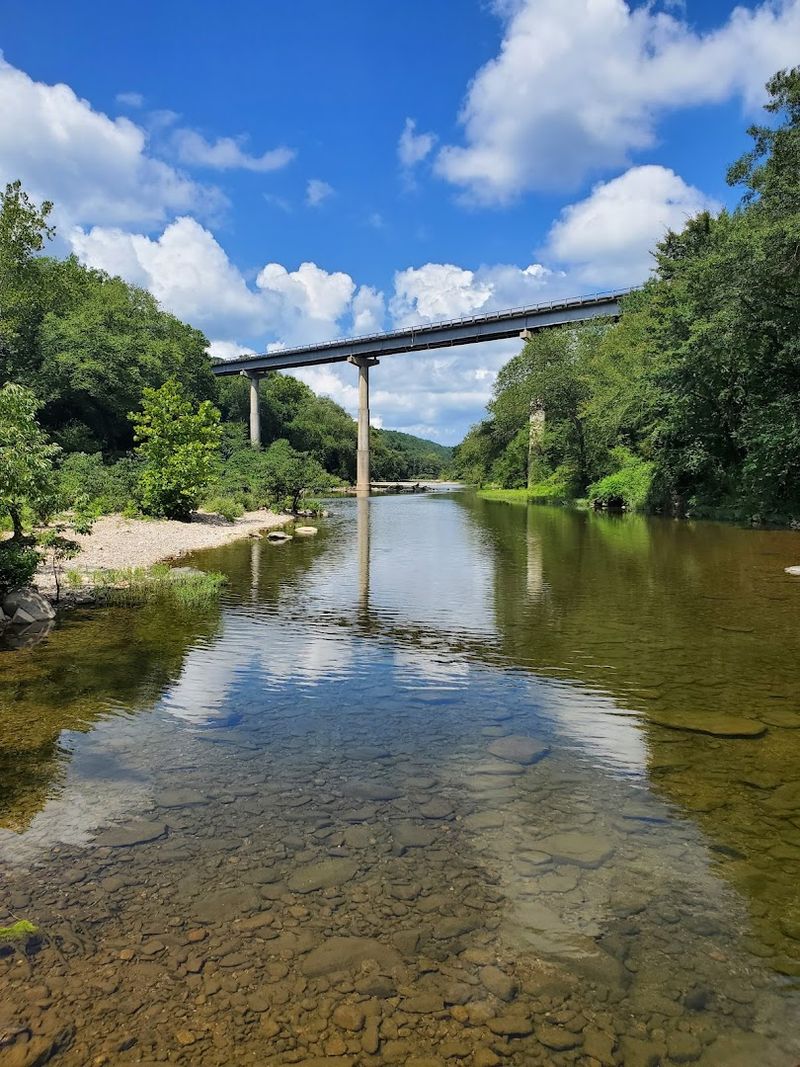
Something about the angle of summer light over moving water turns an ordinary afternoon into something worth remembering.
At this park, the tree canopy along the River Corridor Trail creates a shifting patchwork of shade and brightness that changes every few steps you take.
During the warmer months, the Cossatot often runs lower and clearer, which means the sunlight can reach the water and brighten the rocky bottom in pale greens and golds.
Hikers who arrive in the early morning get the best of it, when mist still hovers above the surface and the light comes in low through the tree line.
The River Corridor Trail follows about 12.5 miles of terrain, and nearly every stretch offers a different view of how the summer sun interacts with the water.
Some sections open up into wider river views where the sky reflects clearly, while others keep things tight and shadowed beneath old hardwoods.
I took more photos on this trail than almost anywhere else I have hiked, mostly because the light kept doing something new around every bend.
Where Stone Meets Moving Water
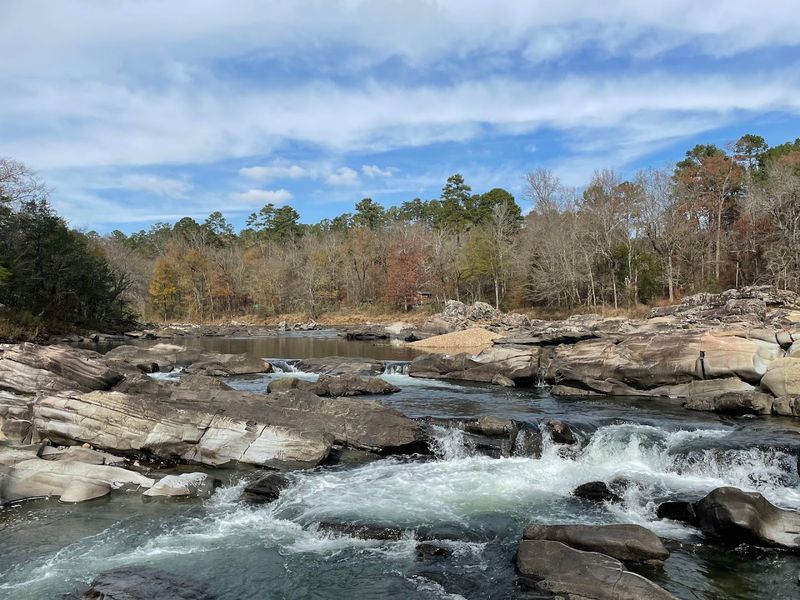
Geology feels a lot more interesting when you can stand beside it, with cool water rushing around your ankles.
The Cossatot River has carved its way through the Ouachita Mountains over thousands of years, and the result is a series of dramatic rock formations that hikers can explore up close along the trail.
At Cossatot Falls, the river drops over layered slabs of folded and fractured rock, creating a geological display that looks like something from a much more remote corner of the country.
The rocks here are slippery, and experienced visitors will tell you to wear shoes with solid grip because the surfaces below the waterline especially will test your confidence quickly.
What makes the stone formations here unusual is the way old rock layers appear folded and tilted at steep angles, exposing cross-sections of ancient geological history in each face.
The River Corridor Trail passes near several of these formations, giving hikers repeated chances to stop and take in the way stone and water have shaped each other over time.
Few trails I have walked offer this kind of hands-on geological experience without requiring a guided tour or a geology degree to appreciate.
Hidden Corners Beside The Current
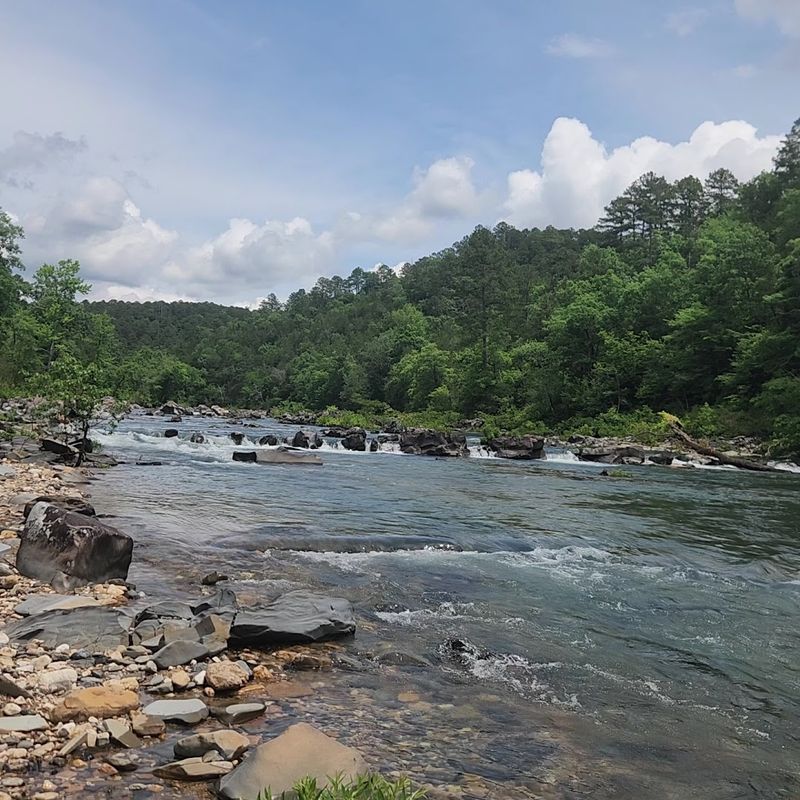
Not every great spot announces itself with a parking lot and a trailhead sign. Some of the best places along this river take a little effort to reach.
Primitive camping areas like Cossatot Falls and Sandbar offer sites with no hookups and no potable water, which means the people who show up are serious about the experience.
The Sandbar site lives up to its name with a wide flat stretch of river sand that becomes a natural gathering point on summer afternoons for hikers cooling off between trail sections.
These hidden corners feel genuinely off the grid in the best possible way, with no Wi-Fi signal competing for your attention and no ambient noise beyond the river itself.
Many of the camping areas sit just steps from the river, with quiet, clean surroundings that make the extra planning feel worthwhile.
The Ed Banks area sits further along the corridor and rewards backpackers who push through with some of the most secluded river access on the entire trail.
A printed map is genuinely useful here because cell service is unreliable, and GPS units sometimes fail to register the smaller access roads that lead to these tucked-away spots.
A Trail Framed By Forest And River
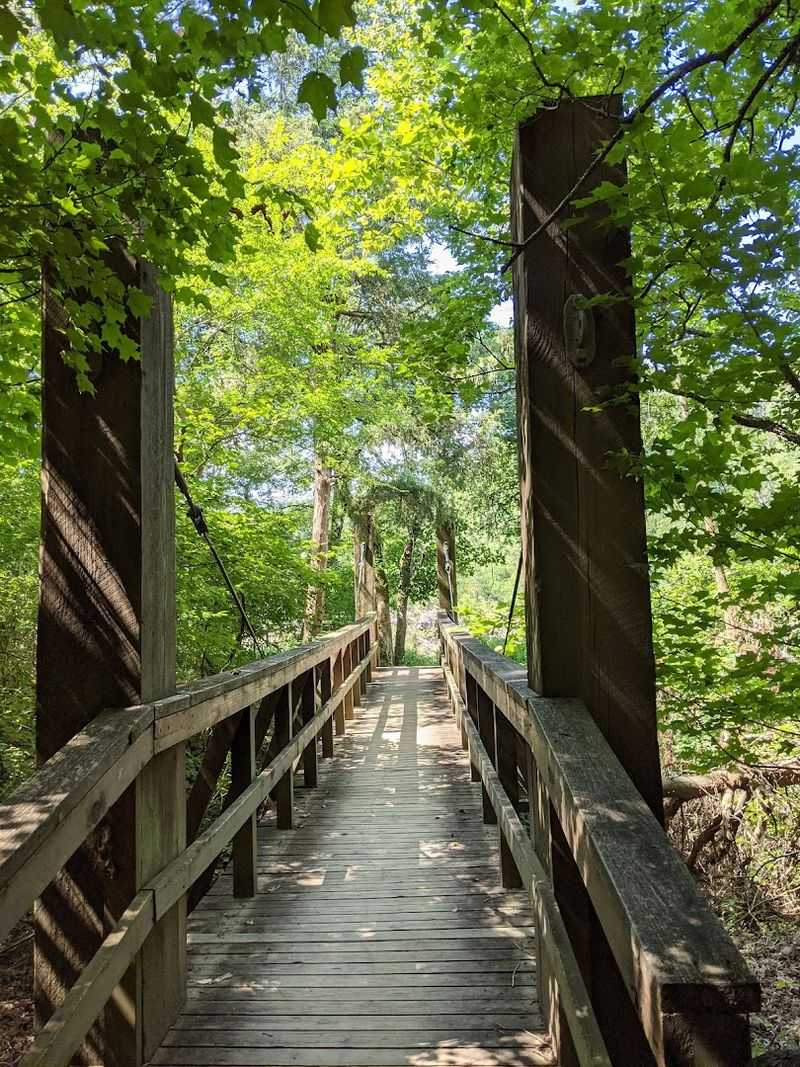
A long trail framed by hardwood forest on one side and a National Wild and Scenic River on the other does not require much selling.
The River Corridor Trail at this park runs about 12.5 miles, and its more rugged stretches make it a better fit for hikers ready for a real effort.
The trail passes through some of the most rugged and visually striking terrain in the Ouachita Mountains, with numbered bridges crossing smaller tributaries and wildflowers appearing in clusters along the path in warmer months.
Some hikers finish long stretches without seeing many other people, which says something meaningful about how uncrowded this experience can feel.
Designated camping is available at access area locations along the trail, so overnight backpacking trips are entirely doable for those who want to stretch the experience across two days.
The forest cover keeps the trail shaded during much of the summer day, which makes afternoon hiking far more comfortable than on exposed ridge trails elsewhere in the region.
Every time the trees thin out and the river comes back into view, the trail earns its reputation all over again.
Wild Water Beneath The Trees
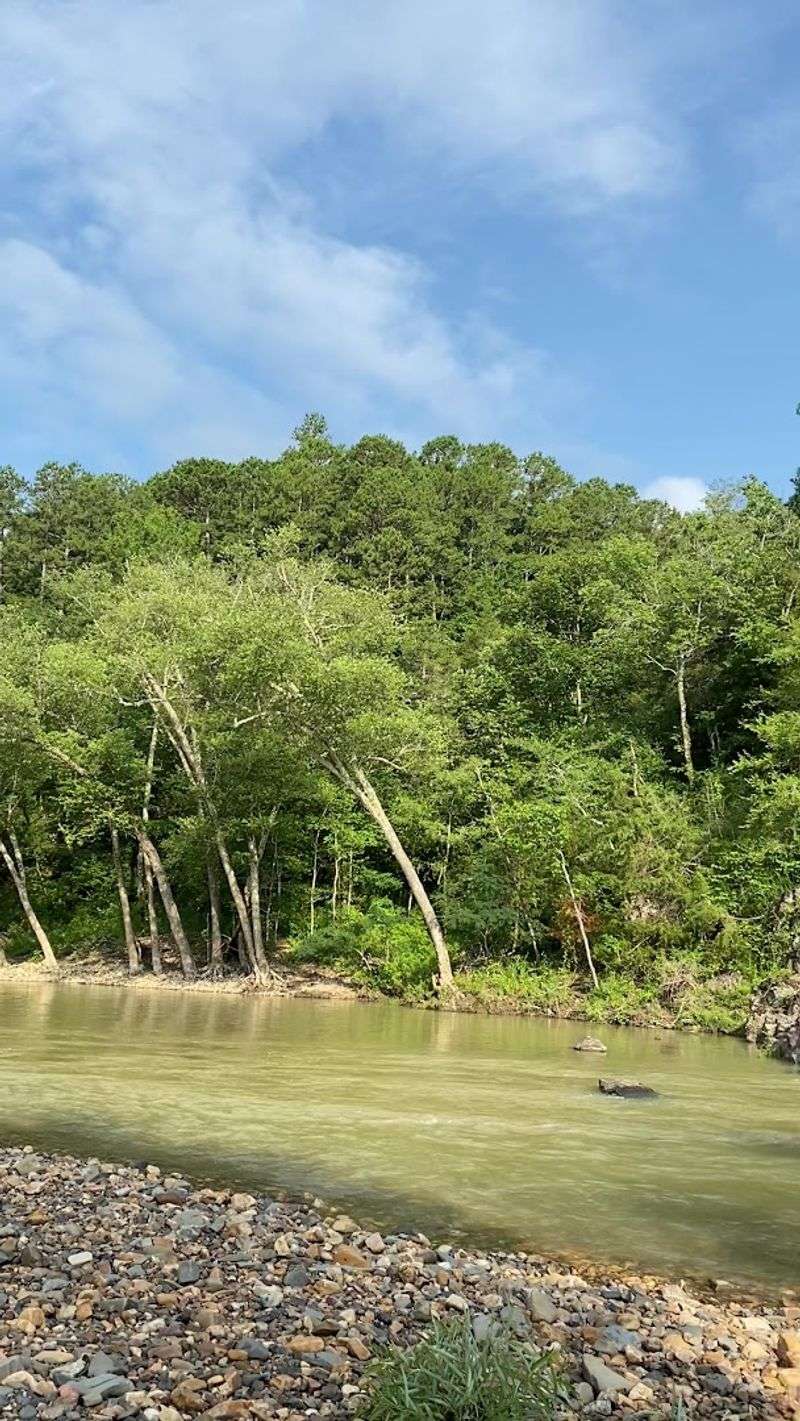
When the whitewater paddlers pack up their kayaks for the season, something surprisingly good takes their place along this river.
Summer and early fall often bring lower water levels to the Cossatot, and that shift can turn calmer sections into places for wading, swimming, and fishing when conditions allow.
The cool, transparent water in summer lets you see straight to the bottom in many sections, where smallmouth bass and sunfish move through the current in unhurried schools.
The Harris Creek Trail, a 3.5-mile loop with some rugged stretches, leads hikers through varied habitats before arriving at an overlook with wide views of the river below.
Multiple access points along the River Corridor Trail bring hikers directly to the water, so a refreshing wade is often just a short detour from the path.
Family-friendly options like the Waterleaf Interpretive Trail and the Brushy Creek Nature Trail also connect to gentler river areas where visitors can cool off carefully on a hot afternoon.
The combination of forest shade and moving water in summer creates a scene that feels more like a private retreat than a public state park.
Quiet Views Along The Rocky Shore
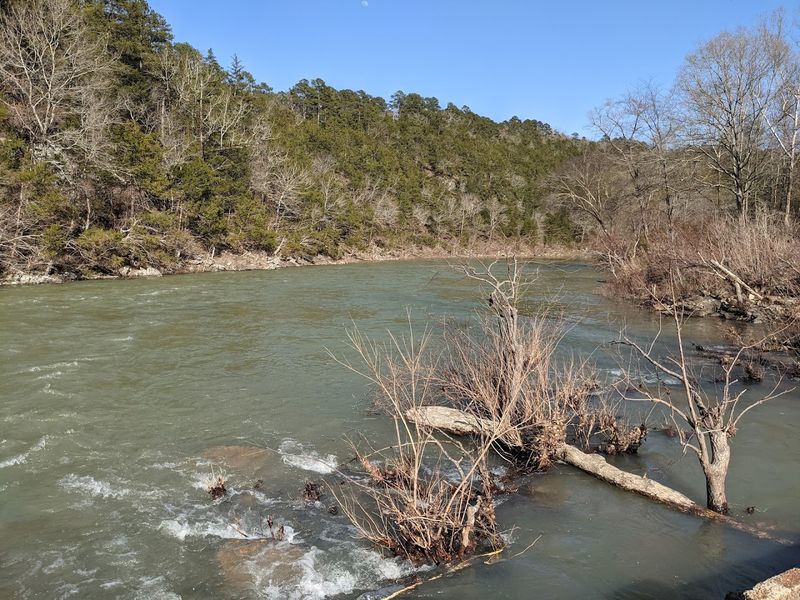
A good view feels even better when you have to earn it, and the overlook at the end of the Harris Creek Trail delivers exactly that feeling.
After winding through habitats that shift from open meadow edges to dense forest, the trail culminates in a high point with a sweeping perspective of the Cossatot River cutting through the valley below.
The rocky shoreline visible from this vantage reveals how dramatically the river has shaped the landscape over time, with exposed stone formations creating texture and contrast against the green forest surrounding them.
Down at river level, the shore offers its own quieter views, with flat rock shelves extending into the water and providing natural platforms for sitting, fishing, or simply watching the current move past.
The water often looks especially clean and clear in summer, when reduced flow makes the river visually transparent in calmer sections.
Wildlife sightings are common along the rocky shore, with deer and various bird species appearing often enough that carrying binoculars feels like a practical suggestion rather than overpreparation.
The park protects habitat for dozens of rare plant and animal species native to the Ouachitas, and the rocky shoreline is one of the best places to encounter that biodiversity firsthand.
A Secret Stretch Of Summer Green
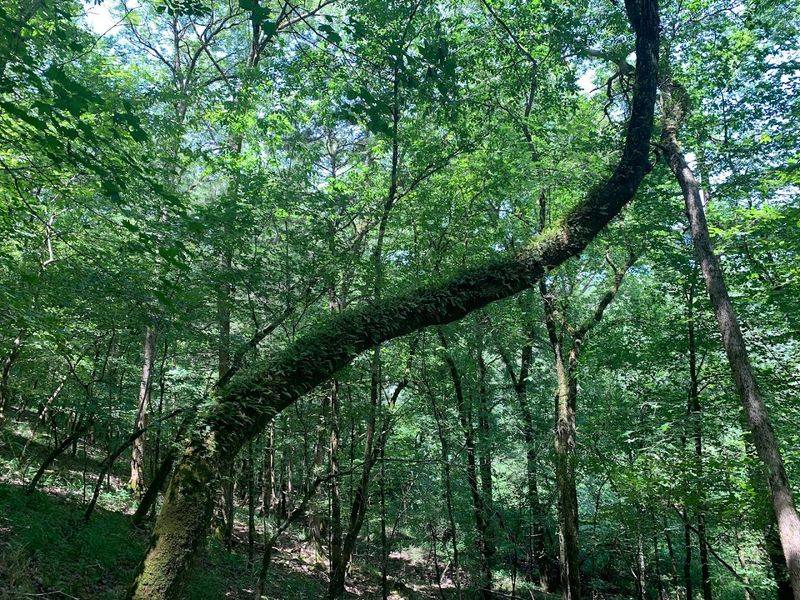
By midsummer, the entire corridor along this river turns a shade of green so saturated it almost looks edited.
The combination of river moisture, mountain elevation, and dense hardwood canopy creates growing conditions that support an unusually rich variety of plant life, including ferns and rare native species that researchers still study today.
A July or August walk can feel like moving through a living greenhouse, with vegetation pressing in close on both sides and the occasional clearing opening up to bright sky above the water.
The visitor center includes educational displays about the unique natural communities the park protects.
Small, unhurried discoveries are part of the experience here, from turtles near the water to quiet movement in the undergrowth.
Bug spray is genuinely useful here in summer, as insects can interrupt an otherwise perfect afternoon on the trail.
Pack it, apply it generously, and then forget about it, because everything else about a summer walk through this green corridor is the kind of experience that stays with you long after the drive home.