
13 Ohio Canalway Stops That Make A Fascinating 2026 Day Trip
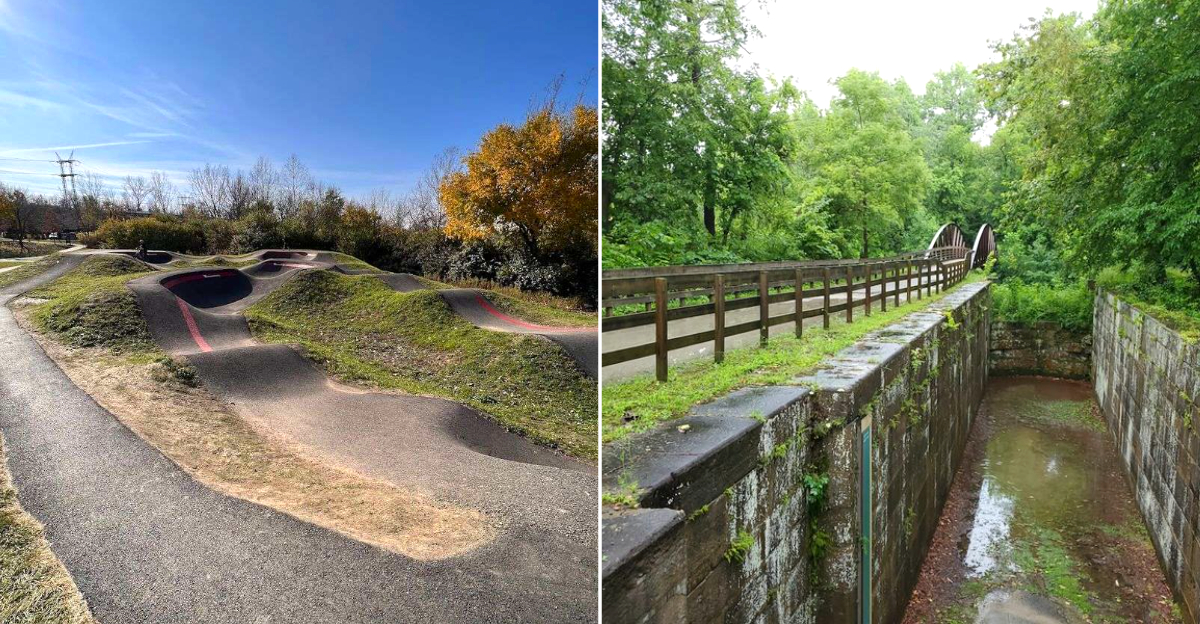
The Ohio and Erie Canalway is not just one of those history topics you pretend to remember from school. It is a 100-plus-mile corridor of old locks, river views, visitor centers, trails, canal towns, and surprising little stops that make Ohio’s past feel much closer than expected.
A good day along this route can move from Cleveland’s urban riverfront to quiet towpath stretches, hands-on canal exhibits, historic bridges, Akron landmarks, and villages that still carry the shape of the 1800s. The variety keeps the trip moving without making it feel scattered.
What makes the canalway so rewarding is how easily it blends history with fresh air. You can read about hand-dug locks, walk beside the water, hop into a museum, watch wildlife, and still have time for a small-town lunch break.
1. Canal Basin Park, Cleveland
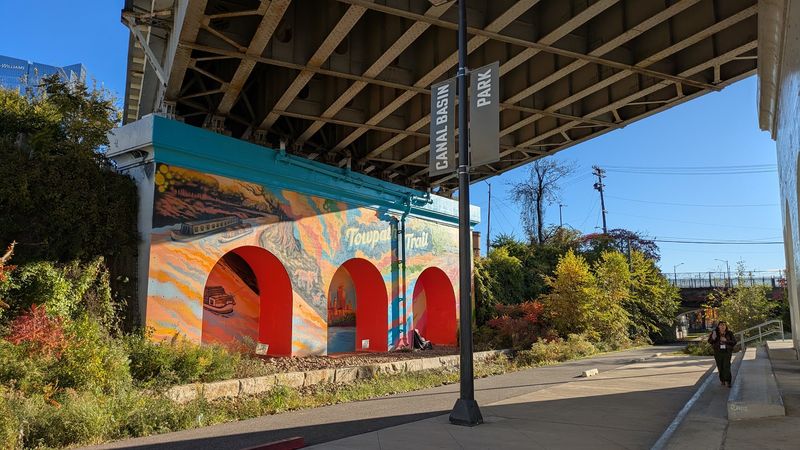
Right in the heart of Cleveland, at 989 West St., Canal Basin Park sits at the northern gateway of the Ohio and Erie Canalway, and it packs a surprising amount of history into a compact riverside setting.
This is where the canal once connected to Lake Erie, making it one of the most strategically important spots in 19th-century Ohio commerce.
Today, the park offers paved walking paths, interpretive signs, and open green space that give you a clear picture of how this industrial waterway once bustled with boat traffic and trade.
The views of the Cuyahoga River are genuinely lovely, and the nearby Flats neighborhood adds an urban energy that contrasts nicely with the natural scenery along the water’s edge.
I recommend arriving in the morning when the light hits the river at a low angle and the crowds are still thin.
It is a great spot to stretch your legs, read the historical markers, and mentally prepare yourself for the canal journey ahead.
Parking is available nearby, and the park is free to enter, making it an easy and rewarding first stop on your canalway adventure.
2. CanalWay Center, Cuyahoga Heights
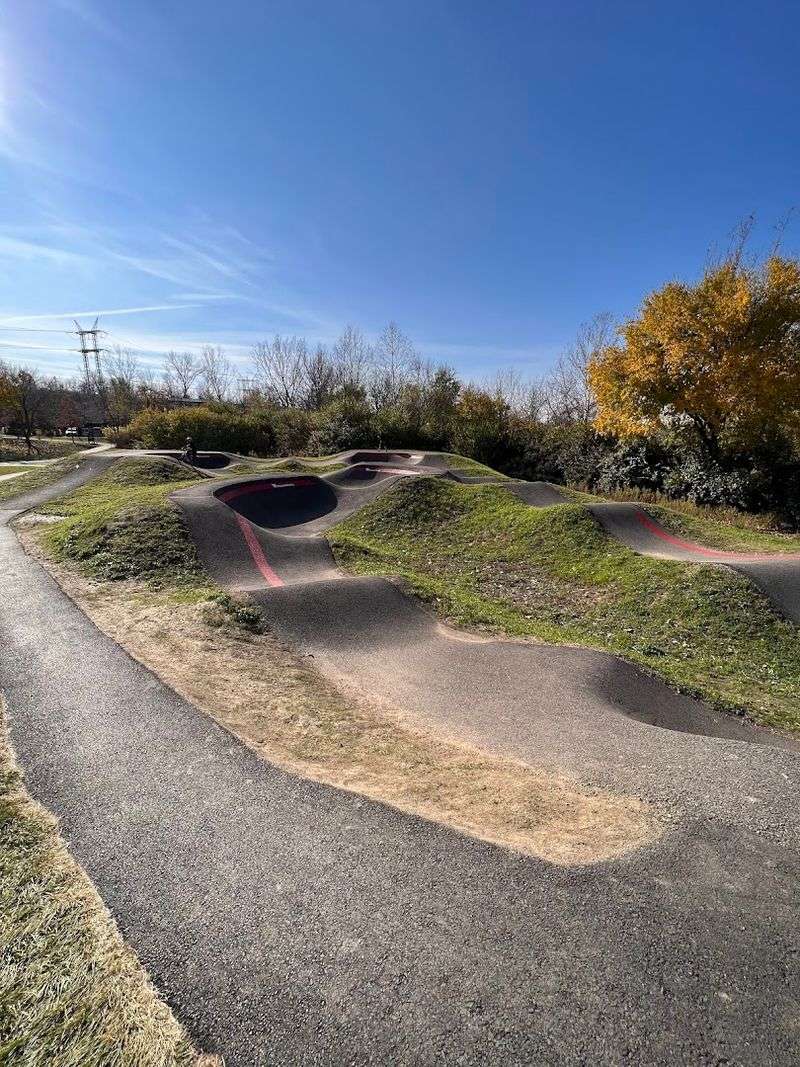
Just a short drive south of Cleveland, the CanalWay Center in Cuyahoga Heights is the kind of stop that quietly overdelivers on expectations.
Located at 4524 East 49th Street, this Cleveland Metroparks facility serves as a major hub within Ohio & Erie Canal Reservation, offering exhibits, maps, programs, and visitor information that help explain the natural and cultural history of the surrounding canalway corridor.
The center is especially useful if you are planning your day trip on the fly, because the staff here are genuinely knowledgeable and happy to point you toward trail connections or nearby historical sites.
Inside, you will find displays covering the relationship between nature, industry, wildlife, and the canal corridor, along with features such as a canal boat play area and bird-viewing space.
Outside, the surrounding reservation connects to trail networks that let you walk or bike near the historic canal route.
I found the interpretive panels here more detailed than expected for a local nature center.
The center is free to visit, and the surrounding area is quiet and beautiful, especially during the fall foliage season when the trees along the canal turn brilliant shades of orange and red.
3. Canal Exploration Center, Valley View
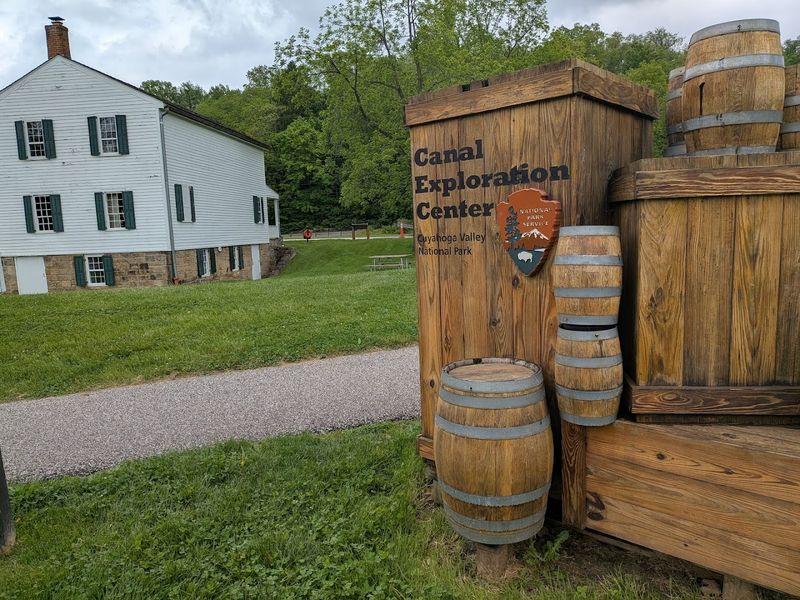
History has a way of feeling abstract until you are standing next to a 200-year-old stone canal lock, and that is exactly the experience waiting at the Canal Exploration Center in Valley View.
Situated at 7104 Canal Road, this site is one of the most hands-on historical stops along the entire canalway corridor.
The center explores the story of the Ohio and Erie Canal through interactive exhibits inside a historic building that once served as a tavern, store, residence, and park visitor center.
During the summer and fall, visitors can check the event calendar for live lock demonstrations that show how canal boats were raised and lowered between different water levels.
The surrounding landscape is lush and peaceful, with tall trees lining the towpath and the quiet sound of water nearby.
Kids absolutely love this spot, and parents tend to enjoy it just as much once they start asking questions of the knowledgeable staff.
Plan to spend at least 45 minutes here, and wear comfortable walking shoes because the towpath trail nearby is too good to skip.
4. Station Road Bridge, Brecksville
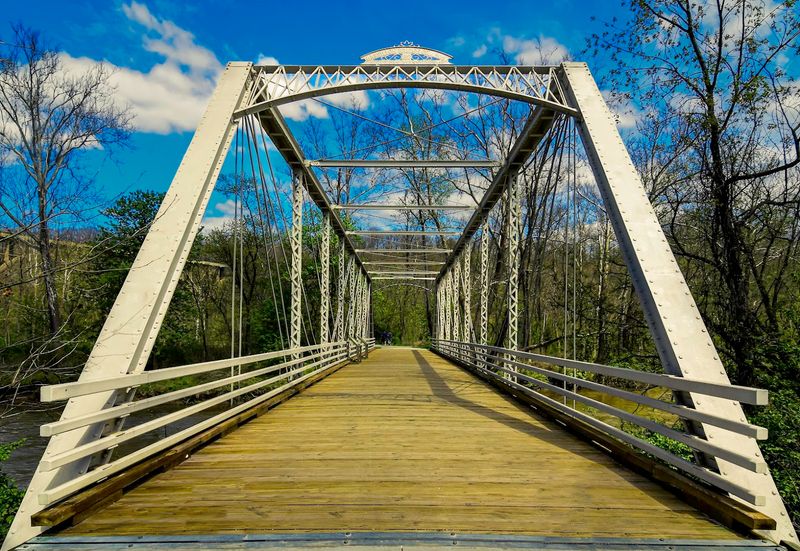
Few spots along the canalway corridor offer the kind of dramatic scenery you find at the Station Road Bridge in Brecksville, Ohio.
Located at 9141 Riverview Road, this historic iron truss bridge spans the Cuyahoga River at a point where the landscape feels almost theatrical, with steep forested banks rising on both sides of the water.
The bridge itself is a registered historic landmark, and it sits at a trailhead that connects to some of the best hiking in Cuyahoga Valley National Park.
From here, you can pick up the towpath trail heading north or south, and either direction rewards you with quiet riverbank scenery and excellent wildlife spotting opportunities.
Great blue herons are common sightings along this stretch, and if you are lucky, you might spot a river otter slipping through the shallows.
The area is also a popular spot for photography, especially in autumn when the surrounding forest shifts into full color mode.
Parking is available at the trailhead, and the site is free to access as part of the national park system.
5. Boston Mill Visitor Center, Peninsula
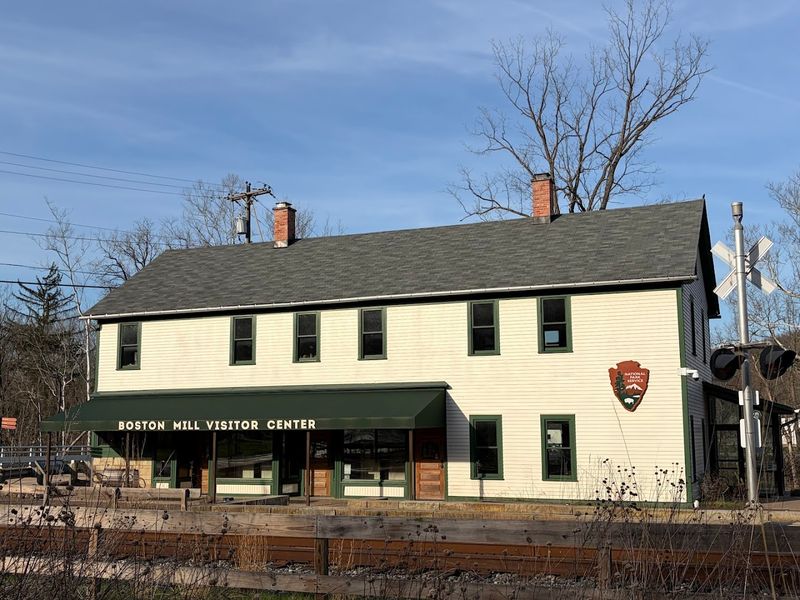
Near Peninsula at 6947 Riverview Road, the Boston Mill Visitor Center is one of those spots where you arrive planning to stay 20 minutes and somehow end up spending much longer.
The center serves as the main visitor hub and “front door” for Cuyahoga Valley National Park, giving visitors a clear starting point for exploring the park’s trails, scenery, and canal history.
Inside, you will find detailed exhibits on the natural and cultural history of the valley, along with helpful staff who can customize trail recommendations based on your fitness level and interests.
The surrounding area is stunning, with the Cuyahoga River running nearby and the Ohio and Erie Canal Towpath Trail accessible close to the parking area.
Peninsula is only a short drive away and makes a pleasant lunch break during your day trip, with independent shops and bakeries that fit naturally into the route.
The nearby Boston Mill area also connects visitors with the Cuyahoga Valley Scenic Railroad experience when seasonal service is available.
Arrive before noon to maximize your time and catch the morning light on the river.
6. Lock 29 Trailhead, Peninsula
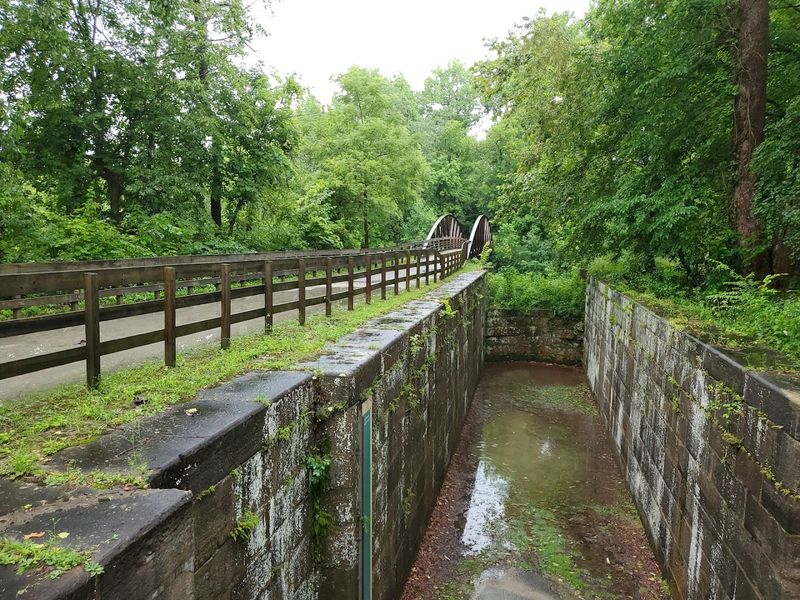
A short distance from the Boston Mill Visitor Center, Lock 29 Trailhead at 1648 Mill Street in Peninsula offers a closer look at one of the original lock structures that made the Ohio and Erie Canal system function.
Lock 29 is a well-preserved remnant of the canal era, and the stone masonry work on the lock walls is remarkable when you consider it was built largely by hand in the 1820s.
The trailhead connects directly to the towpath trail, making it an ideal starting point for a longer hike or a casual stroll along the canal corridor.
The path here is flat and easy to navigate, which makes it accessible for families with young children or visitors who prefer a relaxed pace.
The surrounding landscape is particularly beautiful in spring when wildflowers bloom along the canal banks and migrating birds fill the trees overhead.
I spent nearly an hour here just reading the interpretive signs and watching the light shift on the old stone walls.
The trailhead has a small parking area, and the site is free to visit, fitting perfectly into a budget-friendly day trip itinerary.
7. Mustill Store Museum, Akron
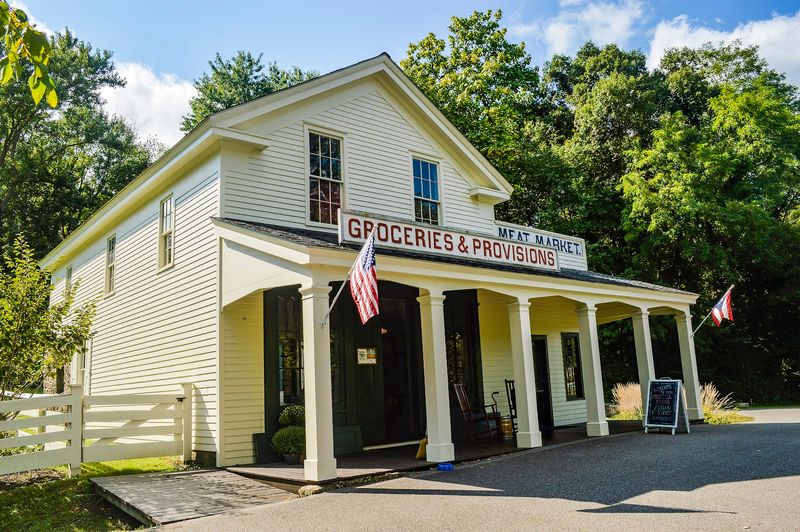
History and commerce collided beautifully at the Mustill Store, a restored 19th-century general store located at 57 West North Street in Akron, Ohio, that once served the boatmen and families living along the canal corridor.
Today operating as a museum, the Mustill Store gives visitors an intimate look at daily life during the canal era, with period furnishings, original artifacts, and exhibits that bring the sights and sounds of 1800s Akron to life.
The building itself is one of the few surviving canal-era commercial structures in the region, and its preservation is a testament to the community’s commitment to honoring its industrial heritage.
What makes this stop particularly engaging is the human scale of the story told here. This was not a grand institution but a neighborhood shop where ordinary people bought supplies, traded gossip, and made sense of a rapidly changing world.
Volunteers and staff at the museum are passionate about the history and love sharing stories that do not appear in any textbook.
Check the museum’s seasonal hours before visiting, as it operates on a limited schedule.
The surrounding Cascade Locks Park area is also worth exploring while you are in the neighborhood.
8. Summit Lake Nature Center, Akron
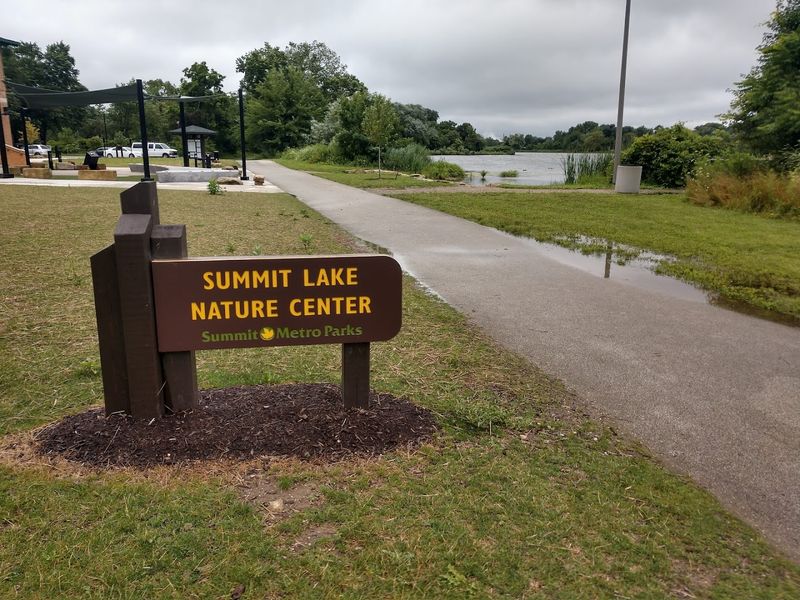
Summit Lake Nature Center at 411 Ira Avenue in Akron is the kind of urban nature escape that reminds you how much green space can exist within a city if people care enough to protect it.
The center sits on the shores of Summit Lake, a natural glacial lake with deep historical connections to the canal era, later transformed for use by the Ohio and Erie Canal and known as the high point along the canal route.
Today, the lake and its surrounding wetlands support a rich variety of wildlife, including waterfowl, turtles, and numerous fish species that draw anglers of all ages to the shoreline.
The nature center offers educational programming focused on urban ecology, community history, and environmental stewardship, making it a particularly meaningful stop for families with school-age children.
The trails around the lake are easy and well-maintained, offering a peaceful contrast to the urban landscape just beyond the treeline.
I found the lakeside views especially calming on a weekday morning when the water was perfectly still and the only sounds were birdsong and distant traffic.
Admission is free, and the center is a genuinely underrated stop on any Ohio canalway itinerary.
9. St. Helena III Canal Boat, Canal Fulton
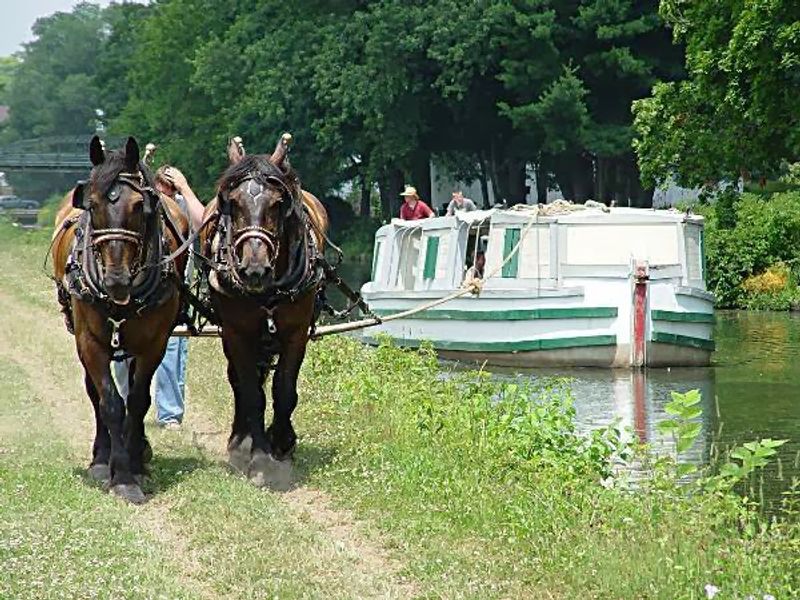
There is exactly one way to truly understand what canal travel felt like in the 1800s, and that is to climb aboard the St. Helena III in Canal Fulton, Ohio.
Located at 123 Tuscarawas Street, this horse-drawn replica canal boat offers narrated rides along a preserved section of the Ohio and Erie Canal, and it is one of the most unique experiences available anywhere along the canalway corridor.
The boat glides slowly and quietly through the water, pulled by a team of horses walking the historic towpath, while a guide shares stories about the canal era, the communities it created, and the boatmen who spent their entire lives on the water.
The pace is deliberately unhurried, which gives you time to actually absorb the scenery and imagine the canal in its operational heyday.
Canal Fulton itself is a beautifully preserved canal town with a walkable main street full of shops and eateries worth exploring before or after your ride.
Rides operate seasonally, so check the schedule in advance and book early since spots fill up quickly, especially on weekends.
10. Bridgeport Quarry Trailhead, Massillon
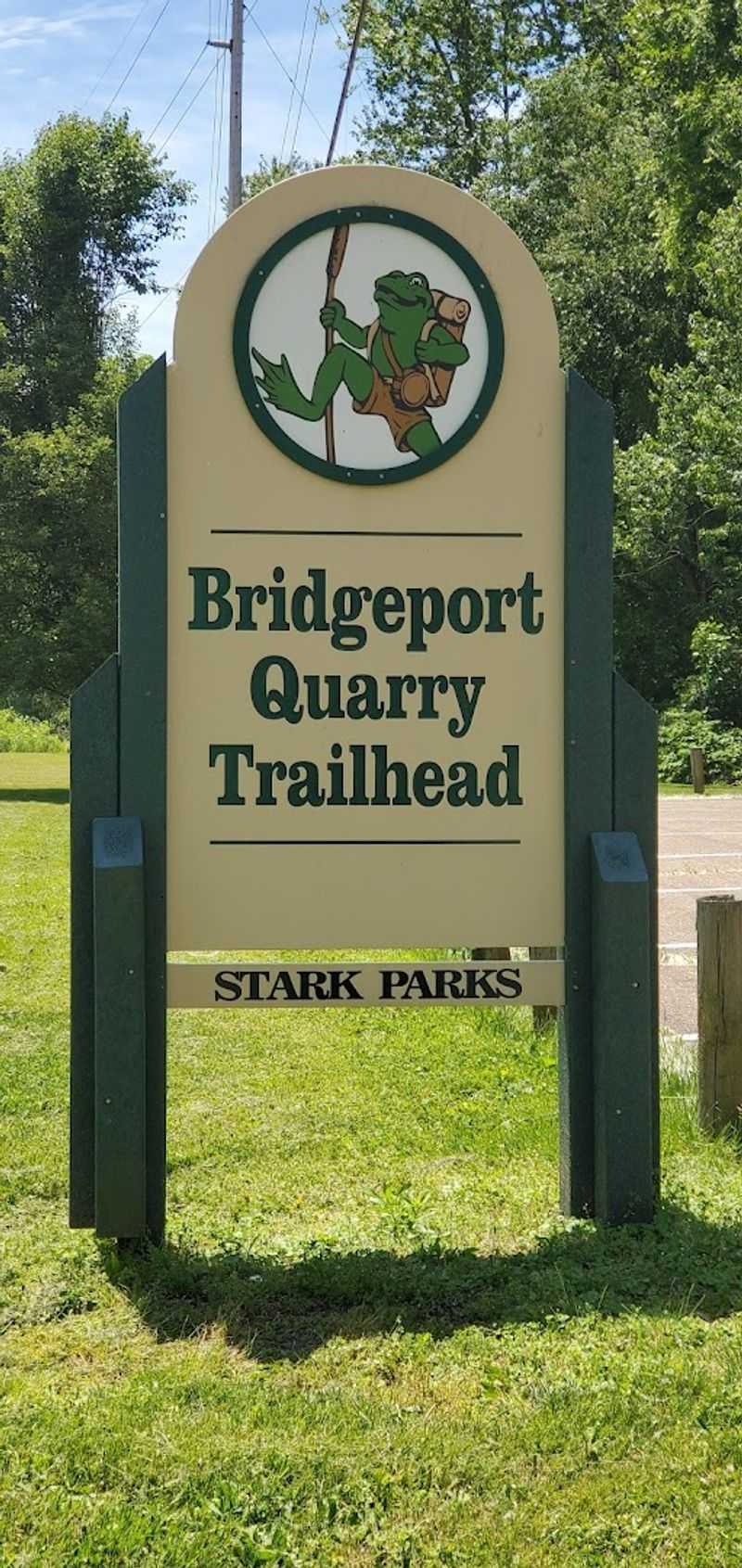
Not every great stop on a day trip comes with a famous name, and the Bridgeport Quarry Trailhead in Massillon proves that point with quiet confidence.
Located at 3455 Erie Ave. NW, this trailhead provides access to a section of the Ohio and Erie Canal Towpath Trail near the Tuscarawas River.
The site is best known as a practical trail access point, with a large parking area, portable restroom, and a primitive campsite available for Towpath Trail hikers and cyclists.
The camping area includes space for several tents, a picnic table, and a fire ring, though drive-up camping is not permitted and campers need to check in with the park ranger upon arrival.
The surrounding area feels quiet and low-key, offering a different kind of canalway stop than the busier visitor centers and historic villages farther north.
Birding can be rewarding in the early morning hours, and the river setting gives the trailhead a relaxed, tucked-away feel.
Pack water and snacks since amenities are minimal, and enjoy the feeling of exploring a stop that many visitors overlook entirely.
11. Fort Laurens State Memorial, Bolivar
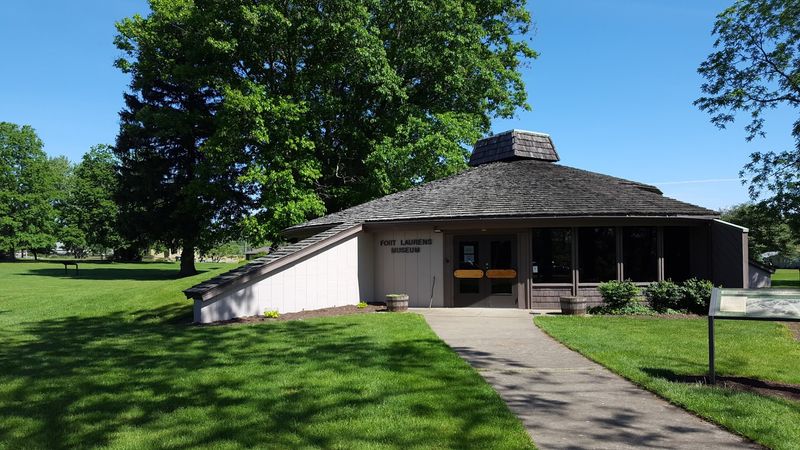
Long before the canal era transformed Ohio, Fort Laurens stood as the only American Revolutionary War fort ever built on Ohio soil, and today its memorial site in Bolivar preserves that remarkable piece of history.
Located at 11067 Fort Laurens Road NW, the site includes a museum with artifacts connected to the fort’s occupation in 1778 and 1779, along with grounds that help visitors understand the layout and daily hardships of frontier military life.
The museum does an excellent job of contextualizing the fort within the broader story of the Revolutionary War in the western territories, a chapter of American history that often gets overshadowed by more famous eastern battlefields.
The grounds are peaceful and well-maintained, with interpretive markers, memorial features, and the Tomb of the Unknown Patriot of the American Revolution adding gravity to the visit.
This is one of those stops that tends to catch visitors off guard with how emotionally resonant it feels.
Plan at least an hour here, and consider pairing it with the nearby Historic Zoar Village for a full afternoon of immersive Ohio history.
Admission fees are modest, and the museum gift shop carries some genuinely interesting historical publications.
12. Historic Zoar Village, Zoar
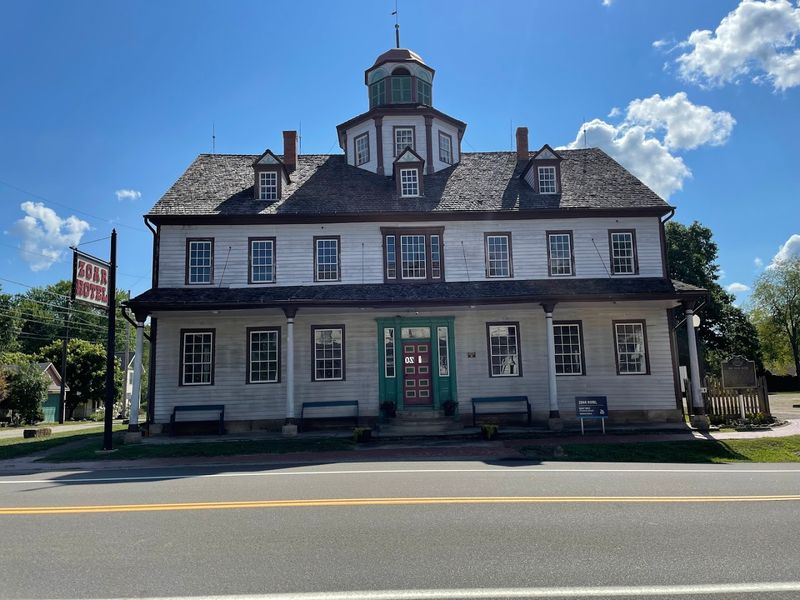
Few places in Ohio transport you as completely to another era as Historic Zoar Village, a remarkably intact communal settlement founded by German religious separatists in 1817.
Located at 198 Main St. in Zoar, Ohio, this National Historic Landmark preserves the original layout of the Zoarite community, including the grand garden, the communal Number One House, tin shop, bakery, and numerous other structures that reflect a self-sufficient 19th-century way of life.
The Zoarites played an interesting role in canal history, having contracted to dig a section of the Ohio and Erie Canal in exchange for the land on which they settled, making this village directly tied to the canalway story.
Costumed interpreters bring the community to life with demonstrations of period crafts, cooking, and daily routines that make the history feel vivid rather than distant.
The village garden, modeled on the New Jerusalem described in the Book of Revelation, is one of the most visually striking historic gardens in the state.
Seasonal events and festivals add extra layers of programming throughout the year.
Zoar is genuinely one of the most underappreciated historical destinations in the entire Midwest, full stop.
13. Schoenbrunn Village, New Philadelphia
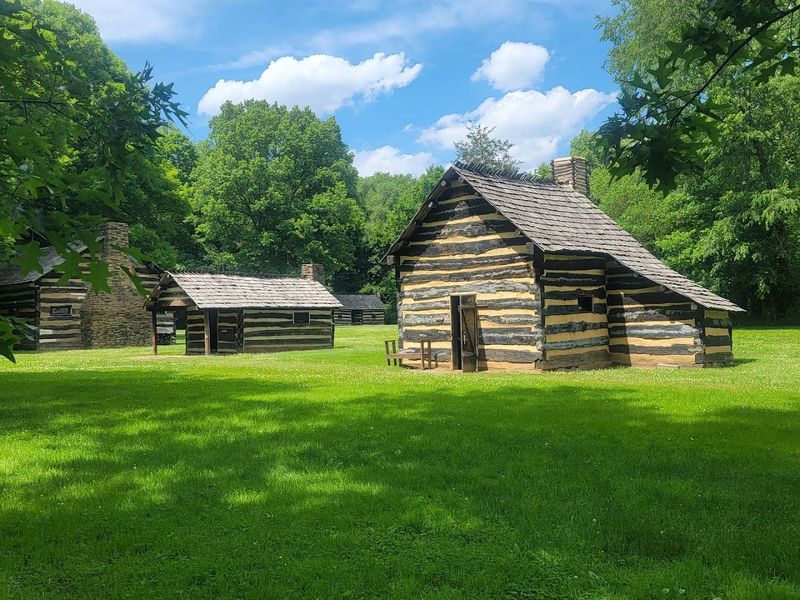
The oldest settlement in Ohio has a story that most people have never heard, and Schoenbrunn Village in New Philadelphia is where that story comes alive in the most tangible way possible.
Located at 1984 E. High Ave., this reconstructed Moravian mission settlement was founded in 1772 by Christian missionaries and Delaware Native Americans, making it a site of enormous cultural and spiritual significance long before the canal era began.
The village features 16 reconstructed log structures, along with a church, gardens, the original cemetery, and a visitor center that help tell the story of the 18th-century settlement.
Walking through the reconstructed buildings gives you a genuinely tactile sense of frontier life, from the rough-hewn structures to the small gardens planted with period-appropriate crops.
The site’s seasonal hours and programming can vary, so checking current Ohio History Connection information before planning your visit is the smartest move.
The surrounding grounds are peaceful and spacious, perfect for a slow afternoon walk after a busy morning of canalway exploration.
Schoenbrunn is the kind of place that quietly rewires how you think about Ohio history, and that makes it the perfect final stop on your 2026 day trip.