
This Delaware Pond Lets You Paddle Through A Bald Cypress Swamp That Feels Deeply Southern
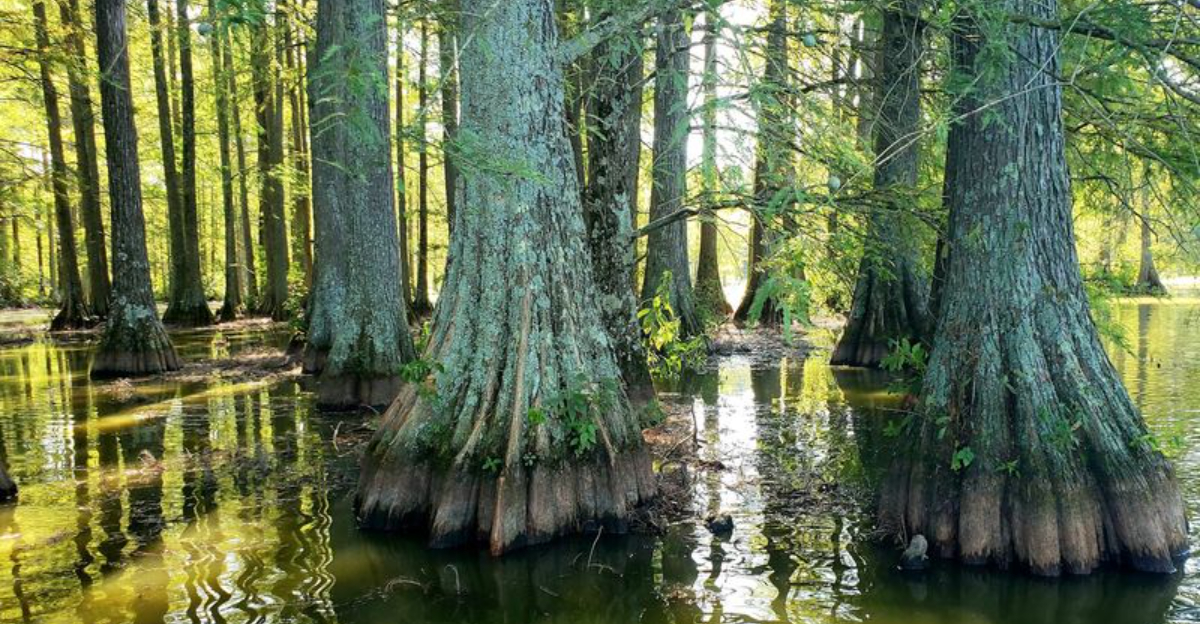
You don’t expect a swamp like this in Delaware. One minute you’re driving through quiet pine woods, and the next you’re sliding your kayak into water that looks like it forgot what century it’s in.
Here, bald cypress trees rise straight out of the dark surface like they’ve been standing guard forever, their roots tangled beneath you like submerged architecture.
The air feels heavier here, slower somehow, as if the world decided to turn down its volume. Every paddle stroke disappears into stillness, swallowed by reflections that blur sky and forest into one.
It’s strangely southern in spirit, even though the map insists you’re far north of anywhere like that. You don’t just move through it.
You drift, like the swamp is quietly deciding your pace for you.
The Northernmost Bald Cypress Stand In The United States
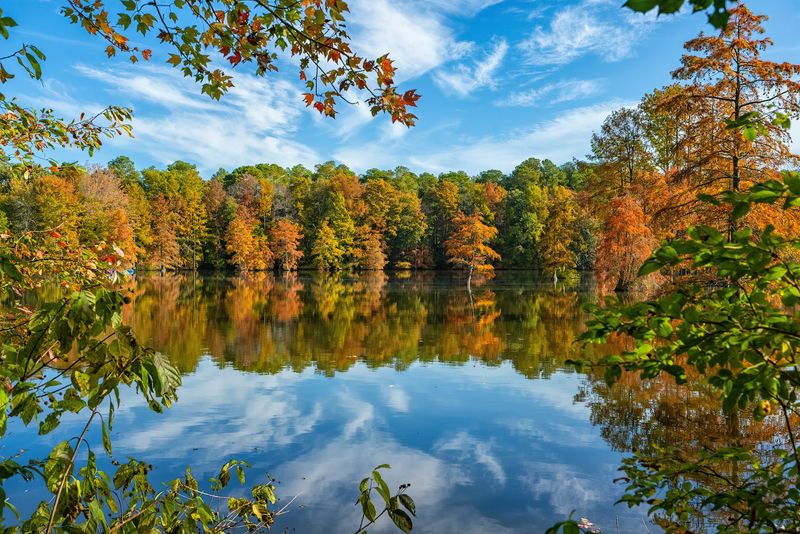
Here is a fact that stops most people mid-sentence: Delaware is home to the northernmost naturally occurring stand of bald cypress trees in the entire United States. That is not a typo.
These towering, prehistoric-looking trees, more commonly associated with Louisiana bayous and South Carolina lowlands, have been quietly thriving in southern Delaware for centuries.
Trap Pond is their northern stronghold, and visiting feels like stumbling onto a geological plot twist.
Bald cypress trees are deciduous conifers, meaning they actually shed their needles in fall like a regular tree sheds leaves.
What makes them visually iconic are their “knees,” those strange woody protrusions that jut upward from the submerged root system. Scientists believe the knees help with oxygen exchange in waterlogged soil.
They also look absolutely otherworldly when you are paddling among them at golden hour.
The trees here grow directly out of the pond, creating a cathedral-like effect when you glide underneath their canopy.
Some of these specimens are hundreds of years old, survivors of the logging era that shaped this region’s history. Standing among them, you get a quiet, humbling sense of just how long nature has been doing its thing here, long before anyone thought to put it on a map.
Paddling The Nine Miles Of Water Trails
Grab a paddle and prepare for one of the most unexpectedly magical water experiences on the entire East Coast.
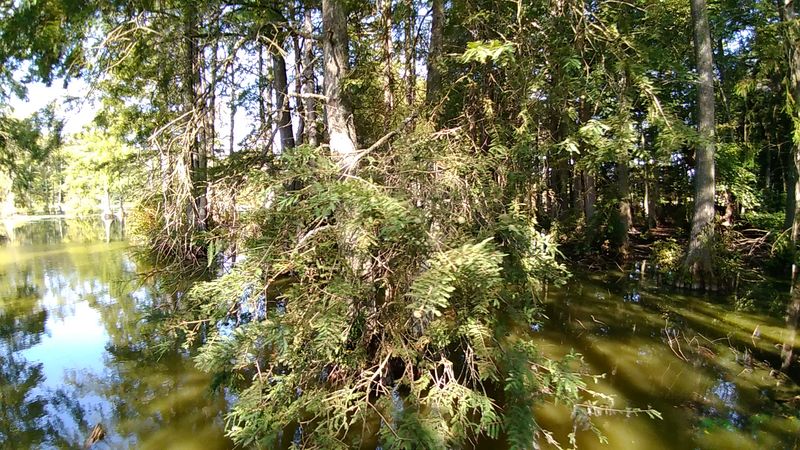
Trap Pond State Park, located at 33587 Bald Cypress Lane in Laurel, Delaware, offers over nine miles of water trails winding through cypress groves, lily pad fields, and tucked-away coves that feel completely removed from the modern world. Nine miles.
That is not a quick splash around the dock.
Canoes, kayaks, and pedal boats are all welcome on the water. You can bring your own vessel or rent one right at the park.
The rental options make it genuinely accessible, meaning you do not need to own gear to have a full experience. Just show up, hop in, and let the current carry the stress away.
What makes the paddling here so memorable is the density of the cypress swamp sections. As you move deeper into the trails, the trees close in around you in the best possible way.
Lily pads carpet the surface, the water shifts from clear to a rich amber color from natural tannins, and the only sounds are birdsong and the soft dip of your paddle. It is the kind of quiet that actually recharges you.
Every bend in the trail reveals something worth pausing for.
The Guided Pontoon Boat Tour Experience
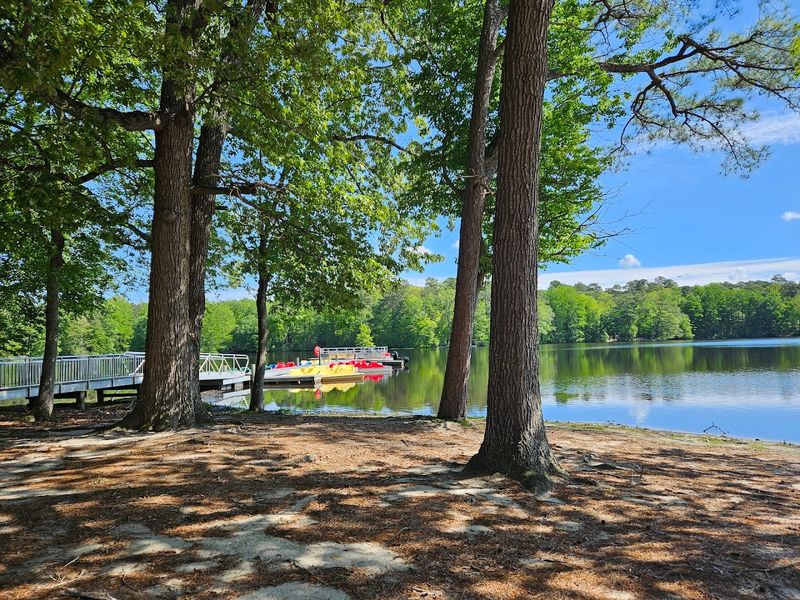
Not everyone is ready to navigate nine miles of swamp water solo, and honestly, there is no shame in that. The guided pontoon boat tours at Trap Pond are a brilliant option for anyone who wants the full swamp experience with a knowledgeable guide narrating the whole thing.
Think of it as a bayou cruise, minus the alligators, plus a whole lot of fascinating ecological storytelling.
The tours cover the pond’s natural history, the significance of the bald cypress ecosystem, and the wildlife that calls this wetland home.
A good guide can point out a great blue heron perched motionless on a branch you would have completely missed on your own. They also explain the pond’s origin story, which involves a sawmill, a dam, and centuries of transformation.
That context adds a whole new layer to what you are seeing.
Pontoon tours are especially popular with those who want a more relaxed, seated experience on the water. The boat moves slowly and quietly, which is actually ideal for wildlife spotting.
Turtles sun themselves on logs, ospreys circle overhead, and the reflection of the cypress trees on the water creates a mirror effect that looks almost too beautiful to be real. Book ahead during peak season because these tours fill up fast and for very good reason.
The Wildlife That Will Genuinely Surprise You
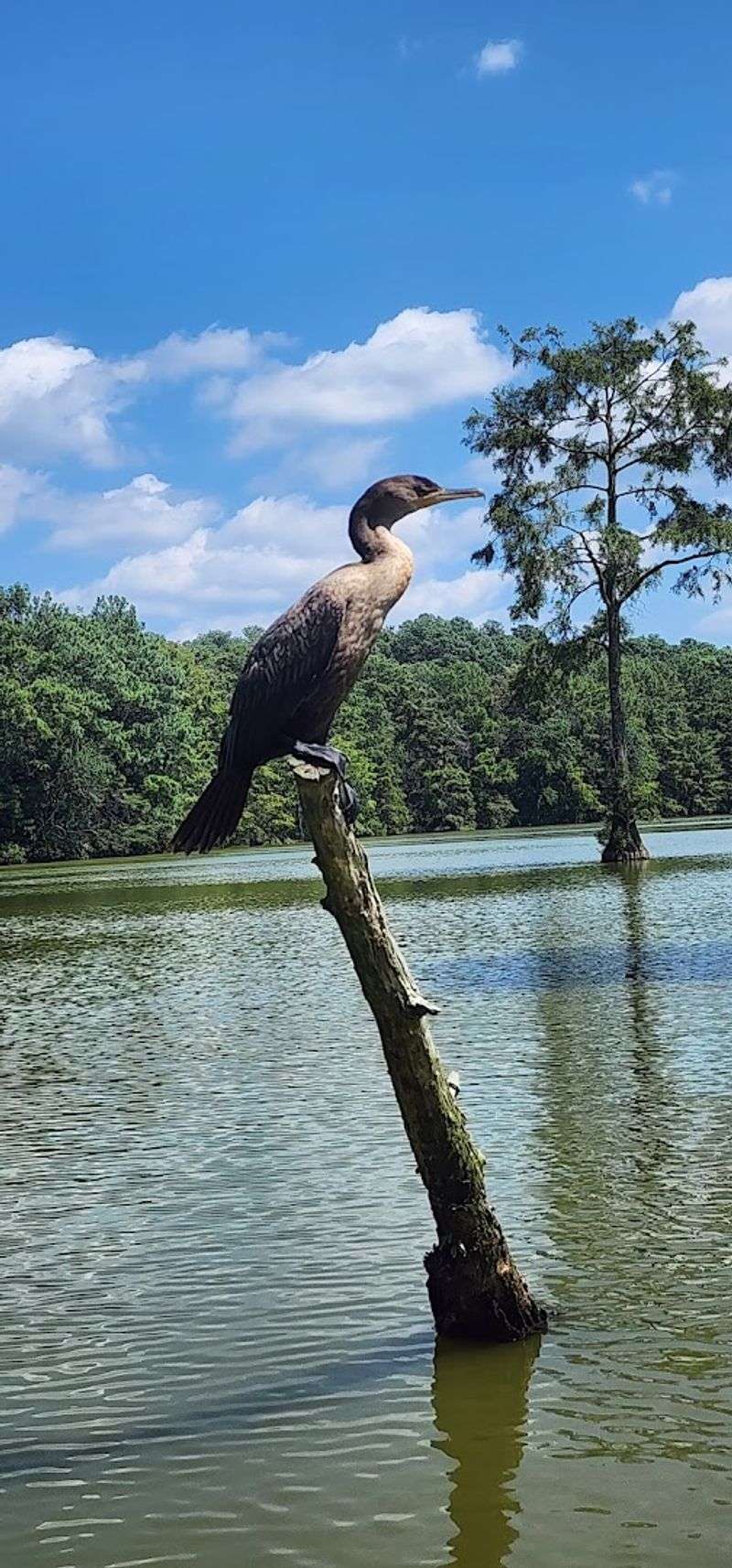
Nobody expects to spot a bald eagle in Delaware, and yet here we are. Trap Pond’s wetland ecosystem supports an impressive variety of wildlife that regularly catches visitors completely off guard.
The combination of open water, dense cypress forest, and surrounding upland habitat creates the kind of biodiversity that wildlife photographers dream about.
Turtles are practically everywhere during warmer months. Painted turtles and snapping turtles pile onto logs and stumps to bask in the sun, barely flinching as kayaks drift past.
Great blue herons stand frozen in the shallows like living statues, waiting with almost unsettling patience for their next meal. Ospreys and bald eagles have been spotted soaring above the pond with impressive regularity.
Frogs provide the soundtrack. Songbirds fill in the melody.
Dragonflies hover like tiny iridescent helicopters just above the water’s surface.
On quieter mornings, deer sometimes appear at the pond’s edge for a drink, and the whole scene feels genuinely cinematic. The swamp is not just a backdrop here; it is an active, breathing, thriving world.
Coming in the early morning gives you the best chance of catching wildlife before the day warms up and everything retreats into the shade.
The animals here clearly did not get the memo that Delaware is supposed to be ordinary.
The Fascinating History Behind The Pond
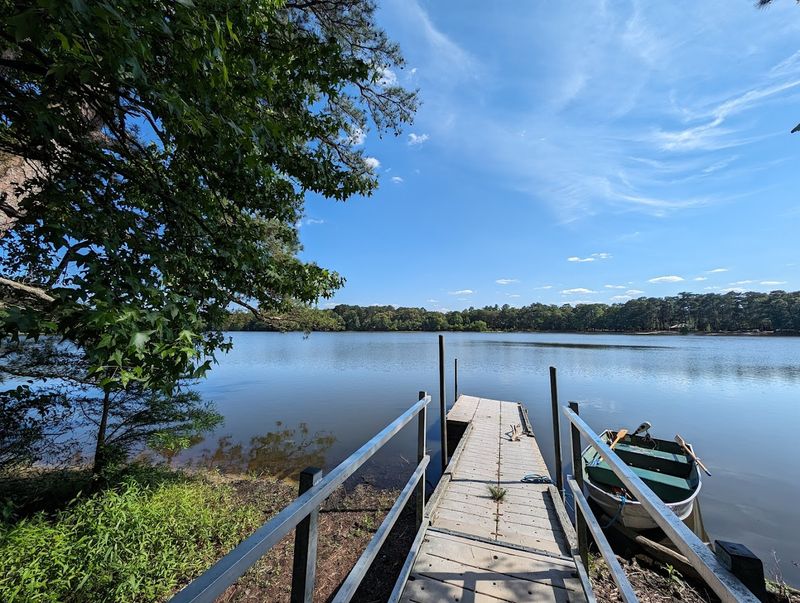
Trap Pond did not just happen by accident. The pond was actually created in the late 1700s when a dam was constructed to power a sawmill.
The mill harvested bald cypress timber, which was highly prized for its natural rot resistance. Cypress wood was used in shipbuilding, fencing, and construction throughout the region.
The pond itself is essentially the byproduct of that industrial era, which makes its current wild beauty feel like a satisfying full-circle moment.
Fast forward to the 1930s, and the Civilian Conservation Corps stepped in to transform the area into a recreational destination.
The CCC built trails, facilities, and infrastructure that shaped the park’s layout as it exists today. Their work was part of a broader national effort to develop public green spaces during the Great Depression, and Trap Pond became one of their most quietly impressive projects.
By 1951, it officially became one of Delaware’s first state parks. That long history gives the place a layered quality that goes beyond just pretty scenery.
You are paddling through a landscape that has been a working forest, a conservation project, and a beloved public park across three very different centuries. Understanding that history makes every cypress tree feel like a living monument to resilience and reinvention.
Hiking And Biking Trails Through The Wetland Forest
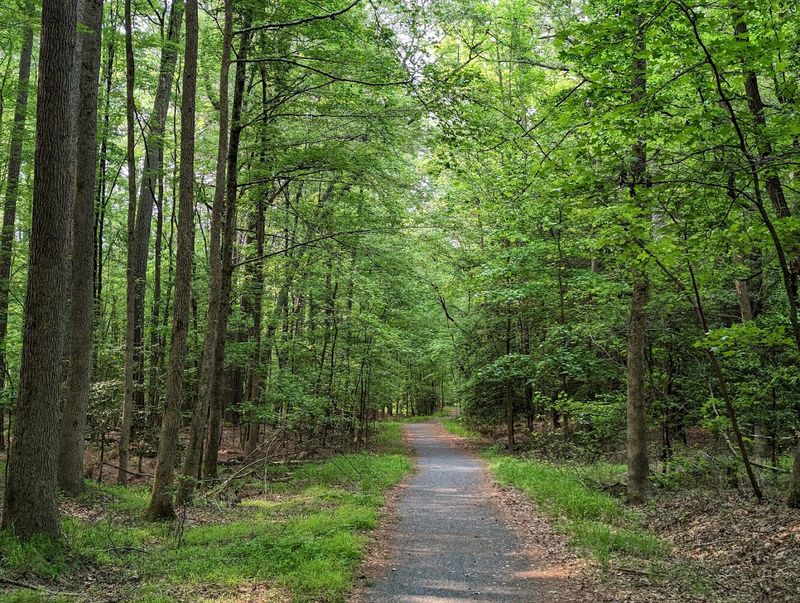
The water gets most of the attention at Trap Pond, and fairly so. But the trails here are genuinely worth lacing up your boots for.
The park offers over nine miles of hiking and biking trails that wind through the wetland forest, loop around the pond, and connect to a section of the national park side for longer explorations.
The flat terrain makes most of it accessible and enjoyable without requiring serious athletic preparation.
Bikers will appreciate the gravel trails that cut through dense tree cover, offering shade even on warm days. The forest floor along these paths is lush and varied, with ferns, wildflowers, and the occasional magnolia tree adding to that unmistakable Southern vibe.
Magnolias in Delaware. Still wild to think about.
Hikers moving at a slower pace tend to notice the most. A turtle crossing the path, a woodpecker hammering away at a snag, the way morning light filters through cypress needles and lands on the water in shifting golden patches.
The trails are well-maintained and mostly flat, making them approachable for a wide range of fitness levels. Going early in the day means fewer people and noticeably fewer bugs, both of which are genuinely compelling reasons to set that alarm a little earlier than planned.
Camping Under The Cypress Canopy
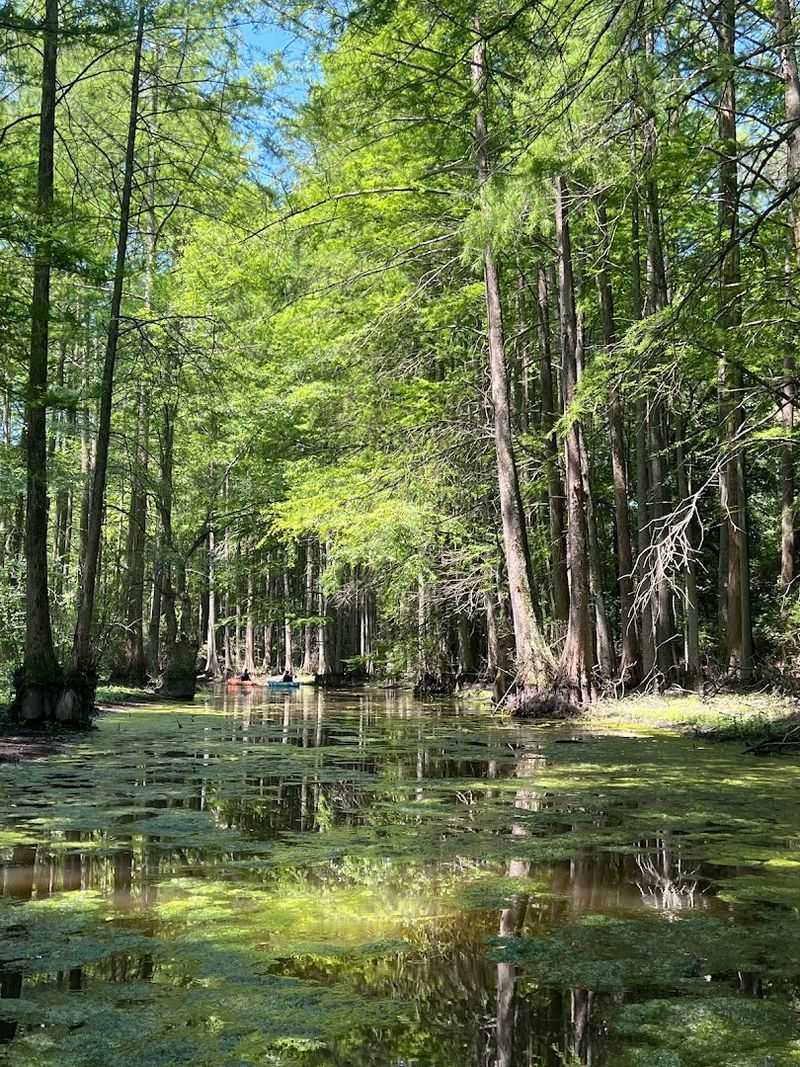
Spending one day at Trap Pond is great. Spending the night there is on a completely different level.
The campground at Trap Pond State Park offers a range of options including traditional tent sites, RV hookups, cabins, and yurts.
The variety means you can calibrate your comfort level without sacrificing the experience of waking up in the middle of a cypress forest.
The tent sites, particularly in the walk-in loops, are spacious and heavily shaded. The tree canopy overhead creates a natural ceiling that keeps things cool and atmospheric.
Falling asleep to the sound of frogs and waking up to birdsong is the kind of sensory reset that no spa weekend can fully replicate. The bathhouses are clean and well-maintained, which matters more than people admit when camping.
Mornings at the campground have a particular magic to them. Mist rises off the pond, the light comes in at a low angle through the trees, and everything feels hushed and expectant.
Having a kayak rental or your own boat means you can be on the water before most visitors even arrive. Camping here is not just about sleeping outdoors, it is about fully inhabiting a place that genuinely rewards the extra time and attention you give it.
The Baldcypress Nature Center And Educational Programs
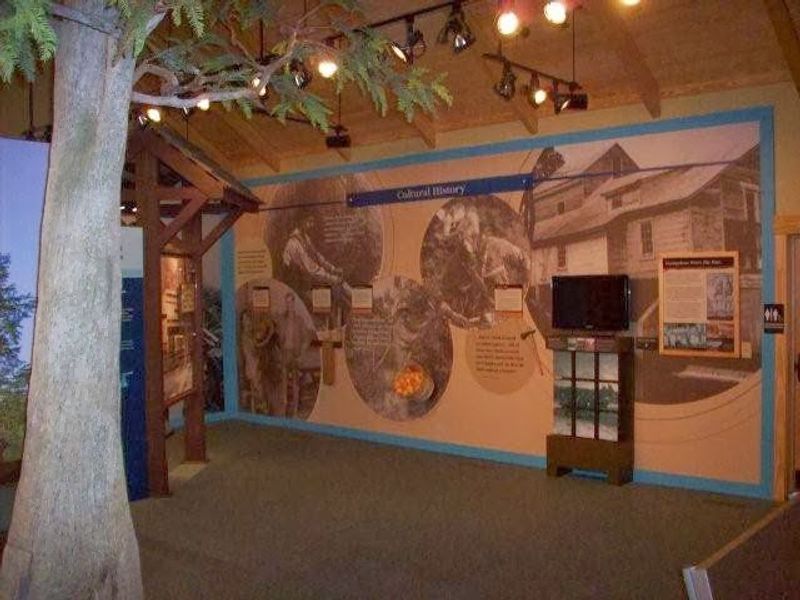
Before or after hitting the water, the Baldcypress Nature Center is worth a proper visit. It serves as the interpretive heart of the park, offering exhibits and educational programs focused on the unique wetland ecosystem that makes Trap Pond so ecologically significant.
For anyone who wants context beyond just paddling through pretty scenery, the nature center delivers that in an engaging and approachable way.
Programs at the center cover topics ranging from local bird species to the biology of bald cypress trees, wetland ecology, and the cultural history of the region.
These are not dry classroom lectures. They are designed to connect visitors of all backgrounds to the living landscape just outside the door.
Seasonal programming shifts the focus throughout the year, so repeat visitors always find something new to engage with.
The nature center also serves as a great starting point for first-time visitors trying to orient themselves before exploring. Rangers and naturalists there can offer trail recommendations, water conditions, and wildlife tips that genuinely improve your experience.
Trap Pond is one of those rare parks where the educational layer actually enhances the adventure rather than slowing it down.
If you have ever wondered what makes a swamp more than just a swamp, this is the place that answers that question with real enthusiasm. Are you ready to see Delaware completely differently?